







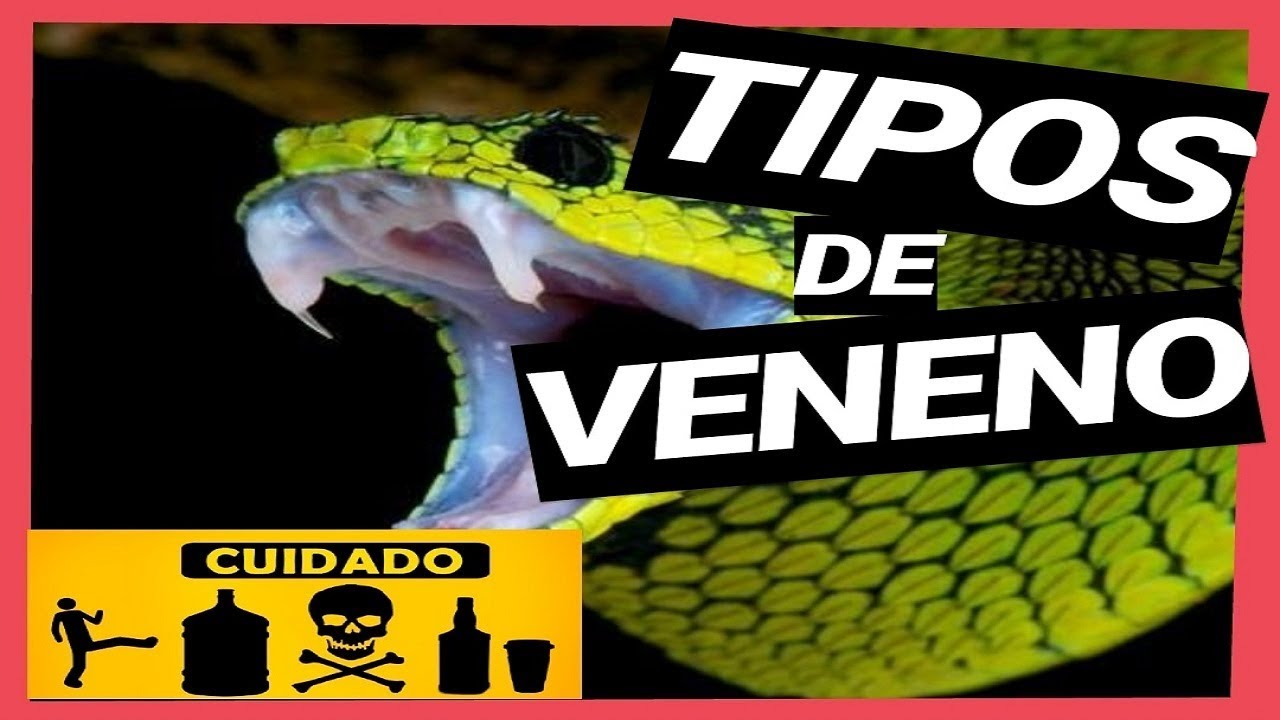















Cottonmouth (water moccasin) snakes possess hemotoxic venom that rapidly destroys human blood cells and causes abnormal coagulation, transforming healthy blood into a clumpy, jelly-like substance that can lead to organ failure if not treated within 30 minutes; despite being one of the most toxic snakes in the US, fatalities are rare due to localized effects and prompt medical treatment.
Cottonmouth Venom Effects on Human Blood: A Scientific Analysis
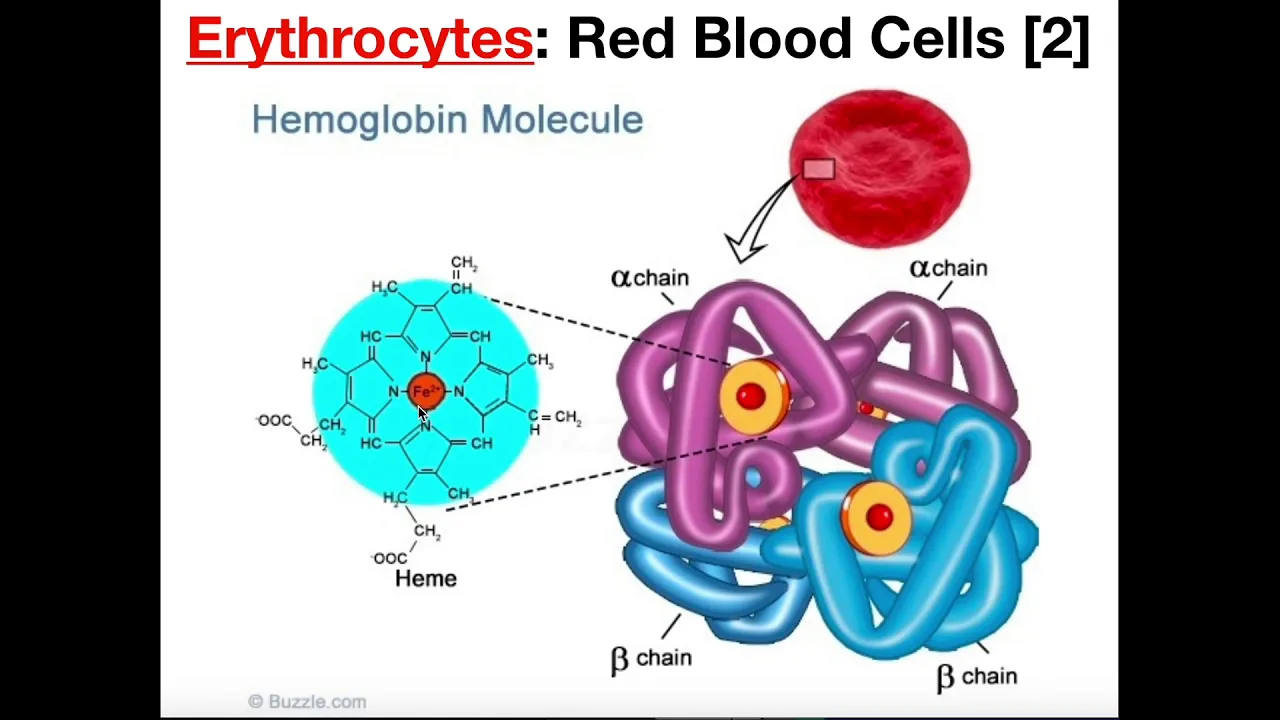
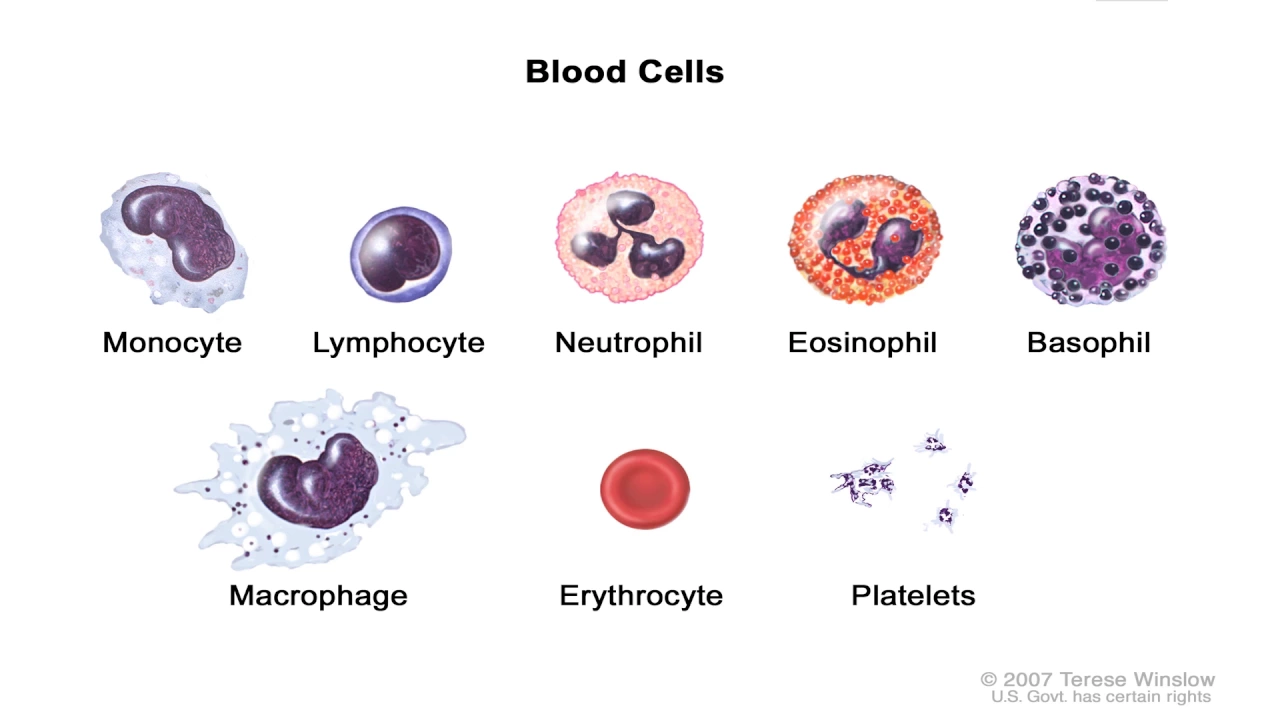
Added:The basic composition of human blood, including the specific structures and functions of erythrocytes (red blood cells), platelets, and plasma.
The physiological process of hemostasis and the coagulation cascade, which regulates how blood normally clots to prevent hemorrhaging.
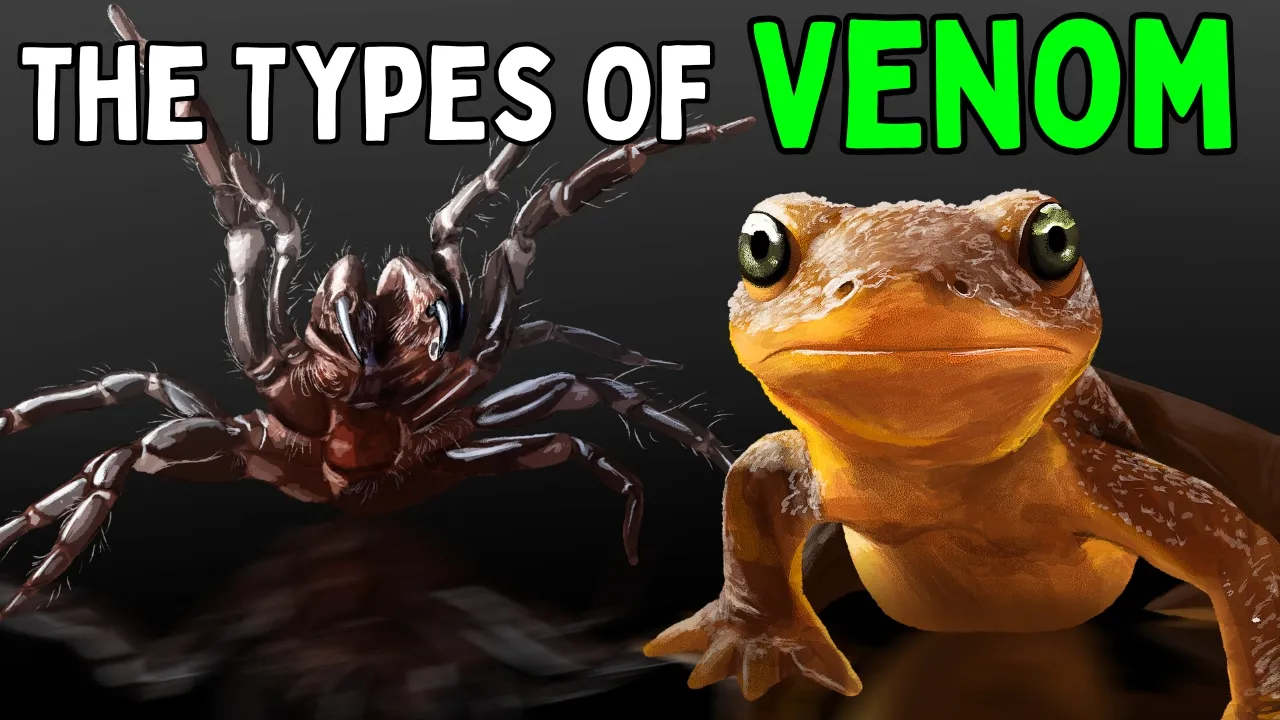
The fundamental distinctions between the primary classes of snake venoms, specifically comparing hemotoxins, neurotoxins, and cytotoxins.
An understanding of basic cell biology concepts, particularly cell membrane integrity and how osmotic pressure or external agents can cause cellular lysis.
The biochemical mechanisms of antivenom (antivenin) production and how therapeutic antibodies neutralize hemotoxic proteins in the bloodstream.
The clinical pathology of pit viper (Agkistrodon piscivorus) envenomation, including systemic effects like consumptive coagulopathy and thrombocytopenia.
The evolutionary biology of venom systems, exploring how standard physiological proteins in reptiles underwent gene duplication to become highly specialized toxins.
The pharmacological applications of hemotoxic venoms, specifically how researchers isolate venom peptides to design cardiovascular drugs like anticoagulants and antiplatelet agents.
757.7K views8.3Klikes13:15Original Release: 2025-04-12
This snake is considered one of the deadliest in the US and one of the most aggressive. But what actually happens if a cotton mouth bites you? Today, we're going to be putting cottonmouth venom in human blood to find out. The cottonmouth is one of the world's only semi-aquatic pitfers.
Spending much of their lives both on land and in the water, these snakes have found their way into old wives tales throughout most of the southern US. It is said that this snake is the most aggressive in North America, chasing you down to deliver a deadly bite. I myself have believed these to be one of the deadliest snakes in the US, but I've always wondered how dangerous they really were. Today, I'm joined by my friend Ray Tiller, host of the YouTube channel Fantastic Films, and a fellow wildlife educator. And we're going to be getting to the bottom of these horror stories about the cotton mouth. But first, we have to find one. Cotton mouths are one of the most common venomous snakes in Florida. But due to their camouflage and amphibious lifestyle, tromping through a swamp might not be the best way to get one in a controlled situation. Instead, we're going to take advantage of one little quirk of their reptile biology. In order to heat up for each night's hunt, these snakes sometimes come to the road to bask. So, if we cover enough ground, we're sure to find ourselves a nice Florida cotton mouth. Beautiful little snake here. They're kind of fun cuz on land they're pretty much useless. This is one of the most aquatic snakes we could have come across and it's the only aquatic pit viper in the entire world and they are pretty gnarly predators out here. They are the most common venomous snake here in Florida for sure. And tell us a little bit about the venom inside of this snake. So, these guys are a heotoxic snake. That means their venom is going to be primarily attacking the blood. Out of all of the major pit vipers here in the United States, so you have rattlesnakes, the Florida cotmouth, and copperheads. Where would you rank the cotton mouth in that? They're definitely above pygmy rattlesnakes and copper heads. They're a bigger snake.
Their venom is more toxic. But there are definitely some rattlesnakes out there that are just huge, have a huge venom yield, and a very toxic venom that would kill you a lot faster. But this one is actually one of the more toxic snakes in the United States. In fact, uh they have the nickname swamp rattler. Not just because of the fact that they can sometimes rattle their tail against leaves and stuff to create a rattling sound, but because their venom is on par with things like western diamondbacks.
They are nasty. But today, I think we're going to actually see firsthand what a bite from this snake can actually do to the human body. So before we collect venom, we have to have a place to put the venom. That is right. So, we got a little container here. And what I'm going to do is because we're in the field and we want the venom to stay decently intact, we're going to actually kind of put it in like a plastic chamber, right? So, I'm going to line this with some plastic wrap here and I'm going to put over top. We need a membrane that'll actually feel like skin so the snake is actually inclined to bite it and rubber band to hold it in place. And now we got a place to put our venom. So, I think if you're ready, let's actually try and get some venom from this cotton. I think it's time. While snakes aren't aggressive, bites do happen. We're going to be simulating a bite today. But the time where you are most likely to be bitten by a snake is if you're messing with it. What we're about to attempt is extraordinarily dangerous and you should not try this at home. So, now it's time for the most delicate process, trying to get the snake into the tube. Now, like we said, we never recommend that you handle snakes, but if there was the safest way to handle a snake, tubing is the method to go.
Almost there. There we go. Snake is in the tube. I'm going to turn nice grab.
So, you can basically only has one only one option forward. Yep. And so how we're going to do this is I'm going to be holding the container and get the snake to strike once it comes out all the way to the edge. Okay, you guys got a good shot? Yep. Good shot.
Okay, snake slowly going to move. Got to keep my hands on the bottom. There you go. Still gets my heart racing a little bit as he gets mostly out. Is he going to bite?
reluctant to bite at the moment. You need to be headed. So, yeah, this cotton mouth is really reluctant to bite.
So, here we have the perfect opportunity for it to strike and it is not taking it. So, I'm going to have to head him.
So, this experiment just went from risky to very risky cuz now Spencer has to head the snake. Oh, I hate doing this.
This maneuver is not only more dangerous for me, it's also more dangerous for the snake. All right, here goes nothing. I have to pin this snake in order to hit it. If my pin is too weak, the snake is strong enough to escape, wrap around, and bite me before I can react. But also, if I use too much pressure, these snakes are strong, but they're still delicate, and I could injure or even kill this animal. Grabbing a snake by the head, heading the snake is one of the most high stress things you can do with one of these animals. And it's something that I hate doing because of the risks. But if we're going to get that venom sample, this is the only way forward. We get one shot.
Nice. Okay. All right. Let's see if we can get some venom out of this cotton mouth.
Oh, there he goes. There he goes. There go. There we go. We got some venom. Oh my goodness.
Oh, another stripe, too. Oh my goodness.
Look at those fangs. Wow. Okay, I think we got everything that we're going to get out of this snake.
Oh my god, look at the venom from this cotton mouth. Mhm. That is about as risky as this experiment could have possibly have been. But we were successful. We now have cotton mouth venom. So, now it's time to take this back, do the blood extraction, and see how this venom reacts to human blood under the microscope. It's going to be crazy.
Yeah. Well, it is a few hours after the actual venom extraction, and now it's time for the experiment. So, we have our snake venom here that is still viable.
We have our microscope set up. Spencer, you have your phone that's going to record the reaction of the venom with the blood. This is the first time I've ever done any kind of venom versus blood experiment. I am super excited to see how this actually goes because, you know, I've done a lot of research and reading on how venom reacts in your bloodstream, specifically with the pit vipers here in the United States, but I've never actually seen it unfold in front of my eyes. So, I'm super excited to do this. I have tested venoms before.
The copperhead, America's most common venomous snake, turned my blood into a runny soup as it ruptured my blood cells. The rattlesnake clumped my blood together, turning it into a chunky jelly-like substance, as its potent hemotoxin destroyed the sample. The cotton mouth is more closely related to the copper head, but their venom potency is closer to that of the rattlesnake. In a few short moments, we will see exactly what chemical power these snakes are packing. Okay, so you have the venom now. Wow. Yeah. So, the venom is officially mixed with my blood. cover oozed out. Wow. Okay. Yeah, I'm definitely not going to touch any part of the table now that we have active venom outside of the container. All right. Now, time I'm really curious to see what this looks like. Yeah. Now, time for the moment of truth. This is my blood mixing with the venom of the Florida cotton mouth. Before I show you the venom reaction, I already know there's going to be trolls in the comments. So, this is what healthy human blood looks like. And you can see the cells are pretty evenly distributed.
Nice liquid consistency. Those healthy doughnut- shaped blood cells. Standard fair healthy human blood. As this sample is exposed to the air longer, we can also see healthy coagulation happening.
And I want to show you this, too, because I know there's going to be people who flock in the comments and are like, "Oh, this is just normal coagulation. Nothing's happening here.
You click baited us." No, this is healthy coagulation. You can see that the blood cells actually stack up in rows. And this is normal when you get a cut, when you get a wound, blood cells stack up like that to form blood clots to prevent you from just bleeding out every time you get cut. What we're going to see in the venom reaction is going to be much, much scarier. I'm already starting to see it. I know. Look how clumped together my red blood cells are.
Yeah, it's really really gnarly. So that's like almost instant coagulation as soon as it met the venom. Mhm. That was a fresh sample, too. We go in a little bit closer. See if you can see.
So, you still have some blood cells that are moving, but not nearly as much as what we saw before. They're getting misshapen, too, cuz they're actually being burst. Like the copperheads and rattlesnakes, the cotton mouth is a pit viper. And North American pit vipers have what we call a hemotoxic venom, a venom that attacks the blood specifically. It's a terrifying thing to get in your body, but that's not its real purpose. These snakes use it as a tool when hunting fish, frogs, and small mammals in the swamps they call home.
When you're a snake, you don't have claws or powerful bite force that you can use to kill your prey before you eat it. And you're basically just a tube of flesh with a head. If your food is still alive when it gets inside you, there's a good chance it'll fight back. And many of the small animals a cotton mouth would be eating do have claws and sharp teeth that could do a lot of damage to the snake's vulnerable organs. Their venom makes sure that the prey is good and dead before it begins to eat and also helps digest it from the inside out. The hemotoxic effects of the venom are because these toxins are destroying cells, breaking them down to their protein building blocks. And when this venom is injected into you or me during a bite, it can produce some shocking effects. It is unbelievable how quickly my blood has coagulated. And you're right, they there are like a lot of misshapen blood cells. So, what it's basically doing is it's ripping them apart inside your body. That's going to like gum up your organs and stuff. And not only that, this venom targets the blood, but it is going to affect other tissues and stuff too. And that's going to mean tons and tons of damage. Look at this little chunk here. You can kind of see just how like it's very very different like the healthy coagulation.
So, you're basically going to have chunks like that where all the blood is just and it turns your blood into like this weird clumpy jelly that's going to be still pumping through your body, but now it's gumming up your organs. Your organ function is going to fail. And what actually kills you with a cotton moth bite and most most North American pit vipers is your organs failing once the blood is not functioning properly.
So, Spencer, a question I have for you, and I'm not sure if you're going to have a direct answer for this. I just want your best guess. So, say you were tagged by a Florida cottonmouth, a good-sized adult, and if you don't slip into anaphylactic shock right away, how long can you go without seeking medical attention before you can expect your life to possibly end? The faster you can get to care, the more likely your prognosis is going to be good. 30 minutes is like ideal or immediately is ideal. 3 hours is where you start to see really big issues. If you're going 3 hours without care, you're probably going to have permanent damage.
Fatalities to cotton mouths are actually quite rare. Despite being one of the more toxic snakes in the US and having the venom yield to back it up, the effects of a cottonmouth bite are typically more localized to the area you were bitten. This doesn't mean that a bite from a cotton mouth is something you can just walk off. The destructive power of this venom is a force to be reckoned with, and many cotton mouth bites end in amputation. The faster you can seek medical care if you're tagged by one of these snakes, the better. We estimate that the human lethal dose of cottonmouth venom is somewhere between 100 and 150 mg. And many of these snakes are capable of injecting that much or more. So, while deaths are rare, a bite from this snake should be treated as if it were life-threatening. These snakes pack an incredible chemical weapon and definitely deserve our respect and our distance. But at the end of the day, they prefer to keep their distance, too.
This venom is a tool for their food.
It's not a weapon they want to use against us, unless it's an absolute last resort. Cotton mouths get a bad rap, but are beautiful reptiles and a vital part of the natural world around us. After seeing the power of this snake's venom, I've gained a newfound respect and even admiration for these fascinating snakes and wonder what other secrets they still hide. The world of venom is a really crazy rabbit hole, and snakes are only scratching the surface. One of the scariest venoms belonged to a spider from South America. And you'll never believe how they cheated nature to get it. If you want to learn about the terrifying bite of the Chilean recluse spider, check out this video right here.
Hope to see you there. But until next time, don't forget to get outside and find your own adventure.
Up Next

14:01
Inside Snake Island's Deadly Viper Venom Research | 60 Minutes Australia
@60MinutesAU
13.6M views•2019-03-25
41:46
Venom Biochemistry: Therapeutics from Nature's Toxins | Expert Interview
@TheSheekeyScienceShow
1.3K views•2024-08-31

5:35
Enteric Nervous System Explained: The Gut's Brain | Neurobiology Lecture
@alumniu6029
438 views•2018-09-12
7:08
Bacteriophages: Earth's Deadliest Killers and Future Antibiotics
@kurzgesagt
34.6M views•2018-05-13
Related Study Plans & Knowledge Roadmaps
Structured learning paths in Biology
biology
Analyzing Animal Venoms: Genetics & Pharma
01Molecular Biology & Physiology Foundations
02Venom Evolution & Toxin Gene Recruitment
03Neurotoxins & Ion Channel Pharmacology
+ 2 more learning modules
18h5 modules
Explore Roadmap
biology
RNAi: Biogenesis, RISC & Gene Silencing
01Molecular Biology Foundations: DNA to Protein
02Introduction to RNA Interference (RNAi)
03Molecular Biogenesis of miRNA and siRNA
+ 2 more learning modules
10h5 modules
Explore Roadmap
biology
Mycorrhizae: Signaling, Biophysics & Ecology
01Foundations of Mycorrhizal Symbiosis
02Molecular Signaling and Root Colonization
03Biophysics and Bioenergetics of Nutrient Exchange
+ 1 more learning modules
11h4 modules
Explore Roadmap
biology
Circadian Clocks: TTFL, SCN & Periphery
01Foundations of Molecular Biology & Gene Expression
02Introduction to Chronobiology and Actograms
03The Core TTFL: Molecular Architecture of the Clock
+ 3 more learning modules
14h6 modules
Explore Roadmap