


![Glioblastoma [Also called: GBM, glioblastoma multiforme] -- USMLE Review](https://i.ytimg.com/vi/P7A0YVDys6M/maxresdefault.jpg)



![INTERNATIONAL FORUM FOR PROMOTING HOMOEOPATHY [IFPH ] -1137](https://i.ytimg.com/vi/LWGXO8oDcUA/maxresdefault.jpg)










Scorpion venom contains bioactive peptides like chlorotoxin that show promise as drug templates for cancer treatment; researchers have isolated and synthesized a chlorotoxin-like peptide (Bs8) from yellow scorpion venom in Pakistan, which demonstrated significant tumor suppression activity against glioblastoma cell lines (U87-MG) with an IC50 value indicating potent inhibitory effects, and further showed MMP2 enzyme inhibition, suggesting potential for developing targeted anticancer therapies.
Scorpion Venom Peptide Bs8 for Brain Tumor Drug Discovery
Added:Introduction to Glioblastoma Multiforme (GBM): Understanding the biology, high malignancy, and therapeutic challenges of this aggressive brain cancer.
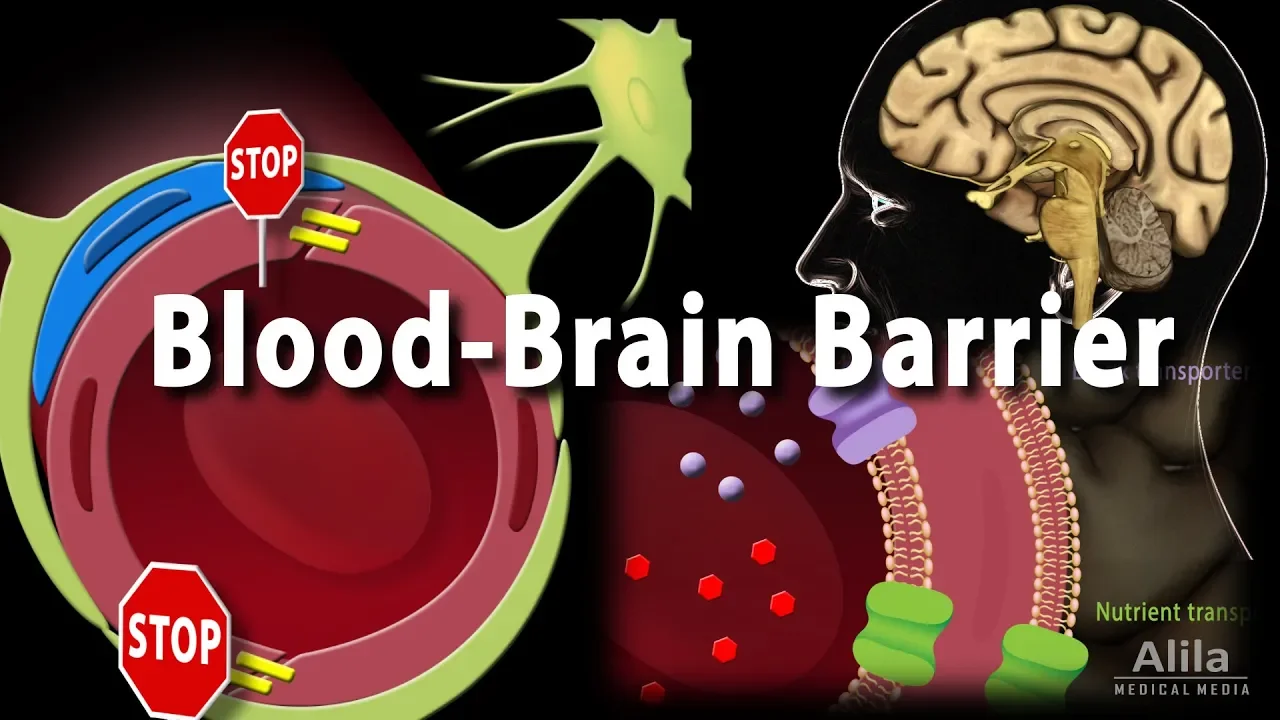
The Blood-Brain Barrier (BBB): Comprehending the physiological barrier that restricts drug delivery to the central nervous system.
Peptide Biochemistry and Receptor Binding: Familiarity with peptide structure, amino acid sequences, and how ligand-receptor interactions occur at the cellular level.
Bioprospecting and Toxinology: The concept of isolating bioactive compounds from animal venoms (like scorpions) for therapeutic applications.
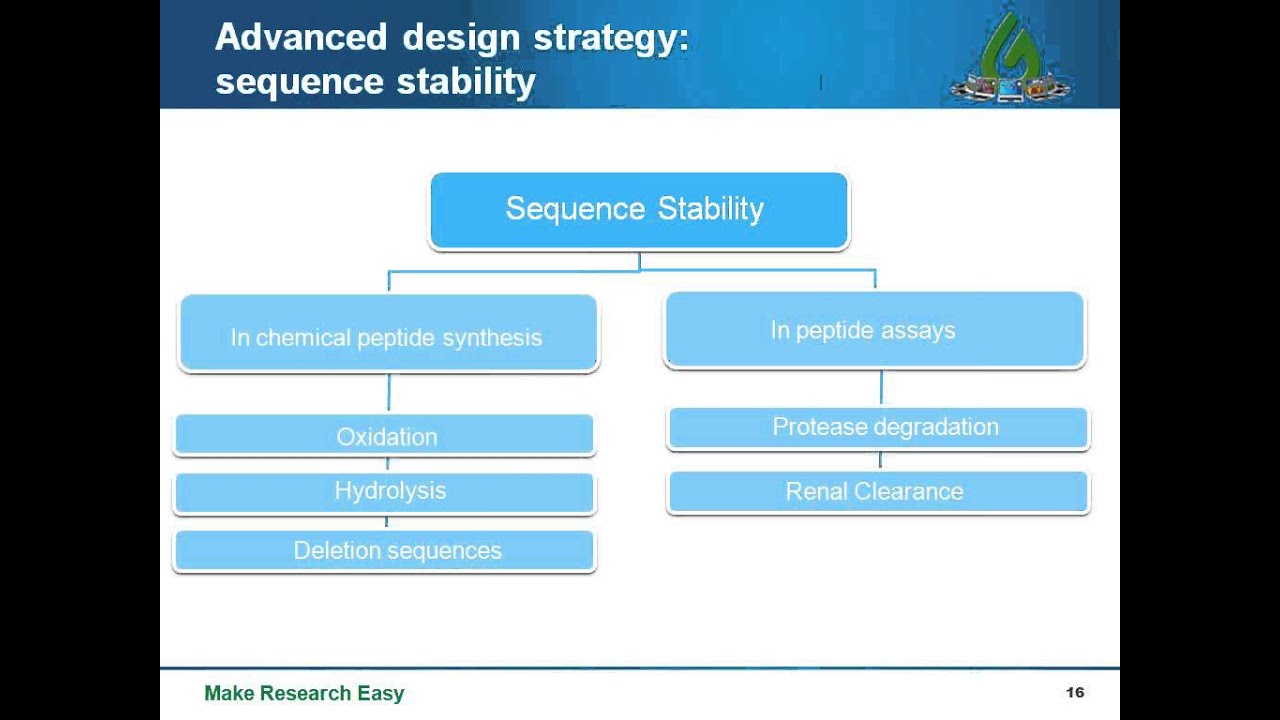
Peptide Engineering and Optimization: Exploring methods like cyclization and chemical modifications to enhance the stability and bioavailability of peptide-based drugs.
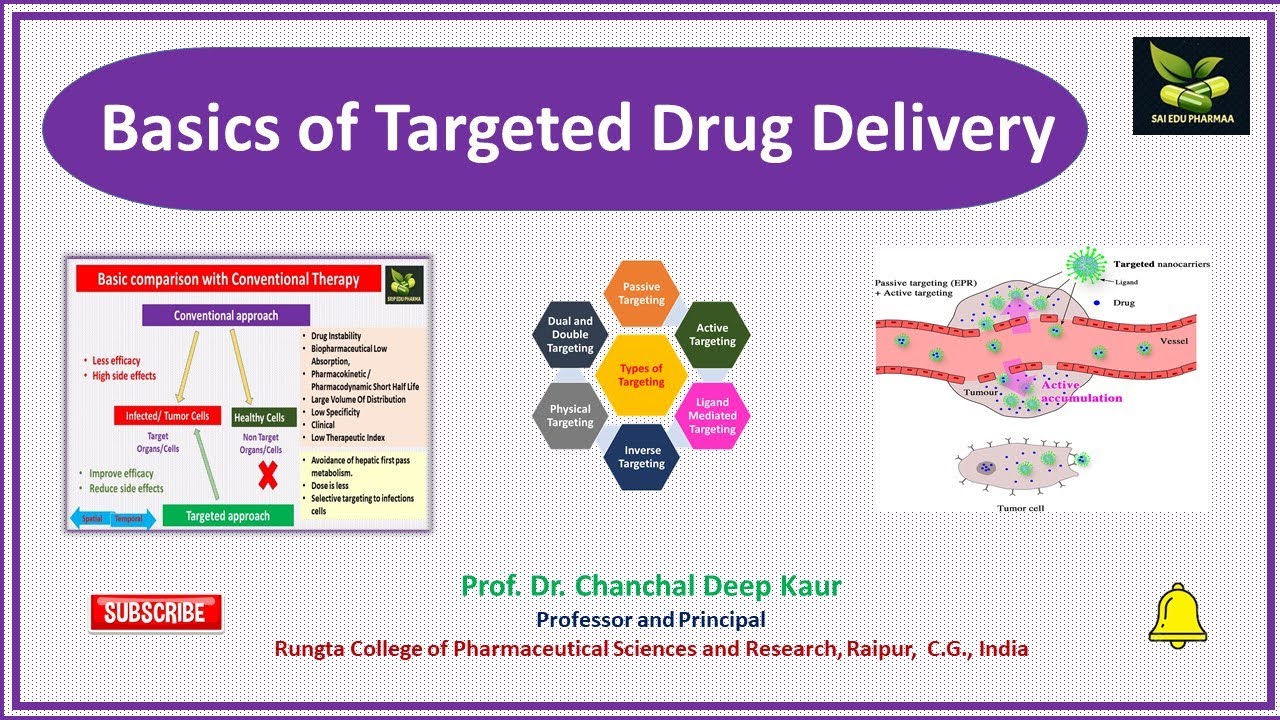
Targeted Drug Delivery Systems: Designing peptide-drug conjugates (PDCs) where venom peptides guide cytotoxic agents directly to tumor cells.
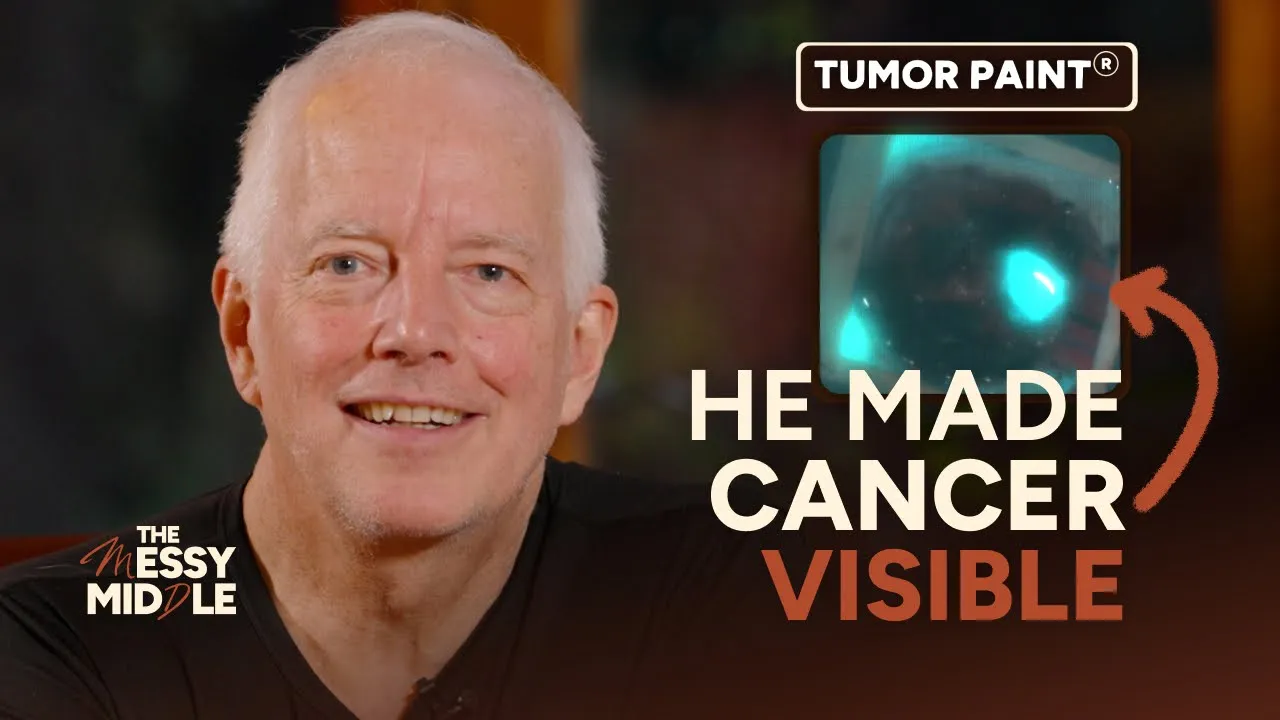
Intraoperative Tumor Imaging ('Tumor Paint'): Investigating how fluorescently-labeled chlorotoxin derivatives assist neurosurgeons in visualizing tumor margins in real-time.
Preclinical Translation and Clinical Trials: Understanding the safety evaluation, pharmacokinetic profiling, and regulatory pathways required to transition venom-derived peptides from bench to bedside.
204 views20likes5:30Original Release: 2025-08-20
Hello everyone, this is Dr. Matab Alam from University of Karachi. I am here to present some part of my project regarding venom for health and discovery of drug templates from escoscopen venom for various cancers.
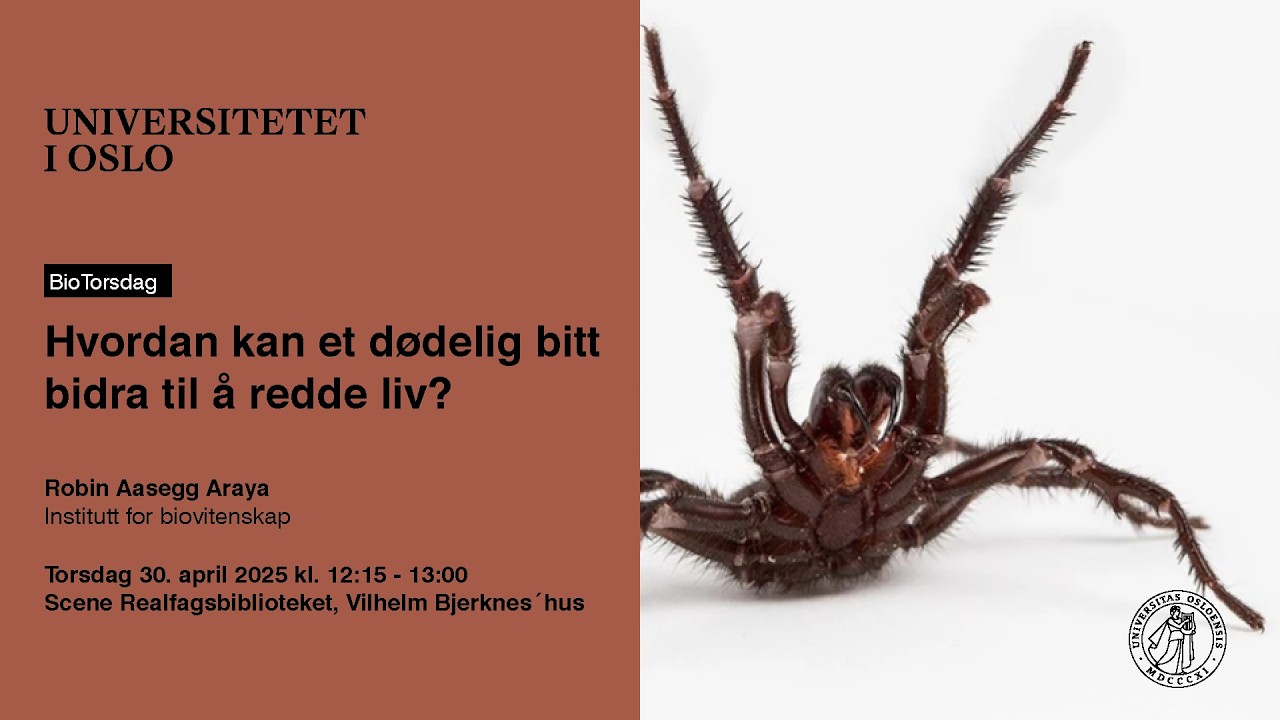
We have uh a lot of venomous fauna in Pakistan which have not been discovered yet. So we started to work on the yellow scorpion collected from the uh sin province of Pakistan and we all know that scorpions are considered as the living fossils and they contain peptides and majority of the peptides are neurotoxins and a lot of work has been done all around the world like different biopesticides anti-epileptic peptides anti-tumor and antimicrobial peptides have been discovered already. So we decided to work on the uh various scorpions of Pakistan and we are hoping that we can find a lot of drug template from for drug designing.
So here is a picture of yellow scorpion showing the telson and we collected scorpion venom uh from the um telson by electrical stimulation and here the viscous venom you can see in the capillary and uh we have uh isolated a lot of uh peptides and we have published uh but uh the other activities has not been done by our gurug so we decided to pick one peptide like BS8 and when we did alignment so we we were lucky that we found around 80% sequence identity with already known chlorotoxin uh which is uh in the clinical trial for the glyobblastoma.
Then we decided to uh synthesize this peptide as we know that uh the venom collection is the very difficult part in the toxinology and we collected around 10,000 scorpions to get around 1 g of liofed venom. So the isolated peptide is too very very very much low. So uh we have very good uh collaboration with the University of Tobinga in Germany and uh I did myself the synthesis of the peptide and we get very good peptide and we get very good uh uh mass of that peptide when then we did the folding and we got very good mass again the reduced and the oxidized peptide and then we decided to find uh the crude uh activities activities of the crude venom from different cancer cell lines uh like PC3 that is prostaglandin uh pro sorry prostate cancer cell lines then we have uh hila cell lines then cervical cancer uh then U87 and this is uh glyobblastoma cell lines and then the we compare it with the uh fibroblast cell lines like BJ cell lines and we got very good results and we are hoping think that we will get very good uh peptides uh which are hidden in these venoms.
Uh we got very good uh IC50 values like you can see that uh we we got around 86% inhibition as compared to the normal cell lines which are 50%. So uh we we are considering that they may be very potent uh peptide and can be converted into drug template.
Then we decided to um uh get the activity of our synthetic peptide and uh you can see uh we were able right now to get uh around 50% uh inhibition uh of this synthetic peptide and we are aiming to u uh improve this by uh changing some synthetic protocols and making some anox. Then we decided to u get the uh inhibition of MMP2 enzyme which is considered as the tumor marker enzyme because um where various theories are going on that uh chlorotoxin like peptides they bind with chloride channel from cytoplasmic site and some researchers said that they actually inhibit the MMP2 enzyme which is considered as a tumor mala enzyme. So we did uh MMP2 inhibition and we got very good uh inhibition of our synthetic peptide.
Uh we uh also u made our own substrate for the MMP2 enzyme and it it is already published. Uh in conclusion we can say that uh the scorpion venom contain a lot of peptides. uh the one example I'm giving uh in this poster is chlorotoxin and it is giving us very good uh results and uh we hope that we will get a very good uh patent from uh this research and these are some selected references and whole funding is supported by sind higher education commission government of sind I am thankful to government of s Pakistan and thank you very much for giving me this opportunity to present my work in the uh Venom conference.
Up Next

16:58
Cone Snail Venom: From Fish Hunting to Drug Discovery
@theNASciences
1.7K views•2018-07-18
14:12
Quantitative Real-Time PCR (qPCR): Principle, Method & Data Analysis
@animatedbiologywitharpan
129.2K views•2023-09-06
23:33
Microbial Degradation of Plastics: Biodegradation Pathways & Sustainability
@majeedhammad
2.9K views•2021-04-11
16:04
CRISPR and Genetic Engineering: How Gene Editing Works and Why It Matters
@kurzgesagt
30.5M views•2016-08-10
Related Study Plans & Knowledge Roadmaps
Structured learning paths in Biotechnology
biotechnology
AAV Production: Transfection, Prep & qPCR
01Introduction to Gene Therapy and AAV Biology
02Mammalian Cell Culture: Suspension HEK293 Cells
03Upstream Bioprocessing: Triple-Transfection Optimization
+ 2 more learning modules
18h5 modules
Explore Roadmap
biotechnology
Building Gut-on-a-Chip: PDMS, Cells & TEER
01Foundations of Microfluidics and Gut Anatomy
02Cleanroom Fabrication & PDMS Soft Lithography
03Epithelial Cell Culture and On-Chip Seeding
+ 2 more learning modules
26h5 modules
Explore Roadmap
biotechnology
Optimizing CFPS: E. coli Extract & Yield
01Fundamentals of Molecular Biology and Translation
02Introduction to Cell-Free Protein Synthesis (CFPS)
03Preparing E. coli Crude Lysate (The Extract)
+ 2 more learning modules
19h5 modules
Explore Roadmap
biotechnology
Haematococcus PBR: Design, Stress & Astaxanthin
01Biology and Life Cycle of Haematococcus pluvialis
02Bench-Scale Photobioreactor (PBR) Design and Engineering
03Culture Media Formulation and Inoculation
+ 2 more learning modules
15h5 modules
Explore Roadmap