



















Pharmacology is the branch of medicine concerned with the uses, effects, and mechanisms of action of drugs, which are substances that produce physiological effects in the body beyond nutritional value; understanding pharmacology requires foundational knowledge in chemistry, biochemistry, biology, anatomy, physiology, and microbiology to comprehend how drugs interact with molecular targets like enzymes and signaling molecules to treat diseases.
Pharmacology Introduction: How Drugs Work in the Body
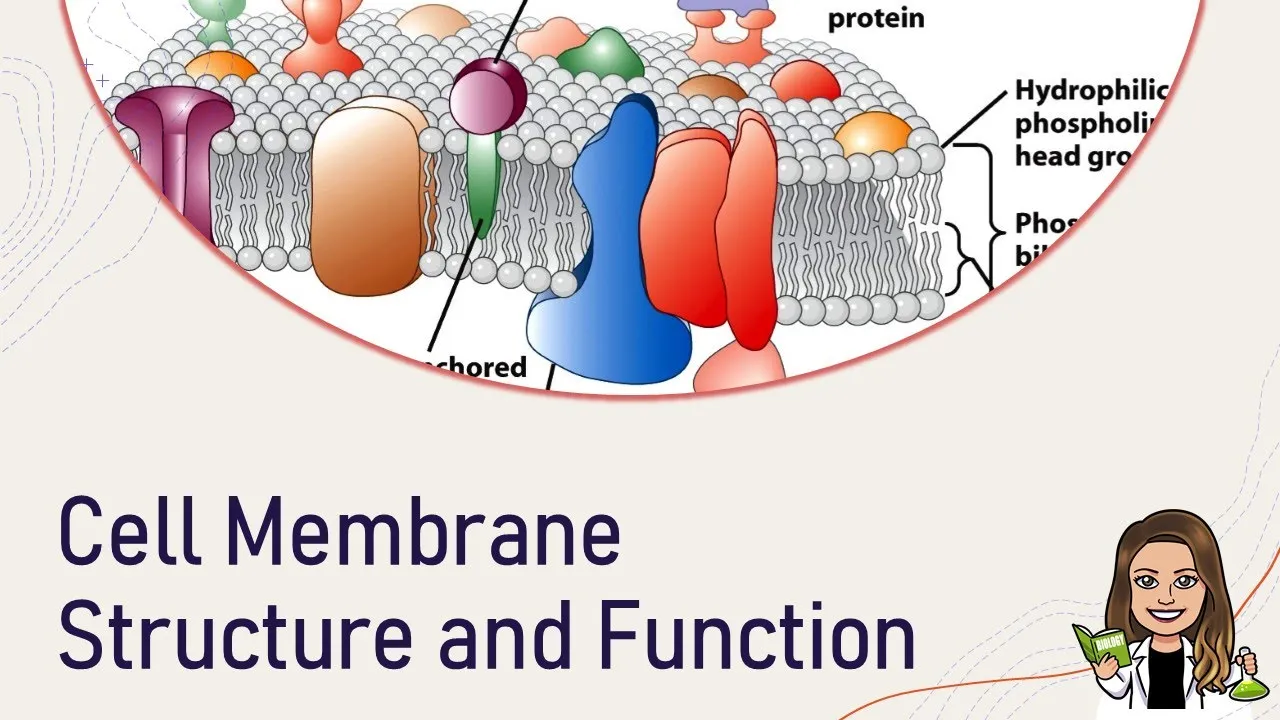
Added:Basic cell biology, specifically the structure of the cell membrane and the role of membrane-bound proteins.
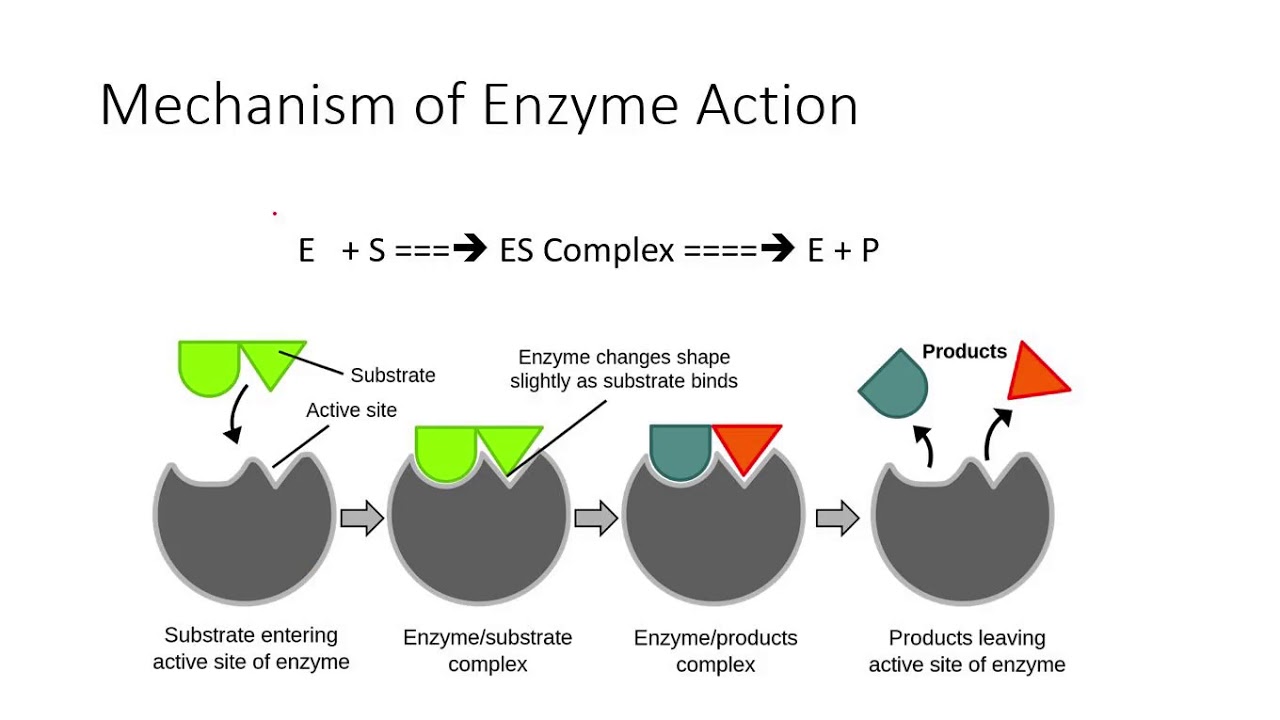
Fundamental biochemistry concepts, including how enzymes function and the lock-and-key model of protein-ligand interactions.
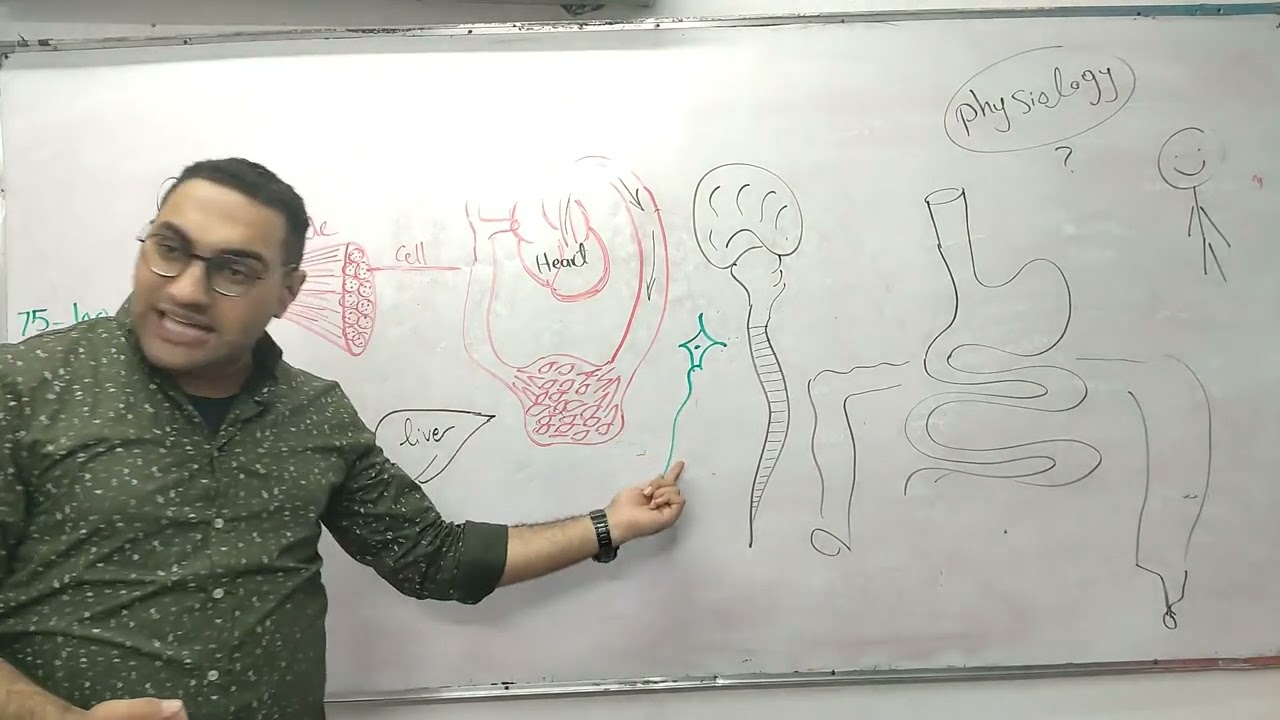
An introductory understanding of human physiology, particularly how organs and major systems communicate with each other.
The basics of chemical bonding, including polar versus non-polar molecules and how different bonds influence molecular interactions.
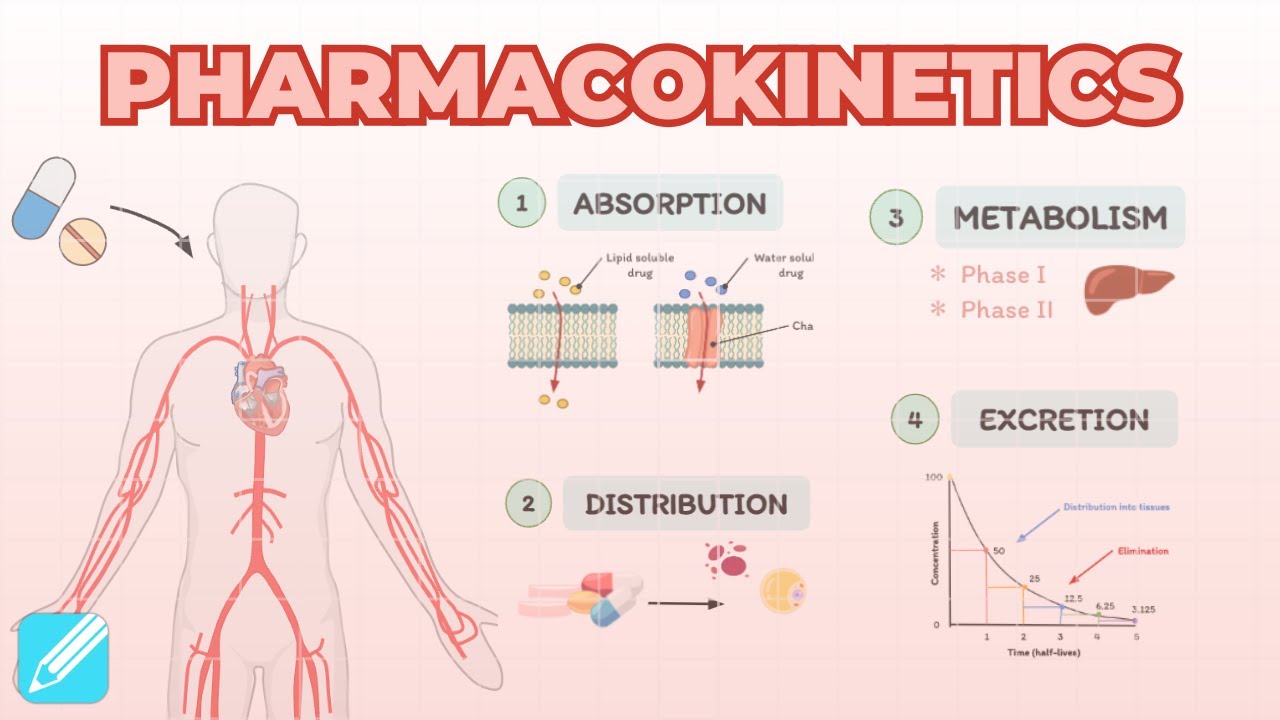
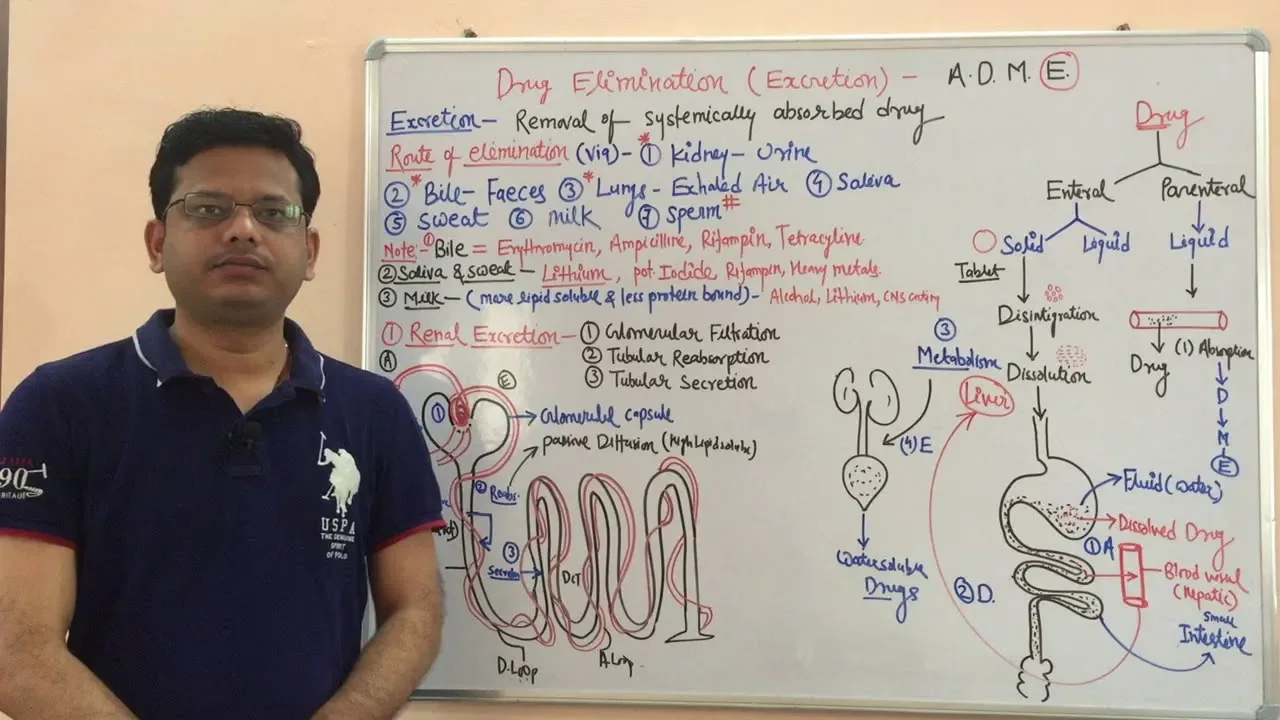
The study of Pharmacokinetics, focusing on how the body processes drugs through Absorption, Distribution, Metabolism, and Excretion (ADME).
Advanced Pharmacodynamics, exploring receptor theory, the difference between agonists and antagonists, and dose-response relationships.
Introduction to Toxicology, examining how excessive drug concentrations lead to adverse effects and toxicity in the human body.
Therapeutic drug classes and clinical applications, studying how specific categories of medications are selected to treat distinct pathological conditions.
424.4K views9Klikes7:37Original Release: 2020-02-11
Hey, it’s Professor Dave, I wanna tell you about pharmacology.
Science has advanced immeasurably in the 20th and 21st centuries, as is evident in almost everything around us.
The vehicles we use to fly around the world and go to space, the comforts of the modern home, and the internet you’re using right now to watch this video.
But one of the most impressive areas of scientific advancement is that of modern medicine.
With the astounding progress made in chemistry, biochemistry, and biology over the last century or so, we have been able to go from complete darkness when it comes to the cause of disease, to understanding precise causes for almost every condition in existence.
As it happens, these causes always have their basis on the molecular level, whether genetic, pathogenic, or otherwise.
And through our modern understanding of the molecular world, we have sequenced the human genome, we have identified and characterized thousands of bacteria and viruses, and we have gained a sophisticated understanding of the biochemistry that regulates all of our cells, organs, and metabolic processes.
One of the crowning achievements of this progress is our understanding of drugs.
Perhaps we are able to ascertain that the cause of a particular disease is a specific microorganism, like a bacterium.
By understanding all of the biochemical processes in that bacterium, we can develop a strategy, perhaps introducing a molecule that binds to the active site of a bacterial enzyme that is critical to its survival, preventing the enzyme from performing its function and thus killing those bacterial cells.
We can call this process inhibition.
Perhaps the cause of a disease is simply an imbalance in certain signaling molecules in the body, such as hormones or neurotransmitters.
Again, if we can identify the precise cause, we can develop a molecule that can be introduced to the body that will help regulate that activity, either by interacting with some protein in a specific way, or any number of other strategies.
Whatever the case may be, a molecule of this nature will have a highly specific therapeutic effect, and such a molecule would therefore be called a drug.
A drug is a substance which has a physiological effect when introduced to the body, other than substances of typical nutritional value.
It is true that certain drugs are frequently ingested by many people.
These would be things like caffeine, alcohol, and other commonplace substances.
While those will be of interest to us in this series as well, far more focus will be placed on substances like that small molecule that was able to inhibit that bacterial enzyme, or regulate neurotransmitter levels, or perform some other biochemical function.
Perhaps this small molecule exists in nature, whether in animals, plants, or microorganisms.
We would call these natural products.
Perhaps it doesn’t exist, and we have to conceive of it and synthesize it ourselves in a laboratory.
Perhaps it isn’t a small molecule at all, but rather a larger macromolecule like an antibody, sometimes referred to as biologics.
Whatever the case may be, we really want to understand drugs.
We want to know about a wide variety of drugs, as there are thousands of them.
We want to know precisely what they do in the body, and we want to know how they do these things on the molecular level.
We want to know their applications, and we want to know if and when they are safe to use.
All of this is precisely the domain of pharmacology, which is the branch of medicine concerned with the uses, effects, and mechanisms of action for any and all drugs.
Of course, to understand how drugs interact with the body, there is a tremendous amount of prerequisite knowledge that must be covered.
We have to know a lot about small molecules, because most drugs are small molecules.
That means we have to understand general chemistry and organic chemistry.
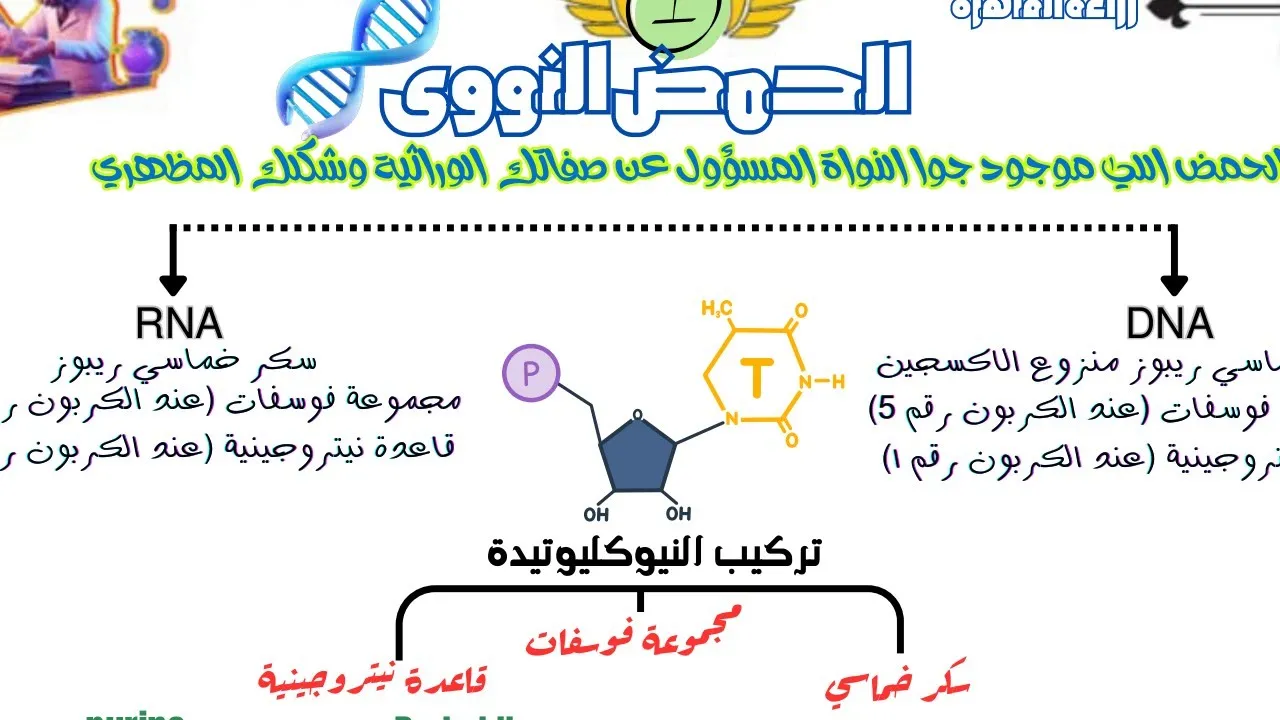
We also have to know a lot about the biomolecules that drugs will interact with, like proteins and nucleic acids.
That means we have to understand biochemistry.
We have to know some things about cell structure and cellular activity, because drugs may directly influence cell division, metabolism, or any number of other complex cellular processes.
That means we have to understand biology.
We have to know a decent amount regarding the structure and function of all the components of the human body, such as the brain, heart, and the rest of the organs, as well as the nervous system, immune system, circulatory system, and other systems, because many diseases are associated closely with one of these organs or systems, and affect their regular function.
Drugs also have to travel through the body to reach a particular target and produce the desired response.
All of this means that we have to understand human anatomy and physiology.
We may even have to know some things about specific microorganisms called pathogens, as these are the ones that cause disease in humans.
That means we have to understand microbiology.
While key concepts in these disciplines may be briefly reiterated, for the most part, basic knowledge in the above subjects will be assumed throughout this series.
But the good news is that I have playlists in every single one of the subjects we just mentioned, that you can watch through to completion if you want to truly comprehend this pharmacology content, or you can go back and watch just a few videos as necessary if gaps in your understanding should arise.
When particularly appropriate, I will link to videos in those playlists using cards that show up in the upper right corner of the screen, and these will take you to a video that explains in more depth a concept that is being utilized at that moment.
With enough background knowledge, it will be possible to comprehend the effects a drug will have in the body, and the various factors that influence a drug’s bioactivity.
This also means we won’t fall for any medicine-related hoaxes, because fraudulent treatments that are totally inconsistent with the molecular world become very easy to spot.
So if you think you’re ready to dive into this topic, let’s learn about some drugs.
Up Next
8:15
Autonomic Nervous System Pharmacology | Sympathetic & Parasympathetic
@SpeedPharmacology
1.8M views•2015-07-06

48:47
Graphic Medicine: Comics for Collaborative Healthcare Communication
@nationalpatientadvocate
189 views•2023-12-04

10:28
Neuroanatomy: Central and Peripheral Nervous System Divisions Explained
@AKLECTURES
136.2K views•2014-09-20
3:05
Stages of Labor and Vaginal Birth | Childbirth Animation
@nucleusmedicalmedia
52.1M views•2017-08-18
Related Study Plans & Knowledge Roadmaps
Structured learning paths in Medicine
medicine
Abnormal LFTs: Diagnostic Workup & Pathology
01Liver Anatomy and Basic Physiology
02Introduction to Liver Function Tests (LFTs)
03Hepatocellular vs. Cholestatic Patterns
+ 3 more learning modules
12h6 modules
Explore Roadmap
medicine
Analyzing Blood Smears: RBC, WBC & Platelets
01Introduction to Blood Components & Smear Preparation
02Normal Morphology of Blood Cells
03Erythrocyte Pathologies & Morphological Variants
+ 2 more learning modules
12h5 modules
Explore Roadmap
medicine
Mechanical Ventilation: Waveforms & Alarms
01Anatomy and Physiology of Breathing
02Introduction to Mechanical Ventilation & Core Modes
03Ventilator Settings and Waveform Interpretation
+ 2 more learning modules
12h5 modules
Explore Roadmap
medicine
Neuro Exam: Localization & Stroke Syndromes
01Foundations of Neuroanatomy and Vascular Supply
02The Neurological Examination: Step-by-Step
03Principles of Neurological Localization
+ 3 more learning modules
18h6 modules
Explore Roadmap