

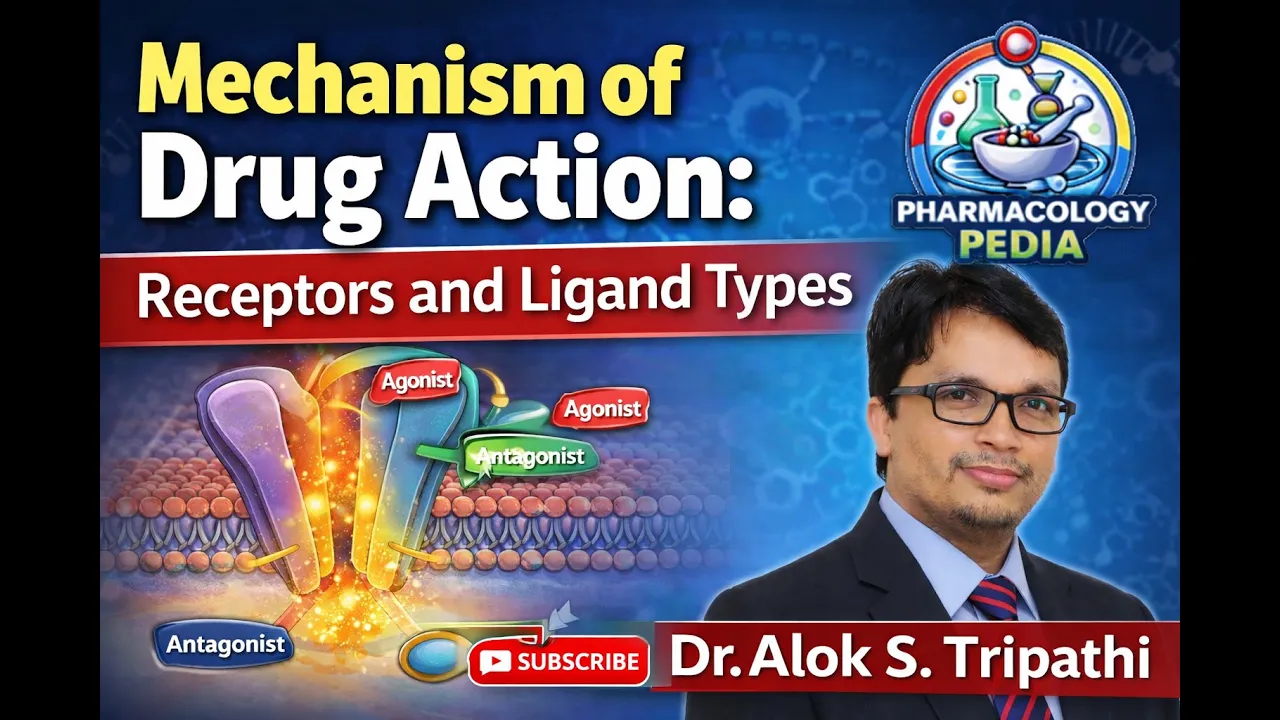

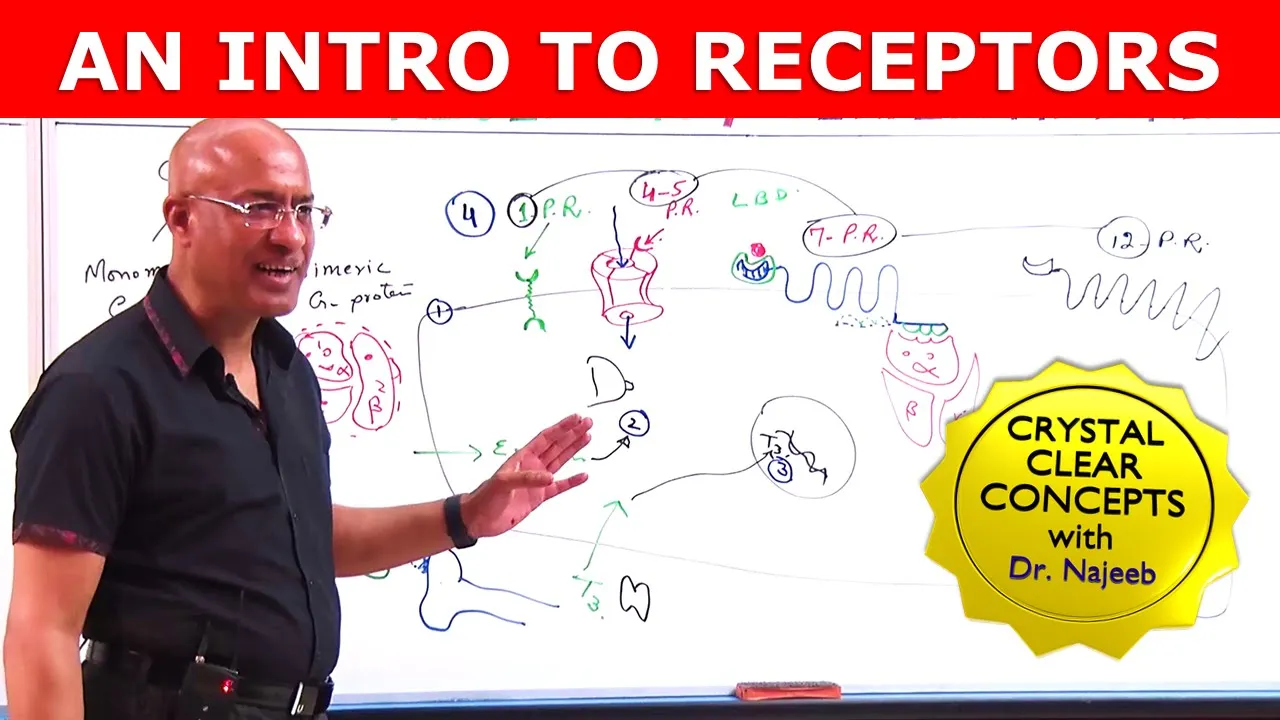


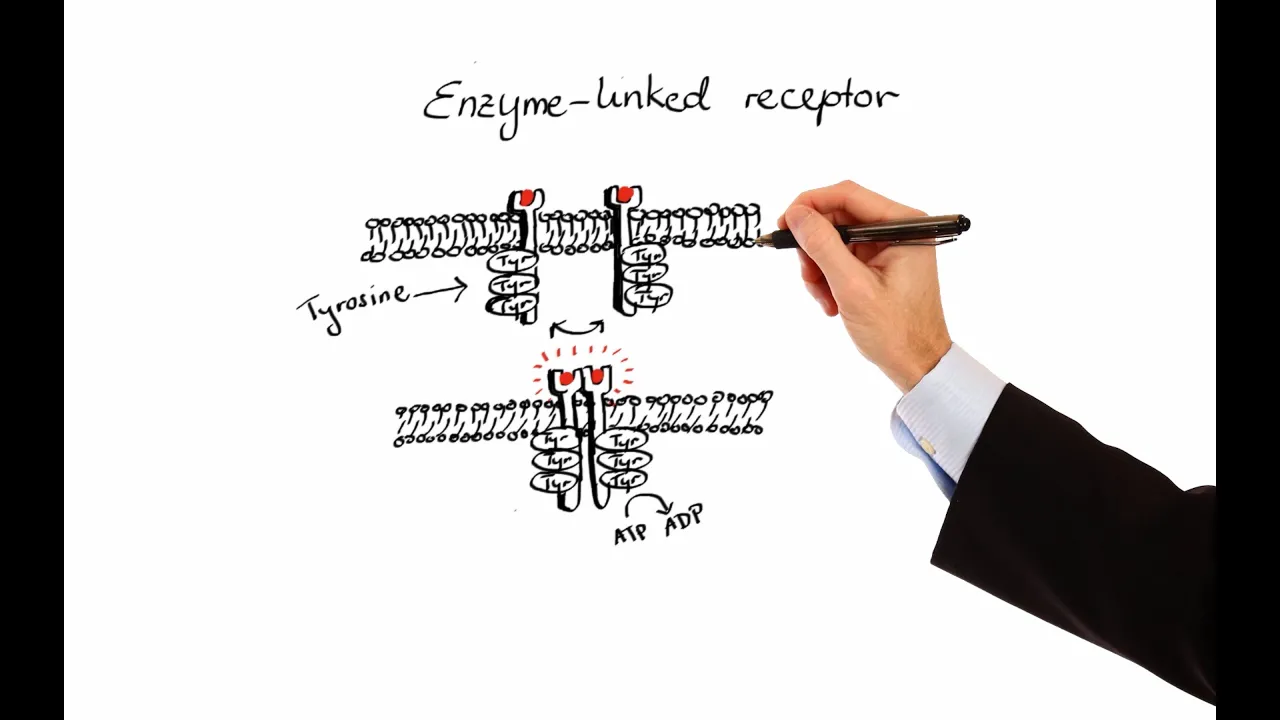







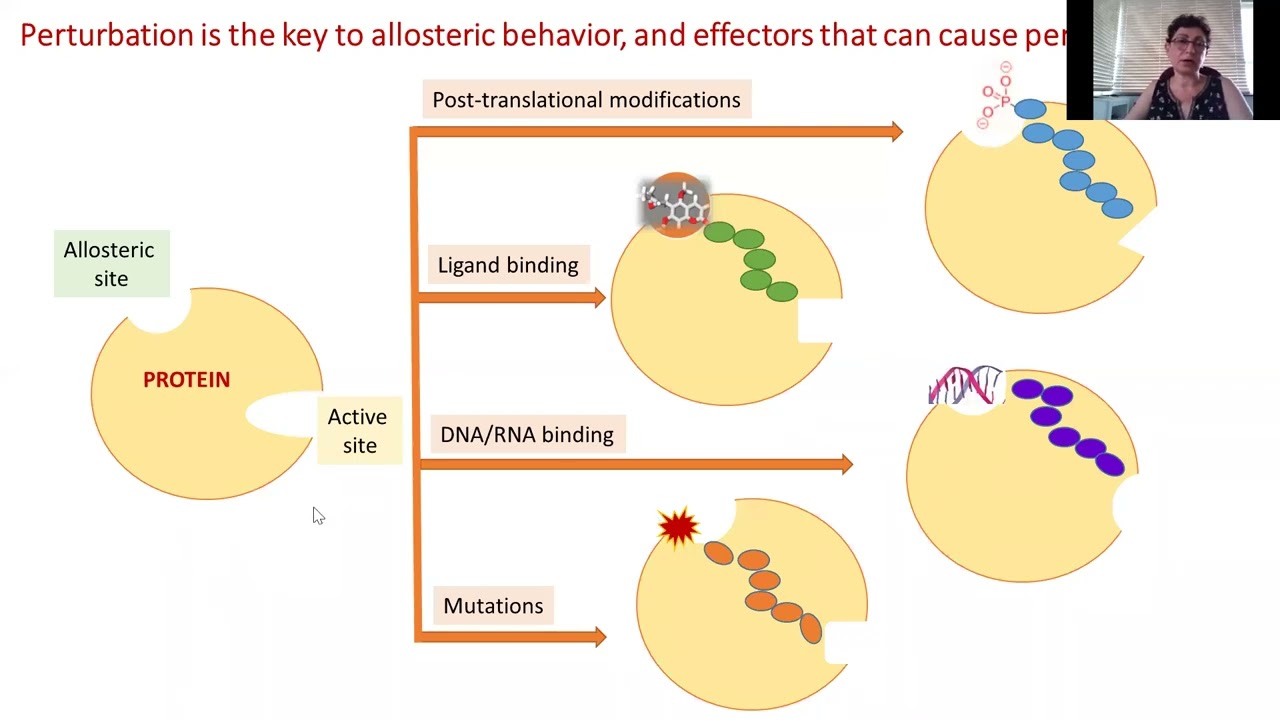

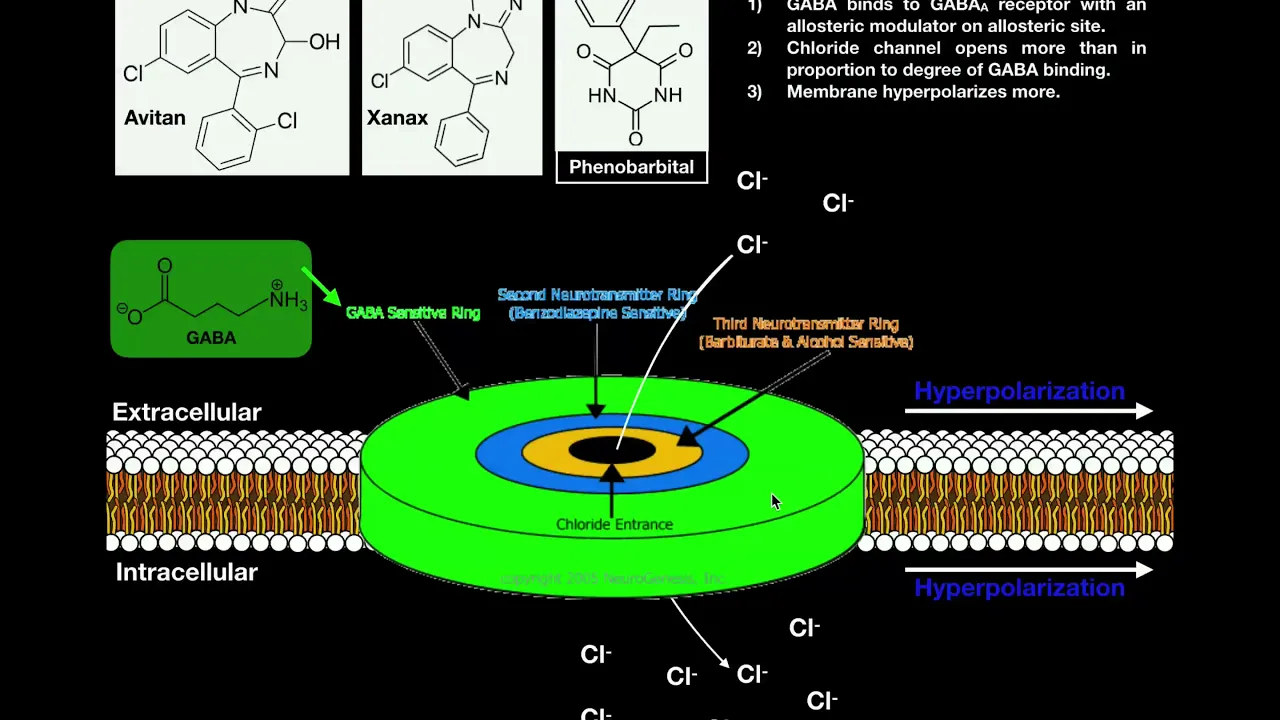


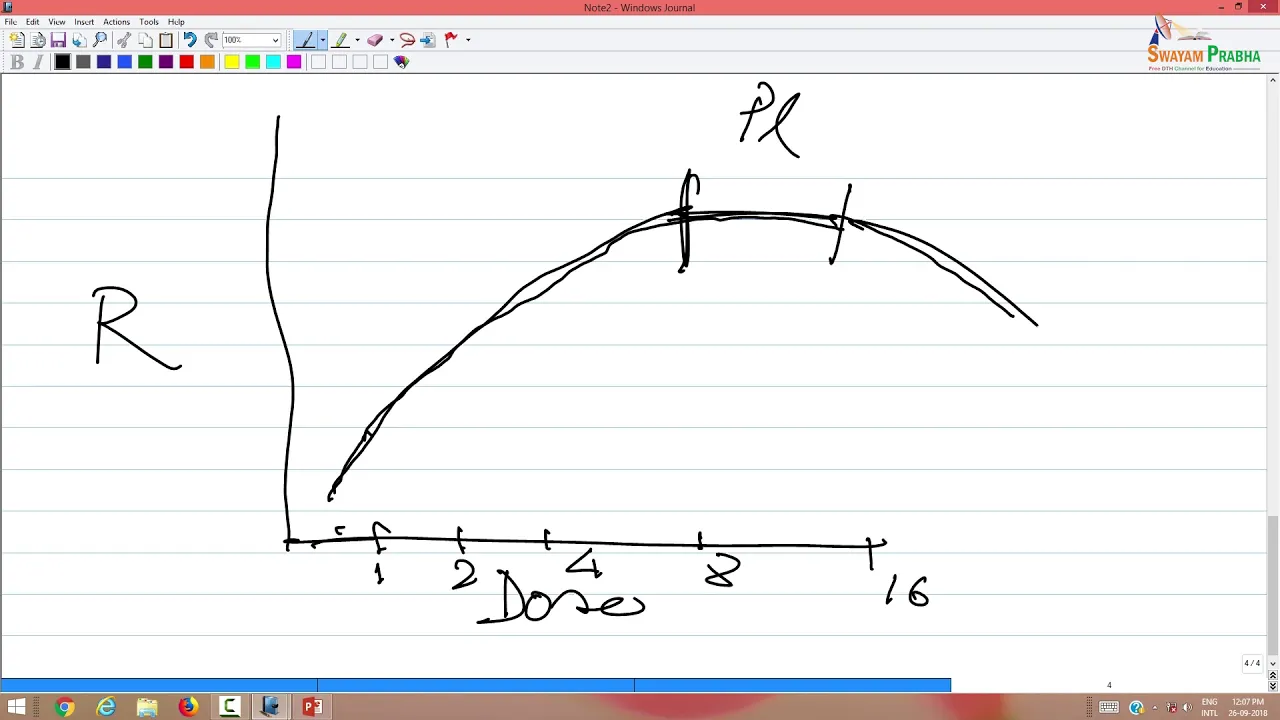

This video explains six key receptor theories: (1) Occupation Theory states that pharmacological effect intensity is directly proportional to the number of receptors occupied by the drug; (2) Rate Theory proposes that response depends on the rate of drug-receptor complex formation and duration of receptor occupation; (3) Induced Fit Theory describes how receptors change shape upon ligand binding; (4) Molecular Perturbation Theory suggests that drug binding causes conformational changes in receptors; (5) Activation Aggregation Theory posits that receptors exist in equilibrium between active and inactive states, with full agonists binding only to active states and inverse agonists binding only to inactive states; (6) Two-State Model of Receptor Activation extends this concept, describing receptors as existing in dynamic equilibrium between resting (R) and active (R*) states, where full agonists bind exclusively to R* and inverse agonists bind exclusively to R.
Receptor Theories Explained: Occupation, Rate, Activation + More
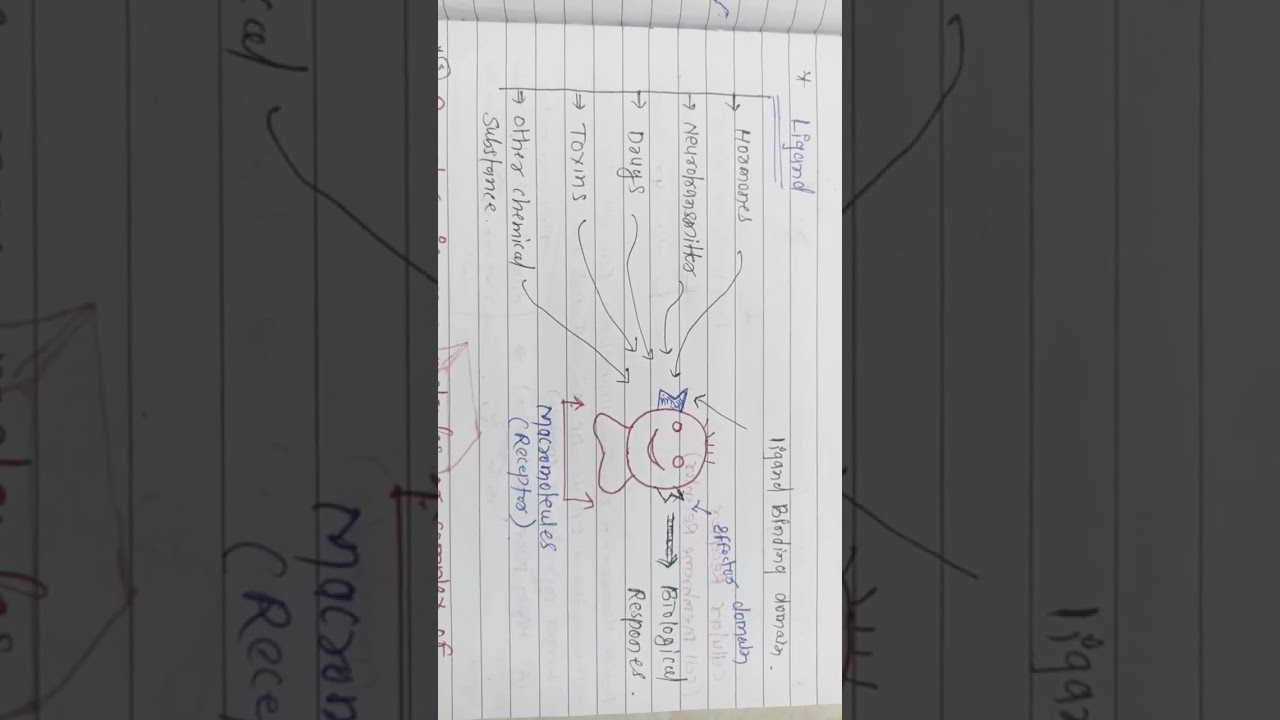
Added:hello friends welcome to another video on metrology tutorials in this video we will be talking about types of receptor theories before we begin we regret that we were not able to upload videos at a pace that most of our viewers wished the videos were uploaded but we hope and believe that from now onwards we will be able to increase the pace at which different videos will be uploaded so let us start with today's video lecture which is types of receptor theories before we get into the actual types of the receptor theories we would I would like to emphasize little bit on certain concepts certain terms the first concept or term that I want you all to revise or known is about drug now what is a drug it is a natural or a synthetic substance which has a physiological effect when administered into the body the second important term that one or one has to know when we study receptor theories is what is a receptor receptor they are specific binding sites present on the cell surface made up of proteins or nucleic acid where a ligand can bind and initiate a characteristic response students you have to remember here that many mcq questions were asked in the following manner in relation with receptors they asked you what is a receptor and they give option ABCD is it a protein is it a new is it a chemical is it drug etc so the different densities are given so please note one important point about receptor is they it is made up of proteins or nucleic acid and they are found on the cell surface how are ligands classified ligands in the sense compounds that bind to the receptors we can consider them to be drugs also ligands are classified by effects upon binding to the receptor they can be agonist that means they the way to that particular receptor and there is a cascade ik secondary effect that is seen or they could be antagonists they block that receptor and do not allow any biological or pharmacological response to happen them what are the types of agonist we have three types of agonist one is called as the full agonist so we have full agonist the other one is called as partial agonist and the next one is called inverse agonist what is the plugin is a full agonist if one that will cause maximal response upon binding to the receptor a partial agonist is one that will produce a maximal response light full of bonus very important to remember is when they are in excess amount because they are partial agonist we need them to be more in quantity for them to activate the receptor the way of Hulagu nest will activity inverse agonist are the ones when they bind to the receptor they will decrease the activity of an active receptor to their inactive state so they will decrease the that we can see to understand what exactly is happening as the concentration of the full agonist is increasing the response is also increasing as the concentration of Mulligan sorry inverse agonist is increasing we can see the effect of the particular compound is decreasing or rather the biological response is decreasing what are the types of antibodies antibodies are classified into two types the reversible antagonist and irreversible antagonist the name itself says one can be broken down back into individual state the other one cannot be now reversible our of two types competitive and non-competitive again it is simple English one is competitively binding they compete to bind to the particular receptor the other ones don't compete to bind to the receptor a competitive antagonist competes with the agonist for the ortho steric side for binding to the same receptor so if you have an agonist and antagonist and in that particular antagonist is competitive it will fight for binding to that particular receptor site a non-competitive one rather than fighting for the site will go and bind to other than ortho static site so it will go and bind to some other such irreversible antagonists are those that may or may not compete with the agonist for the ortho static side for binding to the receptor so they may or may not complete and once they bind they are forming a very strong bond which cannot now this particular concept we have already seen in my introductory video so I just want to keep it very simple we all know that when a drug comes and binds to a receptor it will form a drug receptor complex this drug receptor complex will induce a pharmacological effect now this particular effect can be broken down or rather it can be stopped rather it can be dropped if you are able to dissociate the drug and the receptor so you can stop the effect when again what happens the drug and the receptor they come back into the individual state where they were that is why you have two rate constants one is the binding that is the formation of the drug receptor which is seen as k1 and the reverse which is seen as k2 there are different forces that are involved in progress after interaction on is the rate constant for formation of the drug receptor complex which depends on the concentration of the drug and the receptor that means more is the concentration of the drug more will be the binding of the drugs with the receptor and more will be the action so they will be increasingly action that is what it says depends on the concentration of the drug and the receptor so more will be the drugs then automatically you will have more receptors that will be bound and there will be increased action suppose there is more drug but there are no receptors present for that many drug molecules to bind then obviously you will not be having that particular effect seen what is K of K off is the rate constant for breakdown of the complex which depends on the concentration of drugs receptor complex as well as other courses the K off is nothing but the reverse that if the drug receptor complex is now going back into the drug and receptor state that is it is going back to the individual state drug and receptor and you have a oh here the biological activity of drug is related to its affinity for the receptor what is the meaning of the sentence more is the affinity of the drug to the receptor more will be the biological effect rather the drug will be binding to the means it will be in the bound state for a longer time and the action will continue for the longer time that is the stability of the drug receptor complex the stability is commonly measured by how difficult it is for the complex to dissociate which is measured by its KD the dissociation constant that is suppose if the difference relation constant is more than the drug will break from the drug receptor complex format to an individual format and therefore the effect will also on what are the interactions that play a role in the formation of the drug research complex this all we have seen in the mid chem part of the video so we have videos that cover hydrogen bonding and the van der Waals forces covalent bonding we request you to kindly have a look at our other videos that cover these particular topics so I will not go in detail because we have detailed videos where our chemistry department has covered this particular concept so just to revise what all forces are involved we have ionic interactions ion dipole and dipole dipole then we have hydrogen bonding hydrophobic interaction Vander Waals interactions and covalent but let's come to the theories of drug receptor interaction there are totally six theories that you have to remember there is the occupation theory rate theory in the used fit Theory macro molecular perturbation Theory activation aggregation theory and the two state model of receptor activation Theory occupation theory the name itself gives you an idea something is getting occupied so what is getting occupied drugs act on binding sites and activate them resulting in a biological response that is proportional to the amount of drug receptor complex form the response ceases when this complexity so CF this is very important to sum up what exactly this theory is it is nothing but intensity of pharmacological effect is a directly proportional to the number of receptors occupied that is the concept of occupation and theory if you want more pharmacological effect you need more number of receptors being occupied by the drug if you have fever and you want the particular body temperature to come down you need your receptor to go and by you sorry you need your drug to go and bind to receptors the more the receptors are bound the quicker you will have the reduction in fever response is proportional to the fraction of occupied receptors maximal response occurs when all receptors are occupied I hope this gives you a clarity on occupation theory together the next theory is rate theory this also is quite similar to occupation theory but here we talk about the rate at which this particular binding is happening what binding the drug receptor complex being formed so the response is proportional to the rate of drug receptor complex formation what response the pharmacological physiological response is proportional to the rate of drug receptor complex formation activation of receptors is proportional to the total number of encounters of a drug with its receptor according to this view the duration of receptor occupation determines whether a molecule is an agonist or partial alcohol so this is another important terminology duration of receptor occupation what is the meaning of duration of receptor occupation if it is an agonist it will stay longer there so that it will cause more action to take place so the compound will be bound for a pretty long time compared to a partial agonist and the longer the pump the drug is bound to that particular receptor the longer will be the action of that particular compound used for theory but here we are talking happening in a particular manner with Anik ownest and with an activation theory we found out that the receptor is in dynamic equilibrium that dynamic equilibrium can be shifted towards the active site when the particular agonist binds nothing but extension of the activation aggregation theory a receptor in its active State will ultimately elicit its biological response it was first described by black and left in 1983 as an alternative model of receptor the receptor is in two equilibrium situations R stands for the resting and R star stands for the active a full agonist will bind only to R star whereas an inverse agonist will bind only to R that completes our receptor theories we thank you for staying tuned to our videos please do subscribe and share and please stay tuned and continue to support us for more videos thank you
Up Next

Drug-Receptor Interactions: Affinity, Efficacy, and Antagonism
@EKGScience
23K views•2023-08-23

Graphic Medicine: Comics for Collaborative Healthcare Communication
@nationalpatientadvocate
189 views•2023-12-04

Neuroanatomy: Central and Peripheral Nervous System Divisions Explained
@AKLECTURES
136.2K views•2014-09-20
Stages of Labor and Vaginal Birth | Childbirth Animation
@nucleusmedicalmedia
52.1M views•2017-08-18
Related Study Plans & Knowledge Roadmaps
Structured learning paths in Medicine