





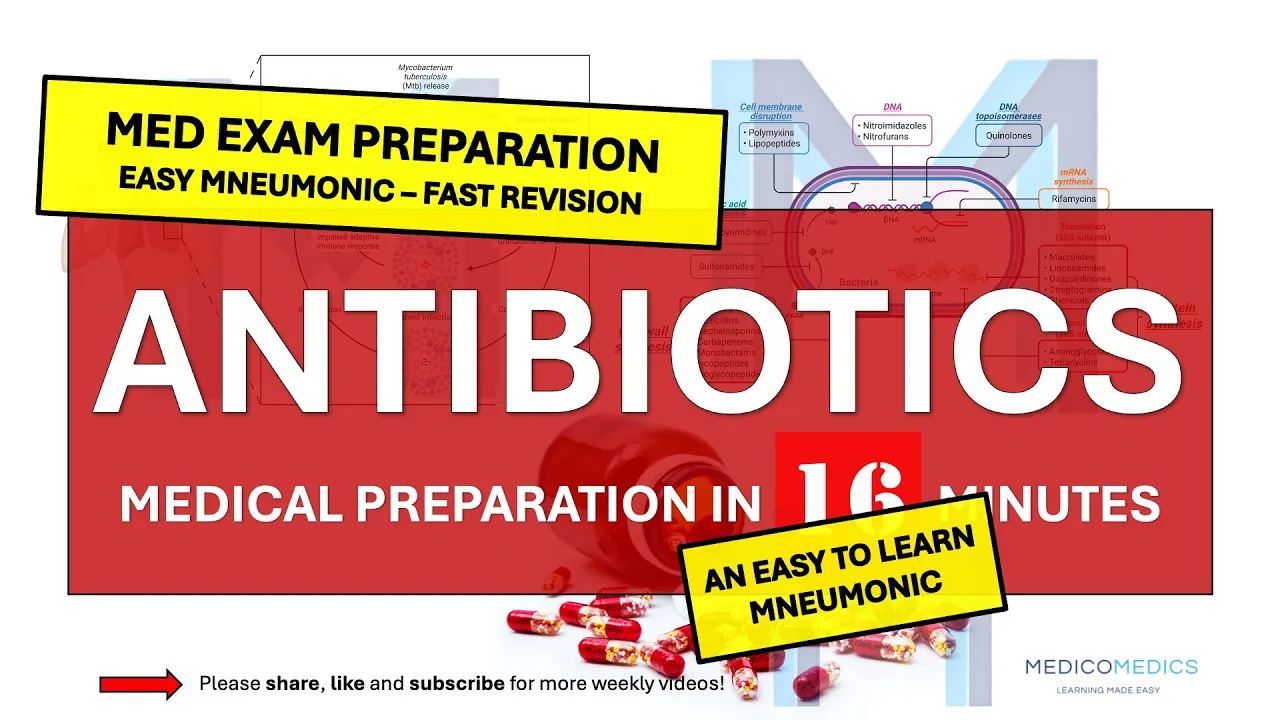










Antimicrobial resistance emerges through natural selection where resistant bacterial strains survive and proliferate under antimicrobial pressure, and spreads via three primary mechanisms: genetic mutations that alter drug targets, enzymatic degradation/inactivation of antimicrobials, and efflux pumps that expel drugs from cells; additionally, resistance genes transfer between bacteria through conjugation (plasmid-mediated), transformation (naked DNA uptake), and transduction (bacteriophage-mediated), creating a significant public health challenge requiring urgent intervention.
Antimicrobial Resistance: Mechanisms and Genetic Transfer Explained
Added:Basic bacterial cell anatomy, including the structural differences between Gram-positive and Gram-negative cell walls.
The central dogma of molecular biology, specifically how bacterial DNA replication, transcription, and translation function.
The concept of plasmids and how they differ from the primary bacterial chromosome.
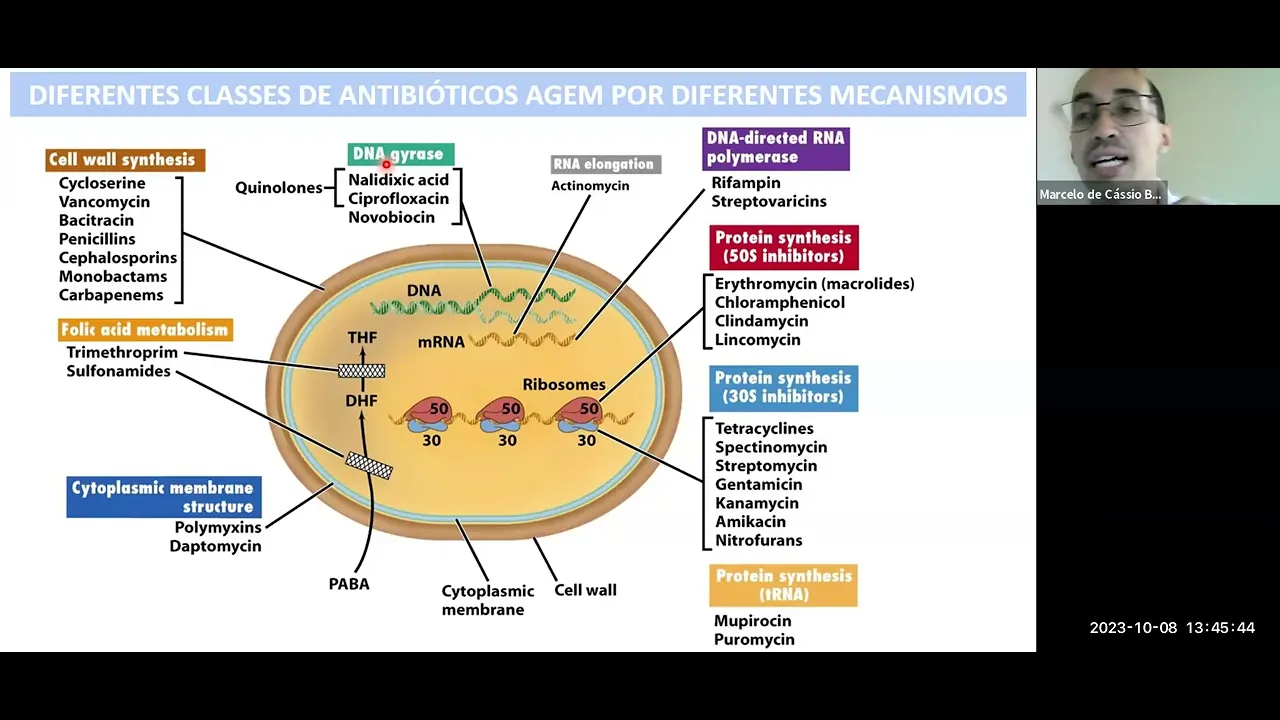
An introductory understanding of how antibiotics work to inhibit bacterial growth (e.g., targeting cell walls, ribosomes, or metabolic pathways).
The clinical significance of multi-drug resistant 'superbugs' like MRSA, VRSA, and carbapenem-resistant Enterobacteriaceae (CRE).
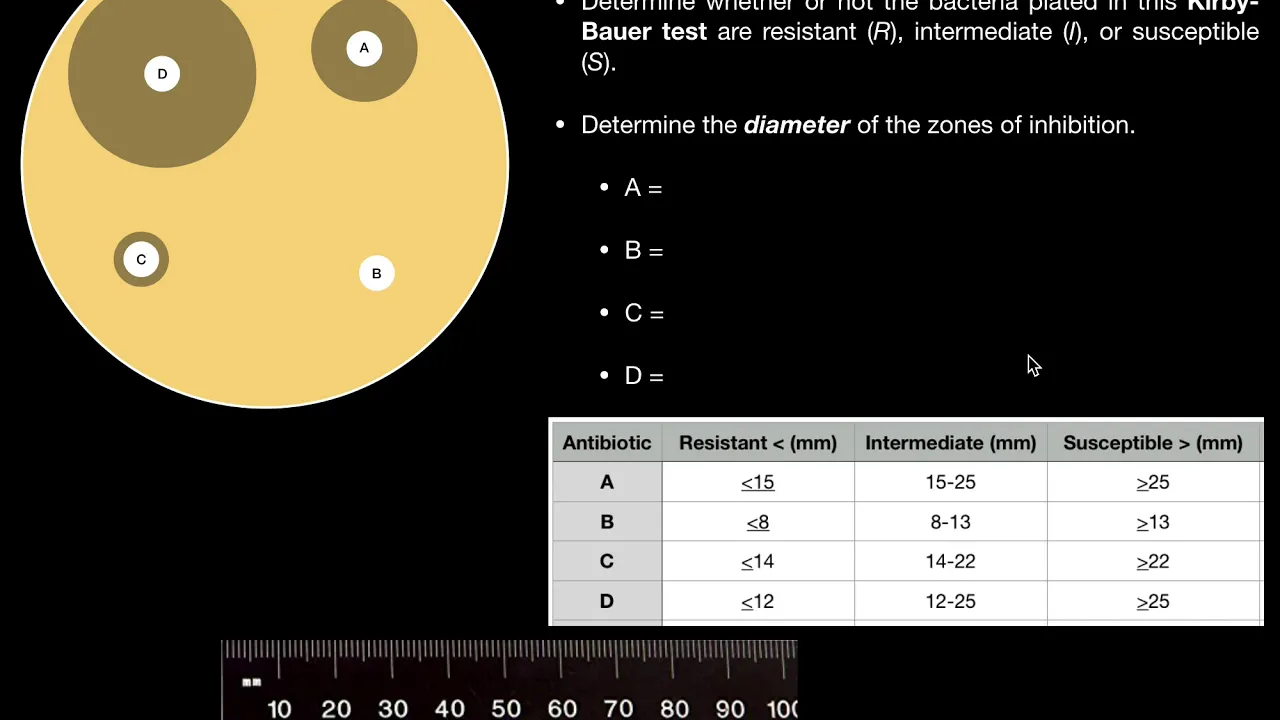
Laboratory techniques used to detect and measure resistance, such as the Kirby-Bauer disk diffusion method and determining Minimum Inhibitory Concentration (MIC).
The role of agricultural antibiotic use and clinical overprescription in accelerating global antimicrobial resistance.
Alternative and novel therapeutic approaches to combat resistant infections, including phage therapy, CRISPR-based antimicrobials, and efflux pump inhibitors.
184.1K views0likes9:09Original Release: 2017-11-09
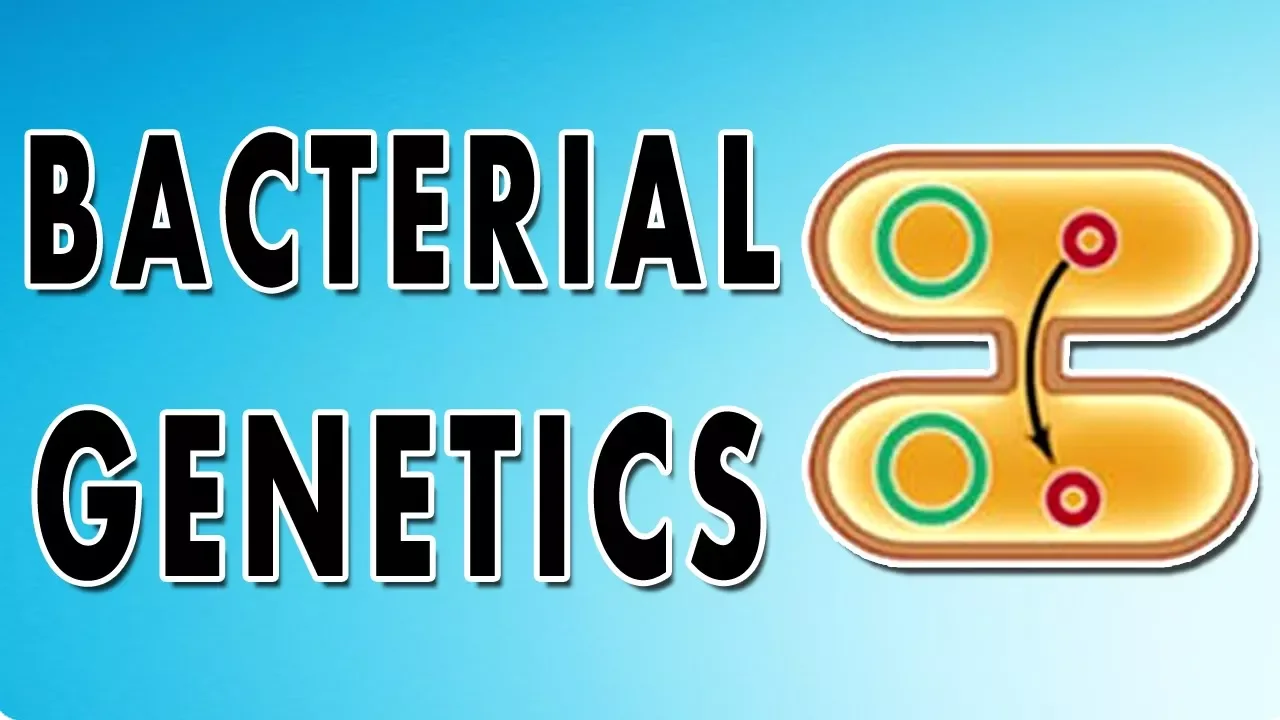
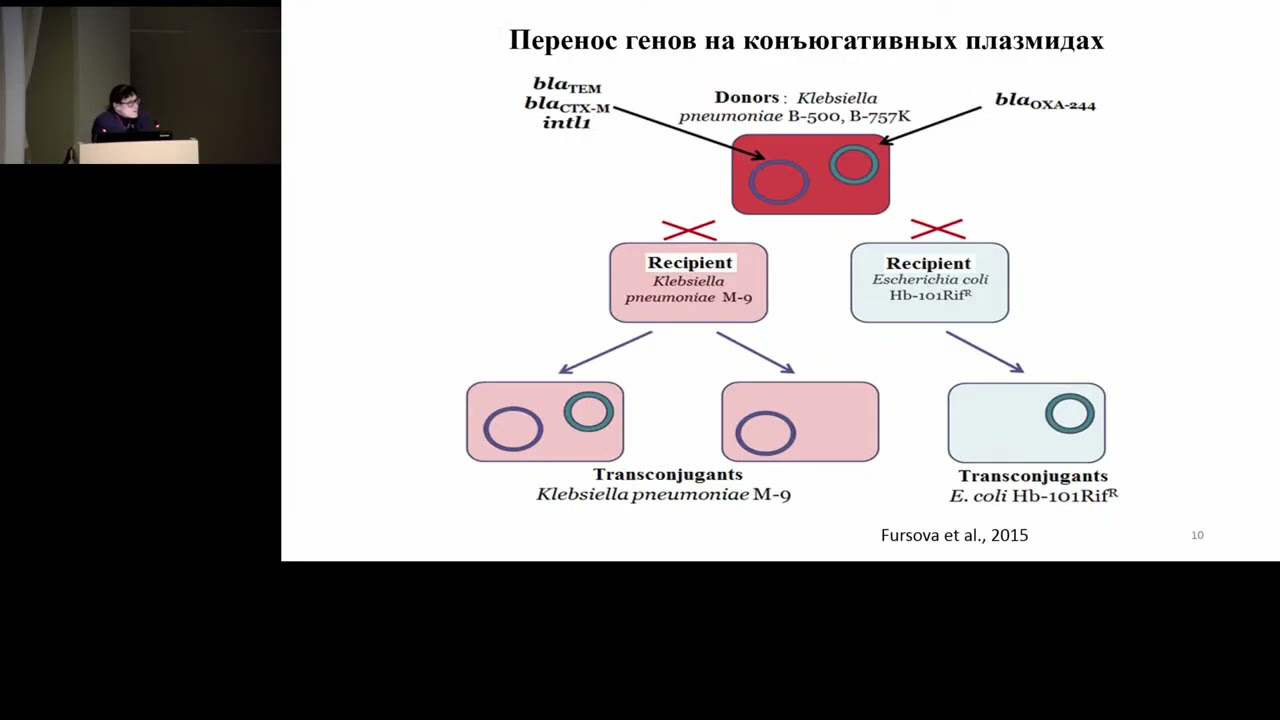
antimicrobial agents represent one of the main therapeutic tools both in human and veterinary medicine to control and treat a variety of bacterial infectious diseases however during the past five decades the use and sometimes misuse of anti microbials in both human and veterinary medicine has resulted in the emergence of strains of bacteria that no longer respond to antimicrobial therapy not only do antimicrobial resistant bacterial pathogens in animals pose a risk in terms of animal health they also affect Public Health when transmitted to humans as foodborne contaminants thus addressing the issue of antimicrobial resistance is one of the most urgent priorities in the fields of Public Health today the following animations will help illustrate several mechanisms where bacteria develop resistance to antimicrobial agents and then transfer this resistance to susceptible bacterial strains selection pressure the increased prevalence and dissemination of resistance is an outcome of natural selection and should be viewed as an expected phenomenon of the Darwinian biological principle of survival of the fittest in any large population of bacteria a few cells will be present which possess traits that enable them to survive in the presence of a noxious substance in this case the ability to fend off the action of the antimicrobial susceptible organisms those lacking the advantageous trait will be eliminated leaving the remaining resistant populations behind with long-term antimicrobial use in a given environment the bacterial communities will change dramatically with more resistant organisms increasing in proportion this can result in a situation where the next I'm an antimicrobial is needed it may not be effective to treat what was once an easily treatable infection mechanisms of antimicrobial resistance susceptible bacteria can acquire resistance to anti microbials by either genetic mutation or by accepting antimicrobial resistant genes from other bacteria this usually occurs through one of several biochemical mechanisms mutation destruction or inactivation and a flux mutation mutation is a change in the DNA that can sometimes cause a change in the gene product which is the target of the antimicrobial when a susceptible bacterium comes into contact with a therapeutic concentration of anti microbials like fluoroquinolones the antimicrobial can bind to specific enzymes in this case DNA gyrase the DNA gyrase is an essential bacterial enzyme required for DNA replication the end result is that fluoroquinolones block bacterial DNA replication leading to cell death however when spontaneous mutations occur in specific areas of the genes encoding these enzymes anti microbials no longer bind efficiently this allows the bacterium to continue DNA replication destruction or inactivation many bacteria possess genes which produce enzymes that chemically degrade or deactivate the antimicrobial rendering them ineffective against the bacterium here the antimicrobial is either degraded or modified by enzymatic activity before it can reach the target site and damage the bacterial cell 'if lux certain bacteria can often become resistant to antimicrobial through a mechanism known as a flux an e flux pump is essentially a channel that actively exports antimicrobial and other compounds out of the cell the anti microbial enters the bacterium through a channel termed a pauran and then is pumped back out of the bacterium by the efflux pump by actively pumping out anti microbials the efflux pumps prevent the intracellular accumulation necessary to exert their lethal activity inside the cell genetic transfer genetic material can be transferred between bacteria by several means most often by conjugation transformation and transduction conjugation conjugation is mediated by a particular kind of circular DNA called a plasmid which replicates independently of the chromosome many plasmids carry genes that confer resistance to anti microbials when two cells are in close proximity to each other a hollow bridge like structure known as a pylus forms between two cells this allows a copy of the plasmid as it is duplicated to be transferred from one bacterium to another this enables a susceptible bacteria to acquire resistance to a particular antimicrobial agent transformation during this process genes are transferred from one bacterium to another as naked DNA when cells die and break apart DNA can be released into the surrounding environment other bacteria in close proximity can scavenge this free-floating DNA and incorporate it into their own DNA this DNA may contain advantageous genes such as antimicrobial resistant genes and benefit the recipient cell transduction in this process bacterial DNA is transferred from one bacterium to another inside a virus that infects bacteria these viruses are called bacteria phages or faj when a Fache infects a bacterium it essentially takes over the bacterias genetic processes to produce more faj during this process bacterial DNA may inadvertently be incorporated into the new faj DNA upon bacterial death and lysis or breaking apart these new faj go on to infect other bacteria this brings along genes from the previously infected bacterium
Up Next

7:24
Direct Isolation of Phages from Soil | Protocol 5.2 Demo
@melodyscrudato
14.8K views•2016-08-09
50:12
Bacterial Communication: Quorum Sensing and Biofilm Formation Explained
@JHUAAP
12.6K views•2011-06-28

5:35
Enteric Nervous System Explained: The Gut's Brain | Neurobiology Lecture
@alumniu6029
438 views•2018-09-12
7:08
Bacteriophages: Earth's Deadliest Killers and Future Antibiotics
@kurzgesagt
34.6M views•2018-05-13
Related Study Plans & Knowledge Roadmaps
Structured learning paths in Biology
biology
RNAi: Biogenesis, RISC & Gene Silencing
01Molecular Biology Foundations: DNA to Protein
02Introduction to RNA Interference (RNAi)
03Molecular Biogenesis of miRNA and siRNA
+ 2 more learning modules
10h5 modules
Explore Roadmap
biology
Mycorrhizae: Signaling, Biophysics & Ecology
01Foundations of Mycorrhizal Symbiosis
02Molecular Signaling and Root Colonization
03Biophysics and Bioenergetics of Nutrient Exchange
+ 1 more learning modules
11h4 modules
Explore Roadmap
biology
Circadian Clocks: TTFL, SCN & Periphery
01Foundations of Molecular Biology & Gene Expression
02Introduction to Chronobiology and Actograms
03The Core TTFL: Molecular Architecture of the Clock
+ 3 more learning modules
14h6 modules
Explore Roadmap
biology
Population Genetics: Math, Drift & Selection
01Genetic & Probability Foundations
02The Hardy-Weinberg Principle and Baseline Models
03Mathematical Modeling of Natural Selection
+ 3 more learning modules
18h6 modules
Explore Roadmap