

















Phage therapy uses bacteriophages (viruses that kill bacteria) as a targeted treatment for antibiotic-resistant infections, requiring personalized approaches where specific phages are identified and purified for each patient's bacterial infection, offering promising results (70%+ efficacy in compassionate use cases) but facing challenges in scaling up to commercial drug development due to manufacturing complexity, regulatory hurdles, and the need for specialized infrastructure.
Phage Therapy: Fighting Antibiotic-Resistant Bacteria with Viruses
Added:The fundamental structure of bacteria and how traditional antibiotics target bacterial cellular machinery.
The definition of bacteriophages (phages) and the difference between the lytic and lysogenic viral replication cycles.
The biological mechanisms of antibiotic resistance, including genetic mutations and horizontal gene transfer in bacteria.
Basic human immunology, specifically how the host immune system recognizes and clears foreign biological entities.
The co-evolutionary dynamics between bacteria and phages, including bacterial defense systems like CRISPR-Cas.
Genetic engineering of bacteriophages to expand host range, reduce toxicity, and prevent lysogenic conversion.
Regulatory pathways and clinical trial hurdles for adaptive, personalized biological treatments like custom phage cocktails.
Synergistic combination therapies that pair bacteriophages with traditional antibiotics to suppress resistant bacterial strains.
120 views2likes1:15:30Original Release: 2025-08-07
Stalin was really into them and everyone used them and then the west found antibiotics used them but nothing changed for the like Soviet Union side and you always have to dance around it with the historical side because it was like commie science and so there was this bias that grew as well and that's like one of the reasons that the fields have diverged >> and then John said okay let's let's take this serious >> let's do it and it was completely because of his credibility he wasn't just like some new doctor who's like I think we should have faced. He was like, "It's about time." And like, I need a legacy at this point. I don't know. Uh, >> your system's good for something.
>> Other doctors would find out just because they know John, they would be like, "Hey, I've got a patient. There's this guy named Tim from like 4 hours away in some rural area." And then once we took one petri dish from him, we got like a new one every week. He's like, "This is another guy." We're like, "Is it the same same guy?" And they're like, he's like, "No, no, I don't think so."
Um, >> we could treat all of the patients who like reach this last line of therapy and they're going to get better 70% of the time, 85% of the time. That seems worse, but we've cut this whole operation step and and this point of failure out of our trial, >> not having abandoned the fage field yet.
I just am not convinced that it's not doable and I feel like it's an execution issue, which I feel like is very exciting if it is. The more I talk to people, they're like not giving me a satisfying answer that says like, "Of course it's that."
>> Yeah.
>> Like, "No one says speech therapy is doomed." And I'm like, "Well, then I can't stop working on this."
>> Welcome to development and research where we talk about people doing things differently in the world of clinical trials. I'm here with Jessica Sasher, who's a phase therapy biologist for whom my first question is, what >> I've never even heard it described like that, but I like it. A phagee therapy biologist. Yeah. Well, I started as a biologist who realized that the phages I was studying could be used in people and then started going down the road of figuring out how to do that. And that's why I'm f therapy biologist. I'm going to own that. So let's rewind one and a half steps. Scary sounding word. What are fages?
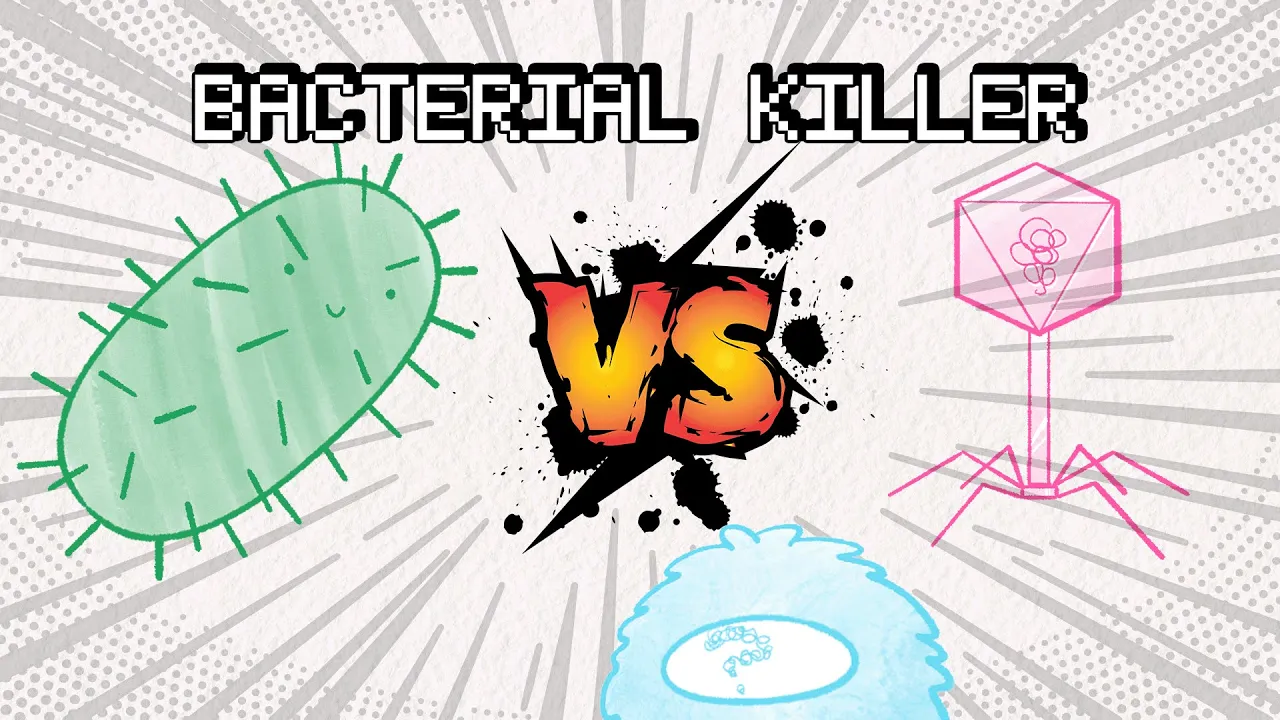
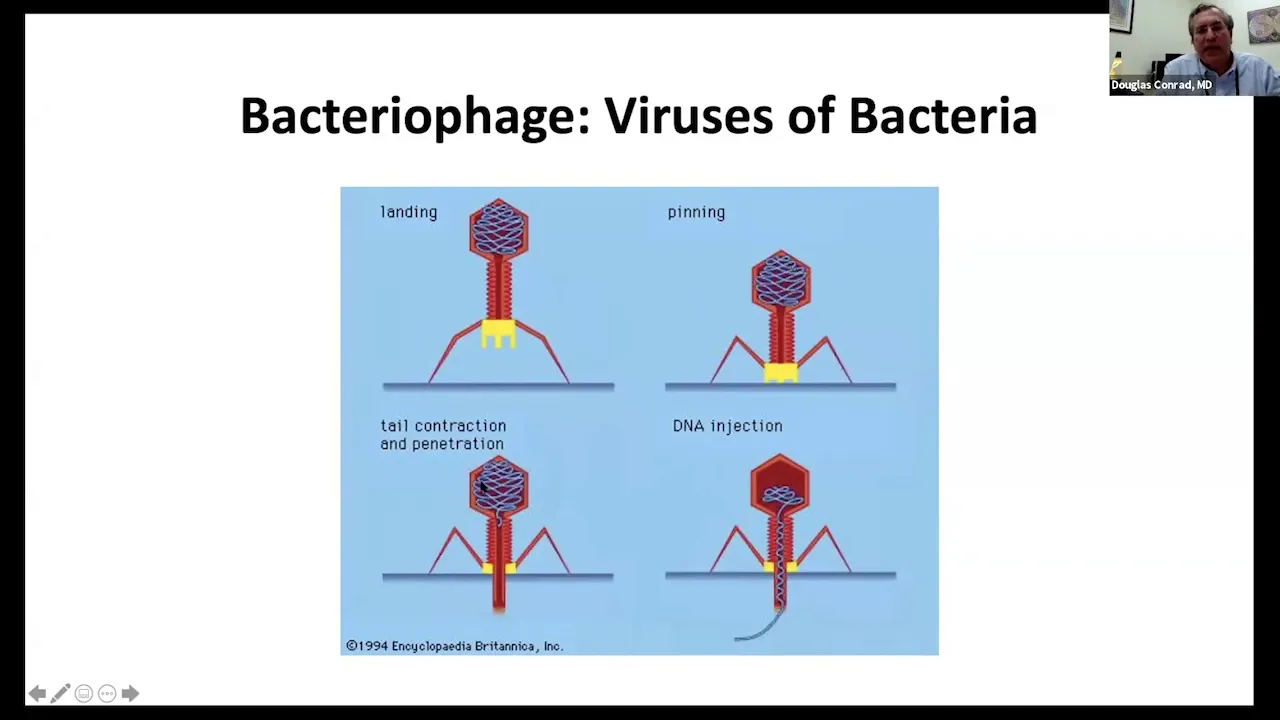
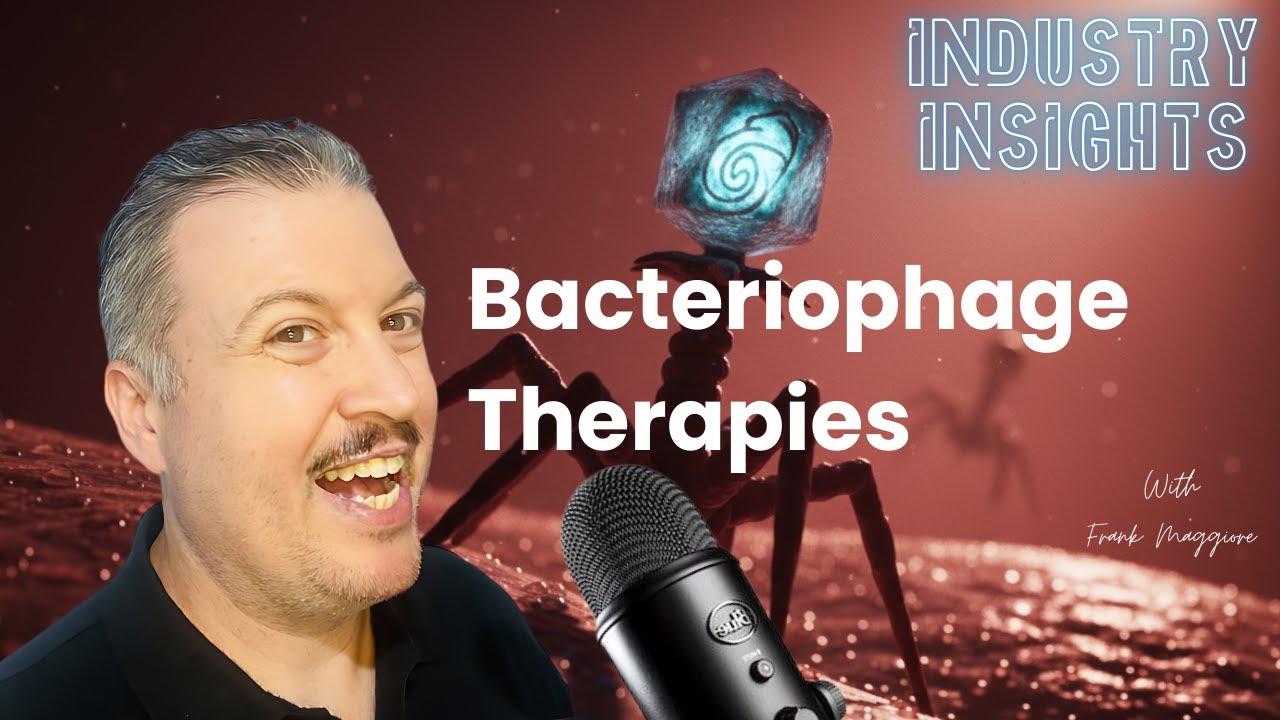
>> Yeah, phages are viruses. So they are scary sounding for that reason, but they are the ones that kill bacteria. So they're not the ones that kill human cells or animal cells. So bacteria fagee is their full name, bacteria eater. And they look like little lunar landers.
They have like a head and a tail with like spider legs. Yeah. Yeah. And they're pretty huge compared to human viruses. They're just massive and they float around.
>> And this is abnormal on the on the microscopic scale. They're like everywhere around us. Like the bacteria pages are in the room with us now.
What's the >> They're mostly in our bodies, but they're definitely everywhere because everywhere people seem to sample, you can find them >> the same way we find bacteria everywhere. Exactly. There's this entire ecosystem, bacteria around, and that ecosystem includes bacteria phages.
>> Yep. Yep. anywhere there's like any kind of moisture and any kind of food which is like on a microscopic level just everywhere. Maybe not so many on the floor. Like if I swab the floor, I wouldn't be surprised I found nothing.
But our feet, our shoes, I bet there's probably stuff in like plants, the soil, they they're just like soil water and um any kind of microbiome like they're just living amongst their bacterial hosts.
>> So when we're talking about fagee therapy then yeah, >> what is it trying to treat? How does it how is it making humans better? And how is it different from just being exposed to the world around us?
>> So pages yeah are being used therapeutically. So they it's kind of intuitive and this is why it was discovered in 1915 basically as soon as it was figured out that oh there's like bacteria growing in a petri dish and there's like holes in them it seems like. And that figured out that's something like we didn't have the microscopes to see it. we're going to have the genome sequencing to know that it was like a DNA containing virus, but we could see that it was killing bacteria. And so that was put in like rivers and people like to save kids from diarrhea because people just surmised that if there's bacteria and we think that might be causing disease and this is killing the bacteria, maybe we give it that and that will treat it. And it did sometimes. And so we're hundred years later, but it's still kind of the same process. It's just like the idea of purifying a little bit of the right kind of virus and then any time you want to kill certain kind of bacteria, you just like combine them and you use it like a drug.
>> So this story starts very similarly to the story of small molecule therapeutics where it's like oh we find holes in our petri dishes and sometimes they're fungi that are like making weirdly shaped molecules. I guess we didn't like understand that at the time versus just like here's some here's some stuff that's being made by fungi. If we grind it up, people take it, they get better.
We've since learned okay yes the thing that's happening is this this molecule that binds the ligan binds to the protein and and stops something from happening you know so too we started from this you know what is happening in nature when these bacteria are being killed through to to through today but there the stories start to come apart because small molecule is the default I think mode of of pharmaceutical development. Sometimes we have to remember that there are things besides small oils and sometimes we need to remember that there is such a thing as phage therapy. So where do these stories start to diverge?
>> There's so many people written about the history and it's like also it's become like a trope like every fage researcher you know the first paragraph of every we just have to do the same paragraph. It's like the right of passage.
>> Okay. So get another paragraph.
>> 100 years ago phages were discovered and then they were abandoned when antibiotics were discovered because antibiotics work so much better. uh they're much more broadsp spectrum. So you don't have to be right about which one very it's it's much harder to be wrong. You know, uh antibiotics will just kill most bacteria and especially during the phase of like the world wars, um there's all these infections on the battlefield and there's much more need to have some kind of way to combat them and antibiotics were just so much more scalable and they were they were also discovered around those same decades.
And so but fage therapy did keep going in the behind the iron curtain. This is back to the central paragraph of fage.
And so like Stalin was really into them and there was like just a lot of use of fages. Everyone used them and then the west quote unquote west um found antibiotics used them but nothing changed for the like Soviet Union side.
And so they kept using phages just like they had and just like people had uh little files of sages like on their belts and their like the soldiers did like pour them on a wound and things like that. So there's a lot of I mean you always have to dance around it with the historical side because it's like depends on who's writing it but there's this this idea that like it was like commie science basically and so there was this bias that grew as well and that's like one of the reasons that the fields have diverged and stayed diverged is it just took a while for the west to kind of like run out of utility of antibiotics and then be like wait there was something we had that was like very targeted. Now we need something targeted that works when these ones we have fail and then you know the rest of the world is like Russia and Georgia and places have been using them in clinic the whole time. So roughly that's the history.
>> Yeah. I think moving from a world where enormous sources of infection or these battlefield infections, no one's culting anyone, no one's culturing anyone in, you know, no one's seeing the inside of a clinic to today where in the developed world we think of people fighting serious acute infection as like, okay, well, now you're going to see a specialist. Specialist is going to like take some samples, culture some stuff.
We can at least find out what's going to work for you as part of like an actual like clinical treatment. um not >> just have to keep it on my belt.
>> Yeah.
>> When I get cut.
>> Yeah. Yeah.
>> Personalized medicine like it's a thing now, >> right? And personalized medicine is increasingly buzzly a thing. How does that then translate into sort of what the landscape looks like for page therapy development today? Like what is driving the interest in it as you say we're reaching the limits of of of antibiotics? How does how is that playing out? and what are the challenges that it's facing?
>> Yeah. So, uh what's happening is that there's starting to be more antibiotic resistant bacteria that are just in the hospitals. They're in the patients. So infectious disease specialists when they look at bacteria they have their certain list of antibiotics to use and you know the penicillins of this type and the sephilosporins and there's you know a list and it's kind of like there's 20 classes like roughly it's not hundreds and they will use those >> and for bacterial types some of them just don't work against that type and we go down the list and sometimes we get a mutant where this one doesn't and you go to the next one there's like first line second line third line and that as I understand changes like hospital to hospital like region to region It's almost like somebody decides like, okay, for for now, this is the upto-date one that Red Dear County Hospital is going by. It's like, use this one if you have this and this one if you don't, if it doesn't work. So, um, they go through their little roster and then, uh, there's they're always getting more toxic as you go down generally, too, because you want the safest, most effective ones first, presumably, and makes sense, but then there's stuff like Kiston, which causes like kidney disease, and you really don't want to use that unless nothing else is working.
So infectious disease physicians around the world at like the most major hospitals like University of Pittsburgh transplant unit that's when I came into the fage therapy space they realized that like these physicians that have like apparent like all the resources you might want are actually out of options completely and so their patients have nothing left. There's nothing on their roster that will work or the only things left are either going to be way too toxic for the patient or um the patient's allergic to whatever no option. So that's the space where phase therapy is filling is like all these patients that have like antibiotic resistant bacteria. And some people say it's patients will get confused like oh I have antibiotic resistance like I'm resistant to antibiotics and that's a big like misnomer because it's not you unless it's an allergy. It's the bacteria that's in you that's causing disease isn't susceptible to any of the antibiotics. And so that's where we have pages. And then the second part of your question about the personalized um medicine landscape and what that looks like with beige is really about picking maybe something that not because of this roster but because of this patient and what they have.
>> For example, a patient might have a lung infection like pneumonia and you culture it. You send it for cultures. The doctor orders the cultures. The person comes and gets a swab and they they grow it in the lab and they find out oh it's sudamonus sudamonus originosa. Okay.
Common lung pathogen. Yeah, that's the one. Then with fage therapy, you would need to take that sudamonus, that exact one, not just the word sudamonus.
>> Uh you have to >> that longest genome.
>> Yes. Have it growing on a petri dish.
And then you have to have fagee on hand.
Hopefully multiple phages because they're so specific. They're like this is their Achilles heel and it's their biggest strength. it like one phagee will target like that sudamonus originosoa but not that pseudamonus originosa and we don't know what what their rules are and that's an active area of research and we don't know if you had 50 sudamonus stages or a thousand or five you would test them each pipet them down onto the petri dish just like the 1915 like petri dish with the holes we literally do that assay and and we loosely because hospitals do not have this capacity right But um if that doctor is like lucky enough to know a fage biologist and like have a patient who's stable who can wait long enough for him to mail the petri plate literally like wrap it in wax >> and put it up in a plastic bag and mail it to me a fage researcher at an academic institute >> so that you can like >> Yeah. So I can p my fages and see if any of them works. Yeah, >> but it's amazing because when they do work, we just like there we go. We have the drug and it will probably work if we put it in the person.
>> And so maybe I'll just pause there, but yeah, that's what's happening.
>> So just set the scene here with scope and scale. Like this doctor is lucky enough to know you >> um their take a culture from their >> very patient patient um wrap a petri dish with the culture. presented through the mail EU and you're going to reach to your library of 12 or 1200 phages to start this this testing process.
>> Yeah. So when I was doing this the last two years in Australia I was like occupying this function as the fage tester for for doctors basically >> for for the country of Australia.
>> Yep.
>> Yep. We started this is a whole other story but yeah a new experiment in doing this. We had 50 sudamonus phages. Okay.
And we had 50 E.coli pages and we had like two staff orius pages and then we had a smattering of others but like it was not a huge library but that's kind of like roughly how many we had at least >> and those you're you're just going to test all 50. Like you your researcher is going to be like just >> done a sample check them all. Um and then of those 50 for a a good day you'd get >> or a good patient case you get how many hits? Most of them were were misses.
Most of them were like some of them were runaway successes. Pay us that picture.
>> Yeah. I would say like we would get something like five hits out of 50. And we were had no idea what to expect either cuz we found these pages from the fridge. They were not like in a nice bank like ready for testing. Like they were someone's PhD project from like 10 years ago sometime. We just kind of went into this academic labs fridge. And so we did not even know if some of these were redundant with each other. Like we didn't have time to really and we didn't do this as the first step check like characterize them all. We were like here's our Pandora's box we called it of like mystery sudamonus.
>> Can you just talk like kind of numbering system?
>> They just had something on Sharpie on the top of the file some kind of like letter number code and like we hoped that it would be in some Excel sheet somewhere but like we'll find that later. We just >> when we need to write the paper or the case study or what's it >> and so but we get like five or sometimes we get like two but we often did not get zero which was shocking I think we thought we would need a thousand >> to to hit this like patient isolate but for some reason I don't know I still don't know actually were we lucky is that normal but that was our our collection for sudamonus yeah >> but like most of your patients the the vast majority of your sudamonus patients like within this library of 50 that wasn't particularly had designed. It was sort of compiled through the results of of of people's leftover research. The vast majority of those patients had phasages that created little holes in the petri dish on on on their culture.
Then you'd send five samples, five separate samples or mixed or mixed on the other end. Um and then for a lung disease, the physician on the other end is um giving it as an inhale treatment or >> Yeah. So the steps that happened between that part cuz like that's where you'd want it to go for sure. And the one thing that we didn't have yet was we just had like literally like one milliliter of each >> and we we and it's probably not pure.
It's like maybe it's like a mixture of phages. Like we hope it isn't, but we ended up finding sometimes it was. So we later had to you know divide those up and you know but also like they were not purified of bacterial debris yet. So the whole next step of the process if we found our five >> because they they were grown in bacteria and like exploded out of the bacteria but then we still have all the bacterial sitting around in our 1 million.
>> Yes. And so we call that a lysate fage lysate. It liced and it's the lysate.
>> And so there it is. We you know you sterile filter it. So it's like the holes are small enough that living bacteria are taken out but everything else is there >> and so there's still very much chunks of of bacterial cell wall and that's very very dangerous and that's actually the most dangerous part of phagee therapy is these elements of the cell wall called endotoxin that's like part of the um lipid layer that is on bacteria and so that will cause like at worst something like anaphilaxis because the human immune system really wants to find like it's trying to save you from bacteria.
That's one of its sensors is that >> so >> and when it finds like all these raw pieces of bacteria lying around it's like oh no no no that like lot of work.
>> Yeah. Like in like inflammation it just like figure it out and so you can certainly like what was keeping me up at night was getting rid of that so that we wouldn't kill somebody because it was literally could kill them for sure. So I, you know, know only a tiny pieces of of of about base therapy going in to do my research for this for this podcast.
And my understanding and sort of like Osmos into into me from the rest of the community is like yes, that's the thing you can try, but like the major problem with it is sort of deliver a bacteria page. kills all the bacteria in someone at once and then we have this like immune reaction to all the like immediately lice bacterial problem of of the bacterial that is that it's having the effect on it. is that's slightly the wrong picture and we should be more worried about the lysate that's that's coming in in the injection and the like >> that's a really good point and I think those both should be considered equally but also they're not they're sometimes lumped together or or not considered at all >> but the lysate the reason yeah so it's present in the lysate we got to clean that up and you can do that with a series of purification steps and filters and that's you know I can get into that that's some of the work >> some of the early trials failed to do that which I think where we get our scariest negative results Yeah, we need to talk about that. That is that is a thing that we need to clean up. But also the actual like the release of the endotoxin from the target bacteria. Like this is what you want to happen is the target bacteria is exploding inside. When you give the fagee, it goes and finds its target.
>> Yeah.
>> Gives it injects DNA and explodes it.
>> We explode all the bacteria in your all at once. Sounds like a great picture.
And maybe not all at once. Feel like your body need some time to process the the endotoxin bacterial parts being released. And I feel like that is not as big of a problem as you might expect because everyone it's like a very valid thing to be worried about and I am worried about it. Um, but also we just don't see people having that many negative reactions to sages even when they're given as unclean preps, even when they're given clean and they presumably work like work because the clinical outcome got better or the microbiology got better like you know you see less sudamonus. So presumably they died >> but we're not really like phages have just been resoundingly safe for the most part as far as safe goes. Like I mean if they have like some kind of reaction it's like passes soon and they don't die for sure. Like like there's no one that's died of a fage. I wonder about that. I'm like what's happening? And like why are we so worried about it here if it's not happening there but the numbers could be way off >> and yeah but they're both valid.
>> So you're so you're doing the prep. You have this research sample which is just this lysate and like you got to get the endotoxins out cuz like >> those you don't want to be immediately injecting in people. I've read the methods the method section of some of these papers and like oh boy is this the like most involved in this section of like how you know we prepped the samples we like centus this we like went through a a this reduction column we went through this delusion through this and these are just like the steps that like you are doing at the VA center of Australia because one patient is is >> yeah and so we had to come up with um how we're going to do that because it's one thing to be like okay if you're a company that you're making a drug, you're going to invest in your own like system and of producing the fagee and and it's going to be like good manufacturing practices certified like and so you're going to whatever have your maybe a bioreactor maybe you're making a lot of it because you're only making one thing so you're going to invest in everything like that but we were doing it at a case byase basis and that was like going to be the case for a long time we're not just like doing a oneoff but really developing a drug we're like how do we set this up so we can like keep doing one-offs so but also So we were in an academic lab. So we didn't have any real budget to do anything or buy any machines. So kind kind of coming up with the like academic version, but still like the clean product at the end was like my task number one. But there's luckily because it's such an old field, the literature is just full of like methods that you can try and things that are very cheap like octinol like an organic solvent that you just mix one to one with the sage lysate and then you know it'll separate into its layers and you just take the aqueous layer and it most of the endotoxins out. You can dialize that with like some dialysis tubing and that's like that's good enough actually.
So we could do that. So the method the methods are very established. They established over a century of research um in former Soviet parts of the world at least. But now we have this still decidedly long GMP you know process which is like you you've been there um typetting in in your steroid and we're going to give just to patients because yeah in in in what medical context has has this become an okay thing to get to?
>> Right. It's the realm of compassionate use or various other versions of the name and like we had a channel like that in Australia and so it would be anyone who you only qualify for fagee if you've tried standard of care and it failed and your doctor >> of the whole checklist >> like and they have to make it's case by case again it's like they have to make they have to put their medical license on the line the doctor they have to like say you know I have tried everything and maybe sign care surgery cuz sometimes like a prosthetic joint infection and like the standard of care is to go scrape out all the bofilm and dump in antibiotics and fill it back up a couple of times.
>> Great.
>> And this is happening and so if whatever standard of a care is they've done it and we still have this chronic infection, recurring infection or life-threatening infection and then that's the only way they can qualify for this sort of like established path for like drugs that doctors can go reach for drugs that aren't approved if there is nothing else.
>> Yeah.
But this is like very much like physicians discretion and like physicians >> sticking their neck out there for their for their patients.
>> Yeah, definitely. And their hospital, their employer is actually the one who is >> putting their truck they're putting their pocketbook out there in the in the you know >> Yeah. And so often the doctor might want to, but they have to convince their the person Yeah. the last the buck stops with the hospital committee whoever decides like yeah can can our doctor guy that we employ go and do this risky thing are we likely to get sued because we pay his insurance.
>> Yeah.
>> Okay. So within this like you know our patients not so many they've got they've got a doctor who's familiar with this field who hasn't written off this field because of its connections with communism with Stalin who's connected with this network of academic centers that do this service you know f testing and preparation service um they've gone through their whole standard of care they've gone through their hospitals you know risk management experimental treatment committees they've you know gone for the patient testing That's the easy part. I I guess they got they've got these hits. You've done a bunch of work, but it's work that's >> procedurally established and and you sort of know how to do it. I hope you didn't do all the all of them yourself.
You're like train training your researchers to do it.
>> There were two of us.
>> We did we did one patient a month for the first year and we were that was all we did. But yes, like the next rendition of that is, you know, uh they brought in a few more people and like it's becoming slightly more of a machine.
>> Great.
>> Manual.
>> Yeah.
>> It's not in the context of like randomized control trials, but like what's the typical story for these patients who have like been through the whole whole checklist including including these extremely invasive things and the doctors have got their weight, their licenses on the line. What happens to the patients?
>> Yeah. So this is really cool because there's a pretty high rate that something good happens to the patients at this point. Like if you can get the fagee if you can get all that done as you just said like that's you're way more likely to fail on that than the actual fage. If we we find that like once you do get an in vitro hit and that fage like there's and that goes back in the patient and everything happens the patient like usually does better clinically and or does better microbiologically like sometimes eradication of like they get to culture negative so there's no culture that can be cultured which is awesome when they were like previously like dying of that infection >> and not responding to anything. This is like >> usually works >> after we've after everything else has failed.
>> Yeah. So like 70% is the number that keeps coming up for case studies. when people compile like a 100 case studies across multiple centers, it's like 70% had either had I think had clinical improvement and then like 60some percent had like microbiological uh improvement or eradication something like that and these numbers I mean people like say yeah okay that doesn't tell you it's 70% effective but it is the number >> anecdotes these are cases these are >> yeah yeah open label and we worry the placebo effect and all of this Exactly.
And when I was I was always wondering and everyone wonders this in the fage field like how many negative cases are there because they wouldn't be reported because we all know you're not going to write a publication unless you really feel like it's important and some people have >> public negative. Yes. Yeah.
>> Yes. I mean we should all strive but like the reality is it doesn't go to the top of the priority list but uh I was always wondering like is it very drastically over reported the positives but then when I was like actually part of 14 cases in a row and like 12 of them were like great or or nothing but like there was two that were nothing 12 that were like pretty good or great and there was none that were bad. I was like, "Okay, I would have seen if we were hiding the negatives." And that was pretty cool. I think I didn't convince myself until then, till the first patient that I like made the Fage for and then like started seeing that there was no trust involved anymore. That's when I finally was like, I think Fage therapy could work. Yeah. cuz I kind of always wondered just there's so many voices in the fage therapy space that are like there's a bunch of cynical people who tried to make a company work and then it failed and there's people who are still doing companies and they're not cynical about it but like they point to all these failures and you just you have to wonder I wonder like if something seems so promising but just doesn't pan out for hundred years like then maybe it's not that great. So I guess I needed some like hands-on feeling that it was working. Um, I mean it could have been, you know, a fluke, whatever, but at least >> 14 patients is whatever. Like, >> yeah, like I just felt like, okay, there's it's I think it wouldn't be talked about at all if we didn't have like quite a high record of good things happening, >> facing such headwinds.
>> Yeah, that's the one thing it keeps showing. And and there would be like a kid like we saved this kid from getting her leg amputated and like they were definitely going to amputate and we definitely got it so she didn't have an amputation. and the >> we like know what the counterfactual we need like for this this case. We we >> Yeah. And there's this guy like who's like wheelchair shopping cuz his life is going to get emptied in the Mayo Clinic and that's like um like a really cool story too, but it's not just like a one-off story. So yeah, you can get rid of pretty bad infections with a stage as long as it works in the test tube. Mhm.
>> And um there's a lot more headwinds to get it get yourself the opportunity to have your bacterial culture tested. That is kind of like the hardest.
>> Yeah. I want to eventually talk about you know the gap from there you are the two of you mixing one one culture a month for the the patients who who have brought them in and like what what is the gulf between that and like this is a thing which my doctor who may not be particularly heroic is is is going to treat me with. I think there's there's a whole gap there. I think first I maybe want to want want to rewind back and and like what did it take to get to the point where you you were there doing preps in the lab convincing like a doctor to take a take a chance?
>> Yeah.
>> What is it like doing from well zero to one?
>> Yeah. The Australia one wasn't the first. I would say it was the first time I was physically being the chemist in the lab. But when I started Fage Directory, like the last semester of my PhD, that was in 2017. And I was like convinced by my partner Yan to, you know, help people get fage therapy on the internet basically. And >> and he was like >> we're like Uber for page therapy going on there >> kind of. and he was just, you know, he'd been in startups and stuff and he's like a software guy and he was like hanging out with people joining their startups.
The startups would fail or be boring or what like helping people get food faster, whatever. And he was just like and then he found out my field was in need of a life life-saving thing that was like in academic labs and like academic labs are never talking to doctors and doctors are not aware that you need to talk to the lab. He was like, "Yes, that's an actual like worthwhile use of my website making software making skills." I guess it's not it's not Uber for page therapy, it's transl.
>> Yes, we didn't even know that people were using Twitter actually and they weren't it's like many people were like one person used Twitter and we happened to see it >> and we were like, "Oh, >> we have that."
>> Lucky that you were there.
>> Yeah. Yes. And Yan was like, "Oh, well, why don't we just put everybody that you know has a lab on a list and then like why don't we just like tell try to get doctors on another list and then if they want to ask for a fage, we'll just like email everybody."
>> Yeah, that was the plan. And so we did this and so at that point that was like a University of Pittsburgh doctor that was like looking for phages for this patient, Mallerie Smith, and she had had a lung transplant, cystic fibrosis, like it was really bad for her. And then she had this burglar berry infection and then they wanted to kill it with fagee because they couldn't kill it with antibiotics and they couldn't find fagee and >> so does they post on page directory like uh looking >> they would have if we had it by then and but we unfortunately like found out about it because of this case started the directory like and two days later she died. So that galvanized us and also everybody who was like on the list already. They were like what?
And so and also like journalists from stat news like wanted to talk to us because they were like oh my gosh now we have like something that can help like and there was like Maller's face and like her whole story and it was like luckily there's fage directory at the bottom and we were like what? And Yan was like, "I'm quitting my startup."
Like, I was like, "My god, like I'm not telling my PhD supervisor. Like, I'm supposed to be writing my thesis." But I was like, so that's how pretty much bad it was and like ridiculous. And but the the Mallerie had a doctor who was willing to look for one for a page and most doctors were not. That's also the hospital that let her get a lung transplant when most wouldn't because they'll say no to that, too. So in 2017, I'm just trying to paint the picture that like 2017 to like 2022 when I started making pages for patients Australia, >> we went from Twitter maybe to page directory.com or dot dot do >> y page.cirectory >> page.directory. It's changed a lot and like it used to be that if you're like you're like luckier than lucky if you are a patient that convinces their doctor to try this and now and even 2022 it was like it had just like become more normal for an infectious disease doctor to know about phase therapy in the US and even Australia and like Europe.
Europe needs a lot of credit for bringing this forward. like Belgium has been just like the main driver. But yeah, patience it's completely hit or miss and it was usually like we would start getting emails all the time through throughout those years those five years of like patient emails us wants stages and we're like well get your doctor on board and they're like I can't she says no and I'm like send them this PDF and they're like I will thank you so much. No one's answered me.
They're so grateful. It still continues like this to this day. But some of them would come back to me two years later and be like I got my doctor on board and I'm like why this same infection it's like because these are sometimes very chronic or somebody has like yeah like they've had surgery okay they fixed it but it keeps coming back and it's or especially CF like just like constantly re reinfected. So uh whatever it was, they are the ones driving it and like the doctors originally were like no.
Then the doctors were like okay but only if asked and then so but then like the next shift was like so the Australia thing came about because one of these cases actually worked >> I should say and that was the >> they they made the connection and then the the hospital the academic center said we should actually do this.
>> Yeah. It was the research lab. It was like John Arredel is the um infectious disease doctor who uh is also like he runs a research lab and so he was like I want to treat more patients with phages like this like he used our system completely cuz fluke like his one of his people who works with met us at a conference me and Yan >> and so he remembered face directory and like he found some other lab who like sent him some sample that someone purified it.
>> Yeah, exactly. It came from Israel went to the US to get purified that went to Australia and like it was wild. We didn't think anyone would help Australia because the shipment costs would be too high. But like 12 labs said they would.
Anyway, we treated this girl Dandy. We She didn't have her like >> and then said, "Okay, let's let's take this serious.
>> Let's do it." Yeah. Yes. And it was completely because of his credibility as like a pretty senior infectious disease specialist. He wasn't just like some new doctor who's like, I think we should have fed. He was like, it's about time and like I need a legacy at this point.
I don't know. Uh >> your system's good for something.
>> Yeah. Yes, he had total like credibility and like he did have like a platform to do this from and so he got a big grant for making fage therapy.
>> It it wasn't really called a center but it was like four pillars that would be like banking pages, diagnostics, production and monitoring which would be like no one's really been collecting the data very well so we can't do real clinical trials. Yes. And this was like a big pioneering move on their heart.
It's like we're going to do that and they got money from the Australian government and that was really exciting for everybody in the fage field because they were like nobody had been able to get the million dollar plus grants to do fage work anywhere and so he got that and then that they were like okay fage directory helped us how about Jess and Yan why don't you come like work with us somehow like I don't know how just like you could be a postoc you could be a bionirmatician Yan's like I'm I'm I'm a software developer like that sounds like bioinformatician Yeah. And just come on in and we'll make this whole thing work. And the big thing they were trying to push was not just like a center but like clinical trials like a series of them. And the first one being this like staff trial which is like a monitoring a standardized treatment and monitoring trial for speech therapy. And so it's actually a case series like there on the patient level each patient still has to qualify through their compassion.
They have to have child standard of care, but they can have anything wrong with them because of that because you're you're not excluding anybody. They've finagangled it beautifully, I think, because it's totally fits, but it's actually not how you would normally do a trial.
>> Like it's it's this data collection >> system which is existing independently from the existing system for for getting patients >> individualized experimental like last therapy care. Yeah. But but but we're going to collect the data all all at once together.
>> Yeah. And the FDA has been to FAGE conferences for years. I've been listening to them give their talk which is amazing. They come to our conference like they send stuff and they say please talk to us. We want to work with you.
But they also say don't collect data from compassionate use cases in series as if you're going to use that instead of a real clinical trial. Like compassionate use is not a substitute for clinical trials as a part of drug development. I like I remember this being hammer home and I think what people interpreted from that was no data collection from Kamashi use because and and maybe that's not that doesn't explain it all but that was what was thrown around because everyone was like wait uh they're allowed to over there in Australia and then I think we were probably allowed to here too. It's just like that's not a substitute you know for your if you're doing product development you still have to do like a randomized trial. This is how we're going to learn how.
>> Yeah.
>> This is how we're going to learn how to do the very first trial is we're going to collect the data.
>> Which one should we do first? Yeah, >> exactly. So, the Australians I should also credit Alan Katami. She's a ped pediatrician and she's the one who is treating this little girl that we helped. Um, and so she wrote this trial and like she and John like got it through and they got the funding. They got the trial approved. They also got all the infectious disease doctors in Australia to sign something and say this is the way that we're going to do phase therapy. All of us agree. And so, uh, that was like so cool because no other country like I've been running the Sage newsletter ever since I started Fage Director and started that. And so I've been putting the coolest news out, five coolest news things every single week for five, six years. And it's like, no, nobody's doing that. That was so, so cool. So they're like, yep, come on over. Then co hit right when we were the funding was secured then the funding was like frozen and then we couldn't get visas but we luckily didn't like >> we exit Australia for a while there.
>> We weren't there yet.
>> Okay.
>> It was right before >> oh this is we'll set it up and then >> yes >> we amused ourselves until then. We we did other stuff. We just kept running phase directory.
But like we were working toward everything, but by the time we got to Australia, we're ready to be like okay, we have patients and this is your actual question was like what's it like with the patient and like and I wanted to illustrate the difference. And the difference is instead of like patients like trying to convince their doctor, well John Ardell is the doctor who's running a the trial, he personally has like 21 patients at the hospital next door that need this. and we had all our samples because he's been collecting them. And so we just started picking.
>> He just like land on the on day one was like great >> 20 patient backlog death.
>> Jess, what do you think we can uh give this a go? And like I was like, what do you mean? Because I actually didn't think I was going back into the lab. I really I I didn't think I was going back into the lab at this point. I thought I'm going to be my phase directory. like I'm going to be in the in the role of like helping us get collaborators and helping us like integrate with other fage banks and get more sources of pages and but then I was like oh my fage making skills are actually >> actually take out the tire and take the address later and >> yes so there you landed finally got your co visas immigration immigration whatever and said okay got 21 patients let's get started let's go give it a go. And I was like, what does that mean? And he's like, well, do you think we could just purify the phages ourselves? And I think it wasn't at that point decided because one thing about the stamp trial, it's designed as, you know, this way to get the patients all the miscellaneous infections. You could treat them all, whatever. But they all get their own phages and that was really cool. But >> one set of procedures, >> different sets of inputs.
>> Yes. Exactly. like same dose by the numbers like 10 to the nine phages per dose and you know same amount of doses and the same >> the same purification column and the same this >> well the thing is none of that was specified everything to do with >> making the phages where they come from how we make them was not in there it was just like they will get phages if there are phages that you know kill their bacteria they'll get this many of them at this interval and we will check it by these meth methods but like where are the phages coming from and I didn't really ask this question I don't think cuz I remember being surprised and then being like I shouldn't have been surprised.
So the patient the pages are coming from me and um and I was like well I I roughly know the literature like I know who my favorite groups in the field are that I would copy if I was the one making decision of what methods and he's like >> I know and so he was like yeah just like yeah give it a go. And so I gave it a go and luckily the first patient that he had he kind of he chose the first patient we're going to do was this guy who had this abscess in his chest where his lung used to be because it was taken out for from cancer treatment like years prior and it was full of E.coli. It was like an abscess and they couldn't get rid of it because I guess yeah the antibiotics either maybe they weren't getting there but also once they're there it was resistant. So okay so the goal was we're going to do introvenous stage therapy. So it has to be as clean as possible >> and >> having enough filtering from the body on the way in if we have endotoxins like >> we're injecting straight >> well we were going to clean out at least clean out the endotoxins as much as possible. Yes.
>> You're writing the methods.
>> Yeah.
>> How are you cleaning out those endotoxins? Great.
>> I was like okay we'll use >> decisions.
>> We'll use optinol because I like this method. It's called fage on tap and it's this researcher I like Jeremy Bar. I like I think he's probably good. I I've known him for a few years at conferences. I'm going to copy his method instead of the other methods. And I know >> luckily though, it worked out beautifully the first time. And this like tends to happen in biology. It's like it it works and then it like is way harder every other time. But like beginner's luck can save you probably because all the ones it doesn't work.
>> You never hear, right?
>> Yeah. And so it often happens that you get this beginner's luck. And so that happened. And um also we were lucky that it was E.coli because that's like the easiest organism just across the board >> to to culture to like a fage model. It's just like >> we just it's the fastest growing. Yeah, we every it's the model organism for bacteria. So, we're it happens to be coli that's causing his problem and and we happen to have phages again that came up like we had our 50 coline phages. We found some they worked and then the octenol worked really well to get rid of the endotoxin. We found a way to test the endotoxin levels very accurately and that was crucial which I haven't I haven't realized so much until now that I don't have it anymore that we had the Sydney Cell and Gene Therapy Center downstairs in our building which was again a fluke but the Westme Institute for Medical Research is where we were and they happened to have people doing CARTT therapy in the basement and then fage therapy on the fourth floor and we went I don't remember but I think I talked to people until someone pointed me, oh, like you guys test endotoxin and the FDA and the like the FDA and the US like specifies endotoxin limits for anything that you inject. It doesn't matter if it's fage or anything. Um, and so and Australia's TGA, their FDA, they look to the same levels and they're like, "Hey, FDA says five five endotoxin units. That's how many you can have."
And so I found that there's an endotoxin reader downstairs in that facility and we could do it. So as long as we had the way to prove that the dangerous thing was very low in number, then we could reasonably we argued at least purify in whatever method as long as the dangerous thing is gone. And that's what we did.
And uh then we treated the guy and we also had luck with that. Like we like cured his abscess completely. like he became completely off antibiotics. He'd been on introvenous antibiotics for three years. The entire pandemic he was on an IV like had to have that at home and and then he's doesn't need it anymore and I was like oh this stuff works.
So it was wild but that so those 21 patients you know we started just testing through for all of those but we also the next thing again getting to your question of like the difference now in doctor's views as well like we started having like other doctors would find out just because they know John like we weren't advertising it really and they would be like hey I've got a patient there's this guy named Tim from like four hours away in some rural area, but he's like, "I got one." Like, and then once we took one petri dish from him, we got like a new one every week.
He's like, "This is another guy." We're like, "Is it the same same guy?" And they're like, he's like, "No, no, I don't think so." Um, and it was like, "Well, it's a pseudamonus." Yeah, it's a different one. Okay. So, like it was like more doctor by doctor, but once we found a doctor that was like once they were into it, they had like many patients. So I I extrapolated from that that like infectious disease physicians have many each right now that like patients that would benefit from fage therapy. They just do not have fage access and it is very laborious for them to try. So they don't have time either.
But uh certainly >> they're not they're not going to be cutting obviously.
>> Yeah. So that's how it is. It's now no longer patient versus doctor. It's like doctor versus time.
>> Great.
>> So that's improvement is still hard but it so so feels shift and like the physicians are on board now.
>> Yeah.
>> Okay. So that brings us up to what feels like an much better world. There are patients who are coming up. There are patients who are not having amputations. There are patients there patients who have this thing and then doesn't work at all. There there are these cases and not rare cases where it it succeeds for literally the entire medical toolbox has failed.
There's still an enormous gulf between here and this is a like thing that doctors prescribe within like the standards of their practice that things that gets covered by insurance things that gets covered by Medicare in the US by public health systems the world the world around and conventionally that gul is covered is you know crossed by commercial development that there's a for-profit company perhaps a for-profit company that originated at um an academic center. It's spun out of um a university. It's spun out of other sorts of nonprofit labs. We do have those those examples. The the precedent from something coming from the nonprofit world and saying you need to be in the for-profit world in order in order to be developed. We'll transfer out the patent and some royalty rights come back to the the institute whatever whatever. But that >> almost universally is is the next thing that that that happens. you were talking through a development from 2017 to 2022 where like that the the sort of treatment landscape in Australia had had gotten much better and like the next boss the next mountain to climb is like well is this going to come to commercial development and what have you seen in terms of like the movement on that like is this going to come to commercial development or we just going to live in this like yeah there's a case if you know John >> or if your doctor like has had a previous like heard the talk of the where are we going >> I think This is definitely where we are.
This is the question to ask. This is where we're at is the struggle of like getting to that. And there's been since the '9s, a lot of fage companies have started and failed and there's like everybody talks about like, you know, there's skeletons on the road or whatever. Go find out why they fail.
But the ideal would be or the like way that things seem to be going is that you know you get a cocktail of phages and you put them together and now it's a broadspectctrum fage cocktail. It's a drug. It's it's just like penicellin which is a broadspectctrum antimicrobial.
>> But you're like no I reach for the penicellin. I reach for the fage cocktail. That's what I treat my patients. It's always the same thing every time. It's not this you prepared one op and in fact this cocktail was prepared good manufacturing process stainless steel bioreactors and and all the rest and so we're going to take your 50 cinematus phases develop them as a cocktail and then we're going to run a randomized phase one phase two phase three >> phase three again trials to treat patients with this 50-phase cocktail as a commercial product against their bacterial bacterial condition like that's the path to this being a you know in the book instead of outside of the book >> pretty much although there's a few things that like make that really hard >> yeah so so I wanted I wanted I wanted to dig into the like yeah it's not as simple as that what makes it not as simple as that and and and like what to the to the point of podcast like needs to happen differently >> so one of the main things that makes that that just jumps out is we can't have a 50 fage cocktail And the reason >> why not >> seems to be we should challenge all these assumptions. They made one with 12 and it died off quickly.
>> That's the short answer. People think >> like on the shelf it degraded.
>> Yes. While it was waiting to be used as 12 seemed to go down in in activity. So this is I mean that's the super short answer. That's one example. But um the the complexity of manufacturing. So the reason like we can get into like the shell stability yes that's a problem and >> well we have different components and you can only combine them at the end is that if that were our only problem okay so but like >> I would say probably the big reason why you don't have 50 is because manufacturing complexity would be so high and to have like 50 different bio >> 50 different bioreactor production lines and the yeah >> yeah it seems like that's a pretty big barrier and even most cocktails are being developed with three four five six and that's like the highest that I'm seeing lately.
>> What is the lowest number where we it might work cuz every additional one is is too much of a burden to the >> Yeah.
>> this unwritten.
>> Yeah. And and also like every page like I guess there's this tendency toward the minimal number that's like going to be the broadest and you actually don't need 50 to to get to like 80% coverage. You need like three often it totally >> if you're doing it blind and just like >> you know one of these three.
So I think if we needed 50, it maybe is possible that we actually could.
>> But if if three is 80% 85% if you pick your favorite six, if you can get to your favorite six, okay, fine.
>> Yeah. So that's roughly one thing. And the other thing is like I mean a lot of people put this forth which is you still have the long tail which is actually what we're dealing with now. Like we have most things treated by antibiotics and then the rest okayes are zeroing in on that. But then like we're kind of doing the same problem as antibiotics.
If we make a cocktail and we have that fixed now we're going to treat like the main the 80% of that and the still >> and the compassionate use off for the you know don't do any of the other 47.
>> Yes. And so um there's there's also a sense that like for all the work of doing a fagee product if you're going to do it as a fixed cocktail you now do not have your advantage anymore over antibiotics which are causing like resistance. And so you're going to have resistance and then what? You have nothing. And so >> people don't want to seem to put that forth like it's not that's the push back against the cocktail version is just like okay it's at best just as good as this thing that's not good enough and fair. I think it's probably still going to be like we still can hit a lot of infections with like that approach and there probably should be you know a f a sudamonus cocktail a staff cocktail an ecoli cocktail or maybe combined pathogens for like specific disease. It just depends. It's probably going to need to be like a bunch of cocktails on the market ultimately for across the diseases >> and across like the scale of decades.
We're going to need the new staff cocktail, the new cinnamon cocktail to come through the the commercial development system somehow and show up before the other one is, you know, >> been useless for for for decades and years >> as as we develop this. I mean, we see this problem in in antibiotic development where it's like we'd like to have the new antibiotics before we absolutely need them, but incentivizing that through a commercial process where everything is being trained back from like decisions by insurance payers at the very end and where the investors thinks that that's going to go.
>> That's that gets real murky when you're trying to break new ground.
>> Yeah. So, those are some of the some of the issues, but ultimately it doesn't have to be crazily more complicated than that. Like you could probably like that would be great if we actually got to that point where we just had like a few cocktails that were like push through and you check in advance that they're reasonably broad coverage for that disease type or like at least type something that you can do to check that it will be the right cocktail. So like I guess this brings in another aspect which is >> grown negative or we call it simonus or we like there's some level that you're going to need to to narrow down.
>> Yes. And I mean there are like the country of Georgia, the Republic of Georgia, they have been doing phase therapy for 90 years.
>> So what's it look like there?
>> Yeah, they actually use cocktails that are like sourdough starters and every year they like add to them and then they keep like sampling the environment or probably whatever clinical isolates come in and they're adding >> like here's some more sudamonus what grows on it. Yeah. Okay. Isolate that then.
>> Yeah. And then they're just adding to the cocktail. And so it's become this like who knows how many phages. There could be a hundred, you know, and and yet it's like the cocktail is not for sudamonis. The cocktail is for lung infection, for example. I think I don't know if they actually have a lung one, but they have like a gut one called like intestage, right?
>> And it's, you know, you take it when your gut's having problems and it's got like a few different pathogens are targeted by the phages in there.
>> Maybe in the west I take the bismol hero like well if it's an infection and not a toxin. Yeah. But they they're just like my stomach hurts and that's normal. And so we could >> before going to a doctor. This is this is this is all OTC. This isn't just the pharmacy >> actually. So I So there's over the counter phages in Russia for sure. And there's I think over-the-counter phages in Georgia, but Georgia also has like a clinic >> prescription hospital prescription like I don't know.
>> Yeah. If the strength does change or what. I haven't been yet. But >> it's happening over there in a different way. I don't think we're thinking of it disease specific as much as pathogen specific >> plus disease specific.
>> Yeah.
>> Yeah. But it could be simple still. It's still like not like impossible to wrap your head around doing a cocktail and like there are some companies making progress. I think this is this is fascinating because one of the things that we see when people are pushing the frontiers of like modalities of medicine is we say like oh here's a here's a new you know 21st century like sort of space age therapy it's this super sophisticated we need the the most sophisticated medical centers to deliver it um we see this with gene therapy as people are like where do I go for gene therapy like oh boy I hope you're in the city of Austin or like maybe New York like that the the most specialized doctors in the world who have studied the the cut who have pushed the cutting edge of the research those who are going to do your like million dollar gene therapy stuff and but this is not that like these clinical trials don't have to happen at the most specialized center in um center in Boston if this treatment and followup and care of these patients is happening in the Republic of Georgia. Yeah, it's happening certainly happening in Australia, but it happens in like a bunch of places whose like medical system is on par with that. If they can deliver 1980s era care, they can be delivering babies. There's like not a additional barrier to the complexity of this seemingly new theraput.
>> Yeah, that's a really good point. And and it's it's cool cuz like yeah people put it on a spectrum of like totally personalized to the mass and like pill >> and it's like yeah there's like personalized things that actually are like much less infrastructure requirements than you might think.
>> Yeah.
>> Yeah. Uh I would say the one thing that does need to be there is some kind of fagee currently fagee lab or there has to be fage microbiology going on and currently >> to do the to do the testing the sensitivity testing >> to do the sensitivity testing although >> not for cocktail if you had a cocktail and you were and you were running it through trials you'd produce it somewhere in some page lab and then you send it to some hospitals >> you're right in that version of the world although I think it still remains to be seen if like cocktails will need a diagnostic as as well.
>> Mhm.
>> And I think Yeah. I I don't know which way that'll go. It's >> I guess I guess I I guess you culture sensitive to the cocktail at least.
>> Yeah. Yeah.
>> Got it.
>> Yeah. That's that's so I mean it's a that gets to a question of trial design I think where if you're telling me that 85% of the patients in reach the last line salvage therapy are going to culture positive to like one of these one of the strains in in this in this you know single one sizefits cocktail well we could make the choice um like this is a design choice of the trial that we're about to run um that we can uh say we're going to collect samples from the patient. We're going to culture them. We're going to need a phage flat. We're going to treat it with a cocktail. We're going to see whether the spots appear in the petri dish like they did in 1915.
>> And only only for the 85% of patients who do do we do we go on to the next step. And for those it'll be 70%.
Or it would be possible it would be operationally impossible to set up a trial where we admit patients on you know you've reached the last line of therapy. who actually have no other options.
We're not going to wait this like, you know, week long back and forth loss to follow-up uh amount of time to to go through this this culture and and restrict ourselves to doing to doing our trials only in places that have an attached like base lab and it's their researcher who's going to like be preparing these these these things on the bench. that we could treat all of the patients who like reach this last line of therapy and they're going to get better 75% 70% of the time, 85% of the time. Yeah.
>> Right. Um that, you know, we're going to have some 60% of these patients are going to get better, not 70%. That seems worse, but we've cut this whole operational step and and this point of failure out if our trial is. And maybe that's why um people it's hit or miss whether you see designs trial designs including a susceptibility testing step >> because I could see the argument for being like nope I don't want to know.
>> Yeah. Yeah. Yeah.
>> And then retrospectively maybe checking >> right >> if you like decide that you if you decide you need to know you can go this this entire journey and like >> upgrade your like 60% efficacy to 70% efficacy in a subset of patients and the the remaining 15% of patients weren't treated weren't given that false hope weren't given that you know whatever risks of of of interaction with the system I mean there is a understanding of medical ethics that you know if we're treating people with things that are futile we shouldn't do that that's like sort of outside of practice of care where that comes up against like well how much how much work do you need to do to make sure it's not pupile while you're not treating them. There's like you know what what what did Hypocrates say about that >> about how much confirmatory testing you need to do before you uh you treat your patients with the pat. So I can see it both ways and I can see it from the perspective of the trial designer where you're like okay if I design a study and it's you know 60% effective is that going to be compelling versus if I design a trial at 70% effective it's it's not going to be compelling on the other hand maybe that restricts what countries you can do the trial in just like whole geographies become like not places where you can do trials and like that's the sort of trade-off between something which appears in the lab and something which appears in the academic literature and something which is only at the very like last mile of like what building some tier hospital. Yeah, >> it is like crossing crossing these worlds in in a way that I >> think both sides need to understand the other side or like whoever it is who's who's going to bring this forward I think is like either going to make the right decisions like they're going to make the right decisions is going to make a set of decisions here and as a consequence they're going to face a set of challenges and their challenges might be that like we have 60% of 70% of their challenges might be like we have to do the sensitivity culturing and we have to make sure we don't lose patient to follow like every time and uh and also only get the patient to consent to the sample removed specifically for this or to wait for this instead of the other thing. This now gets into the thing that I find fascinating is is how does this work get designed? What choices what choices get made and what choices are going to need to be made here differently in this place than than ways that that that we normally do them.
>> Yeah. No, keep going. I'm just like rethinking my own field in very new ways and and it's new for me to get into the clinical trial design side. And I've just also been just curious about like how do clinical trials get designed because I my only I mean there's only like seven trials 13 like generous of pages.
>> Most of them are safety trials. We got like three epicy trials. Two of which worked.
>> Yeah. And so I >> which had a self stability problem.
>> Yes. They all fail for like a sad reason if you're trying to just get an answer.
>> Oh, there's this there's this lovely chart from the paper which we'll put in the show notes which is like things that can go wrong in your trial are the columns and it's like X X two of the trials of like >> the all of them are green and like succeeded green. It's just those two.
It's just the two that are green on all the X and the a little bit like you know written for clarity for but just a little bit like yeah you just got to get like eight things right in your trial or else it's not going to work.
>> Yeah. And it and he they described in that paper like a constellation of like good things have to happen and I'm like is the how it is for everyone? Like >> just given to us by astronomy like we want to put it there.
So I but I think I guess my central question in like not having abandoned the fage field yet is is I just am not convinced that it's not doable and I feel like it's an execution issue which I feel like is very exciting if it is.
>> Sure.
>> And I like >> everyone keeps fail failing for reasons that we know.
>> I know. Great.
>> And they seem like they're fixable.
Well, I know. I don't mean to disparrage them or like think I wouldn't have made that mistake, but like >> the first the first people out got the wrong thing or the first people out they like did the recruitment. Turns out that there aren't that many patients. You need to be recruiting more broadly than that. You couldn't be asking the patients to stay for sensitivity testing or >> Yeah. Or like or the burn. They thought that patients they thought the hospitals were collecting data on whether there was more than one organism, the burn wound, but they weren't. They were just collecting >> at least this one or the one or >> one it sudamonus and they were like great our inclusion criteria is must be only sudamonus and then it's like I don't know we didn't mean that >> it's we wrote that down >> yeah++ other stuff in there for sure there is and it's like crap we can't use those people >> so they didn't get >> and took them so long that their drug went off waiting and so just like oh and you know the one in um Bangladesh with the oral phase therapy that they did before that like that was run by sponsored by Nestle. like they were like doing that and it was the the phages were made against the pathogen they thought was causing the diarrhea and then they pretty sure it might not have been that one causing it in the end and it's like cool hm and there's more to it but like >> I mean it's the other side of like treating like earlier on the diagnostics >> yeah sexual >> so I just want to find out for myself I guess like what is the reason that these things haven't made it to why don't we have a sage cocktail in the market >> because we should be able to get that done.
>> I probably just don't know enough about the realities of clinical development and >> but the more I talk to people, they're like not giving me a satisfying answer that says like of course it's that.
>> Yeah.
>> Like no one says stage therapy is doomed. And I'm like well then I can't stop working on this.
>> So uh I guess with that what's next for you?
Oh man, I don't know. So, I'm not >> You're no longer in Australia.
>> Yes, I left Australia. I They like it was really fun and I really miss it and I just didn't want to live far from my family forever. So, I had to like quit while I was ahead and be like, "This is the next transition phase. You guys are hiring a bunch of new people." Like, >> the center's still going strong.
>> Yes. Yeah. They have like lots more people.
>> More than two people.
>> 15 or more than two. I'm I'm amazed.
Yep. They're continuing to treat patients. I think they're on like 40 now. Like we did like 12 14 and then I left and then >> so they're just cruising along, >> right? Appending to the case areas we're learning about we're learning about this.
>> Yes, I know that they'll probably start at some point trying to spin something out. Once they have a cocktail of stages that looks right, they'll try to do a trial. At least that was the plan. Like not this >> a trial on the cocktail level like okay CF what are these pseudomonus stages?
and and they'll do an array of trials and then they'll try to commercialize those I think and like yeah and so and there's companies in the US doing the same and so and in Europe things are going but for me so I was like well I at the time of wanting to leave and come back to North America I was thinking how can I get the same kind of job in my home continent and I was looking around and the choice was like okay I could try to join a one of these fage companies that's already going. But I thought if I did that, I would be like at the bench doing the pipe petting, being the fage maker, and they already kind of have that taken care of. You know, that wasn't as exciting to me. I was thinking, okay, if the company is going to make the cocktails, who's going to do the rest of the long tale of all the other personalized cases that need to constantly be like treated, too? Like, I think I see a world where it's cocktails and personalized stage therapy like forever. Yeah.
>> And there's a lot of budding interest in phase therapy centers around everywhere.
And um we started seeing these things pop up and so people were always asking >> in the US where previously it was just a phenomenal >> and in yeah in like Asia and like South America and you know in Canada and so that's where I'm from. So I'm like otherwise no one would have pointed out but um there is interest in building speech therapy centers for the so to do what I just did in Australia get that set up in other places. So that was what I was excited to do and I still like it's not like past tense. I still but I'm not sure if it's the right thing yet either but um I joined a lab at Stanford um Paul Boykey's lab at Stanford Medicine and I basically emailed him and was like do you want to do anything in the phase therapy space and he was like yes I want to create a fage therapy center and I was like okay sounds like Stanford would be a great place for me to do that. So I imagine it's a great place for a lot of things.
>> Yes. So things happen over there. you see them all the time in the news and >> and I got the sense that just like that would be good and and there will be resources and there will be support structures and if Stanford wants to do this I can certainly help with getting the page side up and running and they can do the rest and I was like cool so that's where I'm at but I've just freshly started there and so again it's like joining a new lab it's like okay what do we have what do we not have >> your lab you have your bridges you're vendor you have your posttos or your research >> students yeah And what I've learned here and uh so this is why it's like a phase of just stepping back and being like okay is this going to proceed in the same way or different and like what is actually the need and what do we have and what do we do well because this is way more of an academic center of the standard sense like there are undergrad students like milling about. You can't imagine doing your fage therapy prep and and checking the endotoxin level is like next to nothing, but like students are just like knocking over your media and like super excited to be part of it and like can I do the hands-on part? And I'm like I I need >> using your fridge, storing books in your fridge. One of your blog posts that I love is like very important pro tip for your lab. Buy your own fridge.
>> Yeah.
Like Yes. So there's just And I'm like I want a lock on my fridge. Not because like I love the students. They're so excited. Yeah. But like they just pick a vial of Sage and be like, "This says T4.
>> I think I can use it because my project's about T4." And it's like, "Okay, I have to start labeling things with something else to hide them." Like, it's just not there's a point where it's not compatible with academia to to have an operational like mini pharmaceutical unit. And I I think we got to have that at Westme in Australia because we didn't have students. It was a research institute. We had like one PhD student, no undergrads, >> professionals there for, you know, careers for five six years. We don't have these students who are discovering how to be science.
>> Exactly. and I didn't have to mentor them and which I really enjoyed but also I'm like wait I have a lot of time then and like we have the gene therapy center and so I can like go down there and their machine is validated and they have a quality manager and like >> and now you run it but >> now I have to develop the assay because we don't have a machine and the assay needs troubleshooting and I'm going to be the one who has to say this is safe and like I just I've had to be like okay this is great for a lot of things what aspect could we get good at that fits this? And I think one I think what it is is Stanford this lab has like a whole side on the >> pre-clinical like animal model and like delivery side. So like this is a whole area we haven't talked about but like getting the phagee to the place that's one of the on that table of like failed trials.
>> It's kind of wrapped up in that.
>> The idea goes to to the test the like something goes to the lungs that something >> Yeah. You can breathe it in if it's long. You can put it on the burn wound if it's on your skin. You can do introvenous to get anywhere else.
>> But there's like a lot of Well, there's some data coming through that like the well the circulatory system will get rid of stuff first of all and >> great top of that >> plus every you know pharmaceutical which are good.
>> Yes. So there's better ways and if you can find better ways that'll be better and so like the joint infection like p to in surgery like maybe that's the way >> great >> and so one of the things this lab that I'm in is doing is hydrogels and so they have like they work with a group that's engineering new slowrelease gels. So they stick to the phagee and then they like release them over the course of a week like one so it ends up being as if you were dosing daily at like 10 to the nine page per day. Uh but >> so your patient here says whatever.
Yeah.
>> Yeah.
>> For for for injected use then >> this is for topical but it can also be well they put it like they can inject it like under the skin.
>> It could be injected other ways but not like in the bloodstream injected but like locally in a sense maybe but into the bladder, who knows? Or into a catheter, who knows? But like >> the phages go in the gel and they come out slowly and that like leads you to have to not >> treat as often for the same effect. And so that might be we might try to position ourselves as like a center for fage delivery and get really good at like first of all we have the animal models all set up already which very few phage labs have and then like the delivery side and maybe we we do that instead of me being like I'm making phages for each patient I'm like taking one step more zoomed out and being like work on this.
>> What's the next bottleneck? What's the like next thing that trials you know fail at after not having produced the page?
>> Exactly. Yeah. It's almost like okay I'm re-updating my operating system. It's like the next five years, first five years we had to convince doctors. The second couple years we had to like make pages at all. And now I'm like, okay, someone else can make the pages at all.
They know how. I blow up all my all my secrets are.
But like now getting them to the point where it's much easier to make them work predictably in a trial. And we're also writing graphs for doing trials. And so we're writing graphs left and right basically.
>> That's what I researcher.
>> Yeah. And so I'm trying to find a version of this story that resonates with whoever we tell it to that lets us make the next little steps forward. But I'm always trying to find like what is the actual bottleneck and maybe it's understanding clinical trial design.
>> Like I'm still kind of agnostic of thing. I'm just like hm >> why isn't it?
>> Yes. Why don't we have this? So I love this whole like the idea that it's not just the fage field that's like doing stuff new. I'm very interested in like soaking up all the other fields and how they're doing things differently, especially like CT cell, but also that's probably like the boring version of whatever's on the cutting edge by now.
>> Yeah. Yeah. We see the stuff that is just making it. Yeah.
>> Yeah. Yeah.
>> Cool. Well, this has been so much fun and I'm excited to see what it is that you're doing next, where the field of face therapy is going next, and as we see it under the clinic, how it how they or you start picking apart these problems that we think are the problems uh that are keeping this from helping the people in South.
>> Yes. Thank you, Ralph. So fun.
>> A loved it.
>> We brought together an incredible group of people who are leaders in their fields. Each are coming at us from a different perspective, but the thing that unifies them is that they believe that something can be done differently and they're doing it.
>> We think we can cut this cordian knot.
>> You do it smarter and better.
>> Our equipment is even cheaper to grow >> than growing beer. Excellent. Yeah.
giving biotechs the ability to think and act more like tech companies.
>> These conversations are laying out the pieces of the puzzle.
>> The market is willing to pay for some of these premium vaccines.
>> Turn down the dial on the immune system that's causing it to go haywire.
>> We should be looking back and saying chemotherapy was barbaric.
>> We have an opportunity to unlock a better, healthier world.
>> This is not a zero sum game.
>> This is development of research, an interview series about fixing the broken world of clinical trials.
Up Next

2:56
Oligodendrocytes: Structure and Function | Neurobiology
@khanacademymedicine
111.1K views•2013-09-24

48:47
Graphic Medicine: Comics for Collaborative Healthcare Communication
@nationalpatientadvocate
189 views•2023-12-04

10:28
Neuroanatomy: Central and Peripheral Nervous System Divisions Explained
@AKLECTURES
136.2K views•2014-09-20
3:05
Stages of Labor and Vaginal Birth | Childbirth Animation
@nucleusmedicalmedia
52.1M views•2017-08-18
Related Study Plans & Knowledge Roadmaps
Structured learning paths in Medicine
medicine
Abnormal LFTs: Diagnostic Workup & Pathology
01Liver Anatomy and Basic Physiology
02Introduction to Liver Function Tests (LFTs)
03Hepatocellular vs. Cholestatic Patterns
+ 3 more learning modules
12h6 modules
Explore Roadmap
medicine
Analyzing Blood Smears: RBC, WBC & Platelets
01Introduction to Blood Components & Smear Preparation
02Normal Morphology of Blood Cells
03Erythrocyte Pathologies & Morphological Variants
+ 2 more learning modules
12h5 modules
Explore Roadmap
medicine
Mechanical Ventilation: Waveforms & Alarms
01Anatomy and Physiology of Breathing
02Introduction to Mechanical Ventilation & Core Modes
03Ventilator Settings and Waveform Interpretation
+ 2 more learning modules
12h5 modules
Explore Roadmap
medicine
Neuro Exam: Localization & Stroke Syndromes
01Foundations of Neuroanatomy and Vascular Supply
02The Neurological Examination: Step-by-Step
03Principles of Neurological Localization
+ 3 more learning modules
18h6 modules
Explore Roadmap