




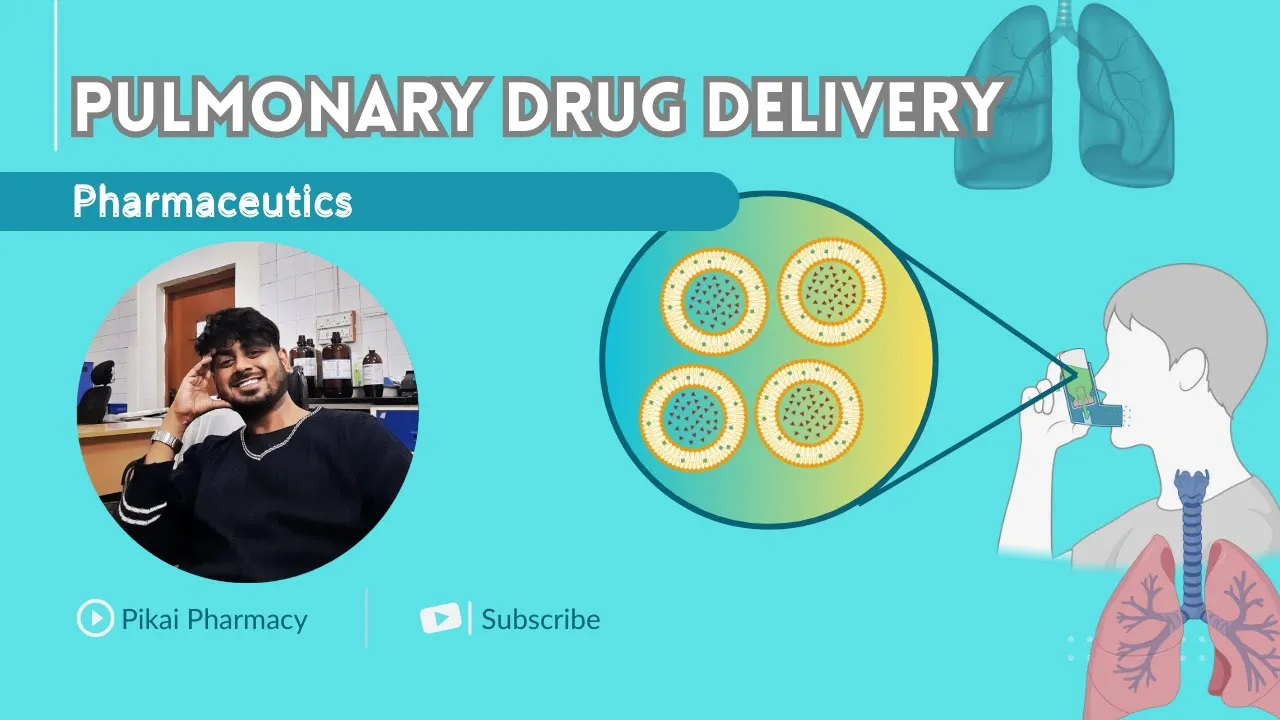












This presentation introduces innovative engineering approaches for phage therapy and antibacterial protein delivery to combat multidrug-resistant bacterial infections. The research demonstrates that nebulizer selection significantly impacts phage stability during aerosolization, with vibrating mesh nebulizers being more process-friendly than jet nebulizers. Additionally, engineered endolysins with cationic peptide modifications can effectively target gram-negative bacteria, and combination therapies using depolymerases with antibiotics show synergistic effects in treating bacterial lung infections. These findings represent promising strategies for developing next-generation antibacterial treatments.
Emerging Scientist Award 2024: Phage Therapies for Lung Infections | DDL Conference
Added:The biology of bacteriophages, specifically the lytic cycle, which allows these viruses to infect and destroy bacterial hosts.
The mechanisms of multidrug resistance (MDR) in bacterial pathogens and why traditional antibiotics are increasingly ineffective.
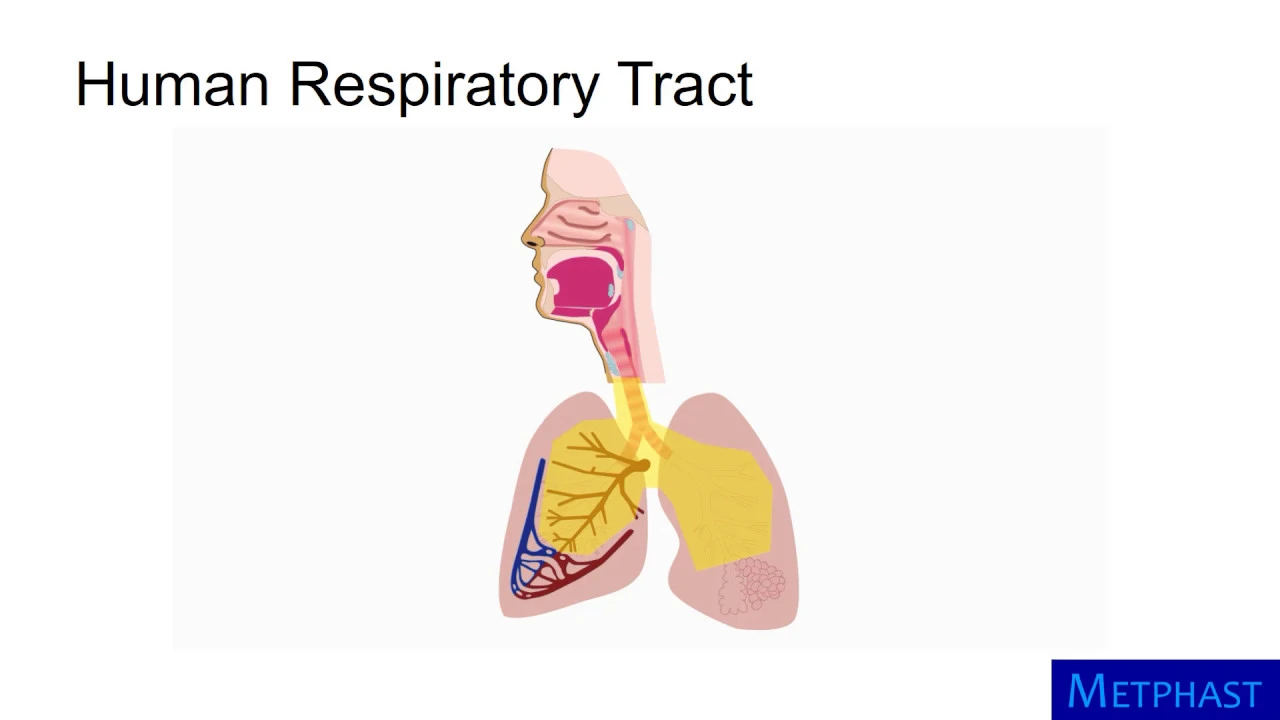
Fundamental principles of pulmonary drug delivery, including how inhaled particles are deposited in different regions of the respiratory tract.
Basic pulmonary physiology and lung immunology, particularly how the respiratory system clears foreign particles and biological entities.
Advanced formulation engineering techniques, such as spray-drying and lyophilization, used to stabilize biological entities like phages for inhalation.
The pharmacokinetics and pharmacodynamics (PK/PD) of self-replicating antimicrobials within the unique microenvironment of the lung.
Strategies for developing 'phage cocktails' and examining phage-antibiotic synergy to overcome bacterial resistance mechanisms.
The regulatory pathways, clinical trial designs, and safety challenges associated with approving inhaled phage therapies for human use.
136 views0likes38:55Original Release: 2025-01-20
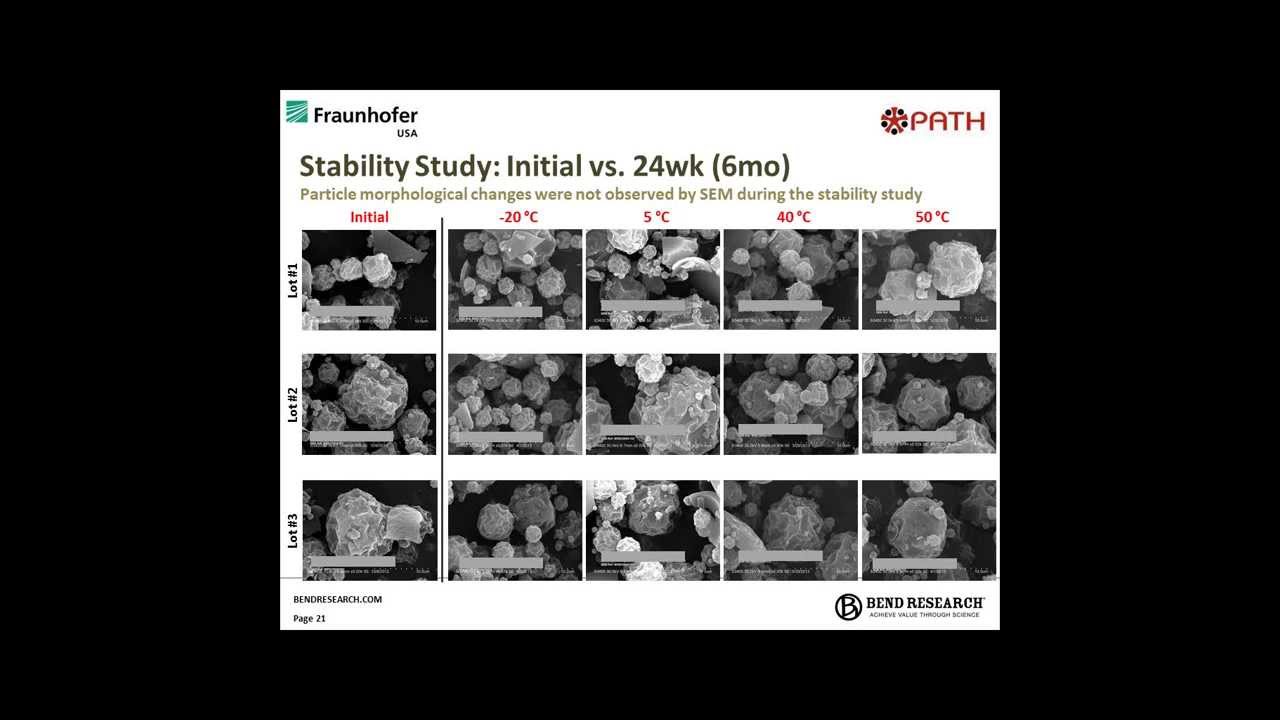
good morning and welcome to day two of ddl um my name's Ben Forbes uh I'm from Kings College London and it's my great pleasure to be introducing the ddl emerging scientist award so this is an award that we give annually we've given it for five or six years now and it recognizes significant scientific accomplishment or innovation early in an individual's career and and for this award early in a career is defined as within 15 years of your highest degree uh and so this year we we had several applications uh the applications are reviewed by uh an expert panel of past ddl award lecture givers of the president of the aerosol society and from several committee members uh and they're reviewed for for relevance to ination science for Innovation for scientific quality for the cogency of the application and for the impact that the individual is beginning to have on the field um and so I will hand over now to Regina who will announce today's winner thank you so also good morning everyone from a my side um reg shal from ke University in Germany and I have the pleasure to introduce uh this year's um emerging scientist awarde to you um and this is Sharon L uh from the Chinese University of Hong Kong and um you might actually um recognize um her face from yesterday um so uh she completed her PhD in chemical engineering in 2012 at the University of Sydney um and since then uh she continued to work um in the field of inhalation um she joined the School of Pharmacy at the Chinese University of Hong Kong in 2018 and her research focuses on applying engineering approaches to formulation design um specifically to advance the science and potential application of and and coated proteins um as novel agents to address the threats uh associated with multi-drug resistance bacteria um and to develop engineering platforms to advance Ariz science and you've heard yesterday that her work spreads much Beyond actually Fage um um applications um so I think we have a really um broadly uh and interdisciplinary uh setup um awarde um so with this um I would like to uh welcome you up on stage congratulations so Sharon will now uh present her work to us and after um her presentation uh she'll get um the um award um to take home and to enjoy thank you very much thank you so much for the introduction and I'm really glad and being honored to receive this prestigious award from ddl and thank the selection committee to recognize my science and my research so I know yesterday I didn't do well and now I get my second chance so let's rock it on stage okay so here actually summarize my background I received my training in inhalation science and bacterial therapy back in Sydney uh in Professor Hakim chance lab when I uh like back in 2014 10 years ago exactly and then I moved back to Hong Kong to continue my research in CK and this is a picture of our beautiful campus and our building is actually located at the back of this mountain and you are very welcome to visit us next time when you stop by Hong Kong and gave us uh and give us a talk to share your research okay as mentioned be uh like by Regina my research actually center around the multidrug resistant bacterial infections due to the misuse and overuse of antibiotics bacteria evolve different mechanisms to resist antibiotic treatment and they become the super box and this is a major Public Health crisis we are facing now and according to a recent lanet report in 2019 antibiotic resistant bacterial infection killed more than 1.2 million people and associated with 5 million people's death and around all these infections lower respiratory tract infection is the most common manifest among all so we need noral antibacterial agents to Target those cative agent or pathogens uh causing the bacterial lung infections those include the atho Boni ponus aosa capsular pneumonia and MRSA to name a files so bacterial FAS also known as FAS they are bacteria eaters that means they are the natural enemies of bacteria here show you a cartoon of a Fage it has a hexagonal head containing the DNA materials and has the toil to recognize its host bacteria and at the bottom is the TM image of uh uh d29 fages here show how it works to kill the bacteria so it Abol on the surface of the bacteria inject its DNA materials and then hijacking the ma Machinery of the bacteria to reproduce its component and then they assemble to form new fases and Li the bacteria to start a new cycle of bacterial infection many governmental reports and wh reports on the task forces in targeting antibac material uh resistance highlighted that F therapy and F based therapy are the top alternatives to anti uh antibiotics and you may hear some successful F therapy uh going on now and then and this is one of the most publicized story and the M uh so Dr Thomas patteron is the first first patient received intravenous phage therapy in the US so after his recovery his partner Dr uh Stephanie straty and and him are really devoted to to developing F therapy into the mass and also establish Center for Innovative F application and Therapeutics along with them many new Fage companies are evolving and devoted to developing Fage therapy for clinical application for the mdl crisis over the past 15 years many successful or detailed case report of fas therapy become available to us and among them 177% work focusing on pulmonary infections because systemic delivery of fas could actually trigger antibody mediated FAS neutralization and this potentially can lead to treatment failure so aerosolizing bacterial FAS using the naizer become the main stay for experimental Fage therapy for pulmonary infection so 10 years ago we start looking into the aerosolization of Fage for bacterial infection in lung and we focusing on evaluating the different commercially available nebulizers in delivering Fage into the lungs and also we formulating the Fage into powders for easier Transportation storage and administration so looking at this uh graph that uh I can tell you that more than 96% of the known fages are actually with to and in separate studies we rate the different nebulizers in labilizing this field fade uh this care characteristic phases the first one is a Pirus with a short stubby tail and the second one is the uh myw day with a long contractile ta and the third one is the S War day which has a long and long contract to to so we find that the Fage damage features are actually the main reason why it lost its activity against bacteria and the to structure actually do have a great impact on governing the stability against nebulization process so for example in one of our study we evaluate the jet nebulizers and two different mesh neb uh vibrating mesh nebulizers in delivering a my Fage pv44 it is uh a Fage with a long contract it's at the contractor stage and we find that like through accessing the TM image that we collect after the nalization process we find the Fage chip the Fage tail actually chip off from the head is the major mechanism causing the deactivation of Fage and in all the studies that we did with the nebulizers we find Fage did have certain extent of Destruction upon the process and the degree of that uh degree of deactivation actually depends on the neizer use as well as the morphology of the F and so it means the choice of nebulizer is a key for successful Fage therapy and we find the vibrating mesh nebulizers are comparatively more process friendly to the Fage with longer tails and this table summarize the recent inhal Fage therapy and you can see the highlighted part that most of them are actually using uh vibrating mesh nebulizers ACR from the 2018 uh study we use a vibrating mesh neizer for Fage delivery as this type of neizer has been shown to result in a lower Fage title reduction as compared to Jet nebulizers and they cited our earliest work on this field and so I would I think we can take the credit that they like consider our work to choose the right nebulizers for their in health Fage therapy to the patients okay so moving on apart from the nalization of f we also formulating fet into inhalable dry powders using the conventional uh techniques for inhalable powders including the spray drying process which are single step process and the spray freeze drying process to uh produce the inhalable Fage powder our first study is on Fage powders is actually compare the suitability of these two techniques in com in producing the inhalable Fage powders and what we did is we choose a P2 fases which is a Pirus with a short stubby TOS we find it is more robust against different sheare forces so it more likely provide us a higher chance of success in stabilizing them in the powder form so we use two very simple exavian composition including different amount of Talos Mano and Lucin to stabilize the Fage in the powder form from the figure here that we know the process actually do some harm to our Fage but with the right choice of exence and the right choice of production process we actually can minimize the with a production loss and also we evaluate whether this Fage powder can be effectively delivered to lung and we use the MS for the aerosol performance evaluation and our finding is that and a certain amount of f are able to reach the lower respiratory trap and in fact when you looking back the uh Fage attacking bacteria mechanisms only one Fage is required to start the whole process but of course it's a chance of the higher dose of f giving us a higher chance of meeting the bacteria to start the process so we're still actually aiming at a very high uh lung dose of the Fage and this is in the low end but in our subsequent study we increase the starting Tighter and so that can reach a a lung dose of 10 to the power 7 lock of Fage to the lower Airways okay uh so from our comparison between the spray drying and spray freeze drying process we know spray drying process is a more simpler study or simpler technology in producing the inhalable F powders so we evaluate the stability of the spray dry powders under different storage conditions and we find that the F has to store under very low uh humidity conditions because we include tros as a exerience in the formulation which will be in a morphous state after spray dry so the low humidity condition can actually protect it from uh crystallization and stabilizing the Fage and the subsequent study we also evaluate the stability of Fage under room temperature conditions and the finding is that they are actually relatively stable even though we know some loss in that but they consider as quite stable under room conditions and this is particularly important because in the L report that we know in the developing countries they suffer a lot from the mdl infections and kill a lot of people and the stability of F at room temperature storage conditions means they don't need the cold chain storage and this can actually helping us to bring FAS therapy to the developing countries okay so actually this is a short summary of my study in the Fage therapy so this is a normal for chart for the experimental Fage therapy going on now so a key process for it is to find the right Fage for the right bacteria it's because most of the f are very specific to the host if we don't use the right Fage it will be completely useless so it's very important to match the fet with the bacteria isolated from the patients but this process can be very time consuming and is a very labor intensive process it can take two days to two weeks depends on luck so with the emergence of AI to or and computational studies so PR establishing a prediction model to predict the FAS host interaction with the AI can be a very promising approach to speed up this process from day or from weeks to days and this can really uh save a lot of cost in identifying or isolating the right Fage for the patients and increasing their chance of success and in another aspect that we know f is a biologic entities and the activity decrease from the time it prepare to the time it administer so as a foration scientist we want to develop the formulations to stabilize the Fage but throughout our study with Fage we find the ex phase interactions and the process phase interactions are actually quite Fage specific so generalizing our knowledge in formulating the Fage for Effective delivery of the Fage to the Target tissues will be as crucial as identifying the right Fage in ensuring a successful Fage treatment so in this aspect we think the computational tool and AI tool will be also very important in speed up the generalization Pro uh knowledge of our uh the formulation science with Fage okay now let me switch the gear from Fage to two very promising antibacterial proteins and coded by Fage namely the polymerase and andolin they target different part of the bacterial cell walls to achieve B uh uh antibacterial effect so let's talk about the liate first bacteria will secret polysaccharide in terms of uh capsular polysaccharide lipid polysaccharide on the cell surface and also exop polysaccharide as the major component of balum to serve as a protective barrier against antibacterials and against immune attack they are not essential for their survival but they are very important violence factor that uh resist the antibacterial treatment so the polymerase are the mze can degrade the capsular uh polysaccharide CPS and the EPS to sensitize the bacteria to imun attack as well as antibiotic treatment so in the previous studies they know that the polymerase can strip off the capsular polysaccharide of the bacteria and sens ize it to the immune attack to kill the bacteria and the uh so majority of the studies are focusing on systemic application of the polymerase only a handful of studies are working with the actually only one out of 25 studies are working on lung infections the main reason behind is because of the low serum content in the lung environment so making it uh questionable whether the PO meras will work in lung infections so our research question is that the polymerases can strip off the the protective barrier of the B uh of the bacteria will it sensitize the antibiotics to Target the bacterial lung infections even at a low serum environment so this is our research questions we identify a the polymerase name dp71 it actually encoded by eoba bani Fage and we produce the depolymerase vi a recombinant approach and we confirm the produced proteins is with high Purity and then we confirm the depolymerized dp71 are actually half activity to Target bacteria and but the a main uh a main parameters for this killing effect is we need to add a certain amount of serum in the system to enable the killing of bacteria and uh at a level of 50% zero it can kill if the bacteria effectiv by ack within 5 hour but the killing efficiency was significantly reduced when the serum level dropped to 5% and no activity was F when the serum level dropped to 1% so in our subsequent study we want to know whether the presence of the polymerase can sensitize the uh antibiotics in killing the bacteria in the no serum conditions we find no differences in the Mi level of all seven tested antibiotics but when we add 5% of syrup into the system you can see the magic here that the mic level of the antibiotics significantly drop that means the polymerase uh dp71 can actually effectively potentiate the effect of antibiotics in killing the bacteria and we choose sub them as a model antibiotics for further evaluation and confirm the combination actually do exert a synergistic effect in killing the bacteria and not only killing the and tonet bacteria they are also effective in inhibiting the production of biofilms and also eradicating the BS so the subsequent work that we have done is actually trying to Unwell the magic paid by the 5% of serum we know that the the polymerase can actually help uh degrading the balam and then promote the penetration of antibiotics into the BAM to increase their binding to the Target bacteria and the magic play by the serum is actually after stripping off the capsular polysaccharide the serum complement can actually penetrate more effectively into the pedal gon layer and cause degradation of the padog layer and promote the actual binding of the antibiotics to the Target substrate so that increase the subsequent bacterial Cal effect of the antibiotics so because this is a a a drug delivery to lung conference so we also look into the effect of labilization of the combination in treating the bacterial lung infections so we confirm the nebulization process is doing no harm or no activity loss to the combination and why we choose mesh labilization again is a more uh process friendly nebulizers and and and the outcome is actually match with our expectation and the nebulizer can also effectively deliver the combination into the lungs and and with a very comparable profile of them so we then look into the intr tral Le deliver company whether they can rescue the infected Mice from uh and the outcome of it is that the bacteria low can be significantly reduced after the combination treatment being more effective than the mono therapy of individual agents and we also confirm the combination can effectively mitigate the airway information because of the bacterial infections and oh okay so I I would like to do an advertisement here that uh my PhD student homine is actually working on this project and she has a post number 79 uh presenting this work if you want to know more about the magic of this combination go find her and ask for more okay so the second phage project that I want to introduce to you is andol liing different from the the polymerase and thein now do kill the bacteria by degrading the P can layer and cause bacterial lies after treatment from the natural process actually and theing are produced within the cells and it can go out of the bacteria um cell membrane effectively because of holing creating some pores for it to reach the py can layer but the story is completely different when we apply analyze it externally okay so for the grand positive bacteria it doesn't matter because the peden layer is located at the outermost layer of the bacteria so they can easily reach the substrate and exert it little effect but the story for gram negative bacteria are completely different there is the outer membrane at the outermost surface of the bacteria and is a very efficient barrier for uh like to resist the entry of andolin so only a handful of andolin from nature do have the intrinsic ability to Target uh gr negative bacteria so in the past few years we have been working very hard to find approaches to empower and liing to Target gram negative bacteria and one of our approach is to engineer the protein with uh positively charge or C ionic peptide at the terminal of the protein so we hope that this modification can increase the interaction between the protein and the membrane the outer membrane and increase the entry of anoying to the substrate ped layer and C liis of the bacteria so first we identify a potential candidate of andolin which is Li ab2 and we modify it with kwk peptide which is a positively charged peptide at the two ends of the ending we name them Li ab2 kwk at the C terminal and kwk Li ab2 at the end terminal when comparing the effect of the two modified constructs we know the C ter C terminal modified construct being more effective than the end terminal construct and the antibacterial efficiency was increased by 100,000 F and it can completely eradicate six lock of bacteria and looking at the time CU profile of this modified endol liin The Killing kinetics are very rapid it can kill all six lot of bacteria by just 30 minutes of time and the temm image oh sorry this is a semm images of the treat the bacteria you can see the process are very effective and can destroy the bacteria within just 15 minute of time apart from the Panton bacteria they also being very effective in eradicating the balam and they are having um wide host spectrum of the gr negative bacteria this become a very important asset for izing in targeting gr negative bacteria when compared with the parent Fage because they are now become more broad spectral and can be used to Target a wider range of bacteria in the second approach that we want to empowering and doying to Target gr negative bacteria is using a combination approach we chose chistin for study because it is the last res treatment for GR negative bacterial infections which resists to many available antibiotics the main reason we choose it it's not just it is the last we sort antibiotics but also is killing mechanisms is by the stabilizing the outer membrane of gr negative bacteria and we confirm the combination of cistin and L ab2 Endo do have a synergistic antibacterial effects and we also confirmed the killing kinetics are as rapid as the engineer andoy and kill all the bacteria within 30 minutes of time and it also retain the board Spectra of the andolin to Target a right range of gram negative bacteria and looking into the mechanism of the Synergy we find that the chistin level required to synergize with li ap2 is actually coincides with the onset of the outer membrane disruption and this outer membrane disruption is actually Co correlated with the LPS density at the outermost surface of the bacteria which is the target sub uh Target site for chistin and for the chistin at the submic level to synergize with the Li ab2 and the lysin we find that apart from disrupting the outer membrane for the lysin to work it also exert some batter residual effect because we use another construct which has no B resal effect but has the alter outer membrane disruption if uh activity and the differences between the two system actually telling you cistin at this sub I level do kill bacteria as well so recently we finished our invivo evaluation of the combination we first start with the invivo Imaging to study the biodistribution of the intrac deliver combination and we find the combination can retain in the lung tissues within uh for at least 24 hour of time so in our subsequence study we uh we did a pkpd evaluation and find in the PK profile we find the uh two antibacterial agent can retain in lungs for at least 24 hours which is quite uh comparable with the inval Imaging data and the invivo efficacy data we find the combination can effectively reduce the bacteria low in the lung tissue compare with the single treatment by chistin and Al both of them are actually quite effective in stopping the dissemination of bacteria to other organs but uh the the combination do work better and we find from the histology data that we find even though the killing process are very rapid but it doesn't really cause a lot of damage to the a Airway tissues preliminarily confirm the safety of the combination in rescuing the mice from pneumonia because our ultimate goal is to provide doing strategies in using the combination so taking advantage of the collected pkpd data we develop a CIT mechanistic based pkpd model to guide the dosing of this combination treatment and we find that the combination when we app app Li in Li uh Li ab2 at the initial dose or initial treatment it can effectively potentiate the efficacy of the inhale chistin treatment this can be shown in here that at the inhale cistin dose at a lower dose it fail to control the bacterial infections but our combination approach can effectively uh reduce the bacteria load uh for both doses recommended by uh recommended for inhal therapy with that I uh actually want to sum up my presentation today I hope I have introduced to you the work that we have done on inal phage therapy and convince you this is a promising approach in targeting bacterial infection associate with the multidrug resistant bacteria and I also showcase the potential of two antibacterial proteins encoded by Fage in targeting the bacterial lung infections but these uh these studies or this approaches are still in its infancy of development and more technology and Regulatory aspects that we need to address to translate into kic so in terms of the key challenges for translation in heal F therapy of course the challenges for f therapy in general including the specific host phage uh interaction and the development of resistance during the treatment and some regulatory uh hurdles need to be overcome and on top of that the delivery if a science will be important in ensuring the safety and ensuring the efficacy of inhal phage therapy especially we know that more bacteria actually can now survive in the intracellular Niche So to avoid or prevent recurrent infection after treatment we need to find strategies to allow Fage to Target the intracellular bacteria as well in our review article we propose some feasible formulation approach and we are actually working very hard with the proposal approach and hope to share with you maybe in the next ddl and the key challenges of translating Fage and cod proteins are actually uh I would have to say targeting the gr negative bacterial infections will be quite challenging because uh first it doesn't have the intrinsic ability to kill the gram negative bacteria and the inval activity and stability of the proteins after engineering or after the combination approach may be uh still need a lot of study to confirm and also the formulation science for the inhal proteins from fish are actually quite well and we didn't really find a lot on this aspect so we do hope in the near future we can see more work on this area to help translating this promising antibacterial agents into K to Target the bacterial infection crisis and eventually that uh we need to find more effective tool and AI is not uh an avoidable topic these days and we are actually developing different tools to increase the chance of success in developing these antibacterial agents and hopefully we can bring it into the clinex in the near future so with that I want to acknowledge my team memb members back in CK and also my collaborators in CK as well as some International collaborators from across the glob and also the support from the financial support our funding agencies in Hong Kong and this is a picture of our team you can see we only have a handful of people not like men teams and but we are very young and very energetic and hopefully that we can find collaborators from you guys to do more research and do more work on resolving the multi-drug resistant antibacterial uh antibacterial resistance issues thank you thank you Sharon for this very inspiring talk um as it has been an award talk uh we will not take uh questions now but we uh will invite you to find Sharon throughout the rest of the conference she'll be around um so speak to her about her sence so you'll now get um awarded the award okay very exciting [Applause]
Up Next

3:04
Soft Robotics Toolkit: Design Fabrication Modeling & Control
@harvard
51.8K views•2014-09-19

12:54
Triumph of Orthodoxy Icon: Byzantine Art & History Explained
@BenCallan
2.1K views•2024-08-06

9:49
FastAPI vs Flask vs Django: Choosing the Right Python Web Framework
@TechWithTim
302.5K views•2024-05-26

1:42
Game of Thrones Opening Credits: A Cinematic Analysis
@gameofthrones
46.3M views•2011-04-18
Related Study Plans & Knowledge Roadmaps
Structured learning paths in General & Interdisciplinary Studies
general-studies
Elevator Engineering: History, Physics & Cities
01From Hoists to Safety Brakes: The Dawn of Vertical Lift
02Hydraulic vs. Traction: The Engineering Physics of Elevators
03Modern Speed, Safety, and Algorithms
+ 2 more learning modules
12h5 modules
Explore Roadmap
general-studies
Rubber: Material Science, History & Geopolitics
01Origins of Natural Rubber & Mesoamerican History
02The Chemistry of Natural Rubber & Vulcanization
03The Geopolitics of the Rubber Boom & Colonization
+ 2 more learning modules
12h5 modules
Explore Roadmap
general-studies
Containerization: Evolution, Logistics & Trade
01Ancient Trade & Bulk Cargo: Amphorae to Barrels
02The Industrial Revolution & Cardboard Packaging
03The Containerization Revolution: Malcom McLean
+ 2 more learning modules
12h5 modules
Explore Roadmap
general-studies
Textile Tech: Evolution, Labor & Global Impact
01Pre-Industrial Textiles: Handloom & Cottage Industry
02Mechanization: The Spinning Jenny to the Power Loom
03The Factory System & Global Labor Transformation
+ 2 more learning modules
10h5 modules
Explore Roadmap