

















![[LIVE] Learn Genetic Engineering - Part 1: How does it work?](https://i.ytimg.com/vi/E_TAHxPBqKY/hqdefault.jpg?v=63839add)
Bacteriophages, viruses that specifically infect and destroy bacterial cells, offer a promising alternative to antibiotics in the fight against antibiotic-resistant superbugs, as they can be highly targeted to specific pathogens without harming beneficial bacteria, and their discovery and application are being actively pursued through citizen science projects and agricultural applications.
Phages: A Natural Solution to Antibiotic Resistance | TEDx Talk
Added:Basic bacterial biology, including the structure of prokaryotic cells and how bacteria reproduce.
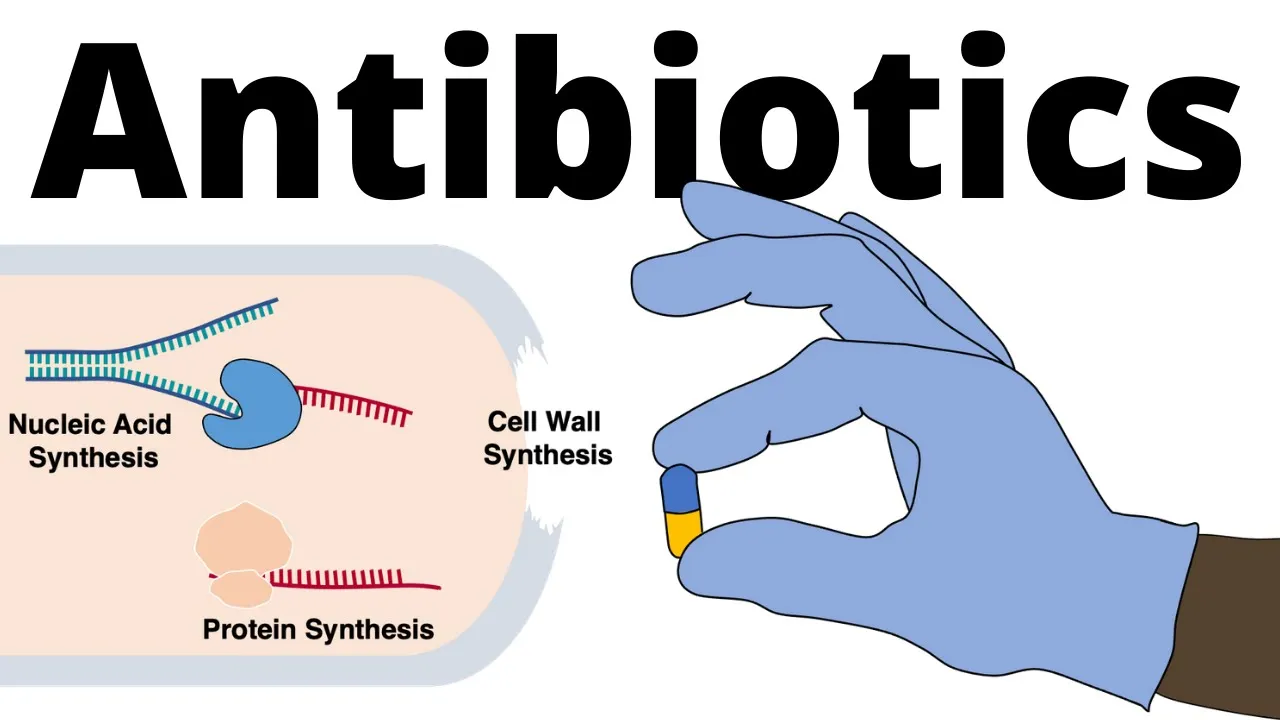
The mechanism of antibiotics and how bacterial mutation and natural selection lead to antibiotic resistance.
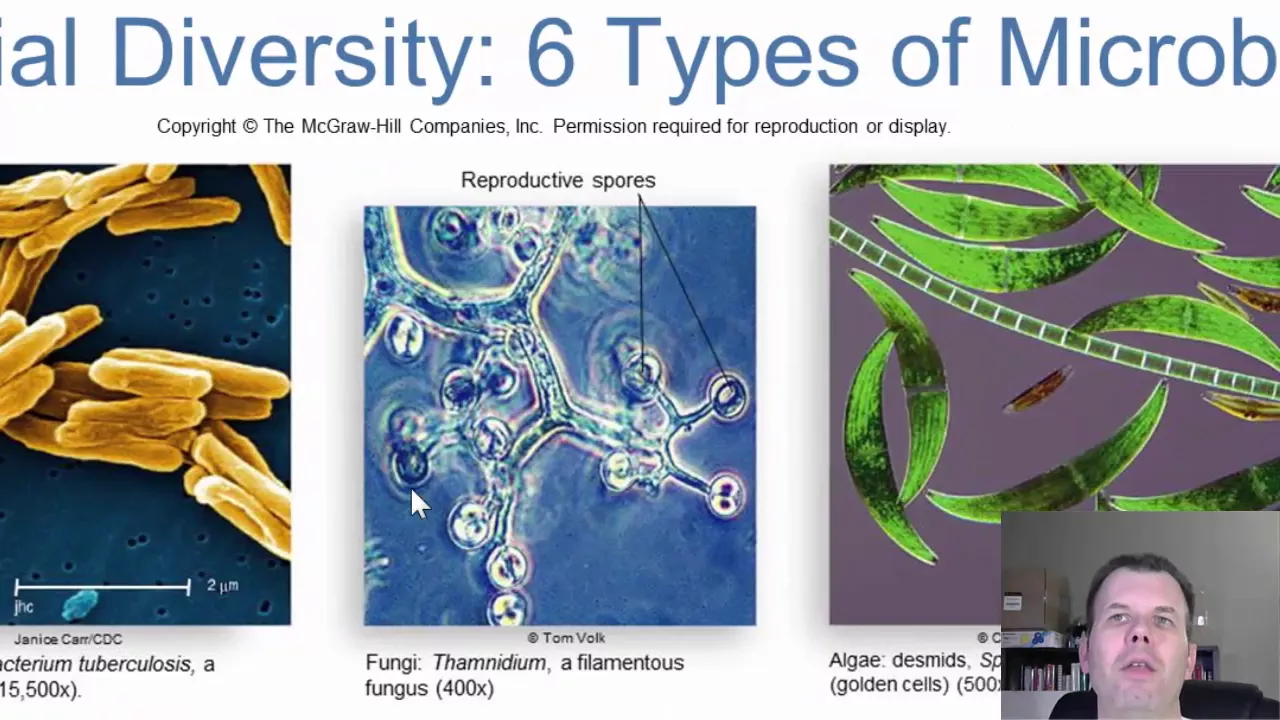
Fundamental virology, specifically the structure of a virus and the general process of viral replication inside a host.
The concept of the human microbiome and the distinction between beneficial bacteria and pathogens.
The specific mechanisms of the lytic and lysogenic cycles in bacteriophages and their implications for therapy safety.
Current clinical trials, regulatory hurdles (such as FDA approval), and compassionate-use protocols surrounding phage therapy.
Bacterial defense mechanisms against phages, including the CRISPR-Cas system, and how phage-resistant bacteria emerge.
The formulation of 'phage cocktails' and the genetic engineering of synthetic phages to target specific bacterial strains.
44.7K views794likes17:48Original Release: 2016-10-06
[Music] We've all heard about Charles Darwin and his revolutionary work on the topic of evolution, but many of us probably don't think of him as a father.
In 1851, three of Darwin's children, including his oldest daughter, Anne, pictured here, came down with something that we would call streptocus, but which they called scarlet fever. And tragically, his oldest child, Anne, did not survive this infection and passed away. This was 70 years before the discovery of antibiotics.
And today we could have taken her to the hospital, given her a course of penicellin, and Anne would have come around in almost every case. But this was before we had discovered these antibiotics.
Today, we are being dragged back into Darwin's pre- antibiotic era.
There are an increasing number of people around the c around the world dying of antibioticresistant infections and it's predicted that by 2050 10 million people a year will die this way.
The reason that this is happening is that bacteria are increasingly able to resist antibiotics. And part of the reason that this is happening as quickly as it is is that bacteria have really unique ways of evolving. I'm an evolutionary biologist and for the last 16 years I've studied how bacteria evolve. I didn't actually always believe in evolution. I grew up in a traditional Mormon family and we basically thought that Darwin was a pretty bad dude. Going to university completely changed my perspective and instead of looking up for explanations, I started to look down really far down to the microscopic scale and I am continually startled and amazed by the things that I find there.
The microbial world is actually a little bit like like a miniature and constant episode of Game of Thrones. There is a battle going on all around us at all times and antibiotics are just one of the weapons that are being used by bacteria and other microbes against one another.
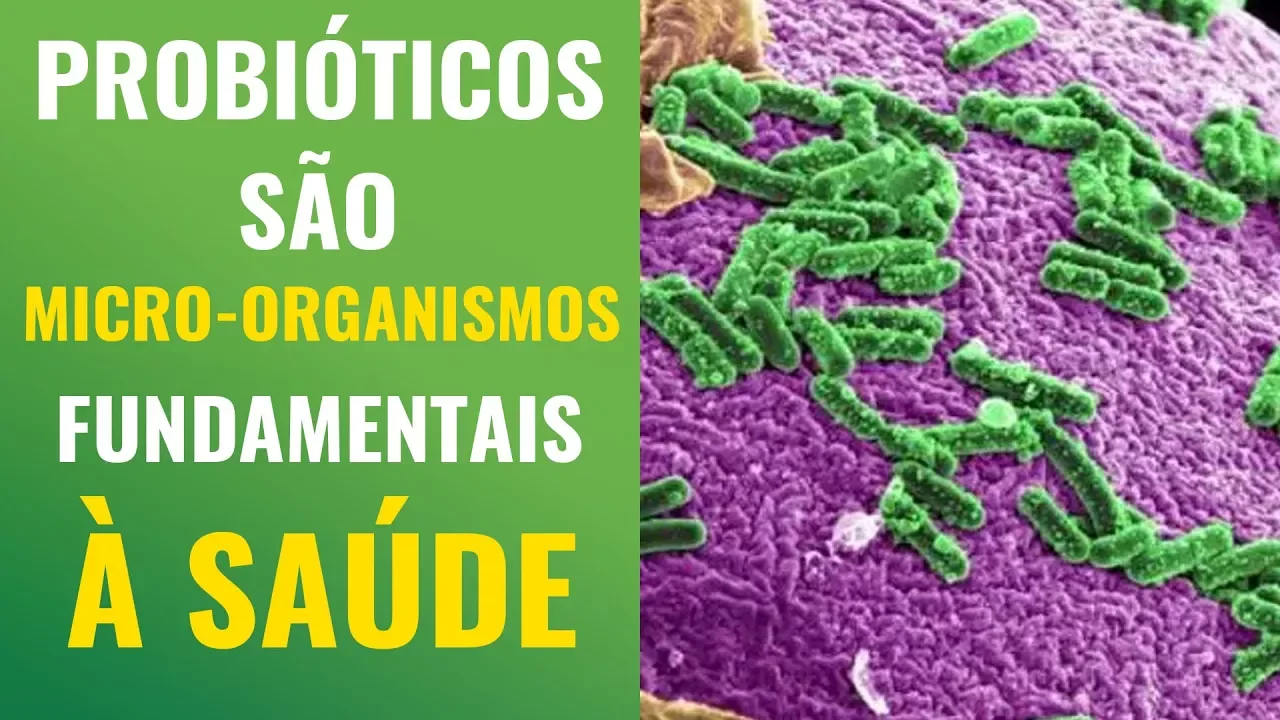
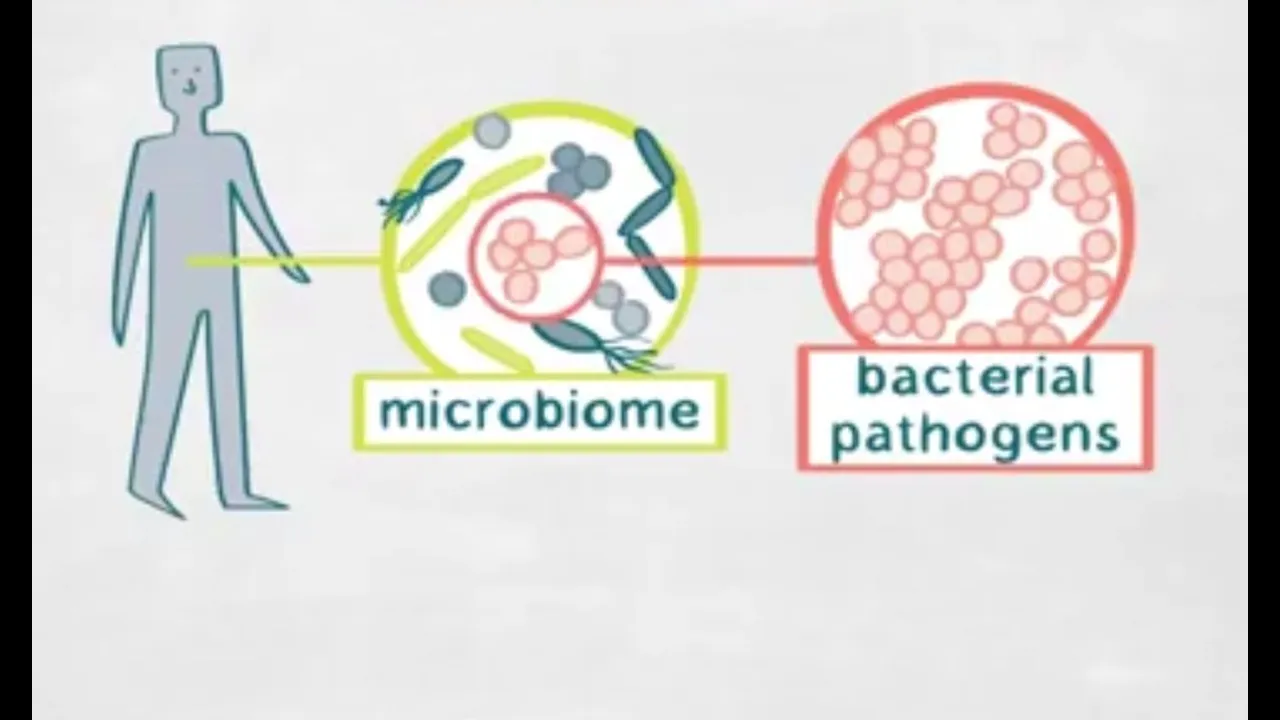
I think it's important when we talk about the microbial world to remember that actually not all bacteria are bad or dangerous. And in fact, you are full of bacteria. Half of the cells in your body are actually bacterial cells. And they're called your microbiome. And we think that if we took those 10 trillion bacterial cells out of your body that you probably wouldn't live very long and if you did you wouldn't be very healthy.
So our bacteria are an incredibly important part of us and we can think of them as as a part of our team. But we know that not all bacteria are team players.
The bacteria that make us ill are called pathogens. And they're actually the minority in the microbial world, but they get a lot of attention because pathogens can kill us. The pathogens that have acquired many of these resistance elements and are able to be to defend themselves against antibiotics are called superbugs.
And what we are experiencing right now is that an increasing number of these superbugs are acquiring more and more resistance to antibiotics. And this is because of the way that bacteria evolve. Explaining how bacteria evolve, they they do some really unique things actually. So bacteria are able to share or swap back and forth bits of DNA. And what that means is that if a single bacterium has resistance to an antibiotic, it can swap that back and forth with other bacteria in its environment. There's really nothing like this in the animal kingdom, but you can imagine it would be almost like you're walking down the beach one day and a seagull swoops by and sneezes on you and the next morning you could wake up with a gigantic pair of feathered wings.
Awesome. We can see as scientists that this kind of exchange is taking place in the microbial world, but we're still trying to understand how frequent these exchange events are and we're still trying to understand what the rules are.
You can imagine there should be rules because not all of these combinations are going to be great. So maybe you make you wake up the next morning with two wings. Maybe you wake up with one or with a beak or with really scaly feet. Not great. So, we think that there are some guiding principles to how these exchange events take place, but we're still trying to understand them.
So what that means is that if a single bacterium has acquired a resistance element, it can easily share that trait with other bacteria in its environment. And part of the reason that we really need to think about this is that antibiotics that we use end up in the soil and they're not recycled. So antibiotics stick around.
And the consequence of that is that if we're using antibiotics and they're kind of going through our system, then we're increasing the benefit of bacteria acquiring those resistance elements. So more and more resistance takes place.
The reason that we see bacteria evolve so quickly is that bacteria are the ones that invented those antibiotics in the first place. And at the same time that that happens, somebody invents the resistance elements. So they exist.
They're being exchanged. The more we use antibiotics, the more we'll observe this. One of the places that we use antibiotics the most, even in a place like New Zealand, is actually in agriculture. So the majority of the antibiotics that are used right now are currently used in agriculture. And much of this use is keeping animals healthy in what are sometimes suboptimal conditions. So as we're thinking about the purchases that we make, if we're thinking about the antibiotics that we use, remember that every single use contributes in a small way to an increase in resistance. And in the future, resistance and our misuse of antibiotics now will cost real human lives. So there are problems with antibiotics.
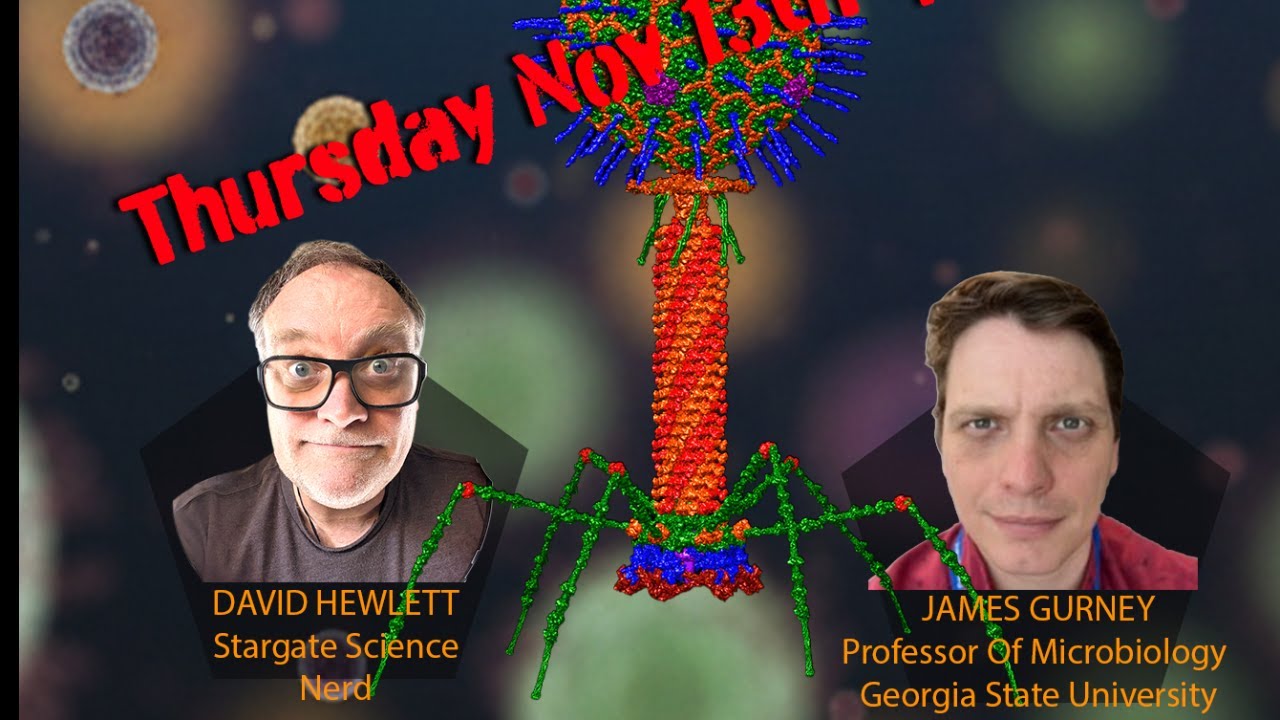
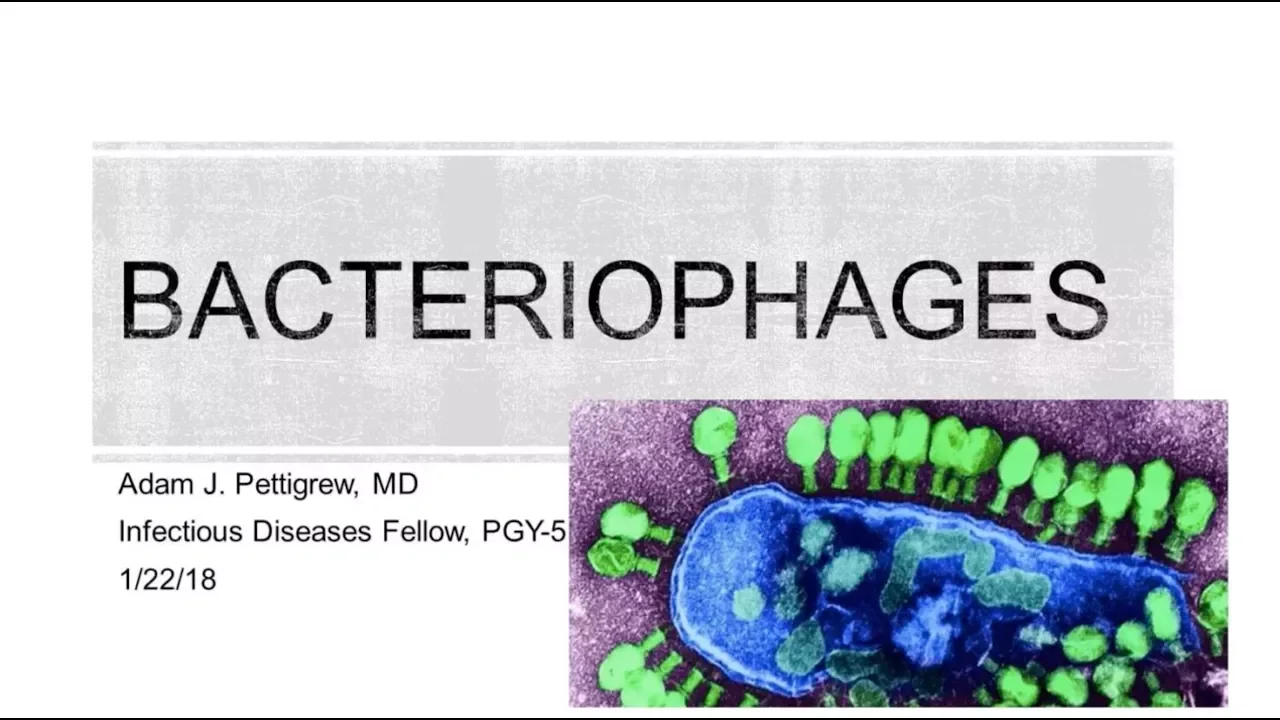
And I guess what I don't want to do is make it seem like there's no hope at all. So I want to talk a little bit about something that was used to fight bacteria and to fight infections even before we discovered antibiotics. And that's bacteria phages. Bacteria phages or fagee for short are the tiny viruses that are able to infect bacterial cells. And these are viruses that don't have any effect on cells like ours. Bacteria phages were discovered a hundred years ago and after that time they were used in human medicine to fight bacterial infections in places like Russia and Georgia and Poland. And these bacteria phages are actually still used in these places today to fight bacterial infections. So what does a bacterial uh what does a bacteria phagee actually do in nature? A bacteria phagee is a protein particle that's able to kind of float a drift in the environment until it encounters its specific bacterial target. At that time, it injects its DNA into the bacterial cell and that DNA takes over the machinery of the cell and is able to make as many as a hundred copies of the fagee in as little as 20 minutes. Once these are assembled, they burst out of the bacterial cell destroying it and go on and each particle can then start that infection process again. So, they'll amplify at the site of an infection. One of the cool things then about something like bacteria phasages is that a bacteria phagee is really specific. So if you put a bacteria phagee in something like a human body, you can actually throw an army of them into your body and they'll only infect and destroy the target, the bacterial pathogen that's making you ill. Which means that this is very unlike an antibiotic. So we know that broadspectctrum antibiotics will sometimes go off in your body and explode like like a like a nuclear bomb wiping out even some of the bacteria that are really good for us and helping our health. So bacteria phages have this advantage of being quite specific. They are incredibly numerous. There are billions of bacteria phages in every gram of soil beneath our feet. Their diversity is right now not really very well known and they each have ways of destroying bacterial pathogens that that we can't even imagine yet. We just have to find them. In order to find them, one of the things that I'm doing with my undergraduate students at Massie University is becoming fage hunters.
We are able to go and take undergraduate students and let them do soil sampling and find bacteria phages. And we have found over a dozen bacteria phages in the last few years. We found bacteria phages that are able to infect sudamonus. So you might know some of the sudamonus bugs as the entity that's involved in cystic fibrosis. Another example of a sudamonus is the kiwi fruit pathogen PSA.
This year, for the very first time, we were able to find bacteria phages that infect mcoacterium. The center for disease control has called mcoacterium tuberculosis or TB the world's deadliest infectious killer. And no fewer than onethird of the people on the planet are infected with this organism.
So, we're hoping that by finding these bacteria phages, we're helping to find tools that might be useful for fighting infections at some time in the future. Finding bacteria phages is actually surprisingly simple. So, this year I had the pleasure of working with Mrs. O. Sullivan's class at Long Bay College in Auckland.
These are teenagers that were able to help me find five brand new bacteria phages that have never been seen before. They got to name their bacteria phages. Jess named hers Morgan. Morgan named hers Jess. And there were also names like Tika, Pizza, and Dolores. These students were able to find these pages in only three weeks.
And they did it by going to compost bins to going to fields, going to their grandmother's gardens and gathering up soil samples. And then we take those soil samples and we put them through a filter so that only the very smallest particles are able to pass through the filter. We then mix those and look on agar plates for places where the bacterial cells have died because of the action of those bacteria phages. These um sites are called plaques. So these teenagers were able to find these bacteria phages by going out into nature, looking around, walking a lot, and they were able to find these things.
Uh they didn't even have to download an app.
So I am clearly really excited about bacteria phages. The other thing that we're able to do with them is to sequence them. We sequence these bacteria phages and we do this with the help of the Howard Hughes Medical Institute's Science Education Alliance which is a global cooperative team basically of university students who are finding bacteria phages that are able to destroy mcoacterium. By doing this, by finding these phages, by sequencing them and contributing them to public databases, our team at Massie has joined really a global team that's looking for ways to destroy bacteria and hopefully to contribute to destroying infectious bacteria. Bacteria phages are exciting. Antibiotic resistant bacteria are scary. Can bacteria phasages help us today?
The United States Food and Drug Administration has cleared bacteria phages for use in factories and in agriculture in order to kill infectious organisms in those settings. And bacteria phages can be put on ready to eat food items and prepackaged foods like cheese or like sausages. So they can be used and around the world there are companies that are getting interested in the idea then of using bacteria phages in their processes in order to cut down on antibiotic use and to fight bacteria. One of these is actually local kiwi fruit giant Zespri. The University of Itago has recently been involved in a project that involves Peter Finan. They have found over 200 bacteria phages that are specifically able to kill the kiwi fruit pathogen PSA and Zespri is looking at the possibility of using these in their processes.
I would love a future where instead of using masses amounts of antibiotics, we were able to spray orchards or to spray pollen with bacteria phages that would eliminate bacterial infections before they actually get into our crops. Can bacteria phages be used in medicine for humans?
I said earlier that bacteria phages are still being used today in places like Russia and Georgia and Poland on a regular basis to cure people of infections. But in the West, we're a little bit skeptical right now of using this in medicine. Partly because bacteria phages are made out of protein and there might be allergic reactions.
And secondarily, because it's not always easy necessarily to get a bacteria phage particle into the sight of an infection, one way of getting around these types of issues is to put bacteria phages in bandages. And there is currently a clinical controlled trial going on in France testing bacteria phage soaked bandages on burn patients.
The early results of this trial look really promising, but we're still waiting to see the final the final results. So, bacteria phasages are not going to stop the bacterial evolution processes that I talked about earlier. And when we use bacteria phasages, bacteria will evolve resistance.
But the good news is that bacteria phasages have also been evolving resistance to bacterial defenses for billions of years. On top of that, there are 10 bacteria phages on the planet for every single bacterial cell. So to my mind, the numbers are really on our side.
I hope that with research into how bacteria evolve and research into alternatives to antibiotics like bacteria phages that we still have a lot of possibility for avoiding the worst of the post antibiotic era. Thank you.
[Applause]
Up Next

4:22
Lytic vs Lysogenic Cycles of Bacteriophages | Viral Reproduction Explained
@30089mbones
799.8K views•2016-10-04
50:12
Bacterial Communication: Quorum Sensing and Biofilm Formation Explained
@JHUAAP
12.6K views•2011-06-28
19:33
How Trees Talk to Each Other in a Healthy Forest | Suzanne Simard
@TEDx
190.8K views•2017-02-02
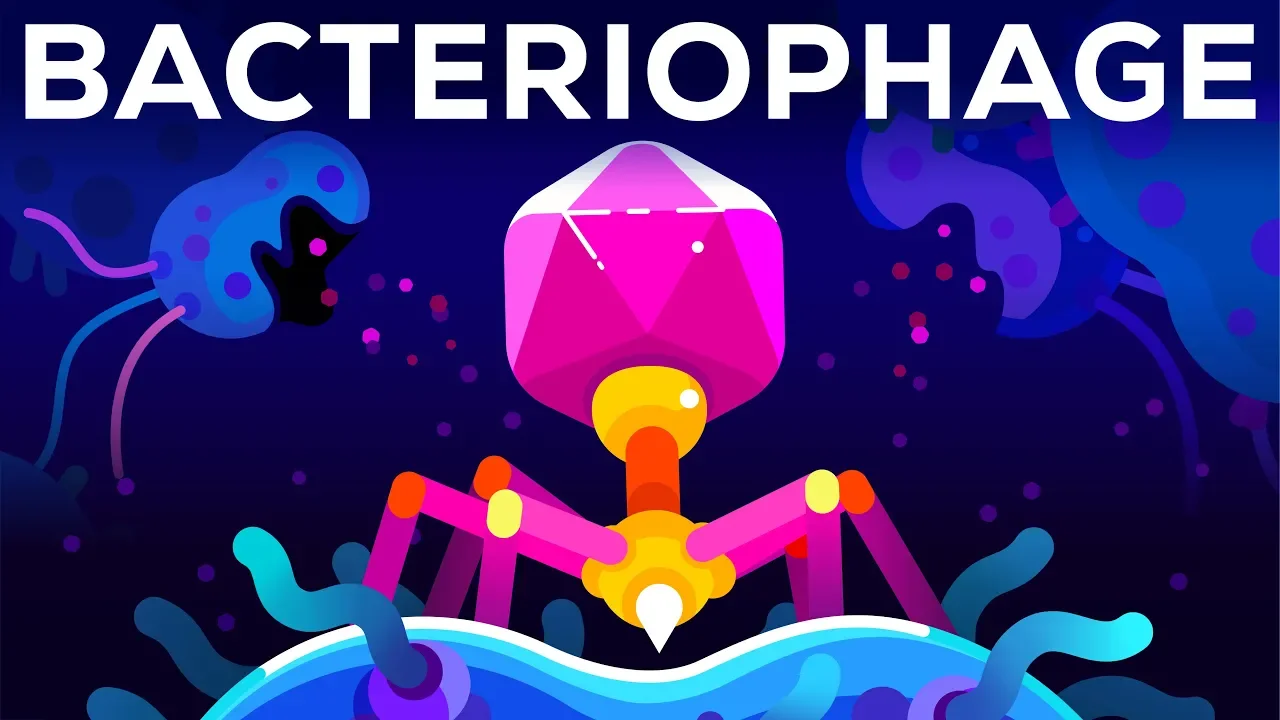
7:08
Bacteriophages: Earth's Deadliest Killers and Future Antibiotics
@kurzgesagt
34.6M views•2018-05-13
Related Study Plans & Knowledge Roadmaps
Structured learning paths in Biology
biology
RNAi: Biogenesis, RISC & Gene Silencing
01Molecular Biology Foundations: DNA to Protein
02Introduction to RNA Interference (RNAi)
03Molecular Biogenesis of miRNA and siRNA
+ 2 more learning modules
10h5 modules
Explore Roadmap
biology
Mycorrhizae: Signaling, Biophysics & Ecology
01Foundations of Mycorrhizal Symbiosis
02Molecular Signaling and Root Colonization
03Biophysics and Bioenergetics of Nutrient Exchange
+ 1 more learning modules
11h4 modules
Explore Roadmap
biology
Circadian Clocks: TTFL, SCN & Periphery
01Foundations of Molecular Biology & Gene Expression
02Introduction to Chronobiology and Actograms
03The Core TTFL: Molecular Architecture of the Clock
+ 3 more learning modules
14h6 modules
Explore Roadmap
biology
Population Genetics: Math, Drift & Selection
01Genetic & Probability Foundations
02The Hardy-Weinberg Principle and Baseline Models
03Mathematical Modeling of Natural Selection
+ 3 more learning modules
18h6 modules
Explore Roadmap