



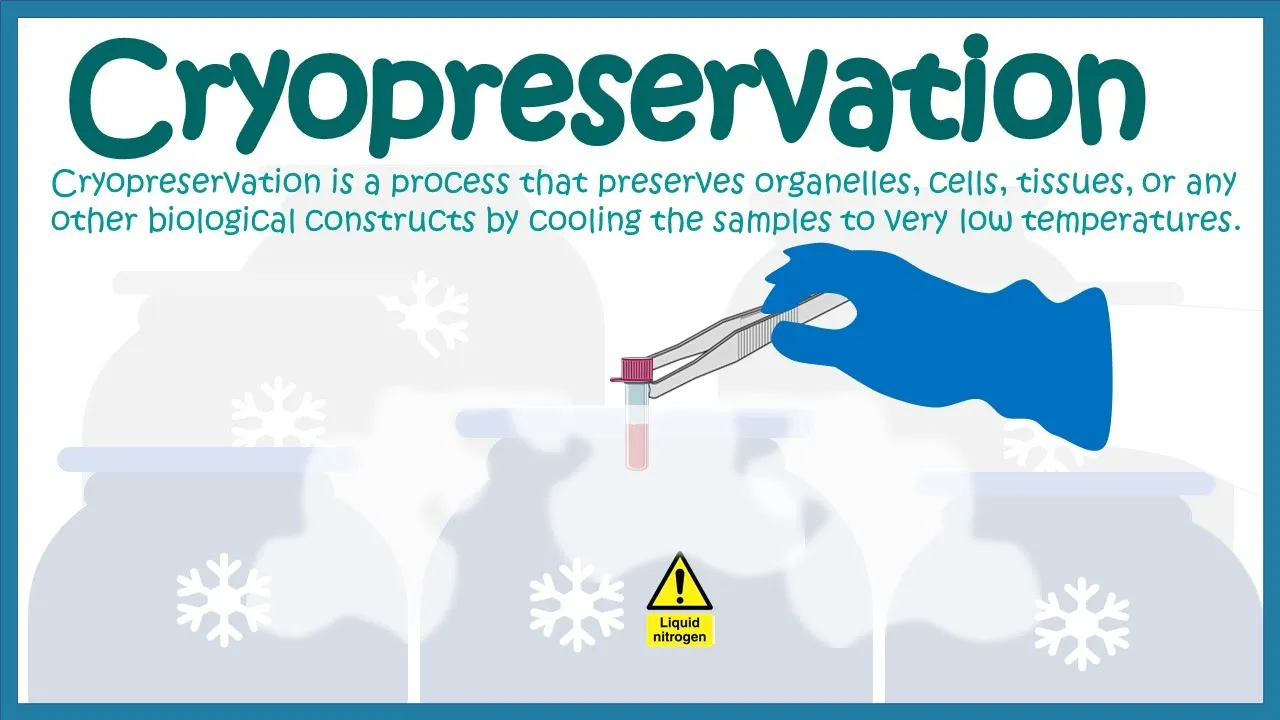




















Microbial freeze drying (lyophilization) is a preservation technique that removes water from microorganisms to extend their viability for years, achieved through three main phases: freezing the sample in a protective buffer, primary drying under vacuum to remove bulk water via sublimation, and secondary drying to remove residual moisture. Success depends on optimizing several factors: using appropriate lyophilization buffers containing cryoprotectants like sucrose and caking agents like BSA to maintain membrane integrity and biomolecular structure; maximizing surface area during freezing by using angled vials or ampules; controlling freezing rates (slower freezing creates larger ice crystals for easier water removal but may cause extracellular ice formation); maintaining proper temperature differentials between the sample and condenser; and storing dried samples at low temperatures (ideally 4°C) with regular viability monitoring. Common pitfalls to avoid include using plastic containers (which allow water diffusion), improper freezing temperatures, inadequate surface area, and failing to maintain sterility during preparation.
Microbial Freeze Drying: A Comprehensive Webinar Primer
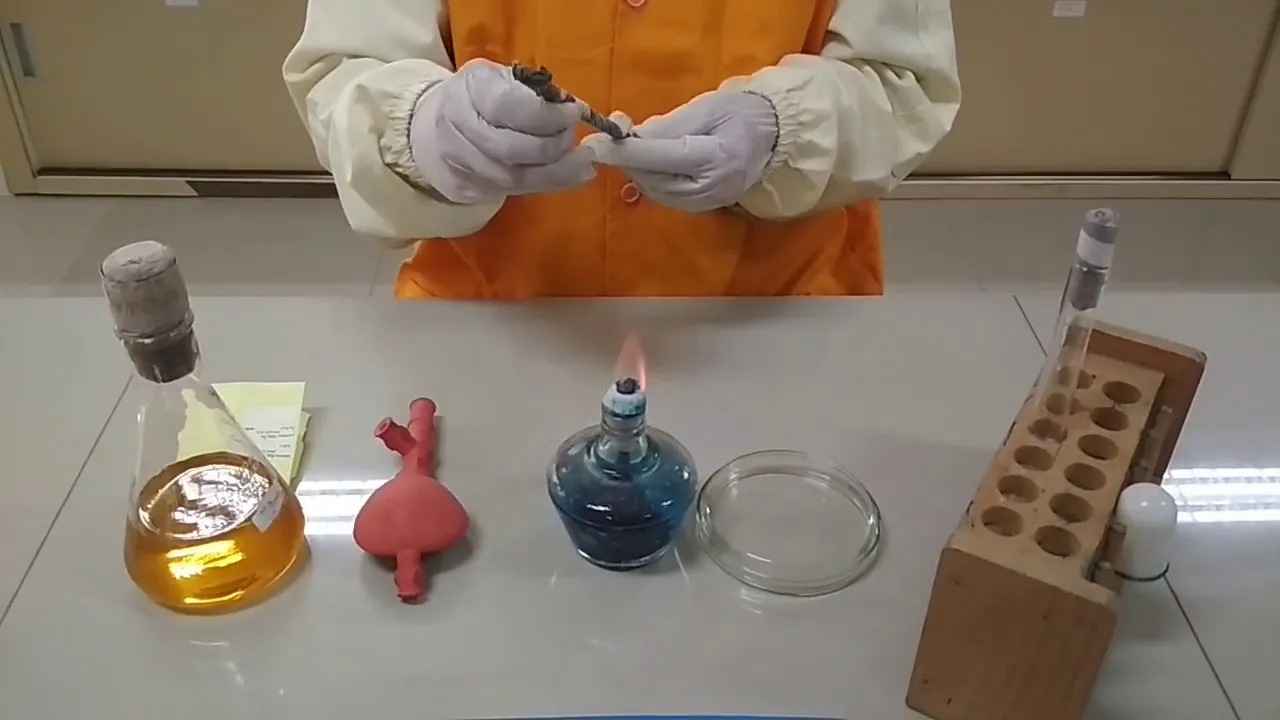
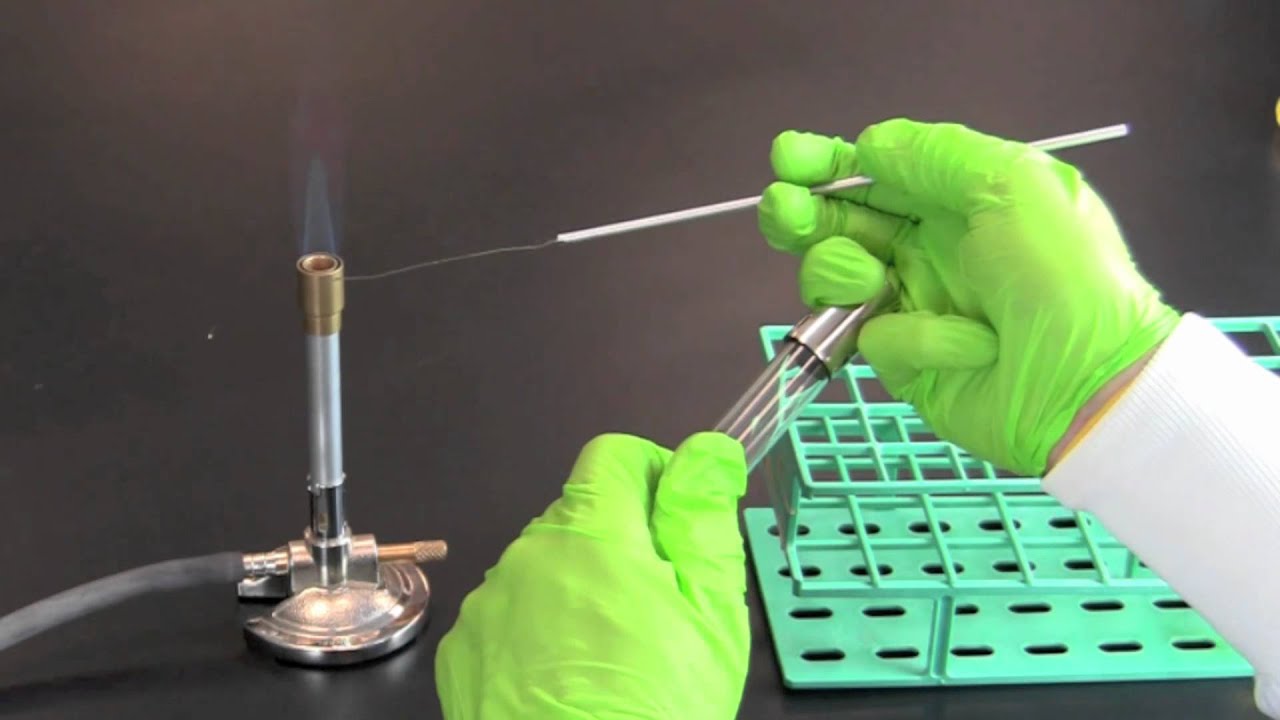
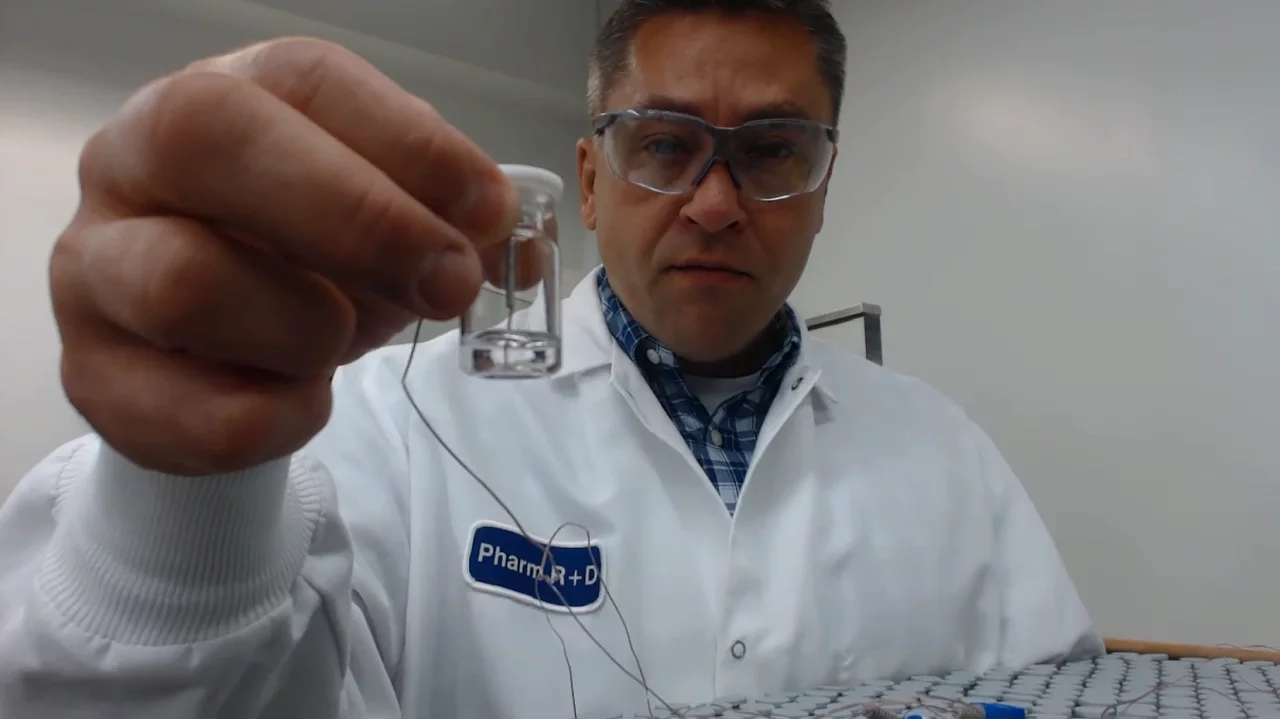
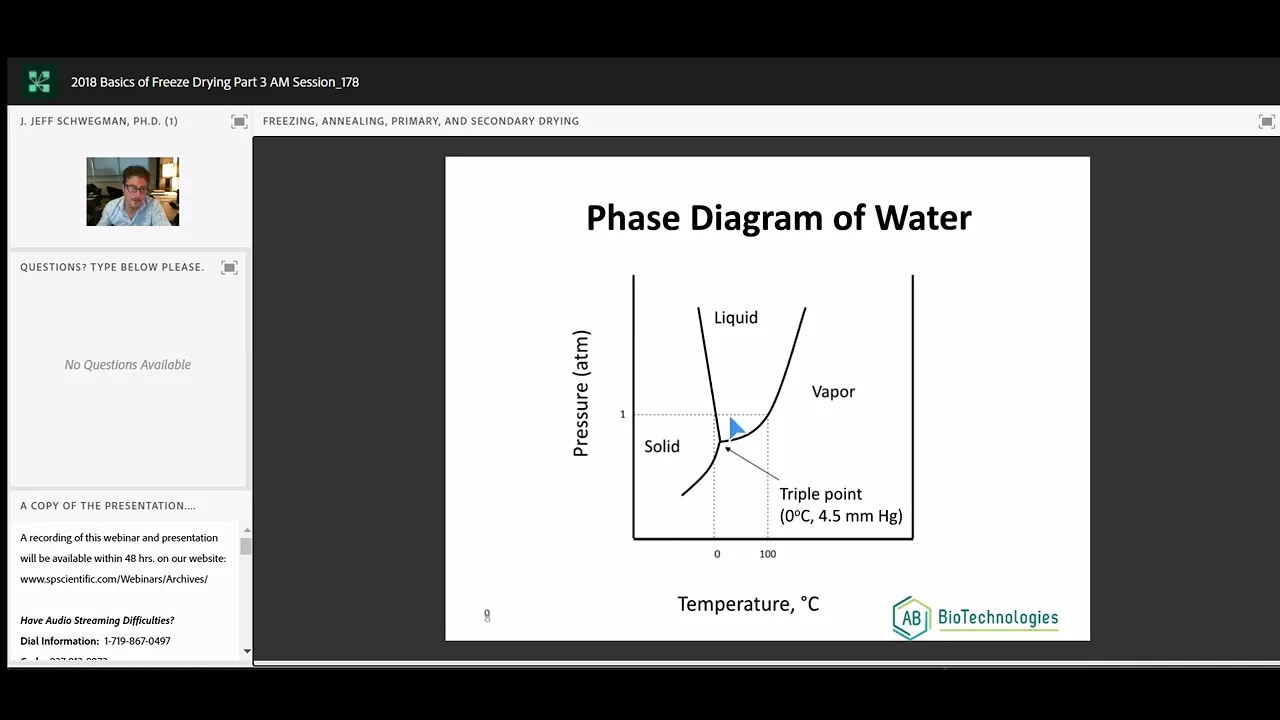
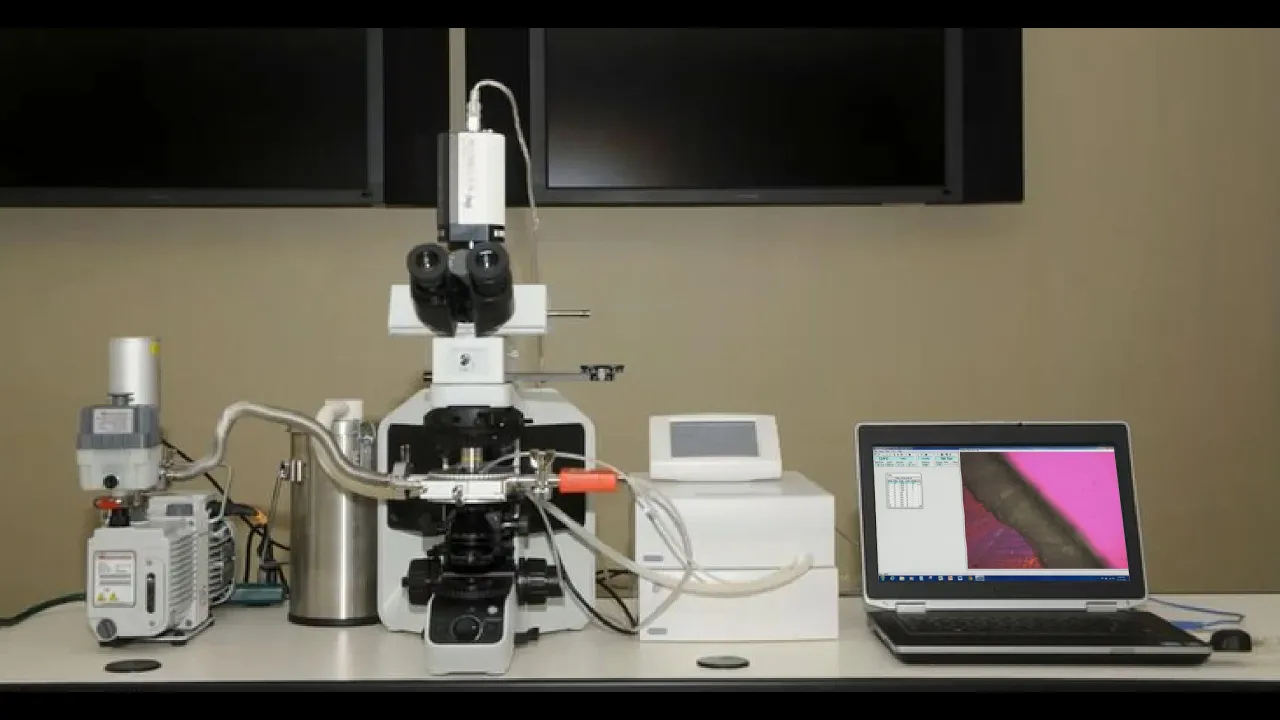
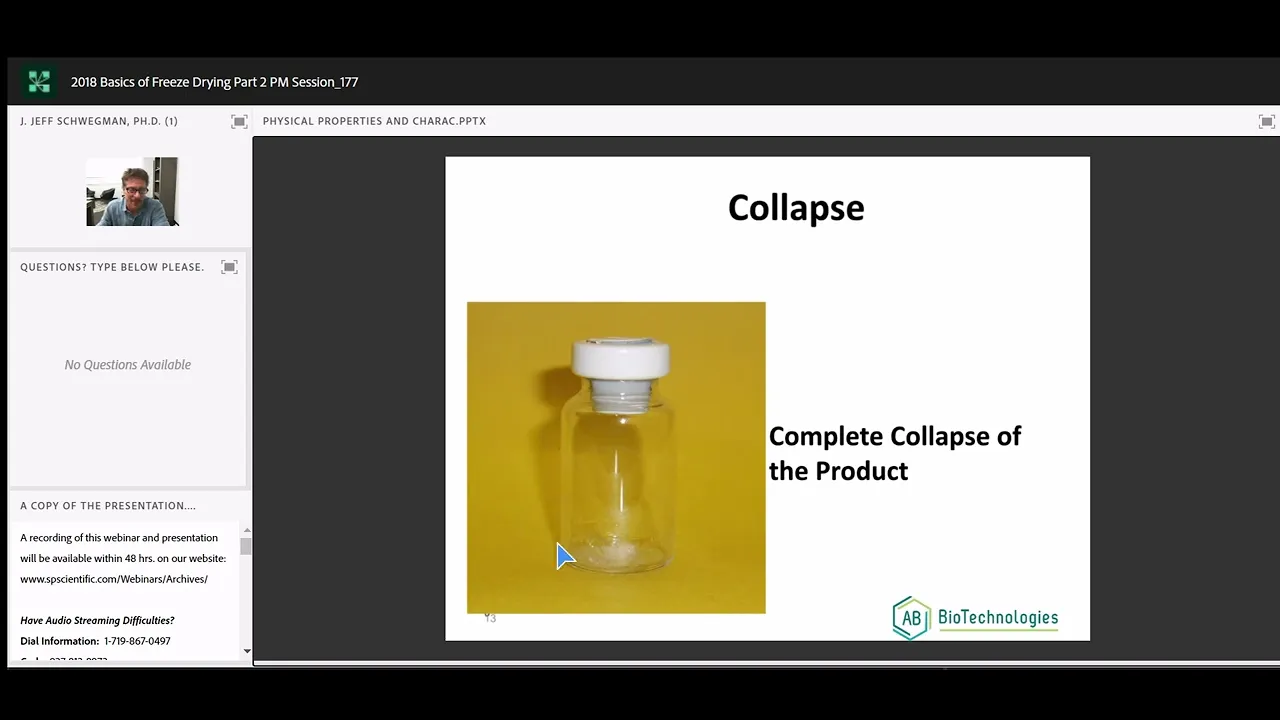
Added:they new everyone my name is jacn Zea I'm an application scientist here at Ops Diagnostics I'd like to thank you for attending our webinar on a primer on microbial prey this webinar will be presented by Dr David buron if you have any questions throughout the presentation you can type them in the Q&A box located on the right of your screen if you have any trouble seeing this presentation we have found that changing your browser helps questions will be addressed at the end of the presentation if Dr Burton does not get to your questions my colleagues and I are more than willing to answer them on LinkedIn after the presentation okay without further Ado introducing Dr Burton uh hello everyone um sorry about that startup we couple technological Kinks here um let me just hi okay sorry about that um today we're going to be talking about uh microbial freeze drying obviously and I'll be taking you through that uh in just one second um uh just a a a couple uh things to start with as to why you should listen to what I have to say um the uh let me just pull in a slide here uh my background in this area is is uh I guess pretty extensive the I'm a microbiologist um going back quite a few years actually right so so there I am uh in 1976 uh when I started working in a lab at the age of 19 so I've been doing um microbiology for quite a long time that's actually up on the uh island of Nantucket at the UMass Field Station where I was doing water pollution research and working with some nitrogen fixation and uh blue green algae and some other stuff this particular slide I think I'm now trying to catch field mice to isolate ABIA for some people at the uh I guess it was Harvard Public Health but uh over the years I've done a lot of different things in um in microbiology and freeze drying just one of them the uh back in graduate school when it was working with yeast um I used to receive uh cultures from a number of Institutions around the country and they'd always come in free drive so I never initially I never really did it myself but I always used to get the samples and and have to work work with them and uh that was my first exposure to it and that that's actually helped me uh later on when we started developing some of our products for that um so you know we've been I've been doing a lot of different things and and over the past I would say 15 years uh feralization okay quick timeline so in the the 80s uh I I got my pH oops sorry about that in the 80s I got my PhD at rers UMD andj really working with uh yeast and genetically engineering it starting pretty much uh around 84 when genetic engineering was still pretty young um at that time um I also initiated a bunch of recombinant DNA training courses at ruter which I carried into the 1990s when I set up a training center for doing just that we're located in New Jersey and for those of you who've have the fortune to visit this area it's kind of a lot of pharmaceutical companies right right here so a lot of people needed to know how to clone and that's essentially what we did as well as teach other things and in that we ended up doing some Consulting and contract work and that led finally into the 2000s where I established a company called ops Diagnostics which took ideas that we developed and turn them into products and that's really where we are now we've been uh focusing focusing on on a lot of a lot of our products in Sample preparation and preservation since that time so Ops Diagnostics which is really the host of today um is uh has two major areas that it works in which is homogenization or and also in Sample preservation and in Sample preservation there's freezing and freeze drying um one of my companies I did a lot of work for uh in the 90s was Revco um with a lot cogenic freezing in their ultral L freezers and then later I did some work with labconco invertis so I pretty well vered on on the equipment side and then we started to develop the materials that go in the machines so we sell vials and bungs and seals but our real materials which are novel are microbial free drying buffer which is something that which we'll talk about today lyophilization reagent so these are pre pre- ready pre-made stuff and then exion though even though we use this stuff that's really not what we're focused on we're going to just talk about the whole process in general so let me get rid of this slide okay so here we go all right a couple of uh uh quick bits of information um there's a a link first off this this uh webinar will be um will be recorded and we'll put it on I guess YouTube so that uh people who missed this will be able to look at it later and so we'll email everybody a link uh later on um the uh so the notes for today you can find I think you can find on this site but also if not on our website at that um address and I believe that's a hot link um which you can click on the PDF you know here or on the PDF um we're also going to have a LinkedIn discussion group for those people interested uh there quite a few people signed up for today's talk so which is going to be very difficult to answer all these questions because people have lots of very specific questions um so what we have is a LinkedIn group and I think everybody's already registered we just did it by email so you can click on that and we'll be in there to talk today and and have an ongoing discussion as well for anybody who'd like toh talk talk in this area um some contact people uh the the lab people here we have R ASA and and Jackie who introduced me and their emails are there and you're welcome to contact them you can contact me as well um however I have two and a half thousand emails in my inbox and sometimes I don't always get the things very quickly but uh these people do so um just to kind of keep that keep that in mind that there's a way to get to us the uh one second here just to show you okay there's your Supporting Cast that's Asia and that's R and that's Jackie so they're nice smiling people so if you have any questions um you can ask them and if they don't have the answer they'll really it on to me okay so freeze drying um has been around for quite a number of years it's over a 100 years old some of the earlier Works uh were 1910 that area um it really started to develop as a as a technique in in the 1920s when uh the BCG vaccine came out and that was a vaccine that was used to uh against tuberculosis so um when that came on on the scene a lot there was a great need to really kind of stabilize um you know stabilize samples and and make them so you can transport them and everything and that's that that's when a lot of effort started going into the freeze drying there was a a real lack of standardized equipment a lot of people instead of using cold traps which I'll talk about used to use uh desicant in order to catch water so they you know they put a vacuum on your sample and I'll talk about this in a second and then catch the water with a desicant which is not that necessarily that effective but it was in the 40s and the 50s that people really started to systematically look at the the way freeze drying worked and and and come up with um instruments or processes that they that could be then uh commercialized and that's when you really started to see a lot of culture collections being developed and um and a and a real real progression of of the whole the whole technique so what I'm basically saying is that I didn't invent any of this stuff but I do use it um and it took a long long time to develop and uh just as a kind of comparison at the at the end of the slides there's a reference page was which with a couple of papers that go all the way back to the 40s and those PDFs exist and after you see what I talk about today you might find it interesting to look at that and see exactly how things have changed uh I always it's always nice to kind of get a historical perspective on things and um this is just this is just one way to do that okay just another quick point is you have freezing versus freeze drying um in both cases you what we're really trying to do is limit the negative effects of water water so when you have water present in a biological sample all kinds of things can go wrong you can have enzymatic degradation you can have free radicals forming um just that that can just you know destroy your sample so in the case of freezing you bind up water and ice in the case of freeze drying you remove the water and um you know in in it takes a lot less energy to uh to freeze something but over the long term it requires a lot more energy to keep it cold a quick example of this is that I have a freezer that goes down to minus 140 Centigrades so I have liquid nitrogen tanks and I have a freezer and I always like the freezer because I didn't have to refill it and in our last location where our lab was our um our electricity was paid for by uh by the landlord and when we moved into our new location about six years ago I found out it cost me about $300 a month just to run the freezer so uh once you freeze dry you don't have have to worry about that you can keep your samples at like a refrigerator it's it's much more cost effective to store than using some very low temperature vehicle whether liquid nitrogen or a cryogenic freezer um also for clarification I'll be talking about freeze drying it is really the same as lyophilization but lyophilization can often be used to talk about other solvents while freeze drying really focuses on water okay so quick uh aspect of of the components of a system now for those who are not familiar with anything about freeze drying very simply it involves taking a sample of that's in water you freeze it you put it under a vacuum and water will pop off from go from solid to to gas in a process known as sublimation so that's kind of chemistry 101 um in that you need to have someplace where the water can accumulate which is usually what we call a cold track W and so the basic components of a freeze dryer has to be over here you can see a pump all right and then you need a cold trap which is what this Center area right there is and then you need to be able to hook your samples up which are usually in glass tubes or something which are on these ports um that's a vacuum gauge a nice thing to have in a in a freeze dryer system as well so the simplest freeze dryer would be what you see right here it would be some kind of what we call a manifold with an internal cold trap where you would put like dry ice or ethanol to get a nice cold temperature and this would be hooked by a nice thick vacuum tube up to the pump and the pump would suck out all the air or all the the gas creating a vacuum which is has to be a very high efficiency uh you know very high level vacuum and so the pump is really probably the most important part of this system um so you need a pump you need a gauge you need tubing you need a cold trap and then it gets fancy you can have manifolds like this over here this is a lap conco system so you have these ports and you can connect you know Frozen samples and glass tubes to these ports and then this is actually a cold condenser so instead of putting something inside this pot there's a coil in there that chills up which will trap your water once it sub uh leaves your sample and then your pump over here this is a a uh what they call a shelf freezer where there is actually you'll see a picture of this later but there's a shelf in here where you put your vials inside of a chamber and then you pull the vacuum on a chamber and uh this this is a little bit more controlled there's you know ways to control the temperature of the Shelf control the vacuum um you can you know raise the temperature lower the temperature do all kinds of stuff and and even stopper the vials that you put in here um this is my preferred method but they're more expensive again just quick look at at the components here so here's a a manifold with in this case a pot and again you would put something cold your dry ice ethanol or acetone to to create a cold trap and then there's a it's like a double boiler there's a a space around this which you can see right here and the pot goes inside and these manifolds are you can turn them on and off so you can hook vials or ampules up to this that have samples that have been frozen to to draw on that down here you can see this is the inside of the Shelf freezer and here's your shelf where your samples will sit on and this shelf you can control the temperature so you can heat it up you can cool it down and then underneath it there's a coil and this coil has refrigerant in it and the refrigerant can get down to minus I think this one's minus 50 and serve as a cold trap so this is where your the water from your sample will end up okay so the steps in freeze trying when when most people or you see this descriptions in books or whatever uh it often talks about freezing and then primary drying and then secondary drying and that's all true but there's actually a lot more to it you have to uh culture when you're doing microbes you have to Culture Your organisms and you have to harvest them you have to freeze them and you go through a a drying phase which is known as primary drying which is the the point where you pull the water out of the sample while uh the sample's Frozen and and trying to keep the sample cold but not as but warmer than the cold trap um then secondary drying is after you remove the bulk of the water from your sample there might be some residual water and and something like a shelf dryer you can pump heat into your into your sample to push off or basically push out additional um water then uh you need to VI viability do viability testing you know do I have anything alive in my system and there's usually you can do this um through something like a standard play count that we'll show you an easier way to do that today and then you need to store and you need to monitor your uh organisms as well um you know these things there's kind of a perceived notion that when you freeze dry something it will last for years and years and years and that can be true but it's not always true so you need to really keep an eye on whether these things are alive and we're going to go over each one of these things uh in order here okay but the overall objective when we do this is to um we're going to create a matrix or what I like to call a cake that has the water removed you have a minimized uh you minimize dehydration one of the things that can happen is any residual salts that are um in your sample as you pull the water out the salts can start to crystallize you can pull water into the salts and you can get localized membrane breakage or something due to the due to high salt concentrations localized high salt concentrations um you want to along with dehydration you want to maintain the Integrity of your membranes you want to retain the 3D confirmation of your biomolecules and hopefully those two things together will allow you to maintain the viability of your organism so some things to consider when setting up to do this is obviously there sterility concerns um and there's there's different views on this if uh you know if I'm setting up a bunch of vials that are just going to be stock cultures which I'm going to use down the road for whatever whether it's a yeast or eoli um I would be probably less concerned about sterility than if I'm making um let's say vials or ampules which would be used as a starter culture for some kind of a fermentation process the reason I say that is that in a um in a uh a a just like a culture collection you're going to have a million organisms per Mill or or even more in that little vial they're GNA rehydrate it in other words it's going to be a solid material after freeze drying you're going to add some water to it it's going to go into solution you're going to take a loop full out and you're going to streak it if there's one or two microbes in that sample that somehow made their way in there um they're going to be you know outc competed hopefully by the by the other bugs that survive and I'm not you know please note that I'm stressing that you should follow aseptic tap beak and everything it's just that there's different levels of reality especially when you're using a shelf dryer um so but this is something to consider do you need to do your stuff at a benchtop or can do you need a clean room it's just things to think about the other thing is uh the format are you going to use vials which are fil or or uh glass glass vials that are stoppered with uh with bungs or you going to use ampules which are uh sealed under a flame you can also do bulk freeze drying in a in a bell jar I'm not going to talk about that today but that's just kind of a bulk method you need to know what kind of uh solution or buffer you're going to freeze dry your stuff in um the these uh like what I call I'm just generally calling lyophilization reagents uh have to have a Lio protectant that protects your organism but ideally it will also have something to help form a nice cake or solid Matrix for your organisms to be suspend send it in now the atcc has a real nice reagent something called reagent 18 which is a pretty straightforward um reagent that consists of uh um I think it's about 10% sucros 5% BSA and a little bit of tryptic soy broth and reagent 18s very standard reagent and it works very well uh we have a product called uh microbial freeze drying buffer which is essentially the same thing but what we did is we took the bovine serum albu aluin out and replaced it with another with a plant protein and we also took the tryptic soy out so it's it's very simar to reent 18 but there's no animal products in it and in reality a little plug for a company um the cost the BSA is so high that we can sell uh a 500 mil bottle of our stuff for less the cost than the BSA is used to make this equal volume if you made it yourself so it's a win-win actually works very very well I'll show you some stability data on that later other additives that are often used L protectants sucrose and tros these are both disaccharides and they have the the key factor of that the anomeric carbons in these are are blocked or actually linked to something so in sucrose which is a glucose to linked to a fructose the anomeric carbon the alpha beta carbon for those who can't remember what anic is um or uh is linked to the linked to the fructose tros is a u alpha11 I believe glucose molecule and for reasons which I don't know I don't know if anybody knows the reason uh these anomeric disaccharides or non-anomeric disaccharides are very very good for protecting molecules for during freeze drying caking agents such as BSA and skin milk are good for making a matrix a 3D structure which allows you to to freeze dry that 3D structure is very important because water needs to get out of the structure and if you don't have enough structure you can your sample will what we call collapse and and collapsing um it just you end up drying your sample as opposed to freeze drying your sample and then the last that thing to consider is your sealing and um in a shell freezer you would seal with a bun a bung is just a stopper but it it's a it has a little split in it so you can put it into the vial and gases can get out the alternative to that is the flame seal which is what you do with an ampule and in flame sealing I will I'm holding my hand up right now I I've never flamed of ampule that didn't look like a mutant um it I I'm just not that good at it it but you I mean you buy like a a s you know some kind of a a standard it always comes in a nice flame sealed ampule um I'm not good at that but uh if you are flame Sealing you'll need some kind of a a torch an acetylene or oxy acetylene propane butane the hotter the better acetylene torches are nice and hot they'll seal very nicely but there's a lot of tricks to Flame sealing which I'll discuss a little bit later okay so the vials um vials are glass first off everything you you freeze dry in should be glass and I'll tell you some don'ts in a second but these are glass uh you can get them different volumes 2 mil 3 mil 5 mil 10 mil uh we saw I think two five and 10 I believe but they here's the here's the bung right up my arrow that's the bung over here as well and there's a little Gap in that bung right see it right there and you put this in and the gases can get out so you're your sample in is placed in the bottom you freeze it and then you put the bung in there and or you put the bung in then you freeze it put it in the dryer and pull the vacuum and your gases can get out after done this is pressed down to seal it and then this little foil seals press put on top and you crimp it on so um vials are are uh like if you have a shelf freezer they're they're very commonly used you can get them from a lot of different places um the one thing is when you use vials in let's say a shelf dryer they got to be bunched together so you cluster them together um like our freeze dryer holds about 280 of these things so they're all packed together and um you know that helps in the heat transfer you need good heat transfer in order to get the water out of your sample ampules just a selection stolen from the internet here um again they're also glass they have long necks so you you put your samples down here and um normally you would uh put like a piece of glass wool or something in here in order to seal this off so that when you're handling it you don't have to worry about contaminants getting back into your sample um the one of the things you have to to worry about with these if you've ever worked with ampules is that when you load these up you're going to need a long neck pasture pipet so if you have a culture and you want a pipet in the bottom a uh a micro pipe head won't work because you'll end up getting all your liquid on the neck and then that just makes for a messy situation so your sample is placed in here you put some cotton or I not cotton that will burn put glass wool in here that's been sterilized and then you freeze this this is put onto a freeze dryer port and you pull a vacuum and it will dry and again there's some tricks to that I'll get into in a minute and um after it dries you would actually come in with a flame let's say the let's say right here is your glass wool and up here it's connected to a manifold you would then have to Flame seal this right here and the idea is that you hit it with this torch and the vacuum pulls it in and it closes off like I said it works works but mine always look very ugly um therefore I use a shelf dryer uh okay the the other thing I don't like about ampules is that to open them you have to snap them and um I I know at least once I've cut myself doing this which is not necessarily a fun thing so you have to be careful get pre-scored ampules they have a little kind of Ridge cut around there so that they snap off nicely okay things you don't do um though it's tempting do not freeze dry in microfuge tubes so plastic is a big no and I've seen a lot of people who've tried to do this um plastic is actually an insulator so heat doesn't get into it well so if you have a sample and it's frozen in your tube for heat to kind of diffuse into the sample and for for it to push the water off it doesn't work well in in plastic so microfuge tubes are not a good idea the other thing is is after you seal your microfuge tube and this I I figured this out the hard way which I can show you um some indicator later that where you can test this water does seep across like diffuse across plastic over time so um if you're trying to keep your samples nice and dry uh plastic micrus tubes is a bad idea same goes for like polystyrene 96 well plates um my original product that I developed for freeze drying was just that was for 96 well plates and um after I did a whole bunch of work I discovered that uh once you freeze dry in a 96 well plate you can actually have um water will diffuse across the plate uh one thing you can do is if you do use plastic which I don't recommend is you can put your samples into like a a seal a meal bag a myar bag and vacuum seal it after you freeze dry but you have to work quickly because it will pick up water uh pretty quickly um don't use any old pump for freeze trying all right you need a good pump which which leads me right into the next thing is I've seen people who' have tried to freeze dry using a water aspirator uh another bad idea considering you're trying to get the water away from this thing and you're using water to create the vacuum uh Bell jars stuff with vials doesn't work well because you get uneven heat transfer you need to really uh if you're going to do massive vials I would recommend using a shelf dryer some people will think that glycerol or saline is a good idea with freeze drying since glycerol is good for freezing uh glycerol doesn't vaporize so it will gum up your sample and saline uh such as PBS or whatever um will cause uh you know have you end up with a lot of salt and the salt is bad for your sample so these are things which you don't want to use all right so the culturing we are talking about microorganisms um my preference in doing this and we've done a a lot of work we do some contract work on uh freeze drying for people um and you know cultures are always the best you grow it up shake flask ideally and all you have to do is you know Harvest yourselves and dilute them in a or resend them in a uh in in one of our buffers and then and then you know Al Alo them and freeze dry sometimes that doesn't work so well you can use solid phase so you can grow cells on an auger plate and then you can put like like reagent 18 or microbial freeze drying buffer on the plate and flush off the cells and just you know drop drop the the U the medium and then freeze dry that way it doesn't really matter what you do but what you want to do is get rid of the growth medium and replace it with the L protector now the exception to this is that anybody working with fungi um will know that they they don't like to cooperate um on the one hand mycelium uh you know you can end up with a a big fungal mass at just doesn't want to dissociate or disaggregate as I put it here so what do you do you end up with you know you have 10 ms of of uh microbial freeze drying buffer and a Big Blob of fungus in the middle of it and you're trying to break it up there's not a good answer for this if you can break it up without destroying the viability of the cells then try to do just that pipe it up and down or whatever the case may be um or you can just freeze dry the Big Blob spores are a big headache because a lot of spores are hydrophobic and they float so if you uh if you have a you know a plate let's say you flush it you'll find a lot of the spores will float to the top um you just kind to shake it up the best you can and try to get the cells to disperse U but there you can't really add let's say like a tween or something like that to help disperse them because that will end up hurting your overall freeze drying process the freeze drying medium uh historically glucose and BSA were used uh they were replaced by skim milk and sucrose uh if you go back to a lot of the culture collections skim milk is used all over the place and the thing is is that skin milk really isn't that good of a protectant it's it's a really good Matrix it forms a really good cake but it doesn't protect your cells very well so what you really want is a combination like sucrose and BSA which is what's in the the atcc um solution reagent 18 and that's similar to what we use um like I said reagent 18 has sucros BSA and tryptic soy broth broth our version is essentially the same but we take out the animal protein so um but you want a medium that really has both the the protectant and the caking agent to give you the best of both worlds some people will uh uh talk about using like manitol because that's used in let's say a lot of um a lot of drugs or tros um and I've used those but I don't necessarily find them better or they sometimes they work less well so um I kind of stick with what I know okay so you harvest your cells uh you spin them down um and resuspend them in freeze drying buffer uh or you can flush your cell for a place uh from a plate but then you dispense it so you need to uh either go into vials or ampules uh you plug them and then you start the process um I would recommend if you're doing a lot if let's say you're working on a cultural collection get your hands on a repeating pipet um you have the kind of the big syringe Type U they're very very good for for doing multiple samples we did a project I think last summer um where we did almost 400 different strains of a bacteria and uh you know we would have gone nuts if we were trying to do that with let's say regular pipet or even a micro pipet so um some tools that's the kind of thing that that's really helpful as I mentioned with ampules for filling them sterile pasture pipets are critical for getting the solution way down into the bottom of of the ampule sterile glass wool um in the neck of the ampules is is uh recommended and as I said for um sterility concerns for especially shelf dryers a clean room is is oftentimes uh warranted we have a whole Bank of of U hoods what are known as as filling hoods and those can be used pretty nicely as well you can move the freeze drer right up to them if you need to so the freezing um there's two ways to freeze either can do it by hand or in in let's say let's say a dry ice ethanol bath for let's say an ampule so over here on the the images here we have something called a crow cooler um which is a device we make for for actually storing things at liquid nitrogen temperatures there's a well right here and in this well we put liquid nitrogen and what I'm about to tell you don't do by the way this is I have a little example of of how things work so I I wanted to freeze my sample and in this case I was using some both LS and ampules so I would take them and I put a glove on and I inserted them into the liquid nitrogen and I can do one of two things I can just put them down there and I can freeze them straight out or I can put them down there and I can twirl them and in twirling them um you are basically end up coating the sides of the ampule and the vials with with the uh with the with the U the buffer or and your cells now that's important because of surface area which I'll talk about in a sec but in the freeezing you have some choices right you can use a a shelf freezer like I showed in the Shelf dryer and that can go down to like minus 40 or so good temperature you put your samples in there temperature drops over time you can program it and your samples will freeze or you can use a lab or a minus 80 freezer you can put your samples in there just in a tray and let them freeze or you can use something like a dry ice ethanol bath where you put your your samples in it and freeze it or you can like I said you can twirl them and freeze them in any case whether you're using a a if you're using like a lab or a minus 80 you can also put your samples in or your vials and put them on a tilt so you can create a slant and that idea of freezing on a slant or freezing by twirling the vial in the in the ice bath is important because of of surface area you want of the maximum surface area to the to the to the volume of the material so that you can get the water out quickly and it doesn't have to go a far distance if the water has to travel far distance to get out of the ice then you have a good chance that it will warm up and your whole sample will melt before before it's dry um so that's something just something I'll show you some uh images on that in a second some considerations in freezing temperatures um the freezing temperature should be higher than the condenser the condenser meaning the cold trap and when I say it should be higher keep in mind that minus 20 is higher than minus 80 so um what I mean is that you don't want to take and which I'll show you in one second samples and put them in the liquid nitrogen to freeze them and then hook them up to a a freeze dryer that has a condenser at let's say minus 5050 because the water water will flow from the warmer temperatures to the colder temperatures so in that instance your samples are actually acting as the cold trap and you don't want that you want to go from the you want your your water to go from your sample to something colder uh the other thing to consider is the the rate at half how well how fast you freeze so you have slow and fast freezing or in other words like flash freezing when you slow freeze your ice crystals tend to form and be larger so you end up with larger ice crystals and basically more channels for water to get out of your out of your sample if you flash frees you end up with many tiny ice you nucleation all over the sample and many tiny ice crystals and that's better for the cells and the bio bio molecules but it's harder to get water out of so just something you need a balance between you know something that's that's really good for your sample and something that water can get out of easily um and normally when you're dealing with something like a bacteria the efficiency is normally so high anyway that just freezing it let's say minus 20 and a regular freezer will usually work well enough to give you good viability in the long run so sample freezing um so shelf freeze dryers can you can you can program it uh for instance I will take and I'll put the my uh you know couple hundred vials on our shell freezer and it will start at four degrees and I'll set it to go to minus 40 over let's say a two hour not well one to two hour period um hopefully at the end of that if all the vials are flat on on that surface and the um and you give it a chance to really chill down everything will be ice occasionally if one of the vials is not touching well it will still be liquid but that's only one or two out of the entire run if you're not careful flat flash freezing uh as I noted increases the number of ice crystals so that they're more ner numerous and they're smaller it's better for your sample but it's it's harder to to get the water out slow freezing is pretty much the opposite of that you may have more extracellular ice which may cause water to diffuse out of your sample you might get some dehydration but overall to get the water out when you put the vacuum on it becomes easier so um you got a you got a balance here between these two all right normally like I said with your average bacteria um a slow freeze will give you a better result um any way you look at it you have to uh maximize your surface area especially if you're using a manifold or like an ampule you really have to increase the surface of your area to as much as possible all right some important points maximize the surface area area um these are just some examples of of how I did this here we have a vial um which I literally put on its side when I froze it so there's one mil of um freeze rine buffer in there and you can see it's a huge basically surf surface the volume area or ratio if you want to call it this this is an ampu you can't see this I took a bad picture I apologize but on the back side of this it's an add an angle so this one is also um also I'm trying to Maxim that surface area so in ampules and Nei these are both hooked up on on ports by the way when you're doing freeze drying on with a port um you want to really keep your volume small you want to freeze on a slant and ideally freeze at minus 20 so that you get so you get it's nice and easy for the water to get out of this out of the sample now I talked a little bit ago about what not to do here are a bunch of samples that I freeze dried using liquid nitrogen and I want to show you the result of these so up here we have um four um I think these are 10 mil vials and I have these Stoppers that you see right here that you can push in them and then this will hook right into the manifold on the U on the freeze dryer so this has like five Ms this has two Ms this says one mil one mil so these these two I just froze straight off they kind of look like that all right um and then I took one and I just hooked it up without freezing it at all and then I took one and I froze it just flat and I hook that up so I hook it up and I turn it on so vacuum's on all of these things and what you get is that initially when you turn it on and you don't freeze your sample some people will suggest well you just put it on there and turn it on and uh you you'll pull a vacuum and it will freeze your sample right off and that's not necessarily true what happens is you'll see a lot of bubbl and then it will calm down and you'll end up with liquid in there and over time that will dry into a into a flat crust on the surface of your vial and that's dried it's not freeze dried that's just dried down here since there's such a distance for um the water to go through this will start off and look fine but over time all of a sudden it will melt down and it will look it'll turn into a liquid what we call melt back um and in this particular case water is being drawn off it's just going from liquid to gas and you actually end up with like a skin forming um due to just proteins and stuff accumulating as the water's being removed here this looks good you can see it's frosting over and but since it was freezed Frozen using liquid nitrogen the um the lot of little ice crystals it's flat so it started going pretty well and then towards the end it started to melt all right and what happened is initially some melted underneath in the bottom and when you got the liquid there it Formed gas and it actually pushed the dried cake up this a little bit and then some of the water on the top melted when that happened that bubbled up and formed a film so this is kind of like halfway between good and bad there is a cake in here right but it did melt in the process of of um being freeze dried so not not the best not the best result but definitely better than the other two all right so if you freeze using a warmer temperature and I mean not warm but minus 20 to minus 40 what's the result so here's the sample I had before that I showed you in the ampule and uh this was placed on the freeze dryer and after a couple of hours this is from a better angle this thing is completely dry so this is about 250 microliters of sample after about two hours um and the sample's dry and this would all I'd have to do I could seal it at this point and and take it off over here I had just like I did with the liquid nitrogen I had a sample where I froze flat in a vile put it on the freeze dryer and by the time it was done it was Liquid all right so that melted back here's the same sample same volume anyway which I put it on an angle and I let that go and then end up drying it's it's a little bit hard to see but the edges are all kind of opaque and it's it's it's it it dried relatively well so just the fact that this had a greater surface area and it was frozen at a higher temperature which allowed for greater pores for water to get out of the result was much better so the bottom line is that if you're freeze drying using a manifold keep your sample small and try to maximize your surface area and don't freeze at a super cold temperature so in the primary drawing um you once you freeze you if if you're using a shelf um freezer once it's frozen you just turn on the vacuum if you're using a manifold you push your sample into the into the manifold and and turn the valve um and um you need to reach a a vacuum that's below 100 millors which is all these things over here so you're talking about you know 10,000th of an atmosphere very very high efficiency and um once you're there you have to let it go for depending on your on your sample usually at a minimum overnight all right so uh especially if you have a lot of samples hooked up to one to one U to one uh to one freeze dryer so the time is going to be dependent on the volume and the sample number but overnight is not uncommon if you have a a large volume and let's say a shelf dryer you can go several days so here we have the samples I just showed you a second ago here are some uh samples that were in the Shelf dryer actually I'm looking through the door so it's a little shiny but I have a indicator reagent here something we sell called Freeze drwing indicator and this actually shows you that uh you can see a little kind of white rim here and a little light Rim there and that's the beginning of the freeze drying and then over time it will end up looking like this uh let me pull in another slide another image here quickly actually did this last night and wh there are the girls again we call them the laborat by the way okay here are the um the picture of the indicator and this is what it looks like after this was overnight so this this is taken out I I stoppered with a bung so this cake is nice and dry and this is the advantage of a a shelf dryer in that the Shelf was maintained atus 10° so that sample never really had a chance to melt um but you can try to get a big differential between the condenser which was at minus 50 and the sample which is at minus1 and you can control that in a shelf dryer so this dried very nicely overnight next to it um where did my little arrow go oh I got another one here okay so this is overnight and that's my crobial freeze dry buffer and this is our indicator and you can see that there's a little residual water on the surface but this is blue and that blue is like 1 to 2% water so we use this to kind of map incubator um incubator sorry map freeze dryers and and also to let us show when some processes are done um all right that out of here okay so uh let's continue here okay the secondary drying um is not really practical with when you're using a manifold um except to say that it happens naturally in other words your sample starts cold as you take it from the freezer or from a from a bath you hook it up heat the vacuum pulls heat out of the sample heat diffuses into it and you it continues to be cold until the water's gone and then that's going to be essentially your secondary dry drying so your heat goes in just from ambient and water's pushed off if you have a shelf dryer you can control that temperature so where I would let's say keep the samples at minus 10 during primary drying at uh secondary drying I might bring it up to 20 25 degrees for a couple of hours and this is again the the aim is to drive off remaining water uh the secondary drying phase only lasts a couple of hours and after that I go on to sealing all right so sealing you do ampules with a flame um you can seal the amp you can remove the amp from a manifold and seal it but keep in mind that when you take a sample off of a freeze dryer if it's open to the air it will pick up water very very quickly there are automated ampule sealers but if you ever look at them they're on a little Carousel and I mean that's not a practical way to handle something if you're going to be um trying to freeze freeze dry and keep it viable that that's good for you know liquids and ampules and that type of thing um so usually try to free you try to seal it while it's on the uh on the U on the manifold being with the vacuum uh vials you could seal uh with with a uh a bung under vacuum so down here in the bottom is the uh shelf dryer and there's a stoering mechanism that's hooked up to a piston so in this shelf there would be your vials the bungs would be in there and I simply hook it up to a g a pressure tank and push this panel down as stoppering mechanism down and push the stoppers into the vials and then I can release the vacuum after your sample whether you do um a vial or an ampule um I people even use vials with little screw caps for instance you can throw them into a myar bag with a little Des silica desin and in a seal a meal bag and seal them that way if you're if you're concerned that your your mechanism for sealing is not that accurate those those those systems can can seal out the water very effectively storage um temper temperature of storage is a is a big deal uh cells will not remain viable forever and if you try to store your cells at four degrees uh you you have good a good your cell should remain viable excuse me but if you try to storm at a higher temperature you might have some uh real issues um we in the past I've had people who have insisted that we do um uh accelerated shelf life on freeze-dried cells and it's it's a real disaster um it where we I'll show you some data in a second but where a a a cell stored at four degrees could last for years something stored at 37 May last only a few days and I think it's because there's so many different components in a biological system that can go bad as a supposed to let's say a u a a a solution where there's let's say one protein or something that uh the the breakdown of the of the sample or the drop in viability is is extremely pronounced um but however you store these things it's important to test them and uh you know every I I would start off by testing a sample let's say once a month and then after I see it's not changing once a year and then um every few years and uh it will just let you know where your sample samples are and whether you need to um need to to to grow them up again and start your process all over all right so here's uh just a little data from way back when on uh the viability is St cell stored at at 37 and this is under three different buffers that are being used so we had sucrose tros and reagent 18 um which is sucrose and Bs and this is real time over seven days and they start off with pretty good viability in a log scale here and then over just a few days um the trao cells are down a whole lot you know you're going from 10 to the eth basically 10 to the fourth and the uh you know sucrose you're down a couple logs and even that's the Aging 18 you're down a couple logs and the sucrose you're down about a just a l so that's over seven days so you can imagine that if you let this go for a year uh things wouldn't look very good at the end of that time so um in discussing that uh you know how do you know how do we do our viability testing so you can test this and I'll get back to that uh that that stability in one second but traditionally people would do plate clowns just you know standard microbiology um with uh you know seral dilutions and pouring them out in plates and Counting them I find that a tremendous amount of work I find it uses up a lot of supplies uses a lot of incubator space so we have a simplified approach which is in my opinion good enough uh for what we're trying to uh see which is you know essentially a relative idea of how viable things are so we use a idea of of dilution to Extinction um which is it's easy fast cheap small footprint and gives an answer that I want to see which is either I have a lot or a little and it's quite simple really this and this comes back from anybody who knows old microbiology of something called most probable number that's kind of where I got the idea from which was back what we used to use in the 70s for counting microbes uh from and water pollution but um in this all we do is we take a plate like this a sterile plate put a broth in it so it's triptic soy broth or whatever and we take our our vial and and uh one thing I don't have down here which I meant to put in um is after you freeze dry your sample you have to to use it rehydrate it and there there's a lot of you know a lot of uh different ways to do this I just take my sample and since there's already a broth or or protein in there I just Add Water it so if I freeze dried something in 100 Ms uh excuse me in a mill I'll just add a mill of sterile water to it I'll let it sit for a few minutes to give the cells a chance to wake up and then I'll use it so when you take your sample and or your your freeze-dried culture and you rehydrate it to do this technique all you would do is put in uh on10th volume here of something so I used a multi- channel pipe head and put in I believe 180 microliters of broth in all the wells came along with 20 microliters of sample in the wells and then uh proceeded to dilute by transferring 20 microliters to the next well changing my pet tips as I go so this is uh basically each well represents a log of dilution so in this case I diluted out and when I got to 10 to the 9th nothing was growing and 10 to the eth something was growing so what I say is that I had you know 10 to the eight cells to simplify it and that's I count them so when I viability test to get an idea of efficiency when I prepare my cells I'll use half the plate and and and do this so I can see what the cells look like before they get freeze dry so let's say it comes out to 10 to the E and then I freeze dry I take it a v i rehydrate it and I do this and hopefully I'll get the cells will grow to the same extent which case I say I have 100% viability I consider myself successful if I can get to within one log of um of the pre freeze dried sample so if I get to 10 to the 7th that's not great but it's still pretty good you're talking about billions of cells um if I'm we down here at 10 to the three I have a bug that's just not cooperating and I can either be happy with that or I can try to do something else and try to make it more viable some organisms just don't like to cooperate and um you know that's just life and you have to try to work work around it so here's some realtime stability data um so this is eoli we did in 2010 and uh we started off and they all looked nice on our dilutions up here it was a uh between seven and eight dilutions out there were fine and so we looked at skim milk and sucrose and microbial freeze drying buffer and our original formulation at tryptic soy but that tsp has a little bit of uh animal protein in it so we did away with that and now we just use microbial freeze dry buffer without the tsp but over uh 70 months the skim milk ended up coming down to nothing all right and this nothing was just actually last week um for yucks we pulled pulled our samples out of the refrigerator where we keep them at four degrees and the skin milk was dead uh the sucrose was down to uh 10 10 the three so that dropped basically I don't know somewhere between uh five logs maybe four to five logs so significant drop off the um microbial feed Dr buffer um dropped a couple logs after six years and then the uh buffer with the TSB uh did better so even here even though uh our current product is a little bit lower than the one with the animal protein um we kept it you know i' still consider that good because this could go on for another four or five years before we'd have to reculture it so uh this is real time all right and but it gives you an idea that what you freeze dry in will make a big difference in the long run okay so um how's this going to work on the stuff you're you're working on which is always what people ask me I get emails all the time I'm working with some you know esoteric organism can't I freeze dry yeah you can freeze dry it but I'm not sure if it will be alive and the bottom line is that every strain is different and that's that's a horrible answer but it's a true answer so uh you know if you need to freeze dry something you know will it work and the answer is probably most of the stuff that we freeze dry freeze dries without a hitch uh but bottom line is you got to test it the same thing goes with how long will it last and the uh it'll probably last a long time but again you got to test it and will it be efficient um probably but once again you got to test it and you know as simple as I could put this is that most of the microbes are easy to handle they're not a big headache but there's always going to be exceptions uh as I mentioned we did that big project last year and you know hundreds of strains and there were a handful that were just just nuisances you know but there's just no way around it somewhere like that it's something to do with the biochemistry of that particular St it was all the same species just different strains um so uh as you're going out there you know always keep in mind that you need to to to look at your bugs and and test it and if there's a headache you got to maybe tweak your growth medium or treat tweak what you're using to do the freeze drying with um in order to um in order to get good results okay a couple of um of uh links for you here um we have a bunch of uh pages on our web uh site that deal with freeze drying or preservation um it's actually these Pages you know we watch the numbers of people who come in and look at these things and through these few web pages alone uh we have over 5,000 visitors a month that come in and ask qu look at these papers or ask questions based on these papers so um that's why we we decided to put on actually a live talk so but these are here um feel free to look at them and uh they're hopefully they're they're straightforward in their explanation uh so that's there and then also just a couple references these manuals up here are um kind of kind of dated but there you know freeze like I said freeze drying has been around for a long time and uh these are just simple how-tos on on on um on how to set things up and they'll talk more specifics on let's say you're working with a yeast or fungi bacteria and then again I noted that we had some early research papers that um that are just interesting to kind of get a comparison about what we do now versus what was done in the development of this whole technology so with that I believe I'm done I am and uh I think I'm being handed here a note these are some questions uh which I will try to answer at this time uh all right so the first question I have is can you freeze dry in a shelf dryer multiple multiple strains of a bacteria without cross-contaminating and in true aseptic technique I would say no in practice you probably could without too much of an issue one of the things that you might want to do in such a situation is if you can contain your organisms let's say you put them into bags um let's say fill them in let's say put them in plastic bags and freeze them before you ever put them in the Shelf dryer then uh there's not going to be a lot of aerosols because you froze everything so you can actually migrate them to different sections of the dryer and then once they're frozen you're going to stop once they're freeze dried you're going to stop them so you may want to First freeze them outside the dryer and then put them in the dryer okay next question we have here is how will a strain maintain its viability oh that's a that's a question um I don't know if I can really answer that that essentially what the freeze drying does based on the Lop protectant is the Lio protectant and why a die saccharide with no free anomeric carbon I don't know but basically what the disaccharide has been found to do is the Finish to biomolecules very specifically proteins is where they're best known and it takes the place of water so that when the water's pulled out that the the Lio protectant prevents the um denaturation of proteins and membranes by like I said serving to replace the water so in the freeze drying process what you're really doing is first you know freezing the sample with the in the presence of a liar protectant and then removing the water in the lar protectant takes the place of of the of the water that's why you saw in that one slide on the freeze drying using skin milk is that over time the skin milk really um the viability of the skin milk really you know decreased rapidly because there was no l protectant in there but if you had the L protectant viability lasted for a longer time um oh I have question here can my company ask you to freeze dry for us sure um we do that uh this is not a plug this is a Russ as far as I know and we can discuss any of that is it minus 20 why not minus 80 well you can't freeze at minus 80 um as long as you realize that at minus 80 you're uh you know you might end up with like smaller ice crystals the sample what just told to slow down you can't hear me um at minus 80 the uh the sample is uh you can you can freeze your tubes at minus 80 uh but you might want to First insulate them uh so that the the slowing process is is uh it's just slower much like you would do with a cell line that you use using a minus 80 to First reduce it in temperature prior to the actual freezing um let's say in a liquid nitrogen tank so you know if you put it in let's say a uh a cooler and put it into minus 80 the rate of uh freezing will be slowed so it will still freeze but it won't won't won't flash freeze so minus 80 can be used it's just at a minus 20 you'll definitely end up with with bigger basically pores for the water to get out uh next question was how important is the ratio of Lio protectant to cells um you know what I haven't looked at that and I I what I can tell you is that when I take a culture and grow up I just usually resuspend the culture in the same density as as I took it out of the of the Shaker wherever I'm growing the cells so if I have a uh you know 10 ms of of a basilis that I'm growing and it's a it's a murky culture I take it out I spin it down and I re and I resuspend it now in doing that my my objective normally is just to preserve cells in for as for like a culture collection so I'm not trying to develop a a processor for anything um you may want to certainly if you have a very dilute culture you could spin it down and bring it up in let's say one tenth the volume you certainly can concentrate yourselves where you might have a problem is if you try to freeze dry a paste um I think that that that could be a real issue where you may not have enough um you may not have enough Lop protectant for the number of cells in there but I know that just going from a standard culture concentration to the same concentration using the L protectant you're usually in pretty good shape and let's see next question that's one question okay I read that in your microbial freeze drying buffer you suggest equal volume how feasible would it be if one what which is that one what oh if I am to grow cells and six liter volume o um I'm not sure how to I'm not sure the question or I mean you can certainly grow your cells in that amount and you can certainly resuspend it in that amount if your cells are very dilute then you might want to concentrate them or if you're going to do six lers I mean you could certainly use a a larger volume of material but you're going to have to the freeze drying is you you're going to have to dispense it in order to do that unless you have some kind of a a a process scale freeze dryer which certainly exists and one last question can you use Falcon tubes in freeze drying Falcon tubes are plastic I would not recommend it because uh ultimately when you seal off your tube um moisture can get through the plastic and and seep into your sample um um I know we're we're all kind of taught that plastic is impervious to water but only some Plastics are impervious to water not all Plastics so uh I would not recommend using Falcon tubes all right with that um I would like to thank everybody for uh listening in today uh we will have our LinkedIn site and uh feel free to go in there and uh we'll be checking that Maybe not immediately I have some other things on my plate today but um we'll be going and answering questions and uh feel free to come back and we can uh keep a discussion going for as long as uh you would like so again thank you very much and I hope this has been very useful we'll be sending a link um with with the uh with the recording once we get that up and um therefore you can visit this on again if necessary so have a good day and uh by the way we're going to be having another webinar in about four weeks I think and this one's going to be on high throughput processing I believe some of you may be signed up for that um the using U basically bead beating in a high throughput format if you have to process thousands of samples how you go about doing that so okay thank you very much and have a good day
Up Next

Emerging Scientist Award 2024: Phage Therapies for Lung Infections | DDL Conference
@theddlconference
136 views•2025-01-20

Triumph of Orthodoxy Icon: Byzantine Art & History Explained
@BenCallan
2.1K views•2024-08-06

FastAPI vs Flask vs Django: Choosing the Right Python Web Framework
@TechWithTim
302.5K views•2024-05-26

Game of Thrones Opening Credits: A Cinematic Analysis
@gameofthrones
46.3M views•2011-04-18
Related Study Plans & Knowledge Roadmaps
Structured learning paths in General & Interdisciplinary Studies