















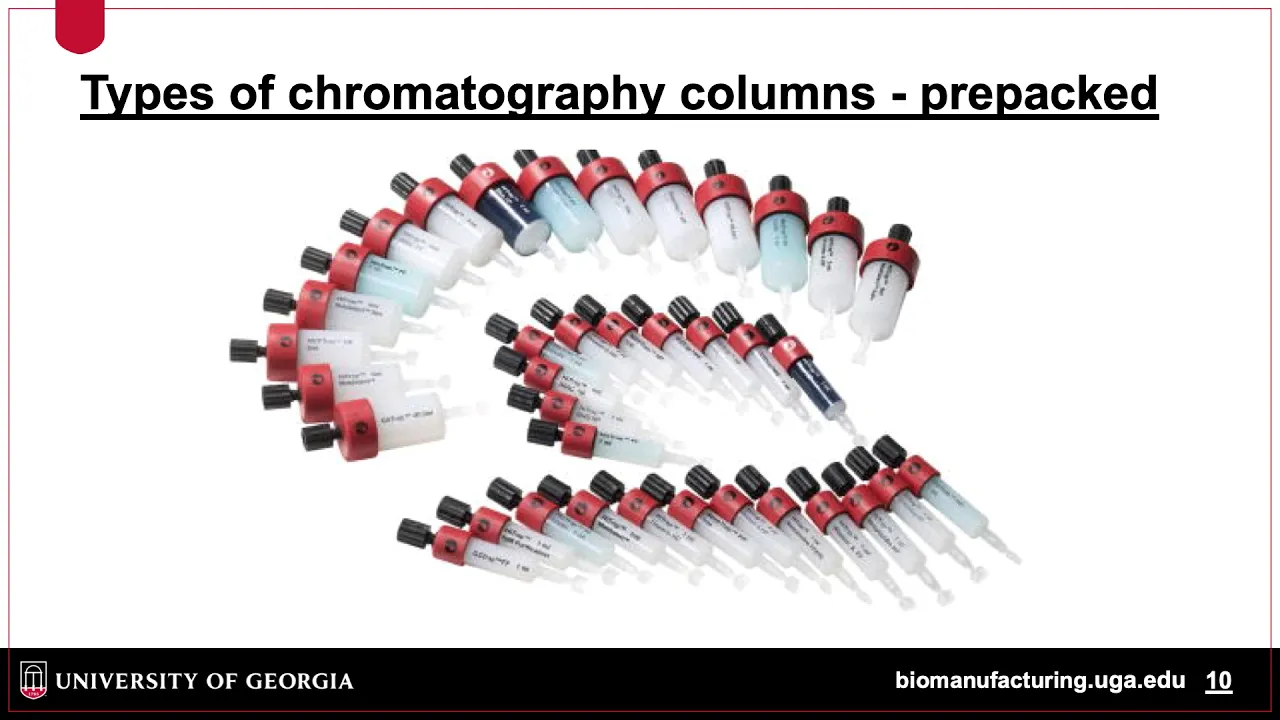
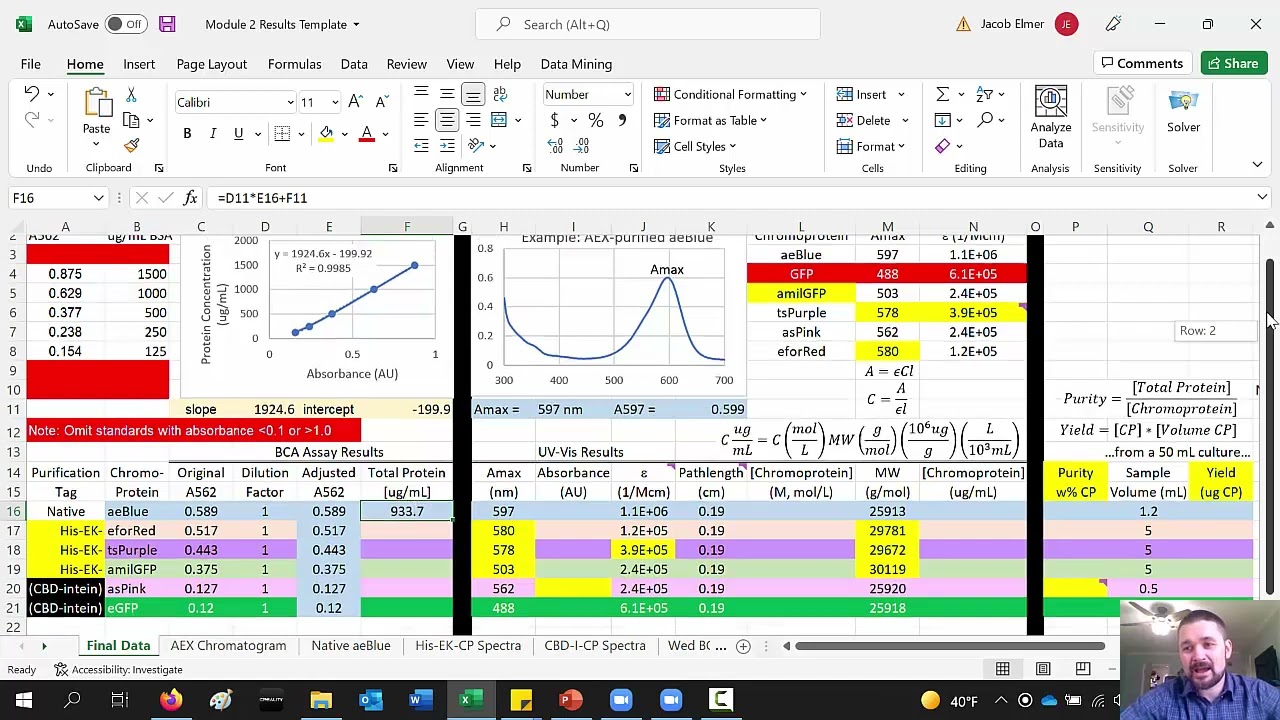


His tag protein purification is a single-step affinity chromatography technique that uses a nickel nitrilotriacetic acid (Ni-NTA) matrix to purify proteins tagged with hexahistidine sequences; the purification workflow involves equilibration, binding (where the tagged protein binds to the nickel matrix through coordinate bonds), washing (to remove non-specific proteins), and elution (using altered pH/ionic strength buffer to release the purified protein), offering advantages of simplicity, sensitivity, specificity, and lower cost compared to other chromatographic methods.
His-Tag Protein Purification: Affinity Chromatography Explained
Added:Basic principles of chromatography, including stationary and mobile phases.
Fundamentals of protein structure, specifically the chemical properties of amino acid side chains (focusing on histidine).
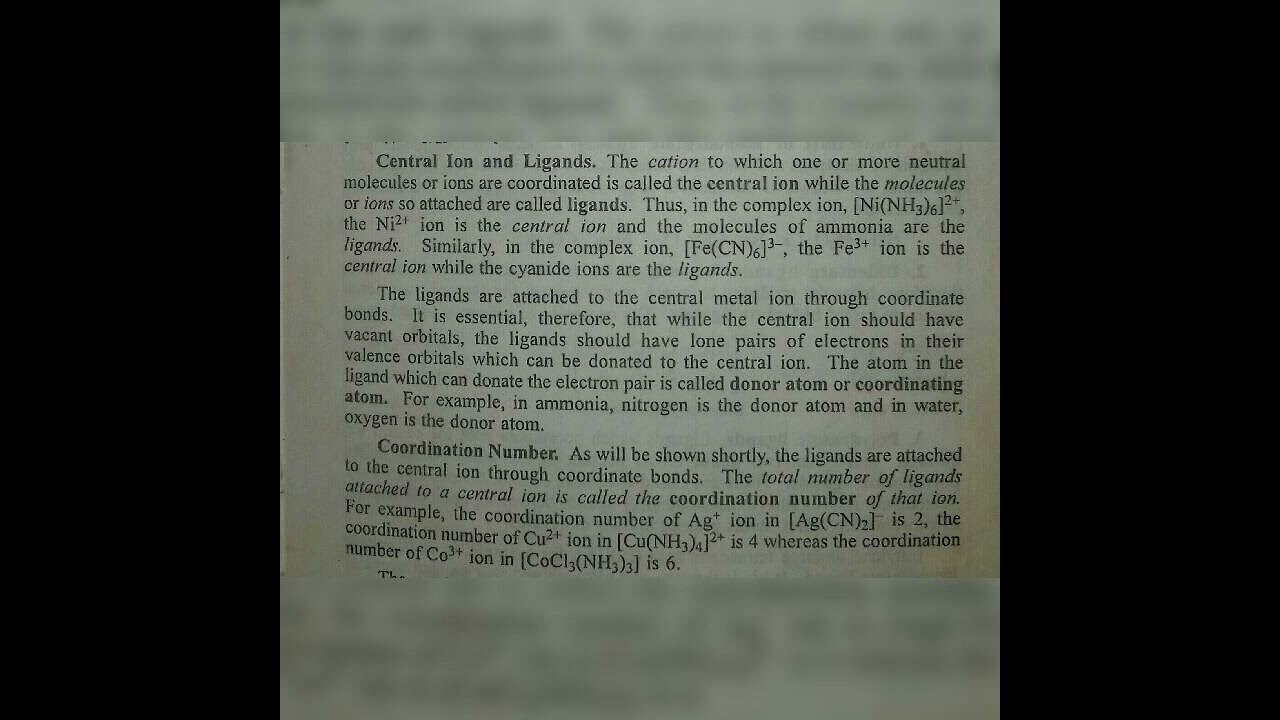
Coordination chemistry, particularly how transition metal ions (like Ni2+ or Co2+) interact with electron-donating ligands.
Recombinant DNA technology and gene expression, including how a fusion tag is genetically added to a target protein.
Strategies for His-tag removal using site-specific proteases (e.g., TEV or Thrombin) to obtain native protein.
Troubleshooting IMAC, including optimizing imidazole concentrations, pH adjustments, and choosing between different metal ions (Ni vs. Co).
Comparative analysis of alternative affinity tags, such as GST-tag, MBP-tag, and FLAG-tag, regarding solubility and purity.
Downstream analytical methods to assess purified protein yield and purity, such as SDS-PAGE, Western blot, and UV-Vis spectroscopy.
54.4K views1Klikes6:34Original Release: 2022-08-18
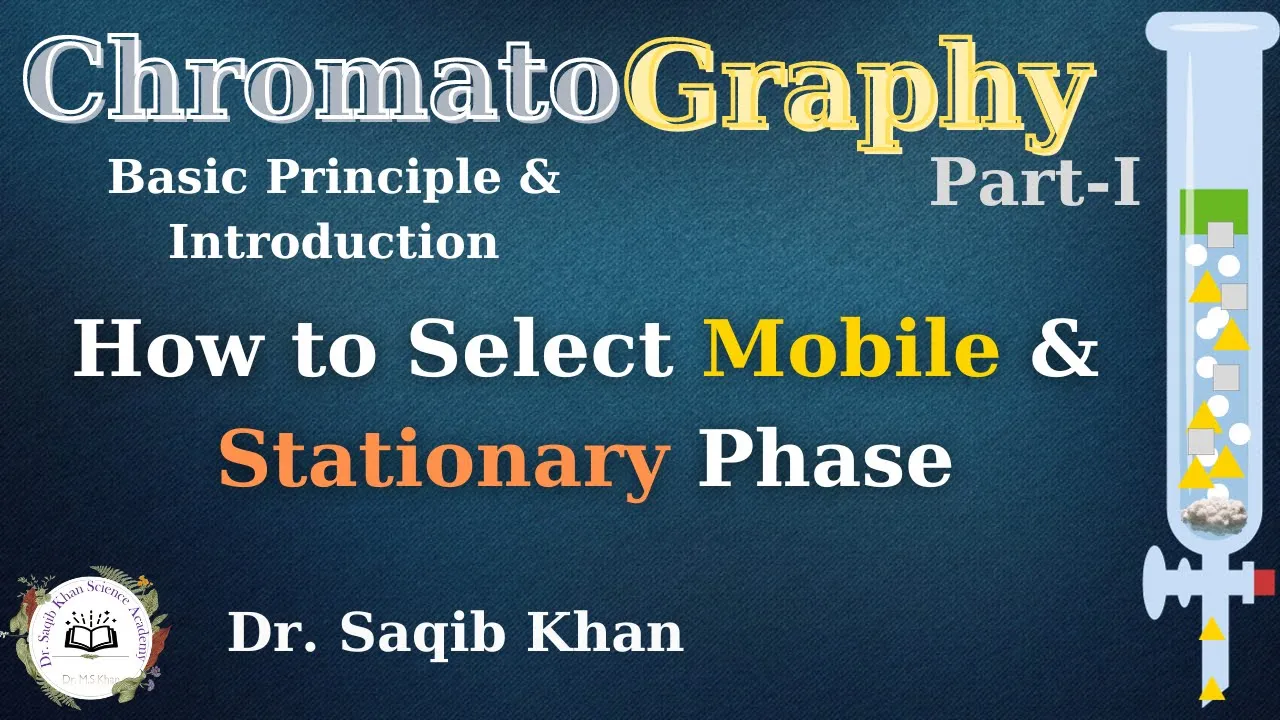
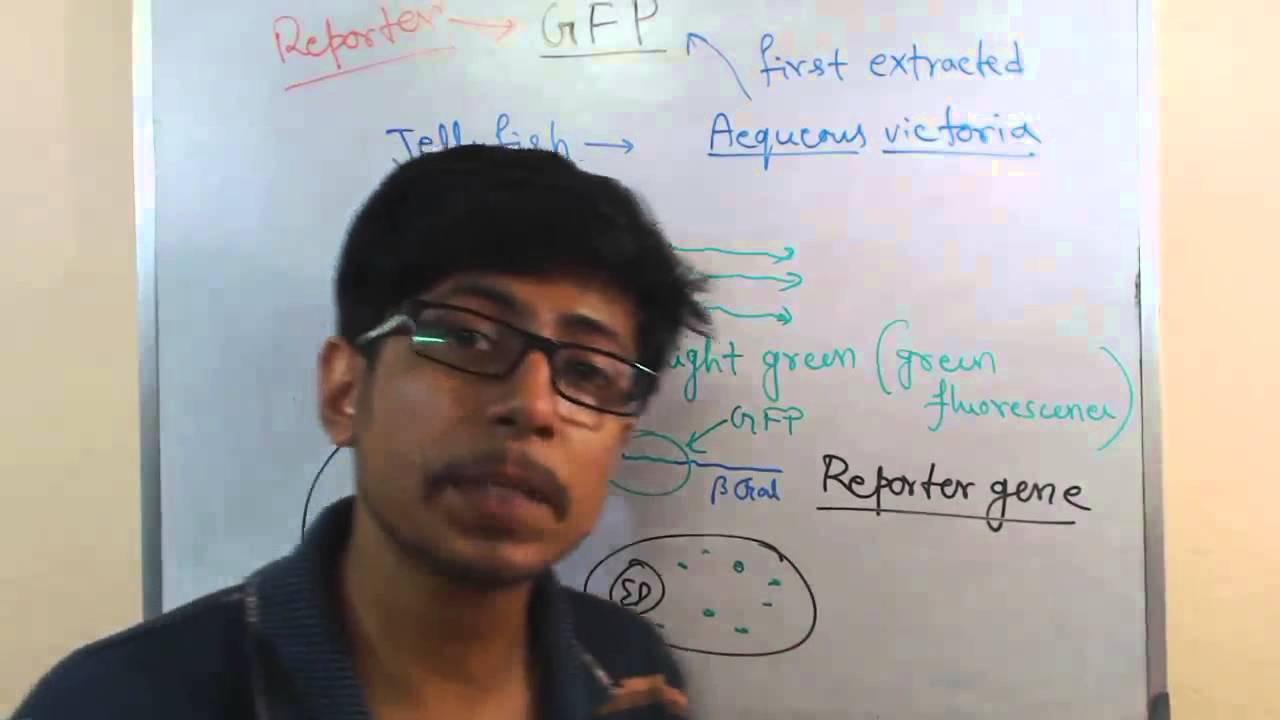
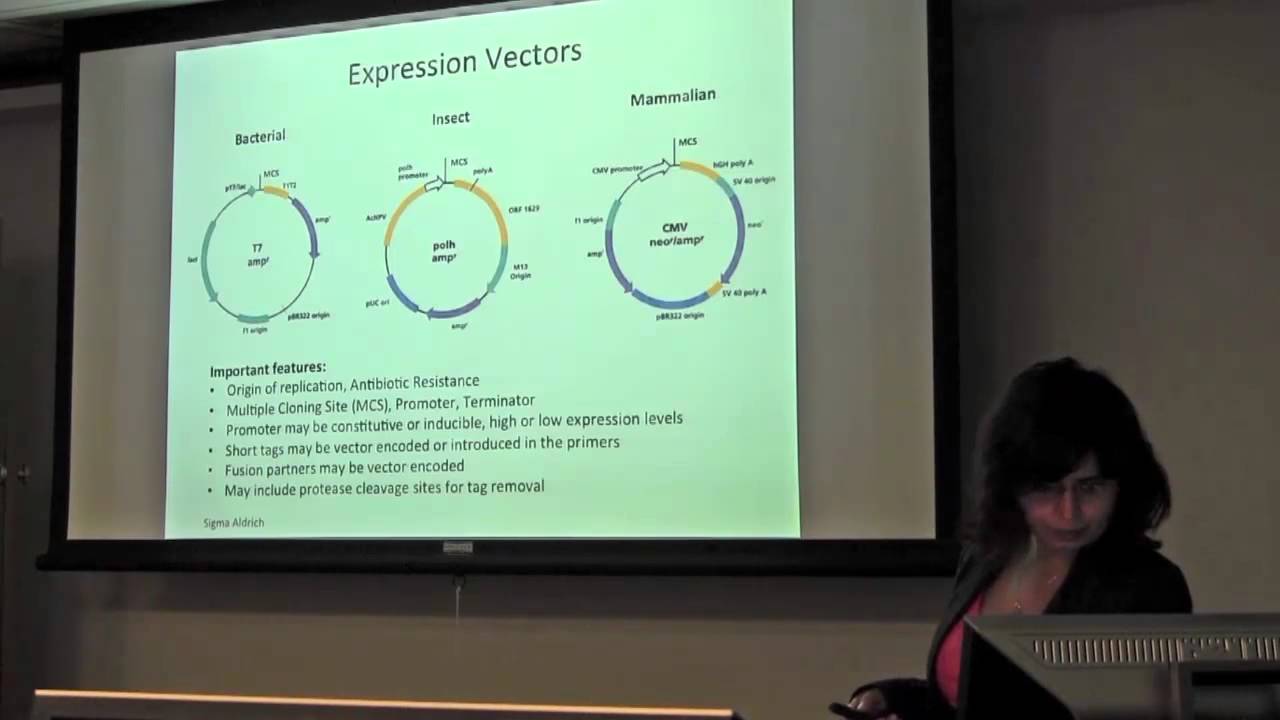
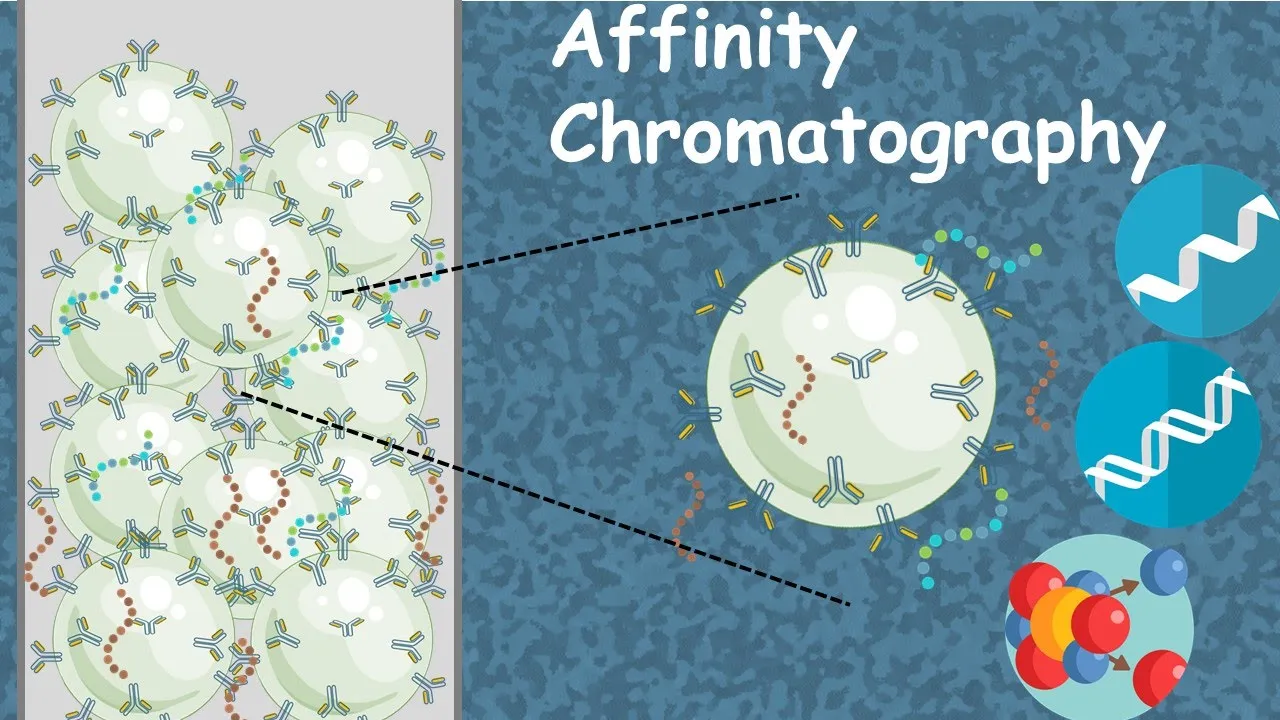
in this video we'll talk about his tag protein purification his tag protein purification is a method by which proteins can be purified by a single step affinity chromatography by using immobilized metal ion chromatography now in this case the affinity is the key principle behind separation in this technique a ni ntm matrix is used a nickel nta matrix is used and the protein is tagged with hexahistidine and there is an interaction between these matrix and this particular histidine tag which is very specific and there are non-covalent interactions like coordinate bonds between these two and that that is how the protein gets attached with this matrix and it's easy to separate so where does the histac come from actually we have to attach this his tag with the protein in order to do so we have to start with an expression vector where we clone our open reading frame and in the n-terminal or the c-terminal of this particular protein one can attach a hexa-histidine tag at the dna level now once this particular vector is introduced into the bacterial culture or let's say mammalian cell which depends on the type of expression vector we are using these expression vector would give rise to the protein inside these cells and ultimately these proteins would be tagged with this hexahistidine so what is the advantage of this kind of tag using this tag we we can understand where is our protein of interest in a mixture of other proteins so we can separate them from a mixture of proteins now like any column chromatography this particular chromatography has a simple workflow so it starts with a equilibration step then a binding step where our protein of interest binds then a wash and a illusion step let us go through these steps in a bit slowly so first step is equilibration where we run our equilibration buffer through the column in this equilibration step the column material gets soaked and equilibrated for a particular ph now the buffer that we have are using it has to be compatible with the protein of interest that we want to purify factors to keep in mind while choosing this buffer are ionic strength and ph so factors such as ionic strains are limited by protein stability so if we change the ionic strength the protein might get denatured and while we are purifying the protein we don't want a denatured protein right we want it in its native state next step is binding here we give the protein or the cell lysate so in this step there are multiple proteins which are present in the lysate but our protein is tagged so it is able to bind to the matrix now protein samples are generally dissolved in specific buffers and loaded into the columns proteins bind to the column via several non-covalent interaction in this case the non-covalent interaction is coordinate bonds once protein have been immobilized in the stationary phase then we have to use wash buffer so the next step is washing washing nco ensures that you don't have any other non specific bound stuff in the column all the non-specific untagged proteins would be washed away in this stage during the stage of washing all the all the weak bonds or non-covalent interactions are broken down and only the specific interactions are retained now last step is illusion in this illusion step we want to collect the protein that is bound in the column so after all the non-specific interactions are removed now we are using a particular buffer which has a altered ph and ionic strength which would loosen up the binding between the matrix and the protein of interest and then it would come down into the tube and we can collect that so now we understand how we can use his tag protein purification to purify our protein of interest from a mixture of protein once we have purified our protein it is important to understand and cross check whether we have uh whether this assay has worked or not in order to do that we can run an sds page and further do a western blot against this particular protein anyway let's talk about the benefits of this purification this is compatible with cell culture media and lysates easy to use and quite sensitive and specific it is cheaper than many other chromatographic technique such as gel filtration chromatography or let's say other kind of hplc techniques anyway there are certain disadvantages but that can be overcome the disadvantage includes this technique often requires optimization to minimize non-specific binding so many of the cases one has to calibrate the ionic strength of the equilibriation buffer or let's say the binding buffer etc so little bit of standardization is required but this technique is really really specific and important you can get many flashcards and notes regarding to these topics in my facebook page you can follow me on instagram and my instagram and facebook handle is provided here links are provided in the description so in my instagram page there is daily mcq you can participate in that and win exciting prizes like these ones anyway this is happening in my second channel so subscribe that you can support my channel using patreon or beam upi app you can also click on the super thanks option on the right hand uh corner of the video you can click on that and pay via net banking paytm paypal or upi all my social media links and handles are provided in the description feel free to connect see you in the next video
Up Next

27:39
His-Tagged Protein Purification: Nickel Column Affinity Chromatography Tutorial
@josephprovost6657
202 views•2022-01-19
178:38
Whole Brain Architecture: First International Workshop 2024
@thewholebrainarchitecturei9784
640 views•2024-07-22

9:49
FastAPI vs Flask vs Django: Choosing the Right Python Web Framework
@TechWithTim
302.5K views•2024-05-26

1:42
Game of Thrones Opening Credits: A Cinematic Analysis
@gameofthrones
46.3M views•2011-04-18
Related Study Plans & Knowledge Roadmaps
Structured learning paths in General & Interdisciplinary Studies
general-studies
Artificial Light: History, Tech & Human Impact
01The Pre-Electric Era: Fire, Oil, and Gas Lighting
02The Incandescent Revolution and Grid Electrification
03Gas Discharge and Fluorescent Illumination
+ 3 more learning modules
14h6 modules
Explore Roadmap
general-studies
Elevator Engineering: History, Physics & Cities
01From Hoists to Safety Brakes: The Dawn of Vertical Lift
02Hydraulic vs. Traction: The Engineering Physics of Elevators
03Modern Speed, Safety, and Algorithms
+ 2 more learning modules
12h5 modules
Explore Roadmap
general-studies
Rubber: Material Science, History & Geopolitics
01Origins of Natural Rubber & Mesoamerican History
02The Chemistry of Natural Rubber & Vulcanization
03The Geopolitics of the Rubber Boom & Colonization
+ 2 more learning modules
12h5 modules
Explore Roadmap
general-studies
Containerization: Evolution, Logistics & Trade
01Ancient Trade & Bulk Cargo: Amphorae to Barrels
02The Industrial Revolution & Cardboard Packaging
03The Containerization Revolution: Malcom McLean
+ 2 more learning modules
12h5 modules
Explore Roadmap