
















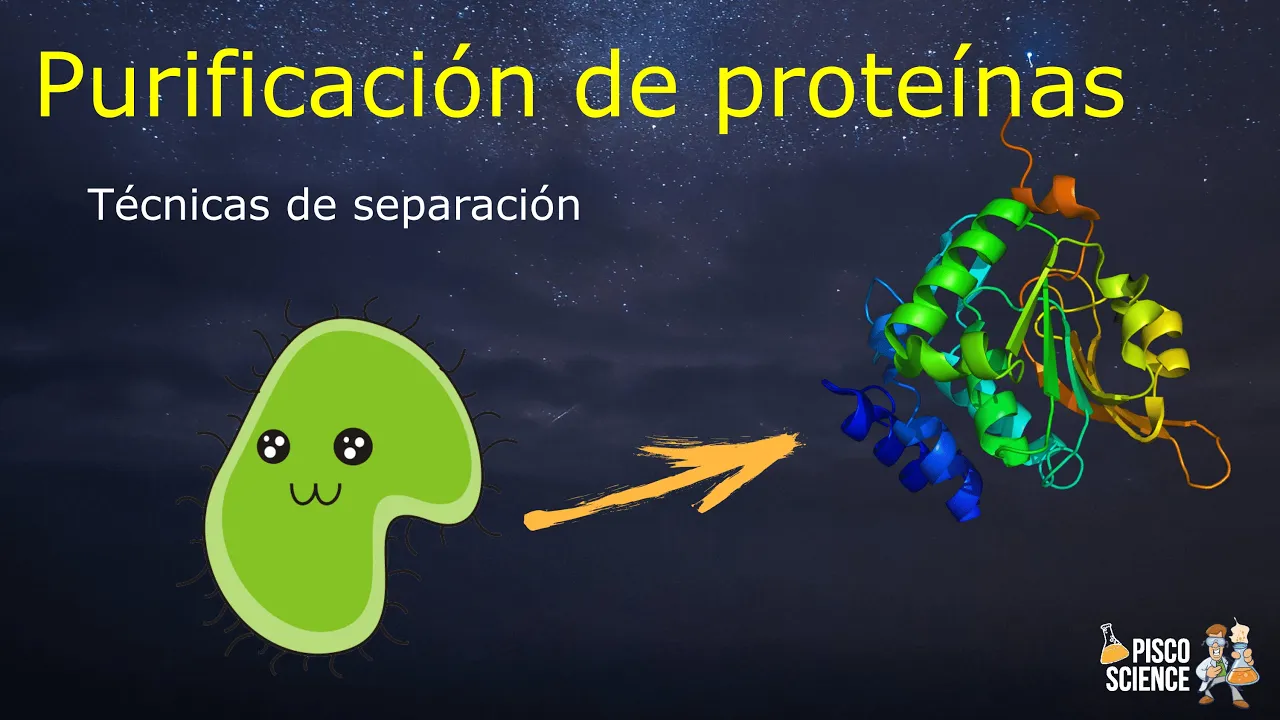


His-tag affinity chromatography is a widely used method for purifying recombinant proteins by exploiting the high-affinity interaction between histidine residues on a protein tag and nickel ions immobilized on resin or beads; the purification process involves loading clarified lysate onto a nickel column, washing away non-specifically bound proteins with increasing salt and imidazole concentrations, and eluting the target protein using high imidazole concentrations that compete with histidine binding, followed by dialysis to remove imidazole and proper storage with stabilizing agents like glycerol to prevent protein aggregation.
His-Tagged Protein Purification: Nickel Column Affinity Chromatography Tutorial
Added:Understanding of recombinant DNA technology, specifically how protein expression vectors (plasmids) are designed to include affinity tags like polyhistidine.
Fundamental knowledge of amino acid chemistry, particularly the structure and chemical properties of histidine and its imidazole ring.
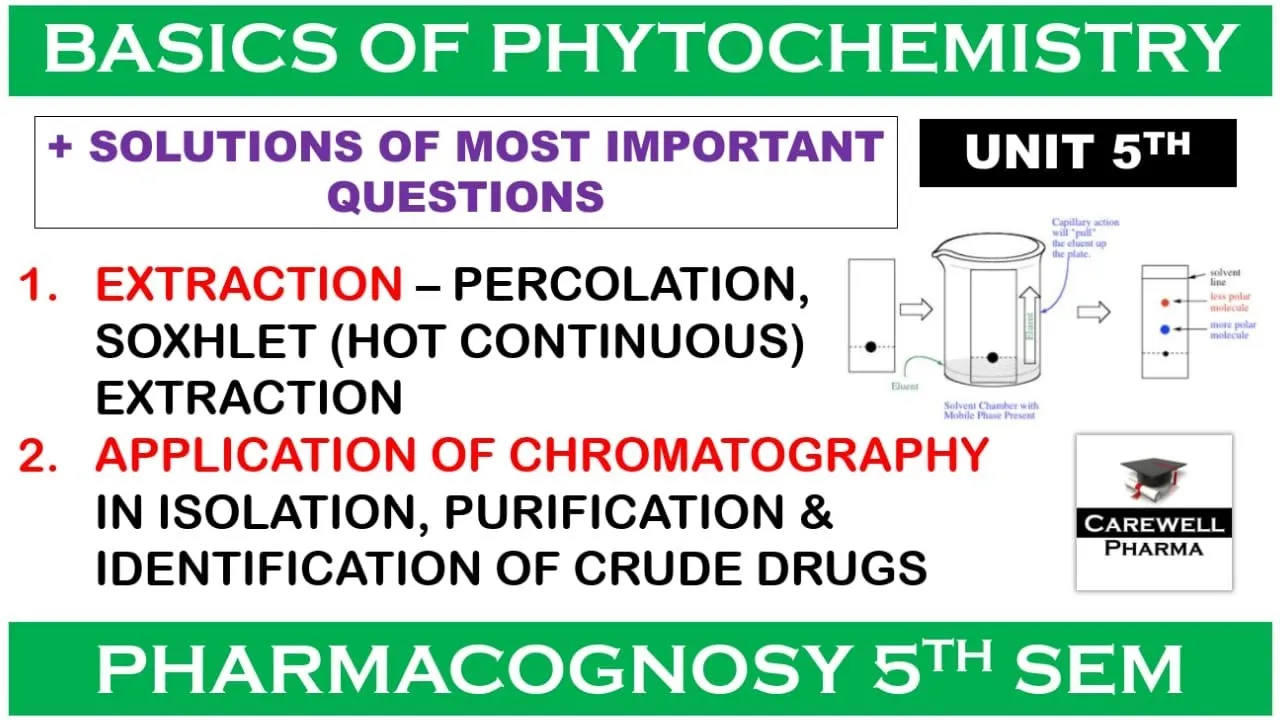
Basic principles of chromatography, including the concepts of stationary phase, mobile phase, partition, and elution.
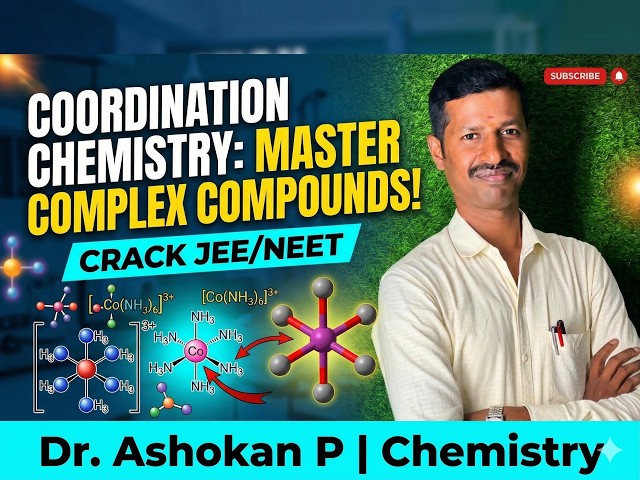
Introduction to coordination chemistry, specifically how transition metal ions (such as nickel) chelate with electron-donating groups.
Optimization strategies for Immobilized Metal Affinity Chromatography (IMAC), such as varying imidazole concentrations in wash and elution buffers to maximize purity.
Methods for enzymatic cleavage of the polyhistidine tag using specific proteases (e.g., TEV or Thrombin) for downstream functional assays.
Post-purification analysis techniques to assess protein yield and purity, including SDS-PAGE, Western Blotting, and UV spectrophotometry.
Advanced multi-step purification workflows combining IMAC with Size Exclusion Chromatography (SEC) or Ion Exchange Chromatography (IEX) for high-purity applications.
202 views0likes27:39Original Release: 2022-01-19
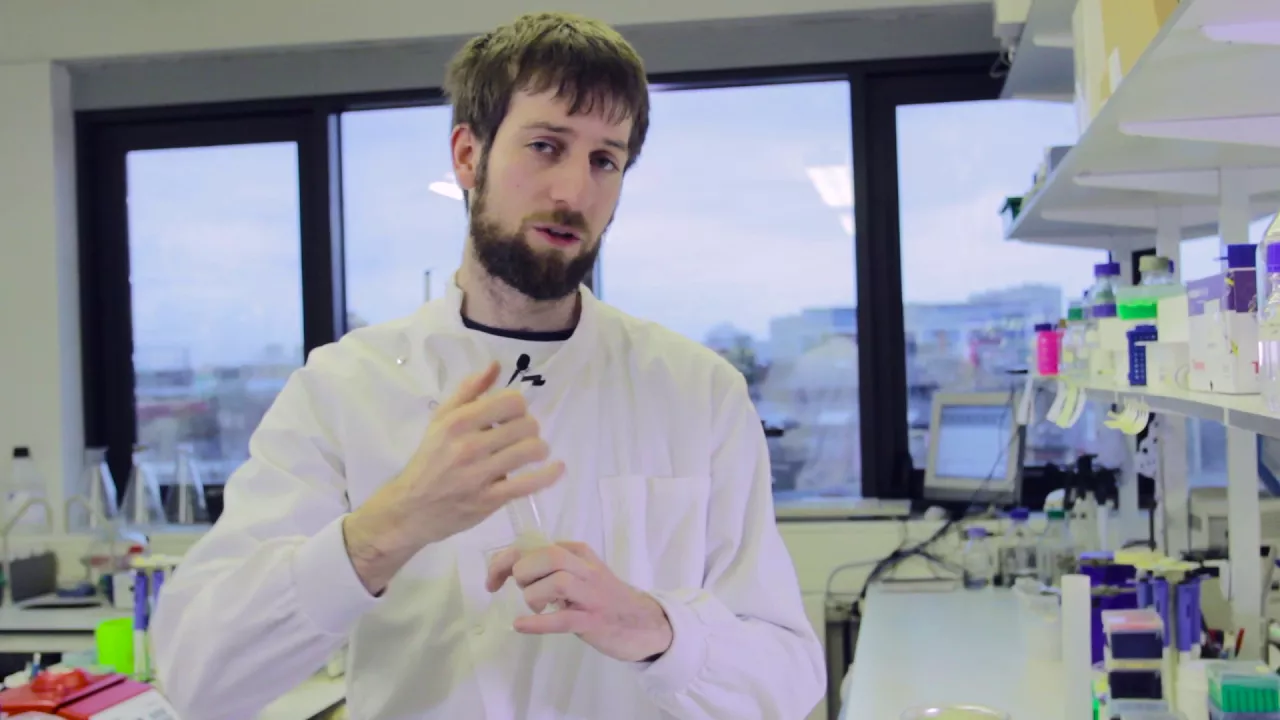
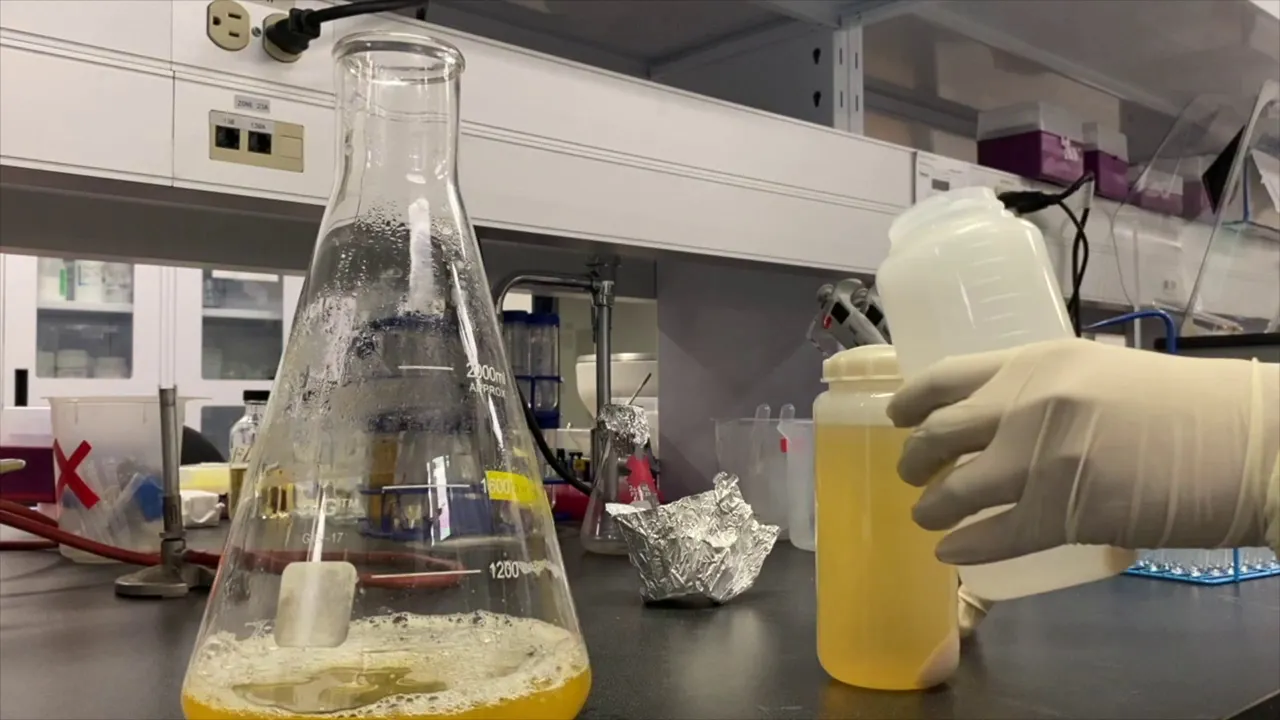
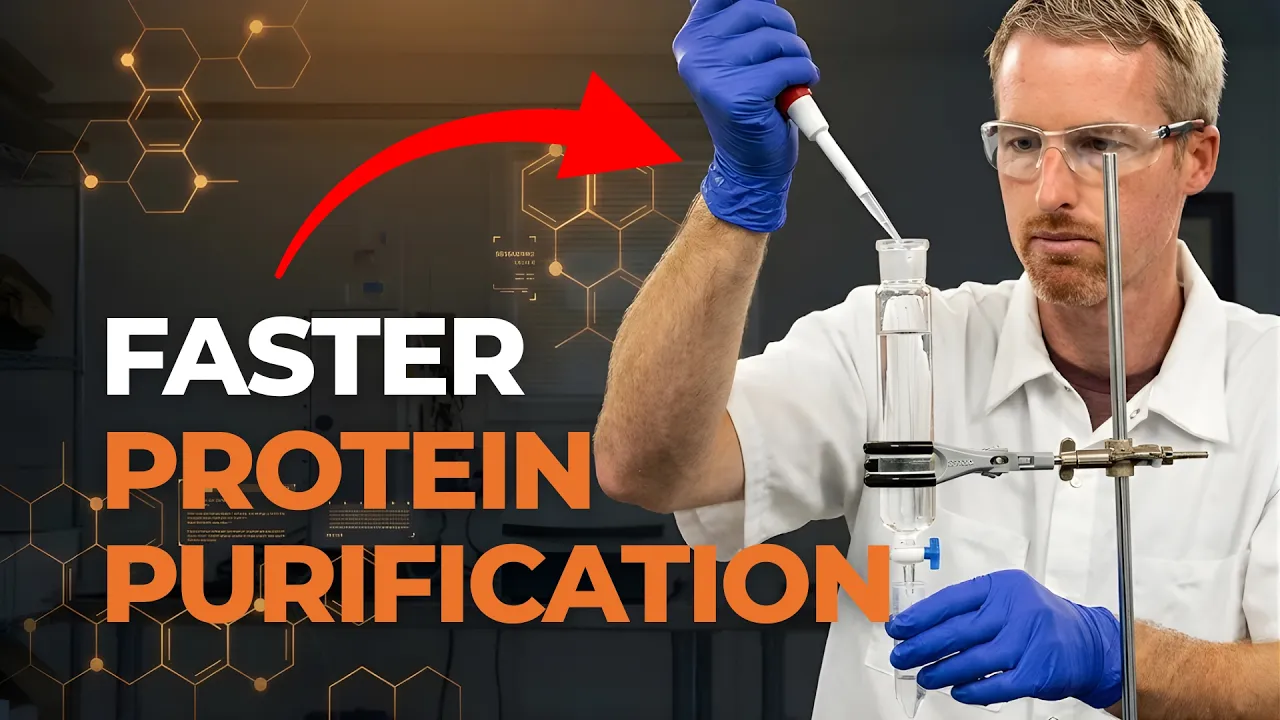
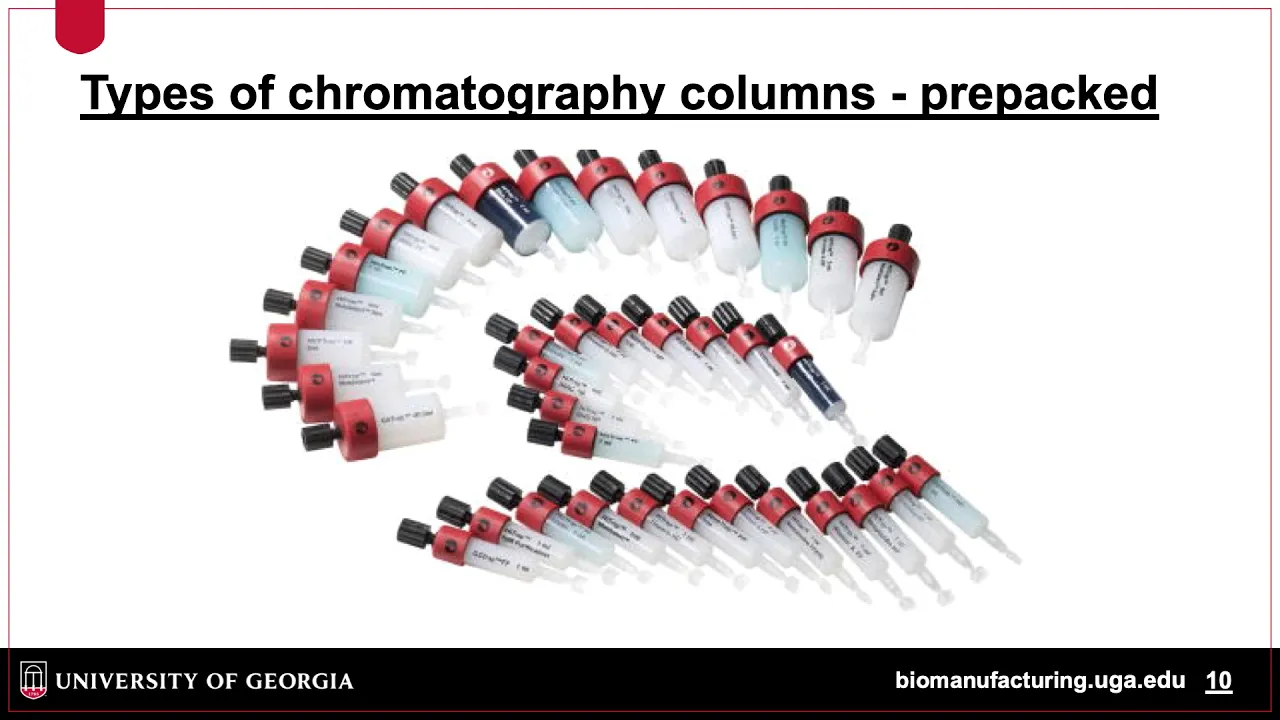
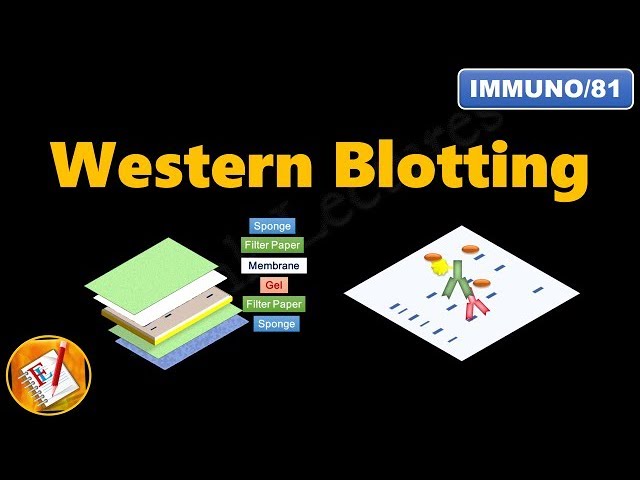
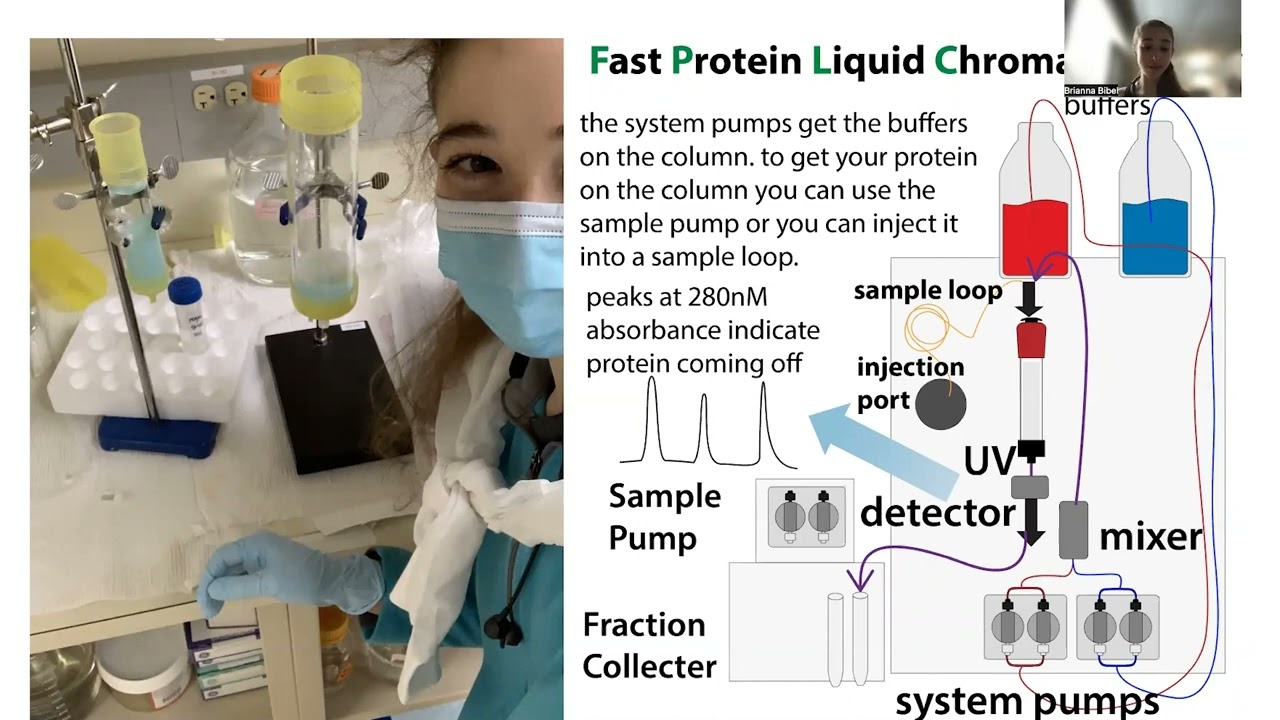
hello and welcome to part three of recombinant protein expression and purification focusing on his tag affinity uh protein purification so now we'll get to the nitty gritty we've talked about expression we've talked about cell strains we've talked about how to culture the cells break the cells lysosome and centrifuge them now we have a nice clear lysate time to apply that to the column so you can get a nice purification select the samples and fractions that are going to retain the bulk of our peak run on a gel and characterize to show that we have what we think we have and see how pure it actually is so the oops excuse me so the basic purification steps are um af for step the basic purification modes you can use with grady interest pollution we'll be using a step illusion meaning we're going to add one solution then change it to another we're not going to have a gradient shift between one and another you can purify these are batch and there's a great protocol on the mcc website already that talks about batch centrifugation uh where you take the beads mix them with the lysates let them rock back and forth while spin down the beads or just let them settle and pull what is left behind on that supernate the idea is that the hysteric proteins will be bound to the beads at the bottom of the tube some folks will actually have magnetic beads so beads with a bit of iron or something in them hold a magnet up against the tube the beads go to the side you can literally pour it out or pipe that out your solution your proteins on those beads you can centrifuge these down here's a gravity column chromatography or or liquid chromatography and if your fancy have a nice lab you can maybe you do a fast um performance liquid chromatography or fplc the idea is you're gonna take your unclarified lysine you're gonna mix it up with the beads you're gonna spin down or use a magnet to get the beads and take the supernate away your proteins will be here mix them up add something to like imidazole to remove the the or decrease the affinity between or compete with the histidines binding to the nickel beads take that solution away and off you go so what are some of the key issues when thinking about protein purification one that clarification that we've talked about in the last video if it's at all cloudy or if there's viscosity from um large large batches with dna you're going to get a column that is just going to be gummed up and really slow and you're going to be upset with how long it takes to flow through especially when you see your neighbor they had clear samples they didn't have cloudy particular non-viscous it's flowing nicely they're going to be done and gone this supper before you even get a chance to see what new netflix are out there so you got to make sure things are clear clear loading washing and looting there's all sorts of key issues there um in terms of how you spin up or disturb the beads as you're doing these steps we'll talk about those in a video uh you want a column that's wide enough and long enough to get a good flow and have a good surface area on the top but not so wide that everything flows through too quickly um you want to keep be careful how much protein you're loading on there a good chromatographic uh scientist or separation specialist will talk about how you want about the top 10 20 of the the column to bind to your protein and have the rest of this column uh left for just separation as you're going through the the each of the wash and aleutian steps in the protocol it talks about how much culture how much protein you expect in the size column for that we'll hit that here as well we'll show you in the protocol where you want a certain amount of salt in your various washes and illusions to reduce the non-specific interaction um some proteins will still bind to nickel because they have amino acids or structures that bind in the middle they have histidines too they may bind um maybe less tightly or less specifically so use a little bit of imidazole to block that um in some cases you may need to actually not use nickel but use a different metal so there's the histidines the six or so histidines will bind and wrap around and then ligate on two metals pretty nicely it's a metazoa ring of the histidine side group right and so nickels often used because it's got a pretty good um affinity but other proteins are bind so there's other you know specificity is good but it's not great you use zinc or cobalt you get really good specific interaction very few proteins that all will bind to cobalt um imola oblies to column or resin beads but the affinity is really low so you have to have a lot of resin and and even then a histag protein doesn't bind terribly well um but it does work if you have lots of contaminating um components in whatever system you're working with all right the rule of thumb is when you're washing a a column off that the best rule of thumb is 10 column volumes so if you have a 10 ml column one column volume is 10 ml and so after you put on your load you want to wash with 10 times that column volume if it's 10 ml column that's a hundred mils of whatever wash or or buffers you're using uh depending upon the size column this can get pretty large so you can maybe get down to five six seven eight uh but the more you wash the better off you are we'll show you a trick to measure proteins coming off to know when you can actually switch over and then storage when you're done purifying it gets too concentrated some of these proteins especially some of the mdhs will crash out you got to pay attention to that dialyze get rid of the immune result and don't freeze we'll talk about all of that a very very simple good rule of thumb is if you're doing a liter expression to a two liter expression you need 20 25 mil column if you're doing a hundred twenty two hundred fifty mil need about a two to five mil column will take care of uh most of these expressers you may need a little bit bigger column if you go back to the first video we showed we had a whole table of high expressors and low expressors you can actually look up the binding capacity for these beads and make your estimate on the size column you need so we're talking about a nickel agarose or nickel deck strand or some sort of a bead or resin that has a spacer uh and then a way for that that bead to hold on to nickel all right um there's different ways of doing this you can load the column you can allow beads to settle in a batch mode uh rock it for a while let them settle and then pull off the non-binding portion of it a lot of times we include a small amount of imidazole to reduce weak binding some folks will include that right away while binding some will increase the nickel in a subsequent wash space so they let everything bind and then get rid of the weeks weak binders with a little bit of vitamins and a higher amount of salt again you want to get rid of the poorly bound proteins versus the nickel proteins but remember this is equilibria the more you wash the more likely some of that nickel uh histidine protein is going to be bound to the column and it's it's an equilibrium to be bound and free if you wash too much you can actually wash off the nickel because it's going to be bound and off bound enough that's why you want a taller column where you're only binding about the top ten percent so you can do a a more uh rigorous wash and still maintain the histidine tag protein to the column you wash too long you can even strip off those proteins again it's bound and free in equilibria and there's always a little bit of free and if it's free it's coming off if you keep washing it right and then uh eluding eluding means removing whatever is bound to the beads your his tag protein and it's done by using imidazole imidazole is the side group of histidine uh and it competes then this free imidazole high concentration competes with the histidines bound to the nickel and these proteins bind and on in equilibria then the imidazole can compete with and and tie up the nickel causing the the histag protein to come out of the column or elite once you're done with that then you need to look at the protein concentration of your samples make sure if you're doing an enzyme like mdh you want to make sure it's active so you measure its enzymatic activity maybe you want to look at kmv max or specific activity to show that it is what you have if you have mutants then you do those kind of experiments um you do a sds page to look at the purity so here we have a simple gel on an image that we borrowed from kaiogen you see here in the load you have all sorts of proteins including the one we've expressed um as you wash it through there was a little bit of leaking of our protein and then here is in our illusion we have the protein that we're looking for and a couple of other proteins these might be proteins that would tightly bound this or chaperone proteins or these proteins could have bound to the nickel by itself so this is still a pretty clean sample if you were to look at the total um if you if you were to actually measure all these proteins out or or scan this and and then look at um quantitatively how much proteins in each band you're 80 90 peer so maybe you need to run a second column in this case but then you do this period do you run an ses page delta look at the purity and then you can use the molecular markers that you have here compared against the amount of migration through this gel you can create a standard curve where you look at the rf factor here and this rf and then estimate its molecular weight so you make sure not just that the biggest band you're looking for but it's the right molecular weight so what is the basic uh approach for this so here is a nice uh five mil column for a 100 200 mil culture of mdh all right you see the nickel column with the right color here nice kind of a blue greenish we have a stop down here and a and a tube ready to collect in our samples so you want to prepare for about a liter culture 20 25 mils of beads you take 50 mils of a 50 slurry put it in a column and wash things through i always like to start with eluding at the or using an aleutian buffer so high amount of midazole in case the person that used these beads before you had left some some protein on there you want to make sure everything's washed up that can be washed up and then you want to wash up with plenty of what we call binding buffers so lower amounts of midazole a little bit more amount of salt something that really helps the mdh histag proteins bind to these nickel beads if you're going to go through and run a gel when you're done with this make sure you save some of that lysate before you put it on the column use a little bit of that clarified lysate you can either freeze it or you can add some sds page sample buffer to that and then store it later on so there's batch binding batch binding um is when you take uh you would take your beads you would put your lace it on there cap it off and then rock it let it sit straight up otherwise you can just flow it straight through the entire time which is what i'll show you here in the column binding format so let's talk about the column purification so here we have the binding buffer and we use this in our mdh as a lysis buffer as well when releasing the cells that's when we add some of the vapor capped ethanol and pmsf so our basic um lysis and binding solution we'll have 50 millimolar tryst at about ph eight uh a small amount of midazola one millimolar imidazole 100 millimolar sodium chloride and point one millimolar edta and for doing lysis in your binding you want to include pmsf once pmsf uh is goes from the alcohol um stock into the water it that that pms will also then um react with the oxygen uh as well as the oh and the serine uh in the proteases so it's got a very short half-life of about half an hour to an hour so you add it fresh and then use it immediately we look at the wash buffer we see again the 50 millimolar tris at ph 8 but now we've cranked up both the sodium chloride and the imidazole again pmsf but in reality if you're tight on a budget you can stop using pmsf at these two steps because you've washed away and inhibited all the proteases that might still be around use higher amounts of sodium chloride and imidazole to block off or to wash off weak and non-specific bone proteins to the nickel beads and then when it comes time to elude we use the elution buffer where we drop down the sodium chloride so that way that's not a problem later on but more importantly we have about 300 millimolar imidazole which is more than enough to elute any his-tag protein from a nickel-bound column one other thing is how do you know how far you wash when you take your lysate and wash it through i'll show you in the video you take a little bit of um um about a half a mil or so of 1x bradford or bio-rad protein acid solution and add a couple drops 20 drops or 20 microliters or so of what's coming through the column if it turns blue you got lots of protein when it stops turning blue you can switch over to the next column you'll see that in this video and here's a whole fraction elution from one of these smaller columns so i'm going to slowly add try to minimize the disturbing of the bead bed i got some of that on there i will open up and allow the light state to start flowing through very carefully again without disturbing the the beads on the top of the bed continue adding the lysi and we'll let this flow until the meniscus just reaches into the top of the beads all right so after about half or less of the column volume has started flowing through the protein that doesn't bind should have already be start to elute to test this we're going to take a half a ml of bradford protein reagent and put one or two drops of the elliot into that one a very slow flow rate today you can see how blue it is in fact if i put this against this tube this was control so adjust the buffer two drops of buffer here's two drops of protein we have a lot of non-binding protein coming through there now so i'm gonna slip all right so it's important um when you're adding the various um wash and dilution buffers not to pick up a lot of the beads you'll dilute this is mostly important when you're doing the illusion but certainly where you're doing the washes because what you're doing is you're any any of the proteins that are bound to the columns especially in the lotion will then come um be mixed up into that total volume have on top of the beads um and you're really then diluting out your sample and you're gonna have a hard time getting a nice tight gaussian curve as the proteins are coming off of your column let's watch a little bit more here now that we've washed the non-specific protein off with the binding and wash buffers we've put some emitters all containing pollution buffer and we're starting to collect one ml fractions one thing that i like to do is when i first add the elution buffer is i i run about a mil or two into that column of this imidazole containing elution buffer and i stop the column and i'm kind of what's called a pulsing this now allowing the imidazole to really loosen up if you will or com the emitters only compete with the hysteric binding proteins so that they come off in a tight band as you go through and let's see if we have protein now eluding off we've had about five six mils come through two drops back into the fraction tube the new one and you can see lots of blue got a lot of protein coming off now so we're in frac this fraction right here this fraction had a little bit of blue this one had a little bit more this one's quite a bit blue so we'll keep going until we're back down to the point where we don't see protein showing up in our bradford reagent all right so this was the 100 ml culture volume don't run on a five mil sample i'm collecting one and a half uh or a little bit more fractions along the mill fractions along the way if you're going to run a 500 one liter column you're going to want to run 15 20 ml fractions is suresec don't want to run um uh fractions of one and a half mils because you'll be doing hundreds of them at that point so you gotta have bigger fractions to save with the bigger columns you run if you're not sure ask your instructor on the protocol handout it gives a guide for how big the fraction should be so which ones do you say well there's lots of protein here so these are pure proteins eluded from there right so there's this is the first um after you started putting the illusion through here's that first fraction here's the second fraction third fraction fourth fraction there is a sum blue here but if i collect these three or maybe even just these two i won't get the full yield but i'll have the highest concentration and if you have a small low concentration by collecting more samples but you want a higher concentration you have to make this choice they're all going to be about the same purity some people will take this and there's pool them and then then process them other folks will run a sample of the samples and run them on a jail and then decide there's all sorts of ways to do this but here's an important fact notice i had bradford in these samples or in separate samples over here these were empty tubes never never never loot directly into your bradford containing tubes bradford dye and the phosphoric acid and other reagents will will denature and kill your sample you've just wasted your entire time so which fraction should you save the top darkest blue you're going for you're going for concentration versus yield well that we want all right so now that you've purified this like i said uh you can run the lysate you can run the various uh fractions of this thing the the lysate the pellet to supinate you can watch the flow through uh here's protein that didn't bind and came through and here's your illusion so you run a gel look for the right molecular weight look at the purity um you want to do an enzyme acid you certainly want to do a protein um assay of this perhaps in in biochem lab we're going to do a western blot so we can know that just because this is the biggest band doesn't mean it's your protein it could be contaminating this could be your protein and protein underneath this could be your protein it depends on the size but if you really want to know if this is my protein or this is my protein you conduct a western blot you analyze your sample by western blot and then compare where the band is with that band and you can really get a good characterization there's a couple tricks i think it's important for folks when they're doing purifications some of these proteins are happy being concentrated watermelon mdh can be 3 4 migs per ml um and stays in solution for a long time other proteins and some of the mdh proteins when you get above a mig per ml uh even overnight they'll start aggregating and crashing on a solution they'll start partially denaturing once they aggregate and that's really frustrating to go through this entire process come back the next day when you thought you had 10 15 mls of purified protein and you see cloudy precipitated proteins it's it's a very sad day so sometimes what i like to do is to prevent that aggregation before i leave for the night before i dialyze before i just put it in my solution in the in the cold room or at the at the um on ice i will do a little simple plate assay i might not even have to do the calculations but i'll take a standard set of bsa uh from zero up to you know a mig and a half mil of bsa and then i'll take my samples as i purify them and pool them and then i'll look at that and look at this sample here so about the same color of blue absorbance as this one if this was one mig per ml this was half mg per mil all right so i'm not above a mg per ml i'm not going to worry about it if my sample the same volume that i added bsa to um the bradford here was as dark blue or darker than this i probably dilute it out with dilution volume or binding buffer to decrease the concentration so i won't get that crash out to happen if you've got time and energy then what you're going to want to do is dialyze you're going to take your purified sample your collected tubes your your fractions all put together and you're going to put them in um you know dialysis tubing this dialysis tubing is is and got us a as porous and it's designed with a certain molecular weight cut off uh 500 a thousand ten thousand twenty thousand even thirty thousand molecular weight cut off i mean everything smaller than that molecular weight cut off can easily go back and forth or through diffusion and osmosis even the concentration out so if you use a a protein like mdh that's 32 37 kilodaltons using a 10 000 kilodalton or 5 000.
that 5000 kilodalton cutoff that means the mdh won't go in and out but the imidazole the sodium chloride tris or whatever else you're looking at will then equilibrate between what's inside the dialysis tubing and the dialysate that you've prepared so at equilibria which can take a few hours so oftentimes we just leave this overnight and then change and do a second one think of this as cbcv if we started at 300 millimolar sodium or imidazole and maybe this was 10 mils and if this was in a liter that means that equilibria that imidazole is no longer in this 10 mil fraction it's in the one liter pressure 10 mils of initial sample equal equilibrated to equal concentration throughout so then you've got 300 times 100 divided by 1100 for your new midazole concentration if that gives you a low enough number that you're comfortable with i like to get less than point one millimolar edta before i'm done then remove the media replace it with fresh cold media let it sit for four or six hours or another overnight to get all the imitazole out midazole takes a long time um and lots of washes to really get rid of the imidazole never freeze certainly don't freeze with the miso and don't freeze the sample until you've added glycerol or other additives for stable storage look to your instructor for what needs to be done or that work with your instructor uh he or she will take care of making sure you add the the appropriate things sure is that don't freeze your your purified samples without these additions because it will when you thought up it'll be dead all precipitated out a couple of examples if we tested all sorts of different additives glycerol ammonium sulfate sodium chloride with vader mechanical ethanol trellos glycine you name it watermelon was pretty good at four degrees so that's at the fridge temperature for a long period of time with all of these watermelon or human mdh stayed by itself actually started falling out of solution after 10 15 20 30 days uh with glycerol and a couple other additions it stayed in solution we did the same kind of studies when you freeze and saw them back out and again we have a stable mixture of beta me or sodium chloride and some glycerol it works for freeze-thaw versus staying at four degrees so the last thing you might want to do is process your mdh so if you're just going to do some really cool kinetics or specific activities and make some different mutants and then compare the kinetics or the regulation of this you can leave that histidine tag on there that that's going to be fine if you're going to do a crystal structure some folks leave the histidine tag off a lot of people want to take it off but maybe you're looking at protein protein interactions or doing some other kind of protein based experiments with it maybe you want to remove that histidine tag on one or more of your proteins well that's okay we've engineered our mdhs in in this case here's our mdh1 with what it says plus tev which means that here's our mdh we have a series of additional amino acids that we coded in the gene for this and then the histidine tag this the the amino acids you see listed here are a target for a protease called tev protease so tev is this protease it'll bind to um excuse me one or two amino acids away from the end of our mdh cleaving off the his tag from our mdh so temp protease again tev is a protease uh it's comes from a tobacco etch virus thus the tev or tau it's a cystine specific virus and it likes to cleave at a very specific sequence that you see here and actually that's not the right sequence here's the correct sequence for the tab sequence and i'll clean clean between this on glaze glazing and um glutamine the idea of this is a lot of the test proteases are also hysteric so if you take your purified mdh get rid of the imidazole add to produce it'll cleave get rid of your hestag and the tab protease itself as a his tag so you take this whole solution and wash it through another nickel column the tab protease will be washed away as well with your his tag and any uncut mdh or cs so you can now have unlabeled uh tev free protease free proteins ready to go all right so now we've seen expression culture purification and some of the things we do after we've done the purification i hope this helps your experiments good luck
Up Next

9:05
Differential Scanning Fluorimetry: A Guide to Protein Stability
@thebumblingbiochemist
516 views•2026-01-27
178:38
Whole Brain Architecture: First International Workshop 2024
@thewholebrainarchitecturei9784
640 views•2024-07-22

9:49
FastAPI vs Flask vs Django: Choosing the Right Python Web Framework
@TechWithTim
302.5K views•2024-05-26

1:42
Game of Thrones Opening Credits: A Cinematic Analysis
@gameofthrones
46.3M views•2011-04-18
Related Study Plans & Knowledge Roadmaps
Structured learning paths in General & Interdisciplinary Studies
general-studies
Artificial Light: History, Tech & Human Impact
01The Pre-Electric Era: Fire, Oil, and Gas Lighting
02The Incandescent Revolution and Grid Electrification
03Gas Discharge and Fluorescent Illumination
+ 3 more learning modules
14h6 modules
Explore Roadmap
general-studies
Elevator Engineering: History, Physics & Cities
01From Hoists to Safety Brakes: The Dawn of Vertical Lift
02Hydraulic vs. Traction: The Engineering Physics of Elevators
03Modern Speed, Safety, and Algorithms
+ 2 more learning modules
12h5 modules
Explore Roadmap
general-studies
Rubber: Material Science, History & Geopolitics
01Origins of Natural Rubber & Mesoamerican History
02The Chemistry of Natural Rubber & Vulcanization
03The Geopolitics of the Rubber Boom & Colonization
+ 2 more learning modules
12h5 modules
Explore Roadmap
general-studies
Containerization: Evolution, Logistics & Trade
01Ancient Trade & Bulk Cargo: Amphorae to Barrels
02The Industrial Revolution & Cardboard Packaging
03The Containerization Revolution: Malcom McLean
+ 2 more learning modules
12h5 modules
Explore Roadmap