










![[TUT'our du Monde] - Pharmachine - Ep 3 : Opérations pharmaceutiques 2](https://i.ytimg.com/vi/_6CzOd29CL4/maxresdefault.jpg)











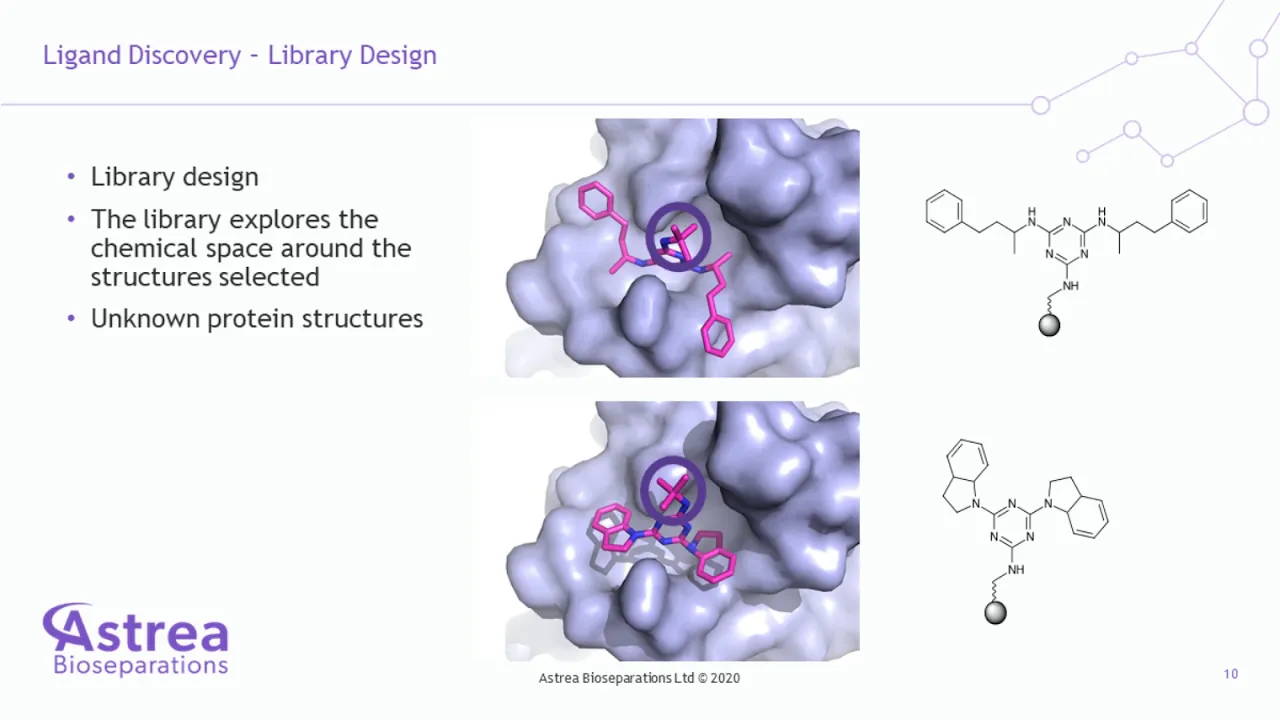


Scale-up of bioreactors from laboratory to commercial production involves significant challenges because physical parameters like power consumption, heat transfer, oxygen transfer rate, and mixing time change with scale, affecting biological processes even when chemical conditions remain constant; successful scale-up requires systematic testing at intermediate pilot scales (5-200 liters) to ensure reproducibility before full production (5,000-100,000 liters).
Bioreactor Scale-Up: Challenges in Biotechnological Process Translation
Added:Fundamentals of bioreactor design and modes of operation, such as batch, fed-batch, and continuous cultivation.
Basic principles of fluid dynamics, including fluid agitation, shear stress, mixing times, and Reynolds numbers in stirred tanks.
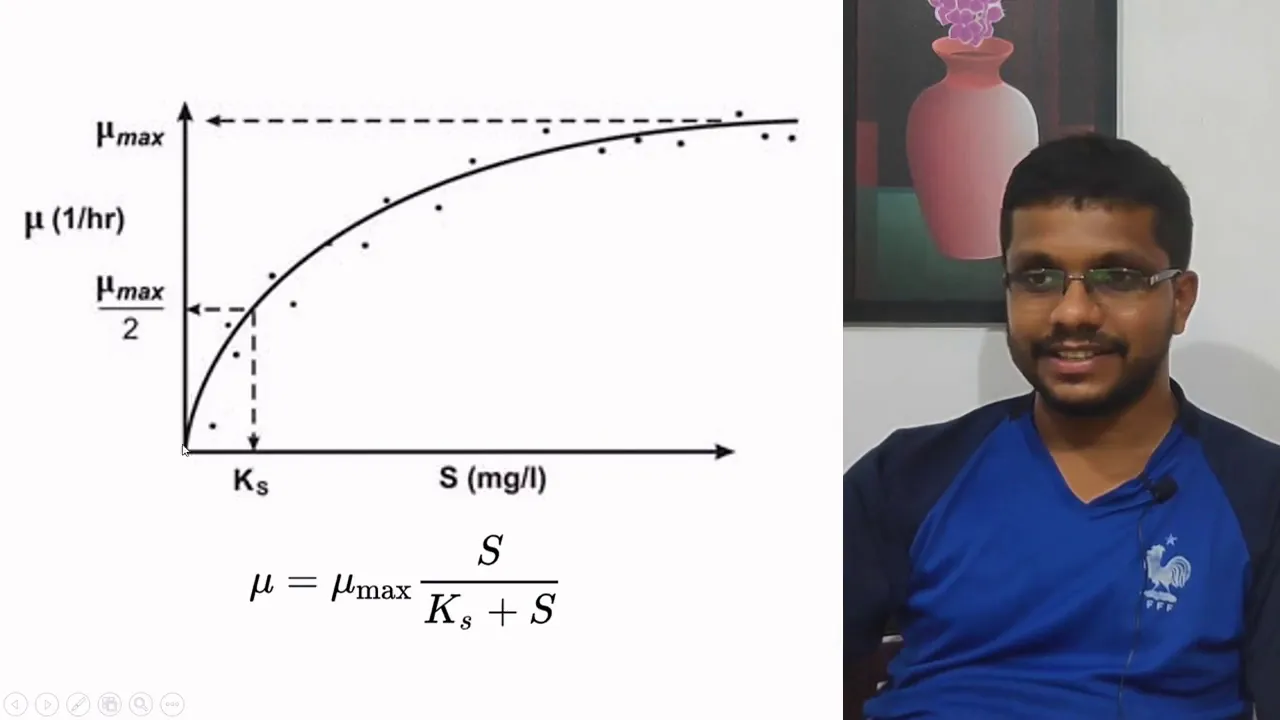
Concepts of mass transfer in bioprocesses, specifically gas-liquid oxygen transfer rates (OTR) and the volumetric mass transfer coefficient (kLa).
Microbial and cell culture growth kinetics, including nutrient consumption, metabolic heat generation, and cellular sensitivity to shear.
Advanced Computational Fluid Dynamics (CFD) modeling for simulating and predicting bioreactor hydrodynamic behavior at industrial scales.
Downstream processing scale-up strategies, such as filtration and chromatography, to handle increased upstream harvest volumes.
Implementation of Process Analytical Technology (PAT) and Quality by Design (QbD) principles for real-time monitoring of large-scale runs.
Technology transfer protocols and regulatory compliance standards (such as GMP) required when moving to commercial-scale biomanufacturing.
5.9K views44likes12:08Original Release: 2021-03-01
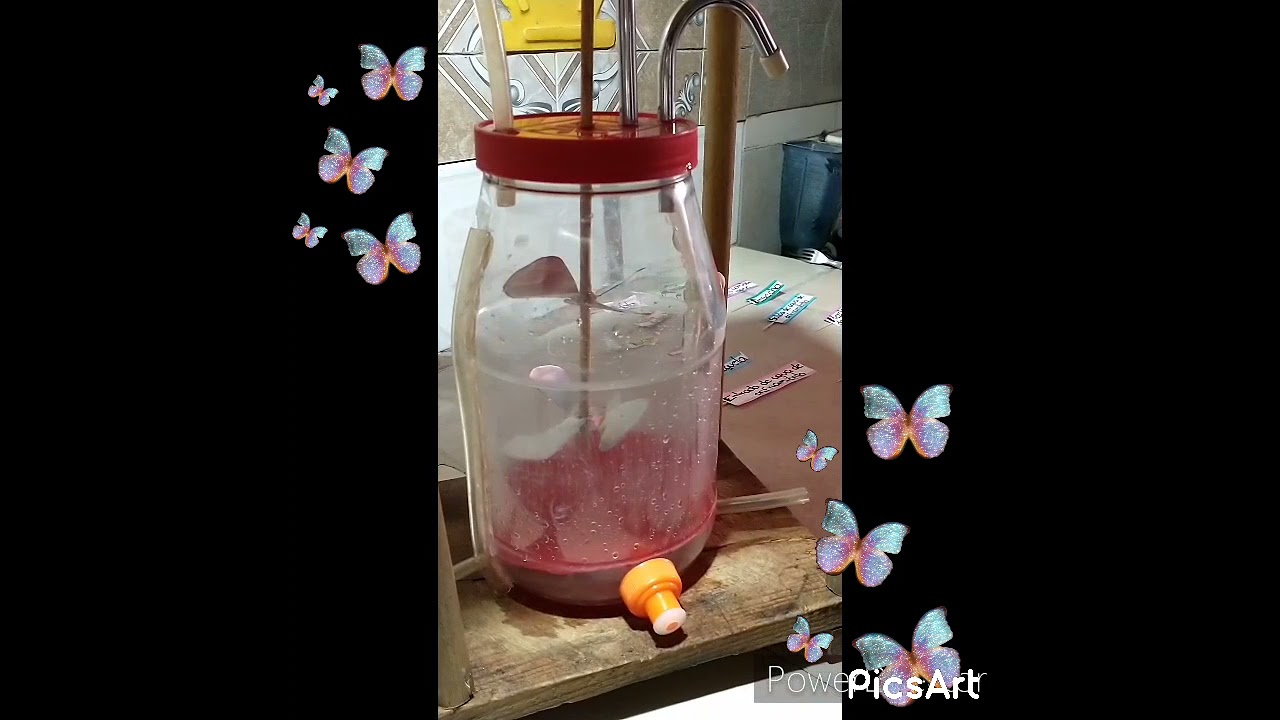
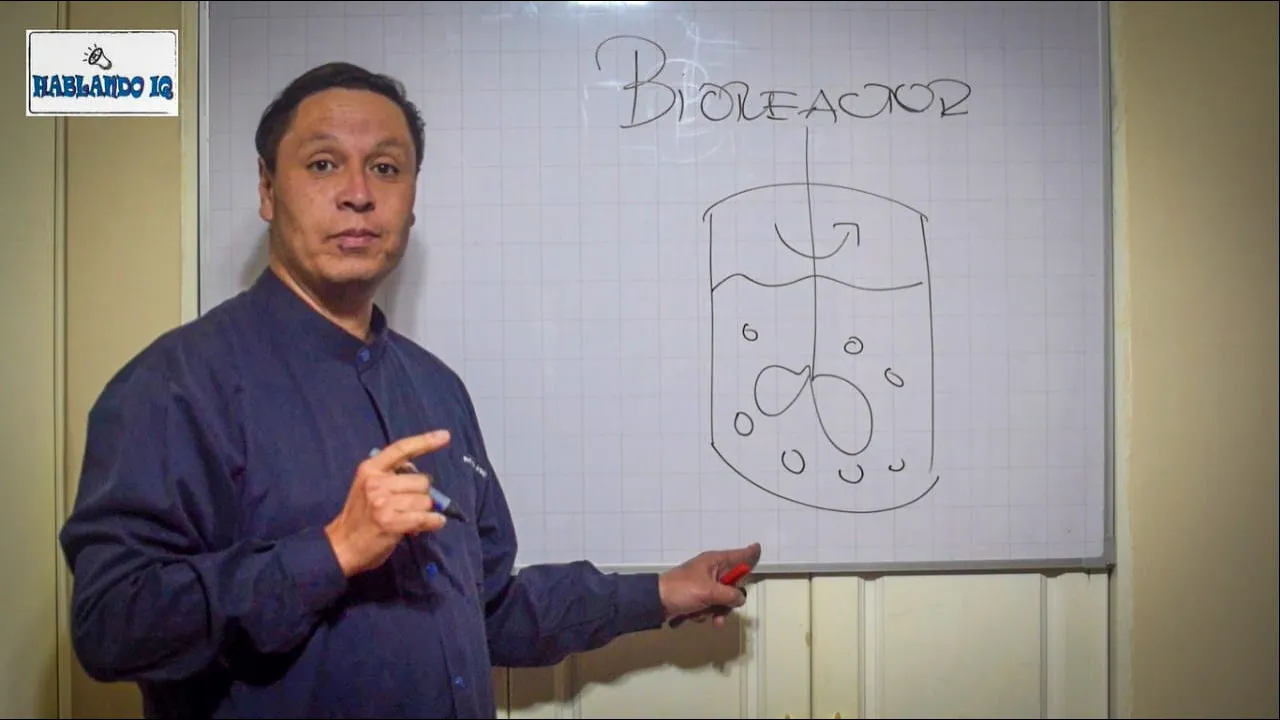
[Music] welcome back students so today we are going to discuss about scale up of uh reactors so whenever there has to be a transitional technology from lab scale to industry level there are different scales at which the technology has to be tested so one of the major problems in commercializing the biotechnological inventions is scale up of the process so generally what we observe uh in literature you will come across people working at the shake flask level and then at lab scale reactor levels but for at commercial scale uh shake flask level studies are generally done for screening purposes for selection of a high yielding fast growing cell line and which can go as high as 500 ml or a liter shake flask so generally medium optimization all these things are done at the shake flask level then once you take it to the lab scale reactor level and then comes the pilot scale to check the reproducibility of the results obtained at the lab scale reactor how is it reproduce getting reproduced at the pilot scale level now this pilot scale level the range the working volume ranges from 5 to 200 liters depending on the kind of production platform you are using and the kind of product the value of the product then the production scale plant this can go as high as from 5000 to 100 000 liters so as i said before the shake flask level studies or the slant level studies they are generally used for strain selection and medium development then at the pilot plant level we pilot scale level we check the reproducibility where optimization is done to bring it closer to the lab scale reactor levels so at the lab scale reactor level we carry out the optimization of environmental factors and so on then at the production scale we bring the process to economic fruition so what is scale up so scale up as i said the starting point is the laboratory results so at the laboratory scale we check the technological and the economical feasibility of the process in the laboratory scale only few grams of raw material can be processed now by process development one should be able to treat tons of the raw material or the substrate now this is what is the function of changing scales or scale up but where lies the difficulty the problem is to reproduce the laboratories result on a large scale to achieve the same productivity or same conversion of the substrate or same product quality or the selectivity [Music] and if possible to improve it but generally the key is to reproduce the result now scale up from a laboratory data to production scale it is rarely feasible and very challenging as a rule one or more additional experiments are anyways needed so to define these additional steps needed methodology of scale up is critical so there are three distinct stages as you could see from the schematic laboratory scale which is generally used to develop the strain to investigate certain aspects of the process there we handle only small amounts of the raw material it is at this scale that a series of measurements concerning all the mechanisms which are independent of size can be made besides this measurement of physical parameters such as density viscosity they can also be recorded so key variables of a biochemical process which are influenced by size like if you see the mechanism which which is chemical kinetics of the process or thermodynamics of the process they are independent of size they are not influenced by the size they are more influenced by other physical parameters like temperature concentration of the components pressure then heat transfer this may be indirectly related to the size mass transfer within a fluid where it is more influenced by the local velocities turbulence it may be indirectly related to the size transfer between the phases this again it can be indirectly related to the size now if we talk about the forced convection or the free convection then size becomes very important where other variables like flow rate geometry these parameters start playing a crucial role so i was talking about pilot planche scale so what is a pilot plant which can call it as prototype it is an experimental rig which at least in part has the operational characteristics which are a representative of the main production plant now this pilot plant will allow us to do simultaneous analysis of the effects of various physical and chemical mechanisms on the process it allows the determination of the extent of possible interactions between the two types of mechanisms which means the physical and the chemical mechanisms extent to which they are interacting we can also check the stability of the strain which means if there are any impurities present in the raw material that batch to batch variation we can check the sterility maintenance or sterile operations feasibility over long period of time we can check the equipment reliability so these are the additional things which can be looked into at pilot scale it is the pilot scale level where the problem of scale up is addressed now sometimes depending on the production platforms or the product or the ease of experimentation it can become very expensive to do experiments all the experiments at pilot scale however some fine tuning of the process can be carried out to improve the productivities but the major aim is at pilot scale is to check successful scale up which means the reproducibility of the lab scale results at the production scale now why scale up is so crucial and challenging there are more biological reasons in biotechnologically driven processes which are responsible for it like for example the inoculum quality it can differ at different scales then in small bioreactors why because again to develop the inoculum the size of the reactor will change so in small bioreactors the wall growth may not be that significant these cells may have different physiology as compared to free cells but rather than developing in shape flows if you are developing in reactors and then at larger reactors the cells might adhere to the wall which you may not be able to see in the shake flask so your inoculum quality can change with the scale hence data collected from a bioreactor level where the wall growth is appreciable can be unreliable for scale up if you see the picture here it's a filamentous fungi neurospora which is grown on glucose you can see how much wall growth it is all growing adheres to the stainless steel parts of the reactors you can see the film adhered to the baffles nothing is visible then there are non-biological reasons like microorganisms can respond to the environment if the environmental conditions are the same the cells will respond similarly now this environment condition can be both physical and chemical chemical factors like ph or substrate concentration which can be monitored and controlled at the same level in both the scales but the physical factors like for example power consumption heat removal rate shear field oxygen transfer rate mixing time they are dependent on size now therefore these factors can change with size and more so if the vessel are geometrically non-similar so therefore these changing physical factors can in turn then affect the chemical environment other reasons can be your surface aeration which decreases with the bioreactor size if height to diameter ratio is kept constant the surface to volume ratio will decrease with scale up so your surface aeration can get impacted now this would then decrease the relative contribution of the surface aeration to oxygen supply and the dissolved co2 removal in comparison to contributions by sparging so for shear sensitive cultures with low or no stirring and sparging this scenario can become critical because it can then impact the process now there are empirical core relationships where the mass transfer and the heat transfer coefficients are found to be size dependent the linear velocity of air for the same vbm is higher in large bioreactors similarly the heat transfer area and other internals cannot be kept the same at different scales
Up Next
29:42
CAR T Cell CMC: FDA Regulatory Considerations for IND
@US_FDA
14.7K views•2021-04-15
14:12
Quantitative Real-Time PCR (qPCR): Principle, Method & Data Analysis
@animatedbiologywitharpan
129.2K views•2023-09-06
23:33
Microbial Degradation of Plastics: Biodegradation Pathways & Sustainability
@majeedhammad
2.9K views•2021-04-11
16:04
CRISPR and Genetic Engineering: How Gene Editing Works and Why It Matters
@kurzgesagt
30.5M views•2016-08-10
Related Study Plans & Knowledge Roadmaps
Structured learning paths in Biotechnology
biotechnology
AAV Production: Transfection, Prep & qPCR
01Introduction to Gene Therapy and AAV Biology
02Mammalian Cell Culture: Suspension HEK293 Cells
03Upstream Bioprocessing: Triple-Transfection Optimization
+ 2 more learning modules
18h5 modules
Explore Roadmap
biotechnology
Building Gut-on-a-Chip: PDMS, Cells & TEER
01Foundations of Microfluidics and Gut Anatomy
02Cleanroom Fabrication & PDMS Soft Lithography
03Epithelial Cell Culture and On-Chip Seeding
+ 2 more learning modules
26h5 modules
Explore Roadmap
biotechnology
Optimizing CFPS: E. coli Extract & Yield
01Fundamentals of Molecular Biology and Translation
02Introduction to Cell-Free Protein Synthesis (CFPS)
03Preparing E. coli Crude Lysate (The Extract)
+ 2 more learning modules
19h5 modules
Explore Roadmap
biotechnology
Haematococcus PBR: Design, Stress & Astaxanthin
01Biology and Life Cycle of Haematococcus pluvialis
02Bench-Scale Photobioreactor (PBR) Design and Engineering
03Culture Media Formulation and Inoculation
+ 2 more learning modules
15h5 modules
Explore Roadmap