

![[ 주식 ] 에이치엘비, 캄렐리주맙의 CMC는 왜 중요한가? 항서제약 4% 하락, 공매도 잔고,대차체결 증가](https://i.ytimg.com/vi/jpzPFe9WRhE/maxresdefault.jpg)

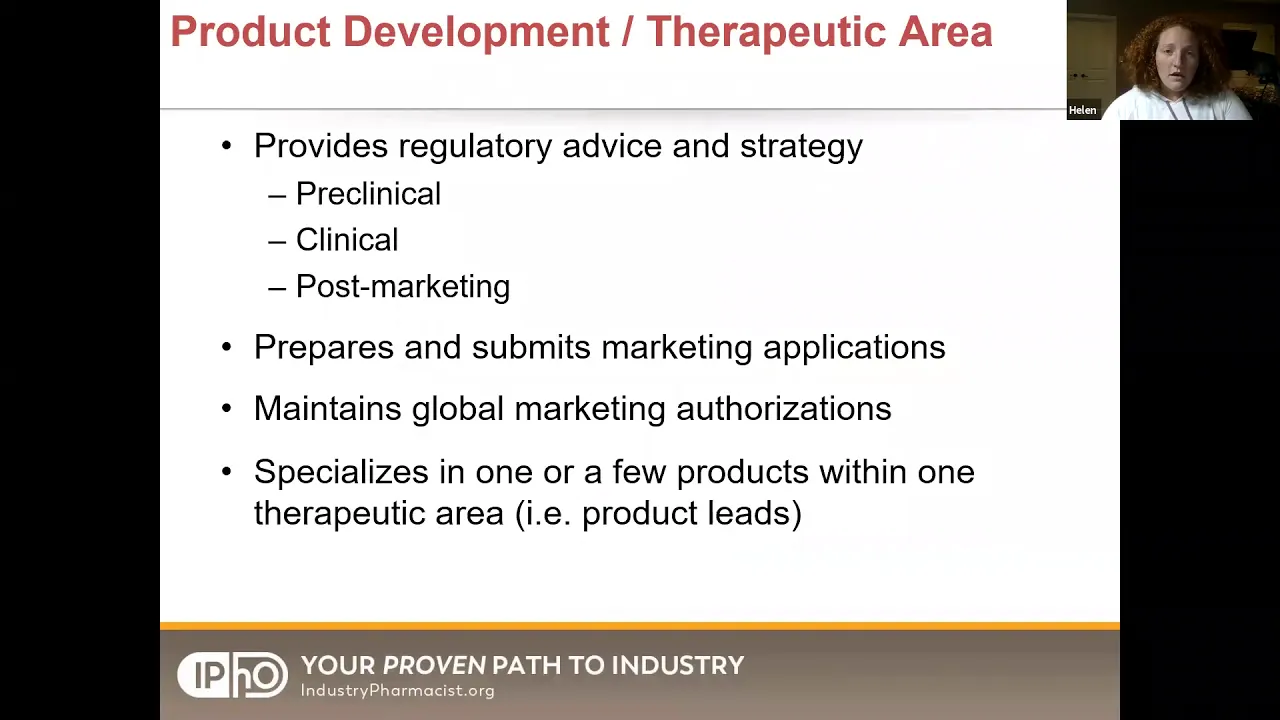

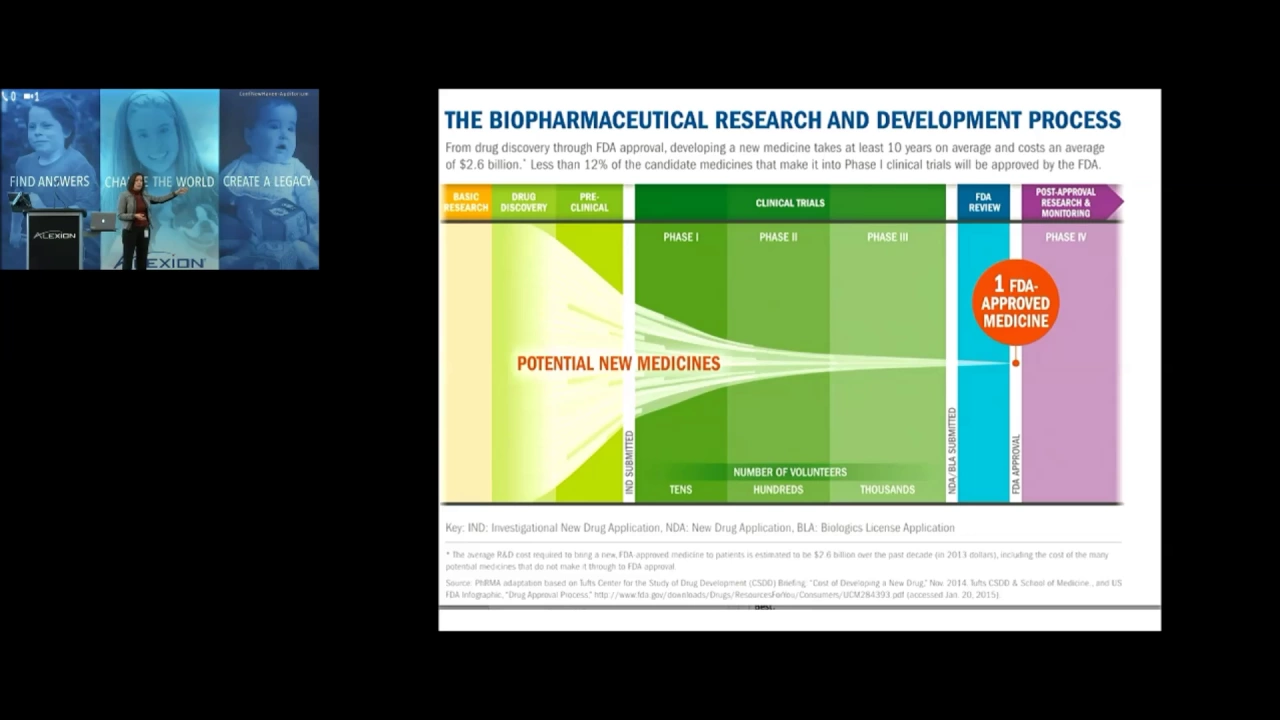

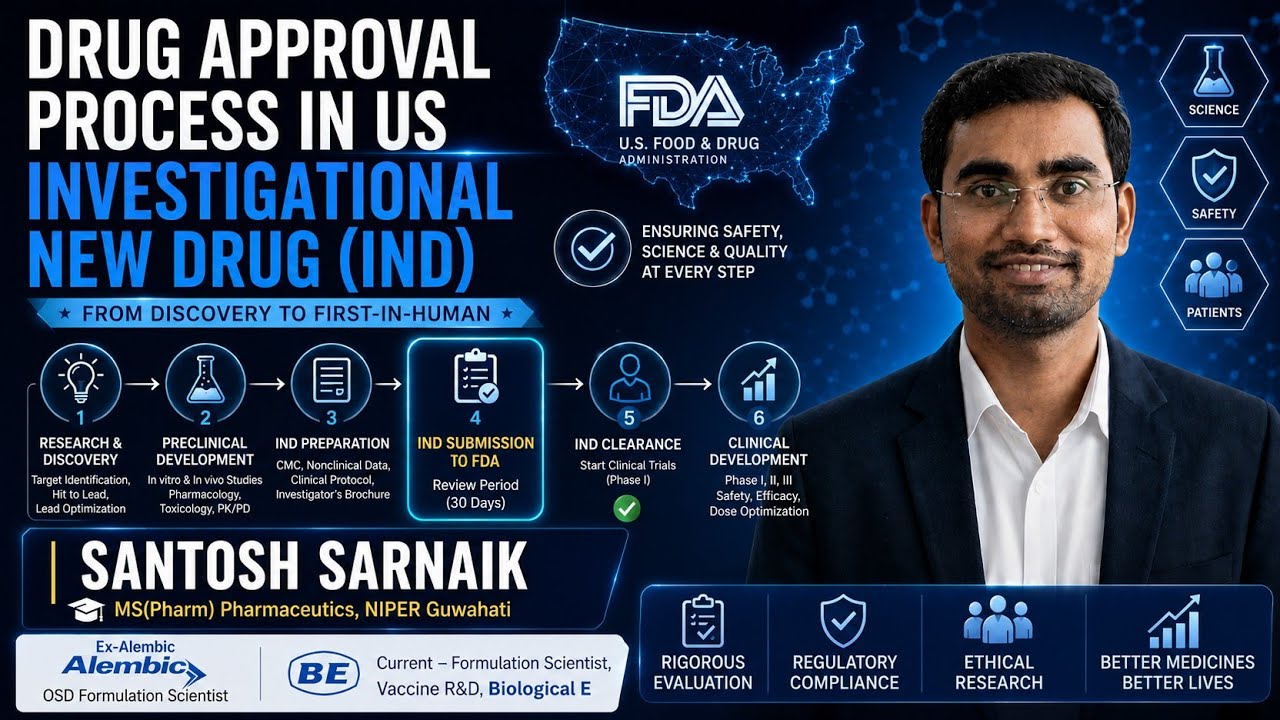












CAR T-cell products are regulated as cell-based human gene therapies under FDA's Office of Tissues and Advanced Therapies (OTAT), requiring comprehensive CMC (Chemistry, Manufacturing, and Controls) documentation including vector characterization, manufacturing process qualification, and release testing; both autologous and allogeneic CAR T-cell products share similar regulatory requirements but differ in manufacturing complexity, with allogeneic products needing additional safety measures like TCR blocking to prevent graft-versus-host disease, and developers should engage with FDA through pre-IND meetings and utilize available guidance documents to navigate the regulatory pathway effectively.
CAR T Cell CMC: FDA Regulatory Considerations for IND
Added:Fundamental immunology and the biology of Chimeric Antigen Receptor (CAR) T-cell design and function.
The definition and role of Chemistry, Manufacturing, and Controls (CMC) in pharmaceutical and biopharmaceutical development.
The standard FDA regulatory approval pathway, specifically the purpose and structure of an Investigational New Drug (IND) application.
Basic principles of cell therapy bioprocessing, including cell isolation, genetic modification (viral vectors), expansion, and cryopreservation.
In-depth study of Current Good Manufacturing Practice (cGMP) compliance for commercial-scale cellular therapies.
Strategies for designing and conducting comparability studies when manufacturing processes change during clinical development.
The regulatory requirements for transitioning from an IND to a Biologics License Application (BLA) for market approval.
Analyzing CMC challenges specific to allogeneic ('off-the-shelf') CAR T-cell therapies versus autologous therapies.
14.7K views0likes29:42Original Release: 2021-04-15
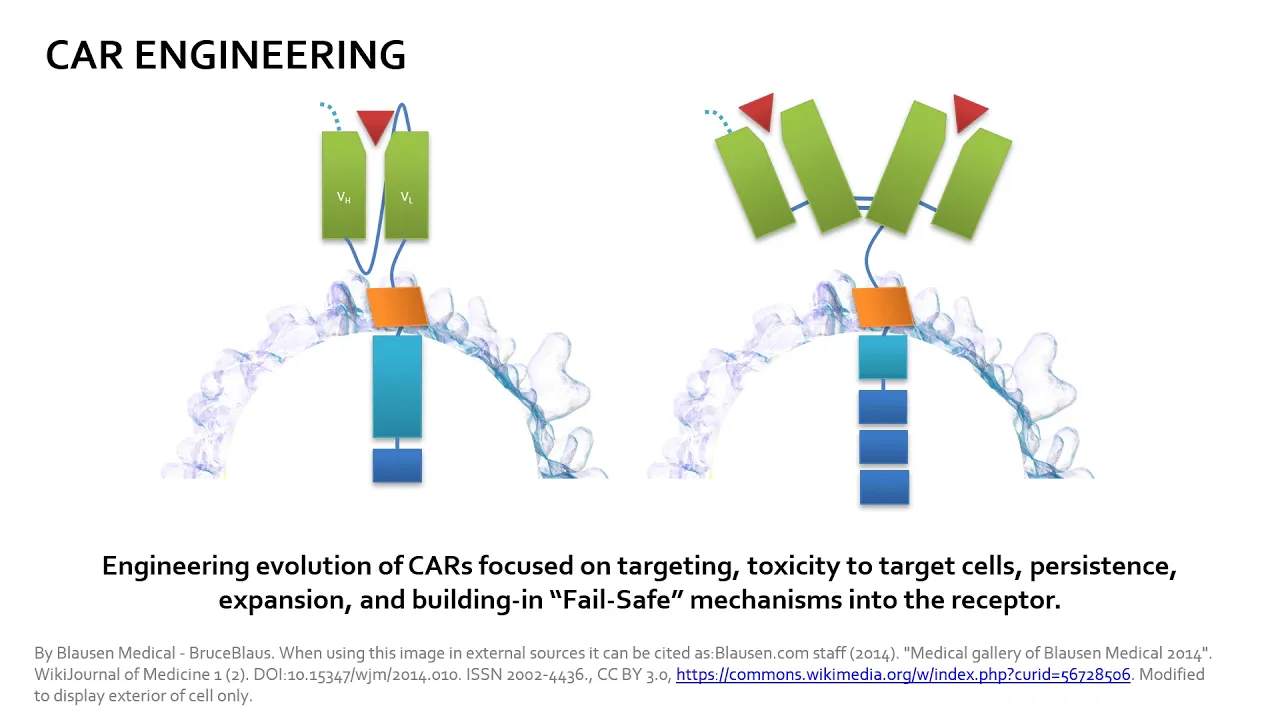
hi and thank you for the opportunity to speak today i'm kim schultz a gene therapy reviewer in the offices of tissues and advanced therapies i'm going to be giving you some insight into the regulatory considerations for car t cells but before i get into those details i wanted to introduce you to our office the office of tissues and therapies ota is an office in the center for biologics and is composed of five divisions today you'll be hearing from representatives from the division of cellular and gene therapies and then you'll get pre-clinical and clinical advice from two of our colleagues in the division of clinical evaluation and pharmacology toxicology our office has purview over a wide range of products from gene therapies to stem cells based therapies and blood and plasma derived project products i'll be focusing on gene therapies as that's the products that i review which in and of themselves is a diverse field including vectored and vivotherapies personalized vaccines and ex-vivo genetically modified cells i will be focusing on car t-cells but the general considerations here can be applied to other x-vivo modified cells that you may be developing in the u.s car-t cells are regulated as a cell-based human gene therapy this therapy reprograms t-cells to identify cell surface antigens upon identification and activation the card t cells expand and differentiate resulting in the destruction of target cells through both direct and indirect car t cell immune activities to date there are four licensed autologous card t-cell products in the u.s all of which are for the treatment of hematologic malignancies the picture is much different in the clinical trials though where there's a diversity of antigens being targeted and more than 11 of all car t cell inds in the house are for allergenic products and that number is growing every day so what's the difference between these two allergenic car t cells are producing individual lots that can treat many patients whereas autologous card t cells are producing a single lot for each individual patient starting with that patient's own leukophresis material that being said the regulatory requirements and expectations are pretty similar between the two with qualification of raw materials a well thought out manufacturing and testing strategy and then distribution logistics in place there are some nuances though and i'll be pointing these out throughout today's talks so as a developer you've thought about what your target is what type of car t cell you're going to have but where do you start when you want to begin your clinical trial my number one recommendation is to take a look at the gene therapy cnc guidance that was published about a year ago it follows the ctd format and gives advice pertaining to each part of the cnc section there is useful information pertaining to expectations through different stages of development and also there's special considerations for ex-vivo modified cells there are many other guidances available through this link that i've provided that are related to cell and gene therapies we've been busy developing many guidances over the past couple years to help you as you develop your product throughout the different stages i'd also like to highlight that hopefully we will have guidances that give information on all disciplines for both car t cells and products that incorporate genome editing coming out as drafts later this year but we know that it is always better to try and ask specific questions about your product and get advice back from a person at seabird we do have options throughout the development process to interact with us at the fda and i'd really like to highlight that we have two informal meetings at the earliest stages of development and this is really important specifically for otat regulated products since many of these products are novel or use novel technologies in their manufacturing cat meetings which are held in conjunction with the sieber advanced technology team provide a venue for fda discussions directly with developers of innovative technology that are used in production of saber products interact meetings which were previously referred to as pre-pre-ind meetings focus on early pre-clinical studies and will be discussed in more detail by my colleague ying in a couple talks from now cmc discussions during an interact meeting may center on very early developmental concerns such as the use of novel technologies and developing product testing strategies i'd like to point out the difference really between the cat and the interact meetings so the interact meetings are between the eventual ind sponsor and the fda whereas the cat meetings provide a venue for developers of products that support cbr regulated products to come and talk to the fda these are people who may be submitting a master file later for inds to cross-reference we also assist our sponsors regularly during development and an important stage when you're thinking about starting a clinical trial is a pre-ind meeting this is a critical time to check in where you can determine if your plans align with our current expectations for your product and you get information on what needs to be clarified in that we also recommend additional pathogen testing which can be discussed at a pre-ind meeting we also recommend that there are some minimal requirements in characterization testing on the incoming material understanding the variety of incoming material that can be accommodated by your manufacturing process is paramount to consistently manufacturing a quality product lastly you have to introduce the car somehow and this is usually done by some type of vector the choice of vector is up to you for instance plasmid retrovirus or electrovirus or aav vectors regardless of the type of vector we consider the vector to be a critical component in the manufacturing process as such the information should be organized into a separate drug substance section in your ind and should provide enough detail on the manufacturing and testing for us to evaluate the quality this includes characterization of the cell bank from which the vector was produced in manufacturing under phase-specific cgmps all release testing should be conducted prior to use in the car t cell manufacturing process as indicated in the table here some of the recommended testing is specific for the type of vector that you're using and so you should take that into consideration when using this table additionally you should set up a stability program with a subset of this recommended testing we also recommend that you have some type of test in here such as a titering assay in order to determine the amount of vector that will be used in the card t cell manufacturing process when manufacturing allergenic car t cells the endogenous tcr will need to be blocked or knocked out to reduce the risk of graft versus host disease gvhd one way to do this is by genome editing and throughout today's talk i'll be giving additional information in case you decide to use genome editing in your product if you employ genome editing the nuclease targeting elements and donor template are all considered critical components and therefore detailed information should be included in the ind similar to what we expect for the vector we recommend that you come in for an interact or a pre-ind meeting to discuss your strategy and the regulatory recommendations with us at this point you know what your product is going to be and the different components and materials that you're going to use to make it it's been said many times that the process is the product for car t cells which needs to accommodate such a wide range of starting material so let's take a look at what the process for manufacturing car t cells is logistically complex and uses a variety of biologically derived materials when you're thinking about it each step should be considered as to how it may affect the final product and you can ask yourself questions at every single step related to what you're going to use how much how long importantly changes to these parameters during development may necessitate comparability studies down the road therefore taking the time prior to initiating your clinical study to determine what the best process is for your product is a good place to start i would also like to stress that for autologous products the chain of identity must be maintained throughout the manufacturing process and the controls in place to facilitate maintenance of the cfi should be documented in the ind submission the same decision process can apply to allergenic products but in this case your donor is different from your patient and so therefore donor eligibility is about most important as we had already talked about the process itself is similar though between allergenic and autologous and so your thought process may be different as you think about each step but the same considerations should be taken into account prior to starting your trial once your product is made appropriate release testing and product characterization is important to confirm quality we expect phase appropriate release testing for your product with tests appropriate appropriately qualified we recommend development of characterization assays to support development and possible comparability studies later phase studies should be supported by validated assays particularly for potency and dose determination the data obtained during your clinical study should be used to inform the proposed commercial lot release processes and i've indicated here the guidance related to analytical procedures and methods validation which would be important for these later stage studies there are a number of release tests that should be conducted for car t cells and i'm once again providing you a table for your reference all car t cells should be tested for microbial safety tests and identity additional safety testing when using an integrating vector includes determining the vector copy number so how many actual insertions you've made of the car transgene we recommend that you characterize the amount of vector to use that optimizes the transduction rate to the target that you're looking for with as reduced of an integration frequency as possible the car t cell dose should be determined based on the number of transduced cells in your product and this is generally determined by flow cytometry additionally we recommend characterizing the population of cells including t cell purity and subtype characterization oftentimes also conducted by flow cytometry early in development we recommend that you explore a number of potency measures and it may be that a matrix of potency assays is best for your product so that's the basic release testing that we would expect for cartesian there are additional release tests that we would expect if you're using genome editing or if you're manufacturing allergenic car t cells as indicated on the table now these include safety tests to reduce the risk for dbhd and if applicable the evaluation of genome editing efficiency in many cases release testing particularly potency testing may need to be developed specifically for your product thorough product characterization can allow for process improvements help determine cqas and can support comparability studies but please remember that earlier on i mentioned that gene therapy products don't often follow a normal clinical development timeline therefore you should anticipate the need to develop and validate assays earlier in clinical development so i've mentioned comparability studies here a few times and in our experience they're going to be needed at some point during your development in most cases there is a change during development in the materials the manufacturing process or the manufacturing facility that necessitate a comparability study a compress a comparability study will allow you to use the data generated before the change to support the post change product there are a number of factors that play into whether you will need a comparability study and how how comprehensive the comparability study needs to be in general for car t-cell products we recommend that you use a split leukophresis design to compare the effect of the change as depicted in the schematic on the right in most cases we recommend that more than release testing is compared which is why characterization of your manufacturing process through development is important so you can understand what parameters to include in your comparability study in summary i have given you a crash course and what cmc information is needed to get your car to use cell study underway i hope that i have imparted that quality should be built in throughout the manufacturing process through appropriate materials process design and testing specifically planning ahead and thoughtful product characterization can save you time in the end as you approach approach licensure lastly otat has been working hard over the last few years to provide you with useful guidances to navigate the process i have talked about quite a few guidances throughout today's talk here are some of them with links if applicable and then here's my contact information if you need it for after today so at this point i would like to thank you for your attention and i'm happy to take any questions thanks dr schultz i unabashedly adore t-cells and and i know that not only are you a regulatory scientist but that you're also a real scientist so i'd like to throw a question in that lets you take your fda hat off and and allow you to have the stage for the real scientist and and paint a picture for us synthetic cellular biology off-the-shelf car t-cells suppressed mhc multiple suicide genes inducible cytokine expression cassettes targeting one of the questions in the in the granular stuff is targeting nk cells versus targeting dendritic cells to tumors so there's so much that we can do what can't we do and what do you think we should do thanks that's a great question to start us off on and i'm sure we could talk about that for an hour in and of itself as you said in the beginning there's not one single cure for cancer so there's not a magic bullet even when it comes to car t cells as we're moving forward i think at this point we've learned a lot from hematologic malignancies but we've also learned that what works for them is probably not enough for solid tumors and so i think we're going to have to build off that foundation in order to develop different approaches for different types of cancers you know if you're thinking about ideally you would like something off the shelf so your patients don't have to wait for the manufacturing and testing timeline um also you know there's lots in the field that a healthy donor t cell might be uh you know a little bit more able to do its function than a a patient's t cells who have been through so much chemotherapy um you know when we're thinking about solid tumors specifically that micro uh the tumor micro environment is so hostile to the t cells um and the the tumor themselves you know the different cells in it uh vary so much and so um it's it's going to be more i would think than just your normal co-stimulatory domain so that being said i think we'd like to see something with an on off switch something to regulate that therapy so it doesn't get too hot but also it might function in a way to manage t-cell exhaustion so that um you know these car t cells that are going to hang around for years will be able to to work again you know if the tumor does come back a little bit that being said i also think that what we've learned from our experience so far is that patients that relapse after car t cells it's because the tumor is mutated and so the car can't identify it anymore and so i think it's fascinating to look at options that may target more than one antigen in order to help prevent that relapse great thank you so much it's always it's always nice to hear where we're going to go in the future so some of the some of the granular regulatory questions that that folks have you know and one i i need to go back and and help people understand about pre-ids but the question here is could two pre-ind meetings be granted by the office of tissue and cellular therapies for the same cell-based gene therapy product one for cmc and another one for non-clinical and clinical aspects um i think that's an important question to talk about early so no we we generally um have one pre-ind meeting for each product you know if you have questions about your product it may be that it's a really novel product in that approaching the fda early for an interact meeting would give you some of that cmc help ahead of time although this the interacts are usually more for um for pre or for pre-clinical studies to understand the types of things that are needed but they you can get cmc information there as well so that is one avenue if you have a lot of questions great thanks um here's a question and i'm not even sure i understand it but is the vector used x vivo actually classified as drug substance or just requires equivalent documentation and will the manufacturer be subject to an obligatory pre-approval inspection i guess that's where the for the viral whether it be an aav or uh or a lenny virus yeah so this is really um a good question for the fda we've been very strong on our opinion that the vector itself is critical to the car t cell function it is a drug substance it is subject to pre-approval inspections so we inspect both the car t-cell manufacturing facilities and then any facilities that are associated with the vector itself thank you and what kind of questions so the the cmc questions at a pre-ind meeting what what should a company come in with and what should they be asking to make sure that they've covered all their bases so a lot of times for pre-ind meetings we get this huge package and then it says is our cmc okay and um you know we're looking at it and and trying to give advice but you as the developer knows your product and knows where you have the most questions and perhaps where it differs the most from other products in the field and so trying to ask specific questions about your product about the materials that are being used about your assay development a lot of the assays for gene therapies are product specific and have to be developed in-house the other thing that i think is useful to discuss during a pre-ind meeting is understanding how to structure your release testing and so you know what assays can be report results so for early stage studies we are open to report results for many of your characterization studies but the safety tests those need to be you know have actual results you know you have to make sure you have a sterile product and it's not mycoplasma contaminated before you put it into a patient and so kind of understanding about how the release testing what's required for that for phase one is a good topic to cover in a pre-ind great we get one more question here before we run out of time and this goes along along the lines of i've sat in a lot of meetings with people developing car t cells you know we can change a vector in a week right we can we can make the link or longer or or or change it we could even you could change the the co-stimulatory aspect of the of the chimeric engine research t cell but if we do that it takes so much work and so much energy and effort to put that vector in the t cells is there you know i think well why can't i just i can do that vector change in my lab i can run it through a collagen column and have the plasmid but it's so much more complicated are there is it just is this just the way it has to be done yeah so a change in the product you know a change in the trans gene is a change in the product and there's a wealth of data out there from the field showing that changes in your linker can have fundamental differences in the activity of your product and so understanding um how it's going to affect your product how it may relate to the pre-clinical data that you've generated um whether or not the clinical data that you already have with your you know first transgene if that can be applied to you know your clinical studies with this neutron gene um as we're early in the field it's difficult to to gauge that and so it's it's on the sponsor to show comparability and we've been working with sponsors a lot in order to understand the types of information that would need to go into a comparability study but definitely a change in a trans gene um by the fda is considered a change in the product because it could affect the product function great thanks well that clock reached zero a couple minutes ago we're gonna once again we're going to have to move down the evolutionary ladder from cellular therapies to a lower life form but dr schultz thank you so much for being here today and discussing what i think is the most impactful new anti-cancer therapy in the past decade uh lisa would you do us a pleasure of introducing our next speaker
Up Next
76:37
Advancing Just-in-Time Release Strategies for CAR T-Cell Therapies
@biopharmawebinarseries75
213 views•2022-08-05
14:12
Quantitative Real-Time PCR (qPCR): Principle, Method & Data Analysis
@animatedbiologywitharpan
129.2K views•2023-09-06
23:33
Microbial Degradation of Plastics: Biodegradation Pathways & Sustainability
@majeedhammad
2.9K views•2021-04-11
16:04
CRISPR and Genetic Engineering: How Gene Editing Works and Why It Matters
@kurzgesagt
30.5M views•2016-08-10
Related Study Plans & Knowledge Roadmaps
Structured learning paths in Biotechnology
biotechnology
AAV Production: Transfection, Prep & qPCR
01Introduction to Gene Therapy and AAV Biology
02Mammalian Cell Culture: Suspension HEK293 Cells
03Upstream Bioprocessing: Triple-Transfection Optimization
+ 2 more learning modules
18h5 modules
Explore Roadmap
biotechnology
Building Gut-on-a-Chip: PDMS, Cells & TEER
01Foundations of Microfluidics and Gut Anatomy
02Cleanroom Fabrication & PDMS Soft Lithography
03Epithelial Cell Culture and On-Chip Seeding
+ 2 more learning modules
26h5 modules
Explore Roadmap
biotechnology
Optimizing CFPS: E. coli Extract & Yield
01Fundamentals of Molecular Biology and Translation
02Introduction to Cell-Free Protein Synthesis (CFPS)
03Preparing E. coli Crude Lysate (The Extract)
+ 2 more learning modules
19h5 modules
Explore Roadmap
biotechnology
Haematococcus PBR: Design, Stress & Astaxanthin
01Biology and Life Cycle of Haematococcus pluvialis
02Bench-Scale Photobioreactor (PBR) Design and Engineering
03Culture Media Formulation and Inoculation
+ 2 more learning modules
15h5 modules
Explore Roadmap