





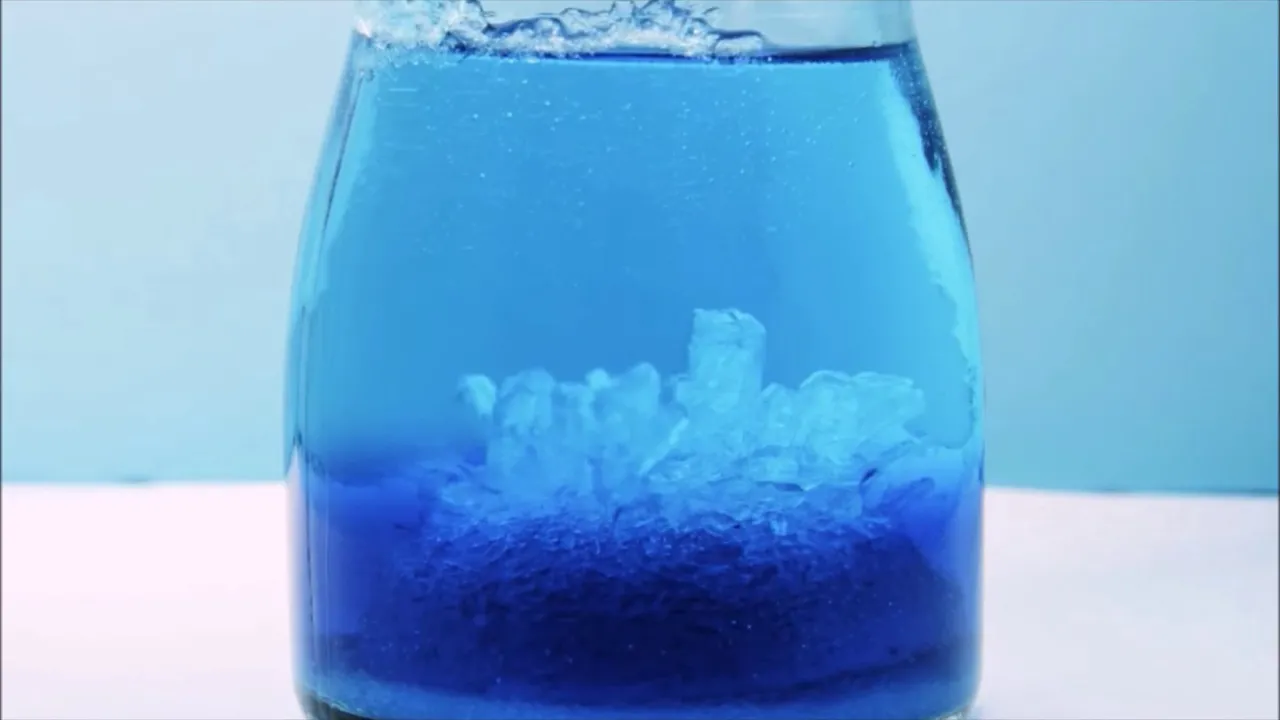















Coprecipitation is a nanoparticle synthesis method where two or more metal salt solutions are mixed and a base is added to simultaneously precipitate multiple components, forming nanoparticles through nucleation, growth, and aggregation processes; this technique offers advantages such as simple preparation, easy control of particle size and composition, low temperature requirements, and energy efficiency, but has limitations including applicability only to charged species, potential trace impurities, time-consuming nature, and batch-to-batch reproducibility issues when reactants have different precipitation rates.
Coprecipitation Synthesis of Nanoparticles: Process, Advantages, Disadvantages
Added:Basic principles of solution chemistry, including solubility, supersaturation, and chemical precipitation reactions.
Fundamentals of nanotechnology, specifically the definition of nanoparticles and the significance of the nanoscale.
The concept of nucleation and crystal growth theories (such as LaMer's model) in material synthesis.
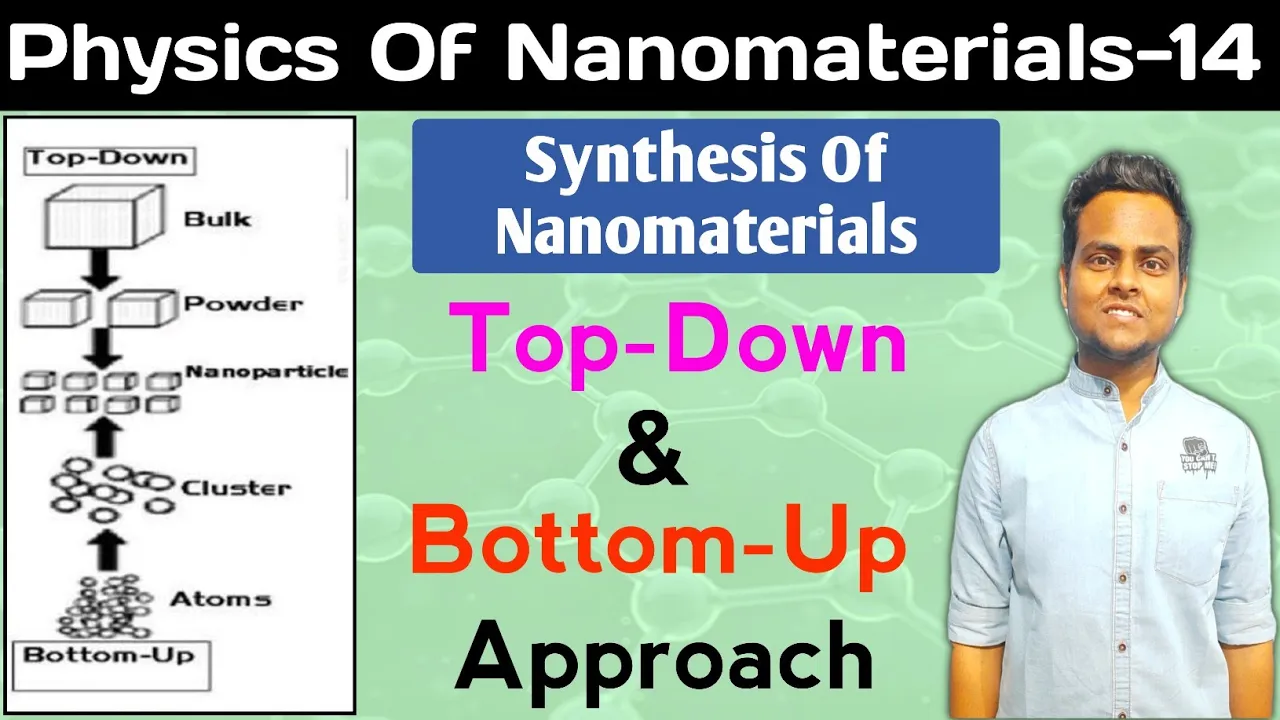
The distinction between top-down and bottom-up nanomaterial synthesis approaches.
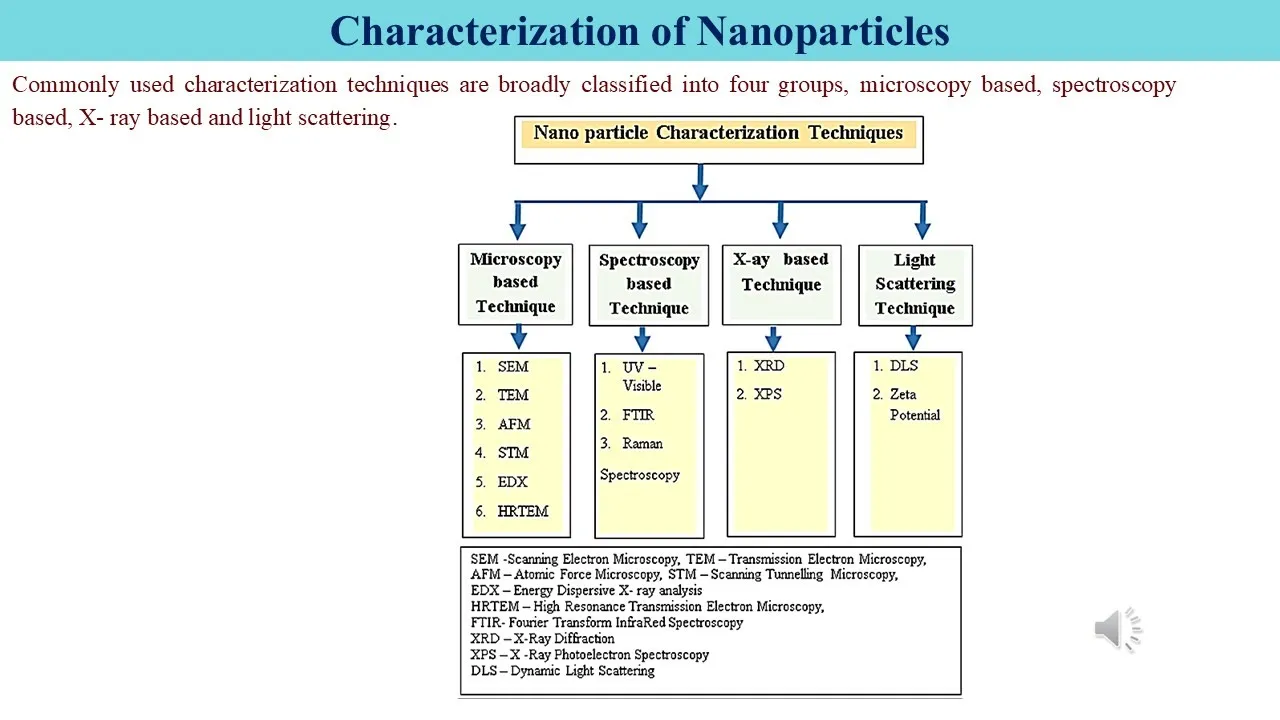
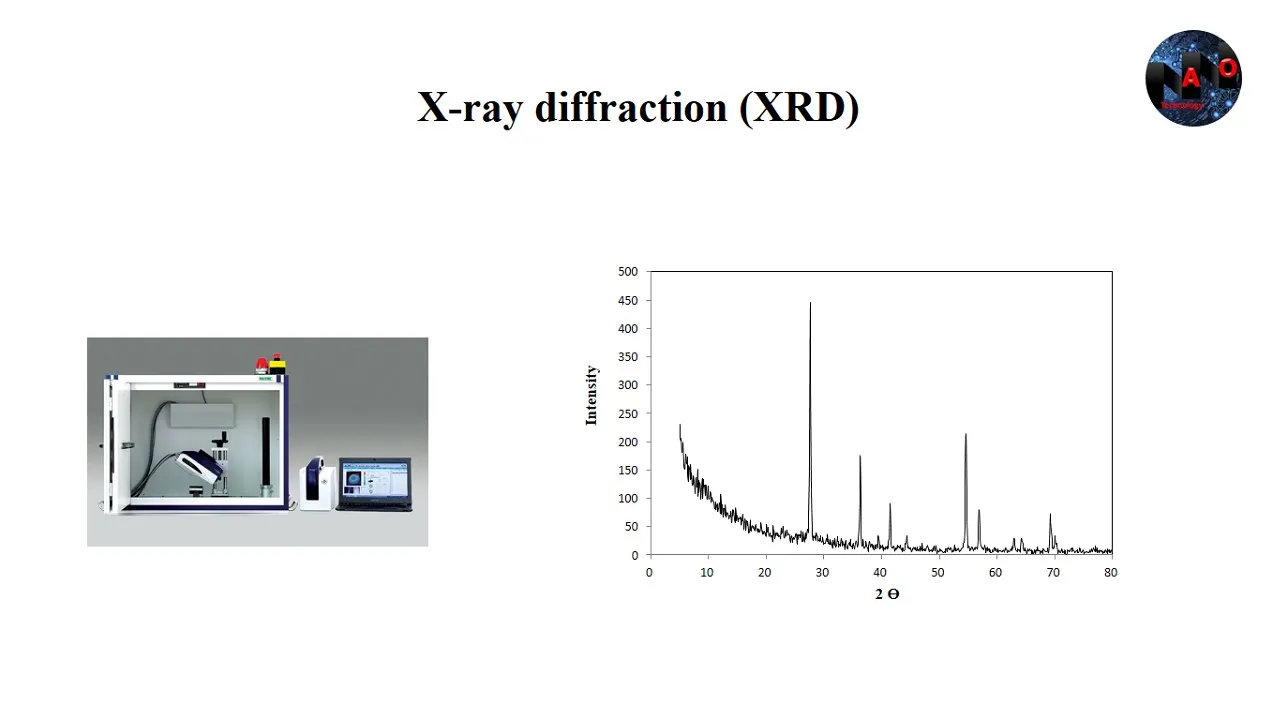
Characterization techniques for evaluating synthesized nanoparticles (such as XRD, TEM, SEM, and Dynamic Light Scattering).
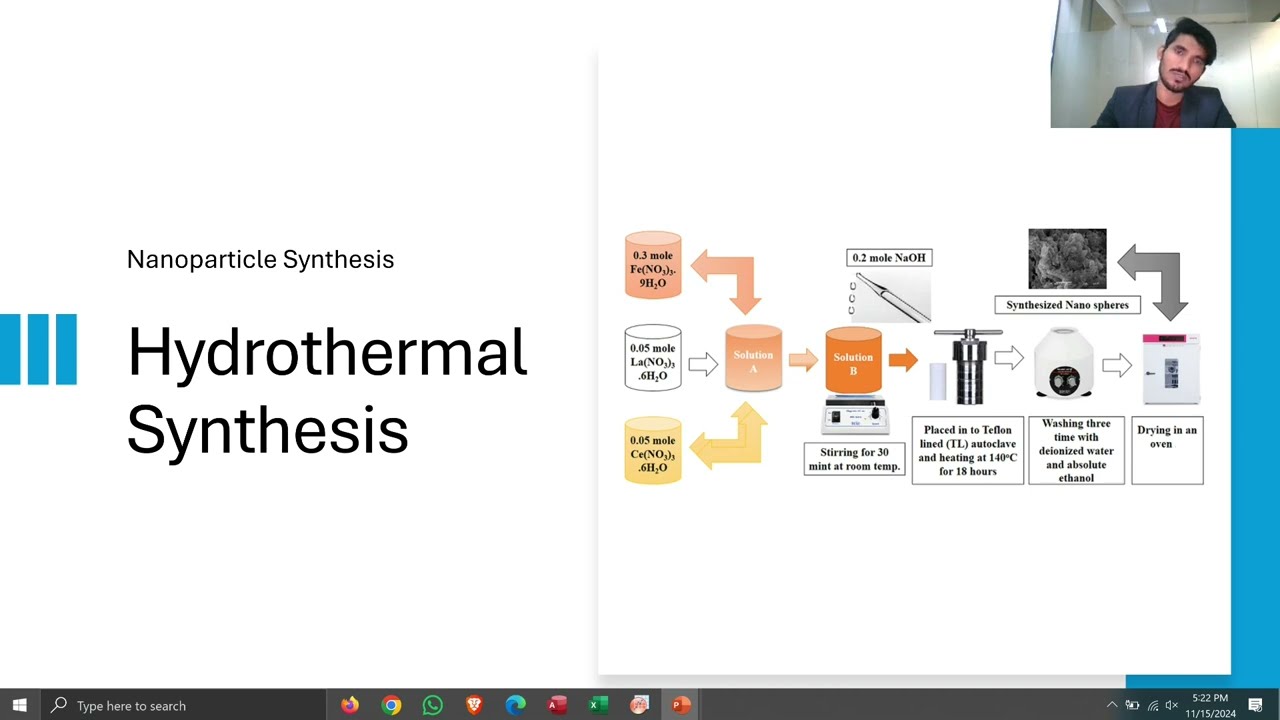
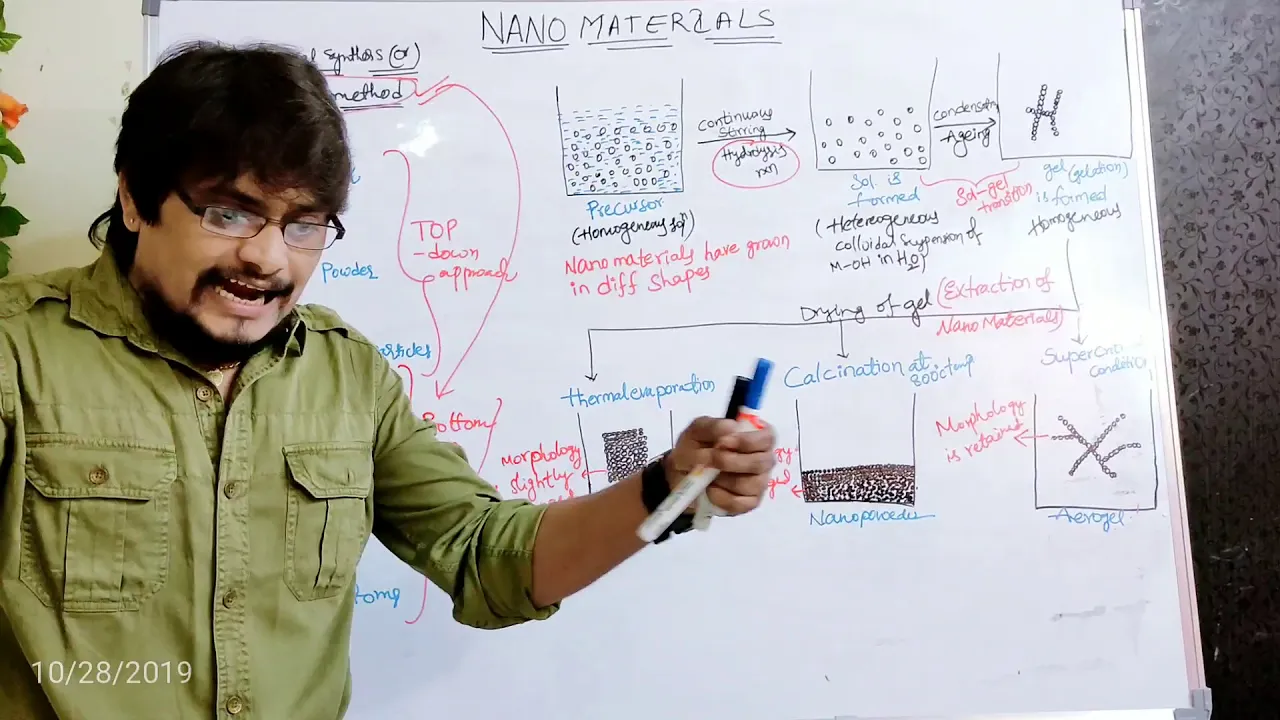
Alternative wet-chemical synthesis methods like Sol-Gel, hydrothermal, and microemulsion processes for comparative analysis.
Surface modification and functionalization strategies (e.g., using capping agents or surfactants) to prevent nanoparticle agglomeration.
Real-world applications of coprecipitated nanoparticles in fields like targeted drug delivery, magnetic resonance imaging (MRI), and catalysis.
4.2K views58likes7:25Original Release: 2024-10-01
so welcome back to the series of video for the nanoparticle synthesis in which today I am going to describe how you can prepare the nanoparticle through coprecipitation method so for the co-precipitation method you know that there are two salts and you have to mix them and then you have to add a base and then you have to stir and after stiring there will be the formation of precipitates and then you can uh you know you can separate these precipitates and these precipitates uh you can dry them overnight and then the n partic will be formed okay so moving on what do we have here is the aim in the co-precipitation is to prepare the multi component material so what we are going to do we are going to prepare multicomponent material for example uh in case of uh this here that you can see on the screen we have magnesium chloride and aluminium chloride the multicomponent mean we will get magnesium from one metal and from One S we will get magnesium from the other salt we will get aluminium and then combining both of these along with oxygen we can form the magium aluminium oxide okay so using this uh method we can form the oxides we can form oxalate we can form hydros uh we can form hydros oxides and at the end what do we have is the chemical homogeneity uh when the uh we perform the calcination reaction okay so in the typical process of citation what do we do we just miss mix the aquous metal salts okay at the sufficient temperature with the base and this base acts as the precipitation agent the precipitating agent so here as you can see we have the magnesium chloride the aluminium chloride we mix both of them this NH3 H2O is the base and this base is acting as the precipitating agent and then when you mix both of them there will be the formation of precipitate after standing still for 30 minutes and then what you can do we can you can just perform the suction filtration uh to obtain these precipitates and when the precipitates are obtained you can just try them okay so the next thing is the co-precipitation reaction involves the simultaneous occurrence of nucleation growth coing and uh the glomeration process so all of these processes are occurring simultaneously there is the um nucleation there is growth there is cooning and there is aomination all of these processes are occurring at the same time okay so moving on towards the reaction we have this cobalt chloride we have this feric chloride and both of these will combine in the presence of sodium hydroxide so when they combine in the presence of sodium hydroxide this sodium will take away all of these chlorines and will form NaCl whereas the um the oxygen from this hydroxide of the sodium hydroxide the oxygen from the hydroxide of sodium hydroxide will go with the iron okay we go with all of these irons and then we have this another oxygen here so both of these will combine and will give us Cobalt iron oxide whereas the rest of the hydrogen and the oxygen from sodium hydroxide and the 6 H2 will com will commutatively give out the 10 molecules of water so what do we have here is the core precipitation reaction in which the cobalt chloride reacts with feric chloride and finally forms the Cobalt ferite okay so uh co-presentation reaction exhibit the following characteristic the products are generally insoluble species formed under condition of High super saturation so what happens uh when there is uh you know when you combine both of the salts there will be high super saturation and then uh the precipitates will form so here the nucleation is a key step and a large number of small particles will be formed after the nucleation there will be formation of large number of small molecules and scary processes such as osal ripening and aggregation dramatically affect the size morphology and properties of the product so in this case the scary process you know about the osal rening you know about the aggregation so these are the processes that will dramatically affect the size the morphology means the shape and the properties of the product the next thing we have the super Satur condition necessary to induce precipitation are usually the result of a chemical reaction so the super saturation occurs by the as a result of the chemical reaction so moving on towards the cooption synthesis method so the metals formed from Aqua Solution so these are some of the uh co-precipitation synthetic method uh in which we have formed the metals that are formed from Aqua Solution by reduction from non-aca solution electrochemical reduction and decomposition of metallogenic metal metalorganic precursors and then we have the oxides that are formed from Aquis and non- aquous solution and then we have metal chalcogenides that can also be formed with the co-precipitation method by the reaction of molecular precursors and then we have microwave by sonication assisted co-precipitation in which we use the you know the microwave and the sonication so um moving on we have the advantages so what are the advantages of this Co pration method it is a simple preparation method and there is easy control of particle size and comp position so you can easily control the particle size and the compon composition and the next thing is that various possibilities modify the particle surface State and overall homogeneity as you know uh that uh the complete uh morphology and all of these things were depending upon uh here as you can see that the secondary process of osal ripening and aggregation dramatically affect the size morphology and the properties of product that I've just told you in this slide okay so you can just control okay you can control the particle surface State and overall homogeneity and the next thing we have is the low temperature the low temperature process process you do not have to apply the high temperature like 180° C so you do not need any oven for that or any other specific materials so is also energy efficient because you're not input you not you know providing any energy uh in case of uh you know the hydrothermal synthesis for example you have to provide the continuous um heat energy uh to perform to form the particles while in the case of the co-precipitation reaction the temperature is low so uh and secondly so it is also energy efficient because we are not providing any external source of energy and it does not involve the use of organic solvents so these are the some of the advantages and now moving on towards the disadvantages uh well this is not applicable to uncharged species so the co- preservation method is always applicable in the case when the species are charged when the species have some charge so tra impurities may also get precipitator so we can have some Trace impurities along that this is a this is a timec consuming process because uh sometimes the precipitates to take over night okay so it take 24 hours to form so in that case you just have to you know leave the solution for overnight uh for the precipitate to form and then the next day you have to uh you know then dry them again uh it will take another day to uh dry them so uh another thing that we have is the bat to batch reproducibility problems so we have this ibility problems and this method does not work well if the reactants have very different precipitation rate okay so if the reactants both have the same precipitation rate only then uh this co-precipitation will occur you know the word co-precipitation means the precipitation at the same time so if we have uh the the precursors that have different precipitation rate so the co-precipitation will not be applicable for that so this is all for the co-precipitation see you in the next video
Up Next

17:26
Liposomes Part 3: Evaluation & Characterization Methods
@pharmatricksforexams5967
10.6K views•2022-02-22

14:12
Quantitative Real-Time PCR (qPCR): Principle, Method & Data Analysis
@animatedbiologywitharpan
129.2K views•2023-09-06
23:33
Microbial Degradation of Plastics: Biodegradation Pathways & Sustainability
@majeedhammad
2.9K views•2021-04-11

16:04
CRISPR and Genetic Engineering: How Gene Editing Works and Why It Matters
@kurzgesagt
30.5M views•2016-08-10
Related Study Plans & Knowledge Roadmaps
Structured learning paths in Biotechnology
biotechnology
AAV Production: Transfection, Prep & qPCR
01Introduction to Gene Therapy and AAV Biology
02Mammalian Cell Culture: Suspension HEK293 Cells
03Upstream Bioprocessing: Triple-Transfection Optimization
+ 2 more learning modules
18h5 modules
Explore Roadmap
biotechnology
Building Gut-on-a-Chip: PDMS, Cells & TEER
01Foundations of Microfluidics and Gut Anatomy
02Cleanroom Fabrication & PDMS Soft Lithography
03Epithelial Cell Culture and On-Chip Seeding
+ 2 more learning modules
26h5 modules
Explore Roadmap
biotechnology
Optimizing CFPS: E. coli Extract & Yield
01Fundamentals of Molecular Biology and Translation
02Introduction to Cell-Free Protein Synthesis (CFPS)
03Preparing E. coli Crude Lysate (The Extract)
+ 2 more learning modules
19h5 modules
Explore Roadmap
biotechnology
Haematococcus PBR: Design, Stress & Astaxanthin
01Biology and Life Cycle of Haematococcus pluvialis
02Bench-Scale Photobioreactor (PBR) Design and Engineering
03Culture Media Formulation and Inoculation
+ 2 more learning modules
15h5 modules
Explore Roadmap