

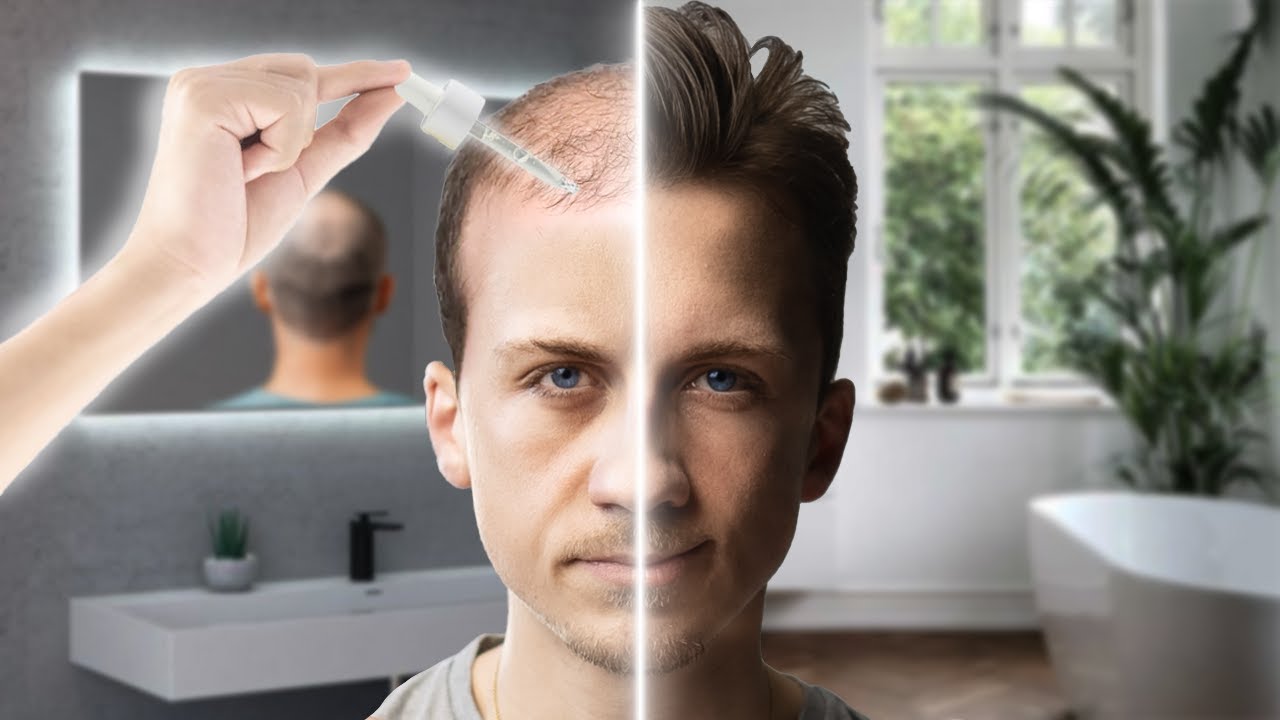
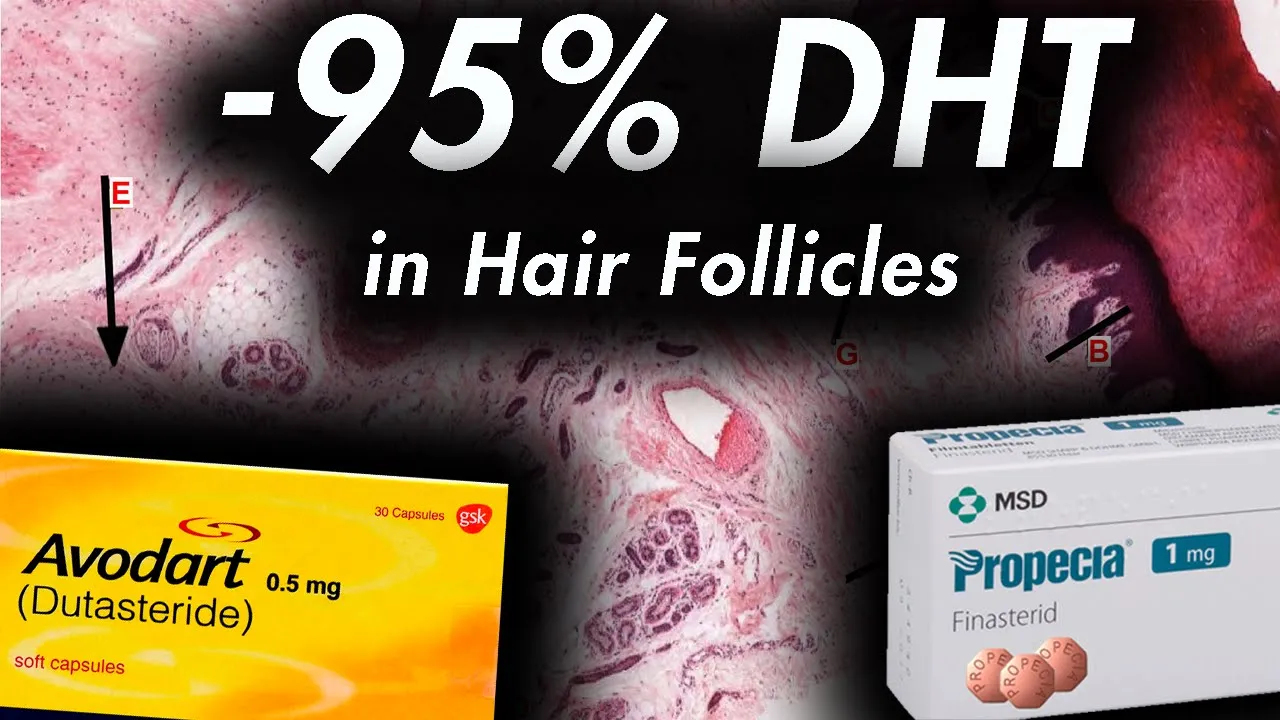

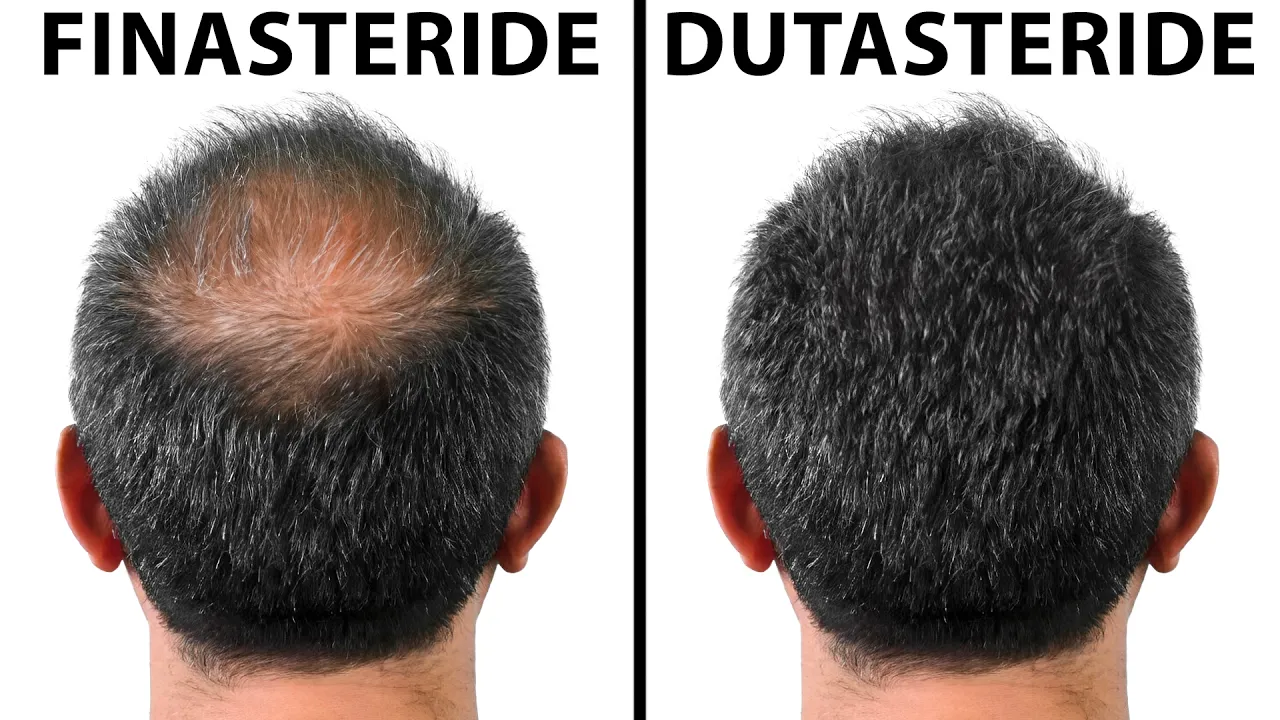


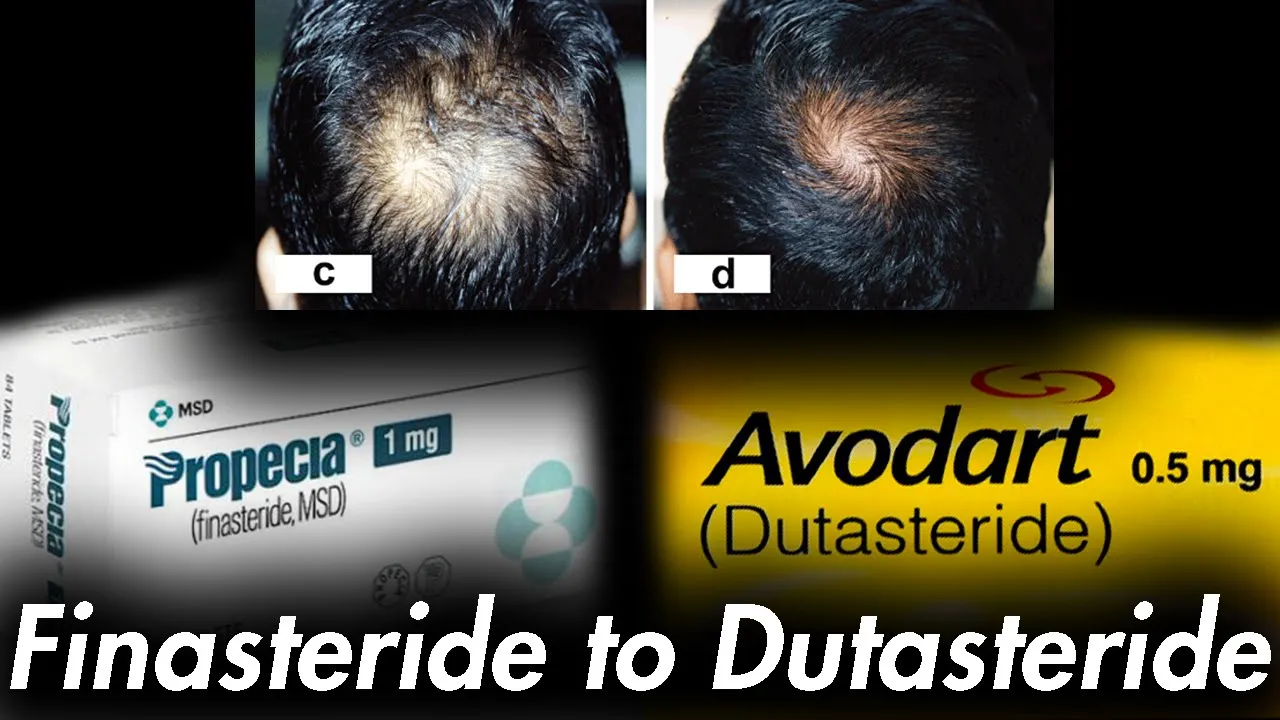





















Despite dutasteride having a molecular weight of 528.53 Daltons exceeding the traditional 500 Dalton skin penetration threshold, various delivery methods including micro-needling, nanostructured lipid carriers, and mesotherapy injections have demonstrated effectiveness in clinical studies for treating androgenetic alopecia, with research showing significant improvements in hair density, thickness, and patient satisfaction compared to controls.
Topical Dutasteride and Mesotherapy Efficacy for Hair Loss: A Review
Added:The pathophysiology of androgenetic alopecia (AGA), specifically the role of dihydrotestosterone (DHT) and 5-alpha-reductase enzymes in hair follicle miniaturization.
The basic pharmacology of 5-alpha-reductase inhibitors, highlighting the differences between finasteride and dutasteride.
Fundamentals of transdermal and topical drug delivery, including how the stratum corneum acts as a barrier to drug absorption.
An introductory understanding of physical skin penetration enhancement techniques, such as microneedling and intradermal mesotherapy injections.
Advanced formulation chemistry in dermatology, focusing on lipid-based nanoparticles, liposomes, and nanoemulsions to optimize follicular drug targeting.
Critical appraisal of clinical trials and comparative meta-analyses evaluating the efficacy of topical vs. systemic 5-alpha-reductase inhibitors.
The long-term safety, systemic absorption kinetics, and side-effect profiles (such as sexual dysfunction and serum DHT suppression) of topical dutasteride.
Design of multi-modal treatment protocols combining topical dutasteride with other therapies like platelet-rich plasma (PRP), minoxidil, or low-level light therapy (LLLT).
4.3K views127likes1:24:21Original Release: 2023-11-20
Kwx K.
[Music] Hello everyone and welcome back to the channel. It's a pretty long video, but please do not skip this part. I've been getting a lot of questions on my channel regarding topical dutastride as well as meotherapy dutastride. And for those of you who don't know, meotherapy dutasteride is when they directly inject dutastride into the miniaturizing areas on your scalp. And people want to know whether or not these treatments work because there's a controversy around topical dutasteride or in general dutasteride's molecular weight being higher than 500 dlins, which we'll touch on later in this video. But in brief essentially if something is higher than 500 deltton and that is the weight of the molecule there is a body of dermatological clinical literature that says that particular molecule that's higher than 500 dolton cannot easily or if at all penetrate into the skin. And sometimes this point is overblown because people assume that once it's over 500 dolton there's just no way.
It's not that there's no way for it to penetrate the skin because obviously there is a range as you further out from 500 dolton, but it's just a bit harder.
So, I'm doing my own deep dive into the literature to find out if it indeed works both topical dutastride and messotherapy dutastasteride because again, I've received a lot of questions on this. So, please use the timestamps in the description along with all the relevant sources discussed in this video to help you in your research to determine whether or not topical dutastasteride or messotherapy dutastasteride is right for you. Also, if you appreciate the work I do, consider becoming a channel member for as little as $2 a month or donate to my buy me a coffee link link in the description below. While making this video, I had to purchase a lot of studies that weren't public. So, if you can throw me some bones my way, I would greatly appreciate that. Or if you can't do those things, just comment, like, subscribe, and share with a friend. I also have other links in the description below, like my Minoxidal Max link. So, if you're interested in looking at topical Dutastride for your research subject, you can get a 5% off purchase discount by visiting and purchasing from the link. Also, there's some micro needle recommendations that I've used before that you can get from Amazon using my affiliate link below. All that will greatly help out the channel and the research I do. So, enough shilling.
I know you're probably pissed off about that. But again, without further ado, let's get on into this video. And I must say that I'll probably end up cutting parts of this video and distributing them across the channel over time because this is a I think this is going to be a pretty big video in terms of the length. Hopefully not. Hopefully I'm wrong. But anyway, thanks for listening.
Let's start the video.
[Music] So, dutastride has a high molecular weight coming in at 528.53 Daltton. And according to the 500 Daltton threshold used in dermatology which states that substances below 500 Daltton have a better chance of absorbing through the skin. There is a lot of interest in research into an effective means of a delivery mechanism that can get topical dutasteride through the skin and into the epidermis around the hair follicles to neutralize five alpha reductase and thus prevent scalp testosterone turning into DHT.
Ultimately, this would prevent miniaturization of hair follicles and possibly lead to hair regrowth in people that have androgenetic alopeescia. Now, when it comes to topical applications of dutastride, we've seen things like dutastride powder in some sort of aquous solution. And people in order to overcome this Dalton rule sometimes couple this with micro needling. And this is done in conjunction with topical dutestride so that dutastride could better be absorbed into the skin. We've also seen things like higher concentrations of topical dutestasteride simply applied to the scalp. In terms of nano particles, we've seen dutastride and things like liposomes to effectively store dutasteride inside of these liposomes and have them absorb into the skin. Finally, we have dutastasteride scalp injections, also known as dutastasteride messotherapy.
All of these are used in order to address the Dalton or molecular weight issue with dutasteride. And in this video, we're going to be looking at some studies that revolve around this topic, the effectiveness and practicality of topical and messotherapy dutasteride.
I've done a lot of research in this video and yeah, let's see uh what we can find in the literature.
The study titled quote the 500 Dalton for skin penetration of chemical compounds and drugs unquote by boss JD and Minardi suggests that for a compound to be absorbed through the skin its molecular weight should be under 500 Dton. This is because the human skin particularly the outer coral layer acts as a barrier more effectively blocking larger molecules. So dutastride with a molecular weight of 528.53 dton very obviously exceeds this 500 Daltton threshold. This might imply that the absorption through the skin could be challenging however not impossible.
Arguments brought forward against the 500 Daltton rule. In discussions of the upper limit of skin absorption, several arguments might be brought forward against the suggested 500 Daltton rule.
The first argument is that it is not a penetration problem but a formulation challenge. That is with the use of the appropriate pharmaceutical formulation the drug will be absorbed taking into account its lipohilic or hydrophilic character. Adjusting the vehicle in such a way that the drug prefers to leave it and go into the integimement. However, authors are not aware of any formulation that contains a drug with a MWL over 500 Dalton that is clinically effective in any skin condition.
Oh wow. Hopefully this isn't jarring, but I'm stepping in here to kind of disrupt this reading. This study is from 1999. So since then, yes, there has been some innovations in this field and there are molecules over 500 Daltton that can be absorbed through the skin due to specific delivery mechanisms. So right back to the video.
Penetration enhancers then would solve the problem. But again, there is no proof for this hypothesis. In fact, the only way described thus far to overcome the epidermal barrier is by exposing skin to phonoferis or electroporation as described earlier. Concluding remarks, the human skin is indeed an effective barrier, but it cannot prevent smaller molecules to enter. In fig one the estimated penetration barrier characteristics for normal human skin at topic dermatitis skin mucosa and phonoferetically disrupted skin are indicated somewhere around 500 dalton is the start of a rapid decline in skin absorption due to molecular size. The barrier is formed by the corneal layer since when absent such as in mucous membranes larger molecules may penetrate and thus be effective. Topical treatment of mucosa like planus with cycllosporin 1,22 daltton is an example 20 although this is not without controversy 21 a topic dermatitis forms the exception to the 500 dalton rule since it can be managed by topical application of tacrolamus and asamy derivatives 822 and 811 dalton respectively.
In practical dermatological applications though methods have been developed to enhance its absorption dutastaster absorption that is despite its larger size for instance micro needling a process that creates tiny punctures into the skin can improve penetration of topical treatments like dutastride.
These micro injuries bypass the restrictive outer layer of the skin allowing for larger molecules to reach deeper layers where they can be effective. Also, the concentration of detasteride might help in getting more effective outcomes. Higher concentrations might enhance the drug's absorption and the instances in which the drug is absorbed, possibly making up for its larger molecular size. This could lead to improved effectiveness in treating conditions like androgenetic alopeescia. Fixed law. Fixed law states that the rate of diffusion of a substance across unit area such as a surface or membrane is proportional to the concentration gradient from basic physics and measurement in anesthesia fourth edition 1995 in dermatology. This refers to the difference in drug concentration between the surface of the skin where the drug is applied and the inner layers of the skin where the drug action is needed. A higher concentration of a drug on the skin surface can create a steeper gradient potentially increasing the rate at which the drug diffuses into the skin. Dutasteride is a high molecular weight drug which generally means it has lower skin permeability.
According to fixed law, the lower permeability might reduce the rate at which dutasteride diffuses into the skin by increasing the concentration of dutasteride in a topical formulation.
The concentration gradient across the skin barrier can be increased.
This might enhance the diffusion rate of the drug into the skin, potentially improving its absorption and efficacy.
Fix law. I hope you guys don't mind me adding that robot sound in. But yes, I just wanted to type it out. I didn't want to speak. But yeah, that's fixed law. Hopefully that is somewhat helpful to your understanding on how the concentration of dutastride uh despite its high molecular weight. If we increase the concentration, it could also be more efficacious. So anyway, back to the video.
Moreover, messotherapy, which involves injecting substances directly into the skin, offers another way to circumvent the size limitation by directly injecting dutastasteride to the needed areas. This method could be more effective in reducing the activity of enzymes like type 1 and type two 5 alpha reductase in the scalp that contribute to androgenetic alopeescia in hair follicle miniaturization thus potentially slowing halting or even reversing hair loss. While dutastasteride's molecular weight is above the 500 Daltton limit, which does typically restrict skin absorption, these alternative methods, micro needling, higher concentrations of topical dutestasteride, as well as nano particles like liposomes and other nanoparticle carriers, and direct injection with meotherapy dutastride into the scalp and miniaturizing regions of the scalp offer viable solutions for its effective use in dermatology.
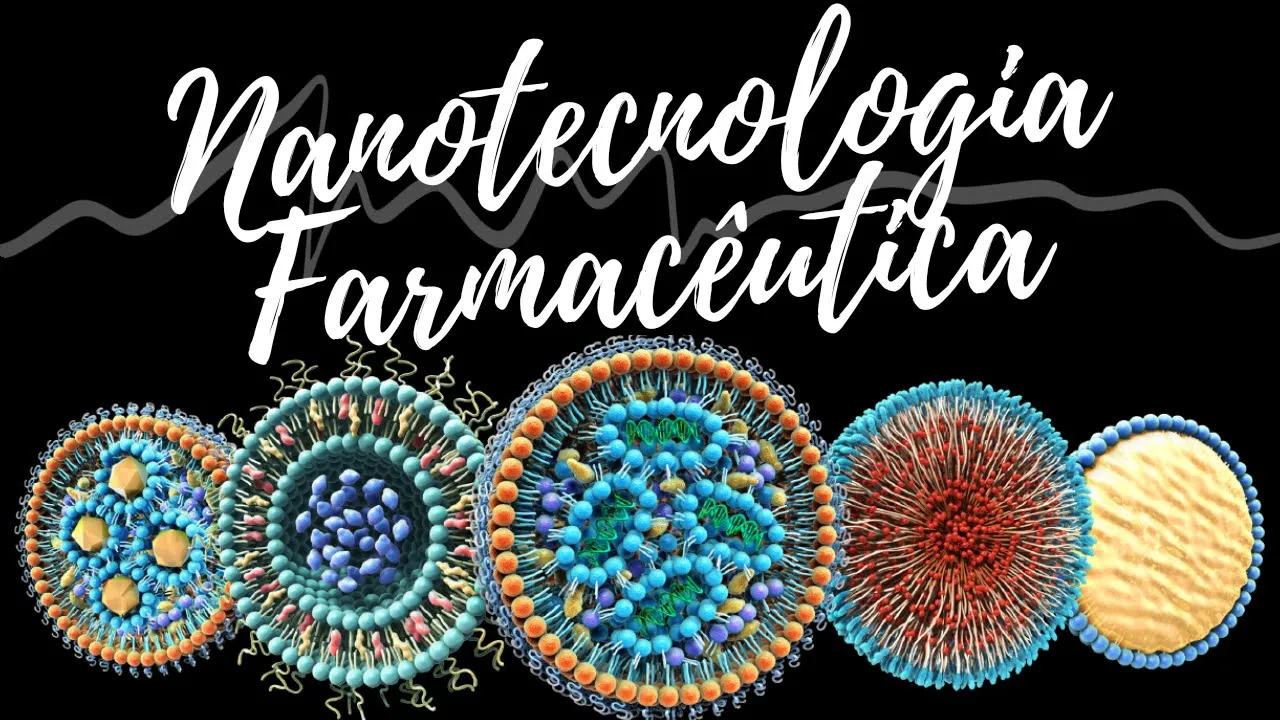
[Music] The study by Norhiati Muhammad Nor at Alal titled quote preparations and characterizations of dutastride loaded nanoructured lipid carriers coded with steic acid citizen olygr for topical delivery unquote delves into the realm of pharmacological advancements in treating androgenetic alopecia commonly known as male pattern baldness. This condition affecting a significant portion of men has long been a focus of therapeutic interventions with now dutastride being a prominent player at least in this specific study due to its potential in promoting hair growth. So the crux of this research lies in encapsulating dutastride within nanoructured lipid carriers essentially tiny particles that can transport the drug directly to hair follicles minimizing its systemic spread and boosting the localization of treatment.
The innovation doesn't stop here. These carriers are coated with a blend of steic acid and chitisen olygr both which enhance the delivery mechanism. So in layman's term, imagine dutastride as a passenger on like a very small bus. The nanoructured lipid carrier would be that bus and this bus which is specifically designed to navigate into tiny roads being these hair follicles are better than a regular vehicle. So a typically sized vehicle. The bus is then coated with a special layer, the steric acid chitisen olygmer that helps it stick to the roads better, ensuring the passengers reach the exact destination being the hair follicle and they don't wander off elsewhere in the body. So essentially it's an effective means of putting dutastride into this vehicle that can penetrate through the skin and go directly to the hair follicle. At least in theory, Noriati Muhammad Noir and colleagues conducted an extensive array of tests to optimize this tiny bus, this nanoructured lipid carrier.
These researchers varied the amounts of stic acid and chitisen olymer used in the coding of these nanoructured lipid particles and they meticulously observed how these variations affected the size, charge and stability of the carriers. It was found that the coding not only changed these properties but also ensured that the carriers were stable over time and released dutastride at a controlled rate. So in theory this is a pretty good sign that we can put dutastride into this chisin olymer and stic acidcoated nano particle that we can deliver to the scalp and it should again in theory go directly to the hair follicle and have a sustained presence in the scalp which could be very beneficial. So analyzing the data from the study, we can delve into several technical aspects that underpin the researchers validity and robustness. So when it comes to particle size and zeta potential measurement, the researchers utilize dynamic light scattering or DLS for measuring particle size and zeta potential. DLS is a reliable method for determining the size distribution profile of small particles in suspension or polymers in solution. So what we can see in the data is that there is a shift in mean particle size upon coding from approximately 187 nanometer up to 220 nanometer and then up to 230 nanometer for different concentrations of the coating which indicates a significant change due to the coding process. So as they experiment with different coating of steeric acid and chitisen olymer they're noting the change in these nanop particles lengths. Moreover, the zeta potential values. And for those of you who don't know, and I'll do a quick explanation right now, zeta potential is a measurement of the electrical charge on the surface of particles in suspension indicating their stability and interaction potential. Now, when it comes to skin penetration, zeta potential is significant because it affects the interaction between particles like drug carriers and the skin surface. So a suitable zeta potential can enhance the affinity for particles for the skin improving the delivery and absorption of active ingredients into deeper skin layers. For example, positively charged particles might effectively interact with negatively charged skin components leading to better penetration and increase efficacy of topical treatments.
And in this study, the zeta potential values of these nanop particles that are coated with chitisen olymer and stic acid was found to shift from negative values to positive values upon coding which signifies that the surface modification of these nanoparticles were successful. And this again is crucial for the intended interaction of the carriers with the negatively charged hair follicles. So in layman's terms, you can imagine this being like measuring the size and electric charge of a tiny balloon. In this case, that tiny balloon is the nano particles. The size change after coating shows that the balloon got a new layer. And the change in electric charge indicates that the layer sticks well to the skin and the hair follicle and can interact effectively with said hair follicles.
Now the researchers also did some morphological analysis using transition electron microscopy or TEM. So this TEM tool provided highresolution images that confirmed the spherical nature of the nanop particles. This method strength lies in its ability to visualize the morphology and the structural properties of the nanometer scale. Observing spherical shapes is vital as it can influence the biodistribution, cellular uptake and overall effectiveness of nanoparticles. So you can imagine this being comparable to taking ultra close-up photos of tiny balloons to see their shape. The study confirmed that they are indeed round, which is important for how they travel and work in the body. They have to be round. The more round they are, the better they perform. Now here comes the challenging part. trying to put dutastride, this big molecular weight, inside of these tiny molecules. So the researchers found that they had a high entrapment rate of 97.8% and consistent drug loading at 3.49%.
And these are indicative of the effectiveness of the preparation method and the stability of the nanolippid carriers. Now these methods are crucial for evaluating the capacity of the nano carriers to hold and deliver the therapeutic agent effectively. So once again for a clearer explanation you can imagine filling balloons with a special gas. In this case the balloon is the nano particle and the drug is detached.
A high enttrapment efficacy means that the balloons are holding on to the gas really really well. And the consistent drug loading means that each balloon has a similar amount of gas. So in this case, just change the word balloon for the special coded nanop particles and the word special gas or gas for dutastride, the drug in question. The stability of the nano particle lipid carriers at different temperatures is a critical aspect especially for real world applications. The observations noted that when the nanolipid carriers are coated with higher concentrations of the steric acid chisen olymer these particular nano particles showed aggregation at 25° C but not between 4 to 8° and this is crucial. This suggests that while the formation is stable at the lower temperatures, its stability decreases at room temperature which could impact storage and handling requirements. So essentially aggregation is how things stick together. So at 25° C, these nano particles tend to stick together and we don't really want that.
We want them to retain their structures and be somewhat separate while they're in some sort of solution together. So going back to that balloon analogy, this is like checking if balloons stay intact and don't stick together in different rooms of a house, representing those different temperatures. In some rooms with higher temperatures, the balloons started to stick together. And in some rooms with cooler temperatures, balloons retained separation and did not stick together. We can observe that as we go room to room and as the temperature becomes warmer, the balloons eventually come together and stick together more and more. And this is what we don't want for either our balloons and especially nanoparticle lipid carriers. So these same researchers went on to look at the in vitro so out of the body release studies. What they observed was that the rapid release observed in the first 12 hours of all formulations with the uncodated nanoparticle lipid carriers showing the fastest release rate is significant. It suggests that there is a potential for a quick onset of action which is desirable in topical applications. However, the difference in release rates between coded and uncoded nanoparticle lipid carriers also highlights the impact of the coding on the release kinetics. So going back to that balloon analogy again these in vitro release studies are supposed to test how quickly the gas is released from the balloons. And here it is observed that the gas comes out faster from the balloons without that special extra layer which could mean for quicker action when used but also it could affect its stability. So applying that to our steric acid chisen olymer layered nanoparticle lipid carriers, the researchers observed in the in vitro studies that the uncodated particles tended to release dutasteride faster than the coded ones. And this isn't exactly what we want because we want for the drug to be controlled and released over time so it's more efficacious. And we know from other studies that dutastrid has a long halflife, but we'll touch on that a bit later. So now we have to see what they used in the in vitro study. So they used a pig ear to simulate human skin. So using pig ears as a standin for human skin was a strategic choice due to its anatomical and physiological similarity to human skin. The fact that no dutastride was detected in the receptor chamber after 48 hours is a critical finding as it implies minimal systemic absorption and thus minimizing potential side effects.
However, it's worth noting that in vitro models while indicative cannot fully replicate the complexity of invivo conditions. So to be honest, I'm kind of baffled why they didn't get a sample of human skin to use this particular, you know, special nanoparticle lipid carriers on. and it seems kind of weird.
And because we like balloons so much, we're going to go back to using a balloon analogy. So, this part is like testing the gas from the balloons that can move through a barrier, similar to human skin. In this case, using pig ears as a stand-in. The good news is that the gas didn't go through the barrier too much, which means less chance of it affecting other parts of the house or in this case, other parts of the body. But we don't really know for sure because we need to test this in vivo to see if that's actually the case. And in vivo means in the body or of the human body or of a body. In vitro essentially means outside of the body in some sort of artificial environment, a petri dish of some kind. And here that outside environment is the pig ear. When it comes to cytotoxicity, the study revealed that encapsulating dutastride in nanoparticle lipid carriers significantly increased maximum non-toxic concentrations, suggesting a potential safer profile compared to dutastride alone. This aspect is crucial for therapeutic applications as it indicates a lower risk of adverse effects. So again, because we love balloons so much, going back to the balloon analogy once more, this is about making sure the gas in the balloons isn't harmful to the cells. And the study showed that the way that the drug is packaged in the balloons makes it safer to the drug on its own. And this is not to say that dutastride is toxic to your cells. This is just done in general practice to see not only if dutastride is toxic to your cells but if the nano particle lipid carriers those nano particles themselves are toxic to the cells as well. I hope these explanations are informative to understanding the methodology used in this study. Anyway, moving on. One of the most critical aspects of this study is its focus on the safety and effectiveness of the delivery system.
The researchers went to great lengths to demonstrate the nanoructured lipid carriers once applied topically wouldn't allow dutastride to seep through the pig ear and potentially into the bloodstream thereby reducing the risk of systemic exposure and also possible systemic side effects. However, every study has its limitations and areas for further exploration. And while the findings of Norhhati Muhammad nor atal are promising, they are primarily based on in vitro or outside of a living organism tests. How this delivery system performs in real life scenarios, particularly on human subjects remains to be seen.
Furthermore, while the focus on avoiding systemic side effects is commendable, the actual efficacy of dutastride in promoting hair growth via this new delivery system wasn't conclusively established in this study. So, I wish they used human subjects. Maybe in the future they're going to be using human subjects. Who knows? But that would show us more in regards to dutastride in this special, you know, delivery system being efficacious. Also, it could tell us a treatment duration and frequency. Maybe we don't have to use this thing daily like with finasteride and dutastride oral. Maybe you can just put this sort of solution onto your scalp once a week, twice a week. Who knows? Another point of interest is the potential of stic acid, a component of the carrier in promoting hair growth independently. The study hints at this possibility, but more so focused on the research that would be needed to explore this aspect.
So in summary, the study by Norihhati Muhammad Noir and colleagues represents a significant step forward in the realm of targeted drug delivery specifically in treating androgenetic alopecia. The innovative approach using nanoructured lipid carriers coded with steric acid and chitisen olymer blend for topical delivery of dutastride opens new doors in the field of dermatological therapeutics. This study highlights the potential benefits for localized treatment strategies over systemic ones, especially in terms of minimizing, although very rare, potential side effects. However, the journey from a promising in vitro study to a clinically proven treatment is long and requires further exploration, particularly in the realm of human trials and long-term efficacy studies. So, yeah, that was a lot to read.
Okay, so the next study we're going to be looking at is quote micro needling plus topical dutastreroid solution for androgenetic alopeescia a randomized placeboc controlled study by e Sanchez Messa at all 2020. So, this study focused on micro needling, and I'm sure many of you know it, but to the people that don't know, micro needling is a minimally invasive procedure that uses sterile micro needles to create small punctures in the skin. This method is known to stimulate hair growth by triggering the release of growth factors. Although it is debated to what extent micro needling alone can lead to hair growth, just know that it's supposedly the healing factors from the micro injuries to the skin that could lead to hair growth. Alongside a micro needling, a topical application of 0.01% dutastride solution was used. Now dutasteride is a dual five alpha reductase inhibitor typically used off label for the treatment of androgenetic alopeescia and it has also demonstrated greater effectiveness and a similar safety profile compared to oral finasteride. So conducted at a dermatology clinic in northeast Mexico.
This 20week double blind placeboc controlled trial involved male participants between the ages of 18 to 65. All participants had androgenetic alopeescia defined as a score of two or greater on the Hamilton Norwood scale and had not undergone any androgenetic alopecia treatment in the last 6 months preceding the study. They were randomly assigned to receive either micro needling with a topical dutastride solution or micro needling with a saline placebo solution. These treatments were administered every four weeks over three sessions. Follow-up visits occurred at 16 and 20 weeks. Before the micro needling, participants received a topical anesthetic and then the treatment area was cleansed with an antiseptic solution. The micro needling was performed using a Dr. Pen model Ultima A6. So, it's those dermapens and it was set to a penetration of 2.5 mm.
This was followed by the application of either 1 milll of the 0.01 to 01 topical dutasteride solution or 1 milll of saline placebo solution. Patients were advised to avoid washing their hair for at least 12 hours following treatment.
The primary goal of the study was to assess the effectiveness of the treatment using a global photographic assessment GPA for short for hair growth conducted by three dermatologists who are blinded to the treatment groups.
They compared baseline photos with those that were taken at week 16. Secondary outcomes included changes in hair density, hair thickness, and the ratio of vellis to terminal hair. Triccocopy images were analyzed in a blinded manner. The study included 34 participants with comparable baseline characteristics across the two groups.
By week 16, 52.9% of the men in the topical detach red solution group showed marked improvement in their global photographic assessment compared to 17.6% in the micro needling with saline placebo solution group. The majority of patients who experienced marked improvement in the topical dutastrid solution group along with the micro needling had a Hamilton Norwood scale between two and four. So the data from this study comparing the micro needling plus saline placebo solution versus micro needling plus dutastasteride solution for the treatment of androgenetic alopecia in these 34 male participants presents some important key findings. Firstly, the mean age of the participants was similar between the micro needling plus saline placebo group being 31.1 years old and the micro needling plus dutastride solution group being 29.4 years old and there was no significant difference here giving us a p value of 0.469.
The median duration of hair loss was also comparable between the two groups.
six years for micro needling plus saline placebo solution and five years for micro needling plus dutastride solution and there was no significant difference here with a p value of 0.29 when it comes to the Hamilton Norwood scale the distribution of androgenetic alopeescia severity based on the Hamilton Norwood scale varied across different levels but showed no significant difference between the two groups here with a p value of 0.247. Now for the global photographic assessment, a significant difference was observed in the global photographic assessment. In the micro needling plus due to astride solution group, 52.9% showed marked improvements compared to 17.6% in the micro needling plus saline placebo solution group with a p value difference of 0.037.
In the frontal area where there was a significant increase in hair thickness and hair density per centimeter squared in the micro needling plus twoid solution group compared to the micro needling plus saline solution group. We saw that the change in hair thickness was 16 micrometers versus 6 micrometers and that the change in density was 26.6 6 hairs per cime squared versus 5.5 hairs per cime squared. So that shows a big difference between the group that used micro needling plus dutastride solution versus the group that used only micro needling plus saline solution. Now the ratio of vellis to terminal hair showed a significant improvement in the micro needling plus dutachoid solution group compared to the micro needling plus saline placebo solution group at 0.38 versus 0.09 for a p value of 0.005 005 in the occipital area. Similar trends were observed with significant improvement in hair density for the micro needling plus dutastride solution group. When it comes to adverse effects like athemma and sensitive scalp, they were observed in both groups but lasted less than 36 hours. So this is typically expected when you're doing something that involves micro needling and also applying anything topical. It can irritate the skin. But here researchers concluded that the topical duty solution led to a superior overall improvement in hair parameters compared to the micro needling plus saline placebo solution especially in the frontal area of the scalp. And I can speculate on this a bit. There was a paper that I talked about before on my channel. It was a bit of a smallcale study but nevertheless it examined the concentrations of different types of five alpha reductase enzymes along with aromatase existing in the scalp. And if I'm not mistaken that study found that there is a higher concentration of type 5 alpha reductase in the hairline area. So these things kind of match up and I just wanted to bring that up to people's attention. So again here we have very very interesting results. Now the researchers did admit that they need further studies to compare topical dutastride with other androgenetic alopeesia treatments to explore the long-term effects of this therapy. One of the main strengths of this study in my opinion was it's designed as a randomized doubleb blind placeboc controlled study. This approach is considered the gold standard in clinical research as it minimizes bias and enhances the reliability of the results. They use both a control group, the micro needling with saline placebo solution, and a treatment group, the micro needling with dutastride solution, and also allowed for a clear comparison of the effects of the dutastrroid solution. Additionally, the assessment of outcomes was thorough utilizing global photographic assessment, hair density measurements, and also even quality of life indices, which provided a comprehensive review of the treatment's efficacy. However, the study also had several limitations that should be considered when interpreting the results. First, the sample size was pretty small with only 34 participants.
This limited sample size can affect the generalizability of the findings to a broader population. Moreover, the study focused exclusively on male patients and therefore we can't make any sort of direct applicable claims to females with androgenetic alopeescia. Sorry, my voice sucks right now. I have a bit of a cold.
Anyway, also the duration of the study lasted only 20 weeks and this is relatively short which may not have been sufficient to fully assess the long-term efficacy and safety of the treatment.
Long-term effects, particularly regarding the sustainability of hair growth and the potential for adverse effects with prolonged use, can remain unknown if not done properly in the study. So, who's to say that these people got a lot of results and maybe one day out of the blue all of them lost them? Now, I'm not trying to say that's the case. I think there's enough clinical evidence that proves that isn't the case. But if we had more subjects, right, I feel like if this had a subject count of like 200 patients, right, and if this went on for like a year and if members of the placebo group were put into the control group and vice versa, I think that would definitively have been a more superior study. It would have been fantastic if that were what happened. So, if there's any researchers out there listening to this video, definitely do that and you'll get all the clout in your little research world, right? Anyway, let's move on to the next video or I guess the next study. Maybe I'll cut this up into different videos.
Now moving on to the next study titled quote topical dutastride with micro needling in the treatment of male androgenetic alopecia unquote authored by Isam Aada and this paper was published in January 2018 in the Sohag Medical Journal. This study aimed to evaluate the efficacy and safety of combining topical dutastride with micro needling for the treatment of male androgenetic alopecia. So the study included 30 male participants who were diagnosed with this condition. These participants were divided into two groups. One received micro needling with dutastasteride while the other underwent micro needling alone. The study was conducted with the approval of the ethical and research committees at the faculty of medicine at Sohag University.
Furthermore, there was a bit of a selection process here where the study researchers carefully selected its participants, excluding those with other forms of alipcia, systemic or dermatological illnesses causing hair loss or a history of certain medication and treatments that are used to combat hair loss. So, pretty much anyone who's been using minoxidil or finasteride, they couldn't be included in the study.
That would tamper with the efficacy results. The average age of the participants was about 26 years of age and the study spanned a period of 6 months. So again there were two distinct groups with one group receiving micro needling followed by a topical application of 0.02% dutasteride and the other group receiving only micro needling and nothing else. Not even a saline solution or placebo injection or whatever. They just received micro needling. The treatment consisted of 13 sessions spread over six months following specific schedules. The efficacy of the treatment was assessed using various methods including the Norwood Hamilton grading scale, photographic tricoscopy evaluation, and hair growth questionnaire for the patients self- assessment as well as an investigator assessment using a 7-point rating scale.
The study also mentioned safety and tolerability by evaluating local and systemic side effects as well as hormonal disturbances specifically measuring serum testosterone and DHT levels. Statistical analysis was conducted using the STA software applying different tests according to the data's nature with a p value of less than 0.05 considered significant.
Now getting into the results and off with that boring [ __ ] that I said in the beginning. The results showed that the group treated with micro needling plus dutastride experienced a 12% increase in hair density in contrast to a 4% decrease in the group that only received micro needling. So here as opposed to the other study that we that we've read before the um the study that took place in Mexico where we saw that the micro needling plus placebo saline group they did see a bit of growth here we're actually seeing that this group received nothing they they actually lost hair that is the micro needling group in this particular study the researchers go on to say that there was a notable increase in the caliber and the terminal to vellis hair ratio in the group treated with the dutastasteride plus micro needling and when it came to patient self assessment it also indicated higher satisfaction in the group receiving the combined treatment. However, the study faced several limitations including its of course its small sample size which restricts the generalizability of the findings similar to the Mexico study that I mentioned before. Also, the six-month duration might not have been enough for long-term results to be displayed. In addition to this matter, the control group's treatment, which involved only micro needling, might have been an adequate comparator to fully assess duty specific effects. And this is my biggest issue with the study. Now we have to remember that the purpose of the control group is that it allows for the comparison of outcomes in what we are trying to observe by having a sort of measured response. The control group is part of the study that isn't receiving any treatments. Now in this case the micro needling control group serves as a partial control. It is debated right that micro needling in and of itself can cause hair growth due to the injury of the skin and when that skin is injured in such a way it can promote healing and growth factors which could stimulate hair follicles to grow better. So in this case, having it serve as a control is questionable.
And I think a more rigorous control group would have been a placebo group where participants would receive micro needling with a non-active substance instead of dutastride or or just something like that. Maybe what I'm saying doesn't make sense at all because we want to compare dutastride micro needling um with I guess micro needling alone. I think if we had more than one group like let's say dutastasteride micro needling right one group um micro needling and maybe another group using topical dutastasteride another group using micro micro needling plus a saline solution whatever and this criticism also applies to the Mexico study that I was talking before so yeah it's a bit of a you know it's a hard cell and I can see people complaining who are major advocates for micro needling because some people do think that micro needling again on its own can cause hair to grow.
But it would be another thing if this study actually showed that. The study actually showed that the group that was receiving micro needling actually saw a decrease in hair count. So that's very dissimilar from the previous study we mentioned before being the Mexico study that talked about dutastride versus dutastasteride micro needling versus micro needling plus um saline solution.
And both groups saw a increase of hair.
But it was just that the dutastride micro needling group saw even more a significant amount of increase in hair.
So I'm only mentioning that part because yes, I think there's going to be some people who are advocates of micro needling who will insist that hey micro needling on its own can cause hair to grow. Now the study doesn't mention if it was blinded and in an ideal setup neither the participants nor the researchers would know who is receiving the active treatment and who is receiving the placebo. So this would be a double blind study. This helps reduce bias in the self- assessment outcomes and it can make the reliability of the study much more trustworthy. With that being said, the reliance on subjective assessments like the patient self- assessment and also the pull test because with the pull test essentially they take a clump of hair and they tug at it quote unquote gent. But the thing is you can't be sure how much force you're applying each time and you can't keep up with the consistency. So the use of the pole test is kind of subjective and it's not an adequate way to assess whether or not those hairs are actually strong because given enough force you can pull out any hair from any hair follicle. Right? So you know some researchers may be pulling on it a bit hard others may be pulling on it a bit gently. So, it's just not a good marker to determine what hairs have a strong caliber, are actually not in a shedding phase, and are actually going into antigen. So, that's not a good marker. I wish they just let that out to be honest with you. We should ignore that. But with all that being said, the study in my opinion does show that topical duty plus micro needling is more efficacious than micro needling in and of itself.
But surely it would be great if researchers who are watching this video, because I know some of you exist out there, would be able to produce a more robust and larger study on the matter of dutastride with micro needling versus micro needling and maybe versus topical dutastride and perhaps as well versing messotherapy dutastride. Well, now that I talk about meotherapy dutastasteride, in the next segment we will be looking at meotherapy being scalp injections of dutastride solution and how effective it actually is.
So, now we're going to be getting into messotherapy. And for those of you again who don't know what messotherapy is, I will reiterate because I think I already did earlier in this video, but if I cut this video up, that means you probably didn't see the other video. So, go check out the other videos when this gets cut up or maybe keep on watching if this is in a the fuller version of this video, right? Anyway, meotherapy is the injection of pharmaceuticals directly into the skin. Here we're going to be focusing on the injection of dutastasteride possibly with some sort of solution or saline of some kind directly into the scalp. So that being said, we're going to be looking at the study titled quote evaluation of the effect on injection of dutastasteride as meotherrapeutic tool in the treatment of andogenetic alopecia in males unquote by Nagat Sabhi Atau. And in this study there is a comprehensive investigation into the efficacy and safety of messotherapy using dutastride for treating AA or androgenetic alpia. This study involved 90 male participants between the ages of 18 and 55 and they were selected on the basis of strict inclusion and exclusion criteria to ensure a focus on the effects of dutastasteride without interference from other factors like possibly having other forms of alopecia and possibly using other drugs like minoxidil finasteride.
So patients were divided into three groups. Group A received meotherapy injections of pure dutasteride. Group B received dutastasteride containing solution injections. Now expanding on this part a bit more. The solution consisted of the following. You had dutastride at 5 mg per vial. So standing in at a 0.05% concentration. There was also depenththenol at 500 mg. And you may know this as provitamin B6. And this is commonly used in skin care products for moisturization as well as wound healing.
Provitamin B6 also plays roles in synthesis of co-enzyme A in the body which is involved in numerous enzyatic reactions important for metabolism of fats, carbohydrates and proteins. But I'm digressing a bit on that part. The solution also contained biotin 20 mg and vitamin B6 at 200 mg. Finally, control group C just received simple saline injections, so nothing else. The treatment schedule was comprehensive, involving multiple sessions over several months, and the efficacy was evaluating using various parameters including trioggram analysis and patient self assessment. So, I think it's helpful before we proceed with the results, let's look at the protocol that the investigators went when it came to doing the injections. The initial phase saw patients receiving injections once per week for the first four weeks. So this is week zero, one, two, and three. The intermediate phase, this was followed by injections once every two weeks for 1 month. So week five and week seven. Now the maintenance phase. Finally, patients received injections once per month for 3 months. So weeks 11, 15, and 19. So now what did the results show? Well, the results indicated a more pronounced improvement in group B which received the dutastride containing solution and the additional additives. This suggests a potential synergistic effect of hair growth promoters in the solution or the influence of dutastride concentration. A significant increase in the antigen phase, also known as the growth phase, hair percentage, and the hair shaft diameter was noted in the actively treated groups, indicating the effectiveness of the treatment. However, this improvement in hair growth parameters did not always correlate with patient satisfaction or clinical observation, which is kind of weird. And this could highlight the subjective nature of perceived hair loss improvement. So maybe some people had higher expectations than they should have. The study also carefully monitored side effects particularly concerning sexual function and spermatogenesis and that is how sperm is created. They wanted to see if anything was wrong with the sperm and its I guess health. While no significant sexual side effects were reported, there was a decline in semen parameters that was observed in the actively treated groups. Albeit it was within normal ranges. So they had a decline from the beginning. I guess their jizz showed more sperm in the beginning and then to towards the the middle of treatment and the end of treatment. Uh there was less jizz and little spermies running around in it.
However, it was still within a normal range. Sorry for being immature. This happens when you've been recording for like 3 hours. You kind of just get a bit tired. But in any case, this could be indicative of there being some sort of systemic exposure. But I guess you have to expect it if you are indeed injecting dutasteride deeper into the scalp. Some of it's probably going to get into the bloodstream. Now, what I wish they did was do like some sort of scalp biopsy to show the decline in DHT. That would have been a nice additive to some of these studies, but they don't do that [ __ ] And this is what I also want to build on though. Just because dutastride could have gone systemic doesn't mean that this is a failure. There are other reasons why you may choose to go with topical solution or an injectable solution of detachide. And again, here is the case. You want to have a more localized effect on scalp DHT. So, if you do get a degree of systemic absorption, again, if they did do that biopsy like I mentioned before, I'm sure it would show that scalp DHT levels have gone down significantly. Now there is a potential with meotherapy that because you're in introducing a large degree of dutastride to the scalp and because dutastride will have a long half-life and presence in the scalp, you could conceivably conclude or see and again I'm hoping there are more studies on this in the future that show a even greater decrease in scalp DHT compared to the 2.5 milligrams of dutastride per day that shows that scalp DHT goes down by 80%. Who knows with me therapy dutasteride and the fact that it's used infrequently, right? It could be the case that it has long-term sustaining effects and it reduces scalp DHT incredibly. Maybe by 90%, maybe by 99%.
We don't really know because there aren't that many studies that are even conducted using messotherapy dutasteride. So yeah, this study by Nagat Sabhi Atal is not perfect by any means, but its retrospective design which relied on existing records and observations could have also introduced biases and limitations in the data quality and completeness. This design is generally considered less robust than prospective randomized control trials.
The absence of information regarding whether or not this study was blinded could introduce bias in the assessment of the outcomes as both patients and researchers might have a preconceived notion about the treatment's effectiveness.
Another critical aspect is the study's duration of follow-up. It may not have been long enough to fully assess the long-term efficacy as well as safety of dutastride therapy. Understanding the long-term effects and sustainability of treatment is vital in evaluating the treatment for androgenetic alopecia.
Regarding the statistical analysis, the study employed various tests, but these might have had limitations such as how potential confounders were handled and the statistical power to detect differences between groups. Lastly, again, the generalizability of the study results is constrained by its specific demographic and geographic setting. So, the study doesn't really talk about other groups like women. So, it would be kind of hard to make conclusions about, let's say, how topical or even messotherapy dutastasteride would potentially perform in women. Now there is another study that includes women that we will be touching on next but I just wanted to include that for continuity purposes. So in conclusion, Sagat Sabi atal's study on meotherapy with dutastride presents a promising treatment for male androgenetic alopeescia demonstrating effectiveness in improving hair growth parameters.
However, the potential of systemic absorption and its implications particularly on spermatogenesis as well as possible sexual function necessitate further research. Now, we know from the dutastrite clinical trials that people that take this typically their semen volume of unutrite goes down. But in terms of sexual adverse events, it's very similar in terms of safety at 0.5 mg of dutastride compared to 5 mg and 1 millig of finasteride. Now, for me, when it comes to studies, I would give this an okay rating as it does have decent control mechanisms and 90 participants.
Although small for some people, I think it's enough to show comparative differences. Also, this study did have three different groups. One of which, and I think we have to applaud the researchers here, being a placeboc controlled group to help make measured assessments. Although, I do wish that this was a double blinded study to both researchers and patients. And again, next time when anyone is doing methapy injections, please, please, please, please get some scalp biopsies before and after such treatments because it would be nice to observe how much the scalp DHT goes down by. That would be that would be nice. And don't only get the measurements these biopsies rather from just the hairline or one spot of the scalp. Get it in all regions of the scalp. you know hairline, the back of the head, parietal region, crown, temples, just please get that because that would be very valuable to know what is actually going on with scalp DHT in messotherapy injections of dutastasteride. That's fantastic. So now we're going to be looking at in the next segment using dutastasteride for female patients with androgenetic alopeescia. So this is going to be for the ladies. Hopefully you know you can appreciate that fellas.
The study titled quote meotherapy using dutastride containing preparation in treatment of female pattern hair loss photographic morphic and ultraructural evaluation unquote by N mafta atal presents an intriguing approach to treating female pattern hair loss or FPHL. Now, this study is significant as it explores the use of messotherapy with dutastasteride containing preparation, which has been relatively new when it comes to treating female pattern hair loss. The study's methodology involved 126 female patients divided into two groups. Group one consisting of 80 patients was treated with a dutastride containing preparation in messotherapy injection while group two contained 80 patients as a control group with saline.
So the control group had saline injected into their scalp and this saline had nothing in it. It was just placebo. So just some sort of liquid with no growth properties. So the study spanned 12 sessions with evaluations conducted at the 18th week using photographic assessment, hair pull test, hair diameter measurement and patient selfassessment. Additionally, ultraructural evaluations was performed for three patients. Now the results of the study found that messotherapy with dutastride containing preparation led to significant improvements in hair density, thickness and overall hair quality compared to the control group.
Photographic improvement was observed in 62.8% of patients on the treatment group as opposed to 17.5% in the control group. The hair pull test and the diameter measurement also showed significant improvements. These results suggest that the treatment being the dutastasteride scalp injections, the messotherapy dutastasteride that is was effective. Now looking at the ultraructural evaluation, this examination provides unique insights into the treatment's impact on a microscopic level, which actually is a novel aspect of this study. I don't think I've seen other studies that took this approach before, too. So, I really like this. There was actually a finding within some of these patients that there was a repair in the cuticle of the hair shaft and this is the outermost part of the hair shaft. So while that is pretty interesting and while this finding did come out of the women that were treated with meotherapy dutastasteride, we can't conclusively say that it was dutastrides doing. If it is strengthening hair follicles and it's reducing and it's reducing miniaturization then yes the cuticle conceivably would be repaired right the outer hair shaft would be repaired. Now when it comes to the safety and tolerability the treatment was found to be tolerable with minimal side effects like pain to the local area where the dutastride was injected to and to things like headache which although those do suck. You don't want to have a headache. you don't want to have, you know, pain. They were temporary and this is actually a significant positive aspect of the study. The lack of serious adverse effects makes this treatment potentially more acceptable to patients.
Now, this study does have a strength because it has a relatively large sample size and also the use of a control group. So, clap clap and applaud for the researchers here. However, there are limitations here to this study and it's the study's over reliance on subjective measurements like the photographic evaluations and also the patient self assessment as primary outcomes that is of course a limitation. Now, of course, when you have day and night results between two patients and you have day and night results between a patient's baseline and what they further experience on treatment, yes, that is obvious. We can see from the photographic evaluations if they actually grew hair, if they grew new hair in specific areas, but you want to get a more accurate look at the hair by using something like a photo trickgram where you can get a sort of microscopic review of the hair follicles. Now, while these methods are valuable, they can be influenced by personal biases or perceptions. Furthermore, the use of the hairpull test, which is used to see which hairs are about to shed by tugging on some hairs in the scalp and seeing how much comes out, that is horrible and very questionable. I have no idea why they would waste their time with this after getting so many women to participate in this study. Because here, depending on how hard you pull out the hair, you can pull out hairs that are about to come out, or you could pull out hairs that are just normal, but you're probably tugging on it a bit too hard.
So, again, there's no controlled mechanism like the pressure per square inch that you're putting on the hair shaft itself. It's just there's too many confounding factors when you're using the hairpull test. It's more so of a rudimentary test to see if you're tugging. It's very subjective. You can't control how much pressure you're putting on each hair follicle or each hair strand that you're pulling on. So, I'm very disappointed. If they used a photo trickgram, that would have been better than patient self assessments and this so-called [ __ ] hair pull test. Not only that, but there could have been some bias in the ultraructural evaluation. They could have just picked the women that had the best responses and then try to use that as some sort of indicator that all women that participate in meotherapy injections of dutastasteride get these sort of improvements to the cuticle of their hair shafts, the outer hair shafts. So in conclusion, the study by N mafta atal demonstrates that messotherapy using dutastride containing preparations does appear to be an effective and tolerable treatment for female pattern hair loss. The study's methodology incorporating various assessment techniques is a somewhat key strength. However, the potential of bias arising from the lack of double blind design and reliance on subjective assessments like the hairpole tests are very notable limitations. Again, further studies with more rigorous design and objective measurement is needed to validate these findings. But nevertheless, the study provides valuable information in the growing body of research on non-surgical treatments for androgenetic alopeescia in both men and also for this particular one women and it opens avenues for further exploration into this field as well as messotherapy dutastrite treatments. So very exciting and you know if I had to you know lick my finger put it in the air and you know see the temperature of the of uh you know how I feel about this study I would say that it's it's okay.
It's it's not perfect. It does have a lot of you know subjective limitations to it but I think it does lean in the direction of meotherapy dutasteride being a positive treatment for women. Now there is one aspect that I think we have to caution here that is for women that become pregnant or who may become pregnant.
There's a real concern that if five alpha reductase inhibitors like finasteride especially dutastasteride get into the bloodstream of a pregnant woman it can influence the male fetus into not producing a proper fallus you know not producing a pee pee and that could be horrific. you could get that whole amazing atheist like short pee pep if you know what I mean right um so yeah we have to be a bit careful about that uh when it comes to women and their treatment with androgenetic alopecia and five alpha reductase inhibitors you know I had an argument with not not really an argument but some discussion with some women on Reddit and they were uh very adamant on you know saying that women know when to get pregnant and how to get pregnant and you know although mist mistakes do happen. We have to give women the autonomy on using these treatments. And I completely agree. But I guess as a researcher, you don't want to be responsible for introducing a five alpha reductase inhibitor into a woman, her unknowingly being pregnant during the duration of the treatment or becoming pregnant at some point. And that's somehow negatively influencing the fetus, the male fetus potentially.
And now, you know, we don't know people's beliefs about abortion necessarily. Maybe you can do a questionnaire on these women and kind of filter them out. But let's say that there's a woman who doesn't want to have an abortion after they are pregnant while on these treatments and they have a male fetus and that male fetus is born with a disability particularly in their fallus it not being you know there could have ambiguous genitalia that is uh kind of concerning and I will put some case studies on this particular topic. I think there was some sort of case study that I saw before where a woman actually was taking finasteride or dutastasteride and then she found out she was pregnant and she terminated the pregnancy when they were doing ultrasounds of the male fetus and they found out that the phalus was very ambiguous. So that's a concern that I have when it comes to women being treated with five alphauctus inhibitors.
Hopefully the women in the audience understand where I'm coming from. And yeah, I'm talking a bit too much. Um, you know, I'm sorry. Sorry about my voice, guys. I hope you can bear with me. My voice is just shot so much cuz I think I have a cold. So, anyway, let's proceed.
[Music] So, now we're on the final study that we're going to be reviewing. The study titles quote meotherapy with dutastride for androgenetic alopeescia a retrospective study in real clinical practices unquote. And this study focuses on evaluating the safety and effectiveness of messotherapy with dutastride in treating androgenetic alopecia commonly known as male pattern baldness or female pattern hair loss or pattern hair loss.
Bottom line, it's that condition that causes your damn hair follicles to be sensitive to DHT and over time miniaturize.
Now, this is an excellent study. This is a retrospective study conducted by David Coralo and colleagues and it provides significant insights, but also it does have some limitations. So, there is some room for potential improvement. The researchers conducted a multicentric retrospective study. The criteria for inclusion were patients treated for at least 6 months with meotherapy using dutastasteride. So patients were having dutasteride injected into their scalp.
Anyway, the study aimed to assess both the safety and effectiveness of this treatment in a real clinical setting. A total of 541 patients were included and the study collected data on demographics, clinical presentation, treatment details, side effects, and treatment response. with an analysis of the data and the results. Regarding efficacy, the study showed notable results. Now, pay attention closely here. Only 86 of the patients out of 541 patients were actually treated with only just only meothotherapy dutasteride.
Now, why do I say this? Because other patients were treated with other things including dutasteride and also without dutastride. So it kind of muddies the results on what this 541 patients are actually being treated with because at a first glance you may only think that only 86 people responded. No, only 86 patients received only meotherapy dutasteride. So that means only 86 patients were having dutastride injected into their scalp. So out of the 86 patients, which represents 15.9% of the total 541 patients who received some kind of messotherapy, 86 patients only received utsteride messotherapy as the sole treatment and were evaluated after one year. Of these 86 patients, right, 71 patients equating to 82.6% 6% of these 86 patients demonstrated clinical improvement. More specifically, within this group, 33 patients or 38.4% of these 86 patients exhibited a marked improvement in their condition. In terms of side effects, the study highlighted pain as the most common adverse effect.
So the pain of having something, you know, injected into your scalp or just a needle going through your scalp in general, you know, it's kind of uneasy.
And this was reported by a total of 246 patients, making up 45.5% of the entire study group that reported experiencing pain during treatment. Now, there were other milder side effects that were also documented, albeit less frequently.
These included frontal edema in seven cases, a skin rash accompanied by facial edema in three cases which required systemic vertical steroids for management and a single case of local hematoma and one mild case of feliculitis. The treatment regimen followed in the study was also important as an aspect. The most common frequency of treatment during the first year was quarterly with 258 patients accounting for 49.7% of the total adhering to the schedule.
Moreover, a significant portion of the patients amounting to 378 individuals or 72.8% of the total chose to continue the therapy beyond the initial 12 months. So what are the strengths of the study?
It's a large cohort. The study strength lies in its large sample size providing I guess somewhat of a robust data analysis where you can see the different treatments that people had and you can kind of compare them right but uh there was no control that's for the negative aspect of the study and not only was there no control the downside is many of the patients outside of the monotherapy group you know outside of the group that was only receiving dutastride messotherapy so That only being 86 patients. All the other patients were on concurrent treatments. They were taking minoxidil, finasteride, spiralactylone, dutastasteride, orally. Just patients were using other things outside of those 86 people who only received methapy, dutastride injections to the scalp. Many patients in the study were receiving other hair loss treatments and these treatments included oral dutastride being 393 patients, oral minoxidil being 154 patients, oral finasteride being 32 patients and oral bicolutamide, I would never [ __ ] touch that by the way, being 14% of patients. And finally, oral spirolactylone. Something as a man, you know, you don't want to [ __ ] with, but that's about 5% of patients. So in the context of this study, the breakdown of patients receiving various treatments being oral detach, oral minoxidil, etc., adds up to the number greater than the total count being 541. So all the numbers that I just listed out, if you were to add them up, you may think, hold on, that's more than the sample size.
That's more than the 541 patients because I mentioned there being 393 patients, 154 patients, 32 patients, 14 patients, five patients each respectively either taking detest orally, oral minoxidil, oral finasteride, oral bicolutamide or oral sperolactylon. So this apparent discrepancy arises because many patients were receiving more than one type of treatment concurrently. For instance, a patient may be using oral dutastasteride might also be using oral minoxidil or even another oral treatment at the same time. So you do get a degree of like double maybe triple quadruple who knows counting. So although when we add all these numbers up they do exceed 541 patients that does not indicate an error or larger study size but rather it illustrates the overlapping nature of treatment regimens among the study participants. Each patient again could be part of multiple treatment categories leading to a sum that surpasses right the total count. The concurrent use of multiple treatments in this study as well really does obscure the specific effectiveness of messotherapy with dutastasteride because we're trying to see just messotherapy with dutastride alone. We want that to be the major focus. But I must reiterate 86 out of the 54 patients only received dutastride messotherapy which is dutastride being injected into the scalp. And of these 86 patients that received dutastride messotherapy only, 71 improved in the first year. And this comes up to 82.6% of those 86 patients improving. Now I wish they simplified the study and they just got 541 patients in total and they split it in half. one receiving just placebo, the other receiving detachide messotherapy injections only and nothing else because that would that would make a really good you know study and if it was double blinded and randomized that would be fantastic. Another aspect that I mentioned before in the other sections was that I would really like to see these studies start looking at scalp biopsies to monitor the reduction in scalp DHT and also the reduction in five alpha reductase enzyme in different parts of the scalp. So if they were to compare this from baseline to after treatment, that would be fantastic and it would actually, you know, show a a greater range and distribution in terms of what we know about the different five alpha reductase concentrations in the scalp. So whether or not type one tends to be over represented in the hairline, whether or not type two tends to be in the occipital region, parietal lobe, whatever. and also monitoring other enzymes like aromatase. This probably would have made this study fantastic and very robust. And yeah, again like I said in the other sections, if a researcher is listening to this, definitely do something like that. I think that would be very valuable in the world of dermatological treatments. Yeah, that's like fantastic.
Now, although we're largely done with reviewing this study, this study also did a sort of medical literature review on meotherapy dutasteride because there's this table that actually shows a summary of various medical interventions that involve methapy dutastasteride in treating hair follicle miniaturization in androgenetic alopecia. And I don't want to go through these studies one by one because we kind of actually covered some of these already in this video. But yeah, I'll put a screenshot here and I'll read some of the notable ones. For example, Morales Miranda at reported a 100% improvement in their small study of five men using 0.01% dutastasteride over a six-month period.
And this is what I'm presuming to be messotherapy or topical dutestride, but I think it's messotherapy dutasteride.
So I would rate this study overall as being pretty solid because although it didn't have a proper control group and there was a bit of obuscation, it did show that within the group that was only being treated with meotherapy, dutastasteride and nothing else that 82% of them or 71 out of the 86 experienced hair regrowth within the first year. So yeah, I think that's pretty fantastic.
[Music] So, we're now here at the end of the video where I can just, you know, say what I have to say, say my thoughts. And again, I want to apologize for everyone listening because my voice went to [ __ ] during the recording of this video. I caught a fever, but I you know, the the show still goes on, so I have to record these things, right? But anyway, based on the studies, messotherapy with dutastride appears to be an effective treatment option for androgenetic alopeescia in both males and even females with favorable safety profiles.
Also, micro needling with topical dutasteride does show that similar promise. However, some of these studies had wonky control groups and probably none at all. A lot of them didn't even have retrospective natures to their studies. So yeah, there were some issues with the studies, but the clinical evidence when put together points in that general direction of topical dutastride being effective when you use something like dermipens or micro needling of some kind and also messotherapy dutastasteride being very reasonable and effective given a good sort of I guess you can say treatment duration. So I have some proposals for increased treatment duration and jet injection therapy. So considering these various studies and their findings, I'm willing to propose a sort of mechanism here where we increase the treatment duration to methapy dutasteride twice or three times a month long term which could enhance the efficacy. That's how I see it. And maybe along with this patients could al also use their dermipens as well and put on topical dutestasteride. Additionally, I think introducing jet injections as a method to administer dutastride or some sort of saline dutastride or dutastride solution treatment directly into the scalp. This could reduce the pain experienced by patients. And I'm pretty sure sometimes they use the jet injection with PRP, the plateletri plasma treatment. But these proposals would need clinical validation to assess its feasibility, safety, and effectiveness compared to traditional methods. I think the primary goal here is to standardize these treatments. So with meotherapy dutastasteride I think we have to come up with a proper frequency of use and also with topical dutastride with micro needling we have to come up with a proper micro needle length I think it's like 2.5 mm probably I would say twice a week and then you apply 0.02% 0 2% topical detachide to those micro needled areas. That's my opinion. But yeah, these things should very much be looked into. But I think it's positive. I think topical dutastride messotherapy dutastride definitely does work. So yeah, that's the end of this video and my voice is completely shot. So if you guys are interested in I guess coping the micro needle as well, um, yep, I'm going to do a plug. You can check out my Amazon affiliate link in the description below where you can see the two micro needles that I've used before, including the doctor pen. I don't actively use it now.
Please consider becoming a channel member for as little as $2 a month or donate to my buy me a coffee link. And like always, if you got to the end of this video, comment in the comment section below, golden star, because that is what you are, a golden star. Anyway, thank you so very much for watching. I'm going to go drink some tea to fix my glutes. So, thank you. And yeah, peace out, guys.
[Music] Heat.
[Music] [Music] Heat.
[Music] Heat. Heat.
[Music] [Music] Heat.
[Music] Heat.
[Music]
Up Next

19:25
Microfluidic Production of Drug-Loaded Liposomes | Lab Webinar
@PrecisionNanoSystems
12.3K views•2020-03-10

48:47
Graphic Medicine: Comics for Collaborative Healthcare Communication
@nationalpatientadvocate
189 views•2023-12-04

10:28
Neuroanatomy: Central and Peripheral Nervous System Divisions Explained
@AKLECTURES
136.2K views•2014-09-20

3:05
Stages of Labor and Vaginal Birth | Childbirth Animation
@nucleusmedicalmedia
52.1M views•2017-08-18
Related Study Plans & Knowledge Roadmaps
Structured learning paths in Medicine
medicine
Abnormal LFTs: Diagnostic Workup & Pathology
01Liver Anatomy and Basic Physiology
02Introduction to Liver Function Tests (LFTs)
03Hepatocellular vs. Cholestatic Patterns
+ 3 more learning modules
12h6 modules
Explore Roadmap
medicine
Analyzing Blood Smears: RBC, WBC & Platelets
01Introduction to Blood Components & Smear Preparation
02Normal Morphology of Blood Cells
03Erythrocyte Pathologies & Morphological Variants
+ 2 more learning modules
12h5 modules
Explore Roadmap
medicine
Mechanical Ventilation: Waveforms & Alarms
01Anatomy and Physiology of Breathing
02Introduction to Mechanical Ventilation & Core Modes
03Ventilator Settings and Waveform Interpretation
+ 2 more learning modules
12h5 modules
Explore Roadmap
medicine
Neuro Exam: Localization & Stroke Syndromes
01Foundations of Neuroanatomy and Vascular Supply
02The Neurological Examination: Step-by-Step
03Principles of Neurological Localization
+ 3 more learning modules
18h6 modules
Explore Roadmap