















![[저널미팅] Neural probes with multi-drug delivery capability](https://i.ytimg.com/vi/Y4evi0mItQk/maxresdefault.jpg)
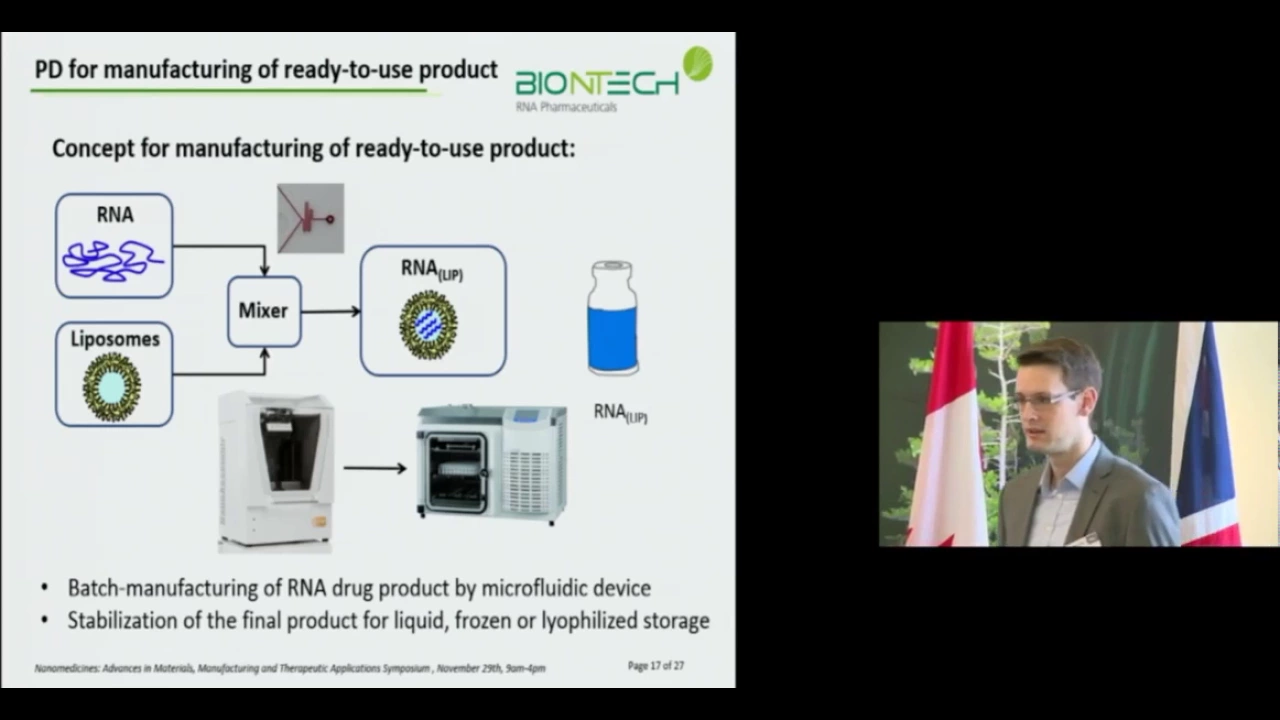
Microfluidic techniques enable scalable, continuous production of liposomal doxorubicin with high encapsulation efficiency (>90%), where particle size decreases with increasing flow rate ratio but remains stable across different total flow rates, and solvent choice significantly impacts both particle size and drug loading efficiency, with ethanol yielding optimal results comparable to the FDA-approved Doxil formulation.
Microfluidic Production of Drug-Loaded Liposomes | Lab Webinar
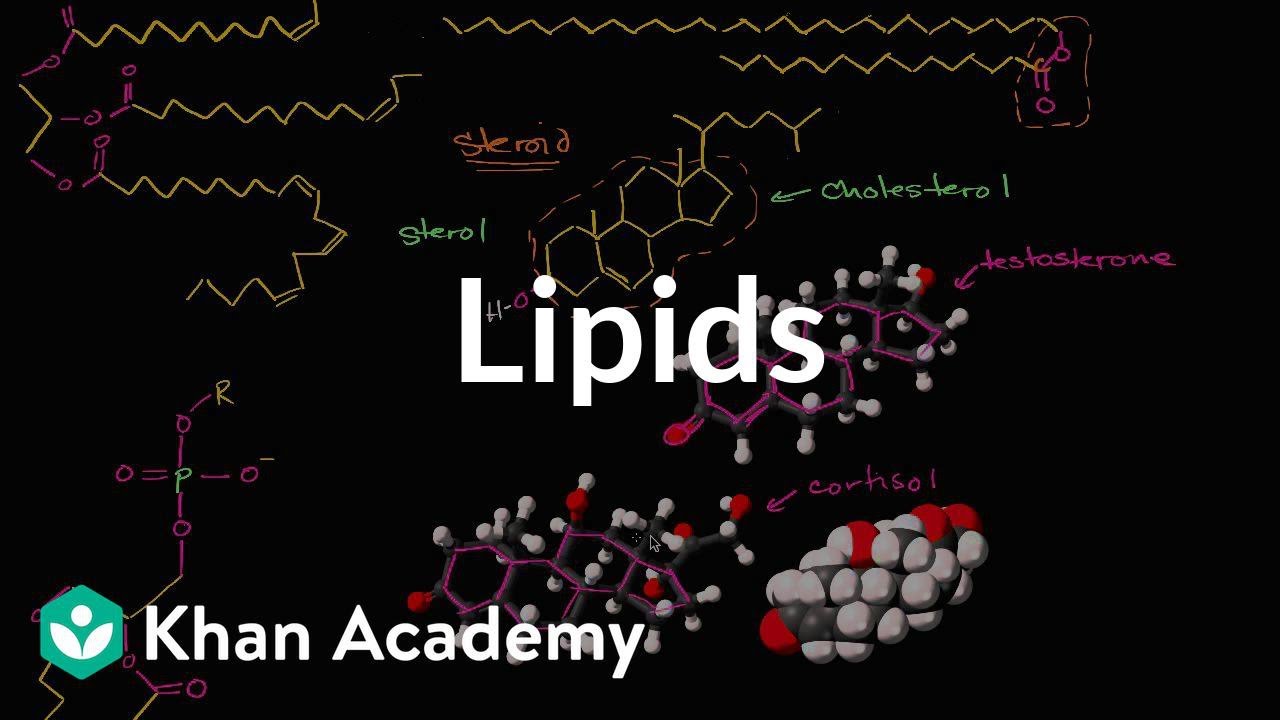
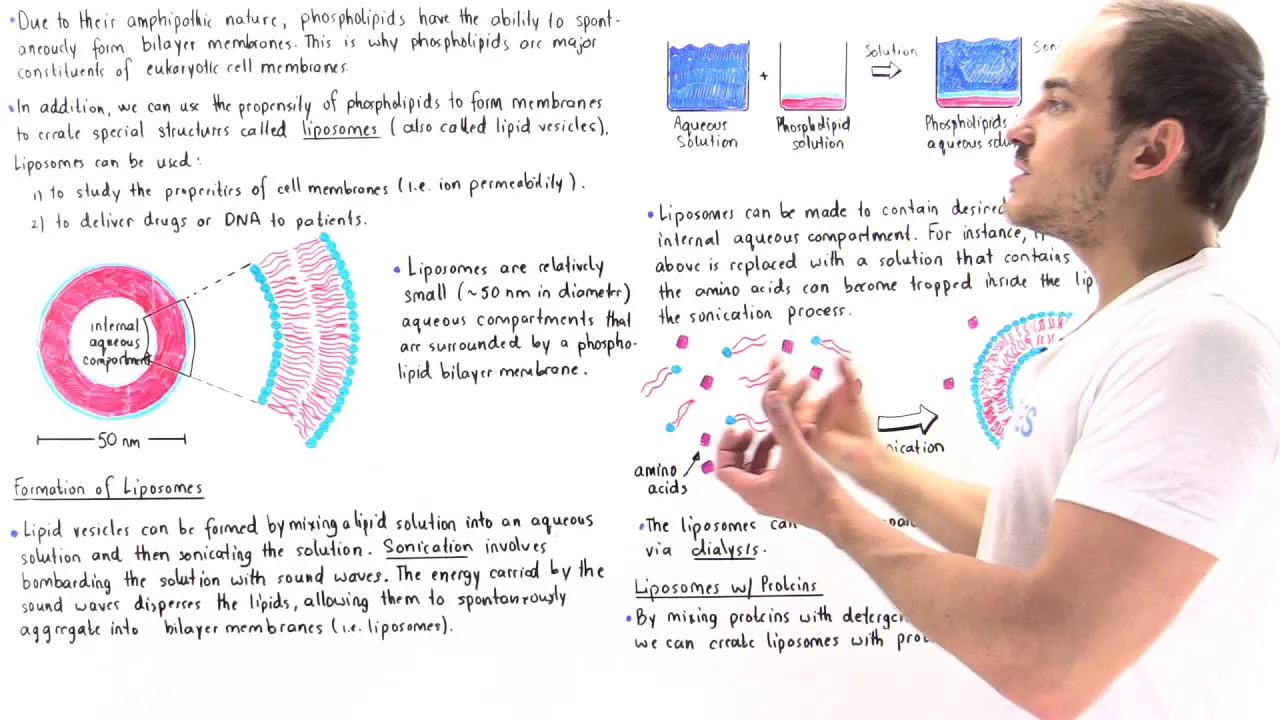
Added:Fundamentals of lipid biochemistry, including phospholipid bilayer structure, amphipathic properties, and liposome self-assembly.
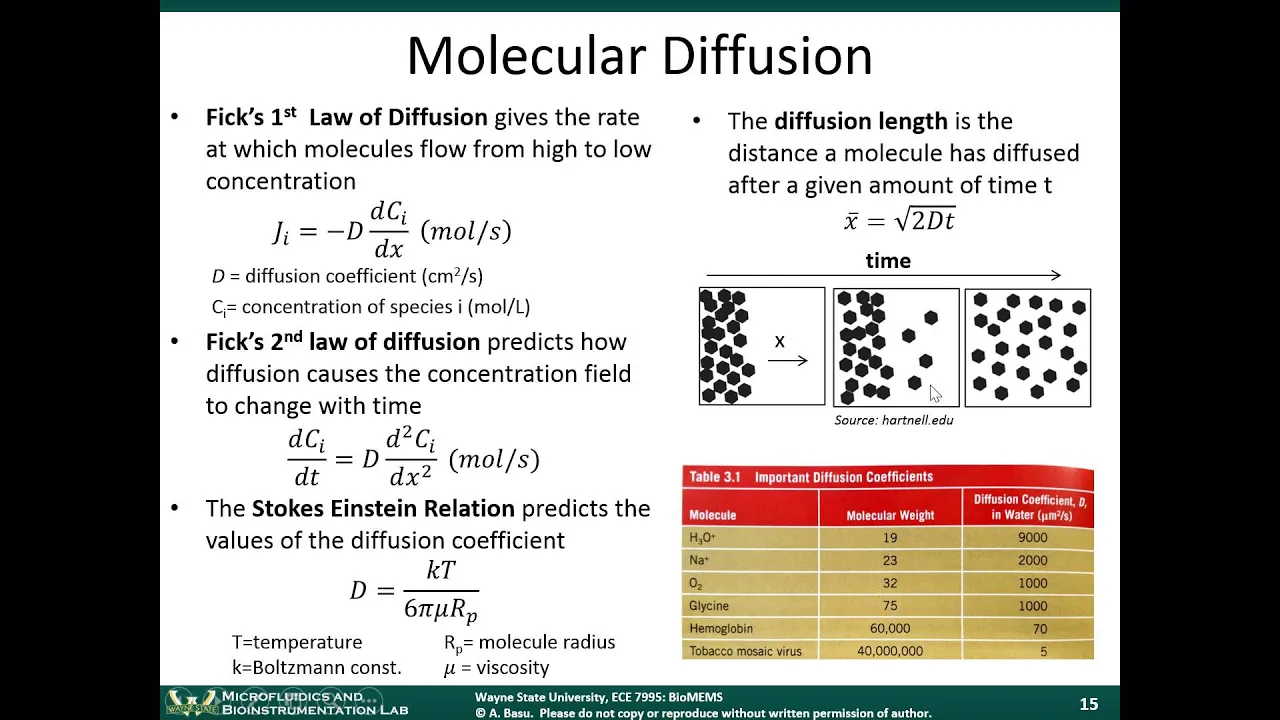
Basic principles of microfluidics, specifically laminar flow, diffusion-dominated mixing, and low Reynolds number hydrodynamics.
Mechanisms of drug encapsulation, specifically the distinction between passive loading and active (remote) loading via transmembrane pH or ion gradients.
Introduction to downstream purification methods, particularly the differences between dead-end filtration and tangential flow filtration (TFF).
Characterization methodologies for lipid nanoparticles, including Dynamic Light Scattering (DLS) for size and polydispersity index (PDI), and chromatography for encapsulation efficiency.
Clinical scale-up strategies and Good Manufacturing Practice (GMP) compliance for nanomedicines transitioning from benchtop to clinical trials.
In vivo pharmacokinetics, biodistribution, and the therapeutic mechanism of pegylated liposomal doxorubicin (e.g., the Enhanced Permeability and Retention (EPR) effect).
Advanced microfluidic chip architectures, such as staggered herringbone mixers or 3D flow-focusing, for high-throughput nanoparticle synthesis.
12.3K views120likes19:25Original Release: 2020-03-10
hello and welcome to another precision Anna systems webinar it's my pleasure to introduce our speaker for today it's dr. Carlo roses from Yvonne Perry's group at Strathclyde University she's a postdoctoral fellow there and she'll tell you all about her work with liposomes in a moment thank you thank you cell so as you said today I'm gonna be talking about from relations of life is productive loading so why this is because nanomedicines are consider a promising platform for the treatment for many diseases their passive targeting make them attractive as anti-cancer agents and despite the fact that liposomes have been extensively studied as delivery systems only few has reached the market and this is in part due to the challenges in the manufacturing process of these compounds so you may heard about the story of Doxil toxic ELISA liposomal formulation containing doxorubicin hydrochloride was the first fda-approved nano drug delivery system in 1995 and is based on petiolated liposome technology it is used for the treatment of patients with ovarian and breast cancer and Kaposi sarcoma in 2011 the FDA raised a warning against the company in charge of the Doxil production due to failing to comply with manufacturing practices this was because of the difficulties with the reproducibility within that between devices therefore due to the shortage in dogs reproduction that DEA approved animal factory method in 2013 so new techniques based on the field control are being used to address these issues maker fluidic techniques support scale independent and continues manufacturing processes I have more advantages than the traditional batch processing which is the current method using the industry therefore the aim of this work was to investigate my critic methods for the production of doxorubicin loaded beta lated liposomes so i'm gonna start giving you a little bit of background about the dogs'll formulation the toxin formulation contains a three unities OPC cholesterol and this feedback 2000 it contains it at weight with radium three two one two one a final concentration of sixteen mix per ml and it also contains a final concentration of two milligrams per ml the terminal echo space is ammonium sulfate at 100 millimolar whereas the external buffer contains sucrose and mr. clean up it's 6.5 the attributes the quality attributes of the formulation is a particular size approximately of 90 nanometer a very low poly dispersity and a very high encapsulation efficiency and this is due to the remote loading of the drug into the liposomes so the new manufacturing method that the fda approved in 2013 is still at least a five-day batch production process with 17 different vials this batch production process consists in the preparation of multilamellar vesicles that they have to be reduced in size through streusel to form this mold unit laminar vesicles and then after this they have to change the buffer to create the creatine gradient between the external and internal buffer then remove those and abducts and sterilization ambling what we are gonna do different here is like instead of doing this multilamellar vesicles we are going to produce the small human lamellar vesicles with micro fluidics and we are gonna use a scale independent process tangential flow filtration for the buffer exchange so this will help in the manufacturing process here you can see the setup that we have at this traffic light we prepare the liposomes encapsulating the monument using the Nano similar from precision nanosystems then we establish the pitch gradient and will remove the solvent using the tff and then we remote load load a doxorubicin and then at the end we just check the quality attributes of the formulation we sterilize the formulation and then we compare it to other techniques to see if we can speed up speed up the process so let's start for the beginning the preparation of the liposomes interaction ammonium sulfate the first thing that we thought about it like can we prepare these live persons with micro fluidics we know that originated so APC has a transition temperature of 52 degrees so we were ensuring we were gonna be able produced these liposomes at room temperature that's why we try the production of these live persons with the heating block at 60 degrees that means above the transition temperature or at room temperature so no heating block and what we saw is like indeed we can produce this liposomes the only difference is like when we use the heating block the liposomes are slightly smaller but that's fine so one thing done the next thing that we wanted to know is like the effect of the process parameters for the formulation like does the flow rate ratio influences the particle size or the total flow rate so indeed the flow rate ratio shown that increases the it decreases the particle size when we increase the fuel rail ratio the particle size decreases from one hundred and twenty nanometers down to approximately 40 nanometers and then when we increase the total flow rate we see that there are no difference so we can increase the speed at which we produce this liposomes without affecting the physical chemical characteristics of the formulation then another thing that we wanted to know is like the initial presentation concentration of the liposomes because the liposomes the market from ratio has a 16 mix per mile final concentration so if we want to produce likes at that concentration we have to increase the initial concentration a lot but we saw maybe we can produce the liposomes at lower concentration and then later on when we are doing the tff tension flow filtration we can concentrate the sample so we try from 2.5 mix per Melanesia up to 40 mils per ml and what we saw is like indeed we can produce particles of the same particle size the only liposomes being slightly larger we're the ones produced at a very low concentration so then the previous formulations were prepared using ethanol as a solvent to dissolve the lipids so we saw what happens if we change the solvent let's try it so we use methanol first and we saw that with methanol we were having like zones of 60 nanometers but with ethanol we were getting approximately 90 nanometers which is the particle size that we want because it's the same as the market formulation so then we try also a combination of both and what we saw is like in this week control the particle size just changing the solvent that we use for the solution of the lipids the polydispersity is very low in all the cases and the citta potential remains the same so we think that this is related to the difference in polarity of the lipids methanol is more polar than ethanol and thus why produces smaller liposomes also we have been reading papers where we see that the solvent gets intercalated into the bilayer of the liposomes and that's how we create the smaller or larger peipus ohms but if you wanna know anything else about the use of solvent for microfluidic you still read this paper then it is paper for our group where we explain it in detail so then we have now prepared the liposomes encapsulated ammonium sulfate and now what we have to do is establish the pH gradient so we have to change the external buffer is to have 8 7 outside and pH 5 inside and also we need to remove the solvent because when we produce this liposomes using microfluidics that is solvent in the formulation so first thing was to optimize the cycle for that and they say and from filtration so we check with chromatography how long it takes to remove all the solvent the next thing was like do we have do a when we put the formulation through the tff do we recover everything so we quantify the liposome deal using a dlc a fluorophore on the lipid bilayer and we saw that we get above 100 percent well above we can hundred percent so that's good the next thing that we wanted to see are we getting the same particle size before and after so one wizards like indeed pre and post purification we get the same particle size and the same PDI and also we wanted to try this concentration concentration step where we were concentrating the sample four times and as you can see in that graph we get the same particle size after micro fluidics after purification and after concentration which was very good to know so now the next step was to load the doxorubicin and for that again we had to optimize the circle for the FF after optimization of the circle with doxorubicin alone at different concentrations the next thing was like how long we need to incubate and what at what temperature do we have to incubate the doxorubicin to load above 90% because we need to remember that the market formulation has a very high encapsulation efficiency therefore we tried room temperature 40 degrees and 60 degrees because this is above transition temperature what we saw is like at room temperature after several hours we could unload more than 10% whereas for 40 degrees we needed only one hour and a half approximately and for 60 degrees in just 10 minutes we could load above 90 percent we also saw that independently of the time and the temperature there were no difference in the particle size PDI nor see the potential so we also wanted to check it like what happens if we load Oxford missing using different program ratios because we know that when we increase the flow rate we decrease the particle size so what we saw is like indeed doesn't matter that we just different flow relatives because we always get above 90% at least with the flow rate rate and flow rate is tested so then we wanted to go back about the effect of the solvent we saw that when we were just in methanol we were getting smaller particles so then we load it talks releasing in these particles methanol a combination of methanol and ethanol and ethanol alone and what we see is like when we load the doxorubicin the particle size in all the cases is basically the same so we're like okay this is fine let's continue with the loading and what we saw on surprises us a lot is that the loading is completely different when we used methanol we only get 20% loathing of doxorubicin with 50:50 we get approximately 35% 2575 60% and then we have 100% ethanol is approximately 90% we don't have a proper explanation for this we think that maybe the residual solvent is is interrelated in the bilayer and that's why this happens but we should look further into this then with Tom maybe we should try passive loathing because we know that through active loading we get above 90% but maybe using passive loading we could also get high encapsulation efficiency we knew that this was gonna be difficult but we tried anyway and what we saw is like the particle size PDI and zeta potential is the same but obviously we cannot load doxorubicin in line with an micro fluidic system so the next step was just to characterize the formulation in terms of release profiles different technologies so first we try the release in PBS or PBS plus 1% humans 0 this was just to mimic the releasing plasma and as we knew and we will respect him there is no release of doxorubicin in plasma because we don't want the dogs to be released in the plasma we wanted to be released in the tumor site so it was approximately 3% in all the cases then we were looking for a paper or a metallurgist to do a different releases study to show the rock service in liquids and the under selected conditions and we found this paper where they use a us before method and they can compare formulations prepared with different lipids different manufacturing methods and different techniques so we do the same and what we saw is that the effect of the lipid composition indeed effects the release of the doxorubicin so you can see in the first graph that we have the hydrogen 83 PC cholesterol and ESP PEC which is the voxel formulation we have replaced hydrogen if it's a PC for so epicene which is a natural phospholipid with a lower transition temperature and then we have prepared another formulation with 25% or less weight of cholesterol that's called low cholesterol to make it more leaky and indeed what you can see is like so APC and low cholesterol release much fast faster than the 8 specie formulation so then the other thing that we wanted to check is the effect of the floral radio because we know the we prepare particles with different size so we wanted to see if their size affects the release so we try three different puri ratios and what we saw is like probability of a which is the largest release is slightly different but not that much it's not significantly differently but B and C they release perfectly and then when we check the temperature the effect of the temperature at 40 and 60 degrees we see that both of them doesn't matter how we load the doxorubicin the formulation released in the same way in the table below it you can see the particle size the PDI and encapsulation efficiency of the different formulations all the formulations had basically the same particle size but the higher floral ratio and the constellation efficiency was about 90% in all the cases but for the local sterile formulation so then the next step after connected icing the dogs release was the product test realization can we sterilize this formulation and we saw that if we can do that because after micro fluidics purification concentration docks loading and filtration we get the same physical chemical characteristics also we wanted to see we were getting the same particles before and after filtration so for that we use a nano particle counting and we saw that we get the same particles before and after filtration also we check they like a some deal as we did before with tff before and after and we saw that obviously we get above 90% close to hundred percent so that's what we are recovering everything that we are filtrating and we also wanted to see if the talks was the same before and after and indeed is the same it doesn't change with it a shorter stability test of the formulation for two months and what we saw is that the particles they are very stable over that period of time so as I mention before we were using the Nano assemblers they went up classic for the preparation of these particles so we wanted to compare it with the new technology date-night next year and what we saw it like in this is the same even though they use different micro mixers the formulation is the same in terms of particle size PDI and see the potential and the docks Intel's encapsulation efficiency is above 90% as well so we were really happy with these results the next thing we wanted to try is like can we produce these particles at higher speeds and at larger volumes so for that we try to prepare this formulation with a classic place on next year 400 and 500 and you can see there the particle size that is basically the same very similar the set of potential as well and the dogs and capsulation efficiency as well is above 90% in all the cases on the right side we have the micrograph from the cryo TM for the empty and loaded life zones within an assembler the benchtop and with a classic place and what we see is like them t liposomes they are small spherical particles very homogeneous in size and the loaded ones they are more elongated and they have the docks servicing crystallize it inside so all the results shown so far were made with a Marvel nano sea tiles which is an offline measurement so we wanted to see like in case that we wanted to do this in a large scale or in a continuous process we need something else we need an automatic sizer so for that we used a 880 satisficer from Melbourne so we decided that we could use the 80 right after micro fluidics or after purification or after drugs drug loading so in this way if they were if the product is out of aspect we could stop the manufacturing of the formulation so here you have some of the results that we got with the offline and not line system with the empty liposomes after tff and with the tox loaded liposomes and what we can see is like both technologies give us the same the same particle size and the same VDI is very reproducible so last but not least was to do a release study with these different technologies we wanted to see if the particles even though they are very similar in particle size in incarceration efficiency and everything else we want to perceive their release profile of the drug was the same and what we saw is like indeed all the particles release in the same way we get approximately 80 percent of dogs release after 48 hours on the bottom part you can also simply overlay size plot intensity plots and we see that all the particles were very similar so we know that we can load dogs into the liposomes but we saw can we load other drugs so we try in Christine and acridine orange what we wanted to show with this one like maybe we can prepare an on-demand patient production we can prepare parts of liposomes a large one and then just prepare with the bats different formulations and indeed we got very good results with very high encapsulation efficiencies in all three cases and also very nice particle size that support to more targeting so what we want to show with all these results is that it's the ability to the wrist from bent to clinic scale we have manufactured using microfluidics we have purified using dff we can monitor the particle size and we can astera lies the formulation so I just would like to thank all my supervisor from cerebral Barry and all the people collaborating in the grant I'm working on CPI P and I Pfizer AstraZeneca our group analytical and Kuroda thank you very much
Up Next

7:40
Physiological Changes During Pregnancy: Cardiac, Respiratory & More
@Learningin10
92K views•2016-09-19

48:47
Graphic Medicine: Comics for Collaborative Healthcare Communication
@nationalpatientadvocate
189 views•2023-12-04

10:28
Neuroanatomy: Central and Peripheral Nervous System Divisions Explained
@AKLECTURES
136.2K views•2014-09-20
3:05
Stages of Labor and Vaginal Birth | Childbirth Animation
@nucleusmedicalmedia
52.1M views•2017-08-18
Related Study Plans & Knowledge Roadmaps
Structured learning paths in Medicine
medicine
Abnormal LFTs: Diagnostic Workup & Pathology
01Liver Anatomy and Basic Physiology
02Introduction to Liver Function Tests (LFTs)
03Hepatocellular vs. Cholestatic Patterns
+ 3 more learning modules
12h6 modules
Explore Roadmap
medicine
Analyzing Blood Smears: RBC, WBC & Platelets
01Introduction to Blood Components & Smear Preparation
02Normal Morphology of Blood Cells
03Erythrocyte Pathologies & Morphological Variants
+ 2 more learning modules
12h5 modules
Explore Roadmap
medicine
Mechanical Ventilation: Waveforms & Alarms
01Anatomy and Physiology of Breathing
02Introduction to Mechanical Ventilation & Core Modes
03Ventilator Settings and Waveform Interpretation
+ 2 more learning modules
12h5 modules
Explore Roadmap
medicine
Neuro Exam: Localization & Stroke Syndromes
01Foundations of Neuroanatomy and Vascular Supply
02The Neurological Examination: Step-by-Step
03Principles of Neurological Localization
+ 3 more learning modules
18h6 modules
Explore Roadmap