



























Pregnancy induces profound physiological changes across multiple body systems: cardiovascular changes include a 50% increase in cardiac output due to elevated stroke volume and heart rate (15 bpm higher), with decreased systemic vascular resistance; respiratory changes involve a 150% increase in minute ventilation driven by progesterone, decreased functional residual capacity (20%), and increased oxygen consumption (40-50%) causing chronic respiratory alkalosis; hematological changes manifest as physiological anemia due to 50-100% blood volume expansion versus only 25-40% red blood cell increase, along with increased coagulability from elevated clotting factors and decreased fibrinolytic activity; musculoskeletal changes involve relaxin-mediated ligamentous laxity preparing for delivery; endocrine changes include increased prolactin for lactation and insulin resistance contributing to gestational diabetes risk; and renal changes feature urinary stasis from smooth muscle relaxation increasing UTI risk.
Physiological Changes During Pregnancy: Cardiac, Respiratory & More
Added:Welcome to this talk on the physiological changes in pregnancy.
Pregnancy is associated with a number of profound physiological and anatomical changes that both assist in fetal survival as well as prepare the mother for delivery.
And it's important to know what the parameters of these normal changes are in order to diagnose and manage other medical problems that may occur in pregnancy.
By the end of this lecture, you'll be able to describe the physiological changes in pregnancy in terms of the cardiovascular, respiratory, hematological, and gastrointestinal systems.
You'll also understand the impact of these changes on the management of the pregnant patient.
Pregnancy induces profound changes in the woman's anatomy and physiology.
The female body begins to adapt to the growing demands of the fetus even before pregnancy may be clinically detected.
These complex areas of physiological an anatomical changes are primarily hormonally mediated and affect every system of the body.
The primary goals are to optimize maternal conditions for fetal growth, prepare for delivery, and to develop the mother's breast for the production of milk.
First, let's take a look at the cardiovascular changes in pregnancy.
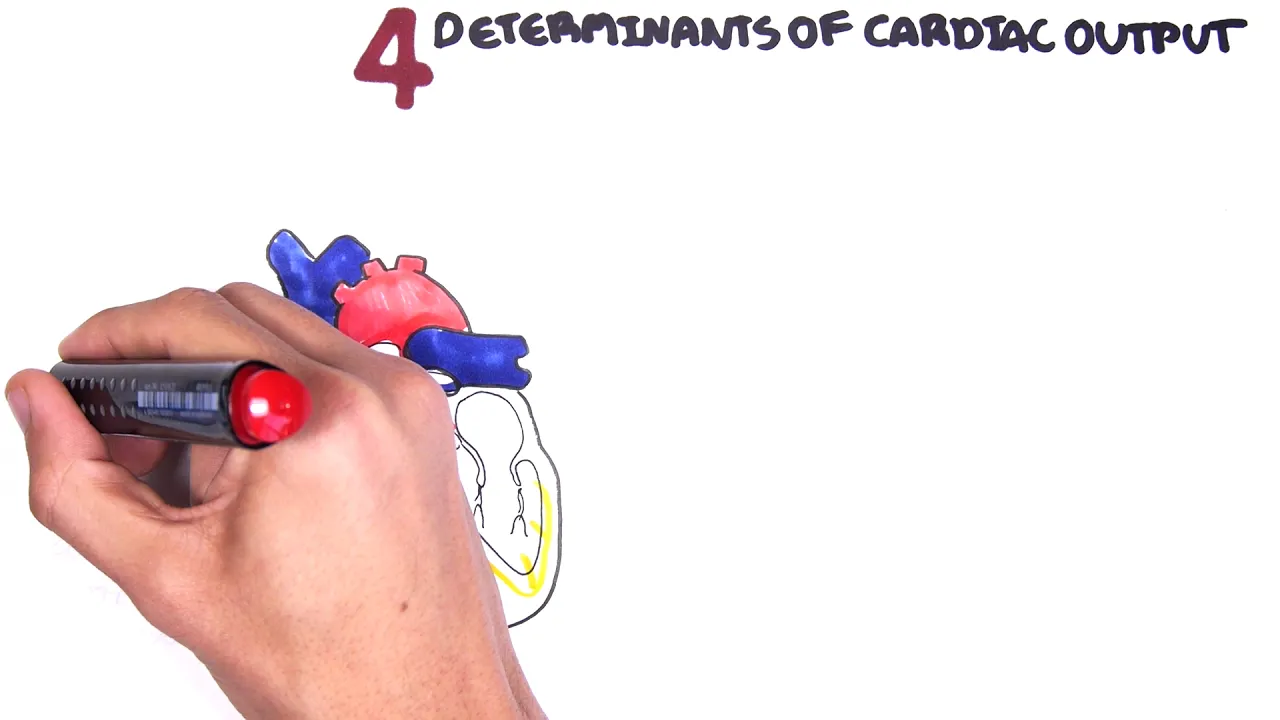
The cardiac output increases as a function of two changes in how the heart works.
One, there's an increase in stroke volume, or the blood of volume pumped out of the heart per beat.
This is predominantly as a result of increased blood volume.
Two, there's an increase in the resting heart rate.
The heart rate is about 15 beats per minute higher than in non-pregnant women.
As you remember, the cardiac output is the product of the stroke volume and the heart rate.
Thus, this results in the steady rise in cardiac output, which rises about 50% above the pre-pregnancy cardiac output.
The blood pressure, however, as you can see from the graph, takes a slight dip at the beginning, and then slowly rises.
Thus, it's relatively stable.
Thus, with a stable BP and an increase in cardiac output, there must be a decrease in systemic vascular resistance.
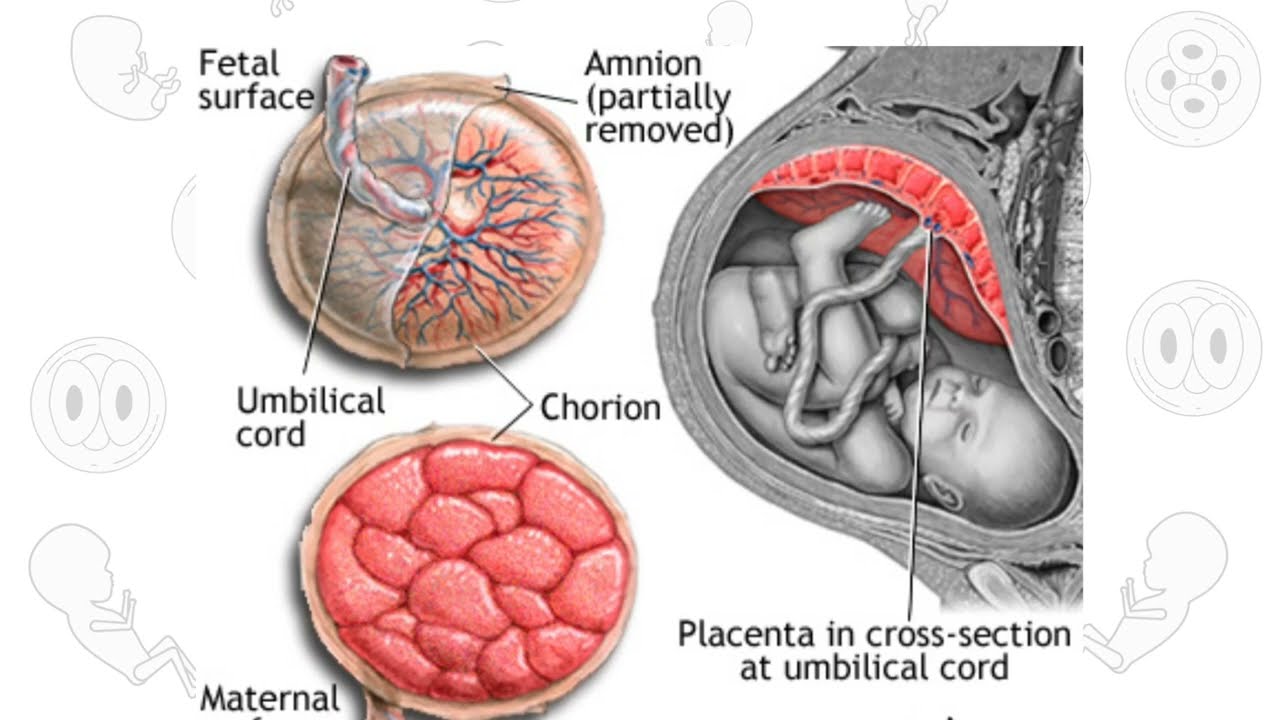
Another change you may see during the later stages of pregnancy is aortocaval compression, or compression of both the inferior vena cava and the lower aorta when the patient is supine.
This leads to a reduction in venous return, and thus, a fall in cardiac pre-load The fall in cardiac pre-load may reduce cardiac output, which may threaten perfusion.
Furthermore, compression of the aorta may lead to reduced perfusion to the uterus and placenta, as well as the kidneys.
It's been shown that during the last trimester, maternal kidney function is lower in the supine position than when sitting or standing.
Fetal transplacental gas exchange may also be affected, due to decreased perfusion to the placenta.
As a result, one should advise women not to lie supine during the later stages of pregnancy.
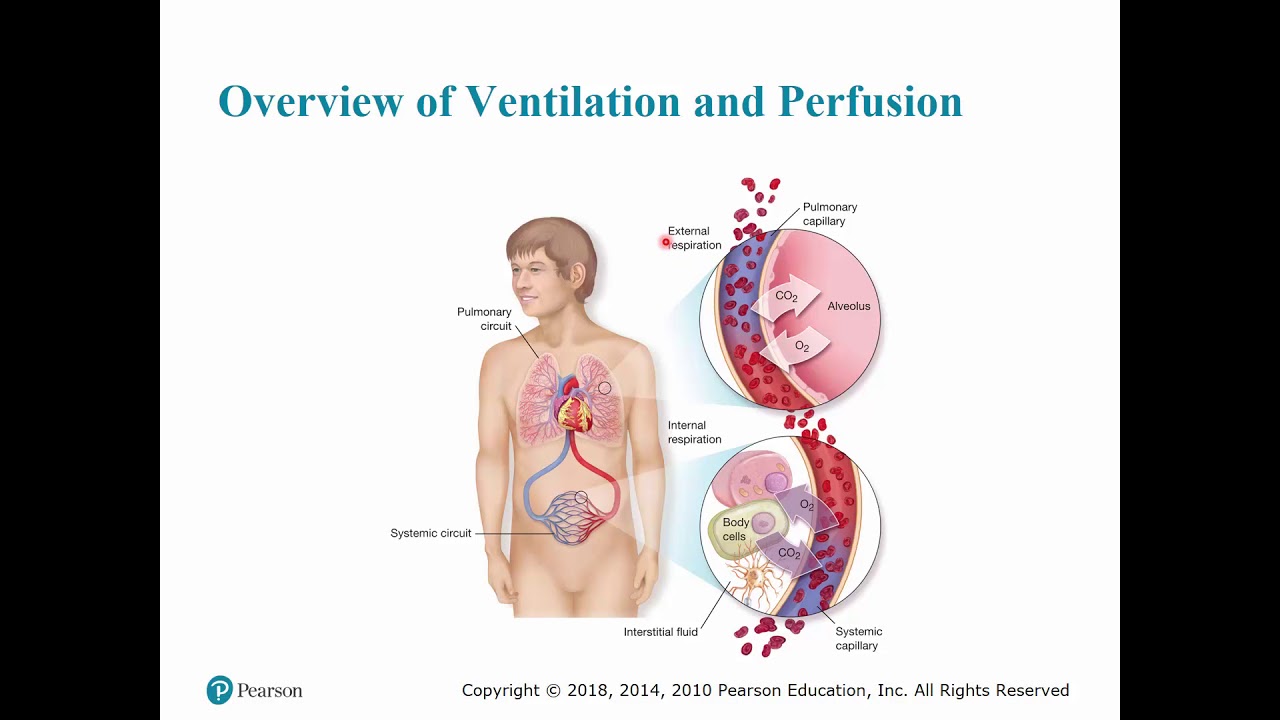
The respiratory tract also undergoes changes in response to the maternal adaptation to pregnancy.
Starting at the upper airways, hormone-induced changes to the mucosa vasculature of the upper airways leads to capillary engorgement, congestion, and edema.
This may lead to nasal stuffiness, and more importantly, difficulties with intubation in the case that emergent Cesarean sections become necessary.
Minute ventilation rises 150% at term, as you can see in the graph on the right.
Progesterone, a known stimulant of the respiratory drive, gradually rises throughout pregnancy.
And as such, it increases sensitivity to carbon dioxide such that increased CO2 elicits an exaggerated respiratory effort.
Progesterone is also known to reduce airway resistance by bronchial and tracheal smooth muscle relaxation.
The functional residual capacity, or FRC, or the apnoeic reserve of oxygen, decreases by 20%, while the inspiratory capacity remains the same.
This is partly due to the mechanical effect as the gravid uterus causing elevation of the diaphragm, as well as the hormonal changes associated with pregnancy.
As a result, the pregnant patient has a decreased ability to tolerate periods of apnea.
Pregnant women also have a marked increase in their oxygen consumption by up to 40% to 50% over non-pregnancy levels.
This decreases the partial pressure of carbon dioxide and gives rise to the chronic respiratory alkalosis of pregnancy.
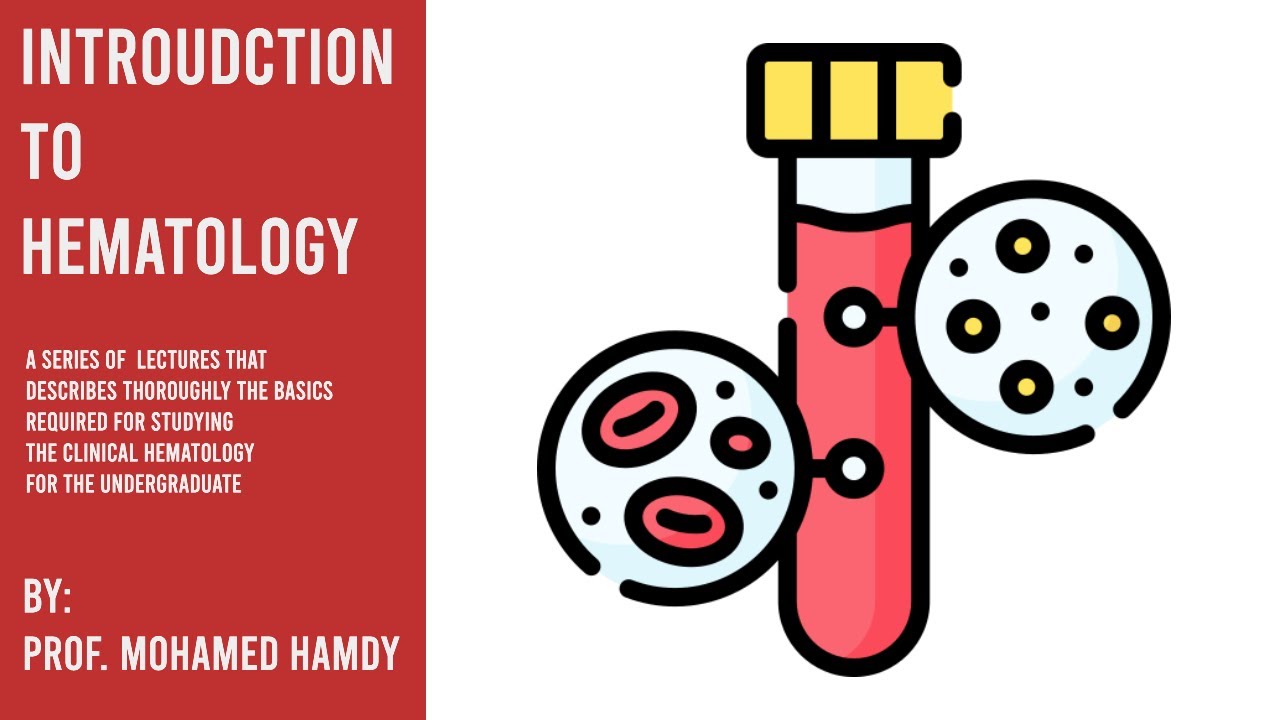
Now, let's review some of the hematological changes in pregnancy.
As you can see from the graph, blood volume increases by 50% to 100%.
At the same time, red blood cell counts only increase by 25% to 40%.
This is why the hematocrit dips down in this graph because we have what's called physiological anemia pregnancy, or dilutional anemia.
Elevated erythropoietin levels increase total red blood cell mass.
But hemoglobin concentrations never reach pre-pregnancy levels because you're also having an increase in the overall plasma volume.
At the same time, the increased red blood cell production also creates a fall in serum iron, while increasing the transferrin and total iron-binding capacity.
As you can also see from the graph, there's also a rise in the total white blood cells during pregnancy.
Levels of some clotting factors, including seven, eight, nine, and 10, as well as fibrinogen, increase during pregnancy, while fibrinolytic activity decreases.
This increases the risk of thromboembolic disease.
The whole point of this increased coagulability though is to protect from hemorrhage at delivery.
But it also puts the mother at risk for getting DVTs during pregnancy.
Finally, let's complete our overview of the physiological changes in pregnancy by discussing briefly the musculoskeletal, endocrine, and renal changes in pregnancy.
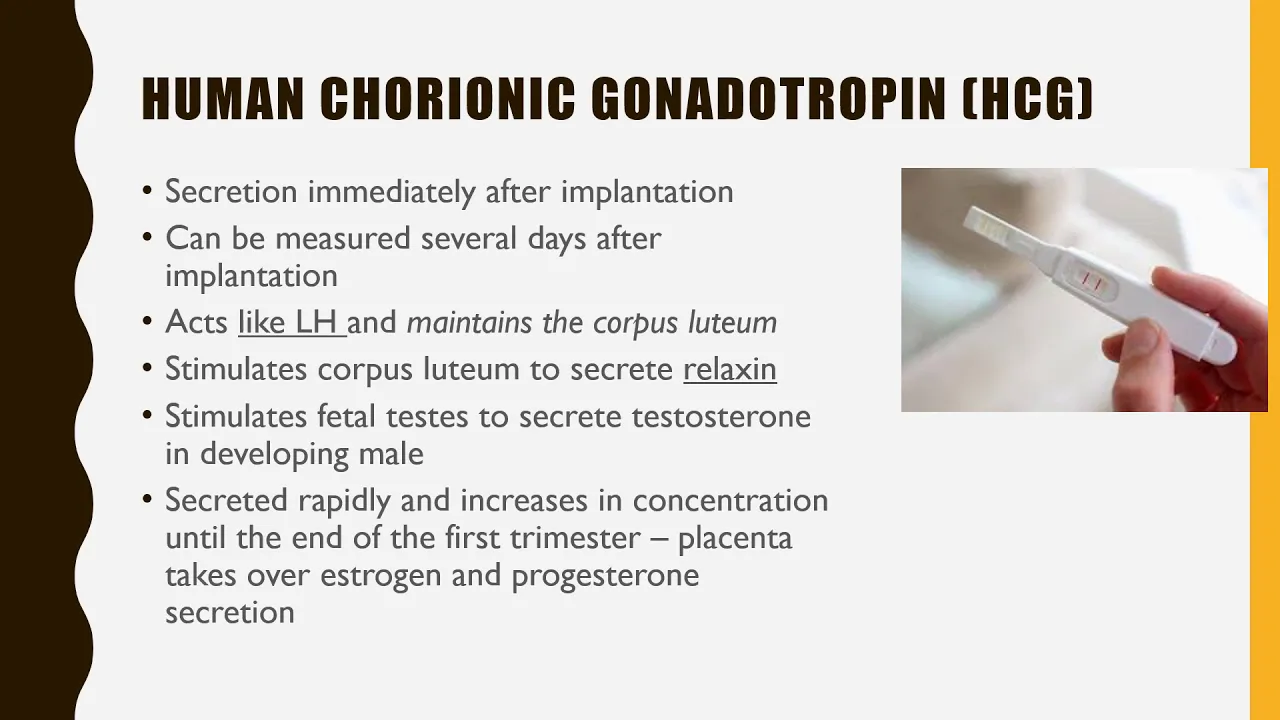
In terms of the musculoskeletal system, there are elevated levels of relaxin, which helps prepare for delivery by softening the cervix, inhibiting uterine contractions, and relaxing the pubic symphysis.
This increased ligamentous laxity, however, leads to an increased risk for back injury and pubic symphysis dysfunction.
In terms of the endocrine changes, there are increased levels of prolactin to prepare for breastfeeding, linearly increasing levels of corticotropin releasing hormone, which is thought to be a possible stimulant for labor, and increased insulin production in order to maintain blood sugar levels.
Pregnancy is also associated with increased insulin resistance due to the secretion of human placental oxygen.
Thus, the risk for gestational diabetes mellitus.
Renal changes include increase urinary stasis.
This is due to smooth muscle relaxation of the renal pelvis, ureters, and bladder, with an increase in bladder capacity and residual urine volume.
This urinary stasis leads to an increased risk for UTIs.
There's also increased activation reno-angiontensin system, which leads to increased sodium retention and edema.
Up Next

CPR in Pregnancy: Left Uterine Displacement Technique
@criticalcareift
82.6K views•2022-08-29

Graphic Medicine: Comics for Collaborative Healthcare Communication
@nationalpatientadvocate
189 views•2023-12-04

Neuroanatomy: Central and Peripheral Nervous System Divisions Explained
@AKLECTURES
136.2K views•2014-09-20
Stages of Labor and Vaginal Birth | Childbirth Animation
@nucleusmedicalmedia
52.1M views•2017-08-18
Related Study Plans & Knowledge Roadmaps
Structured learning paths in Medicine