

![Acil Durumda Nefes Alma ve Kalp Masajı Uygulamaları [ Ehliyet Dersleri ]](https://i.ytimg.com/vi_webp/TStrcAl6xdA/maxresdefault.webp)



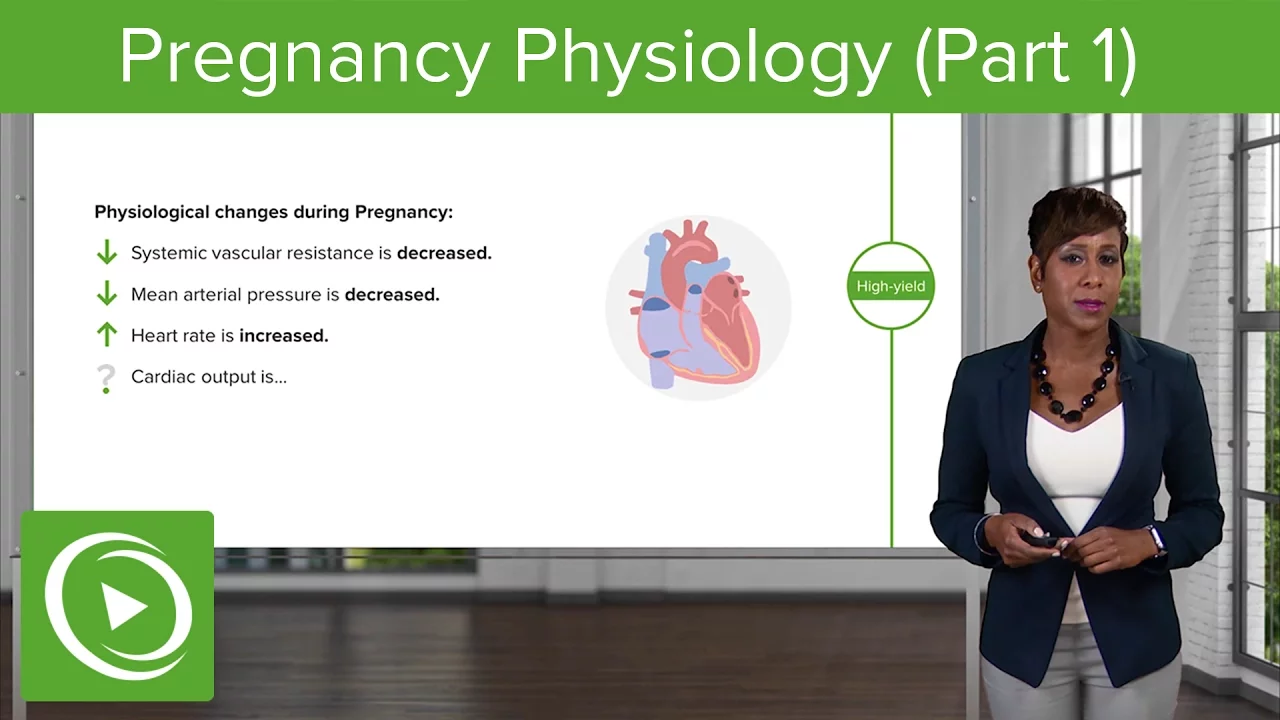
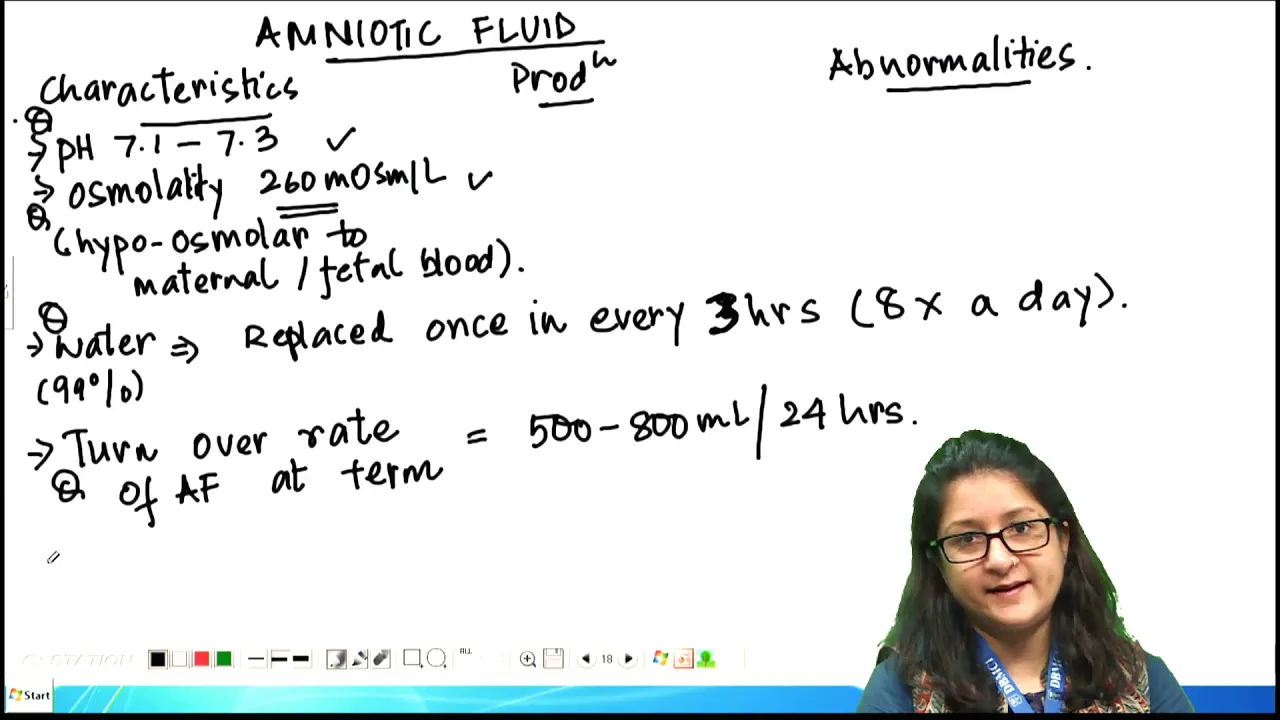


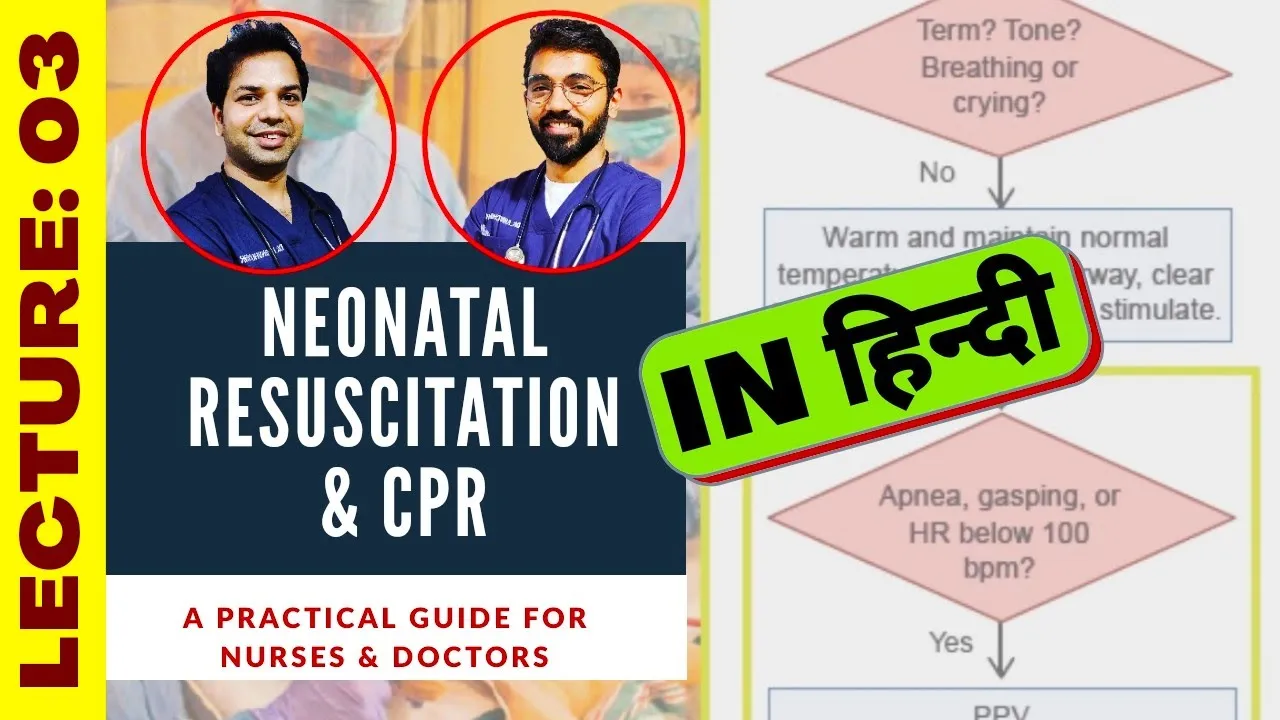





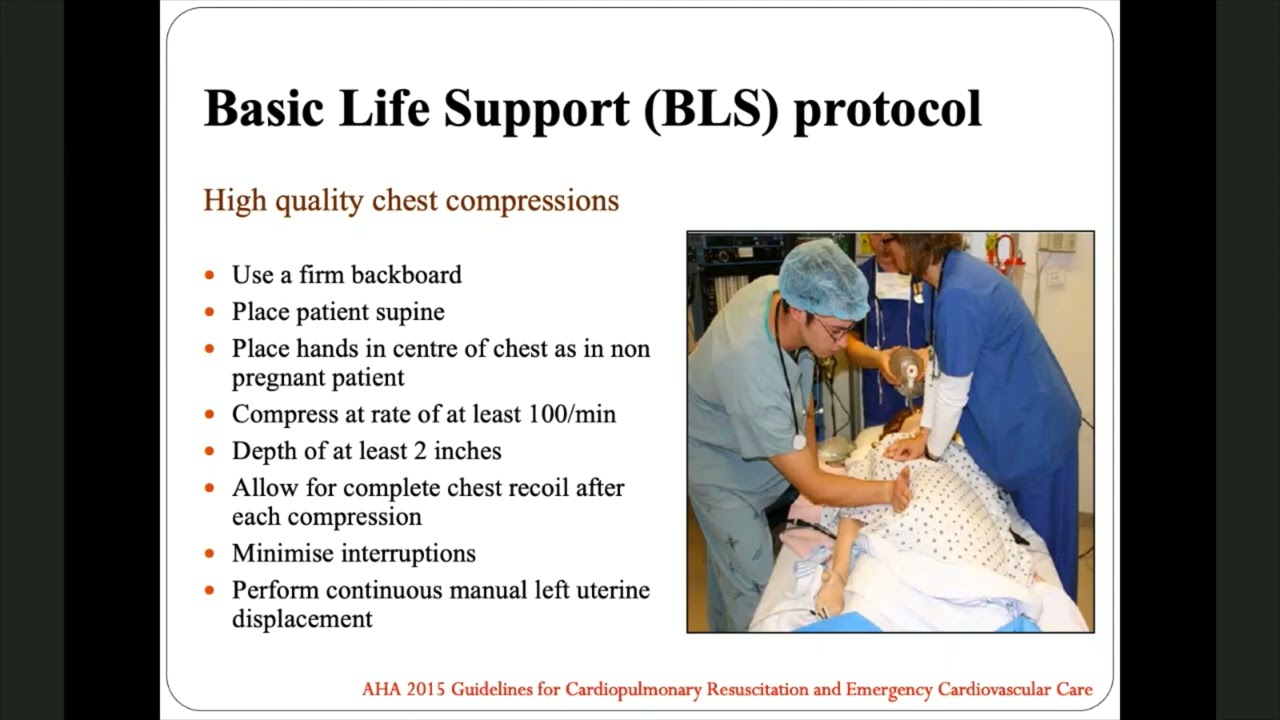











In maternal cardiac arrest, the left uterine displacement technique is essential because the fetus can compress the aorta and inferior vena cava, reducing blood return to the mother's heart; effective CPR requires two-handed chest compressions at a rate of 100-120 per minute with one breath every six seconds, while prioritizing maternal survival as saving the mother is necessary to save the fetus; for neonatal resuscitation after delivery, initiate positive pressure ventilation at 1 breath every 2-3 seconds, stop ventilation when heart rate exceeds 100 bpm, and cease CPR when heart rate exceeds 60 bpm, reassessing every 30 seconds.
CPR in Pregnancy: Left Uterine Displacement Technique
Added:Standard adult Basic Life Support (BLS) and Advanced Cardiovascular Life Support (ACLS) guidelines and chest compression techniques.
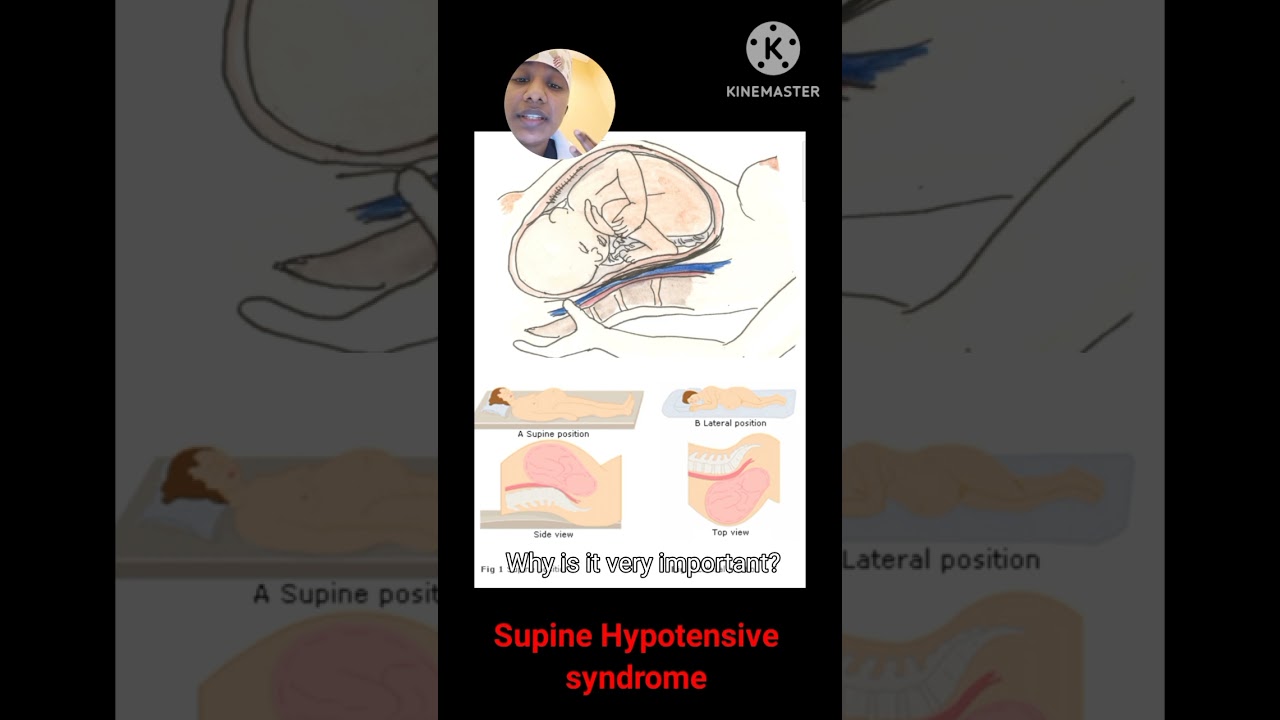
Anatomy of the gravid uterus and the physiological concept of aortocaval compression in a supine pregnant patient.
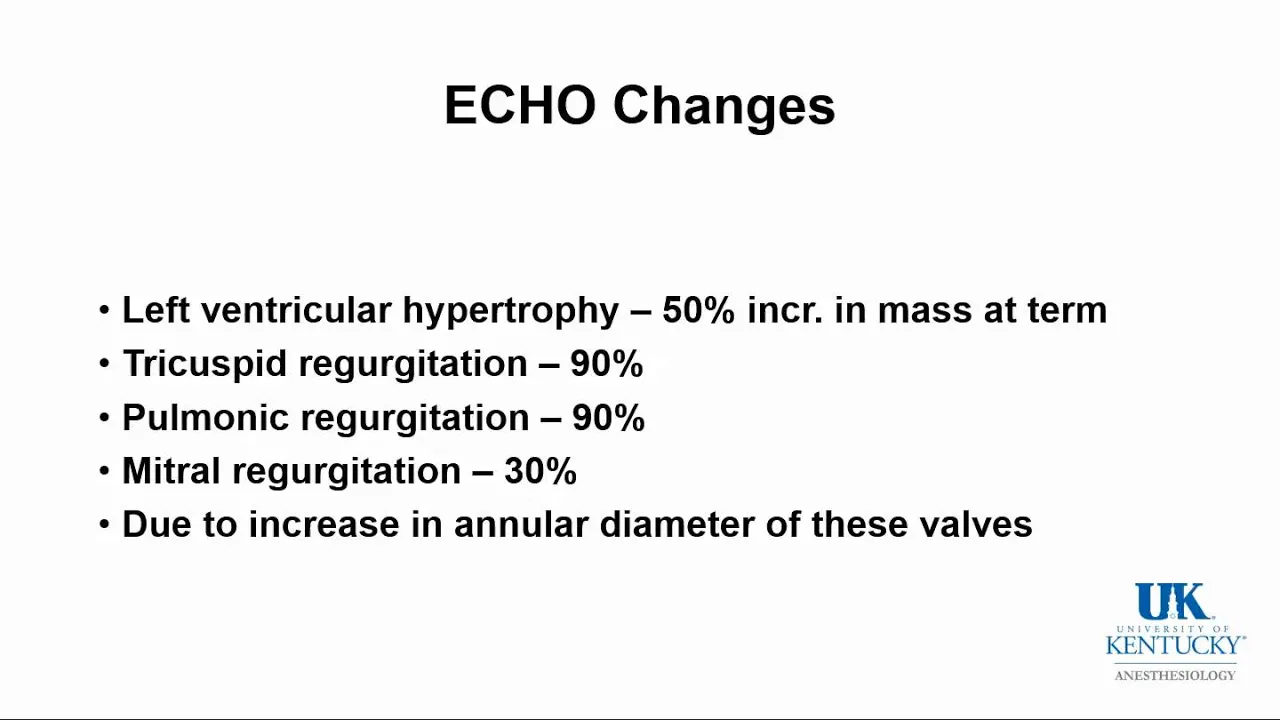
Maternal physiological changes during pregnancy, specifically regarding cardiovascular hemodynamics and respiratory requirements.
Basic principles of neonatal resuscitation (NRP), including initial assessment and airway management.
The indications, protocols, and surgical steps for performing a Perimortem Cesarean Delivery (PMCD) or Resuscitative Hysterotomy.
Advanced Obstetric Life Support algorithms, including the 'BEAU-CHOPS' mnemonic for diagnosing maternal cardiac arrest etiologies.
Post-resuscitation care and critical care management tailored to both the postpartum maternal patient and the neonate.
Interdisciplinary team dynamics and crisis resource management during obstetric emergencies and maternal codes.
82.6K views578likes6:24Original Release: 2022-08-29
The baby's inside. We have a cable compression. So the baby's pressing down on the aorta and the venina column. So even if I have good compressions, do I have enough blood filling the heart? No.
Because nothing is coming in, right? Uh in terms of my head placement is the same lower half of the breast bone.
We're going to do 322 if on the BLS side. ALS comes in, they're going to intubate. Then you do continuous compressions, one breath every six seconds with the J2. Make sense?
So uh he's going James is going to show you left displacement. Can you grab it?
So, what left uterine displacement is he's feeling right the the baby the fetus and when he feels it he's going to basically move it off to the side. So, the left side, right? He's doing the two-handed technique. You could also do one handed technique, but I only think that is effective. I'll show you the onehanded technique. One handed technique is basically me doing this on this side, right? But two-handed technique is more effective, right? And then uh if we were doing CPR, right? Uh, where's he there?
Come. Who wants to do ventilations?
Come on, Jordan. You raise your hand.
So, he's going to be do he's going to be doing my ventilations, right? And I'm going to be doing compression 32. Show you how that looks, right? Uh well, what you want to remember what's good for the mom is going to be what's going to save the fetus because uh if we cannot save the mom, we're not going to be able to save the pen. Everybody understand that?
Right. So, uh we going to basically for for this one, we're going to put an OPA, right? And then what we're going to do is we're going to do ventilations.
Ideally, if you have enough providers, you want to do 200 ventilations. Let me get one more person. One more person.
Perfect.
Right. So, we're going to do we're going to do two handilations and we'll show you. Right. This is this is more effective if you have enough personnel, right?
Yeah. Come to the back. You hold the the face here and you're going to squeeze the butt, right? Squeeze the buttons like this. Put your thumbs like this on the mask. Good. And then lift them on both of the direct behind. I was watching Perfect. Right. So slippery.
Yeah. Can you can you come to So here come come this side will probably be better. So go ahead do the left room displacement. I'm going to count out to 30 and you guys are going to be ventilating. Right. 1 2 3 4 5 6 8 10 12 13 14 15 6 7 20 21 23 4 5 2 10 29 30 All right. Good ventilation. Good. 1 2 4 5 10 12 13.
Right. Perfect. Thank you guys. Right.
So, we're going to be doing this, right?
Hopefully ALS arrives. Right. In terms of AD, are you placing the AD?
Um, yes. Yes, we're placing the AD.
You pull in ALS for assistance, right?
And when they come, they're going to intubate. Then you do continuous compressions uninterrupted. Everybody follow?
Right? That is if the baby's still inside and mom goes into cardiac arrest.
Right? Now, let's say we had a delivery and the baby comes out limp, right? And I I check and all of a sudden I notice heart rate. I put a pulseox and I listen to my stethoscope, right? Uh who had a stethoscope stecope?
[snorts] So I put a pulse sucks. Let's say heart rate is 80. I I I listen to my paper call sound with my watch, right? I count and I multiply, right? Like I do 15 seconds times four. Let's say heart rate is still 80, right? What is the first thing we need to start doing?
Ventilation.
Ventilation. So here, right, we're going to start doing positive pressure ventilation with the UN pel guidelines.
We're doing one breath every two to three seconds. Very good. Right. So here, right, I would be providing ventilations every two three seconds.
I'm looking at my heart rate. If my heart rate all of a sudden increases to like 120, 130, what should I do?
I stop ventilation because the moment heart rate exceeds 100, right? Uh uh like let's say I start ventilation and all of a sudden heart rate is 140, 160, I stop doing this. Maybe I'll switch to blowby if the saturation is still poor.
But I'm not going to continue with positive pressure ventilation. Now I start to ventilate positive pressure.
Heart rate is decreasing. Heart rate is now 50.
What are we going to be doing?
And what's the ratio?
So you see how he's doing two thumbs in and circling technique, right? And I'm over here. So you count one, two, three.
One, two, three.
And you notice what this is? This is your monometer. engages the the shirt.
Sometimes the baby can come out and they have what's known as monium respirations. This basically the first poop they had inside the mom and they swallowed it and you may have to override this pressure relief valve, right? So that I can deliver a little bit higher pressure uh to the to the baby, right? So I can override this, right? So I need to give a little higher pressure to override it.
Paramedics, we can uh suction it and we can intubate, put an endotricial tube right in the interlock. But uh let's let's show it the regular thing, right?
One, two, three. One, two, three.
And I'm doing just two, three.
Doing just enough to to get chest r. And every 30 seconds, I reassess. I have my eyes on the pulse. I have my eyes, you know, I have my cardiac monitor. The moment my heart rate exceeds 60, I stop doing what?
CPR.
CPR. The moment my heart rate exceeds 100, stop ventilation.
Stop ventilation. And then we do other resuscitative care like blow by oxygen, warming, stimulating, maybe paramedics come, they give IV access, give IV fluid and so forth, right? But anytime you got an unstable mom for the kid, you pulled for ALS, right? And this is basically neonatal resuscitation. Every 30 seconds you reassess. Uh this was maternal cardiac arrest and left uterine displacement. Uh any questions about everything's clear everyone? This is the car.
Perfect.
Up Next

42:35
Obstetrics Emergencies: Paramedic Refresher Training Guide
@trotwoodfiretraining
25.1K views•2014-01-17

48:47
Graphic Medicine: Comics for Collaborative Healthcare Communication
@nationalpatientadvocate
189 views•2023-12-04

10:28
Neuroanatomy: Central and Peripheral Nervous System Divisions Explained
@AKLECTURES
136.2K views•2014-09-20
3:05
Stages of Labor and Vaginal Birth | Childbirth Animation
@nucleusmedicalmedia
52.1M views•2017-08-18
Related Study Plans & Knowledge Roadmaps
Structured learning paths in Medicine
medicine
Abnormal LFTs: Diagnostic Workup & Pathology
01Liver Anatomy and Basic Physiology
02Introduction to Liver Function Tests (LFTs)
03Hepatocellular vs. Cholestatic Patterns
+ 3 more learning modules
12h6 modules
Explore Roadmap
medicine
Analyzing Blood Smears: RBC, WBC & Platelets
01Introduction to Blood Components & Smear Preparation
02Normal Morphology of Blood Cells
03Erythrocyte Pathologies & Morphological Variants
+ 2 more learning modules
12h5 modules
Explore Roadmap
medicine
Mechanical Ventilation: Waveforms & Alarms
01Anatomy and Physiology of Breathing
02Introduction to Mechanical Ventilation & Core Modes
03Ventilator Settings and Waveform Interpretation
+ 2 more learning modules
12h5 modules
Explore Roadmap
medicine
Neuro Exam: Localization & Stroke Syndromes
01Foundations of Neuroanatomy and Vascular Supply
02The Neurological Examination: Step-by-Step
03Principles of Neurological Localization
+ 3 more learning modules
18h6 modules
Explore Roadmap