














Trauma in pregnancy requires specialized emergency management due to unique physiological changes including 50% increased blood volume, supine hypotensive syndrome after 20 weeks, and altered organ positioning; critical considerations include early fetal monitoring, cautious interpretation of hypotension (patients may lose 2L before showing signs), and the five-minute rule for perimortem C-section (benefits both mother and fetus after 24 weeks), while maintaining standard trauma care principles adapted for maternal-fetal physiology.
Trauma in Pregnancy: Emergency Medicine Tips & Management
Added:Standard Advanced Trauma Life Support (ATLS) protocols, including the primary and secondary survey (ABCDEs).
Normal maternal anatomical and physiological changes during pregnancy, particularly cardiovascular, respiratory, and hematological adaptations.
Basic concepts of fetal development, gestational age calculation, and the physiological definition of fetal viability.
The clinical indications, timing, and procedural steps for performing a resuscitative hysterotomy (perimortem Cesarean delivery).
Diagnostic workup and management of blunt uterine trauma complications, including placental abruption, uterine rupture, and fetomaternal hemorrhage (e.g., Kleihauer-Betke testing).
Radiation safety guidelines and clinical decision-making regarding diagnostic imaging (such as CT scans and radiographs) in pregnant trauma patients.
Protocols for interdisciplinary coordination and simulation training between emergency medicine, trauma surgery, obstetrics, and neonatal intensive care (NICU) teams.
6.1K views32likes42:48Original Release: 2014-05-02
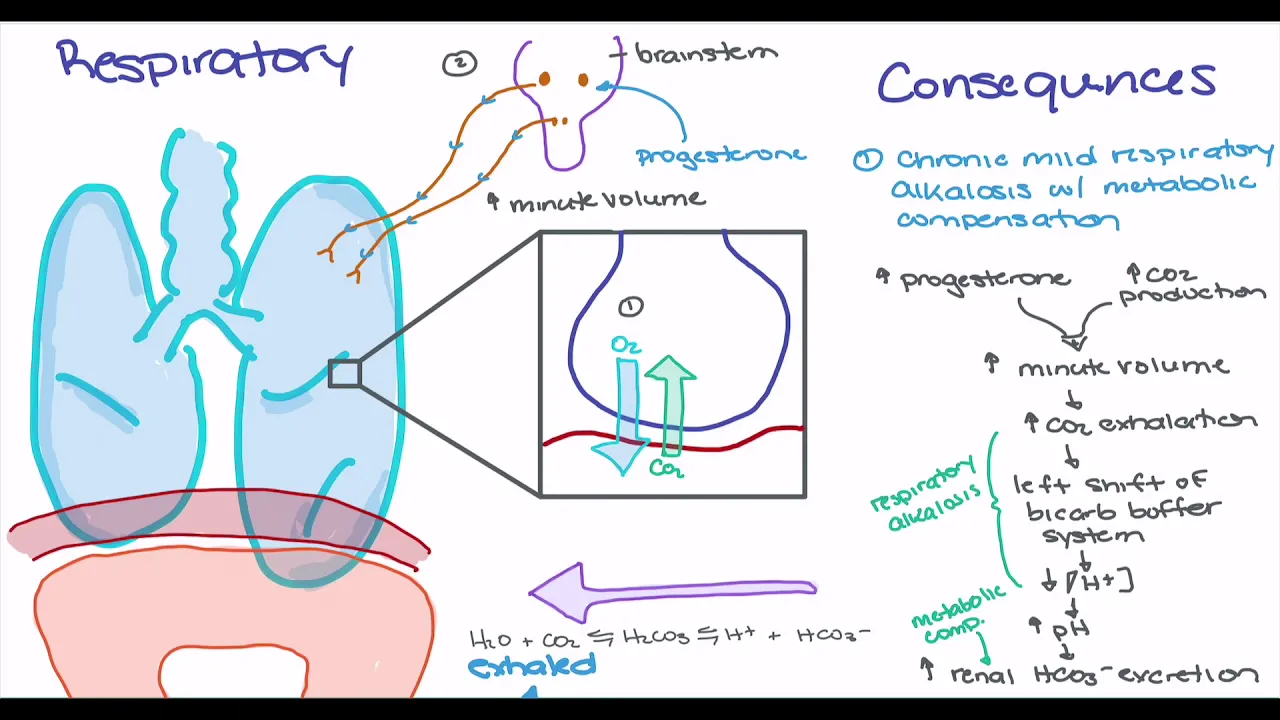
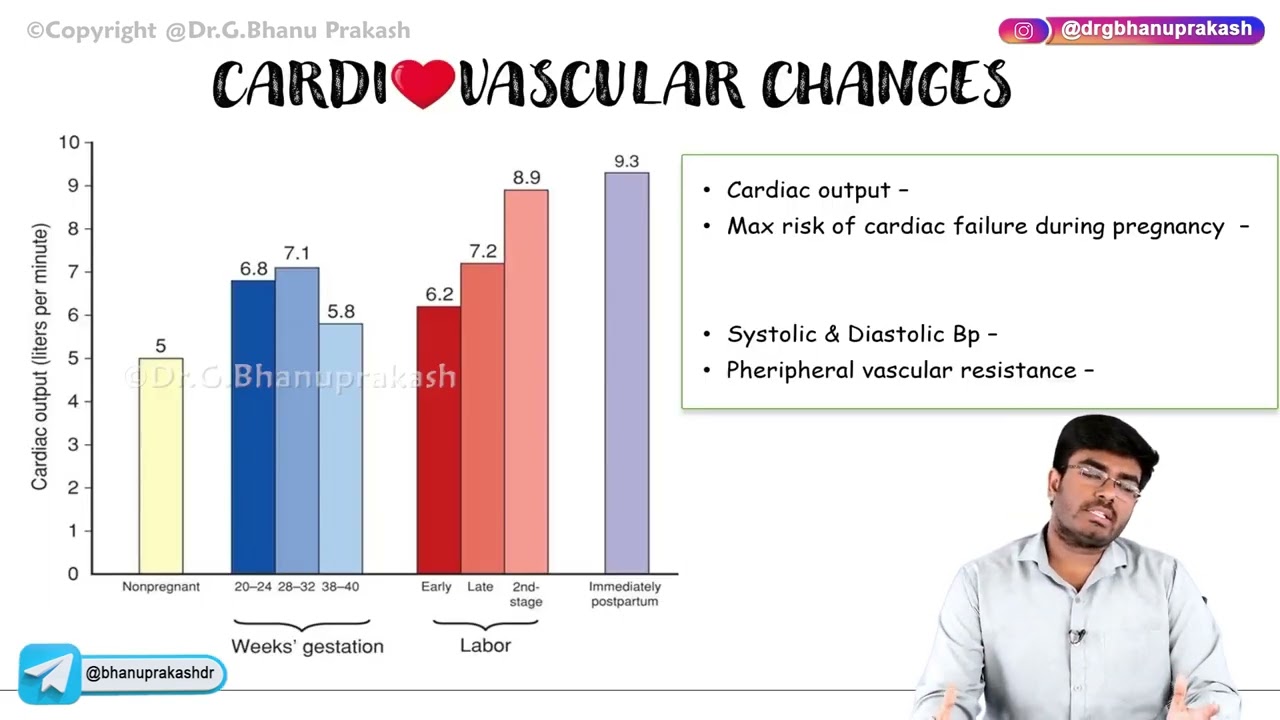
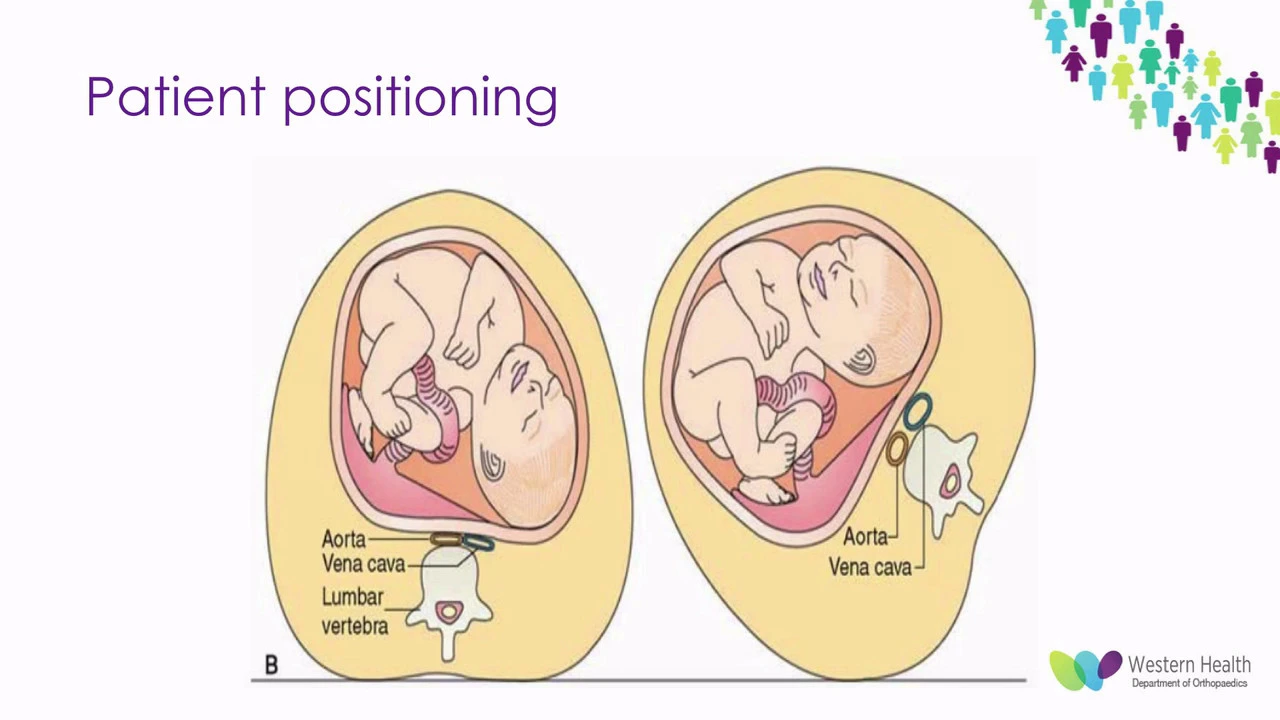
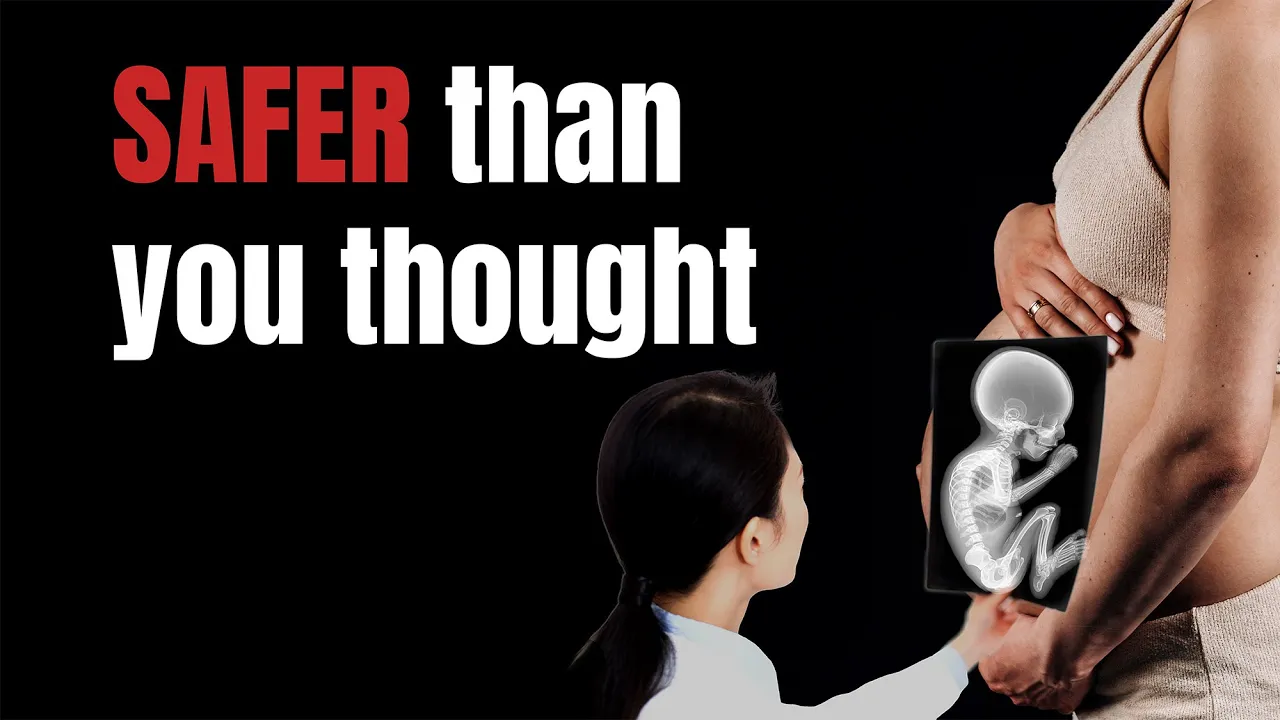
so my name's Eric Ellis in through those that don't know me I'm one of the third-year eeehm residents during the trauma conference today first I've just want to do a shout out to the wild lobster now they came up with a big victory last night Hey although I don't have any specific conflicts someone did inform you that there might be breakfast after the talk this morning so we have a case here we have a TTA paged overhead it's five minutes out character comes up to you if the ads a 30 something year old an NPC major whole team assembled girl waiting anxiously five minutes is turning into fifteen minutes and this rolls in the dark and I think at this point there's probably a lot of mixed emotions you know if you happen to were fortunate enough for that the new gun marshal will be residency excited well the rest of us might have a little more so epidemiology was from my pregnancy she is comments about six to seven percent of all pregnancies but in terms of the bad one that requires mentions only about 2.3 percent most not only is through that motor vehicle crashes and falls it's always important to remember later another possibility is probably significantly underreported this is the leading cause of non obstetric maternal death with them 7% maternal mortality and field mortality is quite high with major traumas 60% if there's any maternal shock 80% but the scary part is even with minimal trauma our even know it down a little trauma you can have issues but fetal loss up to five percent of the time thank you guys hear me all right and if anyone has questions just feel free you know so pregnancy is fairly complicated it changes female body too much every way possible an atom is different pretty much every physiologic system is different so we'll go through just some of the basic physiology questions I think it's important to get a basic understanding when you're I'm working up pregnant patients for trauma or medical reasons because you know obviously the anatomy different when the fetus grows all the organs that are displaced the fetus aathi often gets the brunt of the injury with Donald Trump from social year logic standpoint there's blood volume increases by up to 50% throughout pregnancy it's more a relative anemia because it's more plasma an actual Harvey seat volume and why this matters is you can have up to a third of your loss before you actually see any mechanic changes I'm part of this protective c-sections you're going to have both possible turn thanks for that let's just partners can be cognizant if you have a hypotensive person they're probably more depleted than actually there's a there's a leukocytosis very pregnancy that specifically from cardiac standpoint no blood pressure does decrease throughout pregnancy by up to 15% but by the time you're at full term usually it normalizes they do tend to be kind of borderline tachycardic and cardiac output increases by 50% on the quarter of this goes to the placenta and so during any hemodynamic compromise if there's any real pena situations you're certain you're fluent or it's your brain heart well sometimes uterus are compromised so there actually is a little reserved for the penis there's this entity known as supplying type of pension syndrome this is what happens after about 20 weeks of pregnancy when a fetus is sufficient sized and compressed in a or data in the ITC as a decreasing venous return altering comfort from a culinary standpoint as the baby grows your diaphragm is higher your total lung volumes are substantially smaller and your function pasties is smaller Nene this is important because that's kind of like that it's kind of protective gives us kind of safe happy in time so they're more compromised or at risk for desaturating becoming hypoxic quickly because they also have a fetus growing inside of them their oxygen content is higher all their metabolic tissues are met though their hypermetabolic so all these things make the fragmentation work run into centers also the minute ventilation goes up so that you have more of a respiratory gie wise they are they do have a higher aspiration risk for several reasons awaken the Greece guests attempting decreased motility and the effects of progesterone decrease the esophageal become one and also importantly inators they have a very insensitive abdominal this is something that I had forgotten it probably doesn't mention that but it's important if that's because they could have a really benign abdominal exam and actually that's you get in abdominal injuries so they can have equal air to me and where's mother now no catastrophes they're really not it's probably because of the stretch musculature and imperative camp so it's very unreliable from a genius and for the bladder is I think a first-degree during later that's just important remember that you it's changed they're going to have a light synthesis at baseline that being said they do have increased risk of orthopedic injuries because they have increases ligamentous laxity so now the patient comes into the trunk bag we're gonna do your primary survey but unfortunately there's not a lot difference between the primary survey recommendation and any other trauma patient you're gonna do your ABCs just saying is that was bad for the mother is bad for the baby the most well coming how's it feel - - OH but that being said if the patient comes in and they have a big exclamation point on their abdomen and you know they're pregnant then you can at least be cognizant that they are more susceptible to oxidation try to get on that early and then also potentially getting your consultants involved early so we're just gonna go through some of the take differences and primary survey quick so from an every standpoint like I said there they have increased miss bass bass the other thing is they do they have a more difficult airway they have all these physiologic changes lottery paper teaming prone to wages would be minimal trauma nasal trumpet those sorts of things in her 70s they also have more animals tissue on the face neck and chest all these things created not an ideal situation from an airway standpoint some of them really that trauma that does need to be intubated this is it this is the one patient population anticipate I know we always stress every irradiation prepare ahead of time this works I think sometimes complacent because we don't have a lot of scale in series and only offensive by this but it is more treat this like the obese their way because they have the same physiologic changes anatomic changes and even the Anastasia leadership with a higher complication rate with pregnant patients so things you can do that kind of helped prevent this well this definitely briefly but it's you know pre axon a ting and a pecan situation which we should be doing under pretty much every patient to make Kiki right now improves your other things that help is that the patient upright this helps get the body and adipose and weight off the longest decreases atelectasis decreases beauty best man so potentially helping oxygenation no in the trial situation is a little difficult but you can put in it especially if it's like a tenuous situation or to sense a kind of mortar consider that and then having even smaller et tubes that we typically would cuz there every actually is small another half-size down and available for an oxygenation standpoint like I said they're prone to at the end but the fetus is very from that which is even early changes of Peck pox a that may not be evident so all these patients should get some foul oxygen right off the bat generally do anyways but it's important that this subset of patients until you you don't just stress and it serves a big goal at the ao2 they say over a hundred we're not ever checking AVG's in the dr hardened terrorists you know once you get to about here took 60-year oxygen sets are about 90% and that's kind of right on the the steep curve of the box equivalent dissociation curve so that's where they can really recipt this big drop and that's when the fetus over there once where there's something what season you should shoot for sensitive great violation wise they are going to be harder to he's a babe fell to ask no they do it keep your things going they don't have facial hair so all those things are palpable but they have decreased chest want the science that increase the pressure of those things and then they're because of their increased man that was a co2 seen the upper 20s at baseline patience so a normal day for us is not normal for the rectification now they may tolerate it just fine but again they also have to consider whether fetuses if it's just that what so if there's a pneumo or hemo and you have to put a chest tube in you should go at least one or two rib spaces higher so you're in a third or fourth intercostal space because the diaphragm is higher you really don't want to put Chester vascular access you know if possibly should go upper extremities IBC is compression actually resuscitation so you know IV access upper extremities if you can't do that you know an IO and Ibrahim head is just as good as the tibia I know we generally just even take this but so that you know the subset of patients here that you know say there's pregnant trauma patients hypotensive this gets a little complicated because there's a lot of different reasons it could just as it's our normal physiology sometimes a rotation Cinderella now you shouldn't assume it's due to trauma because it's kind of tough juggling all those things so if the patient is already hypertensive you should be scared because they're probably behind eight ball they can lose two liters of blood before it Changez so even if they have normal blood pressure just getting accurate IV fluid I wanted to be because again what the maternal blood pressure is does not necessarily reflect with and then in terms of this supplying paper pension syndrome like I said it's over 20 weeks that you can worry about it less than 10% of the patient's lunch again kind of shock symptoms from this entity but you should treat all of these patients like they have it because it'll help augment their thirty government by up to 30 percent higher and you can do just a couple different simple maneuvers you can either put them in a month lateral decubitus with issue if they're trauma and they're on a back or tilt the back otherwise you can just manually displace the ears the left make your hands this is this one and so from a secondary survey you know you're gonna work up maternal injuries because you always would not a lot difference there but this is going to really focus on the penis as well you know asking the mom if she knows how far along she is using a last menstrual period is pretty an accurate estimate but you can check the fundal height where you alter selling good option this is what you also want to look for fetal heart tones are any monitor uterine contractions I don't know if I would be able to feel that but there and then the pendulum you know I think this is something I probably wouldn't do releasing the severe trauma patient early on you know if there's national bleeding precipitate hemorrhaging through the placenta previa so unless you never will be there and we're like an ultrasound confirms this is not the case then you come and you do it you're going to do an external genitalia examples little lacerations and open fractures those sorts of things there's really not a great goal for it turns the plug hey the only real measurement that I remember is that bilikiss is 20 feet it's 1 centimeters each week kind of above and below that that's kind of the threshold 24 weeks sorryi turns the trommel work if you're going to do the same studies at your view if she wasn't pregnant but now you also the fetus became just for the record really no or minimal trauma so they happen that you can still get compromised so that's always important to be cognizant of and so we'll kind of go through some so well going there's some of these farms death but your get phenome internal hemorrhage abruption on furniture labor uterine rupture it's very rare primarily make all tips people that have had c-sections need more directional injury usually you can be a little more obvious it's generally either a gunshot or a stab and then amniotic fluid really get into it's pretty rare high mortality so a funeral maternal hemorrhage this is something you're always worried about even in just vaginal as I'm bleeding miscarry expectations too so this is when you have an outrage negative pregnant patient you worry that they'll become a load in the eyes so if they have an Rh positive penis Trainz essential education develop antibodies don't affect this pregnancy but future pregnancies cause dramas and subsequent pregnancy subsequent pregnancy certain constant fingers related entomologist I mean the Dunkirk connectedness neurologic damage hydrops analysis and the classic one where you get I come on it's actually pretty common up to 40% of autism actually have some hemorrhage and there's not really great rate of predation which ones unfortunately there's a good treatment that prevents this called rhogam and this is something to give Justin so there's some that even just normal pregnancy patients that don't get broken they'll see this not the center dissemination so definitely count and it only takes two point zero CCS actually the full dose is 300 mics that's generally what we did some people do 50 mics but that covers up to 30 CC's and you do have 72 hours to give it you know I think generally you should give it early and then work up so it's not forgotten but say that person's really critically ill really just don't do it initially this make sure you close the loop and pass on the next team that hey get this person you have so in terms of the client or Pepe test so this is essentially they can connotative test generally recommended at 20 weeks and I'm you know at less than 16 weeks of pregnancy there's not even 30 CC's at once the dose of Romeo you'd have to completely emerge all of your blood requirement really doesn't really and so I think that's part of the reason why it's 20 weeks but some sources say to get this regardless of the RT status and I think the role within our accommodation probably limited really no predictive value in this test of as positive an art ossification doesn't necessarily predict complications there may be a little longer behind thing that you do probably doesn't change management but for the rh-negative patient with this positive impatient team that will be use it to see if we go so good for them CC September now in terms of frame placental abruption and so this is becoming seeing my percentages minor trauma up to 50 percent major trauma however given that one more minor trauma about 50% of us will feel awesome you know the classic tribe they teach in that school is your ability it's not in common for second time I mean the best way to really diagnose this or physical exam ultrasound fetal monitoring also sounds a great test of a positive is very specific however is not sensitive good first monitoring feel the stress but it's not good to separate why there's feel distressed and there's this one study in Norway mortality is quite high in patients that have dropped to 75 percent related like a casemates now have a look back kind of case Natalia racing look like president 69% were prevented by c-section it's important because and the reason why you don't see vaginal bleeding with all these is because you can have concealed memories so the monitoring this is for one assessing fetal heart tones interactions if you do this once in patients 20 weeks greater because this is by and things they look for they're doing an OB nurse stress the main benefit for this is more just reassuring that there's nothing wrong it doesn't it doesn't change outcomes you know if it's abnormal it actually could be one of the first things you see if there's any you know do a great job at that if there's no fetal heart tones absent field notes then this one can review that had four different ramifications there were no survivors so they recommend however if it's normal it is good it's 100% negative pretty good and they essentially look at if there's certain amount of contractions per hour no you know abdominal pain no vaginal bleeding less than six contractions in our that's fine no contractions I just so much will have this but it's rarely actually they're curious where this battle is coming you can test it if you have in ways I hope I'm never in a place where I have to fantasy so you need to do that nitrazine paper turning interestingly the nitrazine paper to in turn positive it also turns positive thanks real - no says here in or there's a lot of things that costume so the specificities not great and furnish a good task to spend the drives me so in terms of we do ultrasounds and all trauma patients so the he fast it's quite easy to know radiation exposure it's the specific test specifically pneumothorax the sensitivity is not as great for probably less so the hyacinth city is probably in the first trimester that's probably as we all know it's most useful as a screening tool it's positive that's how I put this negative kind of get a small clinical picture okay you can also Wanda diagnosed pregnancy checking fetal heart tones it's a great way to estimate gestational age particularly adjusting the first trimester as you get closer towards terms it's a lot more a trade-off night several teens and then you know always a fun topic in the emergency departments discussing radiology dislikes great data which is part of the problem but a lot of this is extrapolating from good timing I mean the big thing is to think of literally how far along was to the station here's what body-safe imaging her hand and the big things worry about is the tragic effects cancerous and so amazing time periods for energy axis 8 to 15 weeks this is the period of organic this one you see in reader drug description mental research and so there's there's guidelines from a Congress Toby a CR and voltage say that less than five rads are 50-milligram risk to the fetus even up to 100 million probably noticed I no easier to sit no test that is Harvey so here a worst case scenario trauma pants can you're still not likely exceeding the problem is I'm badly injured patients game that's right that's been given to this issue and getting above the threshold in terms of the cancer risk this is even less but still felt that lesson fiber as is probably no risk and the highest risk is in the first trimester and increasing cancer risk one of the other and radiology guidelines that mention evidence is evidence it may increase the risk of a combined effect their one percent if they're over so when you look at the these are charts of primarily x-rays here that's and this is like the fetal notice that they're actually seeing if you look like a head CT they have zero Mella the big ones like this is interesting a CTE 0.2 degrees but city chest and the pelvis like angio is 34 they obviously the biggest fun the only other question is and cause contrast effect the pregnancy we know that contrast and iodine does cross the placenta so there's obviously some theoretical risk to them however there's not really any evidence to support this risk but that being said they recommend using possible when using contracts you know the other study that we talked about alive MRI its great because there's no radiation it's very limited and the trauma setting obviously the length of time and the contrast risk again not really known yet Lenny with animal studies and very high doses as in Sharjah increase threat America thanks but there's no there's been no human studies No so you know in terms of kind of summarizing radiologic issues so I was going violate alehrer principles and you know getting your radiology to all these sounds involved because they can help kind of combine - you're less redundant see all the pound and they can even like widen out the cuts with the imaging so you get less exposure it does change the sensitivity a little bit but the 10 she would still be acceptable but the main take-home point is if you're going to order to test non fragmentation then you should order the test under Franklin there really isn't any circumstance and so on and that we do have guidelines for trauma and pregnancy 490 TA and t2 talk about is greater than 20 weeks so you know they kind of break without an algorithm so in terms of the stable mother stable fetus then you just for monetary to obedience at the stable mom put an unstable two penis then generating the fuse get the fish again c-section if it's a pliable age which here is twenty three weeks and if it's an unstable month depending on where the injuries are if it's an endowment 'el after the generally OB go together something that infuses stuff monitoring but it would be doesn't necessarily have to be involved TomTom so this very rare arresting pregnant patient touch that quick so in terms of what to do you pretty much do the same thing that you do for the non preservation aaj guidelines are the same in terms of when to defibrillate the dosed of differently rate of compressions even if medications are pretty much the same there's maybe some risk about amiodarone but I think that's very minimal this benefit ratio probably favors giving it button so the main differences are whenever you have a recitation you want to displace the invasion you can do that the tilt but they've been shown that there's maybe a little less effective chest compressions so is having someone displaced Eaters then you may also have to do compressions higher up on the chest particularly I can see because the years obviously displaces the heart or Southland so then we'll talk just briefly about perimortem c-section very or kind of case reports in the literature but there's definitely well established guidelines for when to do this if it's less than 20 weeks there's really no benefit ever between 20 to 23 weeks the benefit is for material benefit so getting the ad out eventually help hemodynamics because of the supplying implications after that about twenty four weeks nine there's potentially benefit for both and so there's this five minute rule generally this is what hypoxia starts to set in and about five minutes so after about four minutes of CPR actually say after four minutes of CPR you need to make a decision if you're going to do this at the baby oh I five minutes they look back and kind of most a lot of these will happen after five minutes because there's provider hesitation in which no rightfully so this is kind of like a moribund procedure that being said mom and baby are already dead so it's a potentially life-saving thing so it's definitely something to consider especially at a facility like this for you and ghetto be everyone's now they're very quickly and so this review of than sixty one patients over eighty five years just kind of shows how rare this is but there's 70% needle survival if it was done within five minutes all would from their lives being attacked after this there's a lot more magic Superboy really after 25 minutes beetles so the big thing is do not don't delay doing this like I said there's also some external benefit better than worthless this actually increased the triple immortality so in terms of how to actually do it you know one you wanna make sure that the pregnancy is viable or you think it is so 20 weeks or greater try to get many helpers as you can there's possible maybe even dividing up into teams yeah like a team for the mom someone's actually doing procedure than a team for the fate it's important to remember to use CPR throughout the whole this is I mean you really only need a scissors and a scalpel you very much are going to make a decision from cycling all the way to the pubic symphysis and then you know start making the incision through the fundus maybe like using the scissors thrust away understand unless you're not delivering the baby you don't have to close it right away you can pack it and deal with that later resuscitation then this was an interesting article I found the Star Tribune couple weeks ago this new domain a guy was driving behind somebody south porcupine and he heard this this fairy tale for this grand Marcel there's these valuable mineral deposits that's using Chinese medicine that forms the stomachs eating you might over and cut this thing all this and you found a baby the baby wasn't breathing yeah we do one every couple of years meaning yes like somebody in our group oh I hope you will come with these gamble running if you call an obese cat for a trauma and you truly have a perimortem c-section they will have the baby out in three minutes and I don't think it wasn't quite perimortem but yeah like they are good and they are fast and if they are anywhere nearby it's so much better to have them doing it than this my brain is not in a good place I now have a dead mom and the dead baby in front of me inside each other but I want someone else doing it if I can but yeah they come faster but technically the procedures not right of the slashes what Thank You / or some trick is here I guess I'll be like the impossible I could have brought the drama sir with my fellow residents that it in a bomba off a helicopter so it can't be wrong needless a mother didn't make it baby I don't wanna compromise this by the time helicopter gets there in short time and ask splenic artery aneurysm oh but I did it so first of all this was great thanks for the review the comment I wanted to make was you had the slide up a bunch of placental abruption and the top line I just wanted to highlight especially for the emergency medicine residents that this is nice to hear about the severe trauma workup and how you're going to manage things for these pregnant t thi patient out but the most common thing you're gonna see is a low mechanism of trauma and somebody that's pregnant and first of all to just remember that that is something that you have to pay attention to and think about how many weeks there communicate with labor delivery to do the fetal monitoring and everything is really important the second part of it is depending on where you go to work they're gonna have a different cutoff for the weeks so you might hear 20 weeks you might go somewhere you might call it 23 weeks so they might say no here we monitor at 24 weeks or whatever it is since it might be different based on the OB group that you're calling and the last thing to remember is some of the stories they'll tell you about what happened it could turn out to be that it's a user type situation so they always say that pregnant mothers that come in with this low mechanism trauma it's really important to cover that just because for a lot of them the stories are giving our just cover-ups or what's happening at home so as we should always be doing anyway in the DB checking for domestic abuse that's just something that's especially important to ask for these pregnant patients because what you're doing that time might not be as important as just making sure they're safe to go wherever they're gonna get to so at that line that he had is just something that pay attention to it even though it's a minor trauma they just fell down the stairs or whatever it is doesn't sound bad it's something the second case Institute so one of the narratives that are down there's out there because of that is actually a pregnancy will increase your center of gravity and yeah that just like little kids there the ski slopes there fall down and everything like that cuz their center of gravity is low is that unless there's sort of a tripping all that and chances out falling actually paid truths pregnant it's it's a narrative out there I'd like this you know other people have heard that or if that's been challenged because the whole you know I fell down I thought I fell down imagine it at least one of the oldies I know just be careful this whole I fell down while those trances
Up Next

42:35
Obstetrics Emergencies: Paramedic Refresher Training Guide
@trotwoodfiretraining
25.1K views•2014-01-17

48:47
Graphic Medicine: Comics for Collaborative Healthcare Communication
@nationalpatientadvocate
189 views•2023-12-04

10:28
Neuroanatomy: Central and Peripheral Nervous System Divisions Explained
@AKLECTURES
136.2K views•2014-09-20
3:05
Stages of Labor and Vaginal Birth | Childbirth Animation
@nucleusmedicalmedia
52.1M views•2017-08-18
Related Study Plans & Knowledge Roadmaps
Structured learning paths in Medicine
medicine
Abnormal LFTs: Diagnostic Workup & Pathology
01Liver Anatomy and Basic Physiology
02Introduction to Liver Function Tests (LFTs)
03Hepatocellular vs. Cholestatic Patterns
+ 3 more learning modules
12h6 modules
Explore Roadmap
medicine
Analyzing Blood Smears: RBC, WBC & Platelets
01Introduction to Blood Components & Smear Preparation
02Normal Morphology of Blood Cells
03Erythrocyte Pathologies & Morphological Variants
+ 2 more learning modules
12h5 modules
Explore Roadmap
medicine
Mechanical Ventilation: Waveforms & Alarms
01Anatomy and Physiology of Breathing
02Introduction to Mechanical Ventilation & Core Modes
03Ventilator Settings and Waveform Interpretation
+ 2 more learning modules
12h5 modules
Explore Roadmap
medicine
Neuro Exam: Localization & Stroke Syndromes
01Foundations of Neuroanatomy and Vascular Supply
02The Neurological Examination: Step-by-Step
03Principles of Neurological Localization
+ 3 more learning modules
18h6 modules
Explore Roadmap