


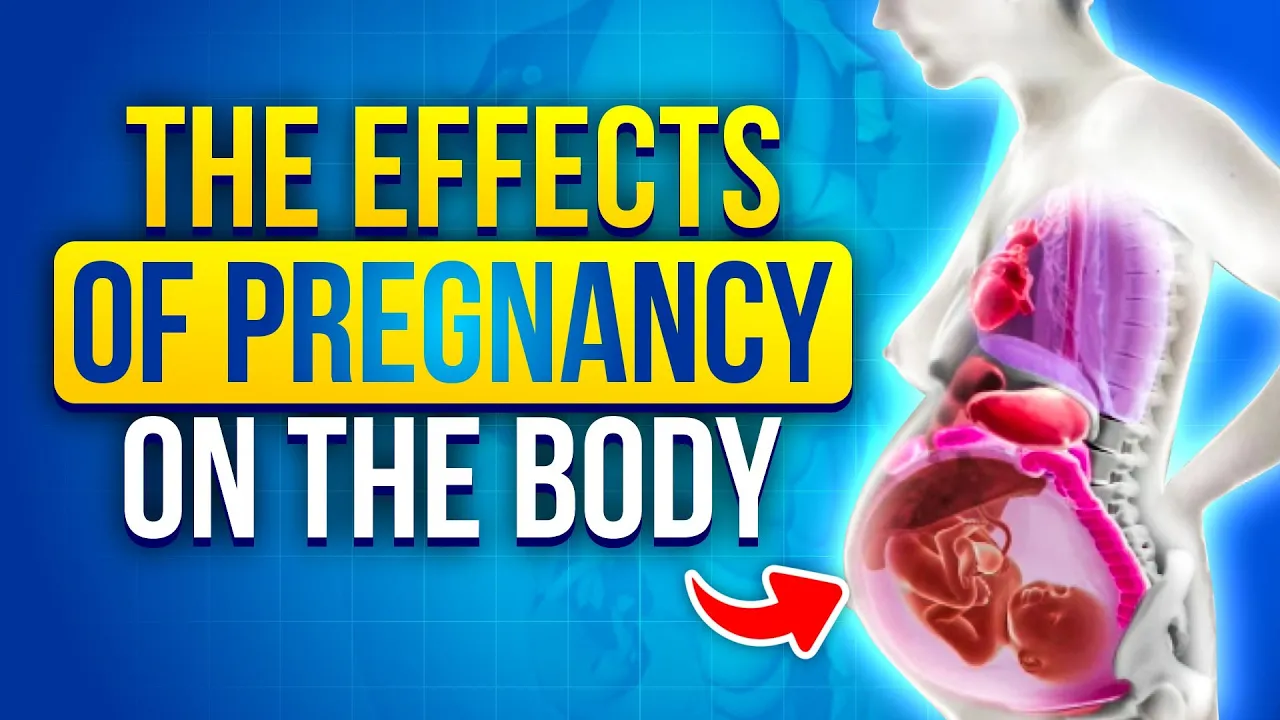
![Physiological changes during pregnancy part1 [EASY NOTES] FULL EXPLANATION IN HINDI || N.G MEDICALS](https://i.ytimg.com/vi/LnGyZXnM9ic/maxresdefault.jpg)



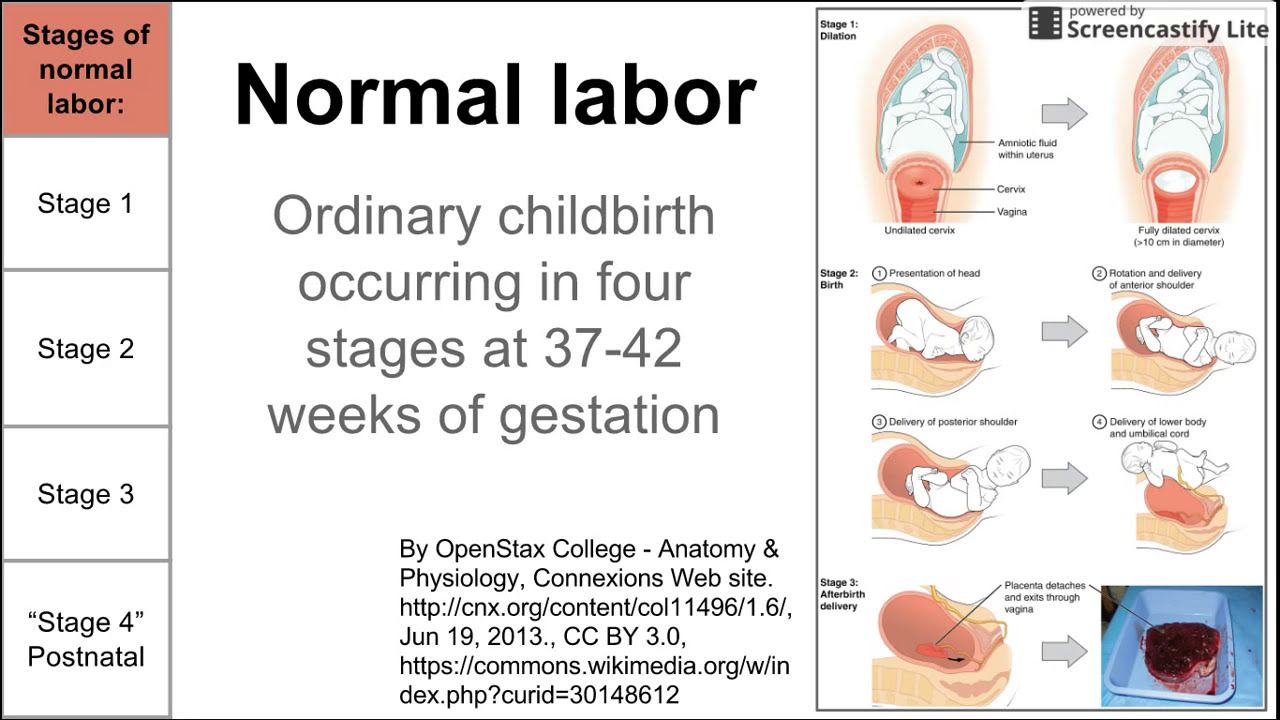











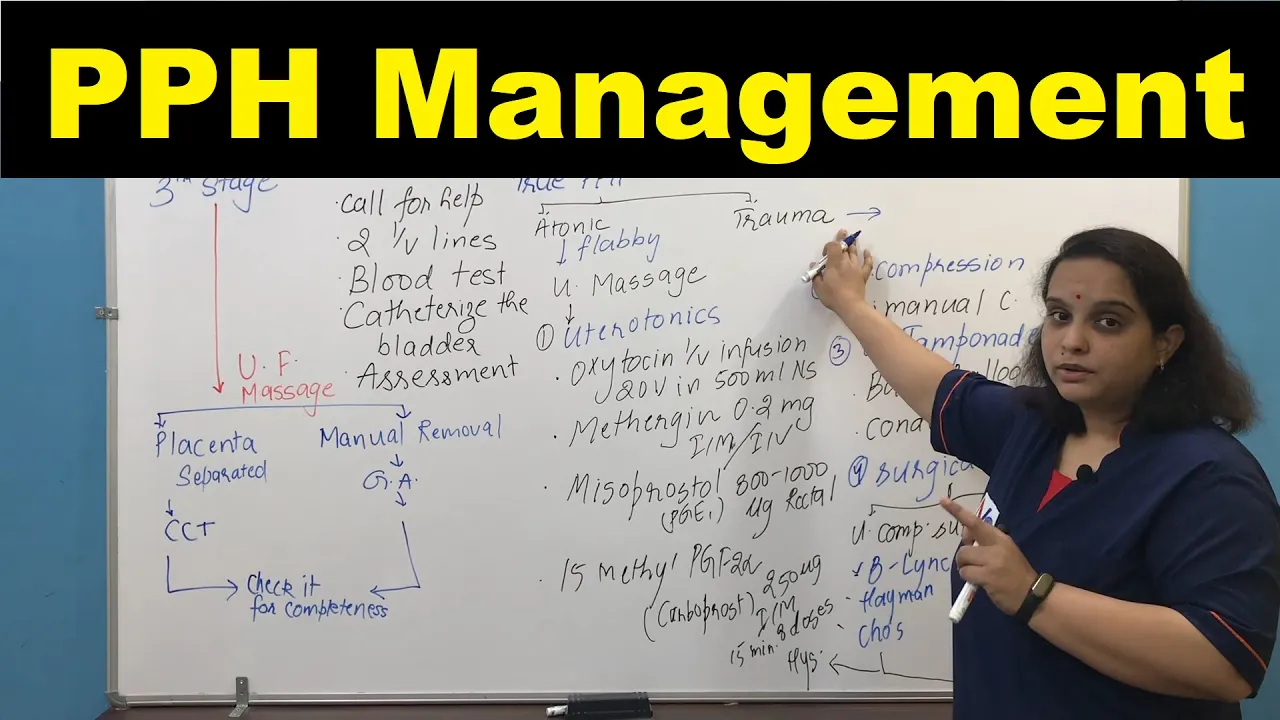



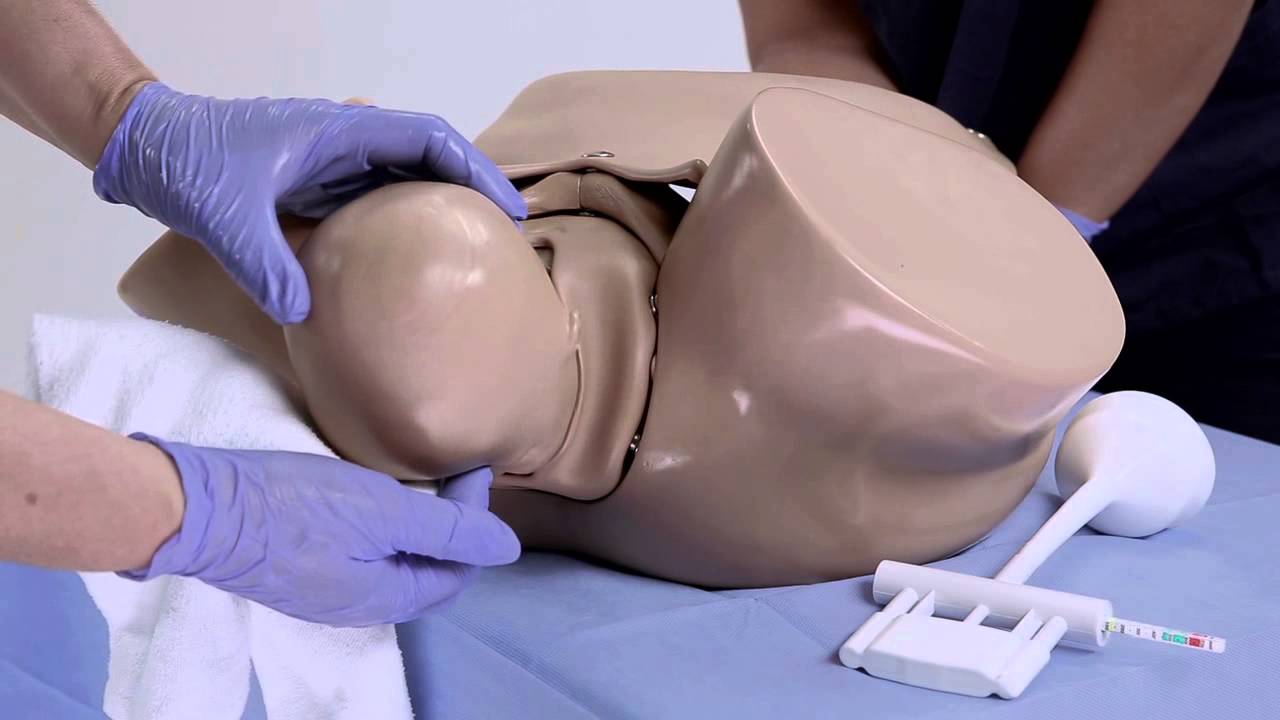




EMS providers must recognize and manage various obstetric emergencies including ectopic pregnancy (abdominal pain with vaginal bleeding in a woman of childbearing age), spontaneous abortion (threatened, inevitable, complete, incomplete, or missed), preclampsia/eclampsia (hypertension, edema, proteinuria, seizures), abruptio placentae (knife-like pain with hypovolemic shock), placenta previa (painless bright red bleeding), hyperemesis gravidarum (severe nausea/vomiting causing dehydration), and trauma in pregnancy (uterine rupture, placental abruption). Key management principles include positioning pregnant patients on their left side to prevent supine hypotensive syndrome, administering high-concentration oxygen, establishing IV access, and transporting immediately to the hospital. All pregnant patients require careful assessment for complications like hypertension, bleeding, and fetal distress.
Obstetrics Emergencies: Paramedic Refresher Training Guide
Added:this is the first lecture and the series for the second day of the 2014 Trotwood fin rescue paramedic refresher this is the first lecture that's going to be covered for January the 18th of 2014 we're going to cover obstetrics first um this was a lecture that was put on for Troutwood fire and rescue in 2013 By the staff of Grand View Medical Center Dayton all right so pregnancies in general just remember these things were uncomplicated most of them are uncomplicated women have been giving birth for centuries without the help of EMTs and paramedics so long before paramedics and EMTs were ever you know thought of limed been giving birth so and like I said most of them have been uncomplicated however there are complications that arise um so that eclampsia preclampsia diabetes whether it be gestational diabetes or if they had diabetes prior to um being pregnant hypotension and hypertension once again either prior to or if they it became some kind of a gestational problem cardiac disorders abortions like spontaneous abortions trauma as it relates to trauma or while they're pregnant and any kind of poent abnormalities these are the things that we need to be there for um some of the complications that arise and things that we can you know basically you know we want to make sure we get them to the hospital so if there is any kind of abnormality there is any kind of a problem we can help them so child birth in general it involves both labor and delivery so labor is obviously the the act of you know contractions and you know pushing and you know the child actually leaving the birth canal the delivery itself is you know the child being expelled once the child is delivered then we need to you know start doing our afar scores and any kind of resuscitation efforts that we may need to do it isn't natural process and anyone that's ever delivered a child usually it's fairly basic assistance usually you're just helping with shoulders or you know making sure the head comes out right and you know making sure that Mom breathes right so anyone has deliver the child it's it's a fairly simple process keep in mind that you do have two patients so if you do have two patients you want to try to have somebody extra in the back of the ambulance because if it is an imminent delivery once the baby's born one person's going to have to take care of the baby while the other person's taking care of Mom and then any kind of complications that may arise or if Mom is critically ill after the baby's born or vice versa it may take both of you to start taking care of the patient some of the things that you know we may encounter would be a breach or a limp presentation so in other words it be a butt first or the limp presentation with the arm or the leg multile bursts it's not uncommon for women to end up having uh Twins and not know it triplets and quadruplets it's a little harder obviously unless they thought they're having one baby and you know but the giant most of the time they would know but it's not uncommon to say they thought they're having twins they end up having triplets so bical cord problems whether it be a nucle cord so the cord's wrapped around the baby's neck or you know the baby is laying on top of the cord putting pressure on the cord disproportion which is you know when the female has a smaller cervix there's smaller female or they just have a small cervix and the child has a larger head and they're going to have a hard time you know fitting through the through the cervix excessive bleeding after the pregnant I'm sorry after the baby is born any kind of palmary embolis women having you know they just have decreased blood flow while they're pregnant swelling to the legs and they can end up throwing palmary emis during this and then the neonate require requiring resuscitation that's a big deal we all know that you know we don't like taking care of pediatric patients just because it's a little bit harder um they're not small adults so it requires special equipment and it's something that we don't typically do so if we do run into a problem with a neonate requiring resusitation sometimes it takes a little bit more effort that's something we need to practice we need to make sure that we're on our aame because this is critical time and then any pre-term labor I believe it's anything before 28 weeks is a pre-term labor okay so this is so we got the vagina the cervix uterine cavity this is where the baby is actually kept um so and then the fundus this is when we start talking about the level of the fundus so the ovaries um anyways all right so ovulation fertilization and implantation so ovulation is the releasing of the egg the fertilization is the sperm implantation is the fetus actually being implanted into the uh uterus all right so the placenta itself these are things it provides to the baby and to the Mom it's transfer of gases transports the nutrients it excretes the waste so is the excretion of the waist so the poop and the pee from the baby hormone production and then it protects the baby the bical cord it connects the placenta to the fetus has two arteries and one vein remember that we can culate the vein if we have to after we've so we can you know cut the umbilical cord you can actually uh culate that vein if you have to um as a last resort for a a neonate anotic stck the membrane surrounding the fetus flues from the feral sources about 500 to 1,000 milliliters after about 20 weeks contained in the amnionic sac and when it rupture it produces a watery discharge now the fetal growth process um about the end of the third month you're going to be able to tell if it's a male or a female you should be able to see the heartbeating and every structure found of birth is present so the fingers the toes uh penis vagina everything is is there into the fifth month it's when you start hitting fetal heart tones can be detected and the fetal movement may be felt by the mother so the baby just you know moving around kicking or pushing into the sixth month may be capable to survive it's the born prematurely and the middle of the 10th month it's considered to have reach its full term and then expect a date of confinement so all right so ectopic pregnancy this is you know anywhere outside of the uterine cavity and about 95% of ectopic pregnancies are in the Fallopian tubes it occurs in one in every 200 pregnancies and if you think about that that is a pretty high number um considering you know how many women do we go on each year that are pregnant and one in every 200 are actually ectopic so most are a symptom atic so it's very rare that they' be asymptomatic atep topic pregnancy it's very painful because the body is just not meant to grow the baby in the Fallopian tubes some predisposing factors be tubal infections any kind of previous tubal surgeries if they have IUD use so if they've got the inter uter device and any kind of previous ectopic pregnanes they have a past history of previous ectopic pregnancies all right so a history um if they've missed a period other signs of early pregnancy um so this may be like lactation um this may just be swelling of the ankles this may be abdominal pain um the spotting if they have spotting know vaginal bleeding about six to8 weeks after the last period and then upon rupture the bleeding may be excessive so this is something we have to be prepared for if they don't know that they're pregnant and it becomes a ruptured ectopic PR see we may get called for you know vaginal bleeding typically it's a lower abdominal pain that pain could be sharp or dull constant or imminent and I'm sorry intermittent it's diffused or localized and may be ref referred to the shoulder pain um so for us these are just questions we need to start asking because once again they may not even know they're pregnant so we need to start asking when their last menstrual period was any chance of pregnant Y how many babies they've had have they ever had an ectopic pregnancy before these are just questions that we need to start asking them to kind of start ruling things out to help us so for physical exam we need to have signs sys of hypmic shock so for us you know that would be tacac cardia pale skin hypotension alter mental status or alter level of Consciousness orthostatic hypotension um yes we don't do orthostatic vitals anymore but if the female goes to stand up and she passes out or she gets real lightheaded that means she's possibly got an orthostatic hypotension she's got a severe blood loss they have a tender lower Aden and they have a powerful Mass may be present so obviously that is a large and in charge powerful mass and I hope if you see something like that you'd know that uh that's bad and if anybody doesn't recognize her that's the Octo mom all right so abdominal pain or unexplained hypophil liia plus it's a woman of childbearing age it's an ectopic pregnancy until proven otherwise so abdominal pain or unexplained hypophil she's childbearing age it's ectopic until bre otherwise so things that we need to do for them high concentration of oxygen so an IV or IVs with LR or normal sailing if anybody doesn't know right now this is kind of par for the course but there's a national shortage of normal sailing lactated ringers and believe D5W so I don't know what we're going to be using but uh possibility of us actually using LR but right now you know it would be IV or IVs so one or two IVs if they're hypmic we need to make sure we get two large War IVs in them there doesn't necessarily mean you need to run them high flow you just need to make sure that they're wide open you just make sure you have them um using a mass trousers that's a possibility we obviously don't carry Mass trousers anymore anybody that's been in the EMS service for quite a while knows that those come in and out of our protocol so if they come back into the protocol they could be something that we could use and then you know least and definitely not last I'm sorry last but definitely not least is immediate transport these people do not need us they need to get to the hospital because they're going to need a surgeon or somebody to take care of this they do not need a paramedic they just need a quick ride to the hospital with lights and [Music] Sirens all right so an abortion it's def defined as a termination of pregnancy before the before fetal viability so 20th week spontaneous abortion it's about 20 to 25% of the pregnancies terminate spontaneously usually due to embryo abnormalities and it may also result from infection and Fa unfavorable inter uterin environment a cervical incompetence so in other words the body is just you know can't accept the fetus so spontaneous abortion so it's threatened inevitable complete incomplete and missed so these are the five different types of spontaneous abortions so it's threatened it's vaginal bleeding mild or absent contractions they have a closed cervix says about 20% of women bleed in early pregnancy and about 50% go on to abort and any bleeding in early pregnancy is dangerous and [Music] abnormal so keep that in mind any bleeding in early pregnancy is dangerous and abnormal they should not be bleeding and early in their pregnancy inevitable so if they have vaginal bleeding they moderately severe contractions possibly amniotic sack rupture cervic effacement dilation and changes are irreversible so once that happens there's no way to turn back you can't return or you can't change that a complicated spontaneous abortion so the products of conception are expelled whether it be the fetus placenta uh the cidial lining so this is where we usually find women when they're sitting on the toilet um and they they expel the they'll expel the fetus for the placenta so signs of symptoms profuse vaginal bleeding passage of tissues and clots contining mile contractions and a possible hypotension so you know when we have the what we'll call the toilet babies or the babies that end up you know mom sits down she thinks she has to move her bowels next thing you know she ends up expelling the the fetus so this is incomplete I'm sorry this is complete so incomplete Pro of conception are retained um signs and symptoms they have fuse bleeding pure tissue clot severe contractions hypoten and shock and they septic and this is because the basically the products have not been expelled and they get very septic they very sick from this they get infected so miss abortion the fetus div in utero before the 20th week it's retained at least two months afterwards so that is a that's a bad thing so basically the baby is in there mom does doesn't feel it kicking um doesn't realize that it has died and it's basically aborted so it says continuing Amara um so that's just amniotic fluid you know they've it just continuously you know basically they uh the vagina is constantly just got a amniotic fluid that's flowing out of it history of the bleeding without cramping decrease in the uterine size the reabsorption of the fluid and the classification of the products of conception all right so it's confirmed or suspected pregnancy um abdominal pain cramping bleeding and passes of tissue this is all things that are common with abortions so if you've got somebody that's got you know a confirm to suspect a pregnancy they have abdominal pain and cramping and they're bleeding they've had passage of tissues it's more than likely going to end up being one of the abortions so things for us the orthostatic vital signs once again you can lie them down you can set them up you can stand them up whatever but typically they will become hypotensive with this and then exam for the amount of aginal bleeding and the presence of tissue so um make sure that you check um this is where you know it' be very very important to know check if there's anything in their underwear if there's anything in the toilet in the bed where they first noticed it and make sure that there's nothing it's actually expelled things that we need to do for them we need to make sure we give them a high concentration of oxygen we start one the two large more IVs with normal saline put Mass trousers on if indicated if we have them do not pack the vagina this is you know common sense I would hope everybody's well aware of this we don't stick anything inside the vagina to try to get the bleeding to stop or the tissue being expelled to stop um save any tissue this pass it's very important because they have to do pathology on it so they can find out what's going on and then obviously transport the patient you'd be surprised that the women that you know do have an abortion they've had one before and they don't want to go to the hospital you know you need to make sure that you take them to the hospital make sure that you save the tissue talk to them and take them to the hospital because if they have any kind of complications afterwards after you leave it's a bad thing all right some medical complications so diabetes um they could be St able could become unstable so someone that you know is a non-insulin diabetic you know they're a stable diabetic or they're just a um diet controlled they could become fairly unstable and fast with uh with a pregnancy um gestational diabetes obviously that's diabetes that they didn't have they never had diabetes before but you know while they are pregnant they have diabetes they have low blood sugar or high blood sugar and they cannot use oral medications during this so typically they just need to control with a diet so hypertension um they're more susceptible to complications like uh COV vascular accidents or Strokes cardiac failure renal failure and it may be Complicated by the preclampsia or eclampsia and we'll get into preclampsia and eclampsia in a little bit the difference between those and how they kind of relate to um hypertension and then any kind of cardiac disorders so additional stress plac on the heart you know the inferior viic Cava so we know that as the baby that's why we always try to lay the moms on their left sides because if we lay on the right sides that means a baby could push on the inferior vnea which in turn is going to lower the uh preload and we don't want that to happen so additional stress placed in the heart and then the uh the cardiac output increases by about 30% by uh week 34 all right so pregnancy induced hypertension we got preclampsia and eclampsia so preclampsia I see in about 7% of the pregnancies um typically it's the 20th week gestation it's the first week of postpartum and the hypertension um abum Ura and and edema so risk factors we find first pregnancies multiple gestations excessive amniotic fluid diabetes renal pre-existing hypertension family history pre- clampy and poor nutrition so these are all things that as we're doing our assessment of the patient you know things we need to ask you know is this your first pregnancy how many you know how many pregnancies you had you know how many Li birds have you had how many uh miscarriages have you had any kind of excessive amniotic fluid you are you a diabetic are you being treated for diabetes are you a renal patient or do you have any kind of problems with renal disease pre-existing hypertension so did you you know did you have you been taking medication for hypertension before you became pregnant that past history of preamps for the you if they got a family history of it you're more susceptible genetically and then you know if you're not taking care of yourself nutritionally you're definitely a higher risk factor for pre- clamps here so the signs of symptoms we need to look for that are elevated blood pressure so it's anything over 140 um 140 systolic or 90 D stolic or anything that's greater than 30 millimeters of mercury above the patient's normal so ask them what their normal is it's anything it's 30 millimeters of mercury above that if they have edema their face and their hands that's typically in the morning um so it's things that we need to look for so if we get called in the morning or you can ask them you know when does your edema worse in your hands and your feet and if they tell you it's in the morning this is a sign that they may be preeclamptic all right some other things we need to look for rapid weight gain so they gain greater than three pounds a week during their second trimester or greater than one pound a week for their third trimester and also if they have a decreased urine output so we need to ask them how much weight have you gained you know during your second trimester how much weight have you been gaining during your third trimester and just make sure that we know and so these are just things we need to make sure we note in our our run report and our PCR and then also we need to relay to the hospital and then with the decreased year output definitely something you need to relay so if they are complaining of a severe headache any kind of blurred vision arability nausea and vomiting which you know most women are nausea and vomiting during their I should say most but a lot of women have nausea and vomiting during their pregnancies epigastric pain which is abnormal epigastric pain and then any kind of pulmonary edema so if they've got palmary edema it's a bad thing if they got severe epigastric pain blurred vision severe headache these are all signs and symptoms of the prey patient so if they got preclampsia plus seizures right or aoma they are diagnosed with the clamps here they eclamptic Brant induced hyper uh hypertension so things that we need to look for for this would be you know the management of what we would do for p so in other words the high concentration of oxygen we need to make sure we start an IV and this is a TKO would you not give them a lot of fluids because they probably already have a fluid overload so you do not want to overload them with any more fluids put them in the left lateral come position just like we talked about before take the stress off of the inferior vena the quiet environment so you need to keep it very calm not running lights and sirens and it says reduce uh the excessive light so dim the lights in the back of the medic put them in the left lateral recomb position I make them comfortable and do not run license sirons unless they are you know seizing and they are already eclamptic give them psychological support once again avoid your license Sirens um mag sulfate which obviously we don't give mag sulfate but um this is the treatment of choice for breaks the induced hypertension so they get four grams Bolis or one gram over an hour infusion monitor the pulse BP respirations and patellar reflexes and calcium reverses toxicity so if they they end up overloading the person with mag sulfate then they can give him calcium so assesses every patient uh pregnant patient for the increased blood pressure and edema and you need to take all reported seizures and pregnant females seriously so it's very very important that we don't overlook this and we need to ask these are questions that we need to ask okay so another complication is third trimester bleeding uh it says 50% due to normal changes in the cervix about 50 D 50% is due to placental catastrophe so it's dangerous if the mount greater than the normal period so if it's you can ask them you know if they are using a pad you know how many pads they've went through and if it's more than a normal period it's extremely dangerous so abruptio placenta placente premature placental separation from the uterus is the definition that's just a that should be a review from paramedics about4 to 3 and a half% of the pregnancies actually result in abrupt yente and risk factors if you have an older patient so you know females that are you know late 30s early 40s um and older hypertensive patients multi gravitus so other words you've got a patient that's you know had multile pregnancies multile children and any kind of trauma so a mild Dem moderate vaginal bleeding um it's continuous knife likee abdominal pain so third trimester abort is it's abruption until proven otherwise anybody that's had and I've only had one patient with abruptio um and it was exactly what they described it as they said it felt like a knife it was sticking them in the adomen they have a very rigid tender uterus they will have signs of symptoms the hypoa and it's out of proportion to the visible bleeding so basically it's you know even though they have you know a decent amount of blood their blood pressure and their will be crappy they're they'll be very Tac cardic they could have a decrease in level of Consciousness all being indicative of hypoa and then it says alteration of the contraction pattern so wasent the Privia it's AAL imp Plantation over the cical over the cervical opening happens at about half% of the pregnancies some of the pred disposing factors so increasing age multi parity uh previous cerian sections and then it says it can lead to placental insufficiency and then fetal hypoxia so very bad painless bright red vaginal bleeding so dark red you know a lot of times that is the abruptio bright red that's c a preia soft non- tender uterus typically don't have contractions with it they do have signs and symptoms of hypohemia so you can see that essentially that's the this is the placenta so the placenta is there before the baby is expelled you know I think I would hope everybody knows that we want the baby to come out first then the placenta so the placenta is you know it's aenta Previa or you know before the baby that is a bad thing so for third trimester bleeding we need to make sure we give them 100% oxygen so that's with an honor breather mask you 12 to 15 liters per minute two start two large bar IVs keep them in the left left lateral cover position Mass only with the legs only so you're only inflating the legs if they put Mass back into the protocol and then assessing for fetal heart tones you know obviously we don't have dopplers but but if at some point we do have we do get dopplers you want to try to assessible fetal heart tones if you can it's very hard to hear fetal heart tones um anybody that ever did their rotations you know I'd hope everybody did rotations for paramedics but when you do them and if they let you listen to fetal heart tones they're to me they're very hard to hear well that is a very large baby but that is a uh that looks like a diabetes baby um you know or a mom had diabetes or gestational diabetes very large child all right says never perform a vaginal exam on a third trimester patient with vaginal bleeding so you need to be very very careful with this um you don't want to you know no glove fingers anything like that there's nothing wrong with looking to make sure that there's nothing being expelled but you never want to put a glove finger or anything in um because you could end up rupturing something all right so this hyperin gravidarum so severe nause and vomiting my wife suffered from this unfortunately uh this was from day one you know from the time she found out she's pregnant until you know literally until we had our son so it was non-stop vomiting so it leads to starvation dehydration and acidosis and a Contin vom in pregnancy with a loss of weight and it was there was nothing she could do to make it stop it was just constant she had to work through it so replacing lost fluids and electrolytes this is the Gatorades and such things like that um and other things that you know maybe starting IVs on them sometimes you'd have to start an IV to get electrolyte replacement and then glucose so making sure that they eat something that contains stored sugars um so they aren't you know depleting their body of glucose and depleting the child of glucose so Supply hypotensive syndrome um that's the uterus that compresses inir vnea we talked about this um so if you lie them flat or you try to lie them on the right side the uterus ends up compressing the infer vnea which in turn is going to decrease the amount of blood that's returning to to the body or to the heart um it's a Bad Thing Once you have a decreased Venus return that leaves a decreased cardiac output and then if they decreased that cardiac output their BP decreases and then that will says to consider the volume depletion so once you start depleting that that's going to starve the child of oxygen starve the child of any kind of nutrients the mom is going to obviously start shunning blood and they're going to take it to the vital organs they need that return so that's why we make sure that we always put them in the left lateral com position so it takes the stress off of that fear vnea so we place the patient on the left side make sure we restore any kind of venience return transport all of our non-laying patients late pregnancy on the left side so this is something we've been doing for years it's just a reminder all right so ruptured membranes so vaginal leakage of a clear CIS fluid about 84% of the labor spontaneously in 24 hours so but 50% become infected in 12 hours so you have to be very very where that you know once the membranes have ruptured they start to dry out and then everything starts becoming effective so it takes about 12 [Music] hours so the longer the mom Waits um the worse it could be for them so it says increased time equals increased infection rate or infection risk so once the baby is or I'm sorry once you know the membranes have ruptured one if the mom Waits too long or two if it's a delivery that's going to take a long time they have an increased infection risk and it says a patient must come to the hospital so fever dysuria so like a urinary tract infection says it is a major medical emergency and it's a major medical emergency for the mom and the baby both right so this suggests urinary tract or amniotic fluid infection sepsis or early labor May resol and the patient must come to the hospital all right so if the mom is complaining of having a fever or she's got a brain sensation when she is urinating these are things that should obviously KY us off or she's got an abnormal odor things should K us off that you know she may have disuria or she's got some kind of urinary tract infection or amniotic fluid infection excuse me and once again it is a major medical emergency all right so the uterine rupture so common causes would be a prolonged labor against the obstruction any kind of large fetus old C-section and then multile pregnancies so once again if you know the mom is in labor for a long time get to obstruction if the baby is larger than a mom large baby small cervix if they had an old C-section or you know this is you know their fifth or sixth kid so have a potential for a uterine rupture so sudden intense tearing abdominal pain it's a big sign of uter rupture they have signs of sensitive hyping shock loss of continuity of the uterine mass and the possible vaginal bleeding the big one would be that sudden intense tearing abdominal pain so about 50 to 75% fetal mortality this is uh very dangerous for the child so we want to make sure we give him same thing ibo2 monitor give them two large board IVs left LAD recover position transport so let's the you know that it's going to be the treatment of the day for just about any kind of pregnancy it's left L recumbent 100% oxygen couple of IVs and get them to the hospital right so trauma in the pregnancy we're looking for minor trauma um things are common as the obstetric patient so snle episodes that's very common in the obstetric patient um diminish coordination so they're kind of you know topheavy so to speak and they lose their balance and they fall and they hit their belly on you know a step or a chair or on the side of a table and they have loosen into the joints because their body is starting to um release hormones that's going to soften their cervix and that means it softens other things so there joints start to get looser and they have a hard time walking so major trauma in pregnancy so this is susceptible to a lifethreatening episode increased vascular vascularity and a May deteriorate suddenly so these patients they can just like a pediatric patient that's got respiratory problems they can crash fairly easy trauma PR trauma patients that are pregnant um there's no doubt they will deteriorate very very rapidly so you need to make sure that you treat them appropriately get them in the back of the ambulance get them to the hospital and a reasonal amount of time so it's a leading cause of maternal death in pregnancy and about motor VOR collisions account for 50% of the perinatal mortality so the trauma can be from a preer separation of placenta so just basically a shearing effect premature labor it puts the female into labor spontaneous abortion the rupture of the uterus and then fetal death so if the fetal death so that could be if the baby dies that could be because the mother died um separation of the placenta the mom going into the shock and she's basically using the she shunting all the blood for herself and robbing the the fetus of any kind of nutrients or any kind of blood supply uter rupture and then the fetal head injury so an injured woman of childbearing age consider pregnancy priorities exactly the same as any other patient and always make sure you do your airly breathing circulation first these are important for this patient so don't just get yourself focused on the pregnancy you need to make sure that you take care of the mom because if you can't take care of Mom then in turn she's not going to be able to help the baby so the vital signs it say it mimic hypovolemia U pulse will increase about 10 to 15 times a minute and beats per minute and your BP will decrease so the blood volume is increases up to about 45% um more blood loss can occur before the signs of Sy hyp fimia appear so it could be a late sign especially if you're looking for like a lowering of the blood pressure attach of cardia or that change of mental status could be some of the first things you're going to see in a hypmic patient and that's in shock versus the BP so you can't rely on just the blood pressure alone says in hyperia blood is shun up from the causing the fetal distress so once again the the mom is going to try to use the blood loss that she's the what blood she has remaining to keep herself alive and it's going to end up robbing the baby of uh any kind of nutrients that it needs so an increased fluid volume needed to treat the hypohemia penetrating abdominal trauma is second third trimester frequently involves the uterus and the greatest Danger from uter injury is hypovolemia we need to treat this aggressively uh it says the fetus may be distressed and the mother is not signs of sens of the shock may appear late and more volume needed to correct the hypovolemia because their blood volume is increased it's going to take more volume to correct the hypovolemia and with the fetus being uh distressed so you can't always rely on the mother um for saying that the fetus could be distressed you need to basically treat the shock aggressively and make sure that you get the patient to the hospital hosital and any time that you have a trauma patient that's pregnant okay it says oxygenate aggressively this includes you know this is non or breathers with 15 lit 12 to 15 liters per minute if you have to bag the patient because she's not ventilating properly so it's consider assisting the ventilation early so oxygen demand increases about 10 to 20% the last trimester and the high diaphragm causes a decreased compliance and a tide of volume so because their fundus is up so high it's pushing up on their lungs and they're going to have a hard time trying to um get a good tital volume out of their lungs so you need to make sure that you may have to assist our ventilations because our oxygen saturations and ventilatory effort may be decreased says mask can be used in a late term pregnancy inflate the legs only and using abdominal compartment reduces the blood flow to the fetus so we don't want to use the abdominal compartment once again this is only if the mass Cher ever come come back into our protocol so after the first trimester never transport the patient flat on their back always transport on their left side you want to prop up on the right side of the spine board with the blanket pillows this is something that we do really well um it's just a basically it's a good reminder that if you have to prop the patient up make sure that you know right side spine board basically underneath of it if we have them backboarded so the Fe and the uterus is all laying off to the left it's taking the pressure off of the inferior vnea so it's the most common cause of fetal death from trauma is a maternal death um keeping the mom alive keeps the baby alive and what's good for the mom is good for the baby so what you may think is you know a dead mom you may have to do CPR on that patient doing CPR is you know keeping the blood flowing and I may keep the baby alive till they can get to the hospital and they can do emergency section so bra and Hicks contractions or false contractions usually occurs in third trimester so it's a benign phenomenon that stimulates uh stimulates labor and the contractions are generally painless and the walking may help so this is basically they think they're having contractions or Brax and Hicks contractions and they're not true labor contractions so pre-term labor um this say labor that begins prior to 38 weeks suggest so labor the results of progressive dilation and the effacement of the [Music] cervix so some of the causes of pre-term Labor multiple gestations so if the mom has been pregnant multiple times whether it's you know if she's had a abortion or not you know any kind of spontaneous abortions or she's had any kind of other complications just marble gestations in general intun infections premature rupture of the membranes and then the uterine or cervical AB anatomical abnormalities so if they've got some kind of a you know a smaller cervix or they've got a uterine problem um they could definitely put them into pre-term labor obviously that is a very very very small child in a pre-term you can see that they're innovating the lower the Lower Side here doesn't take much very small tube that looks like that's you know probably a a one you know it's a one and a half it's a very very tiny tube so management um consider for uh consideration of uh syis so rest fluids and sedation so we're going need to make sure that they rest they need to make sure they get fluids and then they need to be you know basically they need to be knocked out or they need to have complete rest so their body can heal on its own and then you need to transport it for evaluation that's definitely something that we need to make sure we take them to the hospital I mean there's not too many pregnancy related problems that we should not be taking the patient to the hospital all right so that is the end of this lecture you will watch the next three lectures and then you will take the quiz on quizar thank you
Up Next

Obs & Gynae NEET PG PYQs 2019-2022 | Dr. Sakshi Arora Hans
@DrSakshiAroraHansobsandgynae
326.7K views•2023-02-07

Graphic Medicine: Comics for Collaborative Healthcare Communication
@nationalpatientadvocate
189 views•2023-12-04

Neuroanatomy: Central and Peripheral Nervous System Divisions Explained
@AKLECTURES
136.2K views•2014-09-20

Stages of Labor and Vaginal Birth | Childbirth Animation
@nucleusmedicalmedia
52.1M views•2017-08-18
Related Study Plans & Knowledge Roadmaps
Structured learning paths in Medicine