

































This video provides a comprehensive review of NEET PG PYQs from 2019-2022 in Obstetrics and Gynecology, covering key topics including early pregnancy ultrasound signs (double decidual sac sign, nuchal translucency), induction of labor protocols (Bishop score, contraindications), maternal physiological adaptations in pregnancy, diabetes in pregnancy (macrosomia, congenital anomalies), PIH pathophysiology and management (magnesium sulfate therapy), HELLP syndrome, antiphospholipid syndrome, medical abortion protocols, cervical cerclage, ectopic pregnancy management, and gestational trophoblastic neoplasia treatment.
Obs & Gynae NEET PG PYQs 2019-2022 | Dr. Sakshi Arora Hans
Added:Basic anatomy of the female pelvis, fetal skull diameters, and maternal physiological changes during pregnancy.
Fundamental concepts of normal labor, its stages, partograph monitoring, and active management of the third stage of labor (AMTSL).
Understanding of the normal menstrual cycle, endocrine regulation (hypothalamic-pituitary-ovarian axis), and common contraceptive methods.
Basic knowledge of common gynecological disorders (e.g., abnormal uterine bleeding, endometriosis, uterine fibroids) and screening for gynecological malignancies.
Integration of Obs & Gynae concepts with systemic pathology, microbiology (TORCH infections), and pharmacology (e.g., tocolytics, uterotonics, and chemotherapy regimens).
Analysis of updated clinical guidelines, including recent FIGO staging for gynecological cancers and updated management protocols for pre-eclampsia and gestational diabetes.
Practice of high-yield clinical case-based scenarios and image-based questions (IBQs) frequently tested in recent NEET PG and INI-CET exams.
Application of theoretical MCQ concepts during clinical internship rotations in labor rooms, outpatient departments, and obstetric emergency setups.
326.7K views4.7Klikes2:06:51Original Release: 2023-02-07
extra streaming coming okay no what is happening oh I'm not where am I Live Now thank you am I live anywhere can you people hear me and can you people see me I don't even know this where am I live foreign can you people see me can you people hear me okay I am live somewhere I can't see but at least I'm live somewhere okay so uh now ha now uh this was the question this was question number two which I was discussing I have already discussed with you only one question in the previous video which I am going to now delete because that live session it was it got interrupted and this question was double decidual Sac sign is seen in and I told you double decidual Sac sign is seen in first trimester the first ultrasound sign of pregnancy is intra decidual sign which is due to interstitial implantation and it is the first sign of pregnancy on ultrasound it does not tell you whether pregnancy is intro you trying or not then comes your double decidual sack sign where you are going to see an image like this where the blastocyst or the gestational Sac will be surrounded by two rings the inner ring is going to tell B of decidua capsularis and the outer ring is of decidua para italianis right that is double this it will Sac sign and then comes the double blep sign in which you are getting two bleps right so two bubbles blab means bubbles so you are getting two bubbles like these one bubble is of yolk sack and the other one is of amniotic sac and whether it is double decidual Sac sign or whether it is double blep sign both of them indicate intrauterine pregnancy now coming to question second question which is again from neet 2019 what is the ideal time for nuchal translucency evaluation remember that nucle translucency is done between 11 to 14 weeks and if nuclear translucency comes more than equal to three millimeters that indicates a new ploidy which aneuploidy most commonly it tells you that there will be a Trisomy most commonly trisomy 21 followed by 18 followed by 13 but then increase nuclear translucency is also seen in Turner's syndrome and and it is seen in cardiac defects now another question sometimes they ask you is so over here the answer was 11 to 14 weeks another question which they can ask you is that suppose nuclear translucency is more than equal to three millimeters what is the next investigation which you would like to do so nuclear translucency is only a screening test for aneuploidy I will have to do a diagnostic test for aneuploidy and the diagnostic test for aneuploidy is fish or karyotyping please remember that if you say that I am going to do so fish or karyotyping is the diagnostic test but suppose you say I am going to do the cell free fetal DNA now cell free fetal DNA is a secondary screening test it is not a diagnostic test so if Cell free fetal DNA comes out to be positive then again it has to be followed by fish or karyotyping so ah if Cell free fetal DNA comes out to be negative then you don't need to do fish or karyotyping but if Cell free fetal DNA comes out to be positive still you have to do fish or karyotyping now suppose your question says that nuclear translucency is more than equal to three millimeters and the karyotyping result is normal what is the next investigation which you would like to do what is the next step now if karyotyping result is normal then I am suspecting a cardiac defect and so then I am going to do a fetal eco clear to all of you yes uh you can't hear me someone is saying that I am not Audible clear okay so this is what you had to know about nuclear translucency I hope this is very very clear to all of you okay then comes questions related to induction of Labor another very very important topic and one of the questions was asked in neet PG 2019 and that is a 35 year old female presents to OPD at 41 weeks of gestation she's very sure about her gestational age on per vaginal examination there is no dilatation no effacement what should be done first thing which I want all of you to remember is that ACOG recommendation ACOG says that if pregnancy is more than equal to 41 weeks then termination of pregnancy has to be done these are new guidelines saying that if pregnancy has reached 41 weeks you have to go for a termination of pregnancy but then you have to be very sure that she is 41 weeks right so whenever a female comes to you with a post-dated pregnancy and they ask you please remember post-dated pregnancy is more than equal to 42 weeks and ACOG says that you should not allow pregnancy to go beyond 41 weeks now if your question says a female has come to you with post-dated pregnancy what is the first step which you have to do first step which you have to do is you have to ensure that her EDD you have to you know recheck her menstrual history to ensure that the EDD was calculated correctly and that is why this question is saying that she is very sure about her gestational age now because she's 21 weeks I have to induce labor and before inducing labor what are you going to do all of you know that you are going to check her Bishop's score a very very important is what are the parameters of Bishop's core Delhi police employed special Commandos dilatation position effacement of cervix station of fetal head and consistency of cervix now in amongst all these five parameters only two parameters are given two points is given two points rest all parameters are given three points right so position of cervix and consistency of cervix is given two points rest all three are given three points maximum score can be thirteen if score is less than equal to 5 that's a poor score so you have to first ripen the cervix if it is more than equal to six that's a favorable score as per the nice guidelines and if score is more than equal to 9 that has high chances of a successful induction of Labor as per Williams now what are the methods for induction of Labor quickly revise with me the first method is reprim gel this survey Prim gel has dinoproston or pge2 service which is available in your labor rooms it has got 0.5 mg of dinoproston now this image is a new image which all of you should know this is what is servital now in surveill again dinoprostore one is available but this dinoproston is 10 mg in survey Prim gel it was 0.5 mg in survey Dell again dinoproston is available but it is 10 mg survey Prim gel was put in the cervix here it is put this uh survey Dill is put in the vaginal fornix and it has to be removed after 12 hours or if contractions begin you have to remove it earlier right then you can use mesoprost for induction of Labor you can use Miffy Prestone oxytocin folice catheter or you can go for stripping of membranes and extra amniotics align infusion all these are methods for induction of Labor please remember Miffy press Stone and oxytocin Follies catheter stripping of membrane extra amniotic saline infusion these are methods for induction of Labor so in this question they had given you pge1 gel yes it can be used pge2 tablet yes intracervical police catheter yes MGF so4 no mgso4 is not used for induction of Labor right now suppose your patient is a previous cesarean section patient in a previous cesarean section patient we prefer to use Foley's catheter or mechanical methods in comparison to the drugs right so we do not prefer using mesoprost or oxytocin or cerviprim we prefer using mechanical methods for induction of Labor in previous Caesarean section patient clear to all of you okay then next question was from again from neet PG 2019 where they had asked you which of the following is not a contra indication for induction of Labor right so remember Contra indication wherever you cannot perform vaginal delivery that's a contra indication and read your question very carefully they are saying which of the following is not a contraindication so all of you know if it is herpes genitalis active herpes infection is a contraindication for vaginal delivery so obviously I'm not going to go for induction of Labor if there has been two lscs that's a contraindication one lscs is not a contraindication two lscs is definitely a contra indication then pelvic tumor is a contraindication heart disease is not a contraindication right in heart disease patient I would prefer that a patient goes into spontaneous labor but if a patient doesn't go into spontaneous labor I am going to go for induction of Labor please remember that maternal contraindications are placenta previa active herpes genitalis contracted pelvis cancer cervix if there is a classical cesarean section right then that's a contra indication for induction of Labor ACOG says that if there is a patient with previous classical area section then in the next pregnancy you have to do a repeat cesarean and the repeat Caesarean should be done between 36 to 37 weeks or if there are previous two lses now there was one thing which I have erased from here and that was chronic incision I hope all of you know what's a chronic incision lscs May the most commonly used incision is a cur incision this is what is occur incision which is a low transverse incision so when we say lscs generally we refer to occur incision but suppose instead of giving a transverse incision you have given a vertical incision in the lower segment right this is what is chronic incision now earlier it was said that a vaginal birth after cesarean section cannot be tried if there is a chronic incision now the latest ACOG recommendations are that if you have given a chronic incision then still you can try V back we back is vaginal birth after cesarean or two lakh what is 2 lakh trial of labor after cesarean section so V back or two lakh can be done in case of chronic incision now someone over here to occur incision you have written Fenn and steel incision that's wrong Phenom steel incision is a low transverse incision which you give on the skin May when you give a low transverse incision that is fan and steel incision when you give a low transverse incision on the lower segment of the uterus that is curves incision right yes uh shubham uh see again the new Williams which has come it has it has specifically now mentioned that few days back acoug gave its guidelines that if there are previous three lscs then that's a contraindication to vaginal delivery now the new edition of Williams specifically is saying that if there is previous ones lscs then the chances of uterine rupture are less but if there is a previous two lses the chances get doubled so these guidelines keep on changing so as per the greatest guidelines which we are following Williams over here Williams 26th Edition Williams 26th Edition is saying that if there is previous two lscs then also you are not going to go for vaginal delivery I agree that in my notes I only told you previous three lscs but the guidelines have changed and now the guidelines are previous to Pele previous three we and again it is back to previous two like I told you so these guidelines keep on changing like I told you earlier chronic incision was no was a contraindication for V back now the latest guidelines say chronic incision is not a contraindication for V back clear to all of you yes now what are the fetal conditions in which induction of Labor is contraindicated so if there is fetal macrosomia right that is going to lead to CPD so that is a contraindication if there is severe hydrocephalus that is going to lead to uh CPD that's a contraindication or if there is transverse lie bro presentation or in Phase if it is Mento posterior all of you know in transverse lie bro and in face mental posterior you have to do a cesarean section and if you are getting non-reassuring fetal heart rate status now this is something which I want all of you to be very very careful about non-reassuring fetal heart rate status right now what is this non-reassuring fetal heart rate status this is what is called as Category 3 ctg findings Category 3 ctg findings if you are getting on ctg it means you have to do a cesarean section you are not going to go for vaginal delivery what are those category uh three ctg findings they are sinusoidal heart rate pattern so I hope all of you remember what a sinusoidal heart rate pattern ctg may if you are getting a wave like pattern that is sinusoidal heart rate pattern so whenever you get sinusoidal heart rate pattern you have to do a cesarean section or if you are getting absent variability with variable deceleration so if B to beat variability is absent and along with that either there is variable deceleration or there is late deceleration or there is bradycardia right so if you are getting sinusoidal heart rate pattern you have to do a cesarean section if B to beat variability is absent or it is decreased and you are getting along with that you are getting variable decelerations or late accelerations of bradycardia then you have to do cesarean section I will look at your questions just now just give me two minutes let me complete this thing now sub suppose your question says that on ctg you are getting sinusoidal heart rate pattern or on ctg you are getting absent variability along with variable deceleration or late deceleration and they ask you what is the next step be very careful see best is I am going to do cesarean section right but the next step will be that I have to do intrauterine resuscitation so in sub conditions May next step if they ask you it is intrauterine resuscitation what do you understand by intrauterine resuscitation all my marrow students I'm sure you should be able to answer this intrauterine resuscitation where you are going to turn the patient in left lateral position you are going to give Oxygen by mask you are going to give her IV fluids and simultaneously you are going to prepare her for cesarean section so best is yes I'm going to do cesarean section but in the meanwhile I'm going to go for intrauterine resuscitation okay what is the name of classical lscs classical cesarean section classical cesarean section is sanger's incision okay I hope you understood all this so these are total all contraindications for induction of Labor there was a confusion to all of you about the score because marrow pearls and I have taught you different so remember Maro pearls is also right what I've told you is also right if Bishop score is less than equal to 5 you have to first ripen the cervix that's a poor score if score is more than equal to 6 that's a favorable score as per nice guidelines but for successful induction of Labor when you are very sure that induction of Labor is going to be successful the score is more than equal to 9 right what is modified Bishop score modified Bishop score is when instead of effacement you are checking the length of the cervix and length of the cervix can be checked by ultrasound it can be measured on TBS right okay this was a very important this is a very very important image I want you to remember surveident right the drug which is present in service and I also want you to remember how much dinoproston is present in service it is 10 mg right okay then then the next topic on which very frequently questions have been asked are maternal adaptations in pregnancy physiological changes in pregnancy are very very important in May 2019 itself there were two to three questions on maternal adaptations in pregnancy so I want all of you to just take a screenshot all the parameters which are very very important I have written them over here right uh so the parameters which occur in hematological system the parameters which increase are blood volume plasma volume RBC volume because the increase in plasma volume is more than the increase in RBC volume that is why Blood viscosity decreases in pregnancy this is the reason why PCV packed cell volume or hematocrit decreases in pregnancy fat cell volume is RBC volume divided by plasma volume since the increase in denominator is more than the increase in numerator so packed cell volume or hematocrit decreases in pregnancy now because RBC volume is increasing in pregnancy that is why the amount of hemoglobin that is hemoglobin mass increases in pregnancy but hemoglobin concentration decreases during pregnancy which is measured in grams per DL right now lifespan of RBC is slightly shortened in pregnancy so an erythropoietin levels and reticulocyte count increases during pregnancy WBC count increases in pregnancy but platelet count decreases in pregnancy this decrease in platelet count is called as benign gestational thrombocytopenia please remember that although platelet count will decrease in pregnancy but it will never come less than normal levels say it is going to decrease it will never be less than normal all clotting factors increase in pregnancy that is why pregnancy is a hypercoagable state serum fibrinogen which is clotting Factor number one since all clotting factors are increasing so serum fibrinogen levels are increasing and because serum fibrinogen level increases in pregnancy that is why ESR increases in pregnancy there are only two clotting factors which decrease in pregnancy and these clotting factors are factor 11 and Factor 13. protein C and protein s decrease during pregnancy fibrinolytic activity decreases in pregnancy total amount of protein increases in pregnancy but when we talk about plasma protein concentration because plasma protein concentration is grams per DL so it is going to decrease in pregnancy amongst albumin and globulin globulin increases in pregnancy albumin decreases during pregnancy this question will be asked by sex hormone binding globulin if they ask you what happens to sex hormone binding Global in all globulins increase or sex hormone binding globulin will increase what happens to thyroid binding globulin it will increase now in case of hematological system the factors which remain con the parameters which remain constant are bleeding time clotting time anti-thrombin's time CD4 is to cd8 count and B lymphocytes they remain constant during pregnancy right then in cardiovascular system cardiac output increases during pregnancy cardiac output stroke volume into heart rate so stroke volume and heart rate also increase during pregnancy because of the pressure of the gravid uterus on inferior vena cava femoral venous pressure increases in pregnancy and that is why there are increased chances of varicose veins and hemorrhoids during the pregnancy now what are the parameters which decrease the parameter which decreases is peripheral vascular resistance because progesterone is a smooth muscle relaxant so vascular resistance decreases during pregnancy this is the reason why BP decreases during pregnancy the decrease will be seen in both systolic BP and diastolic BP in cardiovascular system the parameters which remain constant are jugular venous pressure pulmonary capillary wedge pressure and ejection fraction right please remember ejection fraction remains normal during pregnancy now in respiratory system this is the mnemonic which I teach in all my classes you have to remember in respiratory system the parameters which increase and the ones which remain constant how are you going to remember the parameters which increase you are going to remember the mnemonic IC TV and movie so I see TV and movie IC stands for inspiratory capacity TV stands for tidal volume m movie stands for MV stands for minute ventilation so ictv MV movie are the parameters which increase which are the parameters which remain constant Irv you have to write horizontally and vertically Irv stands for for inspiratory Reserve volume then respiratory rate and vital capacity so Irv respiratory rate and vital capacity they remain constant in renal system renal blood flow increases GFR increases so serum urea serum uric acid and serum creatinine all of them will decrease in pregnancy so over here look cardiac output increases in pregnancy total protein increases in pregnancy GFR increases in pregnancy just now I told you that Irv remains constant so Irv uh sorry residual volume they are not talking about increased sorry rest they are talking about residual volume so just now I told you Irv remains constant and what are the parameters which increase IC TV and movie so this means residual volume does not increase in pregnancy that's the option which is incorrect clear which of the following decreases in pregnancy now just now I told you I R V remains constant in pregnancy so that means respiratory rate remains constant in pregnancy so this is not the answer then v stands for vital capacity it remains constant it is not the answer inspiratory capacity just now I told you ictv and movie they increase in pregnancy so inspiratory capacity is not decreased it is increased in pregnancy so the answer over here is functional residual capacity clear to all of you foreign respiratory system is very very important just remember ictv movie they are the ones which increase i r v remains constant is everything will decrease whatever is left besides these two are going to decrease I see TV movie will increase Irv will remain constant right this is the way you can remember the respiratory changes which are happening during pregnancy very very important right then which of the following is true about vaginal changes in normal pregnancy so which of the following is true so number one decreased number of lactobacilli in pregnancy what is happening in pregnancy the number of lactobacilli will increase right and what are these lactobacilli These are dordling basili which are going to increase which are going to convert more of glycogen into lactic acid so there will be increased glycogen metabolism yes now because daughterly and basili are increasing and they are converting more of glycogen into lactic acid so vaginal acidity will increase in other words pH is going to decrease so that's the wrong option then there is epithel epithelial thinning no in pregnancy there is epithelial thickening there is epithelial thickening and there is increased vascularity what is this increased vascularity called as it gives a bluish color to the vagina and cervix and that is what is called as Chadwick sign or Jack mirror sign another thing which you have to remember is there are increased cervical secretions during pregnancy and these secretions are very thick and they form a mucus plug right so vaginal pH decreases during pregnancy lactobacilli will increase in pregnancy pathogenic bacteria will decrease in pregnancy because the environment is getting vaginal pH is decreasing because of the acidity vaginal vagina becoming more acidic pathogenic bacteria will decrease the only one pathogenic organism which can survive in acidic media is candida that is why most common vaginitis during pregnancy is candidiasis right now all of the following are normal physiological changes in pregnancy except option a left access deviation option b ild St changes in inferior lead option C atrial and ventricular premature contractions and option D pansystolic murmur so which is physiological except tell piyush is the first one to answer this honey is also the first one to one second one to answer this and both of them are saying the answer is option D and yes the answer is option T because during pregnancy you get an ejection systolic murmur or a continuous murmur please remember the signs which are normal in pregnancy in uh you know these are the cardiovascular signs which are normal in pregnancy so jvp it remains constant during pregnancy heart rate increases so pulse rate increases in pregnancy BP decreases in pregnancy that's normal two murmurs are absolutely normal ejections systolic murmur less than grade three by six all of you remember rejections histolic murmur but you tend to forget less than grade three by six then a continuous murmur that's a mammary murmur which is heard in the four second and the fourth intercostal space S1 during pregnancy is loud and it is widely split S2 is normal and S3 which is not easily heard during pregnancy is easily heard on x-ray you will get mild cardiomically which is normal in ECG left axis deviation of 15 degrees is normal because the diaphragm is going to push the heart up and out so a left axis deviation up till 15 degrees is normal mild St changes which you are getting an inferior lead is normal atrial and ventricular premature contraction is normal remember in ECGs there won't be any change in voltage during pregnancy in Eco you will see that they can be mild tricuspid regurgitation during pregnancy that's normal there is increase in left to ventricular Mass so if you are a marrow subscriber and just in case these points you have not highlighted please highlight that in Eco tricuspid regurgitation is normal in pregnancy slight increase in left ventricular mass is not increased mass is normal during pregnancy ejection fraction remains normal in pregnancy these Eco findings and ECG findings all of you I want you to remember them right so these are the normal ECG and Eco findings which are included in Williams 26th Edition please note them in your notes and revised them so this question was easy even if you didn't remember the ECG findings or because you know by exclusion you know that a Pan's histolic murmur is not normal in pregnancy it is ejection systolic murmur which is normal in pregnancy right so by exclusion this is normal is bradycardia and pregnancy always pathological so yes if you are getting bradycardia that will be pathological because heart rate normally is increased in pregnancy clear now so these were the questions which uh came in from the topic maternal adaptations in pregnancy and as you can see you know what trend I have noted these days is the examiner takes up one topic and from those one topic they give you two to three questions so in 2022 it was PIH and on PIH you had two to three questions then in 2021 it was uh bleeding in early pregnancy abortion ectopic and questions were there from abortion and ectopic in 2019 it was uh maternal adaptations in pregnancy there were three questions from maternal adaptations in pregnancy right questions from amniotic fluid and placenta very very simple you won't have any problems in answering them the question was Major contributor for amniotic fluid post 20 weeks and I'm sure all of you know that post 20 weeks the major contributor is fetal urine right in the first trimester the major contributor is maternal plasma between 12 to 20 weeks it is fetal skin and at more than equal to 20 weeks it is fetal urine maximum amniotic fluid maximum amniotic fluid it is seen at 34 weeks the range is 32 to 34 weeks right then again a very simple question which came from amniotic fluid generally from amniotic fluid you get simple questions and that is a 22 year old primary gravida whose show of dates visit antenatal OPD on further obstetrical examination her uterine height is 16 weeks obstetrical ultrasound shows reduce Leica what is the probable cause so all of you know that since you major contributor is urine and if there is renal agenesis there is going to be oligohydramnios fetal anemia what does that lead to fetal anemia leads to polyhydramnios barter syndrome is one fetal conrenal condition in which you get polyurea and because of polyurea you get uh polyhydramnios so in fetal anemia also there is polyhydramnios and in battle syndrome also there is polyhydramnios so whether they are asking you uh you know Hydrox Fatalis hydrophytalus also leads to polyhydramnios right now coming to diabetes in pregnancy in diabetes in pregnancy one question came in neat 2019 and the question was you discover that there is evidence of cardiac malformation in a fetus during a routine ultrasound scan at 16 weeks what is the minimum level of fasting blood sugar at which you can suspect overt diabetes that's a pretty simple question all of you know that overt diabetes when do you get overt diabetes when do you say there is a word about diabetes when fasting blood sugar levels are more than equal to 126 and that is what you've done in your medicine also so fasting blood sugar levels more than equal to 126 or random blood sugar or 2 RPP value if it is more than equal to 200 or HB A1C more than equal to 6.5 this is the diagnostic criteria for overt diabetes overt diabetes is called as pre-gestational diabetes Now for gestational diabetes I want all of you to know because this was asked in ionai set it has not yet been asked in need but please remember this criteria for gestational diabetes also gestational diabetes clear in India the criteria what we are using is Dipsy criteria whether it is over or whether it is gestational in India We are following Dipsy criteria but for a gestational diabetes the international criteria which is according to IAD PSG and Ada Ada's American Diabetes Association IAD PSG is International Association of diabetes and pregnancy study group so according to IAD PSG and American Diabetes Association you have to do a gtt and this gtt you are going to do between 24 to 28 weeks right fasting is needed and you are going to give 75 grams of glucose after giving 75 grams of glucose you are going to note the fasting levels 1 RPP levels and two RPP levels please be very careful of these levels upper limit of fasting is 92 upper limit of 1R is 180 and 2R is 153. 92 180 153 so this is iadpsg criteria or American Diabetes Association criteria for diagnosing gestational diabetes you have to remember how much glucose is given 75 grams glucose is given is fasting needed yes and uh at what time are you going to do the test between 24 to 28 weeks how is it different from Dipsy Dipsy May which is being used in India for dip saying no fasting is needed number one then Dipsy has to Dipsy says you have to do this test twice one at the first antenatal visit and then you have to repeat it between 24 to 28 weeks again I am going to give 75 grams of glucose right in 300 mL of water and I'm going to check her blood sugar levels after two hours if after two hours blood sugar levels are less than 140 she doesn't have any diabetes if they are more than equal to 140 she has gestational diabetes more than equal to 200 then overt diabetes right so IAD PSG criteria May fasting was needed here fasting is not needed IAD PhD criteria may you have to do the test only between 24 to 28 weeks Dipsy says you have to do the test twice right iadp sgma you have to note the fasting levels one hour levels and 2R levels you're happy you have to note down only the two R level so after two hours of giving 75 grams of glucose you have to check her blood sugar levels right now so quickly revise what are the metabolic goals in diabetes now whether your patient is on diet modification which is also called as quickly tell me what is the new name for diet modification MNT Medical Nutrition Therapy right so whether your patient is on diet modification or whether your patient is on insulin metabolic goals are the same for overt diabetes and for gestational diabetes the metabolic goals are fasting sugars should be less than 95 1 RPP should be less than 140 2rp should be less than 120 average capillary glucose should be less than 100 and HB A1C should be less than six please remember metabolic goldsmay hba1c should be less than six for diagnosing over diabetes hba1c is more than equal to 6.5 clear to all of you yes they next question again in neat Fiji this was an image based question they had shown a baby and neat PG is very very fond of showing you pictures of babies right so over here what you are seeing you are seeing such a healthy baby we and such chubby cheeks the weight of the baby is looking more than what is you know normally you get for newborn babies so this was a baby was born at 34 weeks see 34 weeks baby and such a healthy baby the appearance of the baby is given below what is the mother suffering from so what do you think this baby has this baby is having macrosomia and so I am thinking that the mother is suffering from gestational diabetes please remember if they ask you what is the most common neonatal complication of diabetes the most common neonatal or fetal complication of diabetes is macrosomia that is the most common fetal complication of diabetes it is seen both in gestational diabetes and in pre-gestational diabetes how do you define macrosomia macrosomia is in Indian context if weight of the fetus is more than equal to 4 kgs what are the risk factors for uh macrosomic babies gestational diabetes or overt diabetes pre-gestational diabetes male fetus so this condition is more common in male fetus post-dated pregnancy if mother has gained more weight during pregnancy or before pregnancy also she was obese and multi-parity so these are risk factors for post for macrosomia if you have attended my gsoc classes or if you are a marrow student I have shown you a picture of a very chubby baby and on the in the side I have made you write risk factors for macrosomia I have also made you write that how do you diagnose macrosomia you can diagnose macrosomia with the help of abdominal circumference of the fetus if abdominal circumference is more than equal to 35 centimeters that indicates macrosomia now ACOG recommends vaginal delivery for macrosomia acogc is only if the weight of the baby or the fetus is more than equal to 4.5 kgs in diabetic patients or more than equal to 5 kgs in non-diabetic patients then you have to go for cesarean section very very important ACOG recommendation right Exam May macrosomia clear you're going to Mark 4 kgs in India our national guidelines wherever our national guidelines are available we follow our national guidelines wherever our national guideline is not available then we follow ACOG guidelines right and for this our national guideline is available diabetes may very specific guidelines are available so we are going to Mark the answer as more than equal to 4 kgs clear okay then as I told you your neat PG student this was neat 2020 question now what condition in the mother is associated with the following fetal anomaly so over here what do you think what is the anomaly which you are seeing over here what is this anomaly macrosomia causes again so the risk factors are diabetes in the mother it could be gestational or pre-gestational diabetes male fetus post-dated pregnancy maternal obesity or increased weight gain by the mother during pregnancy and multi-parity right now coming to this image tell me what are you seeing in this image in this image I am seeing that the sacral area of the baby the lower limbs of the baby they are not well developed there is sacral a Genesis right this is what is caudal regression syndrome or sacral agenesis and tell me congenital malformations are seen in which kind of diabetes congenital malformation is seen in pre-gestational diabetes it is not seen in gestational diabetes so over here my answer is going to be pre-gestational diabetes mellitus remember that the most specific anomaly which is seen in in A congenital malformation which is seen in overt diabetes is sacral agenesis but which is the most common one this this is sacral a Genesis is most specific most common is which is the most common congenital anomaly which is seen in babies of diabetic mother VST right if vhd is not given in the options then neural tube defect right which is the most specific cardiac anomaly which is seen in babies of diabetic mother most specific cardioeconomically quickly tell me in the chat box most common is done now tell me most specific cardiac anomaly a vsd NTD is done now tell me which is the most specific one excellent excellent t g a okay now tell me another question most common cardiac change which you see in babies of diabetic mother so cardiac change or cardiac lesion this question is going to come in the form of lesion most common cardiac lesion which is seen in babies of diabetic mother I'm writing it over here so that you can see my next question to you is most common cardiac lesion most common cardiac lesion seen in babies of diabetic mother that is hocm excellent what is the difference between lesion and anomaly lesion is reversible anomaly is not reversible after birth right so if they ask you most common cardiac lesion it is hocm now I want you to compare these two images in image a you are seeing that it is the lower limbs where the developmental problem is seen in this image what you are seeing you are seeing that it is both upper Limbs and lower limbs where you are getting proximal amputation of the limbs of both Upper Limb and lower limb right so if they give you this image this is not sacral agenesis here it is the problem is in upper and lower Limbs and it is in the there is proximal limb defect right so if you are getting proximal limb defect then this proximal limb defect it is seen when a mother ingests thalidomide during pregnancy and this is what is called as focal Melia so this was sacral agenesis this is foco milia right now a very very important question which they ask you on diabetes and where you tend to get confused is what is the time at which I am going to go for induction of Labor in diabetes so in case of diabetes if it is A1 diabetes A1 diabetes means gestational diabetes which is controlled on diet so if it is a gestational diabetes which is controlled on diet then you are going to terminate pregnancy at more than equal to 39 weeks and it can go up till 41 weeks so between 39 to 41 weeks you are going to terminate her pregnancy if it is A2 gestational diabetes what is the difference between a one and A2 gestational diabetes A1 gestational diabetes means it is controlled on diet A2 gestational diabetes that you are using some drug to control the diabetes that drug could be insulin that drug could be metformin because in gestational diabetes although the drug of choice is insulin but if patient refuses to use insulin I can use metformin right so whether I am using insulin or metformin to control gestational diabetes if the gestational diabetes that is what is A2 diabetes Now if A2 diabetes is well controlled then again the termination of pregnancy has to be done at 39 weeks right and you may do it up till 40 weeks but if it is A2 gestational diabetes and it is not well controlled right then the termination has to be done between 37 weeks to 38 weeks similarly if it is pre-gestational diabetes and it is well controlled the termination has to be done at 39 weeks so simple Funda is well controlled diabetes that becomes A1 well controlled diabetes gestational diabetes on drug right that is A2 or whether it is overt diabetes which is well controlled well controlled hair so the termination of pregnancy has to be done at 39 weeks if it is not well controlled right then you have to do it between 37 to 38 weeks plus six days clear to all of you yes so do not get confused in this right so these were the questions which have been asked in your previous years on diabetes in need then questions which have been asked on PIH now a pregnant woman with no other comorbid condition develops pre-eclampsia she inquires about the cause of her condition the doctor explains it is due to failure of invasion of this was a question which came in late 2022.
right so tell me I want all of you to quickly see this diagram I am not explaining a lot in detail over here so in this diagram you can see this is a spiral artery spiral artery is present in decidua and it is present in myometrium and the spiral artery has a very narrow Lumen it is it is narrow now during pregnancy what happens is cytotrophoblast replaces the lining of the Spiral arteries of the decidual part also and the myometrial part also and it makes it into dilated vessels so that the resistance which is offered by spiral arteries is less now this work is done by a special type of cytotrophoblast which is called as extra Willis cytotrophoblast so extra Willis cytotrophoblast will replace the lining of these spiral arteries and make them into dilated vessels it will replace the lining of the decidual part also and myomaterial part also extra Willis cytotrophoblast may be a special part which does this work and that is endovascular cytotrophoblast so either in your options it will be written as extravillus cytotrophoblast or endovascular cytotrophoblast right now it is going to replace the lining of the decidual part of the Spiral arteries by 12 weeks and myometrial part by 16 weeks in patients in whom PIH has to develop the Second Step doesn't happen so as you can see over here the decidual part lining has been replaced but myometrial Parts sliding is not replaced right another very important and this is what is called as incomplete trophoblastic Invasion that means the myometrial part of the Spiral artery their lining is not replaced by extravilish cytotrophoblast or endovascular cytotrophoblast now what are the cells which play an important role in trophoblastic Invasion the cells which play an important role in trophoblastic Invasion are natural killer cells maternal natural killer cells right so over here spiral artery the doctor explains that it is due to failure of invasion of spiral arteries by Willis trophoblast no no radial arteries by cytotrophoblast no spiral artery by extravillustrophoblast yes right so the answer here is option C it wasn't an easy question but in Marrow I have explained you in detail about pathophysiology of PIH pathophysiology of PIH in need still it is uncommonly asked but in your ioni set they are very very fond of asking about questions on pathophysiology of PIH right next question which was again in neat PG 2022 and this question was a woman with an obstetrical score of g2p1 comes at 14 weeks of gestation for our antenatal checkup a uterine artery Doppler was suggested by the Doppler what would it detect right now please remember that in pregnancy you know whenever they are saying you trying artery Doppler you trying artery Doppler can only detect PIH that is preeclampsia or iugr right so it is used for prediction of PIH or iugr right then comes middle cerebral artery Doppler middle cerebral artery Doppler is used in Rh negative pregnancies when their indirect comb test is positive right then if I have to follow up such an Rh negative pregnancy I am going to use middle cerebral artery Doppler and the third Doppler is umbilical artery Doppler like you try an artery Doppler could predict PIH and iug are umbilical artery Doppler can helps in knowing the prognosis of PIH and iugr right so coming to you trying artery Doppler how does you try notary Doppler predict PIH so normally in a uterine artery Doppler you see and this is something which we've done in detail you see a diastolic Notch and this diastolic Notch usually disappears by 22 to 24 weeks if this diastolic Notch persists Beyond 22 to 24 weeks then it means this female is going to have PIH in this pregnancy right this is one way of knowing that you know this patient is going to have PIH that is Persistence of diastolic Notch another way is if there is increased pulsatality index in the uterine artery Doppler then that also tells that this patient is going to have PIH normally you try notary Doppler to predict PIH the time for doing the Doppler is 22 to 24 weeks but a recent study which was done in Ames it showed that if you do you try an artery Doppler between 11 to 13 weeks and if you see that the pulsatality index is high then it predicts that this patient is going to have an early onset pre-eclampsia right so this but routinely we don't lose uterine artery dopplers to predict PIH or iugr but then early onset preeclampsia can be predicted by doing utrin artery Doppler early clear then so the answer over here is if you are doing uterine artery Doppler at 14 weeks that means you are going you are checking her for early onset pre-eclampsia so the answer is option A right then comes a type 1 diabetic patient who is on magnesium sulfate post cesarean section for pre-eclampsia develops delirium and drowsiness she has a respiratory rate of 10 per minute her random blood glucose level is 240. there is oliguria and bilaterally absent knee reflex what is the cause of her condition is it magnesium sulfate toxicity or is it diabetic ketoacidosis eclampsia or diabetes insipator so definitely it's not diabetes insipidus since patient is not throwing any convulsions so it is not eclampsia right now I have to choose between magnesium sulfate toxicity and diabetic ketoacidosis please remember that for diabetic ketoacidosis you know the levels at which diabetic ketoacidosis is going to happen will be between 350 right so yeah it will be between uh 350 to 500 and over here the blood sugar levels are 240. so at 240 you are not going to have diabetes the patient is not going to have diabetic ketoacidosis right in diabetic ketoacidosis a patient presents to you with dry mouth thirstiness shortness of breath increased urinary frequency and flushing right and whenever there is diabetic ketoacidosis you have to give her uh NS or wringer lactate clear to all of you now coming to magnesium sulfate toxicity about magnesium sulfate remember it's an anti-convulsant it is not an antihypertensive it is centrally acting and it has got a very low therapeutic range the therapeutic range of magnesium sulfate is very very important four to seven male equivalents per liter what are the signs of magnesium sulfate toxicity the first sign is loss of knee-jerk which happens at whenever the Magnesium concentration is more than 10 Milli equivalents per liter number two is decreased respiratory date this will later be followed by respiratory paralysis and a rest and this is going to happen when magnesium concentration is more than 12 ml equivalents per liter then patient can have diaphoresis slurring of speech Flushing cardiac conduction defects will be seen Whenever there is more than equal to 15 million magnesium is more than equal to 15 Milli equivalents per liter right remember oliguria from magnesium sulfate toxicity but oliguria is not a sign of magnesium sulfate toxicity whenever I have to give magnesium sulfate I will check her knee jerk I will check her respiratory rate and I'm going to check her urine output but I am checking her urine output because magnesium sulfate is excreted via kidney right so if there is oliguria there are chances of magnesium sulfate toxicity but oliguria is not a sign of magnesium sulfate toxicity Olive urea leads to magnesium sulfate toxicity so in this case patient has come to you with delirium and drowsiness there is oliguria there is bilaterally absent knee reflex and her respiratory rate is decreased all this indicates that there is magnesium sulfate toxicity right then uh about magnesium sulfate please remember the Pritchard regime of magnesium sulfate which says that the loading dose is 4 gram IV 20 and 10 grams I am 50 the magnesium sulfate which is available in your labor room is a 50 solution it is a 2 ml ampule in 2 ml there is one gram of magnesium sulfate right so one ampoule is a 2 ml ampule and because it has 50 magnesium sulfate so each ampule is one gram is that if a patient of eclampsia is coming to me and I am I have to pick up a magnesium sulfate ampoules for loading those so for loading those how many ampoules I am going to pick up 4 ampoules I'm going to pick up for IV dose and 10 ampoules I am going to pick up for im2 so total number of ampoules which I'm going to pick up will be 14 right whenever you are giving loading doors there is no need to measure the renal function and maximum how much magnesium sulfate can you give flow rate for IB maximum IV you can give one gram per minute right now as I am telling you that when you have to give IM you have to give 50 solution so I am going I have to give 10 grams I am 50 solution so I will pick up 10 ampules 5 ampoules I am going to give in one but five ampoules I am going to give in left 5 ampoules in right buttock right now when I have to give IV I have to give a 20 solution but the ampule which is present in your labor room is 50 solution this question came in your neet 2020 just now I'll show you the question so in neet 2020 they asked you that if you have to give IV dose how is the IV dose prepared how are you going to prepare the eye videos I am going to take a 20 ml syringe in that 20 ml syringe I am going to put 4 ampoules of magnesium sulfate so when I am putting 4 ampoules of magnesium sulfate I am putting 8 ml magnesium sulfate that is 4 grams magnesium sulphate now I am going to add normal saline 12 ml 12 ml normal saline this means that now in 20 ml solution there is 4 gram magnesium sulfate now there is 20 percent magnesium sulfate and this has to be given one gram per minute clear to all of you please remember loading doors you don't have to measure the renal function right maintenance doses 5 gram I am 50 in alternate buttock and this has to be repeated after every four hourly how long do you have to give the maintenance dose maintenance dose should be given till 24 hours after after the last seizure or till 24 hours after delivery whichever is later right and whenever you are giving maintenance dose you are picking up how many ampoules 5 ampoules of magnesium sulfate and before giving the maintenance dose what are the three things which you are going to check number one you are going to check urine output number two knee jerk and number three respiratory rate clear so this solves one more question which was asked in May 2020 that how is the IV dose of magnesium sulfate prepared right loading dose is very easy beta loading doors may you have to give 10 grams maintenance dose sorry 10 grams IM and 4 grams you have to give IV up to 10 gram I am then ahead that is 50 solution and that is what you have in your labor room you have a 50 magnesium sulfate in your labor room and one ampule of magnesium sulphate has one gram of magnesium sulfate 2 ml of magnesium sulfate right 2 ml May 50 so 2 ml has 50 that is one ampule has one gram magnesium sulphate so when I have to give I am I am going to pick up 10 ampoules right 10 ampoules means 10 grams 50 solution right I am going to give 5 grams in each buttock now I am also going to give the loading dose of the IV dose for IV dose I need 20 solution 4 grams 20 solution so in order to prepare that 20 solution I will take a 20 ml syringe in this 20 ml syringe I am going to add 4 ampere volts of magnesium sulfate when you add 4 ampoules of magnesium sulfate actually you are putting 8 mL of magnesium sulfate in other words 4 grams of magnesium sulfate right now to this I will add 12 mL of normal saline in other words you have 20 percent solution this much match you can do if in 20 ml there is 4 grams 20 right clear okay now next question in neet 2019 magnesium sulfate has no role in this is a very easy question you are going to tell me quickly prevention of seizures and severe preeclampsia prevention of recurrent seizures in eclampsia prevention of respiratory distress syndrome and premature baby reducing the contractility of uterus so it is used for prevention of scissors in preeclampsia it can be used for prevention of recurrent seizures in eclampsia then it is used for reducing the contractility of the uterus so magnesium sulfate has tocolytic action and the tocolytic action of magnesium sulfate occurs between 9 to 10 Milli equivalents per liter right but it is not used to prevent RDS in premature baby for preventing RDS you have to give corticosteroid right magnesium sulfate that is neuroprotection in premature babies so in premature babies it prevents cerebral palsy it prevents cerebral palsy so the answer over here is option C clear next question neet 2021 for a female with hypertension on preconceptional counseling which drug should be avoided so which drug has to be avoided in a case of PIH which anti-hypertensive has to be avoided they have given you option labetalol methylphenidate ACE inhibitors and I'm sure all of you know that ACE inhibitors are contraindicated during pregnancy so ACE inhibitors Angiotensin receptor blockers that is losartan beta blockers and dies oxide these are the drugs which are contra indicated in pregnancy these are anti-hypertensives which are contra indicated in pregnancy right clear to all of you now I just want all of you to quickly remember that in case of PIH the new William says that if there is mild PIH there is no need to give anti-hypertensive there is no need to give antihypertensive in case of severe PIH there is no drug of choice you there are three drugs and you can use any of these three drugs you can use labetalol you can use hydralazine or you can use nifedipine for managing severe PIH methyl dopa these are first line drugs used for managing severe PIH methyl dopa is a slow acting drug so it is not the first line drug for managing severe PIH now the new Williams also says that if your patient has overt hypertension that is chronic hypertension if your patient has chronic hypertension then you have to choose between methyl dopa labetalol and nifedipine right in that case hydralazine is not the first line drug right so these are the first line drugs for chronic hypertension right clear to all of you yes methyl dopa is the safest antihypertensive but now uh the new William says that there is no drug of choice for chronic hypertension there are first line drugs you can choose either methyl dopa or labetalol or nifedipine in severe hyper PIH you will use labetalol IV IV hydralazine or oral nifitipine right okay next question neet PG 2022 uh there was one more question which I wanted to show you just this was the question which was asked in 2020 neat a 35 year old primary gravida conceived after IBS cycle attends antenatal checkup at 30 weeks 38 weeks period of gestation her obstetrical details revealed a dcda twin with first twin as breach on examination BP is more than 140 by 90 on two occasions with proteinuria plus one how do you manage so because her bp is more than equal to 140 by 90 on two occasions right so this means that she is a case of mild PIH a mild preeclampsia because she has protein urea so she is a case of mild pre-eclampsia now in case so this is a question where you have to use concept of twin and PIH in case of mild preeclampsia at what time do you terminate her pregnancy you terminate her pregnancy at more than equal to 37 weeks now this patient is already 38 weeks this means I have to go for termination of pregnancy right now because I have to go for termination of pregnancy now I have to think whether I should go for vaginal delivery or cesarean section PIH in itself is not an indication for cesarean section but read the question carefully they are saying it is a dichorionic diamniotic twin pregnancy and first twin is breach now because first twin is breech I cannot do vaginal delivery so I have to do a cesarean section So my answer become immediate Caesarean section now instead of dcda right if they would have given monochorionic monoamniotic twins monochorionic monoamniotic twins the moment they give you this option right monochurionic monoamniotic twins may you don't even have to seek a first twin breach hey a first twins means you have to do cesarean section and at what time do you do cesarean section in monochorionic mono amniotic twins between 32 to 34 weeks why because there is one complication which happens in monochorionic monoamniotic twin which does not happen in any other pregnant twin pregnancy and that is called entanglement chord entanglement right okay now whenever you people feel that you want me to end this session I can end the session and I can take it up again tomorrow if you want I can continue it continuously till eight o'clock nine o'clock till the time all the questions are there we don't finish all the questions I can take it up whatever you people feel comfortable I'll do that right so be very very careful whenever you get questions like these dcdma you have to do cesarean only if first twin is breech or if first win is transverse lie okay next question net PG 2022 question a patient with normal BP normal coagulation profile has AST alt 75 international units LDH 400 platelet count 75 000. what is the diagnosis now in this case you are getting a condition where the liver enzymes are increased platelet count is decreased right so this is what is help syndrome right this is what is help syndrome I can see some of you writing it as acute fatty liver of pregnancy it is not acute fatty liver of pregnancy I'll tell you just now so this is help syndrome please remember in help syndrome the problem which I know which you are feeling is that they are saying normal BP so remember in 85 percent cases in help syndrome BP will be increased but in 15 cases BP of the patient is going to be normal in help syndrome right in help syndrome the criteria which is used for diagnosing help syndrome is Tennessee's criteria according to Tennessee's criteria you are you know there has to be hemolysis plus elevated liver enzymes plus low platelet count elevated liver enzymes you can come to know by any two of the following if peripheral blood that's made is showing you schistocytes or helmet cells or bird cells if bilirubin levels are high if LDH levels are high or if you are getting severe anemia unrelated to blood loss then elevated liver enzymes to two time the normal values and platelet count less than 1 lakh so over here LDH value is high it is not very high but still the LDH value is raised platelet count is decreased AST ALT level is increased that is why I am saying it is help syndrome why it is not acute fatty liver of pregnancy it is not acute fatty liver of pregnancy because in acute fatty liver of pregnancy it is not just hepatic failure which you get you also get renal symptoms right so they will say that kidney function uh tests are deranged number one they are going to tell you that coagulation profile is deranged they are going to tell you ammonia levels are high they are going to say there is Hypoglycemia so whenever you are getting so okay so whenever they say that the liver function is deranged ammonia levels are high there is Hypoglycemia renal function is deranged and abnormal coagulation profile then you have to think about acute fatty liver of pregnancy if simply liver function is deranged and you are getting low platelet count then it points towards help syndrome over here LDH was high liver enzymes were high and platelet count was decreased so it was help syndrome right why is it not uh polystasis in cholestasis they are going to say serum bile acids are high right and why it is not hepatitis in hepatitis astalt the liver function will not judge the sgot sgpt levels will not just be 75 international units they will be very very high right so it is not a case of acute hepatitis clear then a next question which came in neet 2019 is which of the following statement yeah itching in case of cholestasis in pregnancy the most common symptom with the patient is going to come to you will be itching and please remember whether it is acute fatty liver of pregnancy whether it is uh quality statuses or whether it is help syndrome all three of them are going to present in third trimester right now which of the following is correct about acute fatty liver of pregnancy it occurs in one in Thousand pregnancies no it is not this common it is a very rare condition which occurs in one in seven thousand to one in twenty thousand pregnancies it is mostly seen in last trimester yes it is common in female fetus no it is common in male fetus it may be associated with decreased uric acid no here the kidney function is deranged so you are going to get increased uric acid so what is the etiology of acute fatty liver of pregnancy quickly revise it with me in acute fatty liver of pregnancy there is deficiency of L Chad enzyme that is an enzyme which helps which is needed for oxidation of long chain fatty acids so mainly this there is a deficiency of l-chat enzyme which is needed for oxidation of long chain fatty acids there is also deficiency of M Chad enzyme which is needed for oxidation of medium chain fatty acids now this deficiency is present in fetus because of which there is accumulation of long chain fatty acids in the fetal liver and there is accumulation of long chain fatty acids in the liver of mother as well when you do histopathological examination of the liver in mother you are going to see that there is micro vesicular fatty infiltration this is the most common cause of liver failure in pregnancy acute liver failure in pregnancy most common causes uh this acute fatty liver of pregnancy it is also called as the yellow true atrophy of liver it is more common in male fetuses like PIH it is more common in primigravada females please remember one thing help syndrome is more common in multigravada females PIH and acute fatty liver of pregnancy is more common in primary gravita females then acute fatty liver of pregnancy is more common in twin pregnancy and if there is preeclampsia or help syndrome in 20 to 40 percent cases of help syndrome you will get Associated acute fatty liver of pregnancy patient as I told you is going to present in third trimester with nausea vomiting when you are going to do her liver function her lft will be deranged the liver enzymes will be raised to 5 to 10 times their normal value serum bilirubin will be more than equal to five ammonia levels will be very high that is why patient is going to present to you with confusion or delirium there will be hypoglycemia KFC T will be deranged so serum uric acid serum creatinine everything will be increased then in your question if you are getting a picture which is very similar to help syndrome but your question says that patient has pancreatitis or diabetes insipidus pancreatitis or diabetes insipidus then it is acute fatty liver of pregnancy it is not help syndrome in help syndrome coagulation profile generally remains normal up in case of acute fatty liver of pregnancy you get abnormal coagulation profile now in whether it is acute fatty liver of pregnancy or whether it is help syndrome management is immediate termination of pregnancy by induction of Labor right so many of you are saying that we should continue it tomorrow I will upload this uh PDF but uh why are you so impatient let us complete it today only it will take some time but let's complete it today what do you say no man okay let me just do a little bit more right so you are need PG butchers you have to learn how to sit for long longer time than fmgs I will provide session of this PDF okay coming to a question where you are going to fall off bleeding in early pregnancy on abortions so a pregnant lady with history of recurrent abortions is now diagnosed to have anti-phospholipid syndrome this question came in 20 19.
this is neet 2019 question what would be the best mode of treatment for her so this is a patient is being diagnosed with apla syndrome you have to tell the best mode of treatment for her tell me a pregnant lady with history of recurrent abortions has apla syndrome what is the management now if you follow me on Instagram this was the question which I took up around 2-3 days back now whenever there is a plus syndrome first let us see how do you diagnose Apple syndrome Applause syndrome can be diagnosed by the modified sapros criteria or it can be diagnosed by Sydney criteria which says that there should be one clinical or one lab criteria to diagnose appla in clinical criteria it is more than equal to three fetal losses which are happening at less than 10 weeks more than equal to one fetal loss which happens at more than 10 weeks one preterm labor which is happening due to early onset preeclampsia or iugr or if there is history of Venus or arterial thrombosis out of these four if anyone is present that means clinical criteria is fulfilled right so fetal loss at less than 10 weeks three feet a loss at more than 10 weeks why one one preterm labor due to early onset pre-eclampsia or iugr or Venus or arterial thrombosis right then one lab criteria in the lab criteria out of the three antibodies which are present in antiphospholipid antibody syndrome that is lupus antique coagulant anticardiolipin antibody or beta2 microglobulin antibody any two antibodies any antibody sorry any one antibody should be present on two occasions 12 weeks apart so out of these three antibodies any one antibody should be present on two occasions 12 weeks apart then we say that the lab criteria is fulfilled right now once I have diagnosed my patient with aplacent room now comes the management part now if your patient has apla antibodies and she has history of abortions then the treatment which you have to give her is heparin and aspirin please remember aspirin should be started as soon as pregnancies diagnosed and heparin should be started once intra-uterine pregnancy is confirmed right now if your question says that Apple antibodies are present and there is history of thrombosis then also the management is heparin and aspirin but if your question says that there are Apple antibodies are present and patient has been diagnosed with apla because of history of preterm Labor in that case you have to give only aspirin or if your question says that the clinical criteria is not getting fulfilled but appla antibodies are present then also you have to give only aspirin why am I giving anticoagulants to patients of apla because although the name is Lupus anticoagulant but all these Apple antibodies they lead to thrombosis and that is why we have to give anticoagulants right so now your question was saying that there is a pregnant female with history of recurrent abortions along with aplaka diagnosis so aplaka diagnosis and history of abortions what are you going to give her you are going to give her her parent and aspirin right okay now this was a question which created a lot of controversies this came in 2020 in neet 2020 and it created a lot of controversies a 30 year old G4 P3 had first pregnancy loss at eight weeks second loss at 11 weeks with no cardiac activity then a third pre-term delivery due to early onset pre-eclampsia the diagnosis is now please remember torch infections can never lead to recurrent abortions right a controlled diabetes will also never lead to recurrent abortions uncontrolled diabetes leads to recurrent abortions right so now I am left between I have the option to choose between syphilis and apla now all of you know that syphilis follows Caso wit's law according to kazowitz law whenever a patient encephalus is going to have a pregnancy loss with each subsequent pregnancy loss the period of gestation at which the loss occurs will increase right so in case of syphilis if initially patient is having an abortion next time she is not going to have an abortion she is going to have preterm delivery then next time a patient of congenital syphilis is going to have stillbirth and then next time she's going to have low birth weight and then next time a normal child this is what is called as kazowitz law in case of syphilis you are never going to get that she is having two first trimester abortions this kind of History you will never get encephalus right so it cannot be syphilis it is a case of Apple although they haven't mentioned Apple antibodies are present but this number one because they are saying pregnancy loss is happening in first trimester and just now I told you to diagnose Apple three or more than three pregnancy losses have have to happen up before 10 weeks one pregnancy loss at more than 10 weeks I I also told you pre-term delivery due to early onset preeclampsia this kind of line This wording which you are getting is typical in appla in appla you get pre-term delivery due to early onset preeclampsia or iugr so this is a case of apla it is not a case of congenital cyphilis congenital cephalus follows kazowitz law where you are going to have in the first pregnancy miscarriage in second pregnancy preterm delivery in third pregnancy still birth then low birth weight and then a normal child right clear so this is apla next question need PG 2022 a 20 year old woman presented at seven weeks of gestation unwilling to continue the pregnancy what are the drugs used for medical termination of pregnancy in this patient I'm sure all of you know that that for medical abortion you are going to use Miffy press Stone and mesoprost this is a screenshot from our national guidelines for medical abortion why I have made this I have clicked the screenshot is to clear one point to you because at so many other platforms this point is uh you know uh not given correctly and you people are keep on asking me that ma'am you have taught this elsewhere it is taught this ways so this is a direct screenshot from our national guidelines so up till seven weeks you are on day one you have to give me free Stone 200 milligrams oral and then you have to wait for 24 to 48 hours on day three you are going to give mesoprost 400 micrograms right this is if you are doing abortion up till seven weeks and in India it is recommended to do up till seven weeks right but you may do it between seven to nine weeks also so if you are doing abortion between seven to nine weeks again on day one you have to give 200 milligrams of mephupry stone but now on day three you have to give 800 micrograms of mesoprost and whether you are doing abortion up till seven weeks or between seven to nine weeks on day 15 you have to call the patient to check for the completeness of the process right now whenever you are doing medical abortion please remember my ultrasound is not mandatory this is one thing which you keep on asking me because in Marrow I have told you you don't have to do an ultrasound it is not mandatory when you go for medical abortion I don't know where you people are studying that an ultrasound is mandatory to perform medical abortion and you keep on asking me this question so our national guidelines say it is not mandatory to perform uh ultrasound before performing medical abortion only if you are suspecting ectopic pregnancy and when do you suspect ectopic pregnancy if your patient is saying she has irregular vaginal bleeding or she has pelvic pain or she has an adenexal mass or tenderness in that case when I'm suspecting ectopic pregnancy then I have to do an ultrasound otherwise it is not mandatory to do ultrasound at any time even when patient is coming to you on day 15 if the bleeding has stopped then I presume that the entire product of conception has been expelled out only if she is bleeding when she's coming to me on day 15 then I expect that no it the product of conception is still inside the uterus and then I may do an ultrasound to check it right so at no point of time during medical abortion is ultrasound mandatory another thing which I want you to note is when can you give an additional dose of mesoprost if you have given mesoprost for medical abortion and within half an hour of taking oral mesoprost your patient vomits then you have to give repeat dose of mesoprost if there is no vaginal bleeding even after 24 hours of giving mesoprost then again you may give her a dose of mesoprost a third condition where you can repeat a dose of mesoprostates if your patient has excessive bleeding during the process of abortion you may give her mesoprost to control the bleeding and if still the bleeding is not getting controlled then in that case you have to go for surgical evacuation right so this is these are all very important points related to medical abortion so over here the answer is mesoprost and mephypristone pretty simple question next question again which was on abortions and it was asked in neet 2022 a 40 year old female g2p1 at 18 weeks of a minoria comes with dilated cervix the cervical length is 15 millimeters in spite of explaining the risks she insisted on circlage which of the following is a contra indication for cervical circlage right now please remember sir cloud is another very very important topic where you tend to get confused circlage is done in two conditions in orbs one in case of cervical incompetence and one in case of preterm Labor right so if I want to prevent preterm labor in that case so in case of cervical incompetence when I do a circlage if I am getting history of two second trimester abortions then even without doing any ultrasound I go for cervical circlage that is one number two if I'm getting history of one second trimester abortion and I do a TBS and the length of the cervix comes less than equal to 2.5 centimeters then that indicates I have to do a cervical circlage right in both these situations number one and number two just now the cervix has not started dilating right this this is I am doing to prevent cervical incompetence and when am I going to do the circlage between 12 to 14 weeks right sometimes what happens a patient of cervical incompetence they already have a dilated cervix and with a dilated cervix I have to do a circlage that is what is called as emergency sir clutch or rescue Circle right if the cervix has already started dilating and you are doing a circlage that is rescue circlage or emergency circlage right now no matter when you are doing circlage and for what indication you are doing circlaj you are not going to do a circlage if bleeding is present if membranes are ruptured if infection is present by infection I mean if there is choreo amnionitis if any infection is present or PID you know if some vaginal infection is present if contractions are present or if fetus has gross congenital anomalies right so in these conditions I am not going to go for so Clash these are contra indications for doing circlage a relative contraindication for doing circlage is placenta previa clear to all of you in case of preterm Labor to prevent preterm labor when do I do circlage if I am getting history of very early preterm labor so patient tells me that there was a preterm labor which happened at less than equal to 24 weeks and I did a TVs and I saw that the length of the cervix was less than 2.5 centimeters then in that case we do circlage please remember ACOG guidelines say and practically also we do sir clarge only maximum up till 24 weeks but sometimes they specifically ask you okay what does rcog guidelines say rcog guidelines say that cervical sir clutch can be done up till 28 weeks right so unless and until they specifically ask you about rcog guidelines you are not going to say that remember seog guidelines and practically also hamster only up till 24 weeks earliest you can do sir class between 12 to 14 weeks clear to all of you yes so they are saying which of the following is a contradiction now over here in this patient the cervix is already dilated and the length of the cervix is 15 millimeters which means that cervixi is a case of cervical incompetence and I am going to perform rescue circlage or emergency circlage what are the contraindication ruptured membrane yes it is a contraindication prolapse of membranes into vagina no that's not ruptured membrane is a contraindication prolapse of membrane in vagina is not a contraindication fetal fibro nectin protein positive that means preterm labor again preterm labor is not a contraindication Advanced maternal age that's not a contraindication so ruptured membranes is a contra indication now bleeding in early pregnancy May ectopic pregnancy questions which were asked on ectopic pregnancy this was a very simple question which was asked simple yet a little tricky which was asked in 2022 neet 2022. a primary gravida at 22 weeks of gestation presents to you with profuse vaginal bleeding her bp and glucose levels are within normal limit plus Central implantation at which of the following sites can cause this now tell me if you are dealing with ectopic pregnancy of ovary and abdomen will it lead to profuse vaginal bleeding no it does not lead to profuse vaginal bleeding so that cannot be the answer now if it is fallopian tube although the most common site for ectopic pregnancy is fallopian tube but do you think an ectopic pregnancy which is happening at the fallopian tube can persist up till 22 weeks no it cannot persist up till 22 weeks it has to end maximum by 12 Weeks right so this means my answer by exclusion is internal us right next question which was again a neat 2022 question a female presents to you with six weeks of amenorrhea abdominal pain and vaginal bleeding with normal BP now when they say normal BP that means a ruptured ectopic is excluded right because when it is a case of ruptured ectopic most of the times your patient will be in shock most of the times right investigation revealed beta HCG 1400 international units ultrasound showed trial a minor endometrium with normal adenects are they haven't mentioned anything about gsac so uh this is empty uterus they haven't said that any sign of pregnancy can be seen inside the uterus right what is the next best step in management so whenever a patient comes to you with abdominal pain bleeding right and uh there is history of amenorrhea in that case the first thing what you are going to do is a TBS or an ultrasound now on ultrasound if you are not seeing anything no sign of pregnancy is being seen then empty uterus if you are getting empty uterus now this empty uterus could be due to abortion it could be due to ectopic pregnancy or it could be due to an early viable intrauterine pregnancy so in order to differentiate between them I'm going to measure beta HCG levels please remember ectopic pregnancy May if your question says that on ultrasound you are getting a g sack plus a yolk sac in fallopian tube this is a sure short diagnosis of ectopic pregnancy if your question is saying this is seed and they ask you what is the next step next step is medical management because more best management for ectopic pregnancy is medical management but suppose your question says that there is empty uterus or your question says that a g Sac is present in fallopian tube they haven't said anything about yolk Sac or your question says and add an Excel mass is present right in either of these three cases they are not confirmatory findings for ectopic pregnancy so in any of this the next step is you have to measure beta HCG now because your question hasn't said anything it means it's empty uterus and whenever you are getting empty uterus on ultrasound the next step is beta HCG measurement in beta HCG the critical title of beta HCG for TVs is 2000 international units if values are more than 2000 international units and you are getting empty uterus it means your ectopic pregnancy is confirmed but if the values are less than 2000 international units then you are going to repeat beta HCG after 48 hours if the values of beta HCG nearly double when we say nearly double that means the increase is more than equal to 55 percent that means it is a viable interut joint pregnancy if the values increase but the increase is less than 30 percent that is a slow rise then that means it is ectopic pregnancy or if values decrease that means it's a case of abortion right so in this case there was empty uterus patient came to you with abdominal pain bleeding and uh there was six weeks of amenorrhea on ultrasound there is an empty uterus they haven't mentioned anything which they can see right so the next step was HCG on HCG they are saying the values of HCG are 1400 international units which means it is less than the critical titer so now what I have to do I have to repeat beta HCG after 48 hours right clear to all of you okay next question this was a question which came in 2021 neat now a 30 year old female who was on treatment for infertility with six weeks of amenorrhea came with abdominal pain and vaginal bleeding abdominal pain is the most specific symptom for ectopic pregnancy her beta HCG was 2800 international units on ultrasound a left at an Excel Mass was seen a gestational Sac with no fetal cardiac activity was seen on annexation what is the most appropriate management coming to the first thing this is a case where again you are getting abdominal pain amenorrhea and bleeding right so the first thing is you should do a TVs on TBS the finding which is confirmatory for ectopic pregnancy is gsac and yolk Sac right in the tubes but in this case what you are getting in this case you are getting only a GSAT or you are getting an add an extra cell Mass just now I told you if you are getting only a g Sack or if you are getting an ad in Excel mask that is not confirmatory for ectopic pregnancy and whenever it is not confirmatory for ectopic pregnancy what is the next step beta HCG measurement so over here beta HCG has already been done and they are saying it is 2800 international units 2800 international units means it is more than the critical title if it is more than the critical titer and still I cannot get a g sack inside the uterus it means it's ectopic pregnancy so now I am sure I am dealing with a case of ectopic pregnancy now I have to do the treatment now for treatment as I told you the best treatment always is medical management now how to decide whether to do medical management or not so remember always you have to see you have to decide between medical management and surgical management expectant management both rarely is going to be your answer first let us see how do we decide between medical management and surgical management medical management is done only if the vitals of the patient are stable surgical management can be done in stable as well as unstable unstable y ruptured ectopic you can do surgical management right now if the vitals of your patient are stable and you are thinking about medical management but your question says that family of the patient is complete if family of the patient is complete again you should prefer surgical management you shouldn't prefer medical management third thing look at the HCG values for medical management HCG value should be less than five thousand if HCG values are more than 5000 you should go for surgical management fourth thing you should look at the size of the gestational Sac if size of the gestational Sac is less than four centimeters go for medical management if it is more than four centimeters go for surgical management right is the live session still on foreign can you all hear me okay you can hear me okay then comes cardiac activity if cardiac activity is absent then medical management should be done if cardiac activity is present preferably you should be doing a surgical management cardiac activity if it is present and if I do medical management chances of failure of medical management are high so see presence of cardiac activity is not a contraindication for medical management but if cardiac activity is present and if I go for medical management then the chances that medical management will fail will be high right this is one thing now suppose I tell my patient that cardiac activity is present so I will not do your medical management I will do surgical management and she says no doctor please go for medical management I refuse surgical management so in that case if cardiac activity is present and you are doing medical management then the size of the sac should be less than 3.5 centimeters and not four centimeters clear to all of you now in your question they are saying that the size of the sack is three centimeters number one number two her HCG values are 2800 international units and she's a case of infertility that means her family is not complete all these three things go in favor of medical management so I am going to go for medical management in ectopic pregnancy medical management is done by giving single dose of Methotrexate right so single dose therapy of Methotrexate that is what I am going to do all clear and there is no cardiac activity again that goes in favor of medical management now expectant management you should do only and only if the levels of HCG are less than 200 international units the values are spontaneously decreasing and you cannot see any G sac in the tube on ultrasound right so in that case you have to go for expectant management otherwise always medical management is the best answer for management of unruptured ectopic pregnancy milking of the tubes it is not done these days milking of the tubes May what they were used to do was that if this is a topic they used to squeeze the tube so that that topic pregnancy it comes out from the fembrial end this is not done these days now right clear to all of you coming to the next question which was which came in neat PG 2019 and the question is gestational trophoblastic neoplasma includes all except option A invasive mole option b partial mole option C plus Central trophoblastic tumor option D choreo carcinoma right so tell so remember gestational trophoblastic diseases may we have molar pregnancy and gestational trophoblastic neoprasias in molar pregnancy it is partial mole and complete mole in gestational trophoblastic neoplasias we have invasive mole choreo carcinoma placental side trophoblastic tumor and epithelioid trophoblastics tumor so this was a very easy question partial mole is not included in gestational trophoblastic new place neoplasms right which is the most common gtn after molar evacuation the most common gtn after molar evacuation is invasive mold do not say choriocarcinoma right what is the chromosome number of a partial hydrated form mole again a very straightforward question in case of partial mole there is an OVA which is fertilized by two sperms so it is diaspermic the chromosome number of partial mole is triploid it is 16 now most common is 69 xxy the most common karyotype which you get is 69 xxy in a complete mole which is also called as vesicular mole or hydrated form mold there is an empty over which is fertilized by a single sperm and then the chromosome number of the single sperm duplicates so it is monospermic it is deployed and the chromosome number is 46 x x that's the most common karyotype you people tend to Remember The Uncommon karyotypes and you forget the most common karyotype please remember most common karyotype for partial mole is 69 xxy and for complete mole is 46 x x clear to all of you yes now a very important question which came in 2021 neat and again it created a lot of confusion rights over here Methotrexate dose for ectopic pregnancy is 50 milligram per meter square right you have to give 50 milligrams per meter Square okay now this question is a very interesting question it says a woman who has undergone dilatation and curitage for molar pregnancy six months ago presents with persistent symptoms of abdominal pain and distension on further investigation so after six months also habita HCG levels are high there is Cannonball Foci which was present on chest x-ray so what do you think what has this patient developed she has got now Cannonball metastasis which means she has developed gestational trophoblastic neoplasias right now since she has developed gestational trophoplastic neoplasia and I have to treat gestational trophoplastic neoplasia so first of all I am going to do staging of gtn now staging of gtn is stage one of gtn is when gtn is limited to the uterus stage two gtn has spread to the visceral pelvic structures for example vagina stage 3 means when there is lung metastasis this lung metastasis can be confirmed on chest x-ray on chest x-ray the most common appearance which you get is a cannonball appearance and the second most common appearance which you get is the snowstorm appearance and stage 4 means distant metastasis to liver or to brain right now up GT and Co there are two ways where you two things which you have to do whenever you have diagnosed a patient with gtn first thing is you are going to Stage the gtn according to Figo staging now according to Figo staging your patient in this question is she has developed Cannonball Foci this means she is stage 3 gtn right now comes uh why are we worried about staging because although gtn is chemosensitive tumor whether it is choreo carcinoma whether it is invasive mold both of them are chemosensitive and the treatment of choice is chemotherapy but I have to decide whether I have to give single drug therapy or I have to give multi drug therapy right whenever it is stage 1 gtn always you have to give single agent and that is you have to give methotrexate always if it is stage 4 gtn where that means the metastasis has happened to lungs or sorry to liver or to brain you have to give multi drug chemotherapy right now what about stage two and stage three how am I going to decide whether I have to give single agent or whether I have to give multi-drug for that we use who's risk scoring system you so this who risk scoring system is very very important there is a very detailed table which is given in all your textbooks but you don't need to remember that remember what I'm telling you over here this is what I have told you in Marrow in my gsoc classes as well so if age of the patient is less than 40 years she's low risk if more than 40 years high risk if the antecedent pregnancy was molar pregnancy it's low risk if it was full-term pregnancy it's high risk if the antecedent pregnancy happened at less than four months then it is low risk if it happened at more than 12 months it's high risk if HCG value is less than 10 to the power of 3 its low risk more than 10 to the power of 5 high risk if the size of the tumor is less than 3 centimeters low risk more than 5 centimeters high risk number of metastases less than four low risk more than 8 high risk if metastasis has happened to lungs and vagina low risk if it has happened to liver and brain high risk if there is history of previous failed chemotherapy low risk sorry if there is no history of previous failed chemotherapy low risk if history of previous failed chemotherapy is present high risk so if you will look at this broadly you just have to remember take a sheet of paper stick it on your wall and read it two to three times you will understand what is low risk what is high risk now now who say is you are going to do a scoring system and if the total score comes less than 6 it means low risk if it comes more than equal to 7 then it is high risk so in case of stage 2 and stage 3 I am going to see whether my patient belongs to who's low risk category or high risk category if my patient belongs to who's low risk category I am going to give Methotrexate if she belongs to high risk category I am going to give multi-drug chemotherapy understood single drug Methotrexate therapy so you have to give only Methotrexate stage you have to give multi-drugs stage 2 and stage 3 may you have to calculate who's risk if it is low risk single drug Methotrexate if it is high risk multi-truck right the other difference which you have to remember is in case of ectopic pregnancy when you are giving Methotrexate you were giving single dose Methotrexate therapy in case of uh gtns whenever you give Methotrexate you give multi-dose Methotrexate multi-dose Methotrexate camera and then in between it will be alternated with fallenic acid right okay so see your question so first of all tell me your patient is belonging to which stage according to Figo according to Figo because your patient has lung metastasis she belongs to stage three if she is stage three I need to see whether she is belonging to low risk category or to high risk category so number one this patient is having gtn after molar pregnancy if she has gtn after molar pregnancy she comes in low risk category she is having gtn after six months of molar pregnancy right if it would have been more than 12 months it would have been high risk if it is six months it is somewhere in between low and high risk right then the metastasis has happened in lungs as I told you lung metastasis means low risk so overall the picture which I am getting is that this patient is a low risk gtn stage three she's stage three low risk choreo carcinoma patient and if she is low risk choreo carcinoma patient I am going to give her Methotrexate I am not going to give her multi drug therapy the multi drug therapy which you give in case of uh choreo carcinoma or gtn is emacco regime foreign m stands for Methotrexate a for actinomycin d C for cyclophosphamide and o4 on coven right so are you going to give her imako no are you going to do hysterectomy no are you going to give Methotrexate with folenic acid yes so I have to give multi-dose Methotrexate on day one day two day three day five and alternating with fallenic acid yes this is a tricky question clear to all of you yes fourth option was single dose Methotrexate you never give single dose Methotrexate in gtn single dose Methotrexate is given in ectopic pregnancy right the other thing which I want you to remember is if your question is talking about PST or about epithelioid trophoblastic tumor npstt and epithelioid trophoblastic tumor you have to do hysterectomy hysterectomy is done in PST and in ett epithelioid trophoblastic tumors right okay so it is quarter to eight let me finish this session over here only uh about antipartum Hemorrhage postpartum Hemorrhage questions on labor and gyne part again it is going to take two two and a half hours and I will complete it tomorrow right yeah too much for today so I'll complete the rest of the session tomorrow again same time five o'clock we meet tomorrow uh maybe I change the time if I change the time and I do it in the afternoon session then I'll update you on my Instagram handle so do not forget to uh subscribe to my Instagram handle if there is a change in timing I will inform all of you on my Instagram handle uh but as of now the session will be at five o'clock tomorrow okay take care all the best to all of you keep preparing you all I will really do very well but don't stop and don't quit at this time right okay
Up Next
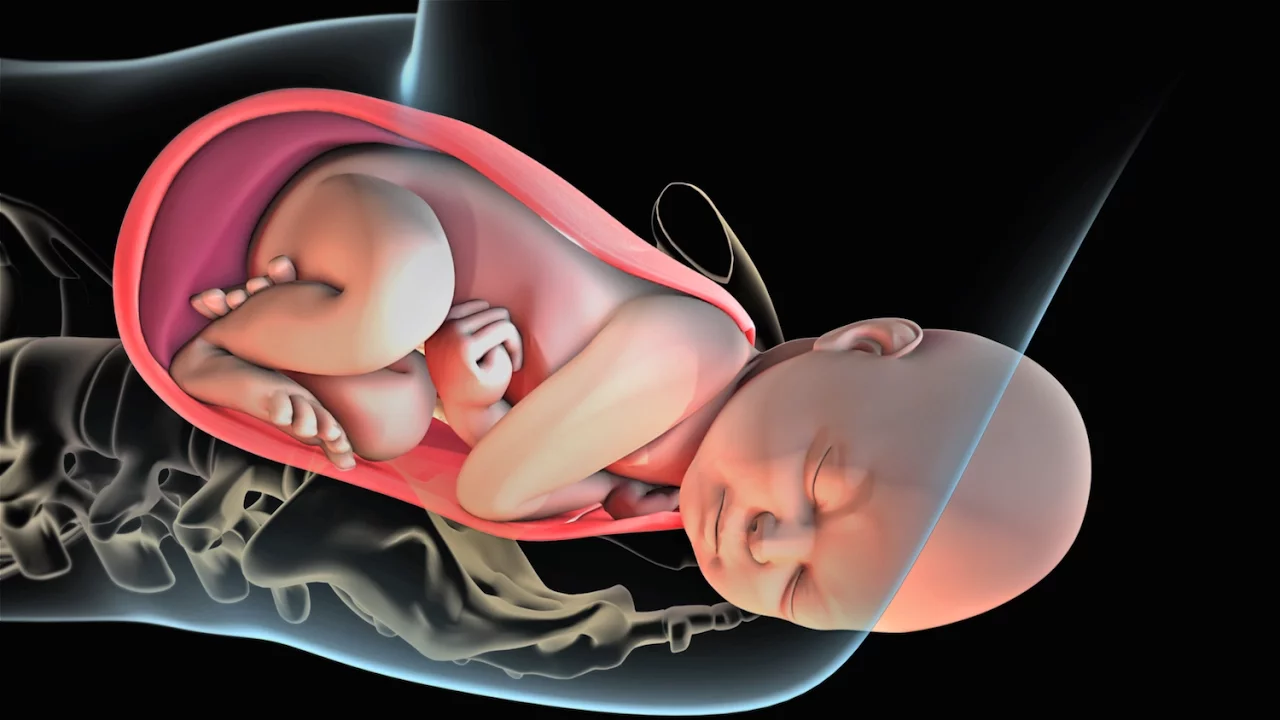
3:05
Stages of Labor and Vaginal Birth | Childbirth Animation
@nucleusmedicalmedia
52.1M views•2017-08-18

48:47
Graphic Medicine: Comics for Collaborative Healthcare Communication
@nationalpatientadvocate
189 views•2023-12-04

10:28
Neuroanatomy: Central and Peripheral Nervous System Divisions Explained
@AKLECTURES
136.2K views•2014-09-20

19:45
The Science of Fentanyl Addiction and Overdose Risks
@theanatomylab
9.1M views•2022-09-30
Related Study Plans & Knowledge Roadmaps
Structured learning paths in Medicine
medicine
Abnormal LFTs: Diagnostic Workup & Pathology
01Liver Anatomy and Basic Physiology
02Introduction to Liver Function Tests (LFTs)
03Hepatocellular vs. Cholestatic Patterns
+ 3 more learning modules
12h6 modules
Explore Roadmap
medicine
Analyzing Blood Smears: RBC, WBC & Platelets
01Introduction to Blood Components & Smear Preparation
02Normal Morphology of Blood Cells
03Erythrocyte Pathologies & Morphological Variants
+ 2 more learning modules
12h5 modules
Explore Roadmap
medicine
Mechanical Ventilation: Waveforms & Alarms
01Anatomy and Physiology of Breathing
02Introduction to Mechanical Ventilation & Core Modes
03Ventilator Settings and Waveform Interpretation
+ 2 more learning modules
12h5 modules
Explore Roadmap
medicine
Neuro Exam: Localization & Stroke Syndromes
01Foundations of Neuroanatomy and Vascular Supply
02The Neurological Examination: Step-by-Step
03Principles of Neurological Localization
+ 3 more learning modules
18h6 modules
Explore Roadmap