










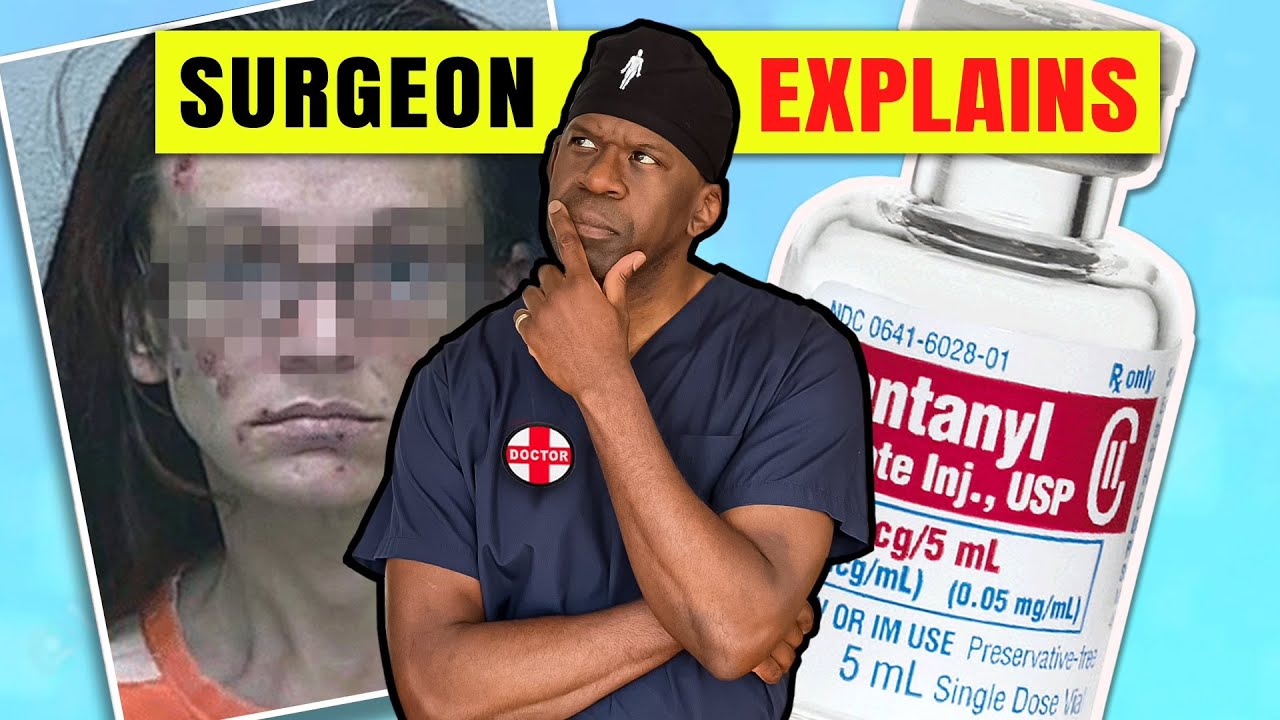
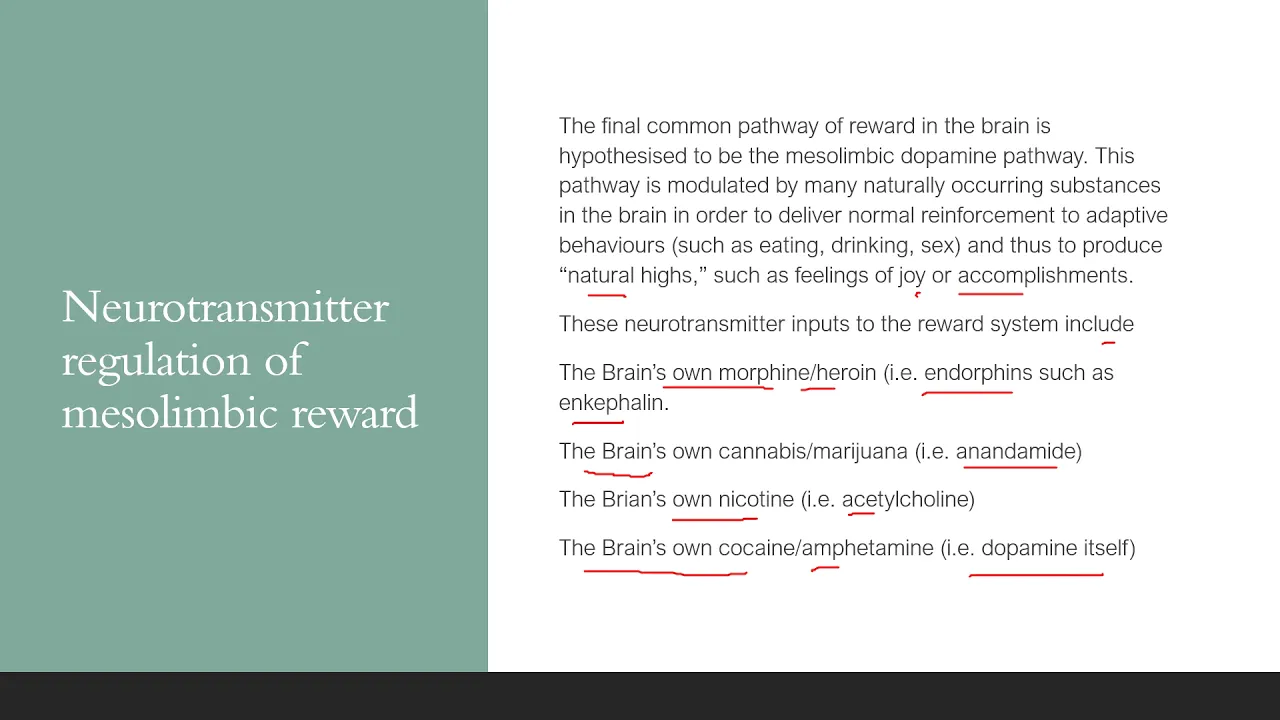








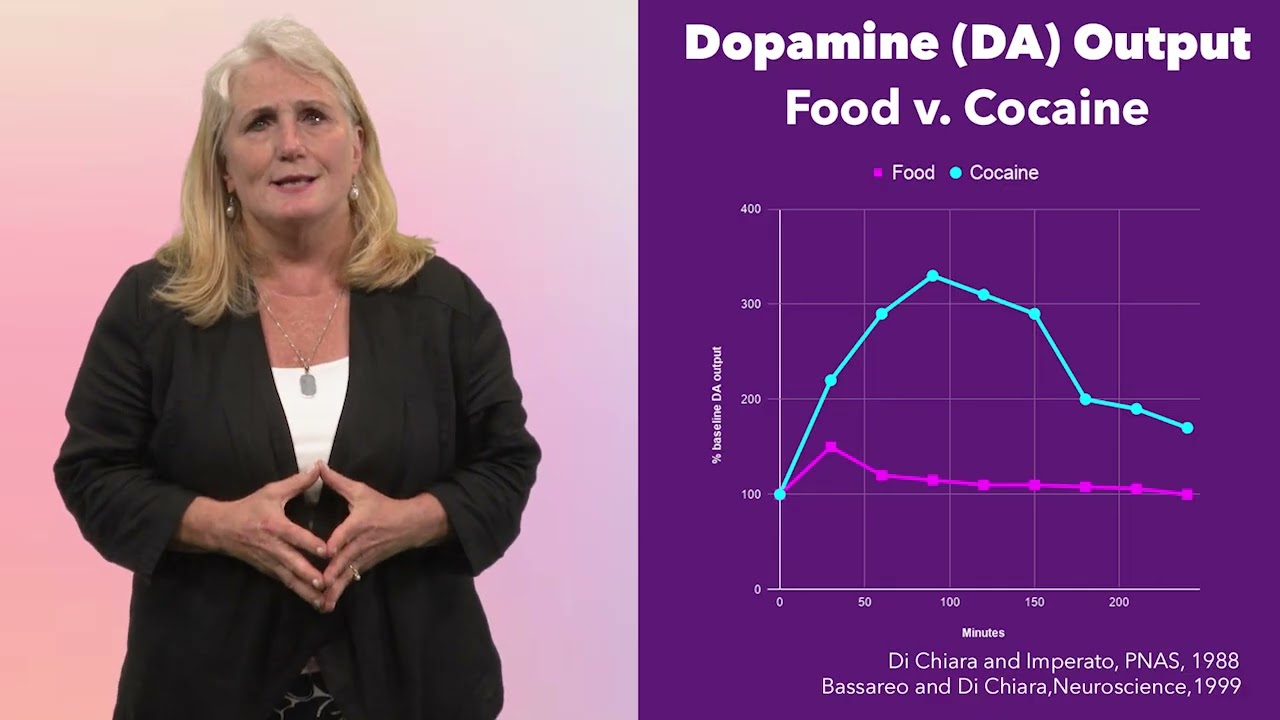




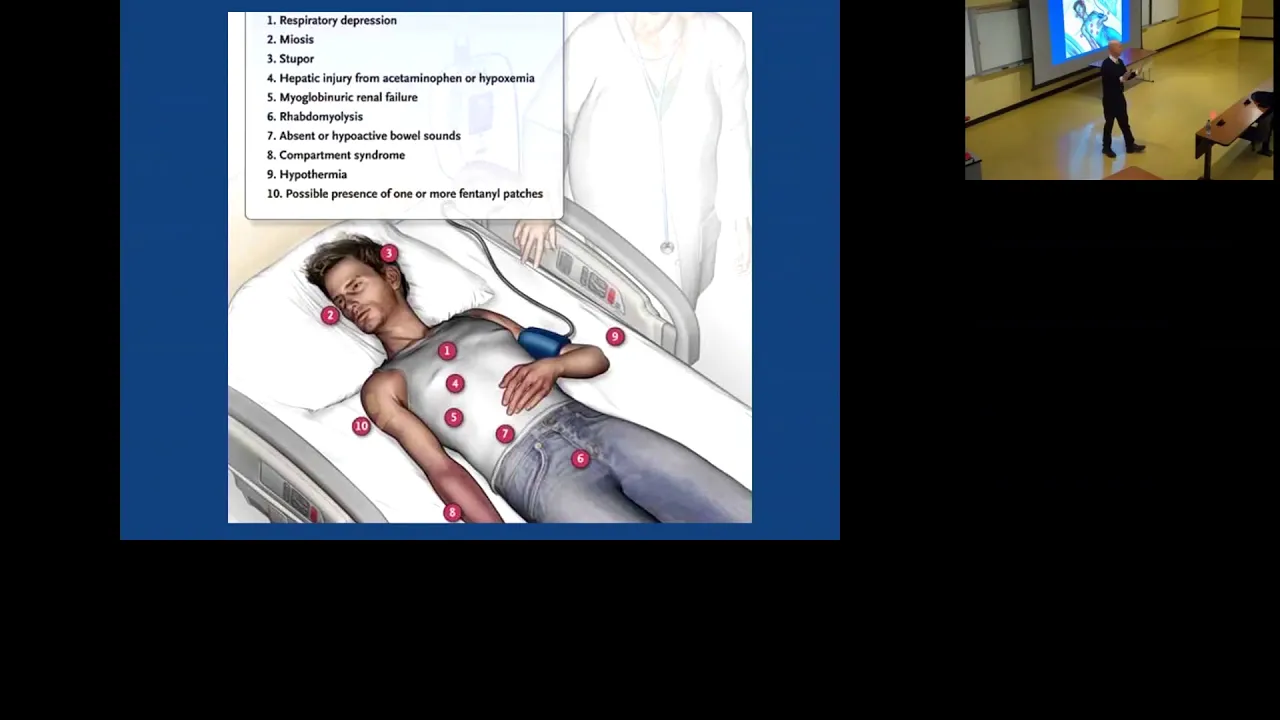


Fentanyl is approximately 50-100 times more potent than heroin and 100 times more potent than morphine, making it extremely dangerous even in small doses; it works by binding to opioid receptors throughout the body, particularly in the brainstem and mesolimbic pathway, which causes respiratory depression (stopping breathing) and triggers the brain's reward system, leading to addiction and potentially fatal overdoses.
The Science of Fentanyl Addiction and Overdose Risks
Added:Basic neurobiology of synaptic transmission, including how neurotransmitters carry signals between neurons.
The concept of cellular receptors, specifically how chemical agonists bind to and activate target receptors.
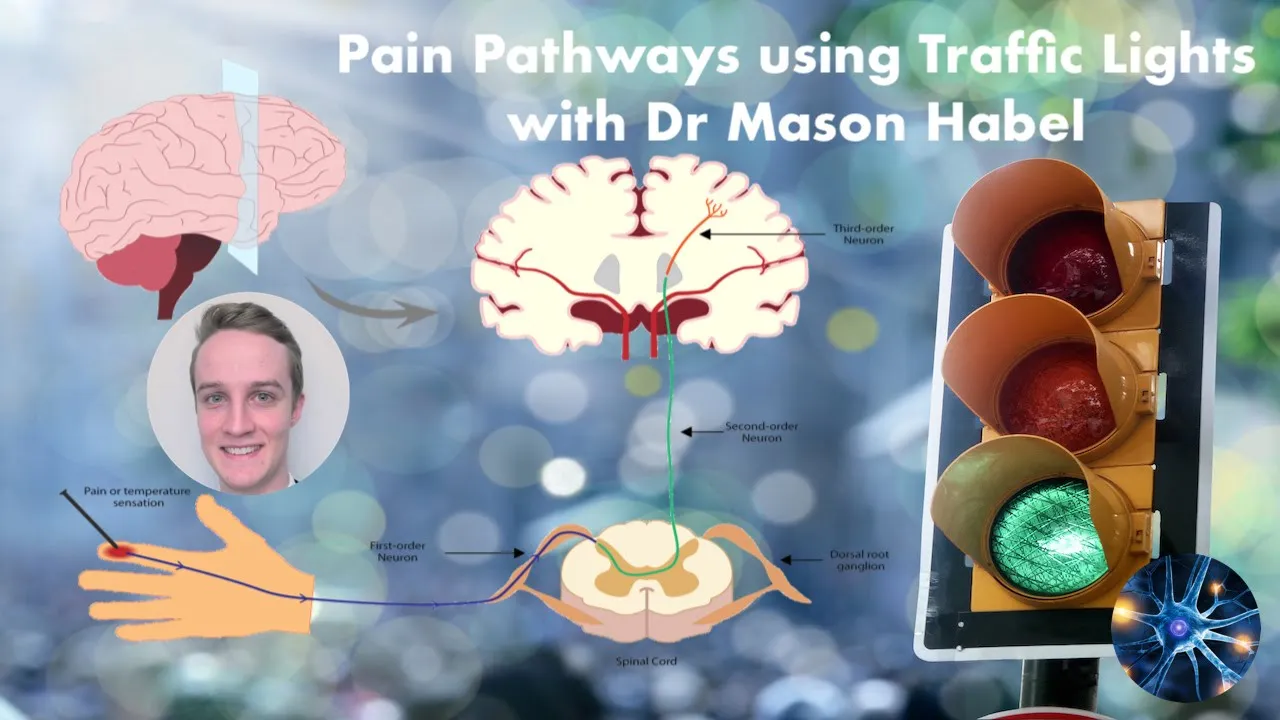
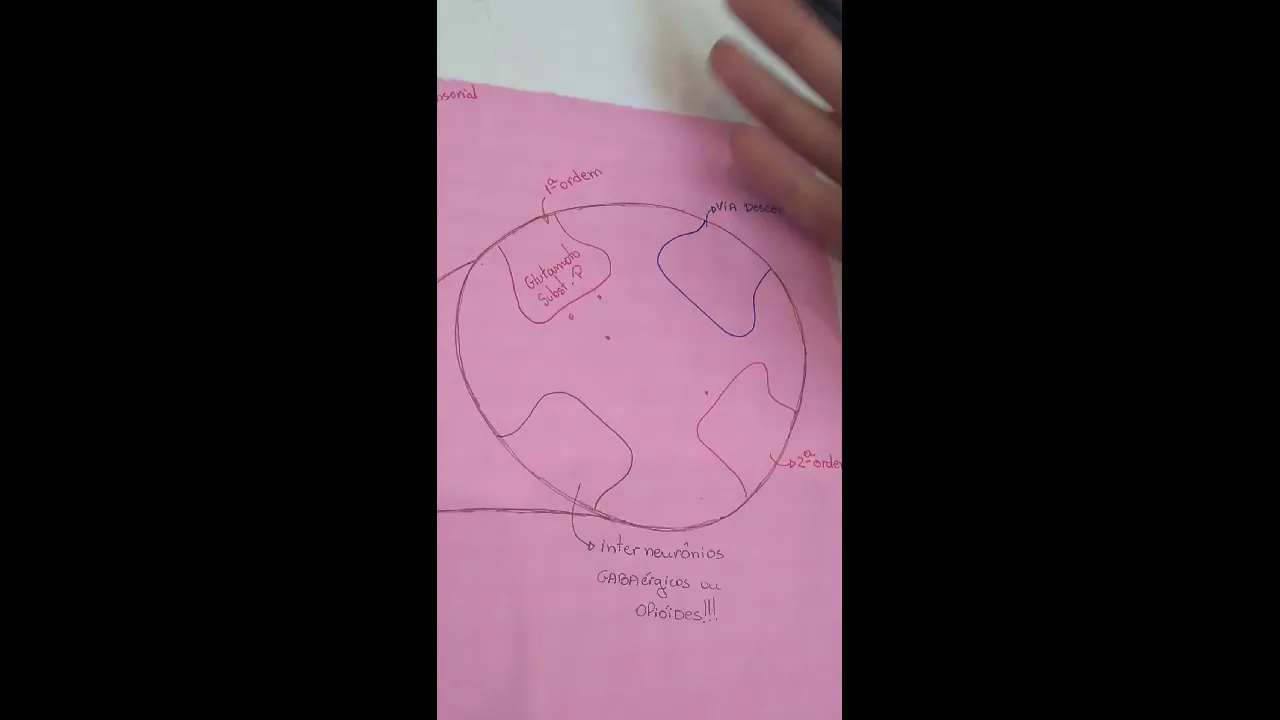
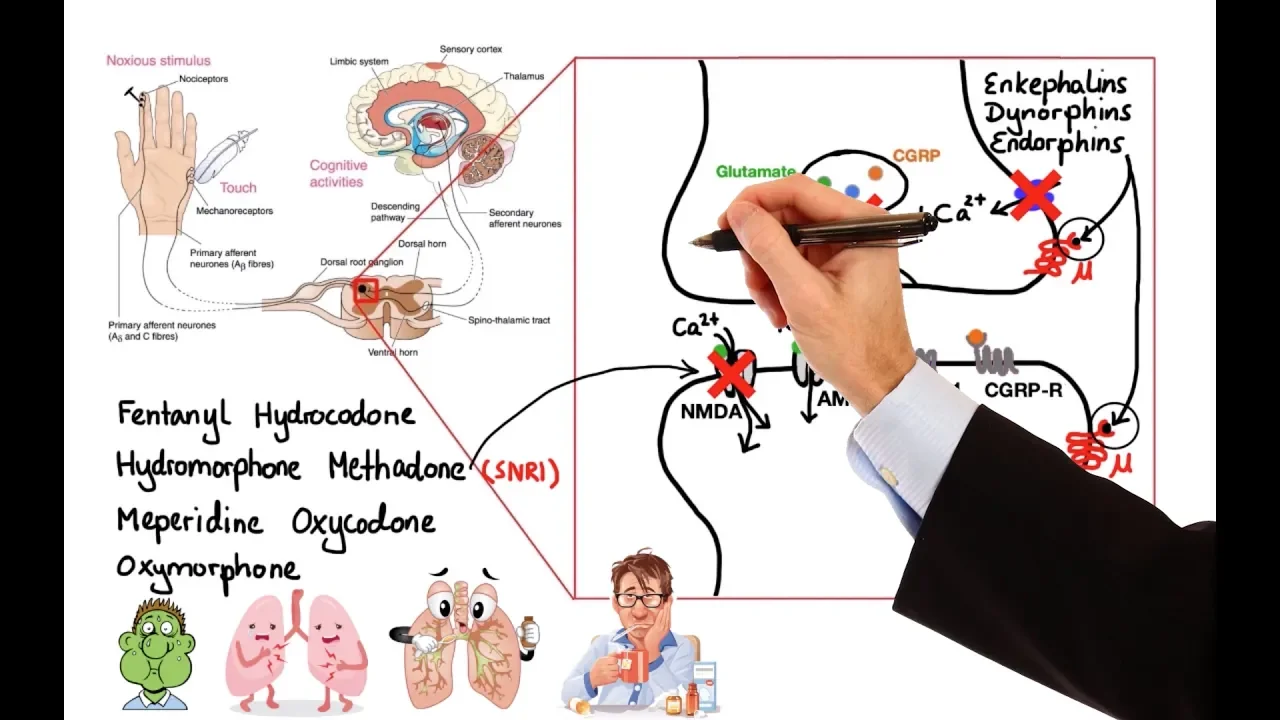
The physiological pathways of pain perception (nociception) and the role of the central nervous system in processing pain.
The distinction between endogenous opioids (naturally produced by the body, like endorphins) and exogenous opioids (introduced externally).
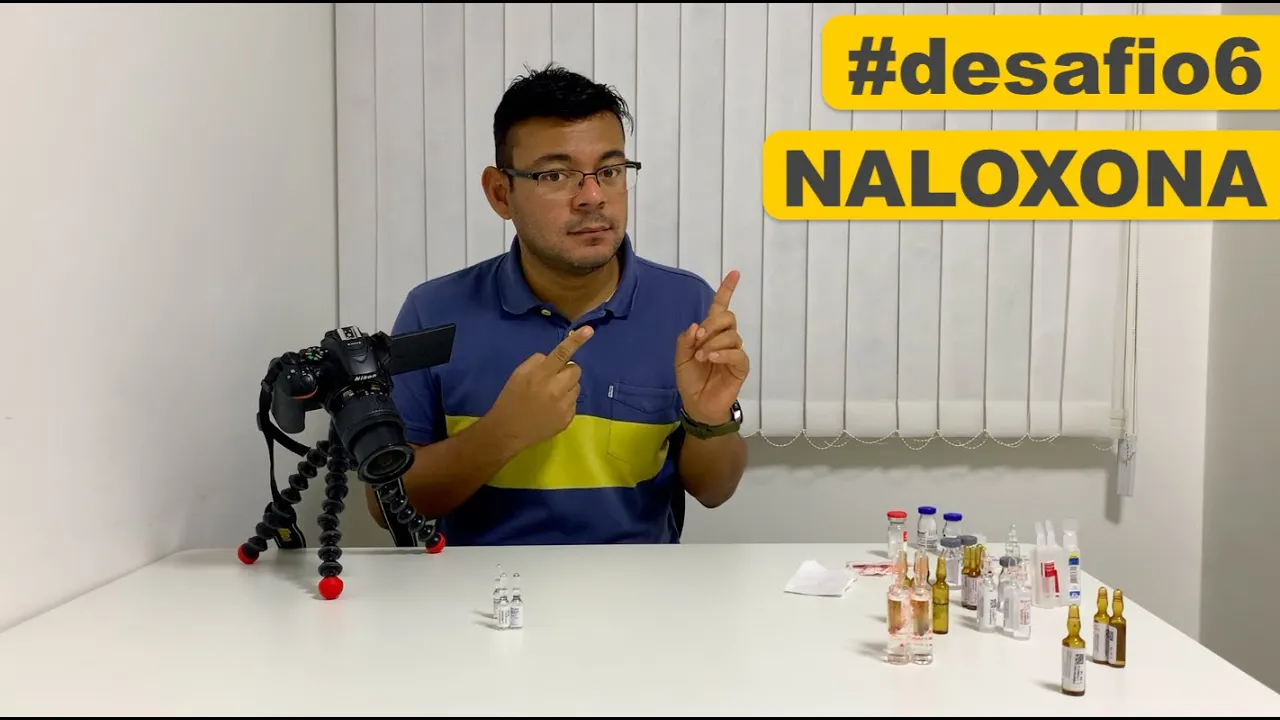
The pharmacology and emergency mechanism of opioid antagonists, such as Naloxone (Narcan), in reversing respiratory depression.
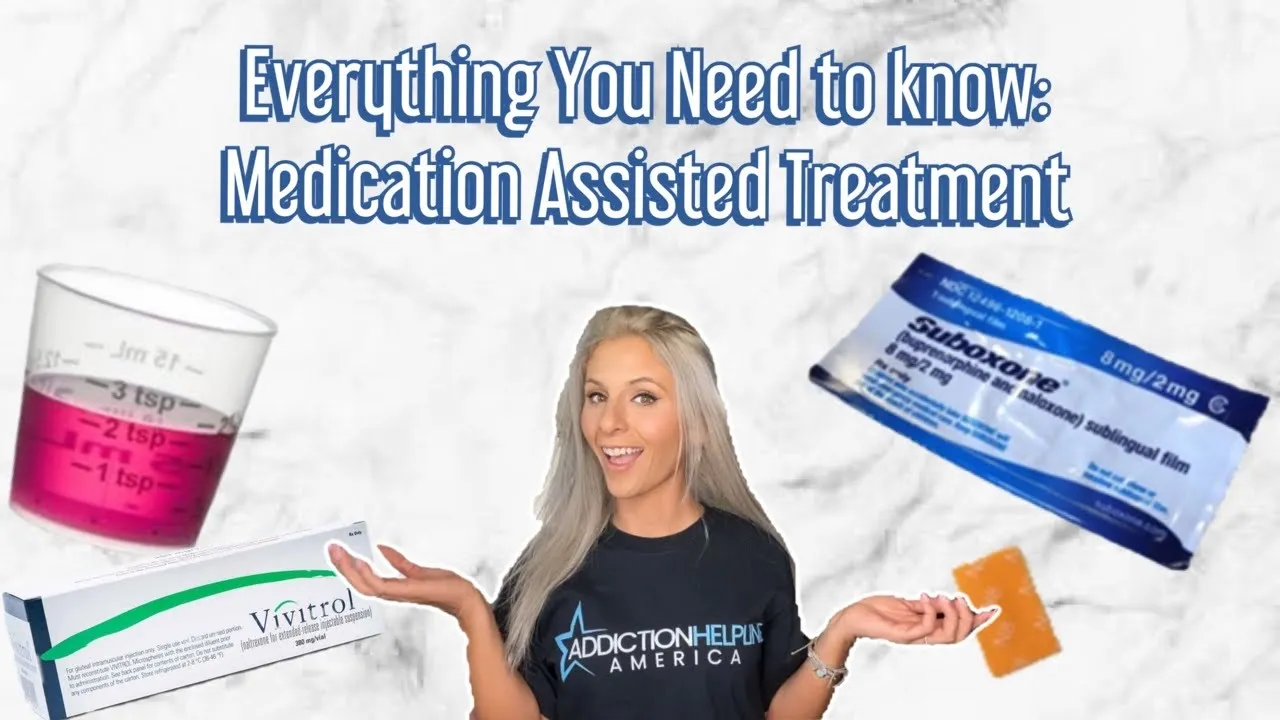
Medication-Assisted Treatment (MAT) science, including the use of partial agonists like Buprenorphine and full agonists like Methadone for addiction recovery.
The neurobiology of long-term addiction, focusing on neuroplasticity, tolerance escalation, and persistent changes to the brain's reward system.
Public health epidemiology and harm reduction strategies designed to address the synthetic opioid crisis on a systemic level.
9.1M views177.7Klikes19:45Original Release: 2022-09-30
somewhere around 70 000 or so people die each and every year from an opioid related overdose back in the early 2000s the culprit was oxycodone an opioid that most would probably recognize under the name of Oxycontin but in 2013 or so it was fentanyl that overtook both Oxycontin and heroin on the center stage in the opioid epidemic as for who's to blame well it's a combination of things you have pharmaceutical greed and malpractice you have health care providers that are over and misprescribing their patients and then you have a flood of illicitly produced fentanyl coming from China Mexico and India all of those factors were working together to create the current fentanyl crisis these days fentanyl is being disguised as legitimate medications and then being smuggled into the United States and many other countries some may think they're getting Xanax or Adderall but instead are getting a high dose of fentanyl considering fentanyl is around 50 times more powerful than heroin and a hundred times more powerful than morphine and oftentimes only two milligrams of fentanyl is enough to deliver a fatal dose dependence and accidental overdoses are skyrocketing in today's video we're going to discuss the legitimate uses for Fentanyl and what happens to the body when it's consumed we'll see why withdrawals are so brutally difficult to overcome and why overdosing is such an easy thing to do it's going to be an important one let's do this [Music] before we start today's video if you or someone you know is struggling with opioid dependency or opioid use disorder and you're looking for help we've added some resources to the description of this video that we strongly encourage you to check out let's first discuss the difference between an opiate and an opioid because there is an actual difference between the two opiates are natural compounds that come from poppy sap and poppy plant fibers so this would include morphine and codeine for example while opioids that's more of an umbrella term and it's encompassing any compound that is going to bind to and have an action on opioid receptors in the body so that would include the natural opiates like morphine and codeine but also semi-synthetic opioids so that would include like heroin and then fully synthetic which would be fentanyl for example now you may be wondering why the body has opioid receptors in the first place well it comes down to the fact that your body makes its own opioids to bind to those receptors they're called endogenous opioids and I guarantee you've heard of one of them endorphins endorphin stands for endogenous morphine but it's only one example of these opioids you also have what are called encephalins dinorphins endomorphins nociceptin or also called orphanine now they'll bind to those receptors and they have a whole wide variety of effects that we're going to discuss in a moment just understand the exogenous opioids or coming from an external source so this is going to be like heroin morphine or fentanyl will bind to those receptors right so they're taking advantage of something that's already there and then what they do is they cause an exaggerated response now to best understand how opioids work and why your body even bothers making endogenous opioids we first need to understand how pain works and is processed now we've already done an entire video on this so we'll go ahead and Link that up above so if you want a more robust understanding I strongly encourage you to check out that video but in a nutshell let's say I Jam my pinky finger right so I hit it and that's going to send obviously a painful signal up a sensory neuron and that neuron is going to travel from my pinky through my arm and up towards my spinal cord but when it gets into the spinal cord this is where it's going to synapse or communicate with a secondary neuron so this first neuron we call the presynaptic neuron then the one that it synapses with or communicates with in the spinal cord is the postsynaptic neuron and what will happen is this postsynaptic neuron will now take the signal up the spinal cord let me go ahead and grab this brain here and it's going to take it to the brain so you're looking at the right hemisphere of the brain as seen from the sagittal or midline view now grab my probe so what's going to happen is the signal is going to travel up the brain stem and it's going to go to this area here called the thalamus the thalamus is I you can think of it as like a hub right it's going to direct signals to where they need to go so what will happen is a Thalamus will send the signal into this region here which which is called the primary somatosensory cortex and this is where you are going to be made aware of the fact that you have a problem now some data does suggest that the thalamus has some awareness but if it does this is still going to be where the majority of your awareness is going to be but it's also going to send a signal to a structure that's deeper down in here that we can't see called the amygdala the amygdala is responsible for processing negative emotions so this is what makes you not very happy about the fact that you just jams your finger right so that's what we call the ascending pain pathway but the brain or the body I should say also has a descending pain pathway because think about it after you've jammed your finger you don't need to have that same pain level as long as the stimulus is gone right the painful that noxious stimulus is gone so what will happen is your body wants to start numbing the pain with those endogenous opioids so again grab the brain here the thalamus will send a signal and it'll go down into this area here this is called the midbrain of the brain stem and in the midbrain is what is called gray matter gray matter is just a location where cells are synapsing with each other but this gray matter is called the peri-aqueductal grain you're not really going to be able to see that all that much in this this section here but from there a signal is going to be sent down the brain stem down the spinal cord and go to that location in the substantia gelatinosa where those two neurons were communicating with one another and it's at this site that the endogenous opioids will be secreted and it does this to modulate the pain and I say modulate on purpose it's not like it's getting rid of the pain right just if you jam your finger and then wait two minutes it's not as though the pain is just completely gone they're still going to be pain there and depending on how bad you jammed your finger the pain could be much worse so this is where the opioids will bind to receptors that that we're about to discuss and changes your perception of the pain which is absolutely fascinating now without getting too far into the weeds when it comes to how this synapse and Signal modulation Works what's being communicated between the pre and the postsynaptic neuron are neurotransmitters now there's a lot of different types of neurotransmitters out there but the ones that are going to be interesting or important to us are going to be glutamate and Gaba more so Gaba than glutamate just think about it like this a signal when it's being sent between neurons can either be excitatory or inhibitory if it's excitatory it's just saying let's keep this signal going if it's inhibitory it's same let's stop this signal so if glutamate is released between in the at the synapse that's an excitatory signal but if Gaba is released that's an inhibitory signal so I want you to think about this for a second if you were able to prevent glutamate from being released that would also inhibit the signal or if you were to prevent Gaba from being released that would also excite the signal right and continue the signal on and this is where opioids are going to do their thing now the way that opioids are able to have an effect or modulate the signal at the synapse is through those opioid receptors now depending on where you look you may see as many as five different types of opioid receptors and each of those have their own subtypes but for our purposes today we're going to focus on three of them and that's going to be the MU receptor the Delta receptor and the Kappa receptor although we're primarily going to be focusing on the mule receptor because that is the most well studied and also happens to be the receptor that fentanyl prefers although fentanyl will definitely choose all three of them but again it prefers that mu receptor now you're going to find the MU receptor and these other receptors throughout the entire body but they're going to be in different densities so so with the MU receptor you're going to find a lot of them in the digestive system which actually makes a ton of sense if you understand that opioid usage comes with some pretty intense constipation and peristalsis type of issues but when it comes to the nervous system you're also going to find mu receptors in the substantia gelatinosa right that spinal cord where those two neurons are communicating again makes a ton of sense when it comes to the brain I'm going to grab this hemisphere again you're going to find mu receptors in the brain stem which is one reason that you're going to have issues with breathing and we're going to see that when we get to overdosing here in a moment but you're also going to find new receptors in the thalamus as well as the cerebral cortex but the MU receptors that are in the cerebral cortex are primarily going to be associated with pain processing which makes perfect sense because one of the reasons or actually the main reasons you take an opioid is for analgesia but you're also going to find mu receptors in another pathway and that is going to be What's called the mesolimbic pathway the mesolimbic pathway is right here actually so there's a there's an area here in the midbrain of the brain stem called the ventral tegmental area and the ventral tegmental area is actually going to be communicating with another area right about here again it's going to be deep called the nucleus accumbens and what will happen is it will actually be secreting Gaba to the nucleus accumbens among other areas and if you recall me saying Gaba is inhibitory so when Gaba is being secreted it's telling the other neuron to not secrete what it's going to secrete well in this case the nucleus accumbens secretes dopamine so right now right unless you're doing something very pleasureful and joyful you're probably not secreting dopamine but let's say you enjoy some chocolate right we all know chocolate's amazing so if you were to consume some chocolate what's going to happen is the ventral tegmental area will say let's we can enjoy this moment and it's gonna and it's gonna stop secreting Gaba which will then allow this neuron the neurons here to start secreting dopamine well opioids are going to do the same thing what's going to happen is they are going to bind to new receptors in the ventral tegmental area which will then stop Gaba secretion which will then cause dopamine release and flooding into the nervous system and this is the basis of addiction right because it feels amazing and this is what you'll see pretty much anyone who consumes opioids in their fur when they're beginning to consume opioids is that it feels fantastic the problem is that you're gonna have to start taking more and more of the substance whatever it is and again it's not just opioids that do this right there's a vast array of substances that will affect this mesolympic or this reward pathway but when you start to you know getting tons and tons of dopamine surges you're gonna have to start taking more and more to get the same dopamine surges and that is the basis of addiction at least in terms of pleasure joy and eventually just outright need now you may be wondering why fentanyl is even available given how extremely powerful it is if you recall me saying earlier it's around 100 times more powerful than morphine although I have seen some texts suggest that it could be as high as 400 times as powerful although they weren't perfectly clear if that was fentanyl or derivatives of fentanyl because as depressing as this is there are even more powerful synthetic opioids than fentanyl out there and they are on the street just as fentanyl is but you have to understand that fentanyl is supposed to be administered under very specific circumstances and so like think like extreme pain maybe someone has been taking morphine a lot of morphine for their pain eventually they become tolerant to it they need something stronger maybe they have cancer pain right because cancer can be extraordinarily painful fentanyl has some great usage for that you'll also see fentanyl be administered by anesthesiologists maybe someone's going under the knife or maybe they're having an epidural for some for some reason so there are plenty of use cases for Fentanyl and they have been used in very good ways right and very controlled and proper ways but it's just not meant to be where it is today and you can see why that is such a problem because of that right it's so easy to overdose on fentanyl like extremely easy to overdose if you recall me saying opioids can actually have an effect on the respiration centers of the body so in the brain stem but also into an area called the hypothalamus so you have to understand that right now as you're breathing your body is you know like monitoring everything right you have respiratory rhythms going from to your diaphragm coming from the brain stem same Breathe In Breathe Out breathe in breathe out right your brain is monitoring how much carbon dioxide is actually in your bloodstream and so then that when carbon dioxide starts to increase it'll actually reflexively cause you to inhale oxygen or exhale the carbon dioxide and inhale oxygen but if you have if you're going if you're overdosing on an opioid that can get so saturated by the opioids themselves that you can't overcome that and so what will happen is you will actually die from respiratory depression right you literally cannot breathe because the opioids have completely saturated the those areas right the opioid receptors on those areas and the only way out of that is with another opioid called naloxone also sometimes people call it Narcan that's a brand of it so what they'll do is by administering Narcan or naloxone what will happen is those will actually bind to those same receptors and prevent fentanyl morphine or any of the other opioids from getting there and it will actually so then what will happen is the person will come out of it they'll be able to breathe again and typically they'll go immediately into withdrawals and that will make them very uncomfortable you have to understand withdrawals are um from what I hear unbearable right I mean from any opioid right this isn't just fentanyl exclusive because when you're withdrawing withdrawing from it you have to understand that the the nerves right that that loss of pain you get so used to it it's not just the dopamine all right it's not just the dopamine the euphoria that you have to overcome the addiction on that end it becomes excruciatingly painful because your neurons are used to not sending painful signals and now all of a sudden when there's no opioids to tell them not to send signals any sensitization of those neurons even if it's not painful think about this right if you're so used to not feeling pain when that fully comes online your shirt itself can become painful because the neurons are just not used to processing that pain it makes withdrawal symptoms excruciating and so someone who actually will take naloxone or Narcan can actually kick right into one of those withdrawals it is absolutely awful in fact everything about it is absolutely awful you know opioids are one of those things that you know I am just deathly afraid of and I tell everyone that I come into contact with who's going into the hospital it's like if you're going to be taking any kind of opioids you need to be very careful with that right um I remember when I was in the hospital for some of my gut issues and they were telling me hey we're going to be giving you this and that I I was very resistant to taking any opioid in any capacity and it's because I'm afraid of them um it's not to say that they can't be beneficial I know they can it's just I literally live in fear because I know what it can do to even the best of and most well-intentioned to people and that's what's so unfortunate and heartbreaking for me you know seeing so many people out there you know I'm a veteran and I have friends who have actually Fallen victim right to opioid abuse right they have opioid use disorder they have opioid dependence right I mean living in North America I don't know how you can drive on the freeway without seeing Billboards just saying get help for your opioid addiction right it is it's such a horrifying problem that is happening so it's my hope is that we can find a way out of this and I'm not going to pretend as though I have a way out of it I don't want you to think that the anatomy guy who's teaching you on YouTube has the solution to the opioid epidemic I just am hoping that people can educate themselves on it to make better decisions about if they have an opioid coming up maybe they have some kind of procedure or something or maybe they can just at least better understand someone who has has already fallen into this opioid trap because it is absolutely horrifying and depressing now I want to take a moment and thank the sponsor of today's video brilliant brilliant is a sponsor that we've been fortunate enough to work with almost since the beginning of this channel three years ago and honestly this is 100 True John if I talk about how much we love brilliant almost on a day-to-day basis and that's because I use brilliant on a day-to-day basis you see brilliant helps you learn math science logic computer science and they do it in a really fun and interactive way so I just use the brilliant app on my phone and I love to play logic I don't even really want to call it games or puzzles that's not the right word for it because they're lessons and they're really fun to the point where I can even get my four-year-old son to try and help me especially when there's robots involved he gets really excited with the robots and you can just start moving everything around but I personally think logic is one of the most important skill sets you can develop so I love chess I love Sudoku I love anything that really challenges my if this then that type of thinking in my brain and that's something I use brilliant every single day I can't tell you how many times I've recommended brilliant to my students because brilliant what they do right is that they they show you the benefit of using not just logical type thinking but just scientific thinking in general mathematical thinking and they give you real world examples right it's not just like boring word problems it's not this boring course that you're just sitting there hoping is going to get over at some point really soon instead they're fun and interactive but they're in ways that you can actually understand and relate to in your real world life and that bleeds into different aspects of your life this is something I've been telling my students for years right you get better with chemistry I guarantee you're going to start understanding other things better it's just that's just the way the world works and Brilliant is my absolute favorite way especially for those who may not be the most scientific or mathematically minded to start breaking into this head space so utterly beneficial they have thousands of courses these aren't really games these are like full-blown courses that are just so interactive they're constantly updating them constantly from creating new ones you you really can't go wrong with just spending an hour or so a day playing around with brilliant because I guarantee it's going to help you so if you're interested go ahead and visit brilliant.org Iha and the first 200 people there will get 20 off their annual subscription I promise you you're gonna in love brilliant absolutely love them as a sponsor so I hope you enjoyed today's video if you did be sure to like comment subscribe share this video with someone that maybe you think they could benefit from it as well but as always I appreciate you watching and hanging out with me for a little bit and I will see you in the next video [Music] [Music]
Up Next
2:33
The Brain's Reward Circuit: How Cocaine Hijacks Dopamine
@NIDANIH
220.1K views•2016-02-08

48:47
Graphic Medicine: Comics for Collaborative Healthcare Communication
@nationalpatientadvocate
189 views•2023-12-04

10:28
Neuroanatomy: Central and Peripheral Nervous System Divisions Explained
@AKLECTURES
136.2K views•2014-09-20
3:05
Stages of Labor and Vaginal Birth | Childbirth Animation
@nucleusmedicalmedia
52.1M views•2017-08-18
Related Study Plans & Knowledge Roadmaps
Structured learning paths in Medicine
medicine
Abnormal LFTs: Diagnostic Workup & Pathology
01Liver Anatomy and Basic Physiology
02Introduction to Liver Function Tests (LFTs)
03Hepatocellular vs. Cholestatic Patterns
+ 3 more learning modules
12h6 modules
Explore Roadmap
medicine
Analyzing Blood Smears: RBC, WBC & Platelets
01Introduction to Blood Components & Smear Preparation
02Normal Morphology of Blood Cells
03Erythrocyte Pathologies & Morphological Variants
+ 2 more learning modules
12h5 modules
Explore Roadmap
medicine
Mechanical Ventilation: Waveforms & Alarms
01Anatomy and Physiology of Breathing
02Introduction to Mechanical Ventilation & Core Modes
03Ventilator Settings and Waveform Interpretation
+ 2 more learning modules
12h5 modules
Explore Roadmap
medicine
Neuro Exam: Localization & Stroke Syndromes
01Foundations of Neuroanatomy and Vascular Supply
02The Neurological Examination: Step-by-Step
03Principles of Neurological Localization
+ 3 more learning modules
18h6 modules
Explore Roadmap