Cocaine disrupts normal brain function by blocking dopamine transporters, causing dopamine to accumulate abnormally in the synapse and produce intense euphoria, creating powerful associations between cocaine use and pleasure that drive compulsive drug-seeking behavior.
The Brain's Reward Circuit: How Cocaine Hijacks Dopamine
Added:Deep Dive
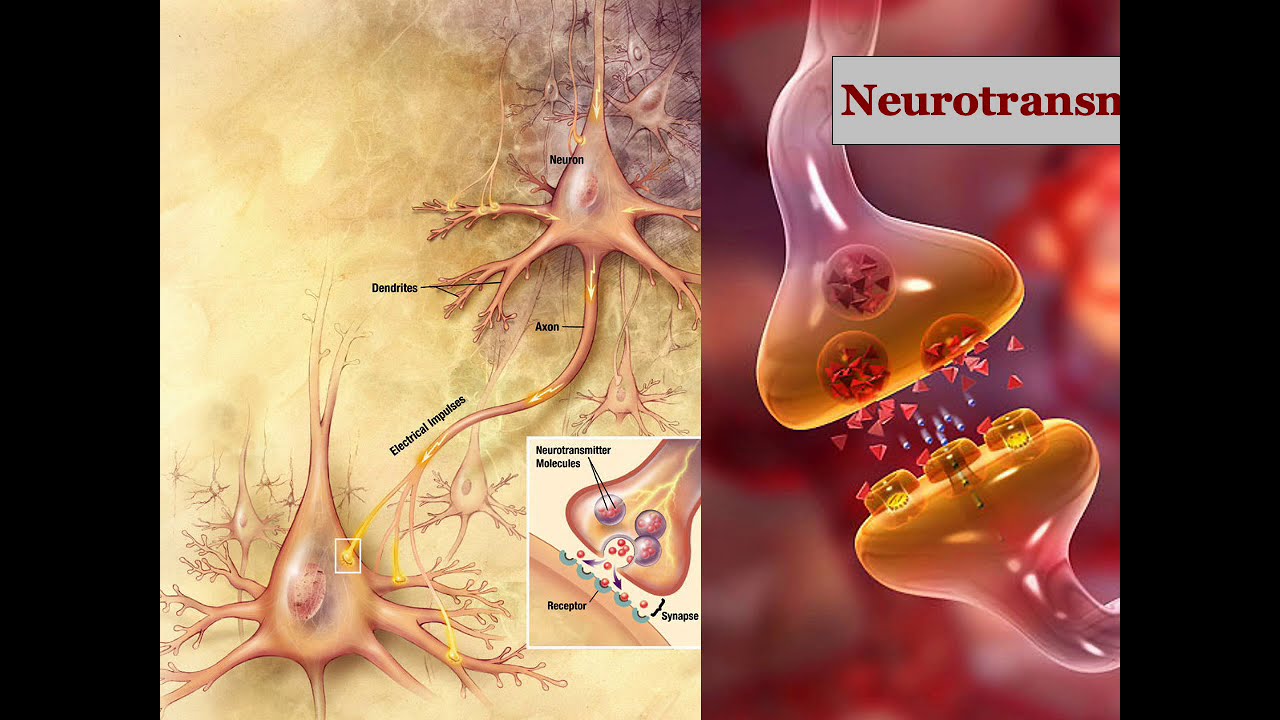
The basic structure of a neuron and the mechanics of synaptic transmission, including how neurotransmitters are released, bind to receptors, and are cleared from the synaptic cleft.

1016MSC Mod3 Topic 3 1 34min
3.4K
Neurons are structural units with cell bodies, dendrites, and axons insulated by myelin sheaths. They are classified as multipolar (motor neurons), bipolar (sensory neurons in retina), or unipolar (sensory neurons conducting toward CNS). Synapses are junctions where neurons connect, with presynaptic neurons sending information and postsynaptic neurons receiving it. Chemical synapses (most common) contain synaptic vesicles with neurotransmitters. The synaptic cleft separates neurons and dissipates current. At the neuromuscular junction, action potentials trigger calcium influx, causing vesicle release by exocytosis. Neurotransmitters diffuse across the cleft and bind postsynaptic receptors, creating graded potentials. Excitatory postsynaptic potentials (EPSP) depolarize the membrane, making firing more likely. Inhibitory postsynaptic potentials (IPSP) hyperpolarize, making firing less likely. Neurotransmitters are removed by diffusion, enzymatic degradation, or reuptake.
Click to watch →
Annotated Neurotransmitters 1
287
Neurotransmitters are chemicals that make the nervous system electrochemical. At the axon terminal, action potentials open voltage-gated calcium channels, triggering exocytosis and neurotransmitter release. Neurotransmitters diffuse across the synaptic cleft and bind to postsynaptic receptors, opening ion channels and creating graded potentials. After binding, neurotransmitters are quickly released and can bind again. Two removal mechanisms exist: enzymatic degradation (using enzymes like acetylcholinesterase) and reuptake (recycling neurotransmitters back into the presynaptic neuron or glial cells).
Click to watch →
Electrical coupling of optic nerve axons - a novel model of gap junctions' involvement in optic nerv
434
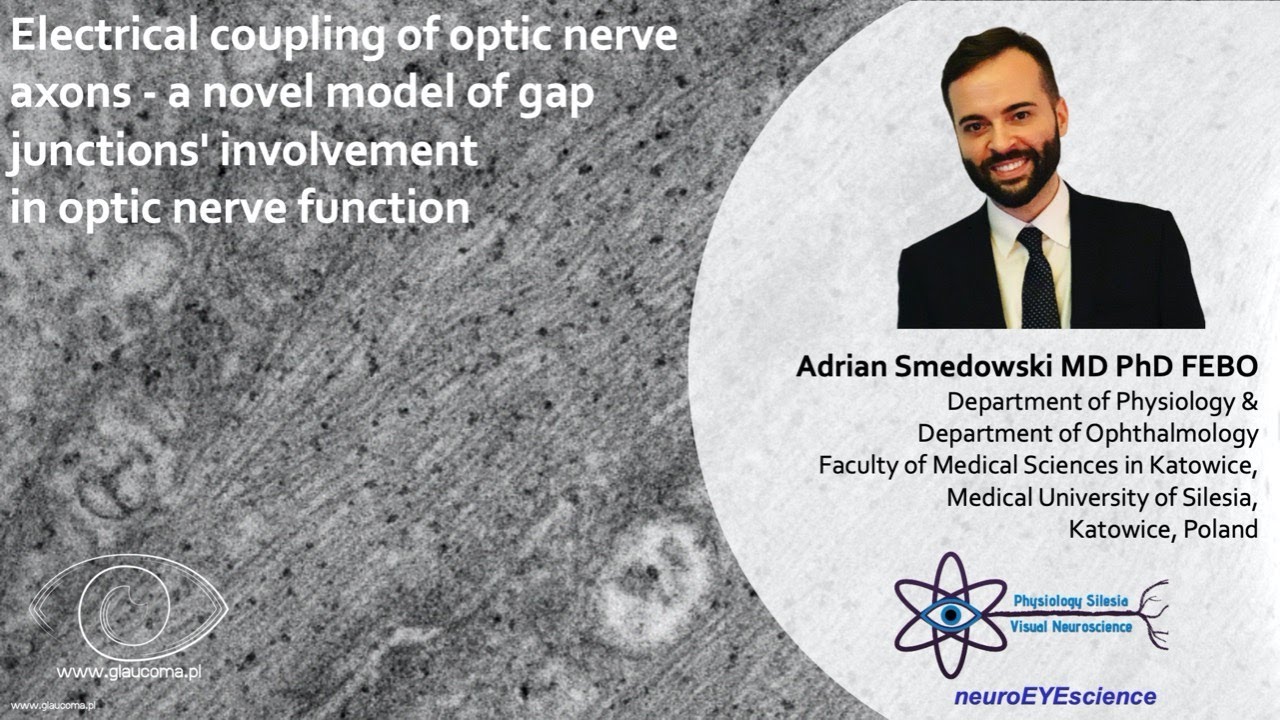
The basic principle of synaptic transmission involves calcium ion-dependent release of neurotransmitters from the presynaptic neuron into the synaptic cleft. After binding to receptors and inducing a potential in the postsynaptic neuron, neurotransmitters must be eliminated from the synaptic cleft to prevent toxicity. Common neurotransmitters include glutamate (the most common excitatory neurotransmitter in the central nervous system).
Click to watch →
Synapses Explained: Electrical vs Chemical Transmission
5.2M
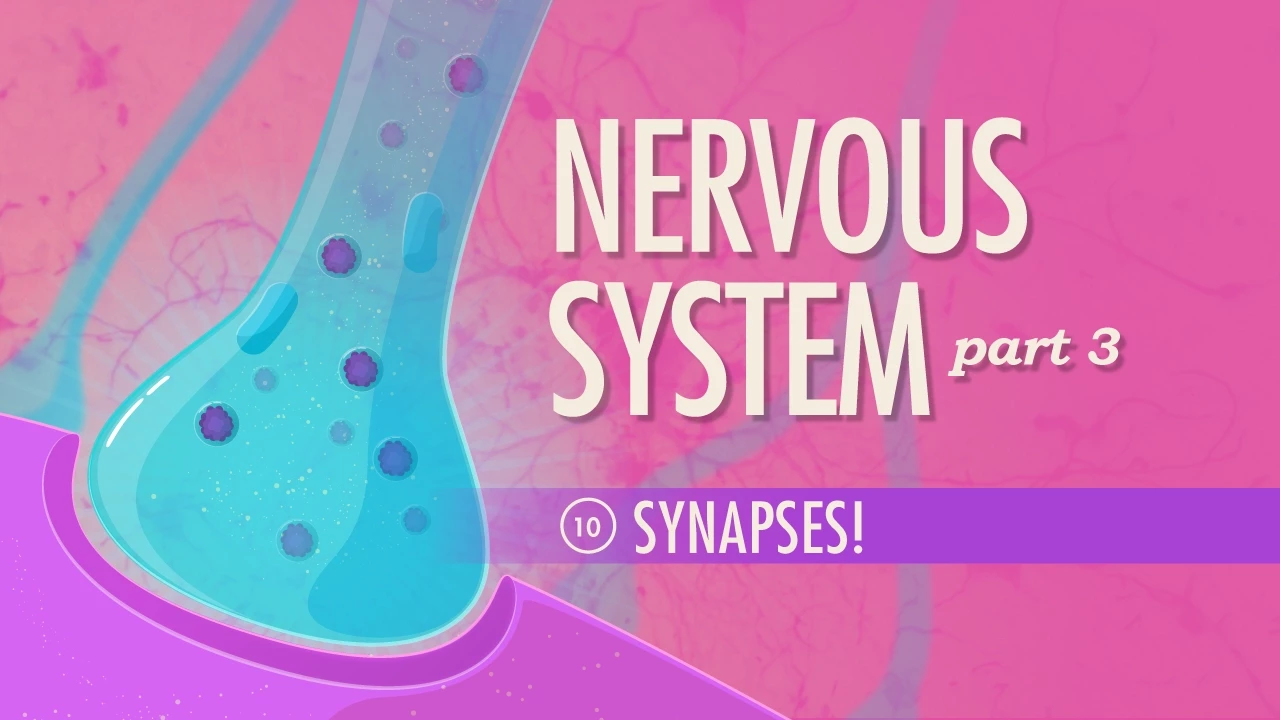
After delivering their message, neurotransmitters detach from receptors within milliseconds. They are then cleared from the synaptic cleft through several mechanisms: some diffuse back across the synapse and are reabsorbed by the presynaptic neuron (reuptake), others are broken down by enzymes in the synaptic cleft, and some are removed by diffusion away from the synapse. This clearance prevents continuous stimulation of the postsynaptic neuron.
Click to watch →

Neurons: Structure, Types, and Function (PSY)
299
Synaptic transmission involves neurotransmitter release from presynaptic terminal buttons (containing synaptic vesicles) across the 20-nanometer synaptic cleft to postsynaptic receptors. Neurotransmitters bind to receptors, changing the receiving neuron's membrane potential. Two receptor types exist: ionotropic receptors directly open ion channels (e.g., acetylcholine-gated sodium channels causing depolarization); metabotropic receptors activate G proteins and second messengers that indirectly open ion channels, producing longer-lasting effects. Excitatory postsynaptic potentials (EPSPs) result from sodium influx (depolarization), while inhibitory postsynaptic potentials (IPSPs) result from potassium or chloride efflux (hyperpolarization).
Click to watch →
Deep Dive
The physiological role of dopamine as a key neurotransmitter involved in motor control, motivation, reinforcement, and the perception of pleasure.

Neurotrasmettitori | NEUROSCIENZE - Lezione 7
83.4K
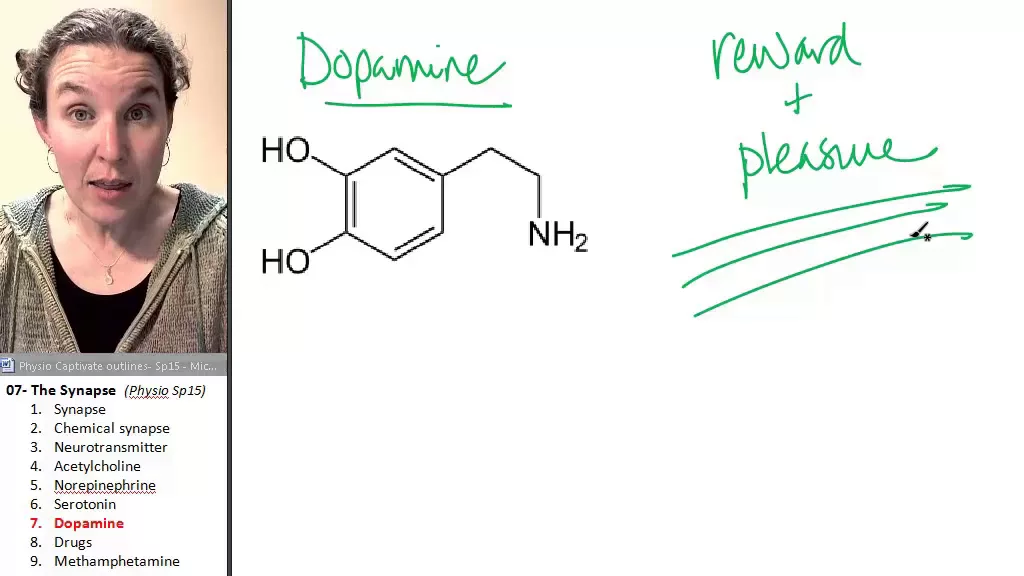
Dopamine is a catecholamine neurotransmitter critical for motor control, particularly through the basal ganglia nuclei. It also regulates pleasure, motivation, and the brain's reward circuitry. The nucleus accumbens is a key region in the dopamine-mediated reward pathway. Abnormal dopamine levels are associated with psychiatric conditions: excess dopamine links to psychosis and addiction, while deficiency causes Parkinson's disease. Dopamine release reinforces behaviors by validating pleasurable experiences, creating the neural basis for learning and habit formation.
Click to watch →
Synapse 7- Dopamine
4.6K
Dopamine is a neurotransmitter that plays three critical roles in the brain: it mediates reward and pleasure responses, contributes to motivation and feelings of well-being, and is essential for motor function. Low dopamine levels are associated with Parkinson's disease, which causes physical tremors and loss of body control. Additionally, dopamine's involvement in the reward system explains why people become addicted to substances that artificially increase dopamine levels, as these substances hijack the brain's natural reward pathways.
Click to watch →

El Poder De La Gratitud
39.6K
Dopamine is one of the most important neurotransmitters in the nervous system. It plays a primordial role in behavior, cognition, motor activity, motivation, reward processing, sleep, humor, attention, and learning. Dopaminergic neurons activate when we achieve goals and are responsible for producing pleasure upon success. Without dopamine, we would lack motivation to do anything. Together with serotonin, dopamine are considered the 'queens of pleasure' in the brain.
Click to watch →

Neural Control & Coordination | Complete NEET Syllabus Coverage | Dr. Jyotsana Thakral
8.2K
Dopamine is a crucial neurotransmitter involved in reward, motivation, and motor control. It is produced by dopaminergic neurons and released at synapses where it binds to dopamine receptors on postsynaptic neurons. Dopamine dysfunction is associated with neurological disorders including Parkinson's disease, where loss of dopamine-producing neurons leads to characteristic motor symptoms.
Click to watch →

Neurotransmitters: Dopamine
6.7K
Dopamine is a catecholamine neurotransmitter synthesized from tyrosine that plays a multifaceted role in motor control, reward and motivation, cognition, hormone regulation, mood, and various physiological processes through distinct brain pathways (nigrostriatal, mesocortical, mesolimbic, and tuberoinfundibular), with its dysregulation linked to conditions like Parkinson's disease, schizophrenia, addiction, and ADHD, and therapeutic interventions targeting dopamine receptors (D1-D5 subtypes) include agonists, antagonists, reuptake inhibitors, precursors, MAOIs, and COMT inhibitors.
Click to watch →
Deep Dive
Anatomy of the mesolimbic pathway, also known as the brain's reward circuit, particularly the relationship between the ventral tegmental area (VTA) and the nucleus accumbens.
Mechanism of action of antipsychotics | Dr. Omnia Ashraf
3.1K
The Mesolimbic pathway originates in the ventral tegmental area (VTA) of the midbrain and projects to the nucleus accumbens and limbic system structures. This pathway is primarily responsible for reward processing, motivation, and emotional responses. In schizophrenia, this pathway shows increased dopamine activity, which is associated with positive symptoms such as hallucinations and delusions.
Click to watch →

REPROGRAMANDO EL CEREBRO HUMANO: NEUROPLASTICIDAD Y ADICCIONES
261
The mesolimbic pathway is the brain's reward circuit, beginning in the ventral tegmental area (VTA), continuing to the nucleus accumbens (pleasure center), and ending in the prefrontal lobe (decision-making). Dopamine release signals that a behavior is beneficial and should be repeated. With repeated pleasurable behavior, neural connections strengthen and new circuits form, making the behavior more automatic. This is how the brain normally learns beneficial behaviors, but in addiction, this same mechanism is hijacked to reinforce harmful behaviors.
Click to watch →

How to Increase Motivation & Drive | Huberman Lab Essentials
823.6K
The brain's reward pathway consists of two key structures: the VTA (ventral tegmental area), which contains neurons that release dopamine, and the nucleus accumbens, which receives these dopamine signals. Together, these structures form the core machinery controlling motivation for any goal-directed behavior. This pathway acts like an accelerator that biases the brain toward action.
Click to watch →

How Your Brain’s Reward Circuits Drive Your Choices | Dr. Robert Malenka
1.2M
The brain's reward circuitry involves specific neural pathways. Dopamine neurons originate in the ventral tegmental area (VTA), located in the lower midbrain. These dopamine neurons project to the nucleus accumbens, which is part of the ventral striatum. When dopamine is released in the nucleus accumbens, it signals that something important is happening in the environment, triggering arousal and attention while also having close ties to memory systems.
Click to watch →

JEJUM DE DOPAMINA: O SEGREDO PARA CRIAR HÁBITOS SAUDÁVEIS? | Os Sócios 222
171.3K
The mesolimbic pathway is the primary dopamine pathway associated with reward and pleasure. It originates in the ventral tegmental area (VTA) of the midbrain and projects to the nucleus accumbens and other limbic system structures. This pathway is highly sensitive to rewarding stimuli and is involved in the experience of pleasure and reinforcement. Substances and behaviors that activate this pathway can be highly addictive because they produce intense dopamine release.
Click to watch →
Deep Dive
The mechanism of neurotransmitter reuptake and the function of active transport proteins (like the dopamine transporter) in terminating chemical signals.
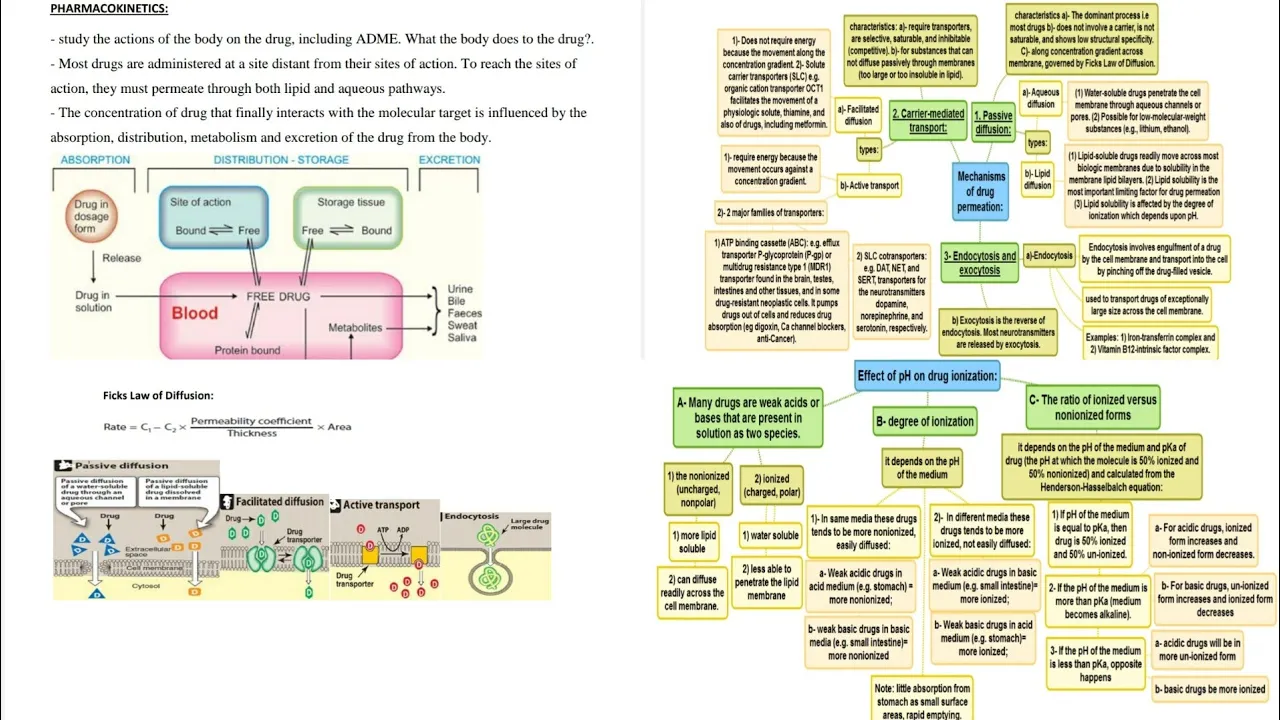
2- Understanding Drug Permeation in Pharmacokinetics
451
Neurotransmitter reuptake transporters (DAT for dopamine, NET for norepinephrine, SERT for serotonin) are secondary active transporters that terminate neurotransmitter signaling by reclaiming released neurotransmitters from the synaptic cleft. These transporters use the sodium gradient to move neurotransmitters back into presynaptic neurons for reuse.
Click to watch →

Adrenergic drugs Lec 4 Part 1
10.6K
After release into the synaptic cleft, catecholamines are removed through reuptake mediated by specific transporter proteins: norepinephrine transporter (NET), dopamine transporter (DAT), and serotonin transporter (SERT). A portion of released catecholamines is taken back into the presynaptic neuron and stored in vesicles for future release. This reuptake mechanism allows recycling and termination of effects.
Click to watch →
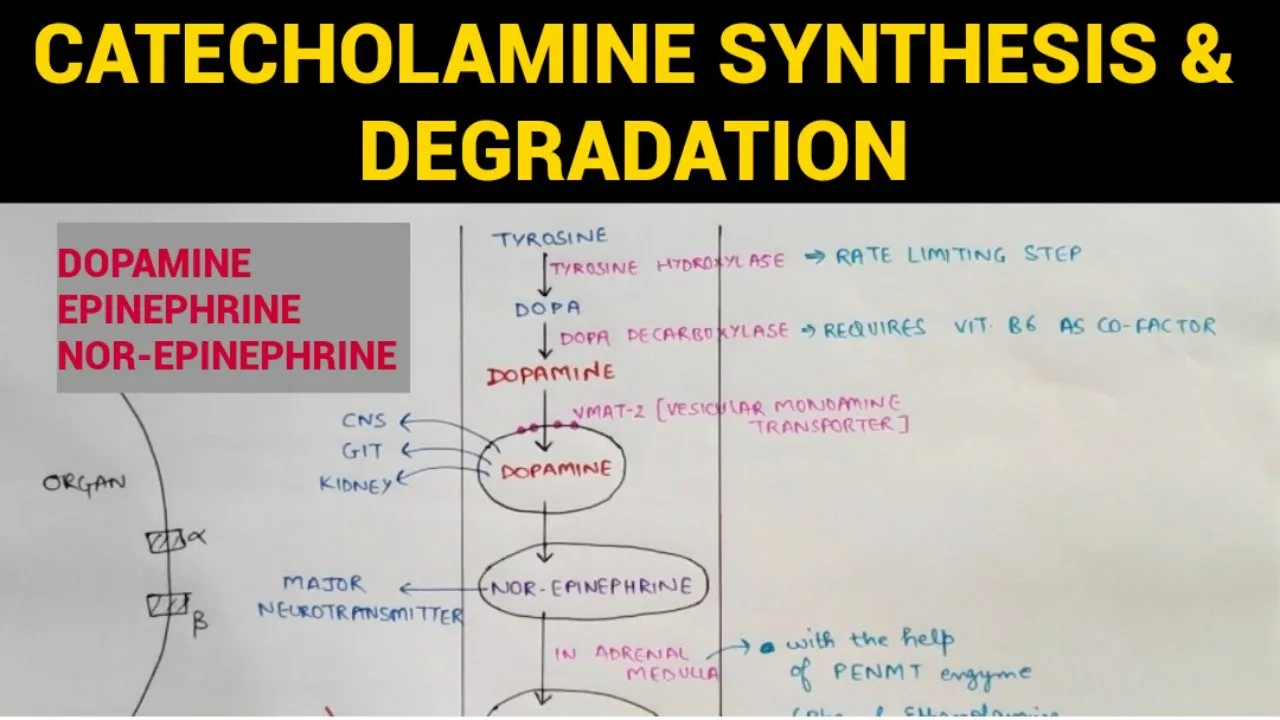
Autonomic Pharmacology - 12 | Catecholamines Synthesis & Degradation | EOMS
100.2K
Neurotransmitter action is terminated primarily through reuptake, where dopamine, norepinephrine, and epinephrine are transported back into the presynaptic neuron via specific transporters (dopamine transporter, norepinephrine transporter, and epinephrine transporter). This reuptake mechanism allows neurotransmitters to be recycled and reused, maintaining efficient neurotransmission.
Click to watch →

Neurotransmitter Imbalance Theory + PYQs | UGC NET Psychology | MPSET JET Psychology | By Sanjay Sir
1.6K
Neurotransmitter reuptake is the process by which presynaptic neurons reclaim neurotransmitters from the synaptic gap. Reuptake transporters (such as SERT for serotonin and DAT for dopamine) actively transport neurotransmitters back into the presynaptic neuron for recycling. This mechanism helps regulate neurotransmitter availability and signal termination.
Click to watch →

Chemical transmission in nervous system ( by dr neera)
132
After neurotransmitters have transmitted their signals, they must be removed from the synaptic cleft to terminate the signal and prepare for reuse. This process involves reuptake mechanisms where neurotransmitters are transported back into the presynaptic neuron through specific transporter proteins. Alternatively, neurotransmitters may be degraded by enzymes or diffuse away from the synapse. This termination mechanism ensures precise control of neural signaling and prevents continuous stimulation of postsynaptic cells.
Click to watch →
Prerequisite Knowledge
- Concept 01The basic structure of a neuron and the mechanics of synaptic transmission, including how neurotransmitters are released, bind to receptors, and are cleared from the synaptic cleft.
- Concept 02The physiological role of dopamine as a key neurotransmitter involved in motor control, motivation, reinforcement, and the perception of pleasure.
- Concept 03Anatomy of the mesolimbic pathway, also known as the brain's reward circuit, particularly the relationship between the ventral tegmental area (VTA) and the nucleus accumbens.
- Concept 04The mechanism of neurotransmitter reuptake and the function of active transport proteins (like the dopamine transporter) in terminating chemical signals.
Subsequent Learning
- Step 01The cellular mechanisms of tolerance and dependence, specifically how chronic dopamine overload leads to receptor downregulation and receptor desensitization.
- Step 02The role of the prefrontal cortex in addiction, focusing on how chronic stimulant abuse impairs executive function, inhibitory control, and decision-making.
- Step 03Comparative neuropharmacology: exploring how other addictive substances (such as amphetamines, opioids, and nicotine) differ in their mechanisms of altering the reward pathway.
- Step 04Current clinical and pharmacological interventions for substance use disorders, including the challenges of developing effective medical treatments for cocaine addiction.
Reward Circuit
Cocaine Hijack
Reward Circuit
0:00Playing Section
- 1
Identifies the limbic system and reward pathway structures.
- 2
Explains dopamine release, receptor binding, and reuptake.
- 3
Describes natural reward surges that drive learning and adaptation.
The Psychosocial and Learning Models of Addiction
While the "brain hijack" model dominates neuroscience, critics argue it oversimplifies addiction by reducing it to a chronic brain disease. Alternative perspectives, such as the learning model (championed by neuroscientists like Marc Lewis) and psychosocial models (exemplified by Bruce Alexander's "Rat Park" experiments), suggest that addiction is a deeply learned habit or developmental adaptation rather than a purely biological malfunction. These frameworks argue that dopamine spikes reflect normal, albeit intense, reward-learning processes rather than a permanent hijacking of the brain. Furthermore, they emphasize that environmental factors—such as isolation, trauma, and a lack of alternative life opportunities—play a more decisive role in addiction than chemical exposure alone. From this viewpoint, recovery is achieved through neuroplasticity, behavioral change, and social connection, rather than viewing the individual as a victim of a diseased brain circuit.
Deep Dive
The cellular mechanisms of tolerance and dependence, specifically how chronic dopamine overload leads to receptor downregulation and receptor desensitization.

Cómo reconfigurar nuestro cerebro con Marian Rojas Estapé | #LaFórmula
4.1M
When neurons receive massive dopamine surges repeatedly, their receptors begin to hide or downregulate to protect against excessive stimulation. This creates a situation where less dopamine circulates effectively, so the brain requires increasingly larger doses to achieve the same pleasurable effect. This biological mechanism explains why addiction develops progressively - each subsequent use provides diminishing returns until very high doses are needed to feel anything. The brain essentially adapts to protect itself from overstimulation.
Click to watch →

Новые научные факты о дофамине. Лекция нейробиолога Владимира Алипова
158.6K
Chronic exposure to high dopamine levels (from drugs, sugar, or other rewards) causes the brain to adapt by reducing the number of dopamine receptors. This is called receptor downregulation. The brain adapts to protect itself from excessive stimulation. When dopamine levels return to normal, the reduced receptor count means the brain becomes less responsive to normal rewards, leading to anhedonia (inability to feel pleasure from everyday activities). This explains why people with addiction often report that normal activities no longer bring them enjoyment.
Click to watch →

როდის მიაღწევ ყველა მიზანს - რა ზრდის მოტივაციას
103K
Dopamine is produced by specialized brain cells and must enter other neurons through receptors that act like doors. When dopamine levels are very high, these receptors become desensitized and close their doors. If dopamine cannot enter the next neuron, it is removed and broken down. The more frequently we spike dopamine levels, the more receptors become desensitized, meaning less dopamine circulates in the brain. This is nature's survival mechanism to return the body to normal. Activities like casinos, gambling, drugs, high-calorie food, alcohol, pornography, and social media constantly produce very high dopamine levels, leading to addiction. Even without clinical addiction, constantly spiking and crashing dopamine levels gradually damages the system, requiring more dopamine to feel normal.
Click to watch →
O MECANISMOS QUE ESTÁ ''QUEBRANDO'' SEU CÉREBRO! (e você não percebeu)
23.1K
The brain's reward system works through dopamine receptors. When exposed to excessive artificial stimulation from sources like social media, pornography, and hyper-palatable foods, the brain develops tolerance by reducing the number of available receptors. This is the same mechanism that occurs with drugs. As receptors decrease, the same stimulus produces less effect, requiring more stimulation to achieve the same response. This downregulation affects not just social media but the entire dopaminergic system, causing the real world to lose its appeal.
Click to watch →

8 lições para entender seu cérebro (e mudar sua vida)
258.6K
This segment explains how modern life offers 'superstimuli' that produce disproportionately large dopamine responses. While nature rarely combines high sugar and high fat, modern food industry artificially mixes these elements and adds chemical additives to maximize pleasure. When the brain experiences frequent hyperstimulation, it undergoes receptor downregulation, reducing the number of dopamine receptors to prevent overstimulation. This adaptation means the same dopamine levels produce less effect over time. The brain becomes less responsive to the same stimuli, requiring more stimulation to achieve the same motivational effects.
Click to watch →
Deep Dive
The role of the prefrontal cortex in addiction, focusing on how chronic stimulant abuse impairs executive function, inhibitory control, and decision-making.

Addiction I Full Documentary I NOVA I PBS
3.5M
Chronic drug use is associated with reduced grey matter in the prefrontal cortex, the brain region responsible for executive functions like decision-making and impulse control. Scans reveal that those regions are essential for making advantageous choices and controlling behavior. The lower the gray matter, the more decision-making is impaired and the greater the difficulty in controlling behavior. This structural change in the brain's executive control center contributes to the compulsive nature of addiction.
Click to watch →

Rewiring Your Dopamine Systems with Neil deGrasse Tyson and Anna Lembke
179.1K
The prefrontal cortex, located behind the forehead, is central to executive function including the ability to delay gratification, appreciate future consequences, and tell autobiographical narratives. When this region becomes hijacked by addiction, individuals lose the ability to make rational decisions, resist impulses, or exercise self-control. This creates a conflict between the 'brakes' (prefrontal cortex) and the 'accelerator' (nucleus accumbens and ventral tegmental area).
Click to watch →

الأفلام الإباحية .. الإدمان والتعافي | بودكاست رفوف (39) بروف حمدي مصيلحي
293K
The prefrontal cortex is unique to humans and controls higher functions including decision-making, impulse control, and emotional regulation. Damage to this area causes loss of self-control, making individuals unable to resist impulses. This explains why addiction impairs the very brain regions needed for self-regulation.
Click to watch →
Big Pharma’s Most Dangerous Lie and the Dark Truth About Weed
609.5K
The prefrontal cortex constitutes 30% of human brain volume versus only 7% in cats and 3% in dogs, enabling complex human decision-making. When damaged through head trauma, substance use, or other means, free will decreases dramatically—from potentially 80% to as low as 10%. The 'elephant and rider' metaphor describes the emotional brain (elephant) versus the prefrontal cortex (rider) that must control impulses. Successful addiction recovery requires substituting harmful substances with genuinely brain-healthy alternatives. Replacing marijuana with sugar or vaping increases relapse likelihood because these substitutes also activate dopamine centers. Low blood sugar impairs frontal lobe function, increasing irritability and relapse vulnerability.
Click to watch →

Eslen Delanogare - Bloco 2 (083) | À Deriva Podcast com Arthur Petry
629.3K
The prefrontal cortex controls executive functions including impulse control, emotional regulation, decision-making, and organization. It acts as a 'brake' on impulsive behavior and helps us consider long-term consequences. Damage to this region can result in impulsive, disorganized behavior and an inability to delay gratification. The prefrontal cortex develops throughout childhood and adolescence, with full maturation occurring around age 25.
Click to watch →
Deep Dive
Comparative neuropharmacology: exploring how other addictive substances (such as amphetamines, opioids, and nicotine) differ in their mechanisms of altering the reward pathway.

Why DMT works all the time and LSD won't - Tobias Buchborn
46.4K
This comprehensive section examines why LSD induces tolerance while DMT does not, despite both acting through serotonin 2A receptors. Serotonergic hallucinogens are classified into indole derivatives (LSD, psilocybin, DMT) and phenylalkylamines (mescaline, DOI), producing effects on perception, emotion, and ego permeability. Tolerance—the diminished effect from repeated dosing—develops rapidly for LSD (near-complete by day 4) but not for DMT. Three tolerance mechanisms exist: pharmacokinetic (increased metabolism), pharmacodynamic (reduced receptor responsiveness), and behavioral (compensatory behaviors). Animal models were developed using hypothermia, validated by antagonist blockade and agonist mimicry. GTPγS binding assays revealed that repeated LSD causes significant receptor uncoupling and desensitization in the frontal cortex, while DMT shows no such effect. Glutamate system compensation trends were observed for DMT. Brain region analysis showed similar patterns in the brainstem but no change in the hypothalamus.
Click to watch →

AYA2014 - Robin Carhart-Harris. The Entropic Brain
4.3K
This section presents comparative research on three psychoactive substances: psilocybin, LSD, and MDMA. Classic psychedelics (psilocybin and LSD) produce distinct subjective effects focused on perception and consciousness, including geometric patterns, time distortion, vivid imagination, and dream-like quality. MDMA reliably produces positive mood effects such as feeling amazing, inner warmth, energized enthusiasm, and profound inner peace. Brain imaging reveals these differences: psilocybin decreases blood flow in cortical hub structures like the posterior cingulate cortex, while MDMA decreases activity in subcortical structures related to anxiety (amygdala, medial temporal lobes). This distinction between consciousness-altering and mood-enhancing mechanisms forms the foundation for understanding how different psychoactive compounds affect the brain.
Click to watch →

10. Introduction to Neuroscience I
1.3M
Neurons communicate at synapses where presynaptic terminals release neurotransmitters stored in vesicles. Neurotransmitters can be excitatory (promoting action potentials) or inhibitory (preventing them). Despite ~100 billion neurons, only ~few hundred neurotransmitters exist due to brain compartmentalization—different neural networks in separate brain regions use the same neurotransmitters for different functions. Major neurotransmitters include dopamine (reward, motor control), epinephrine/norepinephrine (fight-or-flight), serotonin (sleep, appetite, mood), acetylcholine (muscle contraction), GABA (inhibitory), and glutamate (excitatory). To qualify as a neurotransmitter, substances must meet three criteria: synthesized and stored in presynaptic terminals, released by action potentials, and produce measurable effects on postsynaptic neurons. After signaling, neurotransmitters are removed via reuptake or degradation. Treatment challenges arise from brain compartmentalization—treating one region affects others, as seen in Parkinson's disease where global dopamine increase risks inducing schizophrenia-like symptoms.
Click to watch →

Альфа ПВП: Амфетамин На Стероидах
378.2K
A comparative table system measures drug potency by calculating the ratio of neurotransmitter release: dopamine, norepinephrine, and serotonin. Lower numerical values indicate stronger drug effects on the respective neurotransmitter system. For example, cocaine shows values of 211 for dopamine, 292 for norepinephrine, and 313 for serotonin, meaning it increases dopamine by approximately 500% while increasing norepinephrine and serotonin by about 33%. This system allows for objective comparison of how different drugs affect brain chemistry.
Click to watch →
Neuro 1: Neuropharmacology simplified! (by a lot...)
8.5K
Neuropharmacology simplifies to balancing neurotransmitter levels through receptor blocking or upregulation. Schizophrenia results from excessive dopamine activity, where overstimulation assigns personal significance to mundane events, causing delusions. Symptoms categorize as positive (hallucinations/delusions via D2 receptors), negative (emotional blunting via D1 receptors), and cognitive. Three dopamine pathways exist: mesocortical (behavioral), nigrostriatal (movement control), and tubero-infundibular (prolactin regulation). First-generation antipsychotics (chlorpromazine, haloperidol) block dopamine but cause extrapyramidal side effects; second-generation drugs (risperidone) address both positive and negative symptoms with fewer motor side effects.
Click to watch →
Deep Dive
Current clinical and pharmacological interventions for substance use disorders, including the challenges of developing effective medical treatments for cocaine addiction.

QCM DE FORMATION MEDICALE CONTINUE
257
For cocaine addiction, the most proven effective treatment involves punishment and reward systems through contingency management. This approach uses external consequences to modify behavior, such as notifying family members or employers if the patient relapses. Cognitive Behavioral Therapy (TCC) and supportive therapy have been shown to be more effective than drug counseling alone. Currently, no medications are FDA-approved specifically for cocaine addiction, as pharmaceutical companies are reluctant to invest in developing treatments for this substance use disorder.
Click to watch →

LE DIPENDENZE PIÙ PERICOLOSE con MARCO RIGLIETTA a 8 Ore Scienza
25.7K
Cocaine treatment is challenging because the substance's mechanism of action makes it difficult to develop effective medications. Treatment relies on behavioral interventions, and patients often miss appointments due to the intense cravings caused by cocaine's effects.
Click to watch →

40 aniversario Plan Nacional sobre Drogas
251
Current challenges in addiction treatment include: (1) Lack of effective treatments for cocaine addiction and new psychoactive substances, (2) The dual diagnosis problem where patients with co-occurring mental health and substance use disorders often end up in the wrong healthcare system (either mental health or addiction services), (3) The need for more flexible treatment approaches including long-acting formulations, (4) The impact of the pandemic on treatment accessibility, particularly for women who face additional barriers, (5) The need for patient-centered approaches that prioritize quality of life and maximum recovery time.
Click to watch →

ATHS-2025 - Vendredi 24 octobre - Session plénière #9 - Version française
130
Cocaine addiction involves complex neurobiological mechanisms including interactions between dopamine, serotonin, and norepinephrine transporters, as well as disruptions in glutamate homeostasis and the GABAergic system. This complexity explains why few pharmacological treatments have achieved approval. Key approaches include: N-acetylcysteine targeting GLT1 receptors, topiramate for comorbid alcohol use, disulfiram for dual diagnosis, alpha-2 adrenergic agonists, ketamine for NMDA receptor modulation, and substitution approaches using amphetamines. The most effective treatment combines community reinforcement approaches with contingency management, as no single medication has proven effective. Treatment goals should focus on reduction rather than controlled use, with abstinence being the primary objective. A randomized controlled trial tested psilocybin (70 mg/kg) for cocaine addiction treatment, showing that psilocybin recipients reported more abstinence days and took longer to relapse compared to placebo recipients. Six of 20 psilocybin recipients achieved complete abstinence, while none in the placebo group did. Mystical experiences were associated with better treatment outcomes, suggesting that the subjective experience of the psychedelic session may be a biomarker for treatment response.
Click to watch →

ROUND VILLA JANUS PODCAST #1 | Alta performance pode esconder um problema?
128
Cocaine presents unique challenges in substance use disorder treatment. It is a potent, disruptive substance that has become more prevalent since the 2000s. Unlike alcohol, which has been studied extensively, cocaine has been less understood, making treatment more challenging. The combination of cocaine use with bipolar disorder creates particularly severe cases.
Click to watch →
Reward Circuit
Cocaine Hijack
Reward Circuit
0:00- 1
Identifies the limbic system and reward pathway structures.
- 2
Explains dopamine release, receptor binding, and reuptake.
- 3
Describes natural reward surges that drive learning and adaptation.
The Psychosocial and Learning Models of Addiction
While the "brain hijack" model dominates neuroscience, critics argue it oversimplifies addiction by reducing it to a chronic brain disease. Alternative perspectives, such as the learning model (championed by neuroscientists like Marc Lewis) and psychosocial models (exemplified by Bruce Alexander's "Rat Park" experiments), suggest that addiction is a deeply learned habit or developmental adaptation rather than a purely biological malfunction. These frameworks argue that dopamine spikes reflect normal, albeit intense, reward-learning processes rather than a permanent hijacking of the brain. Furthermore, they emphasize that environmental factors—such as isolation, trauma, and a lack of alternative life opportunities—play a more decisive role in addiction than chemical exposure alone. From this viewpoint, recovery is achieved through neuroplasticity, behavioral change, and social connection, rather than viewing the individual as a victim of a diseased brain circuit.
The basic structure of a neuron and the mechanics of synaptic transmission, including how neurotransmitters are released, bind to receptors, and are cleared from the synaptic cleft.
The physiological role of dopamine as a key neurotransmitter involved in motor control, motivation, reinforcement, and the perception of pleasure.
Anatomy of the mesolimbic pathway, also known as the brain's reward circuit, particularly the relationship between the ventral tegmental area (VTA) and the nucleus accumbens.
The mechanism of neurotransmitter reuptake and the function of active transport proteins (like the dopamine transporter) in terminating chemical signals.
The cellular mechanisms of tolerance and dependence, specifically how chronic dopamine overload leads to receptor downregulation and receptor desensitization.
The role of the prefrontal cortex in addiction, focusing on how chronic stimulant abuse impairs executive function, inhibitory control, and decision-making.
Comparative neuropharmacology: exploring how other addictive substances (such as amphetamines, opioids, and nicotine) differ in their mechanisms of altering the reward pathway.
Current clinical and pharmacological interventions for substance use disorders, including the challenges of developing effective medical treatments for cocaine addiction.
220.1K views1.1Klikes2:33@NIDANIHOriginal Release: 2016-02-08
[Music] Deep within the brain is a set of structures called the lyic system. The lyic system contains the brain's reward circuit or pathway.
The reward circuit links together a number of brain structures that control and regulate our ability to feel pleasure.
Feeling pleasure motivates us to repeat behaviors.
When the reward circuit is activated, each individual cell on the circuit relays electrical and chemical signals.
The small gap between the sending and receiving cells is called the syninnapse.
In the reward circuit, dopamine neurons release the neurotransmitter dopamine.
The released dopamine molecules travel across the syninnapse and link up with proteins called dopamine receptors on the surface of the receiving cell.
When dopamine binds to the exterior of the dopamine receptor, this causes proteins attached to the interior part of the receptors to carry the signal onward within the cell.
Some dopamine molecules re-enter the sending cell via dopamine transporters and can be re-released.
When a reward is encountered, the presinaptic cell releases a larger amount of dopamine in a sudden burst.
Dopamine transporters will then quickly remove the excess. Dopamine surges in response to natural rewards help the brain learn and adapt to a complex world. However, drugs are able to hijack this process, contributing to unhealthy behaviors and consequences.
When someone first uses cocaine, the drug quickly enters the brain where it blocks the transporters on the presinaptic cell. Since dopamine cannot re-enter the presinaptic cell, it begins to accumulate in the syninnapse where it can reach abnormally high levels and remain there much longer than usual. The postsaptic cell becomes hyperactivated which produces a feeling of euphoria.
This creates an incredibly powerful association between cocaine and pleasure making a person want to repeat the experience of taking the drug.
Up Next

112:19
How Vitamin D May Help Prevent COVID-19 | Dr. Roger Seheult
@lewishowes
4.2M views•2021-01-27

48:47
Graphic Medicine: Comics for Collaborative Healthcare Communication
@nationalpatientadvocate
189 views•2023-12-04

10:28
Neuroanatomy: Central and Peripheral Nervous System Divisions Explained
@AKLECTURES
136.2K views•2014-09-20
3:05
Stages of Labor and Vaginal Birth | Childbirth Animation
@nucleusmedicalmedia
52.1M views•2017-08-18
Related Study Plans & Knowledge Roadmaps
Structured learning paths in Medicine
medicine
Abnormal LFTs: Diagnostic Workup & Pathology
01Liver Anatomy and Basic Physiology
02Introduction to Liver Function Tests (LFTs)
03Hepatocellular vs. Cholestatic Patterns
+ 3 more learning modules
12h6 modules
Explore Roadmap
medicine
Analyzing Blood Smears: RBC, WBC & Platelets
01Introduction to Blood Components & Smear Preparation
02Normal Morphology of Blood Cells
03Erythrocyte Pathologies & Morphological Variants
+ 2 more learning modules
12h5 modules
Explore Roadmap
medicine
Mechanical Ventilation: Waveforms & Alarms
01Anatomy and Physiology of Breathing
02Introduction to Mechanical Ventilation & Core Modes
03Ventilator Settings and Waveform Interpretation
+ 2 more learning modules
12h5 modules
Explore Roadmap
medicine
Neuro Exam: Localization & Stroke Syndromes
01Foundations of Neuroanatomy and Vascular Supply
02The Neurological Examination: Step-by-Step
03Principles of Neurological Localization
+ 3 more learning modules
18h6 modules
Explore Roadmap