


















Vitamin D is unique among vitamins because it functions as a steroid hormone rather than a simple cofactor, meaning it binds to nuclear receptors and directly influences gene transcription and protein production in cells. This allows vitamin D to modulate immune responses, including regulating cytokine production during infections like COVID-19. Research indicates that vitamin D supplementation may reduce the incidence of acute respiratory infections, and observational studies show associations between vitamin D deficiency and worse COVID-19 outcomes. The body produces vitamin D when UVB radiation from sunlight converts cholesterol in the skin, though darker skin tones require longer sun exposure due to melanin blocking UVB penetration.
How Vitamin D May Help Prevent COVID-19 | Dr. Roger Seheult
Added:Basic understanding of the human immune system, specifically the distinction between innate and adaptive immunity.
Fundamental knowledge of viral replication, particularly how RNA viruses like SARS-CoV-2 infect host cells.
General awareness of the biological roles of micronutrients, including vitamins and essential minerals, in maintaining homeostasis.
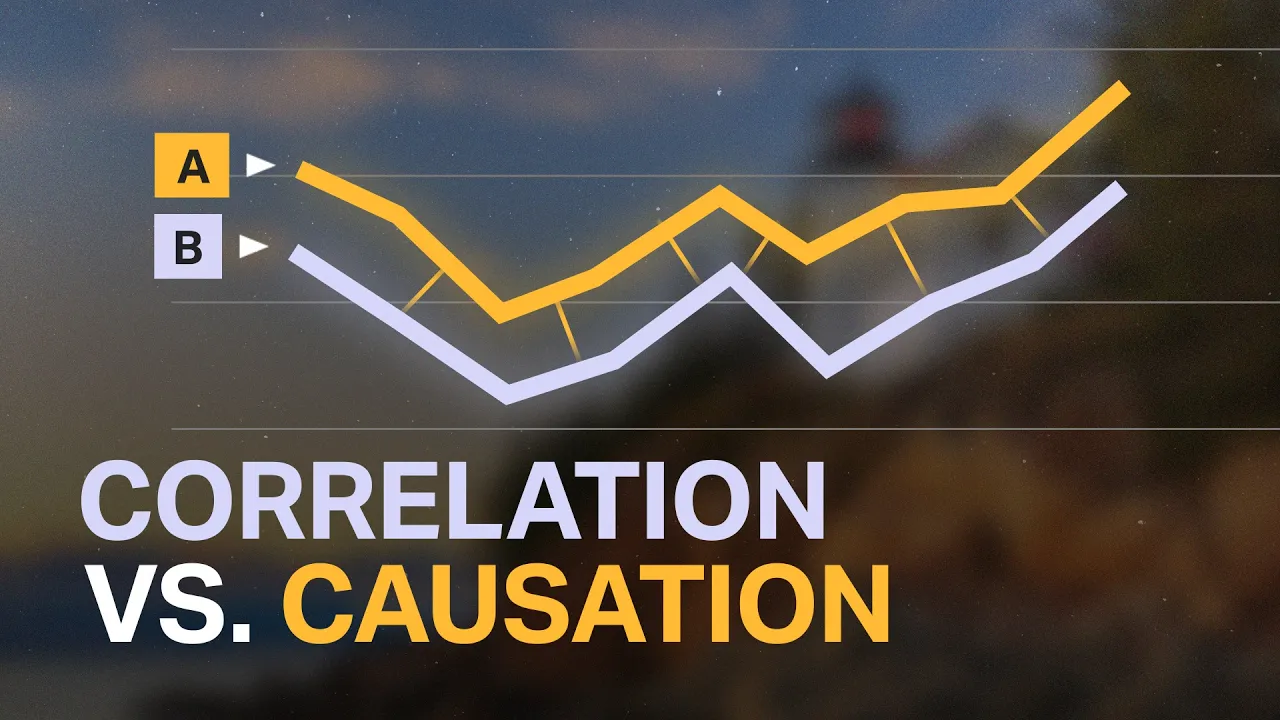
An understanding of basic medical scientific literacy, such as the difference between correlation and causation in observational studies versus clinical trials.
The specific molecular mechanism of Vitamin D as a hormone regulating gene expression through the Vitamin D Receptor (VDR) in immune cells.
The role of zinc as an intracellular inhibitor of viral RNA-dependent RNA polymerase (RdRp) and the function of zinc ionophores.
Critical analysis of clinical trial data and systematic reviews (such as Cochrane reviews) regarding vitamin supplementation in respiratory infections.
The potential risks of vitamin toxicity (e.g., hypervitaminosis D) and the establishment of Tolerable Upper Intake Levels (UL) by health organizations.
4.2M views95Klikes1:52:19Original Release: 2021-01-27
we saw that people who were showing up to the hospital with covet 19 were deficient in vitamin d now what is the the truth about masks the problem is is that there's two ways that the virus spreads do people need vaccines what kind of a quality of life would you like to have is the question i think you gotta have a dream the school of greatness really yeah please welcome you've been talking more about the impacts of vitamin d and how it can help prevent covert 19 and potentially treat coven 19 is that what i've been learning more from your content so are you able to share a little bit about the backstory of this discovery you've been finding and the research you've been finding and some ways we can apply this to our own life so i take care of patients in the hospital in the icu many of them recently obviously have covet 19.
obviously it didn't used to be that way i would just take care of regular people in the icu and now we've just been totally flooded with with this here in southern california and you know just as a as a as a clinician as a physician i've had to look into and to try to keep up with all of the science that's coming down from from covet 19 about a year ago we knew nothing about this disease and science focused on this like a laser and things started to come out and what we were kind of forced to do was to look and see if we had current treatments available that might work for it and that's how we have come to this to this position but the the vitamin d uh interestingly uh louis it's it's kind of funny and ironic uh back in college when i was an undergrad uh one of the things that i did was i worked in an organic chemistry research lab i was a chemistry major so yeah total nerd type of thing here but one of my jobs as an undergraduate researcher in the lab was to make vitamin d products for the graduate students to do their research on i worked with dr okamura who was a biochemist but he worked with a a he was a chemist but there was a number of of uh biochemists this is at ucr that we're looking at vitamin d and its ability to bind to its receptor and and make all of these things so let's talk a little bit about vitamin d since we started with that if you just go to google and just google vitamin d and the structure of vitamin d uh one of the things that you'd be struck with is it's a bunch of rings and circles for those who don't know chemistry but then but then do the same thing for testosterone or estrogen or cortisol or aldosterone these are essential uh steroids that the body needs to live if you lose these steroid hormones you'll die in a matter of weeks to months and if you look at vitamin d it's it's unique that to any other vitamin vitamin b vitamin b3 b6 b12 c none of those look like this vitamin d is a steroid hormone and what that means what we know that that means is that vitamin d binds to its receptor and goes into the nucleus of cells and it affects how that cell transcribes its dna how it makes proteins and so that's the first thing that you ought to realize that vitamin d is not just some cofactor that binds to something and allows something to happen it actually changes the behavior of your cells so without so what does that mean so with vitamin d it changes the behavior of your cells enhancing the behavior of your cells making it healthier stronger you know indestructible in a sense and it depends yeah it depends on the cell function so sometimes the vitamin d will inhibit transcription of protein sometimes it will enhance the transcription of proteins and depending on what you want or what you need that could have different effects vitamin d in general is it good for people or am i hearing you say that sometimes vitamin d may not be good in certain cases no it's it's it's good to have it when you have it and and in other words sometimes you don't want to be transcribing proteins for instance if you're in a cytokine storm and uh what is a cytokine storm that causes pneumonia covet 19. it's where you have too much cytokines cytokines or proteins and where those proteins coming from they're coming from cells that are producing them and so vitamin d modulates this it's it's the it's the the person with the lever that's saying this is what we need at this moment this is not what we need at this moment wow okay so what else have you been finding in the research on uh vitamin d on how it actually can prevent covit yeah so vitamin d is kind of like the the cry wolf the boy that cries wolf because for years medicine has been looking at vitamin d and saying oh man it's good for rickets but it's probably good for a whole bunch of other things and they've done studies on it and sometimes it comes up blank sometimes it comes up so it's kind of like yeah when a lot of scientists heard that vitamin d might be beneficial in covet 19 they said yeah fool me once you know shame on you fill me twice shame on me type of thing so that's why there's been a lot of resistance to saying that vitamin d is is is working but if you go back to a study called called a meta-analysis this is where they take tons of studies and they pool it together so that the the robustness of the data is huge and they can find things better there was a study a landmark study that was published in the british medical journal just a few years ago by uh by a scientist named martin oh who did a meta-analysis looking at vitamin d supplementation and he found pretty significantly that vitamin d supplementation on a regular basis taking it either daily or weekly decreased the incidence of acute chest infections and this has been borne out multiple times there's a an irish study that looked at this called tilda and and they reported it recently as well this is for acute chest infections so generally viruses viruses that affect the chest so influenza rhinovirus probably coronaviruses in there too all of this done before covet 19. so we knew from a medical standpoint that vitamin d supplementation especially in in patients you know this was done in northern europe where vitamin d deficiency is quite uh you know plentiful uh so to see that that worked there now let's take it and apply it to cova 19 to see if it also works in covet 19.
of course the studies take a long time to do and we didn't have those studies early on so that's where things started and what what have the studies shown you uh or are you doing some of these studies yourself in your labs or are you seeing research that's being done and applying the science no so i'm not actually doing the research but i'm but uh you almost need somebody to do this type of work where you basically look across the spectrum see the data that's coming out and put it together and make sense of it yeah so what have you seen with this yeah so okay so you've got to remember before we get started in the research is that there are certain types of research that tell you certain things there are large observational studies where you just kind of look and see what's going on and you'll see things that are associated with each other it doesn't tell you that one is necessarily causing the other you just see them showing up together and that that sort of gives you a hypothesis like maybe these are connected for instance if you if if you saw that a lot of people with lung cancer also carried cigarette lighters in their pocket right you couldn't say that the cigarette lighter is causing the cancer but they're showing up together so maybe there's either something else that they're both causing or caused by each other so that's what we started seeing in the in the first part of 2020 is observational studies what did we see we saw that people who were showing up to the hospital with covet 19 were deficient in vitamin d that people who did worse in covet 19 were deficient in vitamin d we started seeing that people who are older people who have darker skin are the people that also are deficient in vitamin d and they also have worse covid and so we started to see this this connection but but the words that go through any any graduate of medical school or any uh biostatistician will tell you that caught that association does not necessarily mean causation and so that's where we were for the most of 2020 until just the last few months was these studies over and over again yes we can predict how well they're going to do based on their vitamin d levels yes if they're lower they're probably going to have a worse course but the part that that we couldn't say based on that data was if we give vitamin d is that going to change something because maybe the disease is making the vitamin d go down and make them sick and it's just like you know if i take a cigarette lighter out of someone's pocket is it going to make their lung cancer go away or prevent right so that's the kind of thing so now enter randomized controlled trials and this is what we do we say okay we're going to start off we're going to randomize people we're going to blind ourselves to it blind them to it for one we're going to give vitamin d for the other we're not and then we're going to see what happens yeah and so how many of these trials have been going on and what are the findings from these these blind tests so there's a lot of trials going on right now looking at this there's one where they're actually going to look at about 5 000 people it's being conducted in great britain and we don't have that data yet the data that we do have are on a few let's talk about those so there's one called the shade study this was done in india on just about 100 or so people where they gave mega doses of vitamin d in people coming into the hospital with cova 19 60 000 units because this is it dejected is this orally is this this is this is oral uh oral medication so sixty thou i mean generally speaking when you buy over-the-counter tablets five thousand five hundred right you're like exactly exactly so this is sixty 000 units daily for seven days that's a lot of vitamin d it is a lot of vitamin d so for for seven days they they did this and uh what they found was that the inflammatory markers in those patients were lower and they found that as opposed to only 20 percent of the patients clearing the virus after uh three weeks 60 of the patients cleared the virus in in three weeks so it you know it wasn't powered to look at survival and these sorts of things uh they didn't notice any difference there in terms of that but that was a study that was done there was another study that was done in brazil where they gave you know 250 000 units times one they just gave them a whopping i mean it was like just you're drinking vitamin d in supplement form exactly uh it was it was incredible uh they didn't not they didn't see any difference there although they did measure that vitamin d levels went up inside so it worked uh they did not notice any improvement the the problem there though of course is there was a problem with the randomization in that study where the intervention group the vitamin d group had actually had uh sicker patients more diabetes um and so it wasn't clear whether or not that was just a bad randomization or whether there was no effect the one that has the most promise and this is this is the thing you got to understand about vitamin d is vitamin d let's so let's back up a little bit and talk about vitamin d so people say well should i take vitamin d3 d2 what is vitamin d so this is how it works you have cholesterol in your body and it's it's hanging around and when ultraviolet b radiation comes from the sun it comes through the epidermis which is the top layer of your skin and then it penetrates down into the dermis and it comes with just enough energy to do a conformational change on one of the carbon bonds which flips it to be um to be kind of nerdy here but it actually converts the ultraviolet radiation converts the cholesterol structure into vitamin d when you get sunlight is there a certain amount of sunlight on a daily basis we should be consuming on the skin so you typically want to there's people that have gone into the details of this and i can never remember but you need about you know 15 20 30 minutes of sunlight a day and since we're on the topic there's different types of ultraviolet light there's uva uvb and uvc so let's dispense with uvc because it doesn't have much to do with the conversation although there is some data that uvc can kill coronavirus but that's another topic uva can penetrate pretty far and unfortunately uva has no role in the production of vitamin d what is uv useful uva is ultraviolet radiation that that causes skin aging it can cause cancers on your skin melanoma so it's not something that you really want to have and it can and sometimes it could actually even penetrate through glass unfortunately uvb does not penetrate glass so sitting in front of a window with the sun coming in is not going to help you in terms of vitamin d you actually have to be yeah you actually exposed with no blockage nothing in between absolutely yeah so that's uva uh so uv-a will not penetrate glass sorry will penetrate glass uvb will not penetrate glass and it's the uvb that we need so how do you get uvb that's just sitting out in the sun you gotta go in the sun and and what about people who say you know what i don't like older with my skin i don't get skin disease or cancer so i'm gonna lather up with all this uh sunscreen to protect my skin should we use sunscreen or is it more you know be in the sun for 15 minutes then put sunscreen on yeah so that's exactly right b is not going to penetrate sunscreen very well either so it's it's really it boils down to this risk benefit you know so you've got to i want to look good and not have wrinkles or do i want to be healthy so so there are some there are some solutions to this right so uh fish oil is rich in vitamin d there are certain uh like mushrooms that are rich in vitamin d and of course we look we live in 2021 right we've got supplementation so you can take that and not get the risk there so that's that's a good benefit so is supplementation if i'm taking vitamin d vitamins uh 500 to 5000 whatever uh vitamins is that as powerful as 15 minutes of sunlight or is it not going to be as beneficial yeah it it depends it depends on too many things it depends on your skin color so uh unfortunately when you have uh if you're interested in getting a lot of vitamin d the darker your skin that that's melanin that's blocking that ultraviolet radiation and so you've got to stay out in the sun longer to get the same amount of uh it's natural it's natural sunblock that's correct so you need to stay out longer than if you're more fair-skinned or lighter skinned then you know i need 10-15 minutes that's correct and that and that is the reason why it was sold that it was thought that uh why are we seeing so many uh people of skin color coming into the hospital with covet 19 particularly those are the ones with the lower vitamin d levels historically is this what you're seeing in your hospital in california what's you know absolutely absolutely really wow so yeah okay so to go back yeah so you so you go through you get vitamin d but you're still not done yet because now the liver has to convert that into something called 25 hydroxy vitamin d the liver takes a little hydroxyl group puts it onto the carbon and now it's ready to be used this is the form by the way that we measure when you go to the doctor and you get a blood test okay you're gonna measure the 25 hydroxy vitamin d so all of these studies that we've talked about uh we're measuring 25 hydroxy vitamin d levels but the studies that we were uh describing like for instance the shade study and the brazilian study these are given vitamin d so they still have to go through the liver they still have to get hydroxylated and that can take several days so in this last study that was done in cordona spain they jumped right ahead and they supplemented these patients they gave them a pretty high doses of the 25 hydroxy vitamin d to start off with and the results in that pilot study were pretty astounding in the intervention group they went from 50 percent of patients needing intensive care unit to just two percent and that's a massive uh reduction in terms of the need for intensive care so okay so what did they do when they came into uh the hospital they gave them this dosage right away they gave it they gave them a high dose uh of this medication called 25 hydroxy vitamin d otherwise known as calcifidiol that's the the the medical name for 25 hydroxy vitamin d they gave it to them on day one day three and on day seven and it reduced to two percent uh uh eliminating it or what what it went from fifty percent of the patients in the placebo group needing uh icu to two percent of the patients in the intervention group in the calcifidial group needing intensive care that's a dramatic reduction so intensive care meaning being on a ventilator being you know being taken care of the whole time so and the others to only two percent being in there and then what their symptoms went away eventually after yeah nobody died in the intervention group uh seven point seven percent of those in the placebo group uh died so uh you know there was also some issues with randomization there except in the opposite direction that there seemed to be sicker people in the placebo group so the randomization wasn't perfect and uh but but they're planning on doing a much bigger uh study uh so we'll we'll get some data probably here in the next few months so this is a drug or this is a supplement this is a drug so this you required a prescription for this and it's not cheap it's actually currently used by kidney doctors to treat problems with the parathyroid gland which is responsible for calcium in patients with kidney disease so it's it's not readily available but uh it is available to if you need to use it in the hospital we've been doing it recently just started recently and i so i don't have a lot of data on our patients that we're seeing but obviously some people are getting better some people are not what are you recommending to people in terms of uh a daily prescription for natural remedies uh you know is it go out into the sun at 8 a.m for 15 minutes does it take vitamin d supplements does it eat mushrooms what are you suggesting to your patients so for people who have not contacted covadine tea and we actually did a video on this on medcram it was update 59 we recently just did uh the top 10 tips for for you know if you actually have a positive covid and so what i'm recommending is based on a lot of it's based on data in other viruses some of it's based on data in copen 19 but we can just go down the list number one vitamin d so let's talk about vitamin d how much should you be taking the you know there's been some studies that show that if people who are at risk for vitamin d deficiency so people who are darker color living at higher latitudes specifically above the 35th parallel which is around the southern border of tennessee if you're in california it's kind of just south of santa barbara that area then taking vitamin d supplement supplementation is a good idea so how much is too much we actually probably over estimate the toxicity of vitamin d it's probably one of the safest fat-soluble vitamins that being said it's not completely risk-free but the society endocrinology society says this they say that what what is the maximum dose that you can take without supervision from a physician and for someone who is at risk for vitamin d deficiency the answer is 4 000 international units daily 4 000 daily yeah okay and and and so what would i do if someone asked me uh you know i take 5000 international units daily just because i had my levels checked i think the the right answer is if you can get your levels checked got it and where would you want to be it's measured in nanograms per milliliter i would say based on the data that we've seen the retrospective data in the united states we see that there is an increase in sars cov2 positivity once you start going below 50 nanograms per milliliter so if you're if you're not above 50 you might want to bump it up at least over the winter season and wouldn't you know it uh that what are we seeing we're seeing a rebound in stars kobe 2 in the winter season so this you know this is not it's not rocket science it's because we're not getting enough sunlight the days are short people don't have enough vitamin d and so this is what what the theory is so that's vitamin d number three uh so the other thing that that i would talk about is uh knack that's one of the things that we've been talking about knack is n-acetyl cysteine there is uh there's some pretty good data that shows that sars cov2 when it infects your cell it knocks out the receptor called the ace2 receptor this ace2 receptor is very important in regulating oxidative stress in your body we could talk for an hour about oxidative stress and hydroxy radicals and and things that that are very high in people who get covered 19. so diabetes obesity oxidative stress is very high so you get this viral hit and it tips you over the edge so one of the things that may be beneficial is consuming products that are antioxidants so you know berries strawberries raspberries elderberries blackberries all of those are excellent things to do but if you want to increase even more then taking 600 milligrams of nak twice daily was shown in a previous study to reduce the symptoms of the flu virus in a winter season when it was done prospectively so in other words they randomized people to placebo versus 600 milligrams of neck twice daily and they did not see a difference in the incidence of the flu in those people but they did notice a significant reduction in the severity of the illness that the people suffered when they were on now so instead of i don't have so instead of being on you know on your couch for a week you're able to walk around and just feel less exactly right exactly is over the counter yes and how do you spell that uh n so that's n and then a dash acetyl ac and you're you're asking somebody here to spell this but it's actually it's actually marketed under knack if you just go and type in nac you'll have anything nac got it okay cool mac and acetyl cysteine take twice daily twice daily 600 milligrams i wouldn't do it forever but maybe over a winter season for three or four months while while we're in the pandemic that's probably a wise choice what else do you recommend i think zinc is is really important too uh i would not take more than 40 milligrams of elemental zinc a day because as you increase your zinc intake you can reduce your copper in your body and that's not a good thing you want to have enough copper so zinc and copper are kind of like on a seesaw but if you want to maximize your zinc intake 40 milligrams of elemental zinc i say that because when you pick up a zinc supplement it could be zinc picolinate it could be zig sulfate all of those have a different molecular weight and so the milligram is just going to be different but if the bottle is worth anything to to put the the pills in it'll tell you how much elemental zinc is in there 40 milligrams is the maximum daily dose okay and you're doing all these steps yourself too right oh yeah i'm smart because i basically tell my wife what to do and every morning the pills are there i don't even have to worry about remembering it because if i did i would not do it yeah it's you got to like plan and put it out in front of time and make sure you have it all right set up to win okay what's next so this is where it gets a little bit less in terms of evidence so there is some evidence that zinc can help stop viral replication the the protein that the virus uses inside your cells to make more of those viruses is called replicase and there is some evidence in vitro data albeit that zinc shuts that down the problem is is that when you take zinc you need to get that zinc inside the cell and one of the things that has been looked at and has has had some promise in ebola for instance and was being studied in in this virus is uh kercetin kercetin is a natural product it's over the counter it's uh high in concentration in capers in onions in vegetables uh roots basically and so i don't see a lot of downside with taking kercetin and so i i do that as well okay you'll add that in your daily practice yes and then the last thing i left i left the last thing for uh for the end and that's something that you probably like what are you doing with this and it's a long story that we can break into but uh contrast showers oh yes you're speaking my language yeah you're speaking about so hot and cold or correct cold only i do hot for five minutes and then i do cold for one minute and then i do five for hot again and then one for cold and then finish it up with three for hot and one for cold and and the one that that clued me onto that uh formula was a doctor neil nedley who is out of uh weimar california who who's actually done a lot of uh research and it actually has a a clinic up there uh called new start that's that's doing this sort of stuff and and with amazing results so what is so this isn't clinically tested yet but you're you've collected let me tell you the story yes it's a long story but because because we've had uh you know wim hof on who is a yes proponent of this and the power of boosting immunity and how he's done these kind of superhuman tests where they've injected him with uh you know viruses and he's been able to essentially say no go away from my body in the cold and through breathing and mindset so yeah i'd love to hear your story on this so you don't need to to be well you don't need to be off to do that you don't need to be uh you know part of the polar bear club not to say that there isn't some use for that so i i started to look into the research on this and one of the areas that really helped my fascination was the 1919 pandemic 1918 flu pandemic and what happened so so one of the things that you've got to understand about covid is the timing timing is everything and really there are two phases to this disease and you can really draw the line with covid is when someone is at home versus when someone is at the hospital kovid and what's going on with covet at home is completely a different animal than what's going on in the hospital and i'll explain and this has been borne out by research and studies and i think this is this is not controversial this is pretty well understood is that when somebody is infected with sars cov2 it suppresses the innate immune system now the innate immune system is part of your immune system that gives you a fever it sends out these macrophages to to kill things that don't look like uh what it's supposed to look like as opposed to the adaptive immune system which is later on that's antibodies that's protein structures that's t cells b cells so what the virus does is it it has a strategy where it infects the person it suppresses the immune system it allows it to replicate and spread into multiple organs of your body and then when the adaptive immune system comes on it now has all of these cells that it has to attack all of that inflammation especially in the lung can put you into pneumonia gets you hospitalized and on a ventilator and so the the the strategy should be at the beginning of the virus is to it improve is to substantiate is to boost the innate immune system to get rid of the virus before it gets to that phase but what we're noticing is when people get to the hospital and they have pneumonia is the the immune system is over-ramped it's causing uh inflammation too much and that's why things like steroids work that's why things like anti-inflammatories work and so what we're noticing is when we do randomized controlled trials on rem death severe which is a a antiviral that's going to work early best when we look at steroids we found that only worked great at the end and so the timing is really the key so when you understand that you'll understand that one of the tools of the innate immune system is something called interferon interferon is a protein and it does exactly as it sounds it interferes with viral infections what sars kovi 2 does at the very beginning of this is it takes interferon and suppresses it and it does it in a way because it it uses its proteins in a way that it suppresses the body's ability to create interferon to use interferon we know that from from very well conducted uh studies that have shown that people who have innate problems with interferon always seem to have very bad courses with stars cov2 people who have mutations with low interferon levels have very bad courses of sars 2. so we want to strengthen interferon correct so with that in mind with that framework in mind one of the things that i looked into is what did people do prior to uh you know 1928 and why do i say 1928's because in 1928 we discovered penicillin and penicillin and the use of penicillin prior to penicillin when you went to the hospital things were very labor-intensive the doctors the nurses they would be doing uh hydrotherapy they would be doing all of these treatments that were very very labor intensive after 1928 and the production of of penicillin and antibiotics and and drugs and the fda and randomized controlled trials now we were able to control disease by affecting the pathology so the bacteria and so a lot of that what we learned had had gone away so what was it back in prior to 1928 what was it that we did in in these hospitals uh when the flu pandemic arrived and so i started to research that and what i found was something that was really interesting and started to really attract my attention and start to look into it if you go back there was a there was a number of hospitals especially in the northeastern part of the united states which is where you know america basically was was centered at that time that was there was this rebirth if you if you will uh among the snake oil experts and and the people peddling uh you know morphine and arsenic for all of these things that could work there was this understanding of this rebirth in the late 1800s about natural remedies and about things you know in terms of of nature and fresh air sunlight these sorts of things and these hospitals they were known as sanitariums well there was one particular fellow actually a number of them there was a dr jackson in new york but more notably john harvey kellogg who you may recognize that name as as starting kellogg's corn flakes and this health food industry back at that time he was the the director of the battle creek sanitarium in michigan which was the world's largest hospital and they saw very very uh you know elite patients people like uh you know jc penny people like montgomery ward people like franklin delano roosevelt amelia earhart they would all go to this hospital they were like the cleveland clinic of their time exactly exactly and these weren't just like things that they were pulling out of a hat these things worked and that's why people went there because it was the state of the art so what did they do they were using hydrothermal therapy they were heating up the pa i mean if you can see pictures of this it's it's a hilarious crack up because you'll look down the hospital hallway and you'll see these rooms these treatment rooms with little holes and out of these little holes where their heads the patient's heads were popping out and this room was used to heat up the body exactly yeah exactly that's exactly what they were doing and keeping their head cool now this this uh this type of treatment spread and it was it was well understood and i think the zenith of this interestingly was a guy by the name of um wagner ureg he was an austrian psychiatrist and he had uh his insane asylum there in austria and and there was obviously a lot of people with uh neurosyphilis neurosyphilis is a condition obviously where you have syphilis that goes to the brain it's it's a it's a type of bacteria uh it's an organism and this is before penicillin so how we couldn't treat it we could treat malaria but we couldn't treat it so so this guy your your egg wagner your egg noticed that when his neurosyphilis patients had fevers they actually responded and they they got better their symptoms abated and so he had this idea what would happen if i purposefully infected them with malaria right because malaria gives you really high fevers and so he did it and when you know it he cured them of their neurosyphilis and he treated them yeah and then he treated them with uh he treated them with the known treatment of time for malaria cleared the malaria so he was able to basically cure neurosyphilis by inducing a fever and for this he he actually won the nobel prize in medicine ironically in 1927 the year before penicillin was discovered so if you look at the 30 000 foot level about where we've come in the united states and affect the world in the last hundred years we were going down a path of enhancing the body's own way of dealing with the virus or whatever bacteria whatever it was you know the immune system is so incredibly complex we didn't understand it at the time but we understand it now and has so many ways so many angles of attacking pathogens that if we are able to just turn on that machine that machine is going to be i mean let's look at it people who get infected with coronavirus today more than 80 of them recover on their own because of the immune system it's only a small amount of people that cannot cannot deal with the infection and they end up in the hospital because we have so many people being infected that it's overwhelming our system so what happened in 1928 was the discovery of penicillin the discovery of all these medications randomized controlled trials the fed the the fda that what we've done is we've since that time we've gone down a road where we we take a chronic disease we we study it we know and we we do the randomized trials which is what we should do and we come up with treatments that treat that and that works really well until you have a pandemic and now you have a brand new disease that comes on on the scene it is overwhelming everybody we don't there's no way we can do the randomized controlled trials fast enough and so what i became interested in is is there something that we can do that isn't a pill that it that doesn't need to be prescribed that doesn't need to have a factory to make that we can do to already enhance a system that we are already given when we're born to help deal with the disease that's already kind of dealing with it anyway but if we could just go from 80 to 85 80 to 90 percent that would take care of it that would have a tremendous impact on on taking off the stress from our our health care system so that's what i intended to do so i looked at what were these guys doing at the time of the pandemic because here these people are they know what to do with these diseases this is the treatments that they're using what did they do during the pandemic to treat this and wouldn't you know what i found the resource and it was amazing and and uh i'll stop there to see if there's any questions before i go on because the next part was just mind-blowing yeah what's the what's the resource or what's the reason okay on this okay so there was this guy by the name of dr ruble dr ruble was the medical director of the of the sanitarium in boston it was the new england sanitarium and he said this is what he said he said uh basically i'm paraphrasing he he wrote this article in a it wasn't even a scientific journal it was a it was a church periodical um these were all these were all seventh-day adventist institutions in the northeastern part of the united states that were doing hydrotherapy same thing with the battle creek sanitarium and what he wrote in there is like the pandemic has offered us this opportunity to really put to the test these type of treatments that we're doing let's see if it works so this is what he did he coupled he he got all of the information from about 10 sanitariums in the northeast of the united states and he pulled the data and then he went to the army camps because in the army camps they had the best they had the brightest doctors they had all of the resources as you remember remember from 1918 these people from europe these soldiers were coming back to the united states the war had just ended and they were bringing back unfortunately with them the flu and so as they came back they made these camps in the united states and they were treating these people so about 20 percent of the people in the camps came down with the flu and when they came down with the flu again two components to the disease the first part was the virus the the viral replication phase and then pneumonia and if they got pneumonia there's no antibiotics it was about it was a it was almost like a death sentence because 40 to 50 mortality rate okay wow so the key was is you don't want them to get to the pneumonia stage you want to get this before it gets to the pneumonia stage and the thinking the the thinking in the army camps at the time was what's killing these people it must be the fever it must be the symptoms of the flu and so aspirin had just come out in 1899 bayer aspirin ironically it was a german company that came up with aspirin and so they were giving aspirin to all of these people in the camps i mean because aspirin would take away the fever aspirin ironically the fever is the sign that the innate immune system is doing something right you get interferon fever goes up and so the very thing that was trying to help these patients they were getting rid of they were they were suppressing it which was causing you to be more sick exactly and so at the end of the day it was about 10 15 of these patients were coming down with pneumonia okay because they were giving aspirin and all of these sorts of things compare that now to what was going on in the sanitariums so in the sanitariums they were not doing this what they were doing what was the treatment what was the rational treatment in the words of dr ruble that they were doing so as soon as they came down with symptoms they would isolate them they would put them in bed they would have them rest uh they would also expose them several times a day to sunlight sunshine fresh air ventilation was very important and then they would do something called fermentations and that's the old term for hydrotherapy essentially what they would do practically speaking is they would get a pot of boiling water they would put these towels into the pot of boiling water take it out wring it out and they would place it on the bed the patient would lie on this with a sheet in between so they wouldn't be burned and then they would place fermentations on top of them basically creating if you will a hot box and they would do this for about 20 minutes when they were done they would then put cold water on them and rub it and so basically to cause vasoconstriction we now understand and lock that heat in so only about two to three percent of those patients came down with pneumonia so at the end of the day the overall case infectivity of mortality rate was like six percent for the uh army camps and one percent for uh these these hospitals uh these sanitariums so then i looked at that i said that that is remarkable yeah that here we have it's not a randomized controlled trial different populations different things but it at least tells me that this has been tried before i mean a nobel prize has been given on the basis of of this type of treatment and and here's something that you don't need a prescription for you don't need a test if you feel bad you can start this right away and and so as one of my recommendations going back to the original question doing contrast showers is a nice way of of doing this as a tonic to help prevent and keep your immune system on kind of a sentinel mode looking around but if you actually come down with it if i've if i've gotten where i think i might be coming down with something i will i will do the hot fermentations and you'll just be sweating there but after you're done it's it's you feel amazing really so if you feel like okay i'm getting a cold i'm getting a flu i'm getting a virus whatever something what would you do from that moment as you started to feel that you go right into hot cold showers is it the so the first thing i would do is i would alert my wife yeah of course it's hard to do it on yourself yeah and and what she'll do is she'll get a a a large foot bath and she'll put the hottest water you can tolerate in there and put that on the ground i'll lay down yep and i'll put my feet in there um and that that helps anything any part of your body that you can do to try to heat it up heat up your core body temperature is important okay so so basically we'll put down a hot towel i'll lay on that keep my feet in there anything that that will increase your core body temperature cover me up with a a blanket so i'll be basically in a in my own hot box i'll have a cold towel on my head cold towel across my carotid arteries here so that my head remains cool and it doesn't know that my body's being heated but i'm being heated up and uh and then that's for about 20 minutes and then that comes off i get cold water on the feet cold water on on my chest uh and then for just a brief moment for about 30 seconds and then i go lay down and you can do that once twice a day and what that will do and and there's this is not hocus pocus they've actually they have actually done the studies where they they will take monocytes which are responsible for secreting interferon take monocytes out of they've done the study where they take them out of people at different temperatures and then they expose them to uh you know a bacterial challenge or some some sort of uh foreign challenge and right when you get to about 39 degrees the interferon response goes up 10 fold i mean it starts to go up starts to go up and then right about 39 degrees centigrade which is uh you know maybe 102 degrees fahrenheit you get a 10 fold increase in interferon response which is exactly the same substance that we are lacking early on in the course of this disease covet 19.
is this something that someone could prevent on a weekly basis where they do hot cold as well or is this just something you do in the shower it's like okay let me do hot cold for five minutes and and help me so i do my showers hot cold but um that's another point that you bring up because there is a whole society on this planet that does literally this pretty much twice a week five times a week and you know who i'm talking about yeah and they don't get sick or they they they say that you know i talked to wim hoffer he's like i don't remember the last time i got sick and yeah i mean i mean there's uh the finns there are so many saunas in finland that if you were to ask every finnish person to go into a sauna at the same time there would be enough saunas to do that yeah and then they jump in the cold they jump around the cold water and so if you look at the cova data in finland uh they they outperform just about any other nordic country next to them in terms of mortality rate in terms of i mean not not to say that the swedes don't do saunas and the norwegians don't do saunas they just don't do it as much that and the the data is actually a little bit uh uh overestimating because a number of people that a lot of people who are in helsinki that came down with covid were actually uh people immigrants from africa that had come down there was a huge problem early on and that goes back to the vitamin d issue so here we have people with dark skin coming from you know africa who are used to getting the sunlight that they need to stay healthy and now you're putting literally at the other extreme of the planet where you know through the winter the sun may not even come up and uh and they are at extreme risk of getting a vitamin d and and huge problems in terms of coping 19. so is is steam room and saunas also beneficial in hot tubs or you didn't you think just hot cold showers i i think you know it's interesting i i think all of those things are acceptable if you look culturally and i've talked to people from iran i've talked to people from asia i've talked to people from africa in every one of their stories there's always a grandma that knows when someone gets sick to heat them up i mean whether it's using the sand in in iran or using the hot pools they all seem to have this understanding in their in their dna for lack of a better term it seems as though we knew this as a society for many years but because of technological advances and just labor and ease of treatment we've kind of forgotten it right we'll just say we'll take this pill and that'll make you feel better but heating someone up when they start to feel some type of sick uh for 15 20 minutes making the cool uh the head of the neck cool heating it up and then putting cold afterwards and then resting sounds like uh a simple remedy that we could all do naturally yeah and if people are interested in this a website that i found that's really helpful is a simple one it's just hydrotherapy at home.com hydrotherapy at home.com they have a number of resources that i found that are very helpful videos to show how to do it uh you know there's another uh website that i found called uh hydroforkova.com that's a number four there hydro the number four covid.com where they actually go through the the techniques and what a lot of these websites have done that have been doing this because there's been this sort of background movement all this time for the last hundred years that never fully got rid of hydrotherapy especially in the physical therapy literature they use it extensively for people's muscle aches for people's uh you know when their people are recovering from certain diseases physical or physiotherapists love to use hydrotherapy because it's been shown to work it probably works for more than just that what they what they did there on those websites is they tried to go back to you know what john harvey kellogg used in their protocols you can actually get the book that john harvey kellogg wrote it's about a thousand pages and and the name of the book is rational hydrotherapy it's available on google books if someone scanned it in some poor poor soul scanned every thousand page in there and you can read it and these guys were um i mean they were giants back then that that uh they were just amazing wow i'm curious you're you're exposed to covid every day right i mean you're exposed to people with covid every day essentially right yeah have you have you got kova yourself not that i'm aware of uh you know i never if i had symptoms of a virus it was it lasted about a day and then went away so i figured that couldn't have been couldn't have been covered but but at the same time one of the things is when i go into the hospital i've got ppe there's negative pressure rooms it's it's probably if somebody gets coveted at the hospital almost always it's because of something they did outside the hospital really yeah i'm curious is there a way do you believe that with all these uh disciplines that we could do with all the steps with all the strategies you know all this stuff is there a way to prevent it from and actually if covet entered our body that we could reject it and disintegrate it or just it would not affect us is that possible it's it's it's possible if we had the kind of i mean it happens every day people get covered every day and and their immune system kicks it out kills that problem yeah the problem is is that we have comorbidities and so if you were to look at it there i mean there's there's different populations that have different abilities we could we can predict it's not a mystery we can predict plugging in your information your age your comorbidities your weights your bmi all of these things we can kind of predict what your chances are of getting it and then if you do get it what your chances are of comorbidities what's that mean comorbidities other diseases diabetes hypertension if you have other diseases then yeah the immune system probably won't be able to defend it as well yeah exactly and so that's why we take a multi-pronged approach and so one of the biggest in my opinion one of the biggest barriers to getting what we need to get done is just perceptions and and politics and all of these sorts of things so so if you look at you if you come to medcram which is where you know where we do a lot of the stuff you'll never be able to figure out you know kyle and i are are sort of the co-founders of medcram you wouldn't be able to figure out if if i was a democrat and he was a republican or vice versa i mean that's the one of the thing that bothers me about this is that we're talking about people's lives and people's lives you know in my opinion are ranked at the top politics is something is like a hobby that you might want to do but to see what we've done whereas we've actually used this pandemic to promote our politics is is is just so and so i you know i talk about masks and say oh you talked about mass you must be a a democrat but then i talk about you know natural remedies too oh well then you must be one of these anti-vaxxers no i i mean even a dead clock is right twice a day right so i mean it's true you just go for the truth and and speak with the data speaks and let the rest take care of itself no what is the the truth about uh masks in your opinion or i guess based on the data yeah so basically the problem here's the problem the problem is is that there's two ways that the virus spreads and here are the two ways it can spread enlarged droplets so if i'm standing in front of you and i speak and you know spittle comes out of my mouth and lands on you in that droplet are probably hundreds of thousands if not millions of particles of the virus and and that's a large amount and if you you know if that goes into your mouth or you wipe or you touch you're going to get the virus so what masks do is that they avoid they they completely eliminate that that's why the masks don't have to be uh to the level of being airborne they don't have to filter out viral particles they just have to eliminate droplets but unfortunately that's not the only way that it spreads so if you can imagine uh being in a room and somebody's smoking on the on the other side of that room even if they're wearing a mask and you're wearing a mask you're going to eventually smell the smoke because the very tiny little particles of smoke are going to fill up that room eventually because of diffusion that's another way an airborne way that's another way that the virus spreads the masks aren't going to help that that's why you can go you if everybody went to a large meeting and everyone wore masks and it was an enclosed room with no ventilation the covet's going to spread like wildfire and that's why we get these different to see like look look here the mask didn't help why are they making us wear math it's because there's two different ways and so the way you take care of that way of the virus spreading is through ventilation and really unfortunately the cdc hasn't gotten on to this until just recently there's a guy that we had on a researcher from the harvard school of public health dr joseph allen who's been really on this since the very beginning talking about ventilation talking about cracking your windows open talking about if you're in a room making sure that there's enough turnover of air in the room and so really you've got to do both of those and so it you know people don't understand that unfortunately politicians don't understand that you know here we we have outdoor dining shutting down so so why is that we don't want people congregating but it's outdoors and so the chances of you getting a virus outdoors in well-ventilated areas is pretty low so what do people do instead of having their parties at outside dining they go home and they have big parties inside of a house and and what happens is we get you know a lot of people uh coming down and surprised more so because yeah because i've been hearing uh that people are wearing the mask all day long they're still getting it certain people right so it's not it's not only the the mask helps but it's not you can still can get the virus well and here's the here's the case in point so imagine getting a bunch of people all wearing masks into a long cylinder and keeping them in there for hours and you're talking about on a plane exactly and we haven't i mean there's been some stories but for the for the by and large we haven't had massive outbreaks of of coven 19 coming from planes and why is that here it is it's because that air is highly filtered through hepa filters fifty percent of the air coming out of those jets from up above fifty percent of that air comes from outside which uh obstacle i would hope has no viral particles and the other half is coming recirculating from the plane but it's gone through extensive hepa filtration where it completely takes out the virus and so that is probably the cleanest place that you can possibly be is on a plane absolutely even if someone's sitting next to you well one foot yeah if they're sitting next to you and they've got a mask on then you should not be getting those large droplets but here's the problem though is on a plane that system is only working when the engines are running so the the most important times to be very careful and not to snack not to take your mask off is on before it takes off exactly so go get on the plane last exactly give your mouth don't pay to go on the plane first oh yeah i know wow yeah sit in the back seat if you have to to to go last um right okay what about nose breathing i've been doing uh more research uh there's a someone we just had on who's studying the effects of nose breathing and how i'm always getting this wrong is it nitric oxide or nitrous nitric nitric oxide what comes when you breathe through your nose it creates nitric oxide in it and there's been studies i don't know if you can confirm this that uh essentially cobit cannot exist in a state of nitric oxide is that is that true and what does that do when we breathe through the nose not through the mouth well you know i'm not i'm not sure that the amount of nitric oxide you know in vivo so here's the word that your your viewers should be aware of in vitro that's on on a lab bench on a petri dish and then in vivo so we may do studies on in vitro that uh that something you know that that nitric oxide uh kills the virus or that zinc kills the virus or that hydroxychloroquine kills in a little petri dish in a little petri dish right at a concentration that may never be achievable in the actual human body and then we move over to the human being and and it doesn't work i haven't seen those studies i will say this though that breathing through the nose humidifies the air and i know that the the virus does not like humidity generally speaking it does not like humidity and so that that also may play a role but i mean this thing about in vitro and in vivo and getting a medication that works and why can't we just get this medication to people i mean if i could show you staff staph aureus or streptococcus i mean these are bacteria that infect people i could put staph fouriers on a petri dish and i could drop a little disk of of uh methicillin on that petri dish and you would see clearly that there would be this halo around this disc where the bacteria were just decimated they were just killed instantly and and i'd be like well great this is amazing hey we got this patient over here with a staph aureus pneumonia let's just give him methicillin and he should be fine well as a doctor for the last you know 20 years i've seen case after case and i've gotten to learn and anybody who does this will learn it's not just me that something may work really good in the lab something may work really good on paper this thing may just decimate staph aureus but you give that to somebody you know maybe they're maybe there's some other extenuating circumstance that's causing them not to get better i mean the body is a very complex machine putting a seat belt on after the car accident is not going to help the person who's injured even though it would have prevented in the first place and so there's so such complexities that i think the public needs to understand that just because there's a lab test or a value that seems to work it's a whole another thing yeah applying it putting it into a patient exactly and testing that over and over and dosage and does it affect correct other uh does it impact you in a negative way uh by by that much all that stuff i'm curious about this comorbidities uh idea what do you think or what is the research proving and showing is one of the main comorbidities when someone has this whether it's obesity or diabetes or something else is also impacting it at a high level that if they decreased that thing they should have a greater chance of defending themselves and having a strong immune system for not getting covet it's the chicken and the egg unfortunately because we see that stress oxidative stress causes obesity and then obesity causes oxidative stress and then when you have a lot of fat you store a lot of fat soluble things and make it not available so like vitamin d is a fat soluble vitamin so so it's hard to tease out exactly what it is but we do know this here are the core morbid things here are the things that that make people more susceptible to dying from covet 19 kidney disease kidney disease is is a big thing number two diabetes uh and so those are our very big things so why why would that be when you get infected with the virus the virus is binding to this protein called ace2 okay ace2 is part of a huge complex system of of enzymes that regulate your oxidative stress and so imagine you are imagine that you are obese imagine that you have kidney disease diabetes your body is literally sitting on the edge of a cliff not literally figuratively sitting on the edge of the ground okay all right and and it's basically getting by it's getting by you're you're not in any kind of i mean it's it's compensating for the system now imagine that you completely remove this this enzyme by the way ace2 is responsible for cutting down on oxidative stress and increasing proteins that cause reduction antioxidants essentially so now you basically pull the mat from under the whole thing you tip it over the edge and you can see very clearly how this type of a hit cannot be compensated for it's it's i mean there's so many different analogies i can use but the virus basically causes everything to start unraveling and once things start to unravel things become compounded and you reach that point of no return and unfortunately for some of the patients by the time they reach the hospital we have already reached the point of no return in a lot of those cases no return meaning death yeah and kidney disease and diabetes are two major factors that will increase the likeness of this is that right absolutely and how do we how do we prevent diabetes and kidneys disease well i think a lot of it has to do with diet and activity these are things that we as a culture as a society have placed more emphasis on commercialism advertising taste short-term benefits and not really the long-term benefits it's kind of like we've been in class and we've been uh you know cramming for quizzes all along and now we're sitting down for the final exam and we got nothing that was my whole life in school yeah i mean it yeah i i mean i could talk to you about so many different things we know for instance that high fructose corn syrup is a big inhibitor of vitamin d we know that we know that the scientists when they when they induce yeah when they induce oxidative stress models in their in their mice how do they do that by feeding them high fructose corn syrup um there's one country on this planet that consumes more high fructose corn syrup than any other country in fact number two is less than half of that consumption oh my gosh what is number two mexico uh it's some country in europe i think i have to look i was surprised because europe is really really against high fructose corn syrup if you if you go to europe and buy a can of coca-cola and see what is what they use to sweeten the coca-cola it's cane sugar it's not corn corn syrup yeah it's not corn syrup man this is interesting um i'm gonna say something very uh unpopular yeah and uh i want to talk about this for a minute about the uh the the movement of loving your body for where it's at and loving yourself no matter how you know obese you might become and i think what i'm hearing you say is diet and exercise and and taking care of your health is actually preventing this these things to happen kidney disease diabetes which is also another cause of dying if you contract the virus how can we i guess again talk about this in a way that gives people the facts that helps them improve their health the overall quality of their health but doesn't um you know hurt their mental health or make them shame themselves for where they're at as well what would you suggest as a as a medical professional so it's it's the thing that that's absolutely very important and that is realizing that accepting somebody for what they are doesn't mean that they that you want to keep them that the way they are that you're willing to work with them and move them to a place where they should be so what's what's the absolute wrong way to do it is to go into somebody who's who has a particular diet and say here's the here's the diet goal that i want you to be at i want you to stop your diet right now and i want you to adopt this diet that's the worst thing that you could possibly do because number one nobody can do that number two uh unless you're extremely highly motivated i i'm certainly not that person um and then number two is is that if they try to do it and they fail they're going to just throw the whole thing out and eat more of the bad stuff yeah exactly so i mean i i used to eat uh i used to eat meat i used to eat uh you know i used to go to the hamburger place in college the same time i was doing that vitamin d research you know my girlfriend and i would go and eat out so what i started to do was i started to find the things in my life that i felt was the most egregious and i say i'm gonna i'm gonna focus on one thing and that's the thing i'm going to cut out so i cut out beef for instance and uh you know what was weird is that after not having it for three months i said you know what it's been a long time let's just try it you know and when i went back to trying it it just didn't do it for me it didn't hit the same receptors that i thought it would and what i realized and what a lot of people have said is that your tastes change after about two or three months and it's true you don't think it could happen but it actually happens you you actually start to like the things that you have changed to and you live in a blue zone are you are you veg uh vegan or plant-based yes so i am plant-based you say a blue zone you you know what that means that i guess yeah yeah and you're in because you're in loma linda right you're in that direction yeah correct so that's a predominantly plant-based zone yeah in the world and the thing about and the thing about loma linda that's interesting is you look at the other blue zones like uh okinawa japan and uh and uh sardinia right these are these other blue zones as great as they are they are very homogeneously genetic these are particular populations that have maybe grown that way culturally the interesting thing about the loma linda blue zone is that it's not at all homogeneous it's very heterogeneous it's it's not even really a blue zone i mean if you go to other other adventist uh centers around around the country like kettering or you know uh andrews university there in in in michigan or or puc up there in anguin uh california you'll see the same thing it's the same sort of thing it's what's nice about it is that you don't have to be of a certain genetic type to enjoy the blue zone i mean southern california is the the air the air quality in southern california is probably second to none in terms of being bad especially now with the wildfires recently here uh but still you're able to get you know according to adventist health study too men seem to benefit actually more than women in terms of getting you know seven to ten years of extra life and why it's because of not just diet it's not a diet it's a lifestyle and part of that lifestyle is exercise and there's been some really interesting emerging data coming out of of canada actually looking at at uh exercise and depression and anxiety especially in covet 19. how does depression and anxiety play in with weakening your immune system and attracting more coronavirus and this is not i have to be honest with you this is not something that i was an expert until recently i'm not even an expert in it now i'm just starting to learn about it i'm not a psychiatrist i'm not a neurologist but i can tell you that depression and anxiety are are two things that rev each other up anxiety causes depression and uh anxiety is something that you get when when we're in this pandemic we've been in this pandemic for about a year now and uh people are very anxious they're anxious about getting cove at 19.
there's just a recent article that came out that showed that children a recent study in children that have had distance learning and this sorts of things that that anxiety is becoming more and more prevalent suicides etc and and what we've what i found there was a interesting uh research article that was published by dr jennifer heiss out of the the fit lab in mcmaster university in ontario that i thought was excellent work she looked at around she did a randomized controlled trial and she took students right before exams so you remember what it was like before exams right six weeks yeah six weeks before exams they looked at them for six weeks and all of these students were going to go through exams very stressful time in their life their their careers are dependent on this uh this was before covet and and they randomized them to three different tracks number one do nothing just keep doing what you're doing that was the control group number two was a low intensity uh exercise regimen so they did three times a week so yeah so they did walk a jog a hiker in this case they were very specific they had to do it uh very scientifically so they actually did a vo2 max test which is if you don't know what that is it's where they put a thing in your mouth you pedal and they measure so they they made it a very specific percentage of their total max it turned out to be you know getting their heart rate up to about 140 uh beats per minute for about 20 minutes um and they did it three times a week and they did it for six weeks so 18 treatments okay and then the third the third group was this high intensity group so heart rate was like 180 beats per minute okay really high intensity uh exercise again three times a week for for six weeks and what did they measure they measured cytokines so these inflammatory cytokines like il-6 which has been implicated in in coven-19 they looked at depression scores uh so validated depression scores not just you know and and they blinded the the researchers to which students were getting what i don't know how they did it but that's what they did so they looked at at blood tests they looked at depression scores they looked at a whole host of things what did they find this is what they found they found first first thing they found that was amazing was in the control group in the control group that depression scores at the beginning versus at the end of the six weeks which ended just at the same time as finals depression scores went up dramatically so first thing that they found was number one it doesn't take a long time of stress exposure to increase your risk of depression that was six weeks we're we're in it for a full year so six so six weeks in the control group the depression went up across the board of all three groups no just in the control group the control group meaning the one that didn't do anything didn't do any exercise got it got it yep they went up yeah so more and more stress and anxiety what's happening i don't know finals or covid depression increased and they they did no exercise exactly and that's not exactly what you would expect you would expect the depression score to be about the same right but what that shows is that stress over a period of time increases depression wow okay but in the exercise media moderate and and high intensity group in the moderate intensity group depression scores went down anxiety scores went down uh inflammatory marker scores went down in all of those so in other words there was there was no bad trade-off to doing moderate exercise now in the in in the high intensity group the depression scores went down but not as much as they did in the moderate group anxiety levels they still had actually the same amount of self-reported stress in the high intensity group and interferon levels when actually up in the uh in the high intensity group so when your body or your mind is under attack emotionally mentally uncertainty it's not good to do no exercise it's not good to go to destroy your body it's good to have moderate types of consistent healthy movement that's what i'm hearing you say exactly exactly and so and this is really really important because with this this data is not is not like picked out of uh out of uh being unique there is a whole cadre of data that has shown this exact thing it's called the j curve the j curve meaning that you start off here with uh with a normal amount and then as you start to do more moderate exercise the risks go down but as you do more exercise the risks go up and so this is a real problem in people like olympic athletes they have to be very very cognizant when they are doing high intensity workouts that they're not getting sick because they're actually more susceptible to getting sick more susceptible to getting and imagine the stress that they're under right their one shot at olympic gold is coming up they've been waiting next 16 years exactly yeah exactly and so so their athletes and trainers are they're very well versed in this literature and this information people like you and me are not uh but i think it's very very important that uh one of the things that i think would be very beneficial and i would add it to my list of things that i would recommend people do sleep sleep obviously because i'm a sleep physician but exercise and you know what exercise improves your ability to sleep it does it does and it makes you less anxious when you're moving and you get that anxious energy out of you out of your body through movement you feel more relaxed it increases dopamine all those different things right so here's the key point is you don't have to be will hoff to get the benefit of hydrotherapy and you don't have to be you know exactly to uh to get the benefit of exercise and so i think that's the first thing that everyone needs to know and here's the key is it's getting that heart rate up so here's an extra benefit when you're sick and sedentary you don't have to do that much to get your heart rate up to 147.
the more you do it you know you might not take walking after a while you might have to actually jog after you do it but getting started on that routine you would be i mean i've had patience not a lot but i've had those patients come back and tell me doc i followed your advice i got on a on a diet an exercise plan and man i feel so much better i mean it's amazing yeah i mean obviously exercise and diet won't uh automatically cure anxiety and and depression necessarily but it's been proven to show that it decreases depression and anxiety in uh population in the population yes so if you feel overwhelmed anxious uncertain depressed again you know it's not the end all cure but it can it could be but it may not be but it'll definitely support you in a massive way based on science the the thing that i like to use is is this look when you go into the operating room one of the things that we don't want you to get is a post-operative infection so what do we do to make sure that that doesn't happen the surgeon wears a mask we make sure that the the pressure in the room is under positive pressure so that air is coming out not air coming in we also use a solution on your skin to sterilize the skin do we do all of those things because because we feel that one of those things is not working we shouldn't no it's a multi-pronged approach so everything that we've been talking about here is not in lieu of social distancing and wearing a mask it's in addition to all of these things so i've got the i got the vaccine do i still wear a mask wherever i go absolutely it's just another layer of protection do i still do all of these things to to help yeah because it doesn't just help my immune system it also helps me in general in terms of health now can you explain more about the vaccine and this is again going to be controversial different sides we have people that are science based and love the science and then we have a certain part of the population that is a hundred percent against vaccines we've had this conversation with doctors in the past uh who you know i'll put out information about this and people you know want to unfollow and unsubscribe from everything that i've ever done so based on scientific evidence and what we know so far with this new vaccine that's it out there what is in the vaccine you know what is your recommendation and if people don't want to get the vaccine do you feel like that's okay as well good question so the vaccine is is like this big umbrella and we will have to talk i'll probably limit my talk to just the ones that are available because there are going to be so many different types made using different techniques and how they how they work the question well first of all the first thing that you have to understand is that nothing in life is without risk everything has risk and the decisions that we make uh as medical doctors as as providers is is what i'm about to do gonna have more risk than benefit or more benefit than risk and that determines what we do when you go to the supermarket uh you could get in a head-on collision you could get you know all of these sorts of things could happen but you in your mind make a mental calculation that getting food from the supermarket has a better benefit than the risk of you getting a head-on collision so you do it okay so in other words if we find that there are risks with something it doesn't necessarily mean that we don't do it we do things all the time in the hospital to patients that have risk but we believe that we are correct in doing it because the the benefit we're going to derive is greater than that risk sometimes we're right sometimes or wrong but if we do it hundreds of times sometimes you're going to have problems sometimes you're not okay so that's the first thing second thing is the decision to get vaccinated in a pandemic is not a decision to get vaccinated versus nothing it's to get vaccinated versus getting the infection that's that's the decision that you have to make and so when you look at the risks of getting vaccinated for instance what is the long-term effects of getting the vaccine we don't really know the long-term effects because it hasn't been a long time since we've gotten the vaccine but if you look at other vaccines that we've done in the past we can see that most of the long-term effects that have occurred on those vaccines usually pop up within the first two to three months and so we can kind of get a sense about what the long-term side effects are going to be now let's look at the virus we don't know the long-term implications of being infected with coronavirus do people get diseases after viruses absolutely can people get post-viral complications absolutely people can get myocarditis guillain-barre these this is a condition where you basically you can't move and you need to go on a ventilator just by getting the infection there's a recent study that showed that over half of normal asymptomatic athletes still had signs of myocarditis that's inflammation of the heart tissue after uh either a mild or asymptomatic bout of covet 19.
okay so you can you've got to do this understanding really what your choices are in both cases the vaccine and the virus what happens is a particle infects one of your cells it releases an messenger rna which is an information packet that tells your cell what kind of protein to make in the case of the virus the the ribosome which is part of the cell is going to make more viral particles and those viral particles are going to spread to other cells and make more viral particles and that's exactly what's happening in the first phase of of coven 19. in the in the uh case of the vaccine the vaccine is much more attenuated it's just a little component a little information packet on just the protein it's just making a little portion of the protein the spike protein and so your cell when this information packet goes in the cell is going to make a lot of these proteins and put them on the surface and maybe present them outside so that your immune system can kind of look at what's coming down the pike potentially and be ready for it with antibodies so when that virus really comes in the antibodies can cover it can uh prevent it from uh spreading and you can basically suppress the the infection and and apparently of course according to the studies it's 95 effective at doing that this messenger rna is like a uh it's like a sticky note it's like a you know those 3m yellow sticky things that you can put on yeah yeah so i i i think it like your your dna is like your social security card you don't laminate it you put in your filing cabinet you never take it out that that number can do a lot of good things you can apply for a loan you pay your taxes with it if you're li you know i have my number memorized some people don't but if you ever had to use it you would take it out you'd look at it you'd write it down on a sticky note you put it down you put the security card back because it's very important and then you'd use that sticky note and then you know after you're done with it you'd rip it up and you throw it away the messenger rna is the sticky note okay it's there one day it's gone the next messenger rna doesn't stick around it doesn't last no no it's there that messenger rna is telling the cell i want you to make this protein now and then it goes away you don't right you don't want the cells to be making that protein for the rest of their lives you want the protein to be made when it needs to be made and that's why it's so important that these proteins that go into the nucleus to tell what type of messenger rna needs to be made have to be turned on and turned off that's what vitamin d as we discussed does in many different senses but the messenger rna is there when you want the protein it's gone when you don't want the protein so the cell has a way of breaking down this messenger rna so it doesn't exist in fact the the scientists have to go above and beyond to try to keep this messenger rna intact long enough to get it into the cell so that it can actually make the protein because after a day or so it gets degraded and it gets broken down so the dna is like the social security card the rna is like the little sticky note that you write and it gets thrown away now i've talked about this on my show before most of my audience if they've been listening for a while know this i grew up as a christian scientist where we we never took medicine my dad didn't believe in medicine we believed in healing through the mind and thought uh and i never had vaccines i never had a shot until i was 24 25 when i went to another country where i needed to have a shot to just get into the country i got the measles you know i had that in the 90s when there was an outbreak and i remember um getting sick a couple of times but nothing really as bad as the measles but eventually i was fine i was still alive i'm here you know i'm semi normal i function and i never had vaccines growing up necessarily right so i'm curious and there was flus and the pandemic in 1912 and all these other diseases that have come since then so do people need vaccines uh you know to to survive to thrive to be healthy in today's world should kids be getting the vaccine or you know can we still survive and live our lives without it before we continue this video make sure to subscribe below and turn on the notification bell right now so you don't miss out on these great videos every single day sometimes we take things for granted when we don't have them uh what kind of a quality of life would you like to have is the question uh the fact that we don't have polio today the fact that we don't have to worry about smallpox today those are direct consequences of of our ancestors in this country and around the world realizing that if they took this vaccine we could eliminate those diseases and we've effectively done that when we in this country started to say that a vaccine choice for me what what's that what's the stuff that goes into the integration of making a choice about whether or not i get the vaccine and for some people it's been hey if you if you don't want your daughter to get hpv you know basically cervical cancer then get this vaccine if you don't want your son who's going away to college to get meningitis get this vaccine and that's how i honestly that's how the the pharmaceutical companies have marketed these vaccines is this vaccine is going to help you what we've completely forgotten i think is how vaccines help us us as individuals so we have we got all of us have gotten the benefits because our ancestors maybe our grand parents got the polio vaccine and the smallpox vaccines because they didn't spread it eliminate it they didn't spread it yeah it's eliminated it's gone it's not even it's not really even a risk at this point right because they got vaccinated and so since they spread it and kill more people we don't have it anymore and it got eliminated it's because everybody science so so it's kind of gestalt right gestalt by definition is when the sum of the parts are greater than all of the sum of the parts right the greater is greater than sum of the parts so so yes there is a benefit to the recipient of the vaccine but there is something bigger there is something bigger in in the that we all get as a derived benefit when everybody gets the vaccine and that is the elimination of the disease or the near elimination of the disease what are the negative effects potential negative effects obviously we haven't had uh enough time to really test this but what could be the negative effects of taking the vaccine what what could that do potentially to the body so so yeah i'm not going to tell you that this is a panacea there are there are first of all there are common reactions that it can occur when you get the vaccine so this basically is your immune system your immune system is revving up you're going to feel bad when your interferon levels go up you're going to feel sick for a few days you feel sick and that's not it's the same thing what happens when you work out you want to be a muscle man you want to look fit what happens after you work out do you feel great or do you feel well you feel you feel pump but then you're sore you're you're recovering you can't walk yeah yeah and so this is the natural consequence of doing something that eventually is going to be good for your body in that sense but there are some uh adverse reactions that have nothing to do with that so allergic reactions is a possibility but hey if we had people out distributing peanuts we'd have allergic reactions and that's a perfectly natural substance right there are some there is some evidence that on certain vaccines in the past that people have gotten diseases that that we would never want them to get for instance the uh there's the flu vaccine that was given in europe back around 2009 2010 that caused a rash of narcolepsy and it's probably because there was an autoimmune response against the vaccine that cross-reacted and started to destroy parts of the uh of the patient but that's on the vaccine side does that mean that's not going to happen if you get infected with coronavirus people say hey look there's a 99 chance that i'm going to survive infection with coronavirus why would i take a vaccine if i've got a 99 chance yeah right so the thing is number one is that's that's kind of black and white that's like living versus dying and who's to say that in that 99 you're not gonna have uh you know disease you're not gonna be living up i mean you're gonna have people these long haulers let's talk about the long haulers people who have these i get questions all the time now hey i had coronavirus three months ago i'm still having burning i'm still having chest pain i'm still having all of these things and what do we do with that you know people get clots from coronavirus people it's not unheard of people coming to the hospital to get discharged and then a week later they coming coding because they've got a massive blood clot um so it's not like this is a cold virus you're just going to get over it and no problem and you're not going to have an issue so yeah do we know the long-term side effects of the vaccine no we don't until we have a long time but we don't know the long-term side effects of the virus either and at least preliminarily there may be some some issues the other thing i was going to mention too because you sort of made me think about it was this thing about faith and i know there's a lot of people uh you know so there's two ways of looking at the vaccine does for an individual does the benefit outweigh the risks and that may be different if somebody has horrible allergic reactions in anaphylaxis i would say do not get the vaccine because you're at high risk for getting another allergic reaction but that's a medical risk benefit ratio there are some people that believe that it would be a denial of their faith that god is going to protect them if they went ahead and got the vaccine and i and i would just say because i've wrestled with that as well i would just say there is a very very fine line between presumption and faith and that's something that each one of us has to work out together but to think that there is no such thing as presumption what do i mean by that i mean to put it in terms of religious or spiritual terms so you remember the story about when satan tempted christ one of those temptations was when he took him up to the top of the temple and said hey look it says in psalms 91 here that you know he's going to bury you up in your hands unless you dash your foot against a stone why don't you just go ahead and jump off the temple he's going to he's going to save you anyway that would have been presumption on on on christ's part he said he said to satan he said i rebuke you you know it also said thou shalt not put the lord thy god to the test and so the question is are we jumping off the temple when we have a vaccine available to us that could actually take care of not only ourselves but also people around us and so that that's a real uh question that people have to to look at yeah we got to make those decisions and unfortunately those are challenging decisions for some people and some people will say well let's just focus on getting hurt immunity you know let's uh let's destroy this thing by i guess everyone you know beating it through hurt immunity what do you say to that i don't have a problem with herd immunity i think we need to get there the problem that we have is that we only have 900 000 acute care beds in the united states and we have 300 million people and so even if one percent of the people in this country die from coronavirus or or go on their way i mean probably ostensibly a lot more than that need to be hospitalized we just don't have the acute care beds to take care of everybody at once and this virus rips through people quickly you know some people last on ventilators weeks and so if this virus uh has an incubation period of five days and we just let everybody get the virus uh you know there's gonna be so many people at the hospital there already is that we're not gonna be able to take care of the the rest of the 99 who are going to be fine but let's say they get in a car accident or let's say they you know break their heel or their foot or ankle or they they have a heart attack we can't take care of those people and so right now for instance in southern california we have literally we have made beds icu beds just to take care of the extra people really yeah i'm curious you thought i wanted to talk about kids again for a second because obviously there's a lot of parents who are you know not sure about the what's proper information what should i do with my kids all these things should kids at a certain age be getting this vaccine is that more dangerous to have young kids getting vaccines and also what's your thoughts on in general on protecting and trying to have your kids so perfectly clean and never touched by anyone and always rub down with wipes in your face and you know sanitize life bubble versus allowing kids to be exposed to which much potential uh diversified organisms to build their immune system what's your scientific thoughts on that okay so let's uh that's that's so many things that just popped into my head so let's let's talk about the vaccine so the vaccine is approved down to the age of 16 years of age right now so um anybody over the age of 16 or above can get it i think that's a reasonable thing to do i would say that the reason for children or kids or young people to get the vaccine although i have seen people in their 30s in the hospital i have seen that it's it's more for herd immunity at that point because it's those children or those individuals that are going to go to grandma and grandpa and spread it potentially so to the degree that we have data now that shows that asymptomatic spread can be prevented by getting the vaccine we do have some data on that about 67 in the modern vaccine for instance uh that would be uh helpful i don't believe that a vaccine in a 16 year old is going to do much in terms of preventing them from having hospitalization because they're not getting hospitalized right now they're actually doing fine so they're getting covered but they're just like no symptoms or very little it's like i lost my taste but i'm fine yeah and why is that it's because young people have great innate immune systems innate immune systems in children are very strong i mean any little virus and what do they do they get a fever i mean most pediatric visits are for fevers and that's because kids have great innate immune systems and that's what we ought to be doing with adults is trying to figure out how to improve their innate immune system now if you're going less than 16 years of age in that situation uh you know we need more data and right now we don't have that data they're looking at doing that they're actually doing the studies at this point but even more so for the young kids right because they're not while there are some risks of getting post-infectious complications like we we saw this thing earlier last year about kawasaki disease type of thing uh post-infectious type of things it would be good but i think the the primary protection that we're getting there is preventing the spread to those that are going to be ending up in the hospital that's why the vaccination schedule that you're seeing the 1c 2 3 etc is starting out with these very critically elderly patients who are in nursing homes for instance who are the most susceptible to getting getting the disease yeah and and probably the last people that will be getting this vaccine will be those less than 16.
and you know you also yeah what was the other thing do you think parents should be protecting their kids and being the cleanest and or should we be exposing our children in general to touching dirt touching walls licking everything uh you know what should we be thinking about yeah they're gonna they're gonna do that i think you probably should let them do that there's actually good data this goes back 10 years that in parents who do this type of thing where they protect their kids from antigen exposure early on they have a higher incidence of asthma and atopic diseases so really well no oh yeah it's well known that uh that when you in in the maturity of the immune system the immune system has to understand self from non-self otherwise you're gonna get immune autoimmune conditions and and when you do that when you expose them to these to these antigens for some reason it appears as though the immune system is better educated at not attacking itself uh when you do that and so you know i don't know i grew up uh i grew up in that era where we we were latch key kids i came home i had a key i opened the door you know i made my breakfast i studied you know we didn't have uh helicopter parents taking us to these things right i don't know i don't know what uh what kind of upbringing you had or yeah i was like go outside and just do whatever yeah exactly yeah that's powerful um anything else we should be asking ourselves or no uh as i as i wrap up with the final few questions and i would love to have you come back on at some point and and talk about you know sleep and all these other things that i think are extremely important for us but any other questions around this you think we should talk about in terms of the vaccine yeah in terms of uh you know boosting the immune system in terms of uh anxiety and depression and mental health around this in terms of you know some of the things we've talked about no i think those are there's a plenty on that plate uh i know that you've been talking to some of the interviews that i've seen about fasting i think that actually has a role to play as well really uh intermittent oh yeah yeah there's very good data out of uh usc uh you probably he's probably talked to you more about this data than i have but uh there's plenty of data that intermittent fasting rebuilds the immune system yes uh it's quite quite the the other thing that i was going to mention too is and this this gets a little bit more uh kind of kind of weird at first when i first started to learn about it but there's a lot of research especially out of japan that looks at something called forest bathing have you heard of that before i've heard of this but you mean just being in trees and hugging trees and you know you don't need to hug them no right just walking outside in a forest there are aromatic compounds or phytocytes they're called that have been shown to improve immunity uh one of the one of the ones that has actually uh been studied probably the most is eucalyptus so uh you know at first my wife was sort of getting into these uh essential oils i thought she was crazy uh but we didn't live in l.a right yeah exactly but you know what there's actually some science behind it uh do you know for instance that back in 1918 during the the flu pandemic that eucalyptus was a major export of australia in fact they almost chopped the trees to extinction it seems because eucalyptus was well known even at that time to have medicinal properties it's the main ingredient in vicks vaporub uh believe it or not but there's actual data and this this was data that i looked at uh not for covet 19 but for chemotherapeutic agents there was a group that looked at what could they do to boost the immune system of patients that were on chemotherapy because people on chemotherapy are susceptible to all sorts of infections and the sentinel members that are out there to make sure that infection doesn't happen again is the innate immune system well they this was in a uh again an in vitro study where they took cells and incubated them in a very low concentration of eucalyptus and it had the same effect as basically a bacterial antigen how it activated the the system turned on increased something called phagocytic activity this is where these cells go out find something that's not uh self and eats it and i was just really impressed with how something like that could improve the innate immune system the studies out of japan looked at these uh people living in tokyo and they took them up for just a few days in in into the forest and they they tested actually something called the hanoki cypress tree so they used hinoki cypress oil and the effects on the immune system were not only significant but they lasted for about seven days so it's not something that you have to do every single day so they tested them their immune system before and after how did they test this so they looked at uh something called they looked at cytokines they also looked at natural killer cells natural killer cell activity and then they looked at the the little uh bubbles inside the cells that have the uh the enzymes that degrade and kill bacteria granzymes things of that nature and they notice that that in all of these counts the natural killer cell activity the amount of enzymes everything was increased when they were just basically walking through the walls yeah a couple hours once a day or once in the week well in this particular one they did it for two or three days and they walked for about two hours in the morning and two hours in the afternoon and then after they were done they went back and measured it again seven days later and they still had elevations even seven days later so walking in the woods a couple hours a day for a few days will increase your immune system based on science absolutely that's crazy i mean people say yeah just be in nature and you'll feel better and your depression and anxiety will go down but i'm hearing you say that you're why does your immune system boost is that because the the what you're breathing in is it because you're walking is it you know no so they did so here's what happened they asked the same question that you just did and so what they did was they took the hanoki cypress oil and they diffused it in a hotel room in downtown tokyo so basically they tried to simulate the exactly the same thing in the room and they found everything was exactly the same except for one thing and that one thing was is that urinary cortisol levels were not as low as they were in the forest so in other words the stress level they knew that they were still in downtown tokyo the phytocytes from the trees were still having the effect on the immune system but they were still not in nature and enjoying nature and and we know we don't have to get into this but cortisol levels have everything to do with immunity and how that affects uh your immunity so there it's multiple benefits you know that's the other thing that we tend to do uh we try to hack let's do these glasses let's do these creams or whatever and how do we know that that this stuff isn't isn't put together in a way that it actually helps us in a way that couldn't happen if it was just individual to give you a quick example they noticed epidemiologically that lung cancer patients did better if they had diets high in vitamin e and vitamin a so what they did was they extracted those they fed to lung cancer patients high doses of vitamin e and vitamin a and what did they find that it actually accelerated their death so here's the point is maybe it's the way the vitamin e and the vitamin a is packaged in nature that helps those people get it and maybe we don't need to extract it and isolate it from how it's coming you know what i'm saying sure so maybe maybe those phytosigns in nature are packaged in a way that we just as human beings need to get there yeah and experience that so what i'm hearing you say is that you could take this eucalyptus uh you know sense or oils and you could put it in a more uh manufactured arena like your room or something and it might have some benefits but it's not gonna have the total benefits as if you were in the nature no so i'll i'll actually fill you in on something there back in 1918 and 1919 when they were doing the hot foot baths and they were doing the fermentations that we talked about they would put eucalyptus leaves in the hot foot bath the the oil from the leaves would dissolve and absorb into the skin you can also rub it in a carrier oil like uh like olive oil and put it on your skin and and the uh the aroma you can breathe in um like like your mom used to do when you're going out you put fix on right yeah exactly exactly now is this a a particular forest or just in nature in general you think so they're finding this there's there's all sorts of these of these compounds in in trees like the fur like the cypress like the cedar tree this is not it's not like you got to go out and find a particular tree we find it it seems as though that this has a an effect in a number of different trees the ones that we've studied the most is eucalyptus and so fortunately eucalyptus is endemic here in in southern california obviously in australia but it's not hard to get eucalyptus oil but i would caution eucalyptus oil is very very potent it's very strong that should not be uh ingested uh there's been some uh some side effects when people ingest eucalyptus as well yeah and and i've got a final a couple final questions here but one is about new mutations of covet impact on the vaccine testing and treatments if you know you get the vaccine and then there's a new mutation well we need multiple vaccines how will that impact those strands those new strands i guess yeah very good question so the the four variants that we're looking at right now is the uk variant which we found out first there is a south african variant there's a brazilian variant and then of course there's a variant here in the united states out of out of san jose and so what we know as of today we know that there is data that is just that was just published yesterday that showed that the uk variant is going to be just fine in terms of the coverage that we have with the current vaccine okay so that's good news and and that's despite mutations in the spike protein we don't yet have that data for the south african or the brazilian or the united states variant but they are working on that currently as it turns out if if those are go the way as the uk variant we will not need to have a new vaccine but if there is if there's something called an escape mutation where where the vaccine where the virus is able to escape the immunity put on by the human body here's here's the the silver lining there a little bit is that all they would have to do is change the sequence of the messenger rna in the vaccine that they're already giving to reflect the new structure of the of the of the spike protein and so it would not take very long for that new vaccine to be developed gotcha the other thing i was going to mention real quickly is that your immune system is so smart that it also the the the cells that make the antibodies against that virus also have in it a slight mutation to anticipate believe it or not to anticipate that type of a mutation that's crazy yeah the human body is fascinating yes this has been probably one of the most informative interviews i've done on this topic definitely and i'm just very grateful for your consistent research testing understanding and access to this information to be able to share this with us i know you're in the uh the hospital on a weekly basis treating people i know you're uh constantly doing research and i know you're educating people over at medcram.com with incredible data uh you know information that is extremely helpful people to understand this on the science on the on the medical side of things and the practical tips you give as well so i just want to acknowledge you dr schwelt for for showing up in a big way for people and and putting yourself out there and educating us with content with videos so that people can be more informed and and hopefully make better decisions for what's right for them and their families for their health and uh i'm again i acknowledge you for for doing it in an understandable way where you can break down the data and the science but then also give some good stories and analogies so that common people like myself can understand what what you're talking about um i want people to follow you over on social media your everywhere medcram videos twitter medcram on instagram facebook and medcramcram.com lots of incredible videos over there we'll have it linked up in the show notes where else can we go to connect with you or support you well that's it you've just mentioned those uh just uh yeah it's um thank you very much for inviting me on lewis it's been uh it's been amazing and uh but yeah follow us on on twitter and also on uh on the youtube channel make cram yeah youtube is great you've got some amazing videos and i'm sure they'll be linked up here as well and i'd also say too it's not just me on medcram we also get uh experts in the field we recently had shane crotty who is a expert virologist immunologist down there at la jolla and recently uh dr joseph allen at the harvard school of public health so we try to get experts in the field to talk and explain amazing yeah i want everyone to check this stuff out because i think we're gonna need more of this information over the next year and beyond as things evolve in in this uh this virus um i'm gonna ask you a question ask everyone at the end of my episodes it's called the three truths question it's a hypothetical question and i'd like you to imagine you live a very long life and it's your last day and for whatever reason all of the content you've ever created all the stuff on medcram and anything else you create for the rest of your life it has to go with you to the next place after you you leave this earth so no one has access to any of your information but you get to leave behind three lessons you know to be true from your life and your existence that you've learned that you would leave with the world and this is all we have to remember you by are these three lessons or what i like to call the three truths what would you say are yours i would say that whenever someone comes to you with something new it's good to be skeptical and not be driven by every wind of of uh of saying but at the same time at the same time that you're doing that leave part of your mind open to the possibility that it can be true of of what they're saying and investigate it for yourself don't believe anybody be skeptical but investigate it because it could be the truth i i the reason why i say that is because we live in a world of information and it's no longer a question about whether or not the truth is out there or whether we have to search for the truth or find the truth the truth is there the problem is is expressing it and getting people to believe it because there are so many alternative motives that people suspect other people of having that to be open-minded and to find it that's number one okay that was number one um number two your second second truth number two i would say that uh you know i guess i'm informed by my uh by my upbringing and by my spirituality and so i believe that uh that good doesn't come from within it good comes from above and uh what i try to do on a daily basis is simply reflect that as much as i can so that means every day polishing the mirror as best as i can because uh you know people will will say hey you did a great job you're so this you're so that you show the other i'm like you don't know who you're talking do you know who you're talking to here this is just me uh and so i've noticed that if you try to grasp at uh at wealth riches bunny all that sort of stuff it's like uh it's like ropes of sand as you try to grab for it it's hard to find yeah the other third thing i would say is um don't be afraid to think big don't be afraid to to explore your mind there's so many things that i love to to get involved with and you know medicine is just one dimension of my life i love music i love i love all of these things and one of the i guess if someone were to say to me that was truly you know somebody like this i would want to be known as a renaissance man yeah me and you both yeah somebody who is who is good at a lot of different things and uh and investigated things and try to put things together one of the things that i really find interesting uh is the grand unifying theory of life trying to put it all together um yeah have you read the book range no david epstein you should check that out uh range talking about uh you know in a world of specialists people specializing we should really be expanding our range and the benefits of being really good at many different things and how it'll impact the overall quality of your life and decision making and relationships etc so it might be a interesting book for you to check out called range um these are three powerful truths i want to uh i want to have you back on if people want dr schwelt back on then in the youtube comments below leave a hashtag greatness or let us know if you want them to come back on i think it'd be amazing and talking about sleep and more things about the immune system and how we can really improve the overall quality of our life based on science and the medical research that you you've been doing and my final question for you is what is your definition of greatness definition of greatness would have to be huh that's a good question i think it would go along with my second point somebody that reflects and doesn't get in the way somebody that can reflect greatness uh and doesn't get in the way that's that's the definition of greatness and that's that's what i try to do is try to get out of the way yeah well dr schwab thank you so much for being here we appreciate it hope you enjoyed this episode with dr schwelt and if you did make sure to leave a comment below click on the subscribe button right now and like this video also if you want to learn how to prevent cobin 19 and increase your immune system then make sure to check out this video right over here now it turns out the people with the highest vitamin d levels in their blood have the longest telomeres really really more vitamin d equals longer television yeah so it's like so equals longer life correct hypothetically longer health span
Up Next

11:12
Antigen-Antibody Interactions: Precipitation & Agglutination Reactions
@drneerajkumar
36.7K views•2021-12-08

48:47
Graphic Medicine: Comics for Collaborative Healthcare Communication
@nationalpatientadvocate
189 views•2023-12-04
89:03
Sugar's Toxic Truth: Metabolic Health & Brain Aging with Dr. Perlmutter
@lewishowes
507.5K views•2022-01-24
3:05
Stages of Labor and Vaginal Birth | Childbirth Animation
@nucleusmedicalmedia
52.1M views•2017-08-18
Related Study Plans & Knowledge Roadmaps
Structured learning paths in Medicine
medicine
Abnormal LFTs: Diagnostic Workup & Pathology
01Liver Anatomy and Basic Physiology
02Introduction to Liver Function Tests (LFTs)
03Hepatocellular vs. Cholestatic Patterns
+ 3 more learning modules
12h6 modules
Explore Roadmap
medicine
Analyzing Blood Smears: RBC, WBC & Platelets
01Introduction to Blood Components & Smear Preparation
02Normal Morphology of Blood Cells
03Erythrocyte Pathologies & Morphological Variants
+ 2 more learning modules
12h5 modules
Explore Roadmap
medicine
Mechanical Ventilation: Waveforms & Alarms
01Anatomy and Physiology of Breathing
02Introduction to Mechanical Ventilation & Core Modes
03Ventilator Settings and Waveform Interpretation
+ 2 more learning modules
12h5 modules
Explore Roadmap
medicine
Neuro Exam: Localization & Stroke Syndromes
01Foundations of Neuroanatomy and Vascular Supply
02The Neurological Examination: Step-by-Step
03Principles of Neurological Localization
+ 3 more learning modules
18h6 modules
Explore Roadmap