



















Sugar consumption, particularly fructose, triggers an evolutionary survival mechanism that causes the body to store fat and elevates uric acid levels, creating chronic inflammation that disrupts the prefrontal cortex-amygdala communication and increases the risk of metabolic diseases including Alzheimer's disease, which begins decades before clinical symptoms appear.
Sugar's Toxic Truth: Metabolic Health & Brain Aging with Dr. Perlmutter
Added:The basic biochemistry of carbohydrates, specifically the metabolic differences between how the liver processes glucose versus fructose.
The physiological concept of chronic, low-grade systemic inflammation and how it differs from acute immune responses.
An introductory understanding of uric acid, including its production via purine metabolism and its traditional association with metabolic waste.
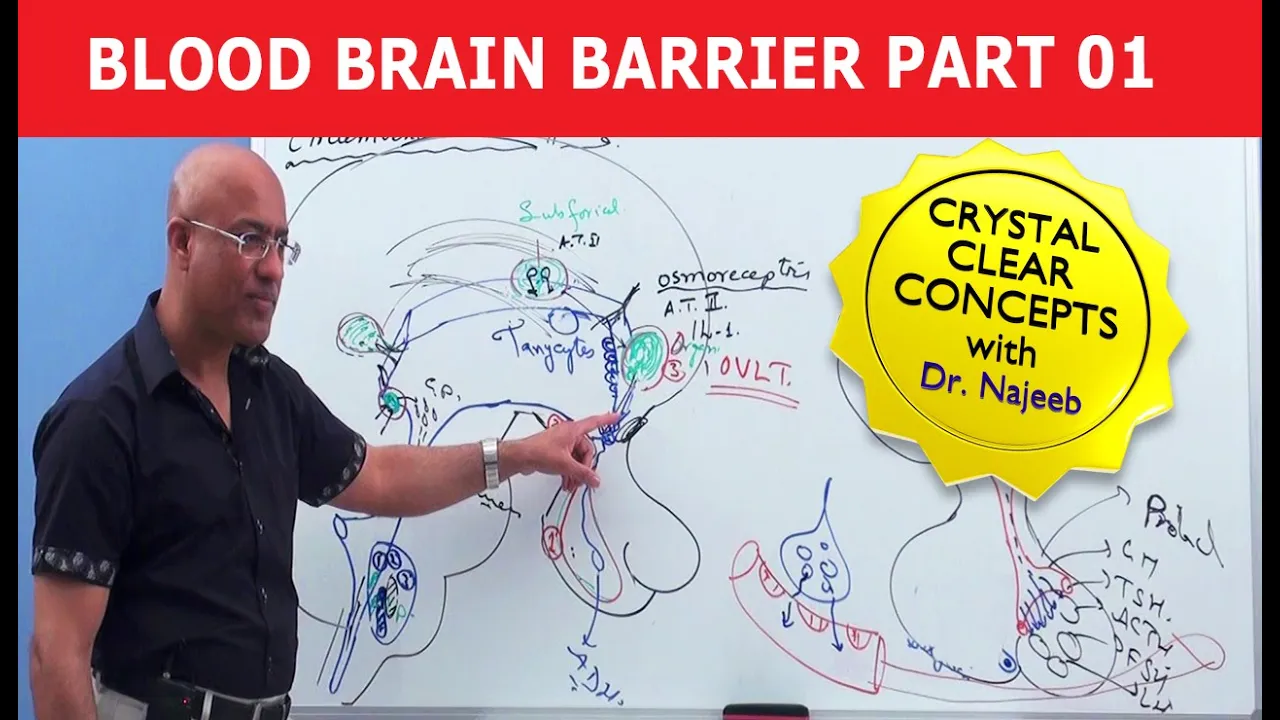
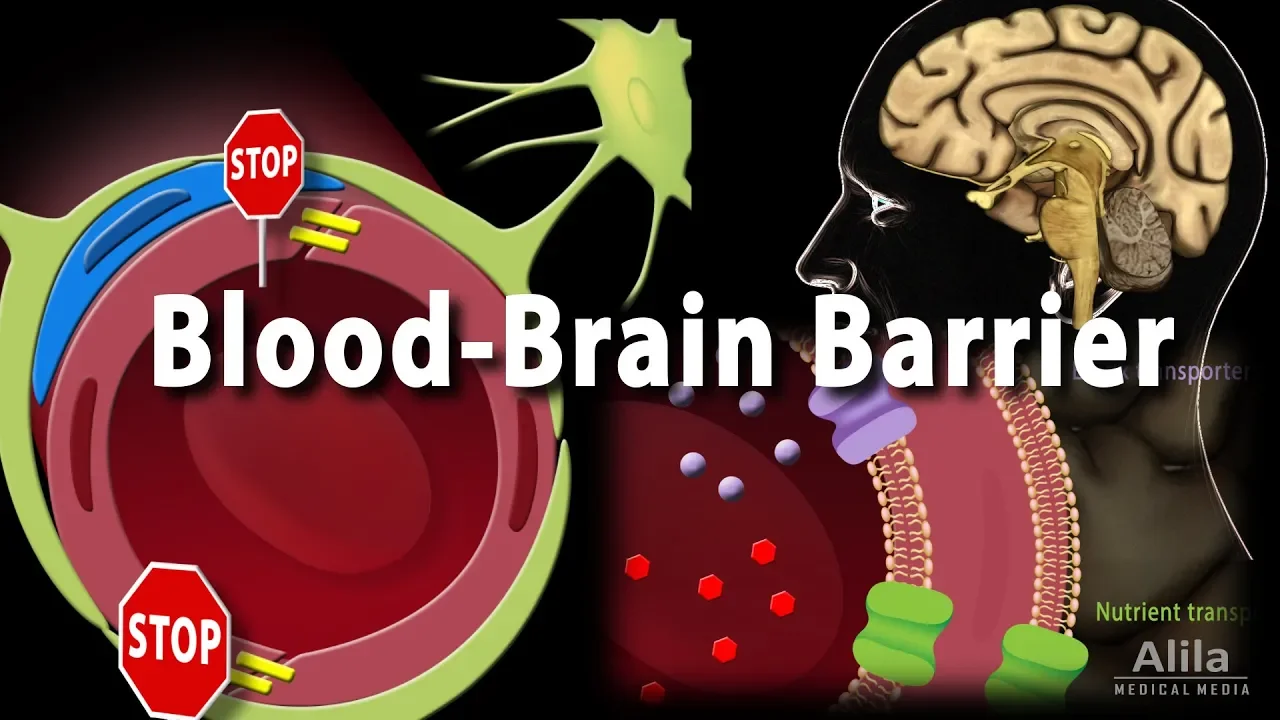
The basic structure and function of the blood-brain barrier (BBB) and how systemic circulatory factors can influence neurological health.
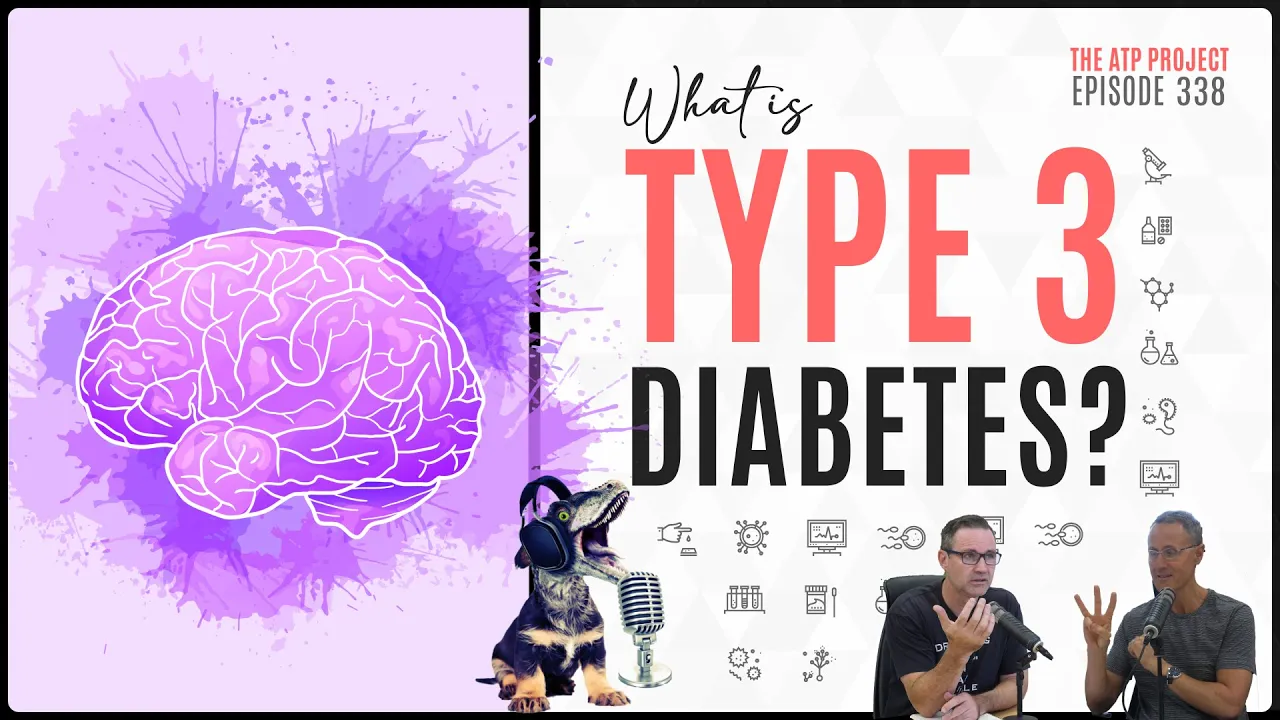
The biochemical pathways of 'Type 3 Diabetes,' exploring how insulin resistance in the brain drives neurodegenerative diseases like Alzheimer's.
Clinical biomarker monitoring, including how to interpret fasting insulin, HbA1c, high-sensitivity C-reactive protein (hs-CRP), and serum uric acid levels.
The impact of fructose-induced mitochondrial dysfunction on cellular bioenergetics, oxidative stress, and accelerated brain aging.
The role of the gut-brain axis, specifically how high-fructose diets compromise gut barrier integrity (leaky gut) to trigger neuroinflammation.
Therapeutic dietary protocols, such as ketogenic therapies, intermittent fasting, and targeted supplementation to lower uric acid and improve cognitive resilience.
507.5K views13.5Klikes1:29:03Original Release: 2022-01-24
the foods that you eat are speaking right now to your dna narcissism is really just the amygdala doing its thing glucose goes up with diabetes so we've got to limit that eat more fructose bad idea bad recommendations i think you gotta have a dream the school of greatness really yeah please welcome us what are those main foods or ingredients that keep us in fear-based brain activity as opposed to excellent questions so it's it's really foods that threaten metabolism in other words refined carbohydrates foods to which you may be sensitive as a unique individual and foods that tend to elevate uric acid so and these are the foods of the day by and large the the biggest issue for us is fructose leads to uric acid and turns on inflammation turns on oxidative stress uh does other things that we'll talk about but beyond that um through the lens of what that's doing to our thinking process and locking us into amygdala based behavior it's a big deal it's it's uh we're watching it play out around the world yes i mean you know you feel the shift yeah never there was always uh you know conflict in the world but there's never been the polarization like we've seen we're seeing that i know and the lack of compassion for your fellow human rights now the dalai lama said that if you want others to be happy practice compassion but if you want to be happy practice compassion so it works that's tapping into your prefrontal cortex it's funny i was just interviewing a um a therapist psychologist dr romney navratila who is the the leading expert on narcissism and narcissism personality disorders and all things narcissists and i'm curious if part of narcissism or these fear-based you know reactive thoughts and emotions could be diminished by the things people eat and be less narcissistic because most narcissists aren't we have two chapters on that exact real topic oh yeah in the book not in that book okay in book i'm going to send you brainwashed wow uh but you are correct um so narcissism is really just the amygdala doing its thing that it's all about me it's all about ultimately my fears so it's it's a very fear-based uh program from which the brain and reality brain operates in reality is seen and doesn't uh really have the door open in any way for other the feelings of others and how i'm what i might do to be helpful for that other person really so it and so as i described food because it separates it segregates the prefrontal cortex from the amygdala the amygdala is the fear-based part of the brain right but it dictates behavior the amygdala dictates behavior that's right so if it's turned on and fear-based all the time you're it's pretty hard to have a compassionate calm behavior you're locked out from that you're kept out of god's kingdom wow yeah so this prefrontal cortex is exercises the control range that in and says hey you know i know you want to eat this food now i know you want to do this i know you want to be a bully and hit somebody well we're going to reign that in because there's a there's a better purpose here in life you know and that's what we that's our gift as humans the opposable thumb and this prefrontal cortex right yes and that so that superhighway that communication that's bi-directional uh we really depend upon to get the job done as humans living together on this planet when that is compromised for any number of reasons we don't have that ability and we're locked into that other mentality clearly a mentality that's based on a reptilian brain that is uh you know feasting uh it's fear-based and you know reproduction basically that's it's all about my needs and what i want what i want and right now that's the amygdala yeah and what threatens this disconnection uh one of the most powerful threats is the process of inflammation and that takes us to as you know back to your question the foods we eat which fan the flames of inflammation by disrupting our metabolism separate us from the input of the adult in the room and lock us in and it's a feed forward cycle meaning that the more than that you've locked out the prefrontal cortex the worst decisions you make as it relates for example to the foods you eat you continue to eat those bad foods and then inflammation is augmented you keep making bad choices you're locked in you're reactive you spiral down and now you're in a so how do you get out of that well so we offered up what are the off ramps uh a whole program based upon what you can do to choose to meditate for a few minutes a day we'll expand that with time getting out in nature getting enough restorative sleep perhaps um you know being a little bit more proactive about following your blood sugar in that book we didn't talk about continuous glucose modern we have a whole section in this book about that but talked about those foods if you could give us one week we're going to help you redirect so in brainwash you have a couple chapters on narcissism actually when you really read the book you're going to realize that it's throughout the book wow it's a commentary about where we are how we got there yeah and why what you can do now to get us away from that well it's i mean with social media and this and using i think everything's a chapter on that i think everything is a tool you can use social media to benefit people or you can use social media to benefit yourself yeah with this selfie culture right of of me me me look at me me me and um i'm curious how that plays in with our eating habits and nutrition habits based on the i guess the psychological seeing yourself all the time and getting attention for how you look all the time on social media from random strangers as opposed to when you just used to walk out in the street and get attention but now it's just like in a moment you can get this dopamine hit the the original term for that was snapchat this dysmorphia where you had to cultivate your uh social media appearance not so much your your real appearance of what what people will experience face to face in terms of not just what you look like but what do you got underneath it which is truly what matters right it's really less about what you look like it's about what you know what you portray what you are able how you interact what is your message what is the message what is your contribution so to me i think really seems to matter but you know that stuff is so underrated now it's all about what you look like and it has to be within the first three or four seconds and that's end of story so in brainwash you're talking about social media narcissism and all these different things how are those affecting us in what we choose to eat as well is it part of the cycle when we get these dopamine hits for looking good or our social media do we then choose to eat certain foods from that or what is that no i think that that's an excellent question i think that the answer is no because i think um we either eat what we want to eat or we eat what we know is good for us now what we want to eat what's deep in our brains is sugar yes so we are deeply programmed every person walking playing you're laughing because you know exactly that's my advice you know i don't i don't drink i've never been drunk in my life i don't drink alcohol i don't smoke i don't do drugs but sugar is a thing that when i'm disciplined i can be completely off of it when the prefrontal cortex is in the driver's seat yeah the adult is in the room but when i'm not disciplined i can just be like oh let's just eat as much as you want you know so it's it's always been a uh an opportunity for growth for me let's say you know where there's seasons of life where i'm extremely clean in other scenes where it's like uh you know it's just have as much you want and it always affects me yeah yeah what are the main risks of sugar in the first place and and why should they be aware of it before figuring out how to get it under control well let me go back to just uh the the notion of your sugar desire uh you are like i would say seven plus billion people meaning it's what let us survive our desire for sweet we're deeply programmed it's not learned it's not an app that we picked up along the way it came when you bought that computer it was built into the hard drive that we will seek out sweet why because sweet tells us that a food is safe it tells us that it is ripe meaning highest in nutrients it's good for the fruit because that's when the seeds of that fruit need to be dispersed so everything works together but it also tells us that winter's coming which means it tells our bodies to shift metabolism and start making and storing fat it turns out that the the danger signal that winter's coming the signal that tells your body to make that happen involves uric acid and this is something that happened to our ancestors around 14 to 17 million years ago when the earth became cool and certain primates who developed mutations in the genes that dealt with an enzyme called uric case that breaks down uric acid they developed mutations that turned that enzyme off so they couldn't break down uric acid so uric acid levels would elevate they survived not that they got fat right but they stored just a little bit more fat so they might survive whereas the other primate might not then they would pass the genes on and that comes to us that's why we make fat when we're exposed for example to fructose it was a powerful survival mechanism and we carry it today the problem is now fructose is everywhere every and every food we eat so we're suffering from this evolutionary environmental mismatch i mean that's the the premise of the paleo movement right let's try to emulate an environment that our paleolithic ancestors must have experienced in terms of lifestyle exercise activity and certainly food and sleep so it's not that the gene is necessarily bad it's the context of today bombarding that gene pathway with the signal that says you better make fat and make it fast because winter's coming and you need to be ready you need to lay down some fat you need to raise your blood sugar to power your brain because there's not going to be any food you need your brain so that you can forage and find some food that's our ace in the hole that's our high card so that's why there's all this excitement then about the relationship between fructose the downstream metabolite which is uric acid making more sugar making more fat and really a central player in our metabolic mayhem and how much does sugar affect the brain well the brain does run on a form of sugar called glucose there is even some suggestion that the brain can metabolize a small amount of fructose that's really kind of recent data but how it the brain is not tolerant to any significant degree of disruption of our metabolism this what i call metabolic mayhem because this disturbance of our metabolism sets the stage then for inflammation and that is the underlying cornerstone of brain degeneration alzheimer's is an inflammatory disease like coronary artery disease type 2 diabetes obesity these are inflammatory conditions so you know alzheimer's is very much the brain on fire which is what the word inflame inflammation means to be on fire so we've got to do everything we can to put the fire out as you know an intervention and to prevent it as well yeah and to uh have there been cases not to go off topic here but everything cases are where we're deep into the west we're good have there been cases where people have had alzheimer's that have reversed it is that possible yes really there are it's uh there are books written about in fact i wrote the forward to a book uh by dr dale bredesen who is here in l.a um at us at ucla and he has reversed it now in over a hundred pages come on who have oh absolutely early stage or is this like early to moderate yeah wow yeah he's gotten people back to work so we live in a world western medicine of monotherapy and you know we're going to create a magic pill for you that will take your diabetes away for example i was giving a talk in new jersey to 500 mainstream doctors why they chose me i don't know but i said how do you treat diabetes and people would raise their hand say oh i use such a drug i use this or that and then i said well what happens when you stop using that medication they say well you know within a dairty the blood sugars go up so i asked the question did you really treat the diabetes and then i presented data from a dr sarah hallberg where using a ketogenic diet reestablishes insulin sensitivity and people don't need medication published research that's treatment yeah so again we're not treating diabetes with the drug and we don't have a drug for alzheimer's doesn't exist i wish there were such a thing right we know what happened with this ad to helm drug that was put out in february of this past year and finally mainstream neurology said you know what this isn't working and challenges the notion that this accumulation of beta-amyloid is the cause of alzheimer's getting back to dr bredesen he's identified 36 different inputs that can affect the brain in different ways and identifies in each patient what is disrupted is it brain energetics meaning the brain's inability to use glucose as a fuel is it inflammation is it toxic is it infectious uh is it previous trauma what is going on in the brain let's work on that rather than one size fits all you're gonna take this pill and lo and behold you're gonna get better so it's a paradigm shift and i was uh in the intro to his book or the forward i said you know this is on par with washing your hands before delivering a baby you know it's that big of a deal what would you say based on all the research you've done and also with these other doctors you've worked with would be the three or four or five key things to eliminate or to do to prevent alzheimer's or to start reversing it in the early stages so again i think the most important thing is to realize that it begins a lot earlier than you think how early 30 years before clinical symptoms at least that's what you know our peer reviewed literature is telling us wow and i'll tell you why because a study that appeared in the uh journal neurology looked at uh created what's called an inflammatory composite score and they looked at people they did blood work and they they created an uh a marker of their level of inflammation and then they went back and evaluated them 28 years later and they perfectly correlated who got alzheimer's with how high their inflammation score was 28 years before oh my gosh now we've seen the same thing with waist circumference three decades we've seen the same thing with brain scans that look at glucose utilization are predictive long before people began to forget their grandchildren's names so the point is when does it begin does it begin in the 30s and i would submit it begins a lot earlier that when we see adolescents now that are diabetic that are obese and or significantly overweight when we see teenagers in high school experiencing head trauma from contact sports these are issues that are profound we know that inflammation the set point of inflammation to some degree is determined before a child is even born based upon the gut bacteria oh my gosh of the mother and we know that for example how a child is even born vaginal birth versus cesarean birth plays a huge role in determining that child's level of inflammation immune function risk for autoimmunity and even risk for obesity later in life based on how they're delivered how they're delivered if a child is born by c-section doesn't pass through the vaginal birth canal doesn't get those bacteria that are there to anoint that child passing through the birth canal puts bacteria in the mouth and the nose in the eyes throughout the body of that child that then are the seeds to create that microbiome for that living being wow as opposed to picking up bacteria in the operating room because mom had to have a c-section there is a time and a place for a c-section but a third of american births are c-section right now right so you're saying if there's like this is an extreme complication we've got to do a c-section that's when you say hey yeah we want everyone safe the umbilical cords wrapped around the child whatever it might be but as a matter of convenience or uh not wanting to what whatever not dealing with a certain amount of pain or whatever it is yeah and i think that the the narrative that's given to mother and father to be is um you know you can either deliver or we'll do a c-section let's say thursday at uh 11 a.m how does that how does that work for your schedule yeah convenience uh yeah and how big will my scar be well we need to have a discussion that c-section delivery has lifelong implications for your child significant increased risk for autoimmune conditions like type 1 diabetes for autism uh for celiac disease all increase in kids born in c-section and you know that's published literature is there a way to let's say you know there was an extreme complication and you know there was going to be an issue if there was not a c-section for whatever reason there's a way to get that bacteria into the child that would help how would you do it i'm asking i don't know is there a way to do that is there a way to to i have no idea there in fact it's a wonderful question i like what you're thinking so if you're a research a clint uh clinician you'd be you'd fall asleep tonight thinking what could we do the child should get this uh array of bacteria from passing to the birth canal but they're bypassing that what can we do so um maybe they would yeah i don't know go ahead i was thinking well let's inject them with something close so here's what the research at nyu has has looked at and that is taking a a cotton swab swabbing the vaginal and then putting it all and then when the babies weren't covering their face with it so that's already does that work it's in the early stages of you know people want to play it out for a few years and see what it does but that's exactly what's right right yeah swab it around and put it on their whole body and you bet put in their mouth a little bit they're definitely in the mouth yeah see if it works i guess and the reason they're doing this is because you know the the gut bacteria and in fact the microbiome in the entire body not just in the gut uh is really central we have this relationship with these trillions of bacteria that are involved in our mood in our immune function in our set point of inflammation in our bodies it's really quite profound when we humble ourselves and recognize that our day-to-day thought process is highly influenced by the gut bacteria that you know the bacteria that live within us that the array of bacteria living within us change our gene expression moment-to-moment they're changing our life code they're altering which parts of our genes are turned on and which are turned off to suit their needs and in turn they create an environment for us to be healthier or not depending on how we treat them when we bombard our gut bacteria with unnecessary medications with eating the foods that destabilize them they're not able to do their job our guts become leaky we increase inflammation and that's as we've talked about what we don't want to do so uh you know i'll send you a book everybody called brain maker it's all about the microbiome and the brain please what would be this is all fascinating because i was asking about the things that we could do to prevent or start to reverse alzheimer's and you said well it all goes back to actually childbirth and making sure we have the right um i guess bacteria for the gut and the body and the brain and the immune system to be aligned so we don't we don't have these issues later and you're saying it's 30 years before you can you can tell based on the the waist circumference and based on the foods you're eating and things like that so what would you say are those let's talk about things you should eliminate if you could eliminate three to five things to set yourself up for the best possible of prevention without without having head trauma and all these other things yeah food environment you know it i wrote an article about this uh this morning i got pinged by a national magazine wondering exactly this article so i got up extra early to write okay crazy uh but if we understand that the worst thing for the brain is chronic inflammation uh anything we can do to target that is going to help so that's where diet comes in a diet with lower levels of refined carbohydrates things to add to the diet like good fat we know that there's some all-stars out there that really are really important for brain health like the omega-3 dha docosahexaenoic acid generally from fish oil although there's a vegetarian form of that but i think the the biggest lever that can be pulled provided a diet is reasonable would be aerobic exercise really so this is profound so this is a an epigenetic player this turns on the genes that make something called bdnf brain derived neurotrophic factor which is fundamental for healing damaged neurons but also for nurturing them allowing them to do what they can do and should do but also stimulates what is called synaptogenesis where brain cells connect to each other and even allows the human brain to grow new brain cells who knew when you're doing aerobic exercise yes so even if you have let's say not the cleanest diet and you have some sugar here and there maybe you have some wine or some alcohol or whatever it is um you're saying doing consistent aerobic exercise will help defend against all those things as well could help well again it's not that your guest today is is saying that that's what the literature shows it's profound so uh the work the original work is done uh by dr erickson at university of pittsburgh okay and uh fascinating research looking at two groups of individuals several hundred in each group one group got a stretching program and one group got an aerobics program now i'm not knocking stretching i mean that's very important but the aerobics part you know pushing up your heart rate uh is what seems to be very important for augmenting this production of this bdnf how long was the the heart rate up for or how long is the program like 20 30 minutes it was variable but my recommendation is minimum of 20 minutes okay what should that heart rate be depends obviously on the person i typically say 180 minus your age as a ballpark now that might be too low for some people too high for some people but you know that's where you use a wearable and you see where you're comfortable i typically say you should be um breathing hard but not hard enough that you can't have a conversation with somebody okay i mean these are kind of it's a game a hard jog yeah depending on what you know it may be walking for somebody or maybe you know maybe an elliptical machine at a certain rate who knows but um once that happens after a period of time so this bdnf starts to get produced and what did the study show that i'm quoting they followed these people for a year those who did the aerobics had instead of declining size of their brain's memory center called the hippocampus it actually increased during the course of one year i mean we expect everything's going to be on the skids but here it actually increased and memory function improved wow that it is a wow i mean that's not supposed to happen is that daily is that three times a week what is that this was five days a week five days a week uh but interestingly in 2017 in the journal neurology the green journal neurology which is put out by the american academy of neurology they're the group that says that you're a board-certified neurologist they do the you know so it's it's our most revered neurology journal they had uh a practice guidelines section asking the question what can what does science validate uh us being able to recommend to uh for patients who have what's called mci mild cognitive impairment that is one step beyond what's called subjective cognitive impairment subjective cognitive impairment is you know i i can't remember the wi-fi code or whatever the gate code you know i can't remember where i put my phone yeah who does that right that's why apple now makes those things right anyway uh that's subjective um you go to the doctor's office and they administer a test and everything's okay so you just have subjective issues senior moments if you will mild cognitive impairment means you've gone to the doctor's office they test you and you're already showing some areas that are not dementia like but they're not on the other hand normal so you're starting to decline and that's when the intervention needs to happen so the question that was asked in the journal what can we recommend they went through i think 14 different interventions this drug that drug you know the approved drugs for alzheimer's they made one recommendation only one thing this is a mainstream journal there's only one thing that has any scientific support that you can recommend for your patient and it's a drug called exercise wow they said that's the only thing that stands the test of scrutiny yeah that can actually slow the decline in patients who have established mild cognitive impairment that's where that new drug out at youhelm was targeting patients with mild cognitive impairment and it's it failed so yet how many neurologists will say you've got to exercise where's the ad on television saying you know right yeah i'm glad my dad is taking this drug or that drug because he has alzheimer's but the drugs aren't working we've got to recommend lifestyle changes get enough sleep sleep issues are related to profound increased risk for alzheimer's for a number of reasons including increasing inflammation including problems with increasing blood sugar and dramatically increasing your risk for type 2 diabetes just because you're not sleeping well if you get type 2 diabetes you have quadrupled your risk for becoming an alzheimer's patient a disease for which there is no simple treatment so we've got to focus on metabolism we've got to keep people from becoming diabetic we've got to get the willies when we know that the prediction is that by 2030 50 percent of american adults will be obese 20 30 is in eight years from now used to think oh 20 30 you know the glaciers are melting that's sometime in the distant future thank you al gore it's eight years from now think about it so they're predicting 50 percent of the u.s population will be able to adults it's already one-third of american adults that have high blood pressure it's already 10 of children between the ages of 12 and 18 that have high blood pressure that require medication what was it like 30 years ago was it things were better but that's just about when things change and what happened what happened was we were all told not just doctors but the lay population as well that fat was the enemy right low fat everything what's that free fat-free this yeah low-fat oreos with that white stuff in the middle that we all loved right who wouldn't and what happened was because we all went fat free or low fat as much as best we could uh there was far more carbohydrates and simple carbohydrates than diet sugar consumption skyrocketed so between 1970 and 1990 fructose consumption went up a thousand percent now fructose was uh looked upon as being a safer sugar than table sugar per se or certainly than glucose because fructose in its metabolism doesn't require insulin doesn't mess with the insulin issue so it was looked upon it was even recommended by the american diabetes association and yet fructose consumption directly leads to insulin resistance that's the harbinger for future diabetes so it is about the worst sugar we could be consuming and yet we're consuming it you know left right and center these days wait so the american diabetes association has already said they said fructose they recommended that fructose was a way to prevent type 2 diabetes know that if you needed a sweetener fructose is a better choice in other words high fructose corn syrup which is 55 fructose and only 42 glucose because glucose was the problem right your blood glucose goes up with diabetes so we've got to limit that eat more fructose bad idea bad recommendation so our government to this day supports the growth of corn to make fructose to the tune of 500 billion dollars a year and our usda food nutrition recommendations that are issued every five years have continued to say when when they were just released last year that we can get up to 10 of our calories per day from sugar despite the fact that over 99 of the scientists who weighed in and gave the usda information said that's way too much so i wrote along with another doctor and an open letter in med page to president biden saying look that's not what the science is telling us it's going to break the bank to take care of these people with the obesity the diabetes the hypertension the dyslipidemia and all the downstream issues the coronary artery disease the alzheimer's the cancer and again type 2 diabetes that are the consequences of these dietary recommendations we've got to rein in our sugar consumption and we all have a sweet tooth and it's good business to sell a lot of sugar close to 70 percent of the the pre-packaged the labeled foods or the ones that carry barcode in of the two million foods sold in america's grocery stores have added sweetener and by and large it's high fructose corn syrup it's super sweet and it's really cheap it tastes good it's cheap yeah yeah tastes great and less filling yeah and it is yeah it's less filling it doesn't which means you keep eating more and more so fructose as a survival mechanism for our ancestors didn't tell them to stop eating in fact it played with this satiety hormone called leptin and blocked how leptin works in the brain so we would eat and then want to eat some more and then keep eating they'll help us store fat you better not survive but now it's making us sick it's very much making us sick and we're supporting it and uh it's you know clarion cries from a few of us out there you know uh the robert lustig's the gary taubes you know those of us who are really recognizing what is going on here that you know the sweetening of our foods and the sense that it's natural did you used to used to eat a lot of sugar yourself um growing up or as an adult no i think as a kid we always had soda yeah uh we had cherry soda and so we ate a lot i drank a lot of that that would be the primary source we had and we did drink a lot of orange juice growing up in florida so that's about the worst thing you could do it's just such a high load quickly of fructose in your system so i said from that perspective yes but you weren't big on sweets and candy and cakes and cookies and i would say no more than anybody else yeah do i still want it and desire it absolutely really oh yeah how do you manage it i i uh do you have it some do you have it you know seasonally there i definitely eat some fruit i can't tell you when i had a glass of juice it's not even in my memory anymore um i will say that i had some gingerbread and loved every bit of it i don't know how much sugar it contained recently but it's generally off the table for me i mean i don't want to become diabetic my father died of alzheimer's i have a continuous glucose monitor i know darn well moment to moment what my foods are doing to me and i'm keeping my blood sugar under control you have a monitor on your i'm traveling right now so i don't have it okay i got you but you usually have it on your shoulder left shoulder yeah i actually have it right here cgm and so you check oh you need to get that we'll we'll get you set up oh i know like casper and all these other guys have them and sergey young and all these people i'm like ah do i want this in my body do you feel it a lot of it it's not painful so this is not a needle in your okay what is it it's measuring it in what's called the interstitial fluid which is right in the top layer of your skin oh okay you put the patch on you don't know uh is it the pat it's not a the bulky plastic thing or is it like oh it's a tiny little patch but then you put a patch over it to keep there that way you can get it wet you can shower wow in fact i think i arranged sergey to get his really oh yeah okay cool yeah yeah we had sergey on here as well so what does that do for you to know it tells uh lewis specifically what foods will make you and then you have to tell me oh man no not only you're gonna post it but you'll become a part of a the tribe you know that's monitoring your blood sugar level and you know you've mentioned people that you probably respect yes uh they're both close friends of mine i respect them both and what's really valuable is they know how important this is and and others so there's a dr casey means who i'm hoping you get on your program okay i'm gonna have dinner with her on saturday night uh and she is the founder of a company called levels okay uh is the software for understanding what this cgm continuous glucose monitor is telling you how important is cgm it's so important that i put it in the new book actually i put a whole chapter actually casey means help create that chapter it's really important and you know moving forward there may well be a day when that same patch is going to give you other information like your uric acid levels so you can know how the foods you're eating are affecting uric acid because it's equally valuable so you kind of shifted your identity to just saying like juice and certain sugary foods are off the table yes you're just you're not even like tempted you might be tempted but you're like there's no chance i will have this professionally and personally i've seen what alzheimer's does and that's the big threat for me i mean i have a family history of it so i'm at increased risk generally not as much risk it would have been if my mother would have had alzheimer's i would have been a much greater risk and i don't carry one of the risk markers called the apo4 allele i don't carry that but is to say that is a an allele of predisposition not determinant it doesn't mean if you have apoe4 or you have two apoe4 that you're definitely going to get it your risk is increased dramatically as much as 12 fold if you have both four and four but again you know in that situation you do everything you can to chart your destiny change your destiny and say that um that the apoe4 allele works in concert with other things over which you do have control you know you don't you don't have control over your genetic legacy it's a gift from all of those who came before and there may be some upside to carrying the apoe a four allele uh if there weren't then why would it persist if it was always a bad thing then why would it still be present in our population some populations and you know 20 30 percent of the population carries at least one apoe4 allele it's got to do something positive uh maybe not in today's world but maybe you know in the our paleolithic ancestors or even more recently it was protective maybe because it has a role to play in inflammation which can be a good thing inflammation can be life-saving right but excessive inflammation chronic inflammation chronic or acute severe inflammation in kova there's something called you know this storm the cytokine storm where the body is basically on fire from these inflammatory chemicals that destroys tissue the lungs the heart the brain but we have to consider a notion of another term the cytokine drizzle where you have just a slight uptick of these cytokines floating around your body all the time you know the grand canyon wasn't formed by one huge flood cytokine storm it's that slow river going through it for hundreds of thousands of years and look what you get right so we've got to reign in inflammation through our diets through conscious awareness of the role of our gut bacteria keeping in mind the notion of gut permeability or leakiness how lack of sleep augments inflammation all of these things and i don't want this to sound too compelling right i mean you've talked to really wonderful people whose focus has been raining in inflammation whether it's getting into really cold water or doing the things sergey young talks about uh and certainly you've talked a lot about diet and how important it is but diet is more than just macro and micronutrients it's information the foods that you eat are speaking right now to your dna changing your gene expression that's heady i mean when i was in medical school dna was locked in a glass case and it determined everything about you you know your what your body would be like what you'd be allergic to uh you know your destiny was there and now we know that we interact with our dna aggressively that you know more than 90 of the genes that code for health and longevity are under our control to some degree based upon what we choose to do i mean the moment you want to binge watch something and you stay up really late to watch the 12 episodes of suits or whatever it is and you didn't get enough you had to get up in the morning and you're not right that changes gene expression obviously not for the better increases does other things increases your body's production of cortisol a stress hormone that's toxic to your hippocampal neurons um you know increasing inflammation decreasing your ability to detoxify so much of what's around us and yet we have the data we can use our prefrontal cortex to say maybe that wasn't a good idea and no one is perfect i mean uh no one can be perfect because no one fully understands the exact pro pro program through for them through what is called personalized medicine that would be the right thing for you for me you know what's right for me at my age in my body type based upon my previous experiences is clearly going to be different from what would be best for you that said there are the broad strokes which you know we can challenge and i know 10 years from now when i come back on your podcast we may have a different story and that's a good thing really oh yeah i mean i was inheriting the the low-fat narrative 30 years ago really oh yeah absolutely what do you think will change in 10 years based on historical evidence based on trends based on the the new science and research that's coming out well i think that um you know the exciting thing for me is something called genetic reprogramming and um i think you mentioned that you've interviewed david sinclair yep yep so jason fong and sinclair and you know yeah so that's what his research is all about it's the ability that's being developed to revert cells back to a more primitive less defined uh phenotype or how they look and then allow them to start over again and he is demonstrating it in rodents right where he has crushed their optic nerve and then uses this technique of genetic reprogramming they regain their vision that's crazy it is crazy uh but you know until that time i think uh looking at how we're understanding this epigenetic control that we have how we can harness that to reduce inflammation to increase our detoxification functionality to allow brain cells to replicate and to connect better that's something we talked about earlier this control over the bdnf that i mentioned via exercise is an epigenetic intervention you're changing the epi over genetic control over that genome that part of the genome that regulates our production of this chemical brain derived neurotrophic factor uh but important that yeah bdnf's a player but um as a trophic hormone in the brain but so is insulin and everybody you know let's talk about insulin in terms of well we need insulin and adequate amounts and functionality to keep our blood sugar in check no argument but insulin does other things in the body just because we learned about its role in blood sugar doesn't mean that's all it does insulin like bdnf is a trophic hormone for brain neurons so we need insulin to do its job to be around and we control how our bodies and our brains are able to interact with insulin based upon our lifestyle choices so when we become insulin resistant by eating the wrong foods not exercising not getting enough sleep the brain doesn't like that at all because fundamental to brain degeneration is what is called the bioenergetic theory which means how do brain cells use energy that is the most predictive measurement of brain degeneration okay we talked about earlier when we should begin thinking about the alzheimer's prevention program you can do a brain scan using what's called fluorodeoxyglucose which is a radioactive transiently radioactive glucose injected into a person and do a brain scan a pet scan and that will show glucose utilization in the brain and you can see areas in the brain that are not up to speed the temporal parietal regions if you must that are not using glucose that predicts brain function decline two decades three decades in the future even more exciting is you can now image the brain in people with ketones and demonstrate that the very same areas that are dysfunctional as it relates to their ability to use glucose the brain neurons are perfectly fine when they're using ketones as fuel meaning that these neurons it's not that they're not using glucose because they're no longer functional they're no longer functional because they're not using glucose give me another fuel and i'll come right back into the game right put me in coach just give me the right fuel right right yeah so give them ketones the brain scan looks great those temporoparietal areas are now lit up and you know that is the reason that there's so much research looking at ketogenic diet as an intervention for alzheimer's treatment there's a matthew phillips in new zealand who has published reports now of improving brain functionality with the keto diet keto ketogenic diet in alzheimer's patients who were well along and also parkinson's patients wow same kind of thing that there's improvement putting patients on a keto diet in alzheimer's patients who knew is it because of the things that are are added in a keto diet or the things that are eliminated i think it's both uh but one thing i would say uh this is an important point kind of one of those bullet points is if you're keto and therefore you're limiting cards carbs don't eliminate fiber so that's a huge issue because you know plant foods fiber itself is a carb right that's what fiber is so you don't want to eliminate that so this is you know this groundbreaking work done by on keto uh and the body key to the brain people like dominic d'agostino and then this dr matthew phillips you know really groundbreaking i mean there's a sense that you know in our primate and certainly paleolithic past when we didn't have foods and you know now we like to fast for a couple days we think you know we want to trigger those things but our ancestors didn't necessarily choose to fast that was what happened they were forced to fast when they didn't have a grocery store nearby you know uh and uh you know hunting and gathering didn't mean hunting down a convenience store gathering up the doritos right so that's what their physiologies allowed them to do is to shift they were metabolically flexible which we can become easily enough and they could shift over to ketones and power the brain and do those things and then tap into their fat reserves quite readily and you know create those atp molecules with less free radical production and survive if someone's trying to fast now will the body actually will the metabolism change or they store the keep the fat because the body's saying well you're you're not eating so i'm going to keep the fat here and not burn it as quickly actually uh they'll burn the fat and they'll burn it readily once once glycogen stores uh have been uh depleted how long does that take uh it it depends but it actually happened fairly quickly you begin generating those ketones within uh early on within 12 hours okay so it depends of course on your love of physical activity so yeah uh you know it's generally said that if you're a runner uh around 13 miles is when glycogen stores are depleted then you need the sports drink or whatever it is sugar or if you're keto adapted or and metabolically flexible then you can begin to tap into a huge resource of yeah of calories and we've energy we've had a lot of fasting experts on we just had dr walter long go on and he was just saying doing a consistent 12 hours a day fast like consistently every day is what his research suggests is the best approach there's other people that say the 16 and 8 and there's other people say go 24 hour day you know fast uh what have you seen based on well i think his work is really uh very powerful and you know he's certainly done a lot more than simply talk about what's great for you from a metabolic perspective i mean he is deep into the role of fasting and immune function as it relates to cancer yes so doing some breathtaking work so i would say that the notion of time-restricted eating perhaps more popularized by dr sachin panda would tend to indicate that a little bit longer in terms of the fast and then compressing the feeding window might be a little bit more appropriate so like a 16 8 16 fast there's really nothing well i shouldn't say that i think for some people maybe it would be but that's more of a behavioral modification because you know early on let's say you do 12 and 12 you'll you'll adapt very quickly and especially as you shift over to more fat and less carbs fat is incredibly satisfying in terms of hunger right and uh you know people say well uh you know mom said breakfast is the most important meal you shouldn't skip breakfast uh i'm fine with that i think mom was right but uh mom sort of emphasized what you had for breakfast yeah don't eat some sugary cereals yeah and some pop-tarts yeah which we love yeah butter but um so maybe there were some more sweets in my youth than i'm talking to but uh um it's really not just about what you eat it's when you eat and you say well i skip breakfast well no you don't nobody on the planet skips breakfast ever because we all break fast eventually whether it's 40 days and 40 nights or it's you know a two-day fast or whatever it may be we all break fast we all end up having our breakfast so you know for me that's usually one or two in the afternoon so that's when you start to eat yeah that works for me i do have coffee in the morning so technically uh rhonda patrick would argue that that might not be necessarily fascinating but right right right but it's great too yeah i know darn well that uh you know i'm producing ketones i measure i see what's going on i check my blood sugar so i'm getting some benefit if i didn't have anything but water in the morning two things would happen that would be a more truthful fast but i would be not the most blessed i'll tell the world i need that i need that lift in the morning it does great things for me and knowing that coffee consumption is associated with reduced risk of uh alzheimer's i think is a real plus right and uh also the fact that it lowers uric acid is also something i'm dialed into uh rhonda i think a week ago talked about some new research about coffee the benefits of coffee which has been researched for a while but something around i can't remember specifically what it was based on but she she loves that research as well and i think she's got the levels the mom oh i think she has a little via the patch but uh yeah she said when she when i interviewed her she was said that i said what's one food you would eliminate from a child's diet she said grapes and i go huh interesting she goes because i my kid had like a bag of grapes and then i ate one when i had the monitor on i can't remember she had a monitor here here but and she's like it just skyrocketed something her glucose levels or whatever it is and she was like it should meet in grapes anyway and yeah because you'll choke on them right sorry but she was like um so that was her her recommendation but do you think this these wearables for some people listening or watching might be like gosh this is just so much to everyday check something and see the levels can i just live a natural life and just you know yeah sensibly do i need to measure i don't know what that means yeah yeah so it it you know it's back to where we started and that is what does that mean more importantly what does it mean for lewis right to eat sensibly right and so how do you define sensible well sensible would be a diet that's not spiking your blood sugar as an example or doesn't uh have a dramatic effect on the area under the curve of what your glucose levels are over time more important and i don't know what sensible is for you i know some broad strokes that are pretty likely going to affect your blood sugar i think we all know those but um should you be compulsive about it yup you should be because we you want to prevent it sooner than later yeah i mean we live in a world of reactive medicine and i would prefer to be proactive and preventive yeah you know there's a great quote from john kennedy it's that the time to fix the roof is when the sun is shining mm-hmm and for you know you're in great health right now and i want to keep it that's the time i want to come back in 10 years and do your show again yes and and you'll be healthy still yeah and you've done all the right things but how would you know would you know because you went to your doctor and every year she checks your blood sugar and says well it's okay you're not diabetic yet or maybe it's trending upward god you need a lot more information than that now in there was an op-ed in journal the american medical association several months ago that said you know people shouldn't non-diabetics shouldn't be checking their fast their blood sugars with cgm because they're just going to become compulsive and neurotic and all that maybe that's true but i would prefer to recommend airing on that side where people have information and at least have the opportunity to choose whether they're going to do something about it or not right and how would you know the more information more frequent information the better at least you have the knowledge okay i'm doing something that's affecting my body my blood type everything else right yeah i mean even sleep i wear an aura ring yeah yeah and i i learned a lot about i'm generally that's one thing i do pretty well sleep but i usually wear out throughout the day or just no i use my apple watch during the day yeah and the track yeah but um or a ring at night just because i like it and you know i've learned that a real benefit for me in terms of the restorative aspect of sleep because i get a good night's sleep but the restorative parameters that are measured is uh walking after dinner we never did that before and it's a you know my wife and i uh you know we exercise in the morning pretty aggressively and then but the idea of taking a walk after dinner it's a great thing i mean we see people out walking their dogs are just walking so it's a nice thing to do anyway but it really helped me with the uh with my um pulse very uh heart rate variability which is a which is a tied into uh how well you recover during sleep and so my heart rate variability went up quite a bit now i think i'm fearful that viewers are thinking what is all this crap yeah what are these guys talking about and i don't want to do any of that what's give me some bullet points so uh you know i would say that it's time to avail yourself of this biotechnology i think it's really great but the broad strokes are again back to the simple things that you've got to exercise you've got to make every effort to get a good night's sleep it's so important matthew walker when we had him on talking about sleep and just how one hour less of sleep can can change so much both focus and attention and memory loss and all these things and if you couple that every day more and more it's just going to hurt you long term so that's right yeah and what his research uh has more recently demonstrated you know getting back to the whole notion of brain health is that uh is lack of sleep and it and how it increases the presence of beta amyloid which is if you buy into the amyloid hypothesis of alzheimer's and i think it plays a role i don't think it's the end-all as we talked about dr bredesen has looked at a lot of different parameters that are influential in terms of brain health and risk for decline but uh you know who wants to have a brain load of amyloid not me and therefore yet another reason with lack of sleep increasing your insulin resistance increasing your blood sugar increasing your cortisol threatening your hippocampus uh increasing your risk of obesity or at least significant weight gain increasing your uric acid as a powerful metabolic marker so yeah and you know it's important to look at the the parameters that you can if uh you can modify to help you get a better night's sleep but you may not know you may next morning you wake up gosh i went to sleep at 10 o'clock now i'm waking up and i slept all night you might not have you might have awakened four or five times you didn't know it well you remember the one time you got up to pee but what about the other uh four times when you didn't fully awaken but you dropped out of those restorative levels of sleep you won't know that you won't know how much time you spent in rem or deep restorative sleep unless you're using a wearable and it's the ticket yeah so try it out you know what what is there to lose you wake up in the morning and you download the information into your smartphone it's already in your phone you just open the app i have it in my phone right here i can look and tell you what my sleep is like and uh did you do well and if you did well you say gee uh not that i know i'm gonna have a great day or i had a i got a crappy score i'm gonna have a crummy day you know that's the risk but if you had a crappy score you say to yourself maybe it was that glass of wine or maybe i shouldn't have had dessert or we ate too late or i um i didn't actually have a cappuccino at four o'clock in the afternoon uh for me i can do that and it doesn't seem to affect my sleep gratefully but um for others it may uh kombucha which i think you know i like kombucha but it's made from tea so you have kombucha to drink with dinner maybe that's a factor you just don't know and it's good to be thinking about what your choices are and lovingly and slowly you modify things until you know you get a solid eight hours and you're killing it on the deep sleep and the rem and the latency how long it takes you to you know drop in and your you know other things your heart rate variability and then you know you've got that checked off you uh you know and and can you be become neurotic about it i guess so but i'm willing to take that risk right yeah it's better to be neurotic than to have no information yeah and just see and to do what modern medicine wants you to do and that is come to us when you're having a problem then we'll talk about it but meanwhile do whatever you want live your life come what may eat whatever the heck you want you know you have that big dessert and then you take your diabetes pill you know you didn't cure your diabetes with that pill as i mentioned earlier so it's we've got to be our own advocates it's very clear mainstream medicine again is is going to be there if you need them uh in an accident or to have surgery great but in terms of keeping you healthy you've got to be your own advocate the only way you can do it is by getting at least a modicum of information yeah so what would you say are the foods or the liquids that are off limits for you or maybe that are like very rare that you'll consume something whether it's a gingerbread oh so we are watching rick steves on public television and it was obviously a couple years ago because no one was wearing masks he was in europe and uh he they had it was for christmas and he ate gingerbread and it was uh we my wife and i looked to win well so i was able to uh find some but um so that's so from time to time having something that's sensible that's not really you know killing it but uh i think that's the high fructose foods and the high sugar foods you know understand that table sugar is 50 fructose okay sucrose this table sugar that is the ingredient you know that two tablespoons of sugar along with the refined flour and some vanilla and next thing you know you've got dessert and somehow it you know it's alchemy it creates something new de novo out of these ingredients pizza the same way somehow well it's pizza but no it's made from flour highly refined carb uh flour dough refined flour and then you put tomato sauce in the mushrooms it's now not that anymore it's a new thing it's pizza therefore it's good but um what's off limits for you then what's like you don't have well one thing i i don't ever eat is liver not i'm not saying it's bad food i just can't eat it okay uh off limits are soda fructose containing uh sausage uh condiments uh fruit juice that's for sure anything that's that's got a lot of sugar is off the table sweets candy and all that stuff ah that's not for me you don't eat it no it's completely out of your no i i won't say completely i might have a mint you might not okay in fact uh there was a and so i remember them i had a mint uh that was in the our rental car that the uh that hertz put there for me i ate that but generally that's not who i am i don't eat uh i don't need it and um do i feel guilty afterwards probably not i maybe i could feel more eating amen to me or whatever i don't i don't feel guilty i mean because you have it once a year i know i mean you remember the last so i don't uh you know i don't obsess that i had a mint or that i tasted somebody's key lime pie right but sodas are gone that's for sure and sugar in the coffee and all that i will say that uh i had a post on instagram recently and um it was honey i i'm sorry will you forgive me oh you can't have money well here's the thing oh no people thought i had messed up with my wife and i was asking for her forgiveness that's funny and it was the biggest instagram post i think i've ever had and uh and i'm not taking credit for it one of our team members jonathan jacobs if you're watching this he created it and it was because there is evidence that honey actually can help lower uric acid uh and that but beyond that it may more importantly uh be not a huge metabolic threat though it contains fructose doesn't mean that agave is on the table it is not agave is something i would never touch i would never go near agave no and i also would not be ever consuming artificial sweeteners like aspartame for example because of the threat for gut bacteria the other thing that i'm super careful about would be any medication that might be prescribed for me like an antibiotic i i really go through a lot of concentration if uh i'm injured uh you know and uh or had an operation for example and there's a need for an antibiotic um that just uh i i break the doctor's orders generally now i don't want your viewers to say oh i'm never taking antibiotics but these are weapons of mass microbial destruction in your gut and you know every time a child has a sniffle goes to pediatrician they prescribe the you know the liquid whatever it is antibiotic that's just inappropriate in my opinion really yeah it really is ear infections can oftentimes get what's called tincture of time meaning wait it out now i'm not you know there's got to be a disclaimer here people make their own decisions talk to your health care provider but that's one of the biggest issues of our time uh the effects of medications on the gut bacteria like proton pump inhibitors taken by 14 million americans profoundly disrupt the gut bacteria and are associated in the journal stroke with an increased risk of dementia and a dramatic increased risk of stroke by taking these acid blocking drugs they also raise uric acid and they are over the counter you know you you think you you ate something you shouldn't have you go into a store and you buy this acid blocking drug you take it all the time because you just think you need it you know and i'd say change your diet first of all if you're not tolerating certain foods right and this surprising new science of uric acid uh we haven't talked about that before i think we're going to do a virtual or need to talk about it later but i want to say one other thing as it relates to foods that are really important to be aware of and it's fat and uh therein lies a an important discussion because the good fats are a blessing eat all the extra virgin olive oil you can put your hands on organic fats like good sources of omega-3s but by all means you really want to avoid the processed vegetable oils canola corn oil soybean oil these soy especially these need to be avoided these are used structurally in your body to create cell membranes that is where all the action is in terms of how cells work even brain cells importantly how they are able to transmit information from one brain cell to the next those receivers and transmitters are built by the the fats that they have access to which are the fats that you consume they don't come from the air so being really careful about the fats you consume i think is is fundamentally important what are the good oils then well there are a lot i think coconut oil to some degree uh extra virgin olive oil strange as it may sound we travel with a bottle of extra virgin olive oil extra virgin olive oil based on organic which is different than what other type of olive oil well there are more there are olive oils that aren't necessarily extraverted okay so so are heated in the processing and there are plenty if you ask for olive oil in a restaurant oftentimes they're allowed to call it olive oil if it's 51 percent olive oil what is the other 49 is it canola what is it you don't know it's not true you know i've uh i can taste the canola oil now interesting italy is the largest importer of olive oil so they import olive oil and then they manufacture what passes is olive oil by this 51 rule wow so you really want to be super careful where you're getting your olive oil making sure that it's treated appropriately that it's not been heated that you keep it closed uh in a cool dark place if you can that sounds a little bit compulsive but we did so we live in florida here we are in california right first they went to a health food store bought a bottle of olive oil we take it to the restaurant when we go to dinner nobody seems to care right i mean if they did care that would be interesting i wouldn't wouldn't bother being the least we have a bottle of olive oil i mean it's not they don't charge you a corking fee like they would charge if you brought a bottle of wine right yeah so and uh and that's a really and just pour it on you know i try to have a liter of olive oil myself a week really yeah dr gundry talked about that too he says have a liter a week of olive oil for the gut bacteria the the microbiome or well he's talking about it you know his he too focuses a lot on inflammation yes uh you know his idea that lectins are a powerful cause of inflammation because of through the mechanism of disrupting the gut lining and other even to some degree blood-brain barrier but his call for evo extra virgin olive oil again deals with its role in helping tamp down inflammation but also helping allow our bodies to to build uh parts of the body that are made from fat like cell membranes from good things so supplying raw materials what are you pouring it on if you're not pouring on the bread and then i put it on everything i mean i have it on it i do it on my eggs which i have most days i often have salad for breakfast uh or i'll have avocados and have extra virgin olive oil yeah i mean if i'm um you know that's usually like around noon or once so you can get away with having salads no one's gonna say well you're having that for breakfast then who does that right i do the restaurant i mean at the hotel that's what i want for breakfast they have it all right well it's not a menu but you'll manage i know you will get some lettuce out there yeah i mean sometimes if i'm busy i'll have an avocado take the seed out and fill that little reservoir with olive oil problem solved there you go wow and maybe use a plate but that's about it as aggressive as i get sometimes um i want to go over this a little bit um because that's why we're here today yes because a lot of people since a third of americans are obese and it sounds like in 10 years uh half that's right is the predictions most people today want to learn how to lose weight um but they want they don't want to do the work they don't want to give up the things that they really enjoy and they don't want to work out as much as they probably should right and they probably don't want to go to bed earlier to sleep so that they can burn more fat and they're sleeping all these different things so what is this surprising new science of uric acid what is uric acid what do we need to know about it and how do we use it to lose weight uric acid is the downstream end metabolite of fructose what does that mean for so it means when when you eat fructose it goes into your body it's absorbed through your intestinal lining it undergoes a series of changes until it reaches uric acid at which point that uric acid some of it stays in the bloodstream some of it is excreted so sugar turns into uric acid at some point it turns into your kids toast what other okay it's not sugar right well fructose is sugar but this is unique fructose and glucose are totally different i would say apples and orange that's confusing apples and and candy bars yeah so what is where is fructose and what is glucose for those that aren't sure that's right so fructose the name comes from fruit sugar fructose in biochemistry means or in chemistry means sugar and you know this is what is found in fruit and this was what allowed some of our ancestors to survive okay who could eat fruit fruit in the late summer early fall and had a little advantage that they would make more fat such that when food was unavailable they would survive and those who didn't make that little bit more fat when it would perish and we didn't get their genes we got the genes from the ones who survived who could produce a little more fat a little bit more fat and became a little bit more insulin resistant so their blood sugar would go up just a little bit allowing their brains to help them avoid the two things that were their biggest threats starvation and predation starvation not having a food predation getting eaten you know not both of which are not really threats to most of us these days right it's not like we're going to be walking on the street and the lion's going to come no eat you no in which case you'd want to have a smart be smart so you could do what you need to do to get away from the lion and then and then glucose comes from glucose is also found in foods and certainly table sugar glucose and fructose bound together uh is what is called sucrose that is is table sugar in a 50 50 ratio i'm not going to say that is the natural way but i would like to say in the context of this unnatural combination where the fructose is naturally increased to create what's called high fructose corn syrup which is incredibly pervasive in our world today yes that's 55 fructose that five percent makes a big difference okay so we as americans are consuming 17 teaspoons of sugar a day how many should we have i don't know we don't need sugar we don't need sugar we need zero we need sugar the human requirement is zero so how much sugar do you have a day um hard to say not very much uh you know where is their sugar you know i i don't know i mean i have i have very little you don't need fruit now there uh oh i do eat fruit so there's going to be some sugar in fruit and there is a modicum of sugar in my kombucha but i dilute it down usually with about two parts water and then one part kombucha um i don't use sweeteners uh except occasionally i've been trying a little bit of allulose of late allulose is a new sweetener that actually has been demonstrated to improve your blood sugar so it has positive metabolic activities and if somebody is making something for me that's using monk fruit i i will think that's acceptable but you know there's fruit there's sugar in vegetables so there is definitely going to be sugar in my diet but not 71 grams per day which is what the typical american gets so uh you know this is a relatively recent phenomenon so you can eliminate i mean you'll have minimal doses of sugar but very little in the 1920s we would consume about 15 grams of fructose a day now it's 55.
so what does that do to burning fat okay that much fructose says don't burn fat fructose tells your body winter is coming get ready make fat store fat lock it up that's the signaling mechanism so when we look at this metabolism we have to look at it in the through the eyes of our evolution and again we never had fructose like we have now we had it in small amounts or if we would gorge on the blueberries whatever we found which we should have done only in a small window of the air when we would make enough fat that would allow us to get through animals that hibernate just gorge on fruit yes i mean what does a hummingbird consume prior to you know flying across north america nectar yeah sugar water if you want to have a hummingbird in your backyard you put out sugar water they will hone in on that like nobody's business and the uh hummingbird might be one of the fattest animals on the planet huh one you know when they are storing fat for their long journey forty percent of their body weight can be fat oh you know we think of whales uh as having a lot of fat yeah and of course they do they're you know obviously but you know whales use body fat a little off topic sure for energy but also as their source of fresh water so when they and you metabolize fat you're creating gram for gram water when you metabolize one gram of fat you make one gram of water so for our ancestors what a powerful tool to survive not just in food scarcity but water scarcity as well to keep from um becoming dehydrated that little bit of body fat would help them make water as it was metabolized but they could survive so what does uric acid tell us then as the key to losing weight what is is it because it's linked to sugar yeah so this person that you described who's not going to exercise going to not get enough sleep going to eat storage all the stuff uh keeping their uric acid level under control first of all it's not really going to be possible because a high level of fructose is going to keep your uric acid level elevated number one number two they have overridden all the benefits of uric acid we're targeting people who are trying and not really hitting the mark they're doing their best to eat right they are getting some exercise and they're still not losing the weight they want to lose okay blood pressure is still a little bit elevated still um blood sugar might be a little elevated this is another tool a brand new tool a powerful tool in the toolbox know your uric acid level how do you know it you go to the doctor and get it checked or you get a monitor is this a blood vessel it's a trigger stick a finger sticker oh the doctor's office is a blood draw but for you and the monitor i will send you it's your fingers the levels monitor or different monitor it's a like a blood sugar model okay gotcha so you prick it and then it tells you your uric acid levels is that right that's right and so do we what is what does that information do for us or how do we much like you uh you optimize it by going on a specific diet to help lower your values l uv the love diet oh i like the love diet love diets right on the cover and that is a design a diet specifically designed to help you accomplish the task lowering uric values you will take quercetin 500 milligrams a day which targets an enzyme that's involved in uric acid production you'll pay attention to your sleep you will reduce fructose and be conscious of other two inputs to uric acid which are alcohol and purines purines are found a lot in organ meat for example in small fish like sardines and anchovies doesn't mean you can't have them but you're now going to start to see how they affect your uric acid level interesting and you want to get your uric acid level below 5.5 and you're going to have this next week and you'll okay i'll text you i will get it below and what if it's what's what's high level then above 5.5 that's a high when you go to the doctor and they you ask what's normal they're going to tell you seven but that's a uric acid value that relates to something called gout which is really the context that they look at uric acid oh my gosh yeah that's it's only looked at by mainstream medicine in terms of gout there is 20 years of robust medical research we have 400 references in this book looking at uric acid as the central player in in metabolic dysfunction so if you get it below 5.5 that tells you what that this person has the ability to burn more fat you're gonna wait you're gonna shift more towards burning and less storing of fat and help you get your blood sugar under control it will very likely help you uh rain in your blood pressure uh it um may even help you with your lipids your uh hdl ldl triglycerides as well so these things are all influenced by having an elevated uric acid so is it the end-all no but is it yet another powerful uh arrow in your quiver you bet wow and these days you know when you're you think you're you know you're working out however many times a week you're eating what you the best you can you know no one's perfect um and you know this is this is just another piece to that puzzle but it's a powerful piece and you know the science is taking off this is not the last time you're gonna hear about uric acid really oh my gosh and this is what you to check this you you prick your finger once every week once a month or you do this well it depends uh you know for me it's every couple of weeks two to three weeks i run around 4.5 4.6 can you be too low uh probably not and we do see very low values in elderly people with very little muscle mass because they're not breaking down uh any more muscle they don't have muscle to break down therefore they don't liberate what are called purines um so you know there is some discussion that uric acid may have some antioxidant properties uh but i think that we're moving past that it's not really uh setting up for for scrutiny and uh i i think keeping it you know below 5.5 should be the goal again you know a doctor may say hey below seven uh is what we're looking for because of gout but i would say that's a you know a situation to be kind of people being down on what they're not up on right well i know a lot of people want to have extraordinary health and so i'm so grateful that you decided to create the book on this and create uh a process with a plan the diet everything in here the love die which i think is really cool um we'll have to do more we'll have to do another episode something we didn't really get to the book but that's okay because uh we were into some yeah into some good areas i think it's beautiful yeah yeah i have a couple final questions for you this is called the three truths i ask everyone this question at the end of the interview and it's a hypothetical scenario so imagine it's many years away but it's your last day last day on earth and you get to choose the day you get to live as long as you want but eventually you got to turn the lights off for this world and you have accomplished every dream you could think of you can you've lived the life that you want to you have the relationships you have the you know the accomplishments the impact it's all there but for whatever reason every piece of work or piece of content you've put out into the world has to go with you or go to another place we don't have access to this information anymore so this book everything you've created for whatever reason it's gone again hypothetical world but you have a piece of paper and a pen and you get to write down three things you know to be true about life about your experiences about what you've learned that you would want to share with the world and this is all we would have to be reminded by your message what would you say are those three truths for you number one uh and i'm not gonna rank them but number one that comes to mind is there is nothing constant except change number two is the golden rule do unto others as you would have them do unto you and number three would be don't sweat the small stuff yeah i remember who said that to me the very first time was freshman in college and oddly enough his name was john kennedy not john kennedy but that was his name and it was very meaningful i didn't get it at first i said don't swear the small stuff but over the years i've gotten it right this isn't the book don't sweat the small stuff and it's all small stuff doesn't that oh yeah you're right that's uh it's not worth it yeah it isn't worth it what do you wish you would have learned and implemented 30 years ago for yourself that maybe you didn't implement yet but now you know from a practical point of view i would have said uh don't get as much sun really oh man i really over didn't paint the price now number two floss more regularly yeah number three uh i would say don't sweat the small stuff yeah interesting it took it took a while to learn that i mean yeah obsessing over every little thing that was like i'm i know i'm a driven individual i i know that i don't know it's just who i am uh and when that starts to you know bleed out into relationships and other things sleep and health and everything so uh it you know it's about you know focusing on what really matters and the older you get the more you realize uh a what really matters and why did you invest so much into things that meaningless things whatever what really matters to you now uh i have a gift and i'm not trying to be bombastic with that and my gift is uh to be able to have the ability to take complex information and present it to many people who may not have a ability to access that information by virtue of its complexity right like everything in the back of the book that's just you know citations of research papers i'm never going to read this yeah i mean everybody has a gift i feel very fortunate that i'm able to identify mine and exploit the heck out of them because um the word doctor doesn't mean healer it means teacher and that's at this stage in my life what i i'm doing and that is getting out information that i think is going to be helpful yes because there's a lot of misinformation out there we've talked about a lot of that today about you know that you can eat sugar and fat is the all the things that we've been told and i think it's important for people to hear the other side the science validated scientific validated truths for us that may change things may change rule number one uh so that's the mission and i think it's very comforting to be on mission for me day to day yeah so you wish you would have lost more and you wish would have got less some yeah i mean i'm not saying getting some sound is bad sounds good but it's oh my gosh yeah did you have just some skin issues or challenges oh yeah i mean uh really i well we'll be in florida every day too i guess growing up is yeah i mean in my last year of high school and then early in college i i built houses in florida keys oh man you know the whole thing no sure yeah i'm a mr tough guy right so uh you know we i think getting it some sun is a good thing but yeah you got to be careful and now nowadays i'm being real much more careful of course making sure my vitamin d levels where it needs to be but as a general rule if you don't want to have your face acid washed which was no fun yes because of all the skin uh you know the things uh be careful in the sun wow yeah uh your book is coming out drop acid the surprising new science of uric acid the key to losing weight controlling blood sugar and achieving extraordinary health which i i believe is something a lot of people want extraordinary health so i highly recommend you guys all get a copy of this book it's going to give you some powerful tools and for me i love that you say that you you make the complex simple or at least simple to understand maybe some of these things are challenging uh changes to make for people but easy to understand so you are at least with the right wisdom and the knowledge to take action in an easier way hopefully that's right um people can get this everywhere where else can we go to support you social media i think the clearinghouse is doctorpromoter.com d-r-promoter.com and that's sort of the launchpad for everything else that i do i mean the book has a dedicated url drop acid book but i think drpromuter.com is home base yes home base it's got all the links to everything all your other previous books which i gotta check out brainwash i think that one's gonna be fascinating for me i'll get you a copy brainwash uh now the more people that have these wearables on i'm gonna have to start getting this stuff i'm sure now so i'll i'll talk to doctor what's her name again uh casey means with levels you recommend that we'll talk to her later today okay you'll connect to me i'll get the text intro before we go to the uh the final question i want to acknowledge you david for for showing up vulnerably for showing up and and being true authentic honest and i think it's it's beautiful to see someone who is as intelligent and accomplished as you still connected to your heart and caring about people so deeply and so compassionate about helping people and serving people at a high level to not have to experience the type of pains and sadness and challenges that that you went through and that so many of your clients went through for for many years and a lot of people are going through so i really acknowledge you for for being for being honest and authentic and vulnerable with me and one final question for you what's your definition of greatness i think greatness is uh recognition and exploiting your gift there you go what is your gift and then you know doing your very best to to get as much out of it as you possibly can yeah awesome too thanks man i appreciate you thank you appreciate it man i think that fasting is actually a part of natural life so if you think about fasting people think it's some you know strange thing that you do but it's really not that's where the word breakfast comes in right so the meal that breaks your fast you have to fast to break your fast so even baked into the english language and it's actually not just english
Up Next

14:20
Microplastics Linked to Heart Attack, Stroke Risk in New Study
@Highintensityhealth
11K views•2024-09-06

48:47
Graphic Medicine: Comics for Collaborative Healthcare Communication
@nationalpatientadvocate
189 views•2023-12-04
112:19
How Vitamin D May Help Prevent COVID-19 | Dr. Roger Seheult
@lewishowes
4.2M views•2021-01-27
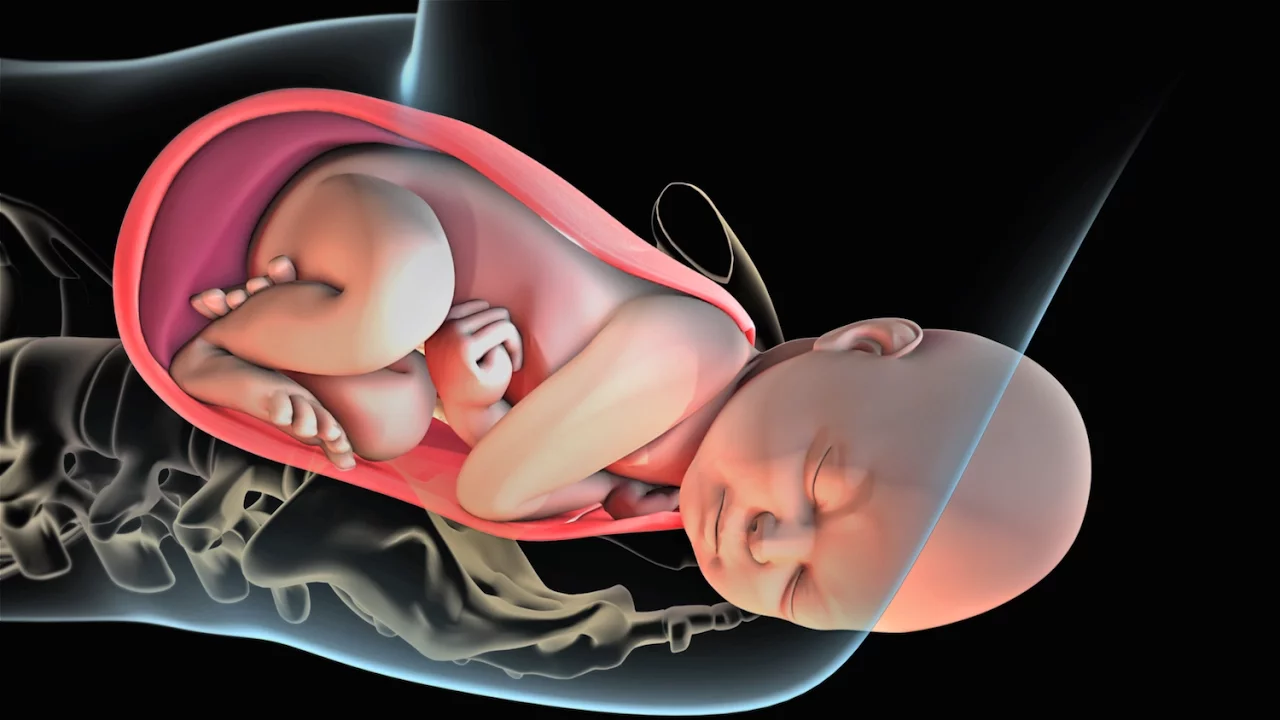
3:05
Stages of Labor and Vaginal Birth | Childbirth Animation
@nucleusmedicalmedia
52.1M views•2017-08-18
Related Study Plans & Knowledge Roadmaps
Structured learning paths in Medicine
medicine
Abnormal LFTs: Diagnostic Workup & Pathology
01Liver Anatomy and Basic Physiology
02Introduction to Liver Function Tests (LFTs)
03Hepatocellular vs. Cholestatic Patterns
+ 3 more learning modules
12h6 modules
Explore Roadmap
medicine
Analyzing Blood Smears: RBC, WBC & Platelets
01Introduction to Blood Components & Smear Preparation
02Normal Morphology of Blood Cells
03Erythrocyte Pathologies & Morphological Variants
+ 2 more learning modules
12h5 modules
Explore Roadmap
medicine
Mechanical Ventilation: Waveforms & Alarms
01Anatomy and Physiology of Breathing
02Introduction to Mechanical Ventilation & Core Modes
03Ventilator Settings and Waveform Interpretation
+ 2 more learning modules
12h5 modules
Explore Roadmap
medicine
Neuro Exam: Localization & Stroke Syndromes
01Foundations of Neuroanatomy and Vascular Supply
02The Neurological Examination: Step-by-Step
03Principles of Neurological Localization
+ 3 more learning modules
18h6 modules
Explore Roadmap