
















Antigen-antibody interactions are noncovalent biomolecular reactions occurring between the epitope of an antigen and the variable regions (complementarity-determining regions) of an antibody; these interactions can manifest as precipitation reactions when antibodies bind to soluble antigens to form visible precipitates, or as agglutination reactions when antibodies bind to particulate antigens to cause visible clumping, with both reaction types requiring bivalent/polyvalent antibodies and antigens and achieving maximum precipitation/agglutination only at the zone of equivalence where antibody and antigen concentrations are balanced.
Antigen-Antibody Interactions: Precipitation & Agglutination Reactions
Added:Basic structure of antibodies (immunoglobulins), including the Fab and Fc regions, and the concept of antibody valency.
The definition and characteristics of antigens, epitopes, and how they interact with antibody paratopes.
The chemical nature of antigen-antibody binding, specifically non-covalent forces, affinity, and avidity.
The physical distinction between soluble antigens (relevant for precipitation) and particulate or cellular antigens (relevant for agglutination).
Clinical applications of agglutination reactions, such as ABO blood typing, hemagglutination assays, and the Coombs test.
Quantitative precipitation assays used in laboratory medicine, including radial immunodiffusion and Ouchterlony double diffusion.
The clinical significance of the 'Zone of Equivalence' and diagnostic errors caused by the prozone and postzone effects.
Advanced labeled immunoassay techniques that build on these principles, such as ELISA, Western blotting, and lateral flow assays.
36.7K views641likes11:12Original Release: 2021-12-08
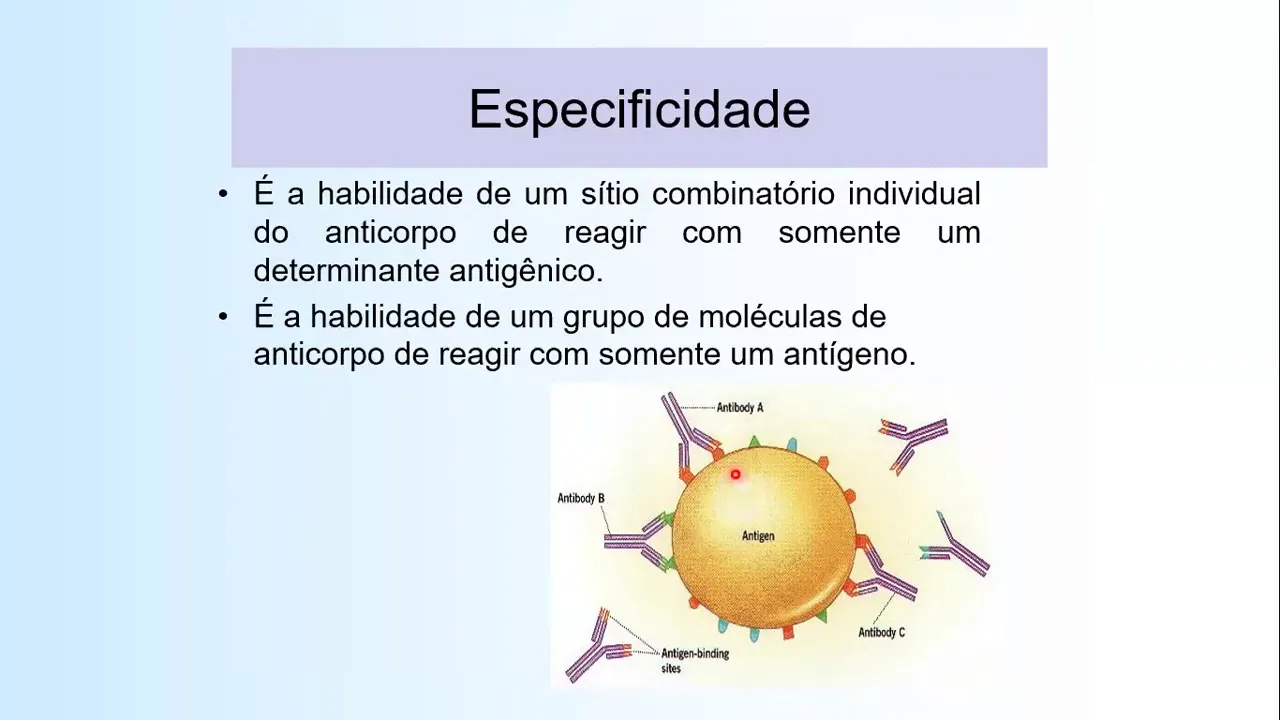
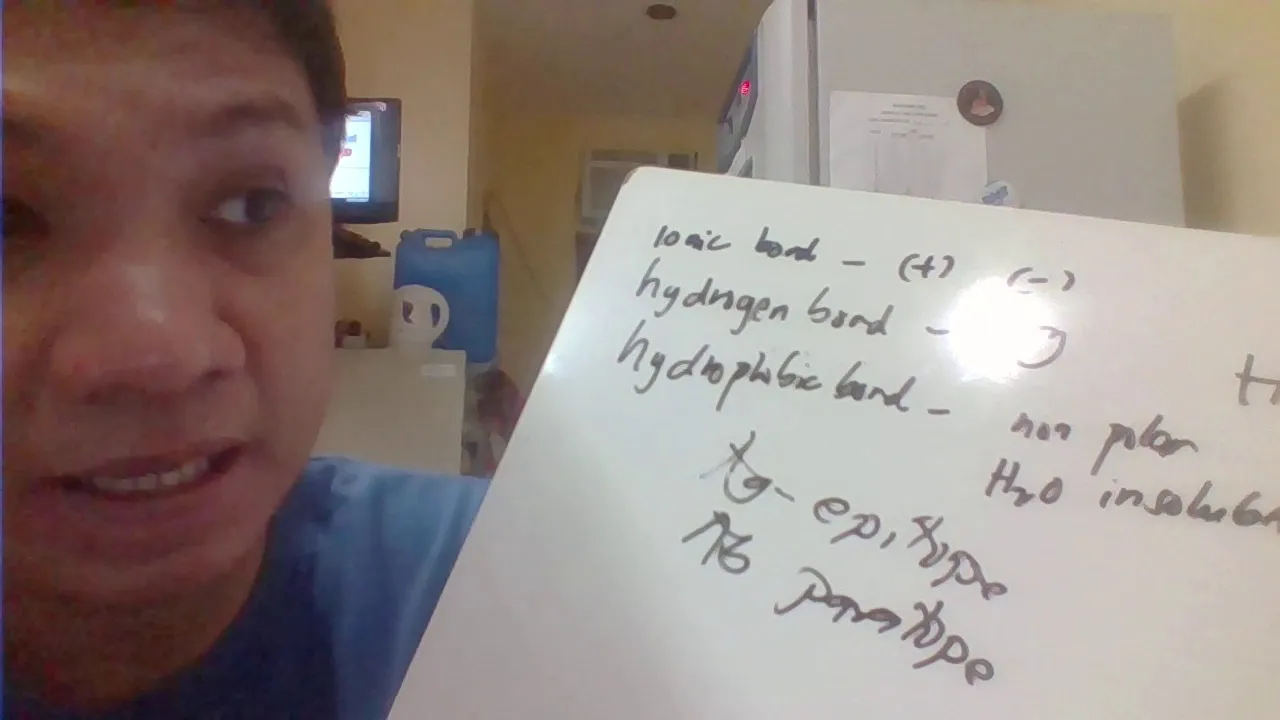
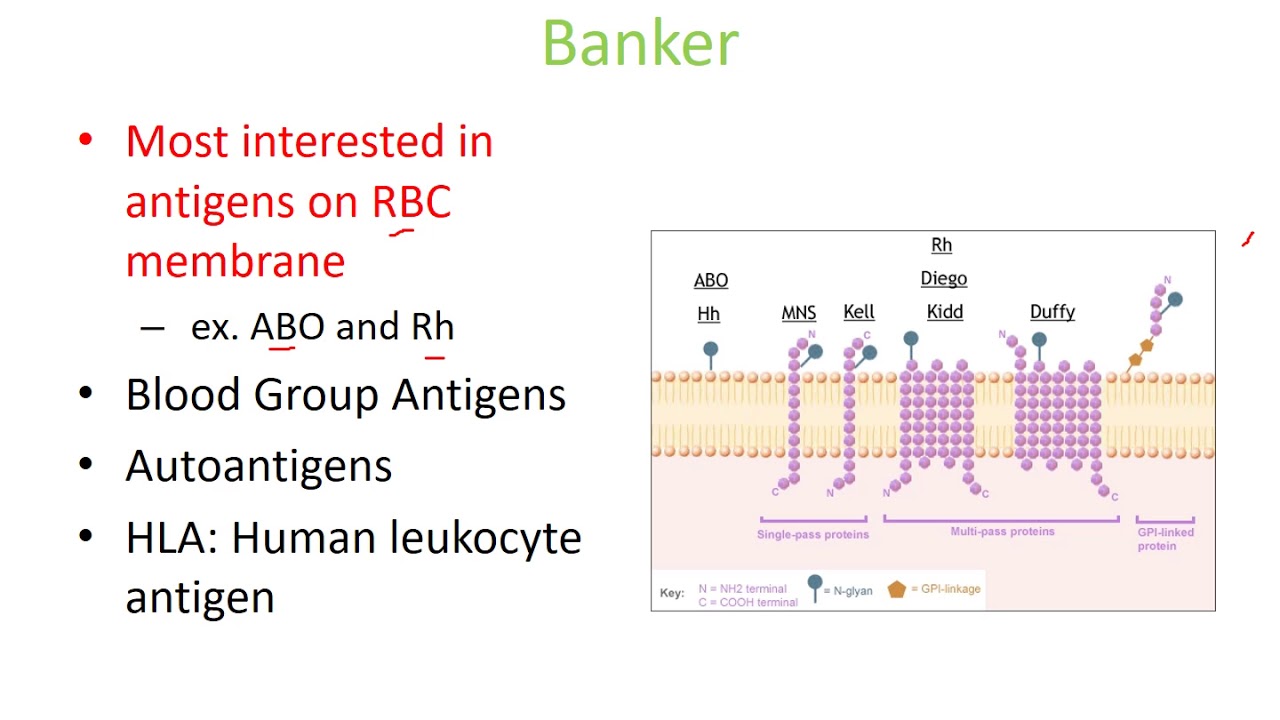
hello everyone welcome back today we will discuss about antigen antibody interactions the precipitation reactions and utation reaction will be covered in this lecture so without any delay let's start the video so antigen antibody interactions first of all we should know that what do you mean by interaction so interaction is you can say when the two molecules they attach with itself or they interact with itself in this case these two molecules are antigen and antibody so here the antigen and antibody they interact with each other because whenever there is an antigen comes inside the body the antibody recognize that antigen and interact with that antigen ultimately kill that antigen so in order to kill the antigen antibody must interact with the antigen so this antigen antibody interaction It generally involve or you can say it is a biomolecular reaction means as I told it involve two molecules one is the antigen and another is antibod so it can be a biomolecular interaction and in the case of this antigen antibody interaction these interactions are generally noncovalent in nature and these interaction it occurs between the epitope of antigen and the variable reason of antibody means epop is a portion of antigen which interact with the antibody and the variable reason of antibody that are the variable reason in the light chain and variable reason of the heavy chain so the variable reason of antibody and the epitope of the antigen they interact with each other and you can see the parly the hyper variable reason or CDR the complementarity that termining regions they interact with the epitope so this interaction will be you can say it is a b molecular interaction because antigen and antibody the two molecules are involved in these reactions now the strength of these antibody and antigen interactions so these antigen antibody interaction as I told these are noncovalent interactions which generally involve hydrogen bonds ionic bonds hydrophobic interactions and vendal interaction so these four are the main type of bonds which are generally formed between the antigen and antibody when they interact with each other and these are noncovalent interaction means these are weak interactions so they are weak very weak individually so in order to make the you can say the interaction very much strong so these require the very close fit with each other means antigen and anti body it should be closely interact with each other because these forces are weak in nature so to make a strong bond or strong interaction so these should be in very close fit with each other now the precipitation reactions the antigen and antibody interaction can be of you can say two types precipitation reactions and utenation reactions so first is precipitation reactions here when the reaction or you can say when the interaction between antibody and soluble antigen is there so there is a formation of visible precipitates so that kind of interaction is known as precipitation reactions and the antibody which are involved in these type of reaction these are known as precipitins so point to be noted that in this case the antigen is soluble in nature so whenever the interaction between antibody and soluble antigen which results in the visible precipitate so there reactions will called as precipitation reactions so here you can see like suppose for example these blue dots these are the soluble antigens and when an antibody they interact with this soluble antigen and ultimately due to this interaction you will see some visible precipitate so that interaction will be called as precipitation reactions but there is a condition for these precipitation reactions to be occurred that the antibody should be balent what it means means this antibody it should have more than one antigen binding side it should bind to more than one antigen one antibody should bind to more than one antigen means it should be balent and the antigen should be balent or polyvalent similarly that antigen must have at least two copies of same epitopes so this is a basic requirement for the precipitation reaction to be occur that antibody should be balent means it should have more than one antigen binding site and antigen should be balent or polyvalent this is the precipitation curve this curve is plotted to see The Jone where the maximum or you can say where the precipitation occur here we just plotted the antibody concentration on the y- axis and antigen concentration on the x-axis these you can say these light pink color shape it represent the antigen while this green it represent the antibody so when we plot the antibody concentration and antigen concentration with each other it what it means means when we just add the antibody to the antigen mixture so a curve will follow which is known as precipitation curve so in the starting point when the antibodies are more so in that case antibodies are in excess although they will bind to antigen but there will be no precipitation occur but after that there is a Zone reached which is known as the zone of equivalence so it is the that zone where the precipitation occur and if the antigen is excess then still there will be no precipitation means for the precipitation to occur the antigen and antibody they should be in the equivalent amount if the antibod is in excess or if the antigen is in excess there will be no precipitate formation in both of these the precipitation will only occur when the concentration of antigen and antibody they are equivalent so that Jone where precipitation formed is known as The Jone of equivalence and this curve is known as the precipitation curve second type of reactions these are agglutination reactions so here these are the reaction between antibody and particulate or you can say the solid antigen as I told in case of precipitation reaction the antigen is liquid or soluble but here the antigen must be particulate or solid in nature so whenever a reaction between the antibody and solid antigen will takes place and that reaction will called as agglutination reaction which result in the visible clumping also and the antibodies which produce such reactions they are called altinin the same condition it also require here for the AG reaction to be occur that antibody should be Bal means it should have more than one antigen binding site and antigen should be balent or polyvalent there is another term which is known as the proone effect so whenever there is an excess of antibody so there will be no utenation so you can say the excess of antibody just inhibiting the agglutination reaction so this inhibition is called as prone effect now with the help of this diagram you can understand the a reaction here this light orange color this shows the particulate or solid antigen while this another molecule it is the antibody you can say the polyclonal antibody which is balent mean which have more than one antig binding site so when these polyclonal antibodies they interact with this solid antigen so in that case there will be formation of visible clumping which can be seen with which can be seen very easily so whenever the interaction between these polyclonal or these antibodies with solid antigen which ultimately result in the visible clumping is known as agglutination reaction next is the example of agutin reaction so utation retion is you can see in case of the hemaglutination reactions whenever you perform the blood grouping experiment or whenever someone check the blood group of a particular individual in that case the reactions which comes into play these are hemaglutination reaction because what is the principle of blood grouping test is that the individual they have a particular antigen either a or b or both on their rbc's plasma membrane so you just take the blood out and put two or three drops of antibody a b and d so the reaction takes place only in that case with the par antigen is present so if the reaction takes place so that reaction is known as the utenation reactions in this Slide the blood grouping or you can say Hut will be more clear like for example this is an rbcs and these blue dots they represent the antigen a which is present on the surface of red blood cell so when we add the antibodies like for for example we added the antibody B to the solution of this rbcs which have the antigen a on the surface so in that case there will be no utenation why because antigen a is present on the surface but we are adding the antibody B so antibody B will not react with antibody antigen a because antibodies B will only react with antigen B so in order to make the utenation reaction so here we have to add the antibodies a because now the antibodies these are against the antigen a so when these are against the antigen so they they will interact with the antigen and their interaction it results in the visible alternations so this is the example of hemaglutination here this antigen is a particulate in nature that's why we are saying it agglutination reactions so this was all about the antigen antibody interactions which include precipitation reactions so precipitation reaction they are interaction between antibody and the soluble antigen while utenation interactions these are the interaction or reactions between antibodies and solid or particulate antigens so that's all for today guys see you in the next video thank you very much
Up Next
12:36
Immunochemistry Basics: Antigen-Antibody Interactions
@DrAsClinicalLabVideos
18.3K views•2021-09-12

48:47
Graphic Medicine: Comics for Collaborative Healthcare Communication
@nationalpatientadvocate
189 views•2023-12-04

10:28
Neuroanatomy: Central and Peripheral Nervous System Divisions Explained
@AKLECTURES
136.2K views•2014-09-20
3:05
Stages of Labor and Vaginal Birth | Childbirth Animation
@nucleusmedicalmedia
52.1M views•2017-08-18
Related Study Plans & Knowledge Roadmaps
Structured learning paths in Medicine
medicine
Abnormal LFTs: Diagnostic Workup & Pathology
01Liver Anatomy and Basic Physiology
02Introduction to Liver Function Tests (LFTs)
03Hepatocellular vs. Cholestatic Patterns
+ 3 more learning modules
12h6 modules
Explore Roadmap
medicine
Analyzing Blood Smears: RBC, WBC & Platelets
01Introduction to Blood Components & Smear Preparation
02Normal Morphology of Blood Cells
03Erythrocyte Pathologies & Morphological Variants
+ 2 more learning modules
12h5 modules
Explore Roadmap
medicine
Mechanical Ventilation: Waveforms & Alarms
01Anatomy and Physiology of Breathing
02Introduction to Mechanical Ventilation & Core Modes
03Ventilator Settings and Waveform Interpretation
+ 2 more learning modules
12h5 modules
Explore Roadmap
medicine
Neuro Exam: Localization & Stroke Syndromes
01Foundations of Neuroanatomy and Vascular Supply
02The Neurological Examination: Step-by-Step
03Principles of Neurological Localization
+ 3 more learning modules
18h6 modules
Explore Roadmap