





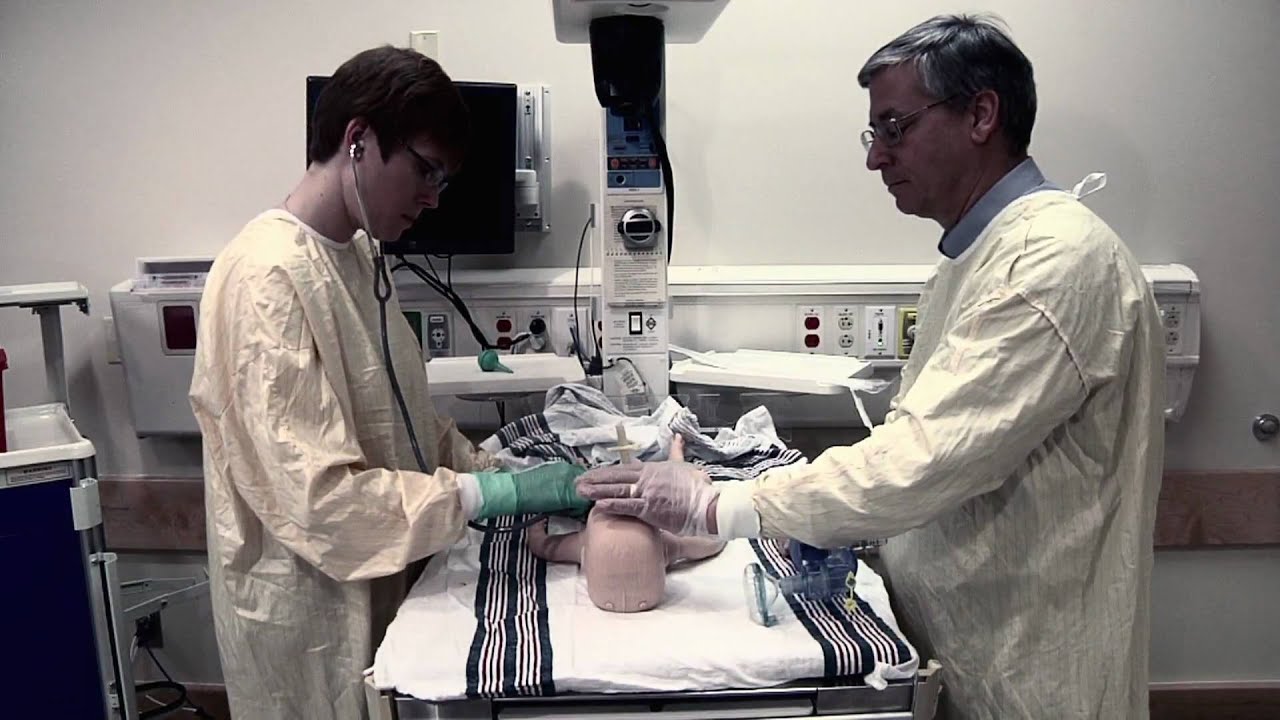
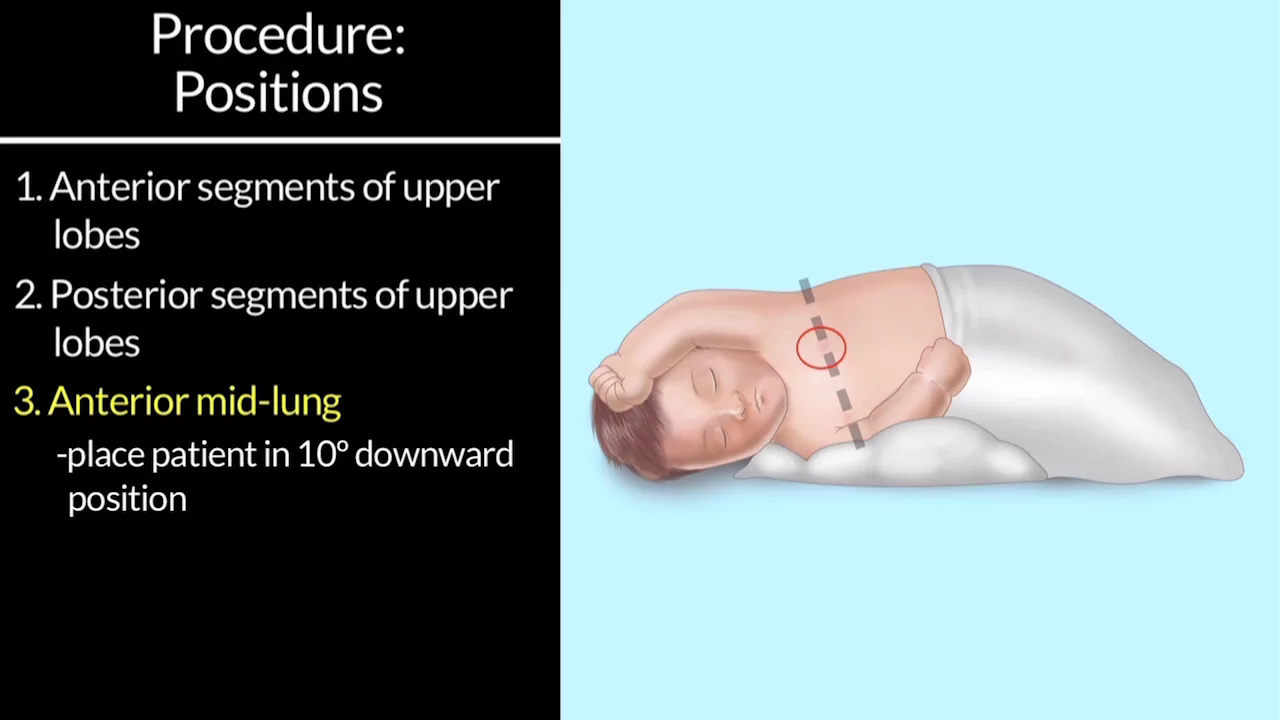















The Neonatal Resuscitation Program (NRP) is the gold standard for neonatal resuscitation in delivery rooms, emphasizing that most newborns need only breathing support rather than cardiac intervention. Before delivery, healthcare providers must answer four key questions: gestational age, amniotic fluid condition, maternal risk factors, and umbilical cord management (RAGU). A baby can stay on the mother's chest if it meets three criteria: term status (>37 weeks), good muscle tone, and effective breathing/crying (ITTER). The initial five steps of resuscitation are: Warm, Dry, Stimulate, Position, and Suction (Wiggly dolphins). Positive pressure ventilation (PPV) should be initiated if the baby is not breathing, gasping, or has a heart rate <100 bpm, using the MR SOPA corrective steps (Mask adjustment, Reposition, Suction, Open mouth, Increase PIP, Alternate airway) if PPV fails.
NRP 8th Edition: Initial Steps of Neonatal Resuscitation Made Easy
Added:NRP stands for neonatal resusitation program and it really has become our gold standard of how to recitate babies in the delivery room and we extrapolate a lot of those concepts for codes in the ncu too what we're covering today is just a few key points from the program what we highly recommend is that you read and study the book you take the course and you become NRP certified it's super important to become proficient at these steps if you're taking care of babies and just like everything else in medicine the more you study and the more deliveries you attend the more proficient that you'll be a lot of it is just experience but there are a few things that you do just have to know off by heart for example when do you start chest compressions when the heart rate is less than 60 so there are a few pneumonics that are from NRP or that I've just made up that I'll try to kind of bring up through this video hopefully that will help you learn the stuff that you have to just know off by heart hi hi I'm Dr tala and I've been a neologist for 16 years now so I've been through a few of the iterations of NRP but today we're going to be covering the most recent one which is the eighth edition and there are two big points that we're going to be covering today the first one is is the setup before the delivery what are the four questions that you need to know from the L&D team and then just kind of setting up the equipment and which team you need and the second part will go over were actually being there at the delivery so what to do after the baby is born and we'll pretty much just go through the initial stages at least of the NRP algorithm one let's get straight into it what things should you be considering before the delivery well the first thing that you have to realize about babies is that the vast majority of them do absolutely fine transitioning from inut Trine to extra you Trine life and if they're not fine it's because they need help with their breathing remember this is very different from adults who are coding in adults most of the time the issue is with their heart so the emphasis and adult codes is a lot more on keeping their heart pumping or getting their heart restarted in babies nearly all the time just giving the babies the breathing support that they need will be enough to resuscitate that baby so in your mind as you're going towards the delivery what you should really be thinking about is what sort of respiratory support is this B be most likely going to need that's going to be the key part of all of NRP to know how many team members you should have at the delivery and kind of which equipment you should definitely have ready there are four key questions per the NRP that you should be asking of the obstetrical team or just asking the L&D team the first one is what is the gestational age of the baby obviously we're going to be treating a turn baby very differently from a 22 weer for example the second question is about the amniotic fluid what is the amniotic fluid like is it clear is there meconium is it bloody obviously all these things could change our management as well number three are there any additional risk factors this encompasses just about everything are they twins does the mother have Pi IDM what did the strip look like before the baby was born so really all the kind of background data about how worried we should be about the status of this baby and four what is the umbilical cord management so really here is the the time that we make the decision are we going to do delayed cord clamping and for how long the pneumonic I came up for this was Ragu r a guu just like the pasta Source they're in the wrong order but that doesn't really matter so R is for risk factors A is for amniotic fluid G is for gestational age and youu is umbilical cord management regu now you can remember it who actually goes to the delivery is basically going to depend on those four questions as well as just generally how worried you are about the baby but they should always be somebody at a delivery that at least can perform the initial steps of NRP and now that you know what sort of situation you're in you should really perform a pre-resuscitation team briefing in the latest edition of NRP the eth Edition the concept of teamwork and communication between the team members was really really emphasized it has been shown numerous times that if the team isn't working together as a unit then that is making sure that everybody is on the same page and everybody knows their roles for the resuscitation we should identify the leader and then assign everybody the roles who's going to be putting on the pulse ox who may end up having to record information down you should know where the equipment is and assign somebody to get the equipment if it's needed there should be somebody assigned to call for additional help if that is needed too always stay calm at least on the surface stay calm and use Clear professional language these are all the things that are going to make us work so much better as a team then before delivery obviously you have to make sure that the equipment is ready I'm not going to go over the details of every single piece of equipment that you should need but just realize that one you should have a checklist where you make sure that all the equipment that you actually might need is around you and two that that equipment needs to be very close to you you don't want like the umbilical vein catheter kit in the NICU everything needs to be within close vicinity to the delivery but obviously depending on how risky the birth is you don't actually have to get it all out you don't have to rip the code card every single delivery that you're going to the one thing you will definitely need for every single delivery is a way to provide warmth so basically hopefully a preheated warmer some warm blankets and a hat if the baby is going to be less than 32 weeks then you're probably going to need some additional heat so often we'll use like the plastic wrap as well as a Transformer I often tell people this that don't necessarily work in the NICU if a baby is born really anywhere the most important thing that you can do for that baby is make sure that the baby stays warm then you need a way to clear the baby's Airway whether with a bulb suction or with an actual suction catheter obviously you're also going to need a way to provide oxygen and positive pressure ventilation for the babies when you're setting up oxygen for a term baby then you can set the blender at 21% for a baby that's less than 35 weeks you can set the blender between 21 and 30% and we'll talk a little bit more about this in a second a pulse ox imer should also be available so you can check the baby SATs and then EKG leads the lingos scope the ET tube the umbilical Venus catheter tray as well as medications should all be available even if they're not actually opened and sitting in the bed just realize that you have to know exactly where it is and you have to have access to it very quickly just in case you do end up needing it number two let's get into the actual delivery and the RP algorithm so let's say that the baby is delivered and they did delayed cord clamping on whatever was decided upon between the neonatal and the labor and delivery team what do we do next can the baby stay with the mother or do we immediately have to bring the baby over to the radiant warmer the answer is is that the baby can stay on the mother's chest if you can answer yes to the following three questions the first one is is is the baby term so does the baby look like it's at above 37 weeks gational age and this baby does look pretty T the second question is is does the baby have good tone so that kind of muscle strength is the baby kind of kicking and moving around not like lying like a rag doll like this baby and the third question is is is the baby breathing or crying so is there like good chest movement can you hear some noise from the baby's mouth if you can answer yes to every single one of those questions then the baby can stay with a mother on the mother's chest so the little pneumonic I came up with for you is it is better be TT e r for the baby to stay on mother's chest so all of those three capital letters have to be satisfied so B breathing t t above 37 weeks and T tone or good muscle strength and everything so it is better for the baby to stay on mother's chest I mean you're welcome just a reminder if the baby is staying on the mother's chest you don't just put the baby there and forget about it we do need continued evaluation at least the 5 minute appall and then making sure afterwards that the baby does stay warm and is continuing to breathe and is pinking up so make sure that that baby is continuing to be evaluated if the answer is no to any one of those three questions then the baby automatically has to come over to the radiant warmer so either the baby is less than 37 weeks or the baby is not creating crying or breathing or the baby is just like limp like a rag doll for any of those reasons then the L&D team needs to hand off the baby to the neonatal team on the radiant warmer now let's go down the NRP pathway if the baby is on the warmer then the first five initial steps are always warm dry stimulate position Airway and then suction if needed a quick aside here I asked chat GPT to come up with a cute pneumonic so you can remember the order these steps and it came up with this Wiggly dolphins swim past sharks which I really kind of liked let's spend a second on each of these so warmth provide warmth under the radiant warmer the baby should stay uncovered we should keep the baby's temp between 365 and 375 although obviously initially you're not necessarily checking the temperature generally put a hat on the baby because you as you all know babies can lose a lot of heat through their heads then dry we want to make sure that we don't lose any heat loss through evaporation so using a warm towel or a blanket gently dry off the fluid if the baby is premature we generally use other equipment like plastic wraps and Transformers s is for stimulate often just drying the baby is enough stimulation but sometimes a baby needs more than this just to kind of be woken up a bit so you can gently stimulate the baby's back so just kind of like by gently rubbing the baby's back like that or the baby's trunk or sometimes I'll just kind of like rub or just kind of flick the baby's feet like that do not shake the baby and don't over vigorously stimulate the baby obviously that is not good for the baby at all i' we've all definitely seen that happen though then position the baby position The Head and the neck we want the baby in a sniffing position so that the baby Airway is open don't flex the neck and don't hyperextend the neck the baby should be in a perfect sniffing position or basically where the eyes are looking up at the ceiling and then clear secretions or secretions this is only if it's needed don't suction a baby out if you feel there aren't any issues so you can gently suction with a bulb syringe and you all know how these work when you squeeze it in it will kind of create that suction and then when you let go it will suction up all the secretions so generally what you want to do is turn the baby on one side when suctioning so that all the secretions pull in the cheek and you're less likely to irritate the vocal cords and the back of the mouth so turn the baby to one side allow the secretions to pull and then suction out the cheek like that and then if you also see secretions in the nose then you can also suction out the Nars always suction out the mouth before the Nares and you can remember that because it's an alphabetical order M and then n after the initial warming and drying you need to re-evaluate the baby and determine the next steps according to the algorithm does the baby now look good is there good tone is the baby breathing is the baby pinking up if so then you don't have to do any more active resusitation and you can just continue to monitor the baby but let's say though that the baby at this point is now breathing but maybe there's some respiratory distress so maybe the baby's grunting or having really bad retractions or the baby is breathing but still looks really blue so obviously at this point if you're we need some more respiratory support so somebody should be putting on a pulse ox probe so generally we'll put that on the right hand so that it's a preductal reading and then we need to give the baby some form of respiratory support so if the baby just looks a little blue then we probably want want to give just a little bit of free flow oxygen usually we give this in the same way that we would be giving the positive pressure ventilation or CPAP but we don't want a Tight Seal instead we'll just bring the mask really close to the baby's nose and mouth and allow some oxygen to kind of get to the baby's uh face so obviously at this point if your F2 is still set at 21% then it needs to go higher than that so generally when we start first start giving free flow oxygen we're doing it at about 30% so you can just kind of position the baby's mask like that the further that the mask is away from the baby's face the less F2 or additional F2 the baby is receiving hopefully at this point you've put on the pulse ox probe and you can titrate the F2 to make sure that the baby SATs as staying within the NRP guidelines if a baby actually has respiratory distress so it's grun as well as still looks really blue so for example let's say it's a 34-week infant for example and you don't just want to give the free flow oxygen then in this case you'd probably want to help the baby with actual CPAP so you would put the mask over the nose and mouth of the baby and actually provide a Tight Seal so that you are giving CPAP here I'm at home so I don't have the flow to provide the pressure but generally you want to give a peep the CPAP pressure of 5 cm of water then whether the baby ends up staying with the mother or needs to come to the NICU will depend on the status of the baby over the next few minutes obviously it will also depend on their gestational age and whether you can actually get them off oxygen and they seem to be breathing easily in pink and having good tone or not let's go back to the algorithm though and take a slightly different path let's assume at 1 minute though that the baby isn't breathing well or has any of the following so a is not breathing so the baby's apnic b the baby is gasping which is basically ineffective breathing so every now and again the baby's just going like that or C the heart rate is less than 100 beats per minute and without leads the most effective way of figuring out the heart rate is by listening with a stethoscope to the left side of the chest so hopefully you've already determined somebody on the team that's going to listen to the heart rate with the stethoscope you can listen for 6 seconds and then multiply by 10 generally whoever is actually listening it's helpful to actually tap out the heart rate as well so for example if you hear eight beats in 6 seconds then the heart rate is 8 * 10 or 80 so let's say either the baby's not breathing gasping or the heart rate is less than 100 then at this point at one minute of life then you need to start positive pressure ventilation and if the pulse sock isn't already on then somebody needs to be putting on the pul sock on the baby let's talk about ppv now or positive pressure ventilation generally we use a Flo inflating bag like this one where you're squeezing the bag to get the PIP or we use a neopuff the te piece resuscitator where you're basically putting your finger Over the Hole to create the PIP you could also use a self-inflating bag whatever you're using hopefully you already have this set up with a pip or a peak inspiratory pressure of 20 to 25 so that's when you're pushing the air in and Peep the positive end expiratory pressure or the CPAP you're giving of five again for a baby more than 35 weeks we use 21% initially and for a baby less than 35 weeks we use between 21 to 30% on the little ones generally less than 30 weeks I usually start at 30% then you're giving ppv at 40 to 60 times a minute so when we say 40 to 60 times a minute we mean that every time we squeeze the bag to give the PIP then that counts as one so you're squeezing the bag 40 to 60 times a minute which is at the rate of saying breathe two three breathe two three so you see I'm saying breathe instead of one two three it sounds super easy but in a code it's easy to lose our mind so get used to saying this out loud each time breathe two three breathe two three breathe two three the best sign that ppv is working is that your heart rate is going up if the heart rate is not going up by 15 seconds then you need to start the ventilation corrective steps or I know that you all know this pneumonic it's Mr soaper remember you're supposed to go through these in order and then evaluate the baby after every two steps to see if there is an improvement in heart rate as well as in chest rise right so what does Mr soapa stand for let's go through them one by one M is for mask adjustment so the mask should be covering the mouth and the nose and it should be a good seal I generally hold the mask with one hand the c-shaped hold like this but if someone else can bag you can hold the mask with two hands like this just make sure that you're not resting the rest of your fingers on the baby's eyes or the neck or anywhere else so when you're readjusting in The Mask just make sure there is no leak anywhere often the leak is Right Between the nose and the mouth so you really kind of have to press that down sometimes there isn't enough air in this portion of the mask and you actually have to inject more air into it or just grab another mask and then sometimes going to the twoand hold is better just because you get less of a leak you'll know you got a good seal if the pressures that you're getting with the PIP and the pee are good R is for reposition of the head and neck again we want the baby in a sniffing position so not too flexed and not too hyperextended so midline and in a sniffing position s is suction the nose and the mouth maybe the airway is blocked by secretion so you it may help just bulb suctioning like we said turn to the side or sometimes you may have to suction more deeply and end up going down with a catheter again as a reminder you do the mouth before you do the nose O is for open the baby's mouth here the baby's mouth is really nice and open this always sounds a bit odd but often the baby's mouth is only slightly open and opening it more fully can decrease the resistance to pressure so just like the previous two steps after you do the S and the O re-evaluate the baby and if you'll still not seeing any Improvement then again proceed to The Next Step p is to increase the PIP on the ppv generally you go up by about 5 cm of water every time you're going up but you shouldn't be going above 35 in a preey and 40 in a full-term baby though sometimes it's this change in pressure that finally gets the babies to open up and a is for alternate Airway if you've reached this far and you really haven't seen any Improvement in chest rise or in the heart rate then you need to proceed with an alternative Airway so either you have to intubate the baby with an endot tral tube or you have to insert allural mask if however at any stage you see that the chest has started to move then announce this to the team the chest is moving now hopefully one of these corrective steps even before the ination will bring up the baby's heart rate and move the chest if the heart rate for example is now above 100 and the baby starts to take breaths then you can slow down your rate of ppv until you eventually stop it so even if the baby starts breathing don't go from giving ppv at like 60 times a minute to suddenly stopping just slowly slow it down during this time you hope that the baby has an oxygen Probe on their hand and you're titrating the baby's F2 for their appropriate SATs remember babies aren't supposed to be pink until they're over 10 minutes old so if everything is improving then just be patient if you have intubate to the baby and the baby's heart rate is still less than 60 then at that point you need to start chest compressions if you are anywhere close to starting chest compressions then make sure that you crank up the F2 to 100% we'll talk about chest compressions in a separate video but that F2 to 100% is really key so many times we end up rushing to the delivery room and somebody's resitting a baby and the baby is still on the 21% that they'd originally started on for now let's assume your ppv steps help the baby and the baby started crying what do we do next we do what NRP calls postresuscitation ation care and team briefing really at that point you need to evaluate whether the baby can stay with the mother or needs to come to the niku for further evaluation and management and that will really depend on how quickly the baby turns around and whether they need any extra oxygen and just their overall tone and work of breathing and their activity well those were the initial steps of NRP remember that obviously if you're reaching chest compressions or incubation then you should definitely be calling for help but if at any point before that you're concerned that the baby isn't turning around fast enough then call for help there's always somebody in the hospital that can help you I hope and this is your homework assignment so one what are the four questions you should ask mother before delivery two when is a baby allowed to stay with a mother three what are the initial steps of resusitation four under what situations do you stop ppv and five five what does Mr soapa stand for I really hope that you learned something today if you got this far then please like this video subscribe to our newsletter if you want the PDF summary of this and become a channel member if you want a lot more behind the scenes views and other stuff that we're offering
Up Next
Maternal Newborn Nursing: High-Risk Labor & Birth Emergencies (Ch. 21).
@LeahElliottOBNurseProfessor
4.4K views•2021-08-22

Graphic Medicine: Comics for Collaborative Healthcare Communication
@nationalpatientadvocate
189 views•2023-12-04

Neuroanatomy: Central and Peripheral Nervous System Divisions Explained
@AKLECTURES
136.2K views•2014-09-20
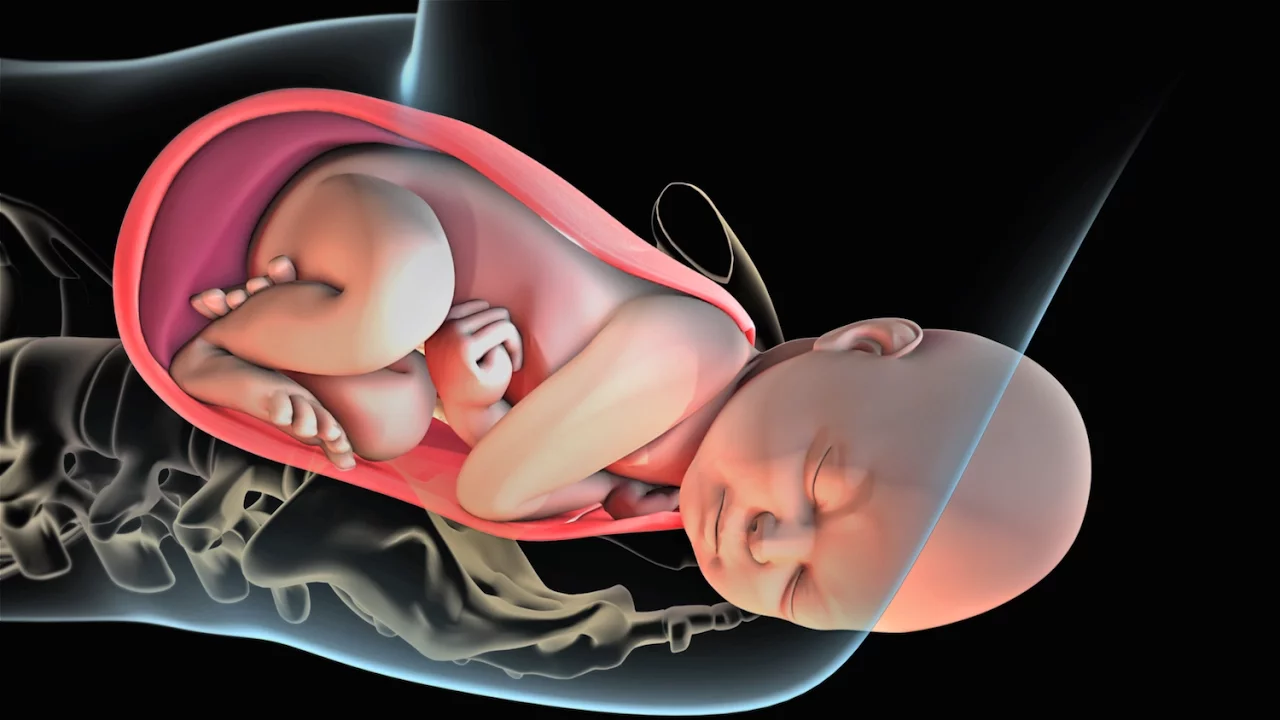
Stages of Labor and Vaginal Birth | Childbirth Animation
@nucleusmedicalmedia
52.1M views•2017-08-18
Related Study Plans & Knowledge Roadmaps
Structured learning paths in Medicine