





![TTR S2-[PASS/LAS]-UE(T3) / Maïeutique - Modifications Physiologiques De La Grossesse 2](https://i.ytimg.com/vi/xbLxMdH0HpA/maxresdefault.jpg)




















This lecture covers high-risk labor and birth complications including hypertensive disorders of pregnancy (gestational hypertension, preeclampsia, eclampsia, HELLP syndrome), dystocia (shoulder dystocia, labor arrest), preterm and post-term labor, cord prolapse, amniotic fluid embolism, placental abruption, uterine rupture, and operative vaginal delivery. Key management principles emphasize early recognition, prompt intervention, and evidence-based care, with a focus on maternal-fetal outcomes and appropriate use of obstetric interventions such as induction, augmentation, and cesarean section.
Maternal Newborn Nursing: High-Risk Labor & Birth Emergencies (Ch. 21).
Added:Physiology of normal labor and birth, including the four stages of labor and the mechanisms of labor (cardinal movements).
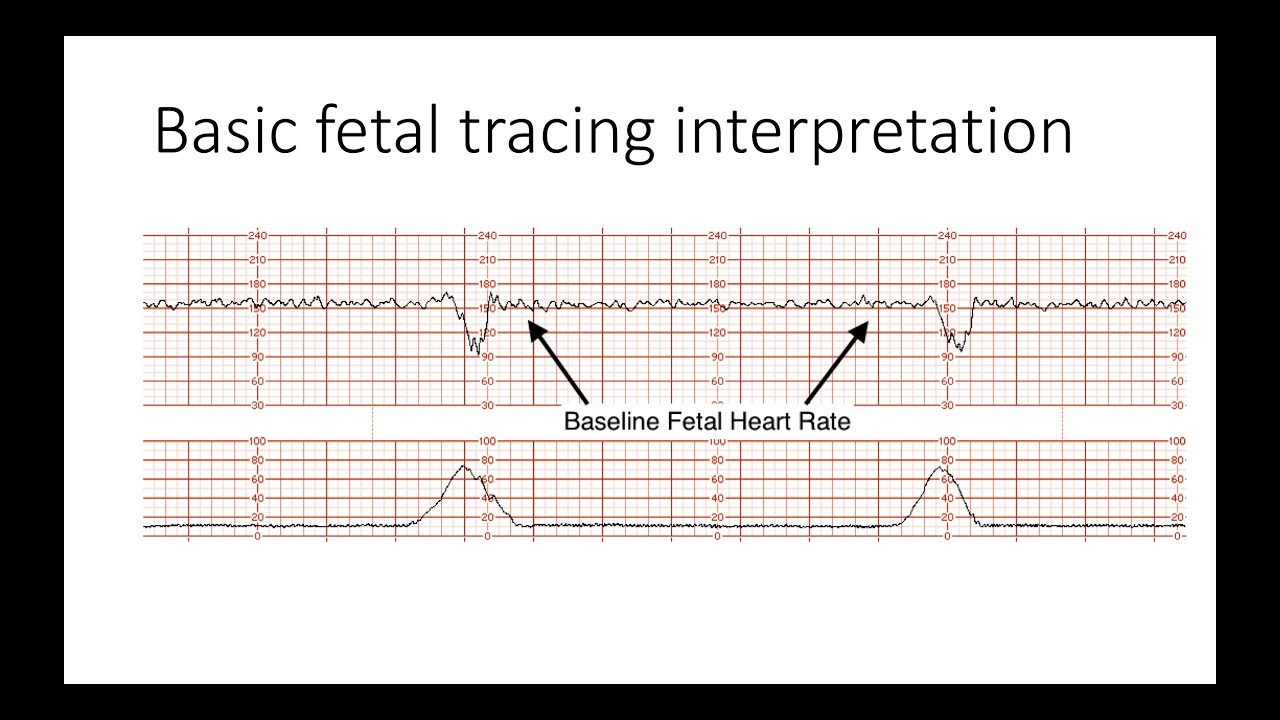
Basic maternal-fetal assessment techniques, particularly the interpretation of electronic fetal monitoring (EFM) strips, including accelerations and decelerations.
Fundamental prenatal screening parameters, including normal blood pressure ranges during pregnancy and baseline urinalysis findings.
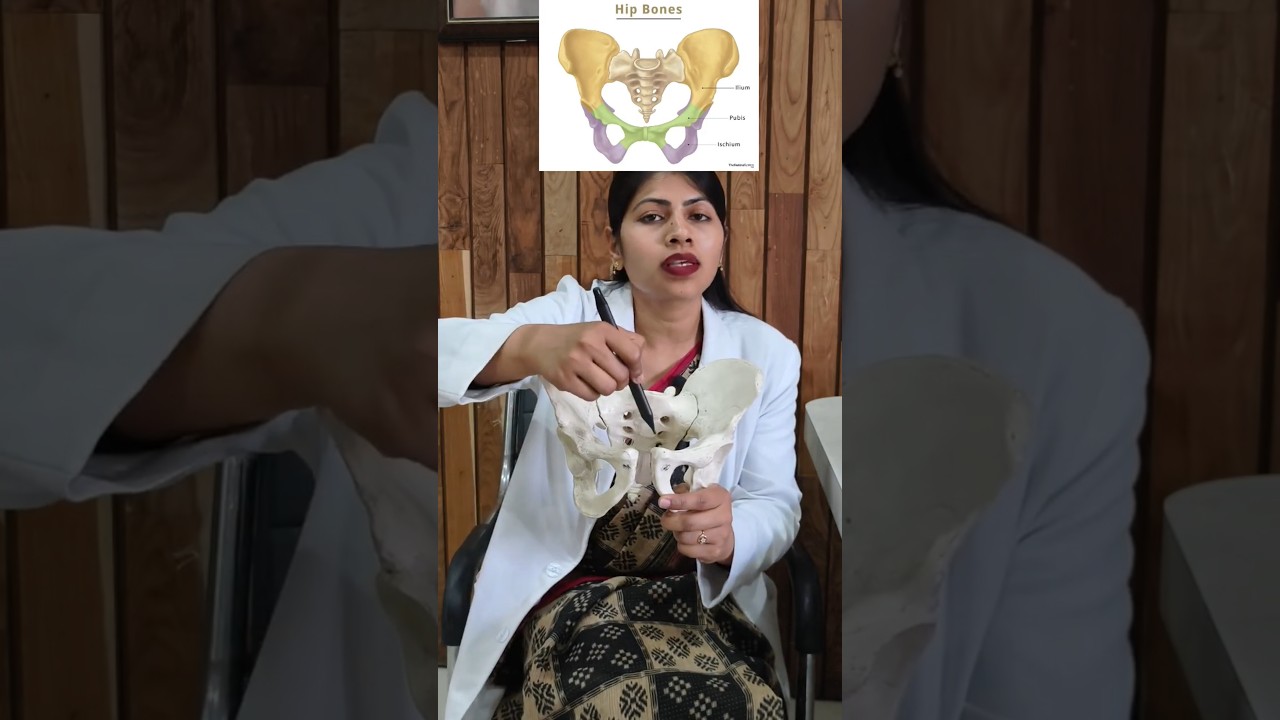
Anatomy of the female pelvis and fetal skull landmarks, essential for understanding fetal positioning and presentation.
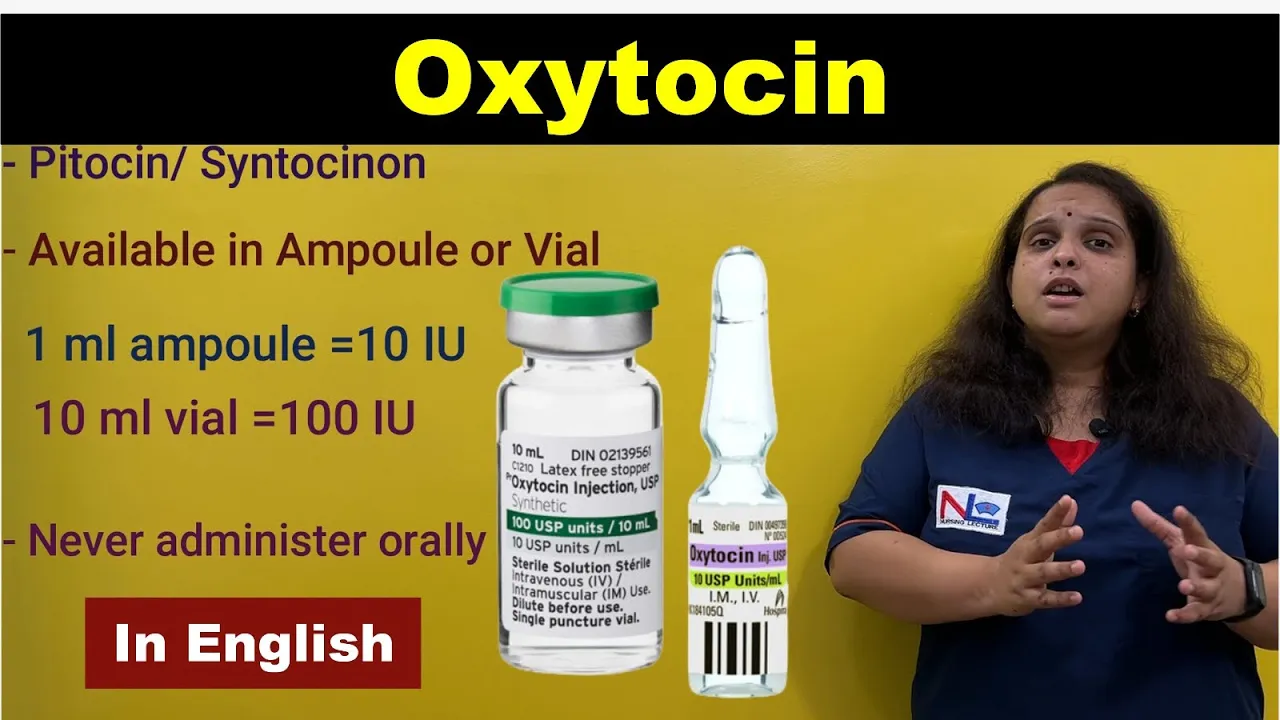
Basic obstetrical pharmacology, specifically the indications and mechanisms of common labor medications like Oxytocin (Pitocin).
Hands-on clinical simulation and drills for obstetric emergencies, such as executing the McRoberts maneuver and applying suprapubic pressure for shoulder dystocia.
Advanced management of hypertensive disorders in pregnancy, including the administration of Magnesium Sulfate and monitoring for signs of toxicity or HELLP syndrome.
Neonatal Resuscitation Protocol (NRP) training to manage compromised newborns immediately following a high-risk birth.
Identification and management of immediate postpartum complications resulting from high-risk labor, such as postpartum hemorrhage and uterine atony.
Implementation of interdisciplinary communication frameworks (e.g., TeamSTEPPS, SBAR) during high-stress, rapid-onset obstetric crises.
4.4K views73likes1:12:51Original Release: 2021-08-22
hi everyone today's lecture is going to be about the problems that we see in labor and delivery and we're going to talk a little bit about some of the um procedures as well so we have learned in a previous lecture what to expect what's normal and now we're going to use that foundation to build on it and start looking for the things that are abnormal okay let's get started okay so for your reference this is chapter 21 a little bit of the um disease processes from chapter 20 are included in here and our obstetrical procedures so pregnancy complications that can lead to delivery complications we've already talked previously about placenta previa placenta abruption remember the cardinal signs of both of those hypertension we're going to spend um an in-depth amount of time on that today and then we have previously mentioned gestational diabetes and how it affects the newborn but now we're going to talk a little bit about some of the issues it can cause conditions it can cause in actual delivery so the complications that we're going to focus on today cord prolapse shoulder dystocia fetal distress amniotic fluid imbalance and hemorrhage and thankfully all of these are on the fairly rare side i'm not going to say that you won't see them but um especially with this one it's on the extremely rare side so we are talking about the worst case scenario so if you happen to be a pregnant person that happened adult happens along this video know that we have to learn about these things but these are not common experiences so don't let it frighten you as i move to the next uh slide here so this slide actually anyone that works in maternal health should be very concerned about this information for the last um since 1990 we have seen a steady decline in the rate of maternal death throughout all of our developed regions we're talking about europe and and everything that's not a third world country but here in the united states we've actually seen an increase since about 2005 we've seen an increase in our maternal death and so there have been a lot of very intelligent people getting together trying to figure out what in the world are we doing that is contributing to this increase in maternal death and that's really beyond the scope of this class i just want you to have this information we could spend a whole semester talking about some of the procedures and policies that are put into place trying to decrease this trend this is another interesting [Music] statistic that has come out in the last few years is that we see looking at the different race and ethnicity of our maternal death and and you can see across the board we always see a higher amount of maternal death in our african-american black population and again there's been a lot of effort trying to figure out what we're doing in this arena and a lot of work is being put into that specific arena and i'll just put a little plug in here we are completely underrepresented in the maternal child health field for african-american nurses and nurse practitioners and providers and so if you are in that group and you are interested in the maternal child health field we desperately need more representation there was an interesting study that was put out that um women and babies of color who are taken care of by women of color actually have better outcomes and they don't know exactly why but they do um it is a interesting statistic that's out there so looking at california so this red line here is the rest of the united states and you can see that this is a maternal deaths per 100 000 live births but and in california specifically we have decreased our maternal death and the big reason behind this is because we have something called cmqcc california maternal health quality collaborative who does a lot of research and putting out um toolkits to help us decrease the big issues surrounding uh labor and birth so for instance they did one about decreasing the primary cesarean section rate in low-risk women and they've done one about hypertension and they've done another toolkit about decreasing early delivery early elective delivery so it's it's available for anyone to see on the website cmqcc highly recommend you spend some time there's a lot of very intelligent people working for that organization so these are some of the the causes of death um this stopped in 2016 but there is um cardiovascular conditions have surpassed obstetrical hemorrhage as you can see obstetrical hemorrhages over here and so these are the two that i've heard most about during my 20-plus year career these are the conditions and so that's why we're going to spend some time talking about our hypertension and the hypertensive disorders that lead to that because we have seen an increase in those and those are one of our big issues surrounding our maternal death so leading right into that this is a group of all the different hypertensive disorders that go together we used to think that one would lead to another would lead to another would lead to another and that's not necessarily true so gestational hypertension is hypertension that has been diagnosed before the 20th week 20th week is kind of the landmark and i'm sorry um gestational hypertension is after the 20th week chronic hypertension is before the 20th week so if you have hypertension diagnosed before your 20th week you had hypertension before you were pregnant it was just undiagnosed and gestational hypertension is after the 20th week and then we have a condition that is called preeclampsia and what we really know is this is really a placental problem and i'll get more into that in a minute and preeclampsia uh can lead to eclampsia so this used to be called toxemia and then they changed the name and um it's something that we read about even in our um very old accountings of maternal death and most likely it was preeclampsia at that point just based on the descriptions but preeclampsia can lead to eclampsia and we're gonna explore these more in depth in just a minute and then we have chronic hypertension with superimposed preeclampsia so this is where you already had hypertension and you develop preeclampsia on top of that which you are at a higher risk to do so this is just a spectrum of all the different um um conditions and it it kind of shows you that there's lots of things that go along to you know in these conditions and this is a lot of what we're looking for when we're doing our prenatal care and most of those warning signs that you learned several lectures ago have to do with this in these conditions and here is that cmqcc california maternal quality care collaborative this is straight from their toolkit so some of the risk factors that predispose a woman for to develop some of the cardiovascular hypertensive disorders are listed here prima gravida which we know is the first pregnancy if there's any diagnosed chromosome abnormalities or congenital anomalies in the fetus multiple gestation this is an important one if there's a history of preeclampsia a family history first line relative we are concerned because um we think there might be a genetic component to it and like i said it is a placenta problem we'll talk more about that chronic stress extreme ages less than 20 greater than 35 any use of ovulation drugs the history of diabetes hypertension or renal disease obesity and lower socioeconomic status or poor nutrition so these are some of the toolkit recommendations so i don't want to get caught up on the specifics of these ranges compared to what your textbook says this is coming out of the um cmqcc toolkit which were recommendations and sometimes the textbooks and even your policies wherever you're you're practicing may be a little bit different um this is this is just a recommendation so any systolic blood pressure over 160 needs to be re repeated and if it's still over 160 then there needs to be some sort of treatment these are alternative triggers so sometimes you'll see those those ranges a little bit lower any diastolic blood pressure over 110 again needs to be repeated in about 10 to 15 minutes and then treated if it stays over that and we know by actually treating diagnosing and treating these things early we have better outcomes that's part of what they found in their research so here is a description and you can stop this video and read all of it i'm not going to read all of it to you but here you have um a classification so chronic hypertension is prior to 20 weeks like i mentioned and gestational hypertension is going to be after 20 weeks it may evolve to preeclampsia and this is really a retrospective diagnosis preeclampsia is after 20 weeks and here is the criteria if you have a blood pressure greater than 140 systolic or 90 diastolic or protein urea in either a protein creatinine ratio and or a 24-hour urine specimen then it is diagnosable as preeclampsia and then eclampsia is the presence of new onset grand malt seizures here are continuing symptoms the rest of this and then we also have um hemolysis elevated liver low platelet called help syndrome and this is a subset some people with severe preeclampsia will move into this subset and some will not talking about getting vital signs um the it's so important that we do it appropriately so for instance we need an appropriate size cuff that is fitting this patient in order to get an accurate bottle sign we also need to make sure that she is sitting relaxed without her feet crossed preferably has been sitting for a few minutes and not talking while we are obtaining that blood pressure now if you've been practicing for a while you probably have heard people say turn her to her left side and take it again well we don't want to do that anymore an accurate blood pressure needs to be just in the in the position the patient is in we don't want to try to influence getting a lower blood pressure we actually want to diagnose and be ready for it rather than trying to mask it and here is a picture of assessing edema because the other thing that goes along with preeclampsia this is a sign of it is edema now women will have edema when they're pregnant we've already looked at the physiology of that but if it's pronounced and comes on suddenly especially if it's around the face or the eyes we know that is um a sign of preeclampsia so you can see here this is actually the same woman a week apart so here she has a little bit of normal swelling she's been on her feet all day and then this is what she looks like a week later when you start having pitting edema that is one of those warning signs that we need to follow up on because it may very well be related to hypertension or a pre-eclampsia diagnosis and then this looking at um if you were to actually use your finger to assess it and then understanding how to do deep tendon reflexes very important okay back to deep tendon reflexes sorry for that interruption there what knowing how to uh do these is a very important skill if you do not know how to do deep tinder reflexes both on the knees and on the arms you'll need to go to youtube and see some videos i actually have some on my um one of my uh curated video lists because understanding the reflexes and knowing how to do them and and assessing them is an important skill to look at how excited the nervous system is with these diagnoses of hypertension and and preeclampsia also if you're going to be giving the medication magnesium sulfate we need to be able to assess this in order to know if she's becoming magnesium sulfate toxic and so this is an essential skill to be able to do in labor and delivery and so make sure that you know how to do this and understanding the protein creatinine ratio the here is actually the formula but you can go to this easy calculator that will let you determine it if your labs are not creating a protein creatinine ratio for you and this is a diagnostic this is the gold standard diagnostic to determine if there's protein in the urine now some places critical access hospitals and whatnot may still be using um urine dipsticks and anything two plus or more is considered positive but remember protein is um in the urine could be from blood because blood is protein so if you are dipping the urine and you have blood and you also have protein you can't be sure that um you're getting accurate reading that's why we're doing this calculation now this is a fantastic uh flyer that you can give to your patients i've provided it here it's provided free you can order them it's english on one side and spanish on the other and look at these signs look at these things that we need to report and remember our warning signs that we talked about previously headache that doesn't go away nausea vomiting can't stop seeing spots or having visual disturbances swelling in your hands or face gaining more than five pounds in a week usually associated with edema and extreme pain from anywhere so looking at the management of gestational hypertension um if it's preeclampsia depending on whether it's considered mild or with or without severe features is how it's labeled nowadays so if it's without severe features then we might look at bed rest at home of course we're gonna have to give good education about that daily blood pressure monitoring and the blood pressure cuffs that they use at home are not always very um accurate so we have to warn them that if they get readings that are outside of normal we want them to come in and have it looked at by a professional just because sometimes those machines if they're not used exactly right or if they're not put in the exact right position they don't give a real accurate reading and we're also going to be talking about fetal movement kick counts and we've talked about that in a previous lecture about the importance of paying attention to fetal movement because when a baby becomes stressed then the first thing it's going to do is slow down all of its major muscle movement and we will see decreased fetal movement and it might become stressed if mom's blood pressure is so high because you've got that narrowing constriction of those blood vessels that are going to the placenta which of course is where the baby is getting everything it needs so we will probably be looking at an nst and a biophysical profile weekly make sure that you understand both of those tests very well hospitalization if we move to hospitalization then we might consider doing magnesium sulfate i've done a complete other video on medications i highly recommend that you spend some time there if you're in my in-person class it will be one of your assignments if it's if you're one of my online students then you definitely want to take a peek over at that video it's got some great information in there for you if it's preeclampsia with severe features this severe features would be any of those signs and symptoms that we talked about then we are going to be hospitalized um anti-hypertensive agents are going to be utilized so we'll have parameters to keep those blood pressures we might consider induction with pitocin oxytocin magnesium sulfate for seizure prophylaxis and preparing for birth so a little bit about the magnesium sulfate in some older texts and in some places you will see that magnesium sulfate previously was used as a tocolytic to stop preterm labor and occasionally we will still utilize it to try to hold off preterm labor so that we might be able to get some other medications on board for lung development for the baby and whatnot but in this particular instance the reason why we give magnesium sulfate is to is for seizure prophylaxis because it decreases the swelling in the brain or the swelling that uh in the vessel that can cause swelling in the brain that will lead to eclampsia so a side effect of magnesium sulfate is lower in the blood pressure because it causes vasodilation but that's not why we're given it we're not giving it to lower the blood pressure the blood pressure is not the problem the blood pressure is a symptom of the problem so as i previously alluded to the current science that is looking at preeclampsia says that it's a placenta issue it's a placenta disease in that the woman's body is responding to the placenta being in the in her body almost like uh simplified terms it's um it's a almost like an allergic reaction response it's um it's a hypersensitivity to that placenta which is why we think there's a familial relationship there so if your mom had it there's a good um possibility that you'll have it as well so um looking at this it's a inflammation problem and that's why we see swelling and that's why we see high blood pressure which is swelling in the vessel and that's why we see blurred vision which is swelling in the vessels in the head causing excess pressure and that's why we see kidney issues and liver issues because all of it has to do with inflammation so um just a little disease process there it for this condition so if we move to eclampsia it means that we have gotten to the point of seizing and um again we want magnesium sulfate on board as soon as possible to try to get that swelling down to stop the seizure and then once the seizure is controlled we are going to get this baby out and the treatment for this disease process is to get the placenta out there is nothing else that we can treat the symptoms but we cannot fix the problem until the placenta has come away so these are some nursing assessments that we do you can just take a look at this if we have preeclampsia without severe features these are the assessments that we would do and then management if it is early on and she is diagnosed with gestational hypertension we are going to be looking at her nutritional intake we're going to be watching her blood pressure very closely nutrition intake we're going to be decreasing salt and anything else that we would decrease in those people that have cardiac issues we're also going to be watching her weight edema urine for protein and these are all the things that we are doing in our prenatal visits all of this is looking for signs of preeclampsia [Music] okay this is a great little slide that has a frequency of nursing assessment so looking for um if you have a hospitalized patient these are for patients not on magnesium sulfate so if we have a patient on magnesium sulfate we're going to be looking at these things much more frequently and per policy so here are triggers to report if you're caring for a mom that has signs and symptoms of preeclampsia all of these are triggers obviously increasing blood pressure taking inaccurate blood pressure headache altered level of consciousness including visual disturbances blurred vision floaters spots blind spot upper abdominal pain urine output um and cough these are all things that we need to be paying attention to when they're caring for our our pregnant moms now preeclampsia can develop very suddenly and very quickly so these are things that maybe you don't have any signs and symptoms and then a few hours later you do have signs and symptoms so that's part of our job this is a great little slide this comes from cmqcc it's talking about the actual dosages of the medications again i've done a complete different medication video so you want to spend some time there or you can pause the video and take a little look here [Music] magnesium sulfate is a high risk medication meaning it needs an independent nurse double check so two nurses need to independently do all of their eight rights um on their on the medication and it is something because we're using it in such high doses in dosages in labor and delivery we need to um pay very close attention to how the mom is reacting so according to your policy you're going to be watching very closely her lung sounds her urine output her o2 sat and her deep tendon reflexes because all of those will lead you to to predict that she's moving into a magnesium sulfate toxicity and everyone that is on magnesium sulfate needs to have calcium gluconate readily available readily available is not down the hall in an omni cell or a pixel whatever it is that you're using readily available is in a locked drawer in the room or in a lock box in the room so that it can be given very quickly and you know we like our acronyms so here is a nice little acronym to remember magnesium sulfate toxicity when you're looking at a patient's environment if she is preeclamptic or on magnesium sulfate she needs to have lots of things available to her you want to make sure your oxygen oxygen and suction setup is there how often have you walked in a room and found that the oxygen tree is missing so you want to look at that before you need it you also want to make check these things and make sure they're actually working we want to keep her room as quiet as possible turn down the television decrease the amount of visitors because all of that excites the nervous system which can actually cause her to go into a seizure in fact the first eclamptic seizure i ever saw was because the nurse that was helping me or i was helping her slam the door and then immediately the patient started saving so making sure that she has side rails up that are you know all the normal safety conditions but we also often still have policies that want us to pad these side rails in case she starts to seize and that so she doesn't cause herself an injury but is the nurse coming on the nurse taking care of this patient assuming care of this patient it is her her or his responsibility to actually check that all of these things are present and available to them and you don't want to be the one that didn't check and then need them and then i mentioned help syndrome is a subset of preeclampsia and so some people will advance into help and again it stands for hemolysis elevated liver low platelet and these are um diagnosed by certain lab tests that we will do to be watching for this condition if it uh produ um uh advances to help syndrome we have to get this baby out regardless of the gestation this baby's got to come because it is truly the um [Music] mom's life versus the baby's life at that point and of course we'd like them both to be healthy so uh lab tests pay attention to those labs that were given to you in your lab resource and then you'll um have a good list of all the labs that we're looking for it when we are looking for help syndrome and these are some of the treatments that may be needed we might need steroids for lung development depending on the age of the fetus we might um we will have magnesium sulfate on board we're going to be continuously monitored we might be giving platelet transfusions or blood transfusions and these women often end up in the icu they need a higher level of care than what can be treated in labor and delivery and so um once they're delivered they frequently will head to icu and they're at high risk for hemorrhage as well which is one of the things that we're going to be looking at in just a moment so when we take our care of our patient i mentioned in the normal birth video that the all the things that are normally supposed to happen we're always doing assessments and we're looking for the potential for these problems so we're always doing a hypertension preeclampsia assessment on a patient we're always doing a labor or birth dystocia which means difficult assessment on the patient and we're always doing a hemorrhage assessment on the patient and it's not yes or no it's low medium or high and we'll spend some more time looking at that so now we're going to move into some of the delivery complications you've seen this picture before there's actually a video on circulating on the internet this baby was born by c-section and it's still inside the sack and you can kind of see what it looks like on the inside for just a moment before they break the sack and this baby starts to breathe so again dystocia the definition is slow or difficult labor or deliveries we might have a labor dystocia or we might have a birth dystocia often called a shoulder dystocia and the risk factors for any dystocia is epidural anesthesia sorry epidural analgesia and that's because that can slow things down and make things more difficult for us to actually push this baby out multiple gestation if you have more than one in there it makes everything a little harder hydrauminos whether it be oligo or poly can increase your risk for this maternal exhaustion ineffective maternal pushing which may be from maternal exhaustion or from epidural anesthesia that fetal male position again that occiput posterior or op or sunny side up all of those mean the same thing and that's when the baby is not in the optimal position for delivery we if you have a longer first stage of labor we are suspicious that first stage is that dilation of the cervix and um dilation and effacement of the cervix and so if that's longer than expected we're suspicious that we might have a second stage dystocia so we're on the lookout for that someone that has a short maternal stature or has never had a baby before is could potentially have issue pushing their baby out so we're always on the lookout for that fetal birth weight over 8.8 pounds or 4 000 grams that increases our risk of having a birth dystocia if the if we've actually are diagnosed with the shoulder dystocia abnormal fuel presentation or anomalies in that fetus other risk factors maternal age over 35 people often ask me why and it's because our bone structure starts to calcify a little more it's not nearly as flexible as it was when we were younger and so sometimes we see issues with that high caffeine intake obesity gestational age over 41 weeks if you have infection chorioamnionitis chorioamnion being the sac itis being inflammation ineffective uterine contractions for whatever reason maybe it's oversaturated with medication like oxytocin or if the baby is at a high fetal station so high up in that pelvis in those negative numbers negative three negative four at complete cervical dilation we're suspicious that maybe the reason baby's not coming down is because it doesn't fit or sometimes it has a short cord and it's holding it up but anyway all of these things make us suspicious that things are not moving as designed so these pictures are pictures that you're typically used to seeing women in bed laying on their back laboring in bed if you were to bring a mom into a labor room and she's unmedicated this is the last place she's going to be she's not going to naturally want to go to this area so in order to facilitate good fetal positioning we want to use these positions these are the things we want to see we want you to use the bed as a tool not as a hindrance and so i talked about this in my last video but spend some time learning these different positions and the things that we can do to help get these babies out this has been revolutionary in the labor and delivery units when when labor and delivery nurses started taking spinning babies classes um we started doing counts of how many times you use the spinning baby's techniques and how many vaginal deliveries versus c-sections we had based on that it was phenomenal and that happened all the way all across the country so again utilizing all those different positions helping to get that baby into the most optimal position um if you're looking at modern day pushing this is what you're used to seeing right mom flat on her back she's actually pushing uphill in order to get this baby through that pelvis she actually has to push that baby uphill think about those cardinal movements of birth as that baby moves its way down so utilizing an upright technique is going to be more effective to getting this baby out than um this technique when we are doing our nursing assessment for potential shoulder dystocia these are the things that we look at if she meets any one of these criteria she is now at high risk for shoulder dystocia and by knowing this ahead of time we can put some things into place so for instance you probably want nicu in your delivery or and anesthesia to be made aware that there's a potential a high risk for shoulder dystocia you want everyone in the room to have that situational awareness so that we can be prepared to deal with it if it happens looking at shoulder dystocia what we this is the way the baby has to navigate through that pelvis but if we have a shoulder dystocia this is what's actually happening the shoulder is getting wedged up here underneath the bone and when that happens um here's a little algorithm things that we would do to help get this this baby out now this happens um i'm not going to say commonly but it is a frequent occurrence and there are certain tools a series of events that the nurse is going to take in a series of events that the provider is going to take so this is what's actually happening this shoulder is wedged up underneath this bone and it needs to turn so that it can decrease its diameter and slip right out i'm going to go ahead and point out here this is the clavicle and sometimes if these shoulders are so broad and they cannot get this baby to turn what will give away is actually the clavicle and it's not it's not uncommon for this to actually snap and then it allows this baby to be born this heals very quickly they don't need surgery they don't need any sort of um uh you know pinning or anything it's just usually a green stick fracture because their bones are so soft but this is one of the ways that this will now be able to fit through here and this is an actual shoulder dystocia and process and what this picture is showing you well this baby's got its hand up here so that's probably not helping but what we see is the baby comes out and then it kind of pulls back in and we call that the turtle sign the turtle sign is when the head is born and then it slips backwards just a little bit because the head has been pushed out with force but then the shoulder is still up here behind the mother's bone and so it kind of retracts a little back back in and that's called a turtle sign nclex loves to ask you that question the turtle sign is a sign of uh impending shoulder dystocia and so one of the things we worry about is damage to this brachial plexus nerve if that happens this brachial plexus um uh nerve here it's a kind of a complex of nerves will actually affect the movement of this arm and we do see injury to that if we um pull too hard to help this baby be born so one of the tools that we can use is something called mcrobert's maneuver and mcroberts changes the shape of this pelvis so you can see here when her legs are down the pelvis is the diameter is different and when the legs are up it changes it just a little bit now this picture isn't a real great representation but i firmly believe and this is based on some of the information i learned in spinning babies that this is actually internal rotation so these knees are together because if you put your knees together you open the outlet of the pelvis whereas if you put your knees out you close the pelvis i have some great videos that talk about this on my curated um youtube video list also you can do a little um a sample yourself do your own little research put your hands underneath your sits bones the bones that are sitting what you're actually sitting on and as you put your knees out what direction do they go and as you move your knees forward what direction or towards each other touching what direction do they go so you can prove it to yourself that it actually works but closed knee pushing i believe is part of what mick roberts is supposed to be now you're not going to find that in the textbooks this is my own little idea here but i've seen it and used it and it definitely helps and gives a little more room so the other thing that a nurse might do is something called super pubic pressure and this is where you're actually on the outside using this fist to try to turn and push this baby this direction so that it can fit through now this is in conjunction with the maneuvers that the provider is doing i'm not going to go through all of those here but we are going to take direction from the provider so that we can do it in a controlled um cooperative manner and so here is the management of shoulder dystocia be calm these are the things that we would do in conjunction with our provider and hopefully that will relieve it the very last hope if we are unable to get this baby out is a procedure called the zavanelli maneuver i have actually seen it done twice and both of those babies survived the i mentioned this way back in one of my first videos i mentioned anime gaskin the midwife here's the gaskin maneuver this is what was named after her and this is helping a mom turn over onto her hands and knees onto all fours and this actually will help relieve shoulder dystocia as well if she's able to so again the causes of dystocia it could be hypertonic uterine dysfunction hypotonic uterine dysfunction so too little or too many contractions some protracted disorders arrest disorders and precipitous labor so a labor that happens in three hours from beginning to end the baby doesn't have enough time to mold that head or get into a real great position sometimes and so we can see increased risk of dystocia with precipitous labor um sometimes if that baby is in a not great position if you've got more than one if the baby's very large macrosomia is a condition that we see with our infant of diabetic mothers cpd kind of an old term cephalopelvic disproportion these are um when the head doesn't fit through the pelvis it's too big and in our smaller stature women that's what we worry about she grew a baby that is bigger than what her pelvis can be and then how well mom is handling everything if she is um having a little bit of the labor psychosis that can happen at the end feeling very out of control and not working with her body sometimes we can see this contribute to our dystocia here is a classic picture we want the baby to be facing to the mother's back that is going to be the best way you can see how it just fits naturally down into that space and here occipit posterior it doesn't fit as well so the best way to help this baby get into the best position you got it movement movement movement and up and out of that bed that has been found it has been scientifically proven we can decrease fetal malpresentation by maternal movement and upright positioning and this again is just those cardinal um movements of labor cardinal movements of birth that have to actually happen in order for this baby to get out i'm showing you a picture of that macrosomia that's when these shoulders get super wide and are unable to fit through that pelvis movement movement movement i cannot stress it enough and here's a picture of closed knee pushing this is what i was trying to describe when you have your knees together you actually have an external i'm sorry internal rotation of those hips that will allow this the the outlet to open okay now we're going to switch gears a little bit and we're going to talk about pre-term labor this is regular uterine contractions with cervical effacement and dilation before 20 and 37 weeks gestation that's the definition of it so you can have contractions but if they're not making change to the cervix it is not preterm labor simple as that somebody tells you they have a history of pre-term labor you ask if there was cervical change and if there was then they are at high risk for preterm labor again but if there wasn't then that was just contractions not pre-term labor this is one of our most common obstetric complications we do know that infection plays a part sometimes in preterm labor and some other specific disease processes not completely understood but our therapeutic management is trying to predict who's going to have preterm labor again if you have a history of it um there are no clear first-line drugs tocolytic is the your tocolytics are to stop uterine contractions sometimes they will use them short term there is a whole list of them and you can look again at the medication video and we try to prolong that pregnancy to to allow the steroids to work and we often will do prophylactic antibiotics because we that may be contributing to the preterm labor looking at subtle signs we want to pay attention to contraction patterns four contractions in 20 minutes or eight contractions in an hour here are a list of the different laboratory tests that we can do um fetal fibronectins have become popular we are doing ultrasound to determine if the there's actual um dilation and effacement of that cervix so all kinds of different tests that can be done and then the only thing we can do if it's imminent is to try to get the baby to try to help the baby mature the lungs by using some corticosteroids in the mom and be ready with a good team here are those tocolytic drugs again you're going to see these used in different times these are the mechanism by how it works and again see the medication video post post-term labor error or delivery is after the 42nd week gestation now we hardly in our in our hospital um delivery hospitals we hardly ever see 42-week gestation anymore because everyone is induced in their 40th week or their 41st week but some pregnancies do continue until the 42nd week we would like to get these babies out because we know that there is a higher chance of fetal demines after the 42nd week but some pregnancies take longer than others and you will see it depending on who they're being cured for either obstetrician or midwife you might see some that carry on into the 40th and 41st week some of the other things that we're concerned about is fetal macrosomia their shoulders getting too big also infection and making sure that the placenta is still functioning and we do that by our biophysical profile nst's frequent kit count assessment this is a picture of the meconium from an older baby and sometimes this meconium can cause issue you can it can lead to meconium aspiration syndrome so depending on um the circumstances of the birth they may or may not do specific procedures and depending on the training of the facility but if it does cause um breathing issues this baby most likely will be put into the nicu and it has to do with the thickness of how how thick the meconium actually is here are some examples of what the skin looks like of a post-mature baby they've lost all that vernix that cheesy substance that covers them and that's what kept them waterproof so this is a really great picture it shows you the premature baby's skin and you can see that this premature baby does not have all the creases down its foot and then we have a normal term baby and then we have a very peely post mature baby and here's that picture again and take a look at it [Music] when we are assessing this post-term pregnancy again we're going to be doing those non-stress tests maybe an afi biophysical profile to make sure this baby stays well oxygenated now some moms choose to let nature take its course and wait until the apple is ripe and the baby's ready to come if she has good support and good fetal surveillance there's no reason why she can't do that obviously if there it becomes a condition that it's going to be better for the baby to be on the outside then on the inside then we can make steps to help that labor along you don't find that often with our current medical model of care with midwifery care you will see that more often and here's how to do fetal kit counts and a nice little list here and it's just helping mom pay attention to the baby's movements every day so continuing on to some of our other obstetric emergencies we have prolapse fetal distress and afe amniotic fluid imbalance so with the umbilical cord prolapse this is when a part or all of the cord comes down below the baby before the baby comes out the key here is we need prompt recognition and then measures to relieve this cord compression so this is what i'm talking about the cord drops down below before the baby comes and the problem is it can become compressed and we know this is where the baby's getting oxygen so this is a medical emergency for both mom and baby more so for baby than mom here are some different ways that you might see we call this an occult cord where it's just down below the baby's head this is where it's fully coming down and it's visible from the outside and this is when it's just down into the vaginal canal and then you would not know that's going on until you feel it so what we might see is changes in the fetal monitor um go ahead and take a gander at what kind of d cells we might see if we are having um a like with this one for instance what kind of d cells i'll give you just a minute to think about that and if you said variable d cell because you you wrote out your veal chop you were right because variable decels is what we're going to see when we have chord compression and this is another thing that we're concerned about with our breech babies is that sometimes that gives that allows more room for this cord to slip down or if the baby is very high up in the pelvis it allows for the cord to slip down and so these are all things that we are um watching for when we're caring for our moms so if we discover a cord prolapse this is an emergency and the nurse needs to take steps to relieve the pressure off that cord and the way they would do that gloved hand putting um pressure on whatever the presenting part is to push it up off the cord we can't tuck the cord back in i know that's everyone's instinct is just tuck it back in but you don't want to touch it because you can cause it to spasm and so we just relieve the pressure we encourage mom to get into a knee chest or hands and knees position because you can see gravity then kind of pulls the baby up off of that and we stay this way until we can travel to the operating room and deliver this baby by a c-section amniotic fluid embolism is a sudden onset of hypotension hypoxia and coagulopathy and it's because somehow some of the amniotic fluid or fetal tissue fetal material has gotten in into the maternal circulation now lots of research is happening about this even as we speak um this is something that has been around and we're just now starting to understand it a little bit better we know that sometimes we do see it happen and moms don't have any issue with it but then some moms are predisposed it seems to have a over reaction in the inflammatory response and it's basically like an embolism from anywhere else a fat or uh or a blood embolism and it acts the same way so our nursing assessment is sudden hypotension cyanosis difficulty breathing seizures tachycardia cardiac arrest if it happens when she's still pregnant we would start all of our same procedures and um within four to five minutes try to do a perimortem cesarean on this mom obviously you're going to need a team of people to do that beyond the scope of this course but know that that's one of the things that we do train in and where our our nursing management is supportive measures to maintain oxygenation now thankfully um this is a fairly rare event and unfortunately the mortality rate is 40 to 80 percent now there have been some survivors you can find lots of stories uh about these survivors this is a particular one that was put on the internet um so it can happen it's tragic all the situation is tragic when it does happen so here are some risk factors for amniotic fluid embolus again that multi-parity that seems to be a risk factor for lots of things advanced maternal age here's a risk factor induction of labor is a risk factor for afe and if women are encouraged by their provider to be induced then in order for them to give informed consent they need to know that it is a risk factor for amniotic fluid and bliss my dare say that's not happening in a good majority of the cases cesarean section is a risk factor abruption placenta previa a cervical laceration and a uterine rupture thankfully like i said it is a pretty rare event so we're somewhere between 40 and 320 afes a year in the united states this is just the a diagram of the pathophysiology of it you can stop and kind of read through this if you want to know more about it and there is some ideas some studies about doing some treatment this is again in the research phases and so they they are using aok for afe and these are the different drugs that they're using atropine on dansatron and um couturelac and there are specific reasons for these again beyond the scope of this course but just know that there is some research about some medications that can hopefully improve our outcomes now we're going to switch gears and talk about placental abruption we did talk about this in our pregnancy um but now we're going gonna look at how uh uh it affects delivery so this is an emergency involving the premature separation of the placenta from the wall of the uterus risk factors of this are um uh a lot of the same risk factors we've seen again maternal age multi-parity induction is a risk factor for placental abruption drug use is a risk factor trauma to the abdomen hypertension is a risk factor so the management is going to depend on the gestational age and whether or not the baby is still alive we are going to have prompt delivery of the fetus vaginal birth if it's a fetal demise cesarean birth if the fetus is still alive uterine rupture is also an obstetric emergency and it is usually noted by a sudden fetal bradycardia and our risk factors are a previous cesarean section or any um surgery to the uterus we also see risk factors in for uterine rupture in induction and [Music] trauma to the uterus and drug use and now we're going to switch gears again and talk about obstetric interventions so we have induction which i've mentioned a couple of times amniotomy amine fusion operative vaginal delivery and cesarean burn so amniotomy is when the a specific instrument is used to break this bag of water there are benefits and risks to every procedure right and a woman needs to know the benefits of risk to every procedure sometimes this is done so that internal monitoring can be done there is some evidence that by breaking this bag of water we have a increased pro prostaglandin production and that might encourage labor to get going when the head pushes up against the cervix it causes an increased release of prostaglandins um most of that research says it might speed up labor anywhere from 30 to 30 minutes to two hours some of the negatives are you now have broken the barrier in between mom and baby and it is increased chance of infection and it's um once you've done it once that water is broken there's no going back so if the labor stalls or contractions don't continue then we now have to think about doing the next step next step next step because we can't just send them home with their water broken the difference between labor induction and labor augmentation induction is making contractions by a surgical medical means so we're causing things to happen by either meds or by some sort of procedure an augmentation is enhancing ineffective contractions after labor's already begun [Music] here are some indications for augmentation and or induction this is something called a bishop score and it's one of our scoring systems to determine how ready that cervix is to be induced so a bishop scores should be calculated for every woman coming in for induction and evidence tells us that that bishop score needs to be upwards of six in order to increase her chance of having a vaginal delivery if it's below six she's going to need some cervical ripening before she's ready to actually have an induction and we use that with different techniques so the cervical ripening we have some medications prostaglandins that will help encourage the thinning of that cervix and get it ready for labor we have some mechanical methods and we have some pharmacological methods i'm going to show you that in just a minute we also have our our medications that will cause uterine contractions that will hopefully ripen that cervix so there is some practitioners that are still using oxytocin in this way there are some herbal agents i'm sure you've heard about them and um you have probably heard about castor oil and enemas as well there's some research out there that these do work although if someone is doing these at home we have no way to know how well the fetus is tolerating it and it should be used um with a provider usually a midwife and their um uh oversight so this is cervidil that flat little tampon that sits right up there behind that cervix it's a 12-hour medication that is meant to increase the readiness for labor it's not meant to put you into labor a few people do go into labor with it but it's really just meant to get that cervix ready so this is one of our means of use of cervical ripening and then here's that pitocin again here's our dosages low dose and high dose down here remember pitocin is a high alert double check this is what it does it is not the same thing as our naturally occurring hormone oxytocin they are different it is similar but it is chemically different and every patient that is receiving any sort of synthetic pitocin needs to have a pre-use checklist and a frequency every 30 minutes we need to be looking at these criteria to make sure that they are still eligible for this medication because we don't want to be causing the baby stress with this medication and it is the labor nurse's responsibility to confirm that all of these things are in use and i will tell you a good majority of our court cases um that that are out there for fetal distress and lack of oxygen do have pitocin involved and then mechanical induction this is mechanical ripening this is a specific type of tool it looks like a foley but it has two balloons on it this one's called a cook saloon and it is put in by a provider and that will actually put some mechanical pressure against that cervix and by the time she's four centimeters it will just fall out and so this is um kind of a lower invasive way of ripening that cervix amnioinfusion this is a procedure that can happen for a couple of things this is an internal monitor that is placed by a provider and on this internal monitor it allows us to be able to connect iv a fluid and that is it's the fluid that we typically use for an iv and it will flow fluid back up into where the baby is so we might do it for severe variable d cells due to cord compression sometimes it's done for oligo sometimes it's to wash out that meconium so this is something that you do see occasionally i don't see it used as much anymore as i used to it's put in this is that internal monitor is called an intrauterine pressure catheter or an internal monitor we also have the ability to do an internal monitor on the baby using this scalp electrode that just is tucked in just underneath the skin oops and um this is another procedure i don't use c used as frequently as i used to but this internal scalp electrode um is going to give us a very accurate reading of the baby's heart rate now there are cons again there's pros and cons to every intervention and so one of the cons to both of these is the increased chance of infection now you have a super highway for those bugs to travel up so again informed consent needs to be given for each mom and her partner and then we respect whatever decision it is that they make so an operative vaginal delivery is when their provider uses forceps or vacuum and that's um to apply traction to the fetal head their indications are listed here on the screen and there is always risk there's risk of tissue trauma to both mother and newborn and usually these are used when it's an urgent situation for this baby to come so baby is showing us it's going to be better on the outside than on the inside based on the heart rate and so a vacuum might be applied there are rules associated with using these vacuums the amount of time it can be applied the amount of time we can the provider can pull how many pop-offs how many times it pops off the skin and we always need an exit strategy if one of these are going to be applied sometimes you will see this used for maternal fatigue as well because just at the end she just has no more energy to help push this baby out and this is what it looks like it can cause some pronounced molding of the head but again this baby's head is nice and soft and it should be back to normal very quickly the other potential side effect of this is a cephalo hematoma so we need to be on the lookout for that and assessing for that if a vacuum has been used so this is something we pass on and report make sure that the next nurse is also watching for signs and symptoms of that and this just is what it looks like as the vacuum is applied to that baby's head and as the mom is pushing and bearing down the provider will apply traction these are forceps they're not used nearly as much as they used to be and this is an instrument same idea as the vacuum except they're a little more invasive and these attach these actually lock together they attach around the baby's head and they are used to pull as the mom is pushing and then we have cesarean birth and when we're thinking about cesarean birth we're moving from from normal labor and delivery and the expectations to a surgical patient and so we have to think about pre-op care interop care and post-op care [Music] cesarean sections have definitely been on the rise over the last 30 years in fact they've risen over 60 percent interestingly enough and we think about cesarean sections the increase we think well it's probably because we want to um improve our outcomes for our moms and babies we want to have less cerebral palsy which is related to lack of oxygen and delivery and we want to get these babies out sooner when we notice that things are going wrong but even though our c-section rate has risen 60 percent our cerebral palsy rates and neonatal seizure rates have remained unchanged so what that means is we're using cesarean sections very judiciously and we haven't seen any changes in our outcomes if depending on where you live you might have a higher c-section rate based on the state that you live in so if it truly was needed in our society that should be the same color all the way across the country and look down here in some of these states you have really high chances of having a c-section in some of these states again these are the reasons that we see increased c-section rates a good section here labor arrest meaning labor started and then it stopped a lot of times people that are failed inductions meaning we try to induce that labor and it doesn't happen we call that labor arrest malpresentation of that fetus good percentage of why our c-sections are happening and then non-reassuring field tracings meaning that baby's telling us there's not enough oxygen so the biggest part of the reason for our c-sections is here and here and these are things that as labor and delivery nurses we have influence over the other reason that we see a higher cesarean rate is because we have a pervasive tolerance for increasing technological childbirth we've just accepted in our society this is the way we do it including the casual acceptance of cesarean birth so let's talk about some of the risks caesarean is not without risk all of these things that are listed here are acute risk for our moms we have long term and subsequent birth risks associated with increased caesarean section and we have increased neonatal risk in fact the number one reason that babies are taken to the nicu is uh um not being able to breathe properly so having issues with oxygenation and we do see impaired neonatal function respiratory function with caesarean sections because they don't get that squeeze and they have lots of fluid in there and we see a higher percentage of these babies going and needing some care in the nicu nonetheless caesarean births are also life-saving and they have an absolute role in our obstetrics we just need to send this message they shouldn't be taken lightly they shouldn't be used as frequently as they are used and we can do better now that we know better we can do better here is an example of cesarean birth and this is uh what they call a gentle caesarean birth and this mom if if she chooses is able to actually peek down there and see her baby's birth happening now not everyone is down for this not everyone wants to see the surgical part of this but for some people it's very important for them to be involved in that process and we should make this available to whoever wants it we have to not forget that this is her birth as well she's just as excited and happy to meet her baby and she's bravely undergoing a major abdominal surgery in order to do that so making sure that they get good skin to skin contact that if she wants to breastfeed immediately she can trying to bring this mom and baby back together as quickly as possible should be our role as the nurse and most many places the labor nurse is also a circulating nurse in the or and using that snuggle time after delivery while she's in recovery is super important and here is what it looks like as a baby is actually coming through that incision this one looks like it's a pretty large incision but it's not it's just because this baby is coming through they have what we call a classic incision and a low transverse we prefer the load transverse and this is what you've seen most often in the last um 30 years or so sometimes in other countries or if the baby was extremely premature you or it was an extreme emergency you might see classic but not very often the type of um closure is going to depend on your provider so that it's something that a um a mom needs to have that conversation with the provider of what type of closure she expects to have and then there's vaginal birth after caesarean all of the major groups acog a1 um acn have come out and said vaginal birth after caesarean are is appropriate and is a safe option and there's a lot of controversy related to the risk of uterine rupture and hemorrhage and so some physicians are not comfortable with it some hospitals have some very restrictive rules about it um but if a mom it has had a previous cesarean and is looking for a vaginal birth after caesarean and it's not just one and done anymore if you've had more than one cesarean there are providers that will still consider a vaginal delivery they need to just search for the right provider we as nurses can look at the evidence look at the research and advocate for our patients and here is a great article that's done talks about the myths of vaginal birth after caesarean and it has all of these references so you can spend some time here if you'd like and then demise this is one of the things that as labor delivery nurses you know we don't advertise that this is this is a good portion of our job but it's probably one of the most important things we do we don't often know why the baby has died um it's devastating especially because it's usually found out suddenly mom's not feeling the baby move she comes in for a well baby check and we don't find a heartbeat and it progresses from there into induction and delivery this can be um an overwhelming process for both family as well as the nurse it's one of those things that everyone in the unit will be supportive of each other we all back each other up when this situation is happening you will obviously have clergy if the family wants and social services and we try to make it as as as painless as possible both emotionally and physically and we do often have keepsakes memory boxes photos sometimes people do um molds clay molds of hands and feet that sort of thing we do pictures and provide them to the family i've mentioned these before these are actually gowns that are made from donated wedding dresses by a specific group in my local area i'm sure they're everywhere and these are amazing because we're able to take them off and put them into the keepsake box so this is still a delivery we still have all the things that we need to be doing for the mom and we just unfortunately have a sad ending rather than a happy ending this is the only experience and time this family's going to get with this baby so we don't rush them at all and we try to include siblings if that's what they want of course grandparents that sort of thing and i can't leave you on that note so i love sweet sweet babies and cute hats here's a couple of pictures of them i appreciate your time if you have questions put them down in the comments i know this was a long one and thanks so much you
Up Next

20:04
Newborn Resuscitation Guide: Essential Steps for Birth Attendants
@MedicalAidFilmsFilmsForLife
421.8K views•2013-09-11

48:47
Graphic Medicine: Comics for Collaborative Healthcare Communication
@nationalpatientadvocate
189 views•2023-12-04

10:28
Neuroanatomy: Central and Peripheral Nervous System Divisions Explained
@AKLECTURES
136.2K views•2014-09-20
3:05
Stages of Labor and Vaginal Birth | Childbirth Animation
@nucleusmedicalmedia
52.1M views•2017-08-18
Related Study Plans & Knowledge Roadmaps
Structured learning paths in Medicine
medicine
Abnormal LFTs: Diagnostic Workup & Pathology
01Liver Anatomy and Basic Physiology
02Introduction to Liver Function Tests (LFTs)
03Hepatocellular vs. Cholestatic Patterns
+ 3 more learning modules
12h6 modules
Explore Roadmap
medicine
Analyzing Blood Smears: RBC, WBC & Platelets
01Introduction to Blood Components & Smear Preparation
02Normal Morphology of Blood Cells
03Erythrocyte Pathologies & Morphological Variants
+ 2 more learning modules
12h5 modules
Explore Roadmap
medicine
Mechanical Ventilation: Waveforms & Alarms
01Anatomy and Physiology of Breathing
02Introduction to Mechanical Ventilation & Core Modes
03Ventilator Settings and Waveform Interpretation
+ 2 more learning modules
12h5 modules
Explore Roadmap
medicine
Neuro Exam: Localization & Stroke Syndromes
01Foundations of Neuroanatomy and Vascular Supply
02The Neurological Examination: Step-by-Step
03Principles of Neurological Localization
+ 3 more learning modules
18h6 modules
Explore Roadmap