









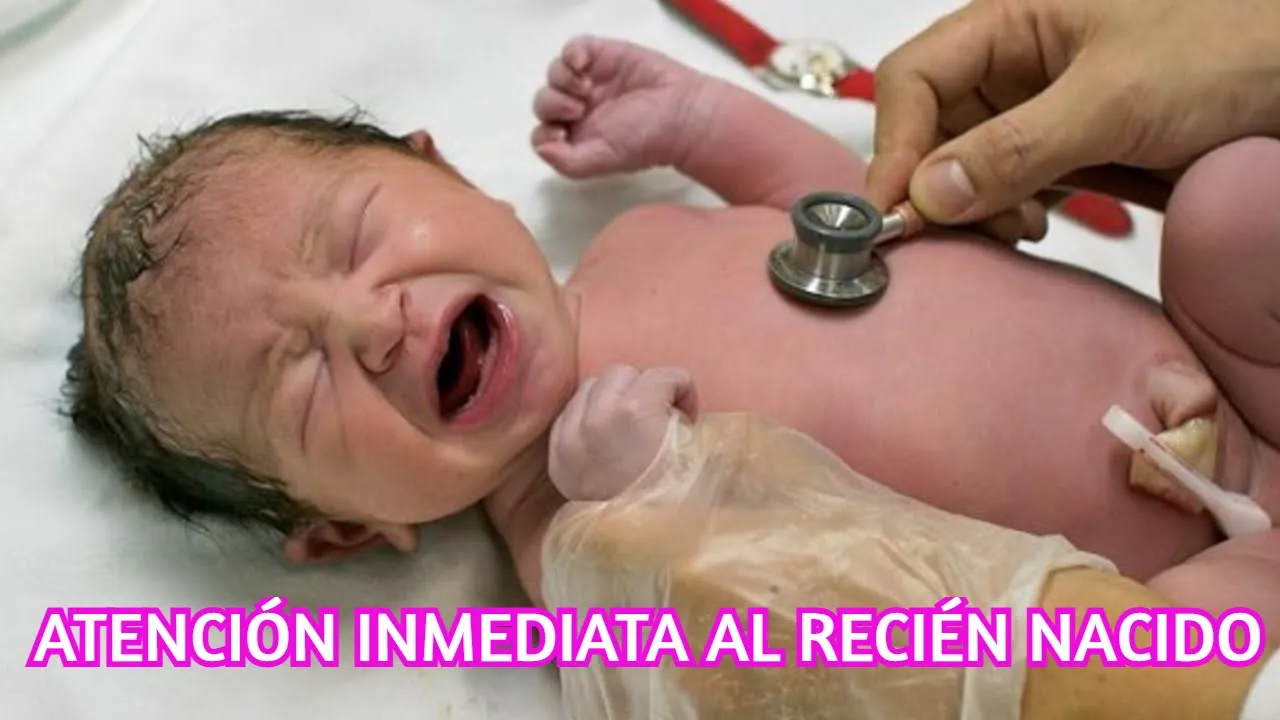





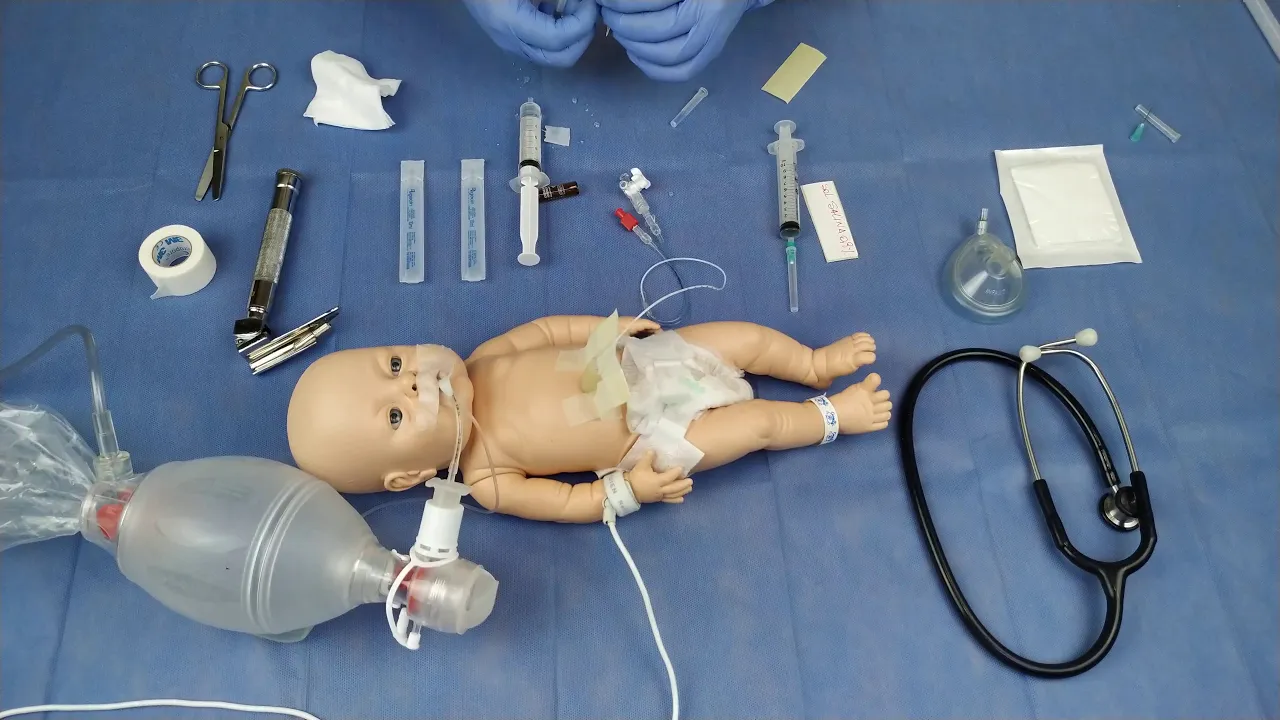

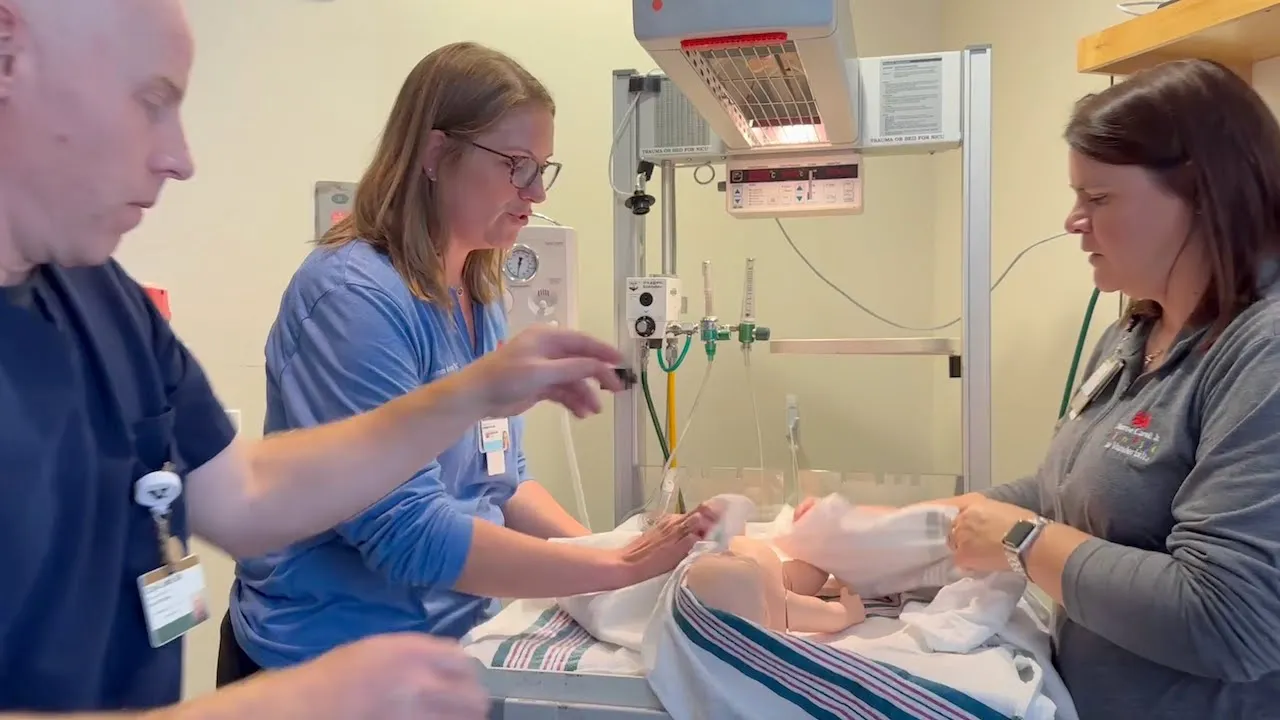






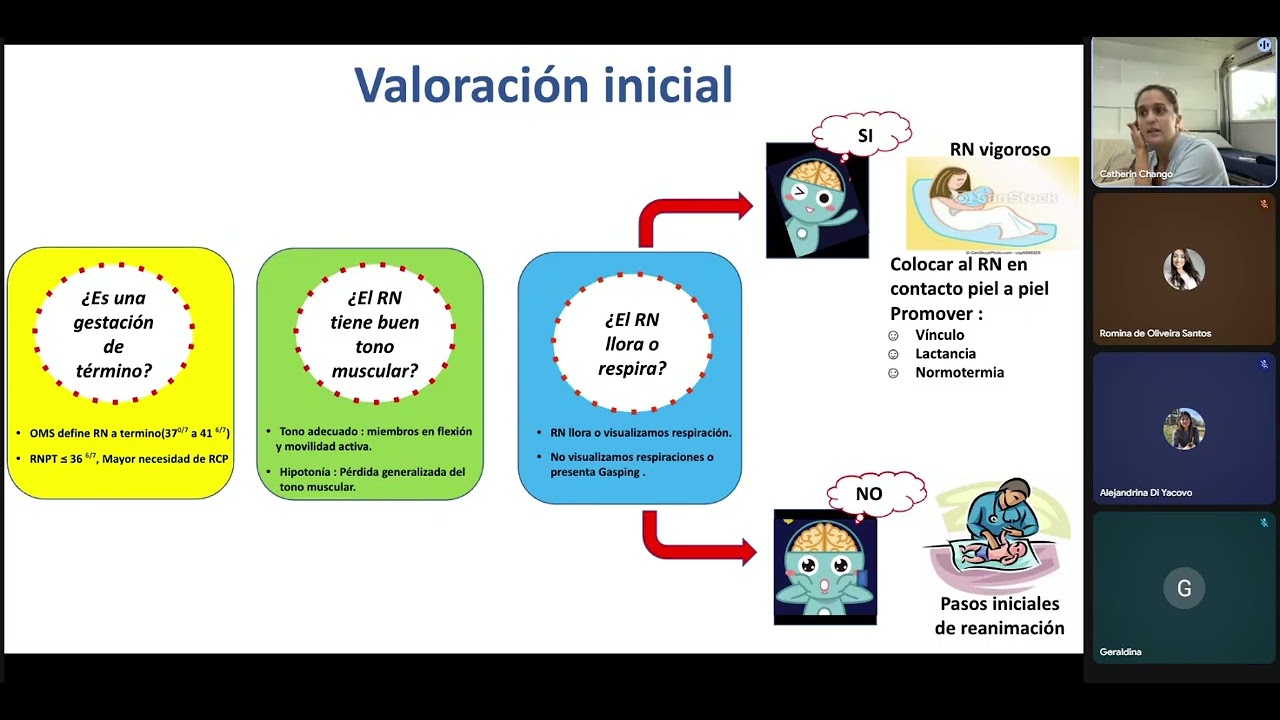

Neonatal resuscitation is a time-sensitive emergency procedure performed when a newborn fails to initiate breathing at birth, following a systematic approach: first, keep the baby warm by drying and wrapping them in warm towels; second, assess the baby's condition by checking color, tone, breathing, and heart rate; third, open the airway using the head tilt chin lift or jaw thrust maneuver; fourth, provide five inflation breaths using a bag and mask, ensuring visible chest rise; fifth, if the heart rate remains below 100 bpm, administer ventilation breaths at approximately 30 per minute; sixth, if the heart rate drops below 60 bpm and does not respond to ventilation, begin chest compressions at a ratio of three compressions to one breath; seventh, continuously reassess the baby's condition after each intervention; and finally, stop resuscitation only when the heart rate becomes undetectable or when country-specific guidelines indicate no further benefit, typically between 10-20 minutes after birth.
Newborn Resuscitation Guide: Essential Steps for Birth Attendants
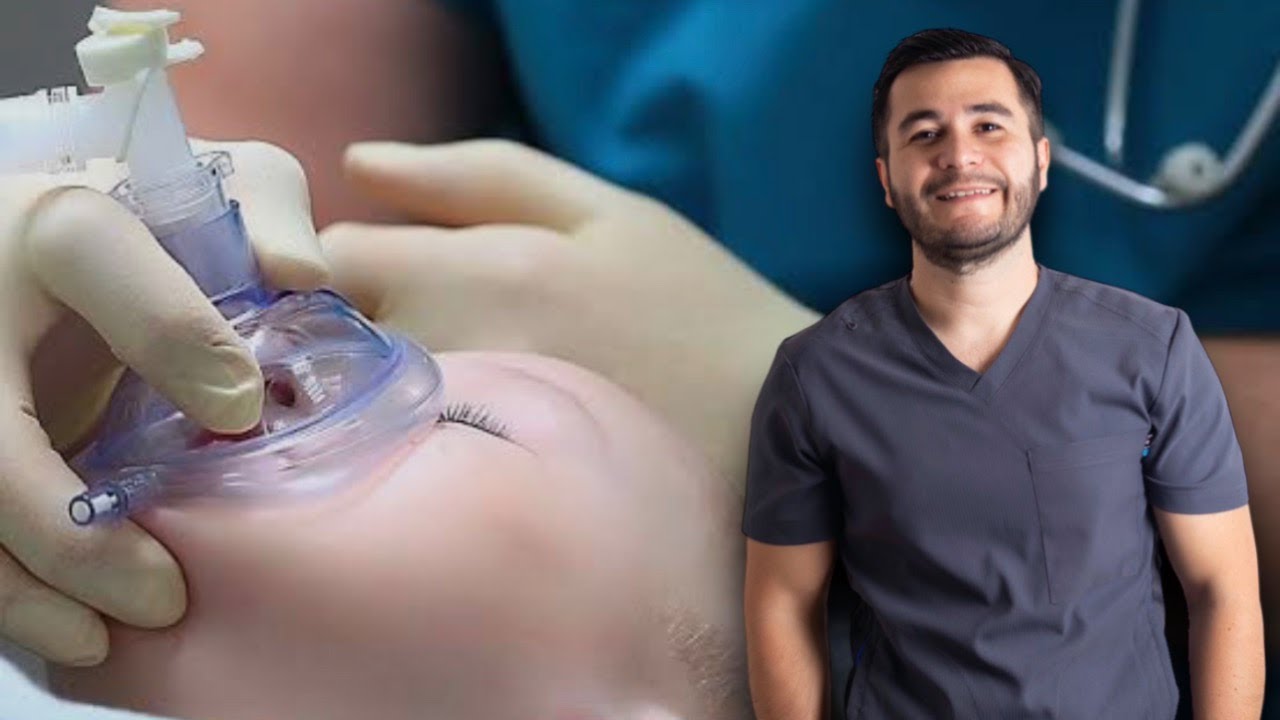
Added:[Music] introduction and preparation this film will show you how to resuscitate a newborn baby it is based on the resuscitation Council UK's guidelines and we'll focus on the following essential Maneuvers keeping the baby warm assessing the baby opening the airway and breathing and chest compressions once learned these skills will allow you to help save the lives of newborn babies so why do some babies need resuscitation if a fetus experiences a significant lack of oxygen before or during delivery its breathing movements become deeper and more rapid the heart rate at this point remains normal but if oxygen levels continue to fall all breathing movements stop this is called primary apnea and at this point the the heart rate will also fall if the oxygen levels fall further the fetus begins to make deep slow gasping movements when the Gasping stops the fetus then enters terminal apnea the heart rate will continue to drop and if not delivered soon the fetus will eventually die if the fetus is delivered during primary or terminal apnea the person attending the birth will need to help the baby breathe and in some cases establish a normal heart rate this is called neonatal resuscitation globally about one quar of all neonatal deaths are caused by birth asfixia birth asfixia is defined as the failure to initiate and sustain breathing at Birth effective resuscitation at Birth can prevent most of these deaths but resuscitation needs to proceed rapidly the birth attendant has about 30 seconds to achieve a response from one step before deciding if another intervention is needed the first 60 seconds are the most critical the need for resuscitation is often unexpected therefore the person attending the birth should be trained in neonatal resuscitation and well prepared at every delivery preparation firstly it is important to find out if the mother has experienced any conditions that may put the baby at greater risk of needing resuscitation is she expecting twins is the baby pre-term or small ask the mother if she has had any infections during the pregnancy if she has been in labor for over 10 hours and if she has had any bleeding or evidence of moonium preparing the room is also a essential the room must be warm and free from drafts this is to prevent the baby from getting cold if you have a radiant warmer switch it on make sure there is a good light source to assess the baby this could be daylight an overhead light or a bright torch prepare a flat firm surface with warm clean towels equipment a clean bag and masks of different sizes is essential ensure that it is working by testing it a stethoscope and reliable clock are also necessary to time the delivery and duration of resuscitation clean ties and scissors to cut the cord lastly wash hands and put on your gloves keeping the baby warm and assessing the [Music] baby keeping the baby warm as soon as the baby is born you should start the clock the first minute is the most crucial time you must work carefully and quickly to assess the baby whether he or she is breathing fine alone or whether he or she will need help with their breathing the sooner the lungs are inflated the better as part of routine care of the newborn rubbing and drying the baby and keeping them warm May stimulate some babies to breathe babies are born wet and as a result can become cold very quickly this can lead to complications including death therefore it is essential to dry the baby discard the wet towels and then wrap the baby in clean dry warm towels small and pre-term babies lose heat more rapidly than bigger turn babies so it's extremely important to keep them warm assessing the baby when a baby is delivered a quick assessment is made of the baby's color tone breathing and heart rate a healthy baby will establish regular breathing with within 30 seconds will have good color meaning pink lips and tongue a good tone meaning good movement of its arms and legs and will have a heart rate above 100 beats per minute this baby does not need resuscitation keep the baby at height with or below the placenta until the cord is clamped which will enhance placental transfusion of blood to the baby the cord can then be clumped at the recommended 1 to 3 minutes after birth to minimize newborn anemia and the baby can be given to the mom and kept skin to skin as this will help to keep the baby warm early C clamping the some one minute after birth should be done on any infant whose assessment shows they are not breathing and have a heart rate of less than 100 beats per minute as you must act fast and begin resuscitation if the baby is breathing adequately it is safe to allow ongoing placental transfusion a baby in need of resuscitation will not be breathing will be floppy with very little tone will have blue or pale lips and tongue and will have a slow heart rate of less than 100 beats per minute every few seconds that goes by makes it more difficult to inflate the lungs so to where possible you may need to call for further help resuscitating the baby opening the airway and breathing for any baby not breathing you need to begin resusitation by opening their Airway to open the airway the baby's head must be placed in the neutral position by the head tilt Chin Li lift procedure the baby should be lying on a flat surface on its back the neck must not be flexed or extended meaning that the baby's face is positioned parallel to the surface you can place a folded towel two to 3 cm thick beneath the shoulders and this should help to achieve the right position the airway should now be open if the baby does not breathe and heart rate remains below 100 beats per minute you must give five inflation breaths and remember the lungs are only inflating if the chest is moving to give inflation breaths you need to maintain the neutral position by supporting the baby's head with your hands Place The Mask over the baby's mouth and nose The Mask must be the right size and form a good seal it should not press on the baby's eyes or overhang the chin the mask is held and compressed from the top not near the edges as this will ensure a good seal around the mouth and nose give five inflation breaths by slowly squeezing the bag each breath should be 2 to 3 seconds long and you should see the baby's chest moving allow the bag to reinl after each breath counting out loud helps to keep an accurate Rhythm while 1 2 3 2 2 3 3 2 3 4 2 3 5 2 3 after the inflation breaths reassess the baby listen to the heart rate which should increase and look to see if the baby has started to breathe once the baby's lungs have been inflated the heart rate should increase to over 100 beats per minute and the baby should establish regular breathing in most cases putting the baby's head in the neutral position and giving five inflation breaths is all that is needed to open the airway and inflate the lungs the baby will establish regular breathing without further help once the baby is successfully breathing then return him or her to the mother to be kept skin to skin as as warmth is essential and encourage her to breastfeed remember to monitor the baby's respirations regularly and keep them under observation for 6 hours opening the airway jaw thrusts if the heart rate does not increase and the chest does not move with inflation breaths then you'll have to repeat the maneuver of creating the neutral position by the head tilt chin lift to open the airway or move on to another maneuver such as a single person or twers jaw thrust and repeat the inflation breaths single person jaw thrust position your fingers over the angle of the baby's jaw lift it forwards and hold it in place using the other hand Place The Mask over the baby's mouth and nose and give five inflation breaths two person jaw thrust if another person is available to help you then you may do a twers jaw thrust one person supports the baby's jaw forwards with both hands and holds the mask in place the second person gives five inflation breaths by squeezing the bag the person squeezing the bag does not need prior training and could be a relative or other available person 1 2 3 2 2 3 3 2 3 4 2 3 5 2 3 after either of these methods reassess the baby listen to the heart rate which should increase and look to see if the baby's chest has moved with inflation breaths the baby should then establish regular breathing keeping the baby breathing and what to do if moonium stained ventilation breaths once the lungs have been inflated the baby may still need help to establish regular breathing ventilation breaths should be given if an infant has a heart rate that is above 60 beats per minute and Rising but is making inadequate respiratory effort of its own meaning there either not making any effort or their breathing is still irregular gasping rather than regular respiration in this case ventilation breaths are given using the bag and mask give ventilation breaths at a rate of around 30 per minute each breath should be 1 second long 1 2 3 4 5 5 6 7 8 9 10 11 12 13 14 15 reassess the baby every 30 seconds to 1 minute make sure the head remains in the neutral position the heart rate remains above 100 beats per minute and look to see if the baby is breathing continue to give ventilation breaths until the baby establishes regular breathing moonium in most cases of moonium stained Li the baby will not require resuscitation however if there is thick moonium present and the baby is not breathing remove as much moonium as possible by suction under direct Vision using a wide board Tube before rapidly providing five inflation breaths the baby should be dried and wrapped before aspirating moonium to avoid hypothermia routine suction is not necessary if moonium is present and the child is breathing adequately chest compressions [Music] the need for chest compressions is rare chest compression should be started on an infant who has no heart rate or has a low heart rate of less than 60 beats per minute and who has not responded to being resuscitated with a bag and mask it is vital to check the chest is moving in response to ventilation before commencing chest compressions there is no point in giving chest compressions if the baby's Airway is not open and the lungs are not being inflated you will need if possible a second person to help you call for help encircle the baby's chest with both hands the fingers should support the spine and back while the thumbs are placed on the sternum just below an imaginary line joining the nipples the thumbs then depress the chest by a third of the AP diameter quickly and firmly three chest compressions are given to one breath 1 1 2 3 2 1 2 3 3 1 2 3 4 1 2 3 5 1 2 3 6 1 2 3 7 1 2 3 8 1 2 3 9 1 2 3 10 1 2 3 11 1 2 3 12 1 2 3 13 1 2 3 14 1 2 3 15 1 2 3 chest compressions are continued until the baby's heart rate has increased usually the heart rate responds quickly check for a response every 30 seconds to 1 minute and that the chest is inflating with each breath breath summary and when to stop [Music] resuscitation to summarize be aware that assessing the baby happens immediately after delivery and resuscitation begins straight away if needed the longer the baby is without oxygen the greater the risk of brain damage so decisions and actions must be taken rapidly the first minute of life is crucial keep the baby warm by wrapping him or her in a dry warm towel assess the baby's color tone breathing and heart rate open the airway by putting the baby's head in the neutral position and give five inflation breaths using the bag and mask if this does not work use either a single or twers jaw thrust to open the airway and then give five inflation breaths you may also need to give ventilation breaths in rare cases chest compressions are necessary reassess the baby after each intervention listening to the heart rate and looking to see if the chest is moving remember unless the airway is open and the lungs are inflated there is no point in giving chest compressions therefore it is essential in neonatal resuscitation to open the airway and ensure that the lungs are inflated in the vast majority of cases this is all that will be needed when to stop resuscitation this is always a difficult decision and if possible should be made by an experienced clinician if the heart rate is not detectable then it is appropriate to consider stopping as the outcome is extremely poor and the baby is unlikely to survive country guidelines vary as to when you should stop resuscitation attempts from 10 minutes after birth to 20 minutes after birth [Music] [Music] [Music] [Music]
Up Next

Neonatal Resuscitation Skills: Clinical Simulation for Midwifery Students
@GlamorganUniversity
384.5K views•2011-03-15

Graphic Medicine: Comics for Collaborative Healthcare Communication
@nationalpatientadvocate
189 views•2023-12-04

Neuroanatomy: Central and Peripheral Nervous System Divisions Explained
@AKLECTURES
136.2K views•2014-09-20
Stages of Labor and Vaginal Birth | Childbirth Animation
@nucleusmedicalmedia
52.1M views•2017-08-18
Related Study Plans & Knowledge Roadmaps
Structured learning paths in Medicine