


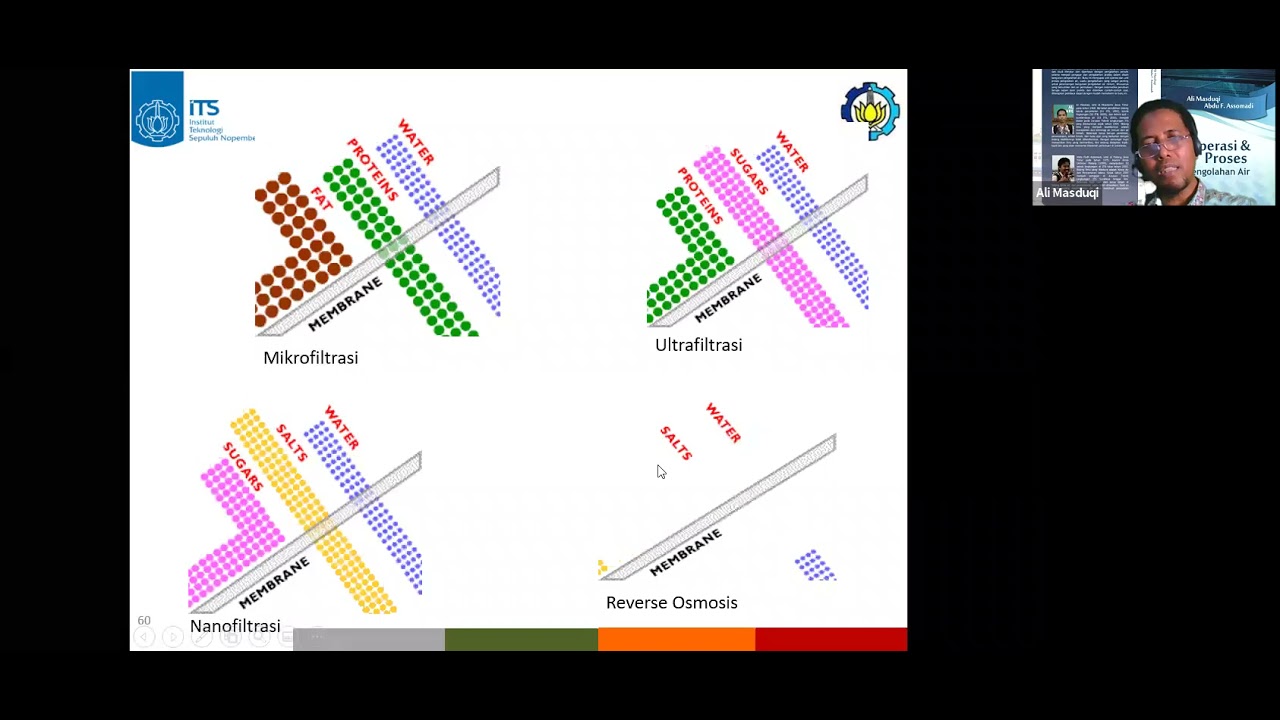









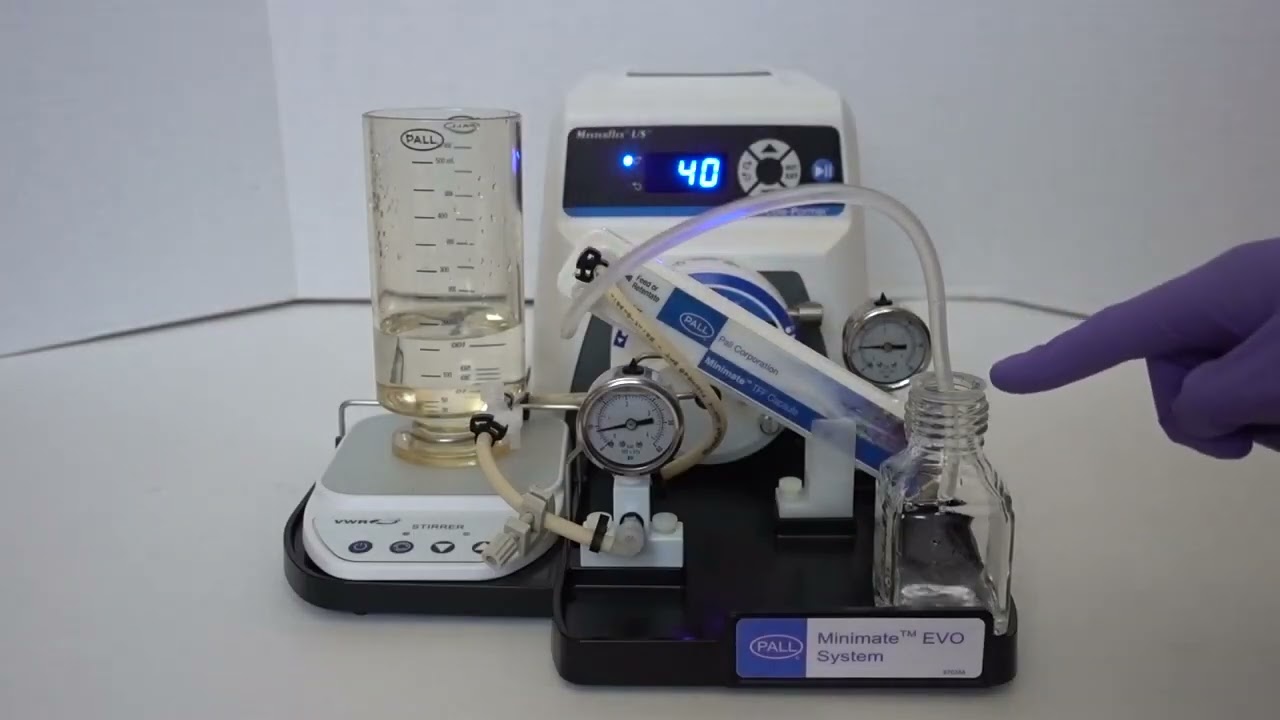







Tangential flow filtration (TFF) is a membrane separation technique where fluid flows parallel to the membrane surface rather than through it, allowing biomolecules to be separated based on size; the system includes a feed reservoir, pump, filter, retentate and permeate lines, and pressure gauges, with two main membrane types—hollow fiber and cassette—offering pore sizes ranging from microfiltration (0.1 micron+) for separating cells and debris to ultrafiltration (<0.1 micron) for concentrating and purifying proteins in the 3-1000 kDa range, commonly used in cell harvesting, lysate clarification, protein concentration, and diafiltration processes.
Tangential Flow Filtration: Principles, Membranes, and Techniques
Added:Basic principles of fluid dynamics, including flow rate, viscosity, shear stress, and pressure drops.
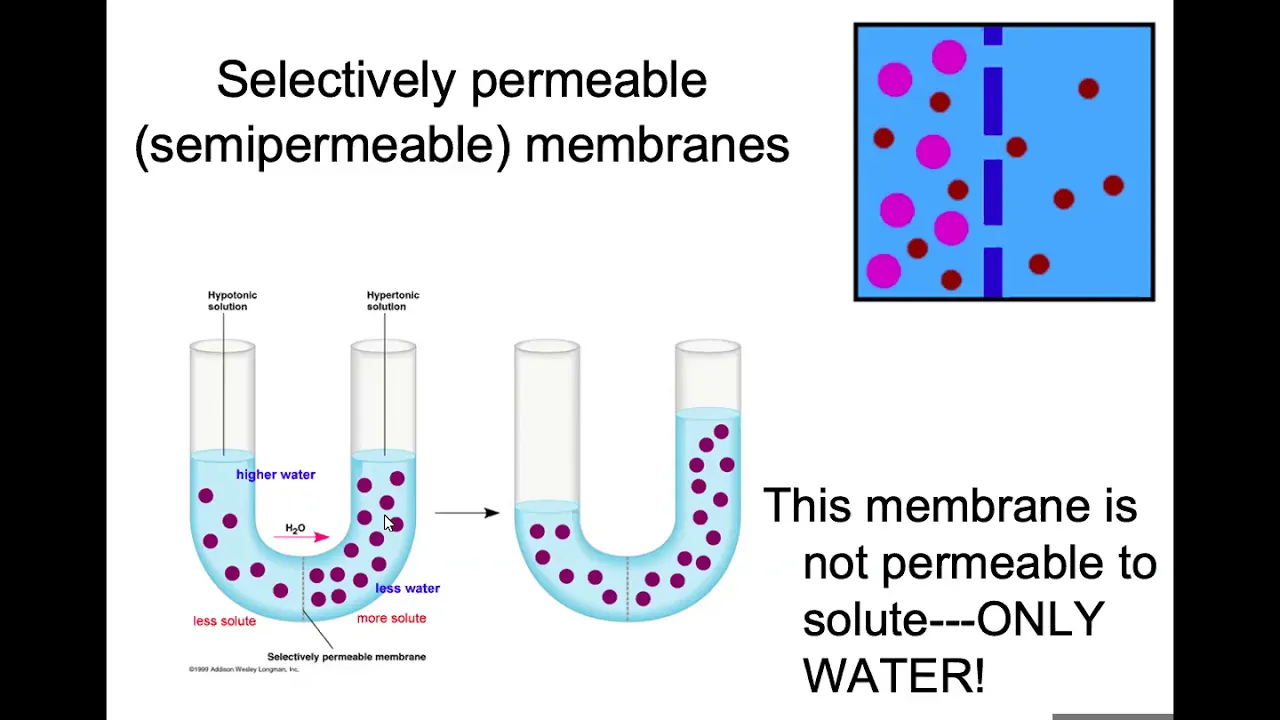
Fundamentals of standard (dead-end) filtration and the core concept of semi-permeable membranes.
General biology and biochemistry knowledge regarding the size scales of biomolecules (proteins, nucleic acids) and cellular components.
The concepts of concentration gradients, mass transfer, diffusion, and osmotic pressure.
Design, scale-up, and parameter optimization of TFF systems, including Transmembrane Pressure (TMP) and cross-flow flux calculations.
Strategies for mitigating membrane fouling, gel layer formation, concentration polarization, and establishing Clean-in-Place (CIP) protocols.
Integration of TFF into complete downstream processing (DSP) workflows, specifically for harvest clarification, concentration, and diafiltration.
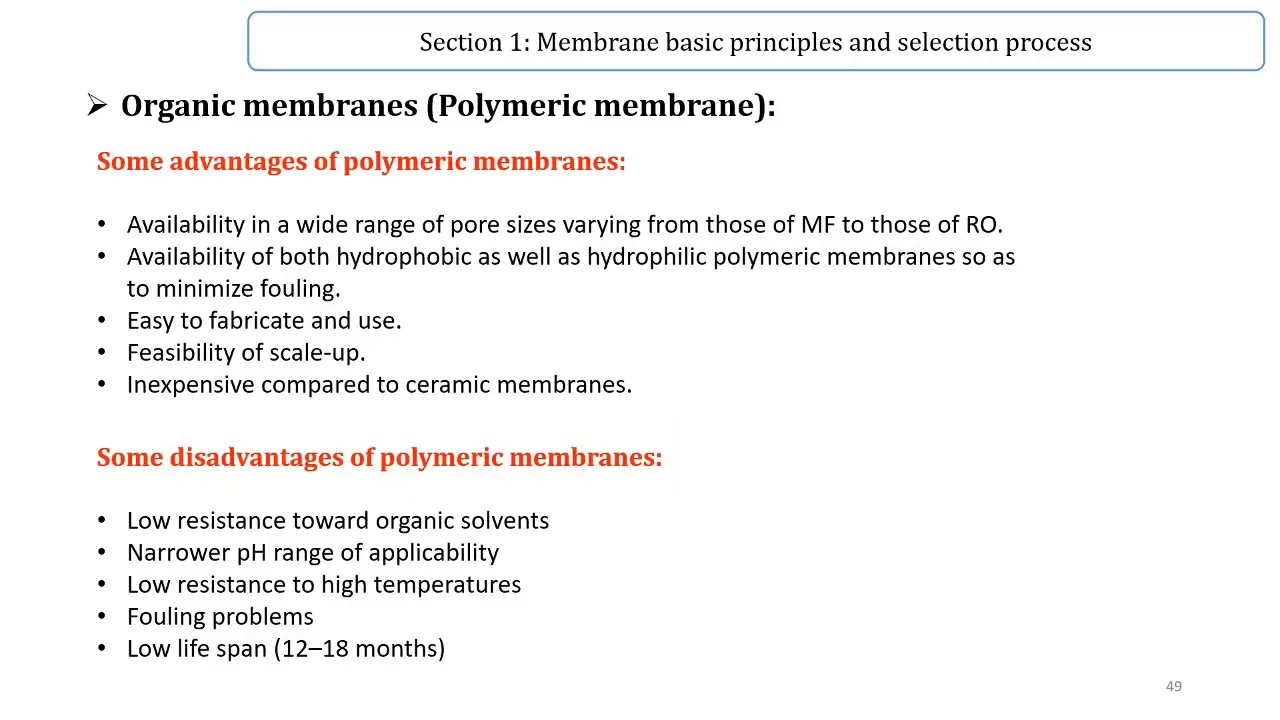
Advanced membrane materials science, comparing polymeric and ceramic membranes, and evaluating surface modification techniques to reduce binding.
88K views954likes7:16Original Release: 2021-01-22
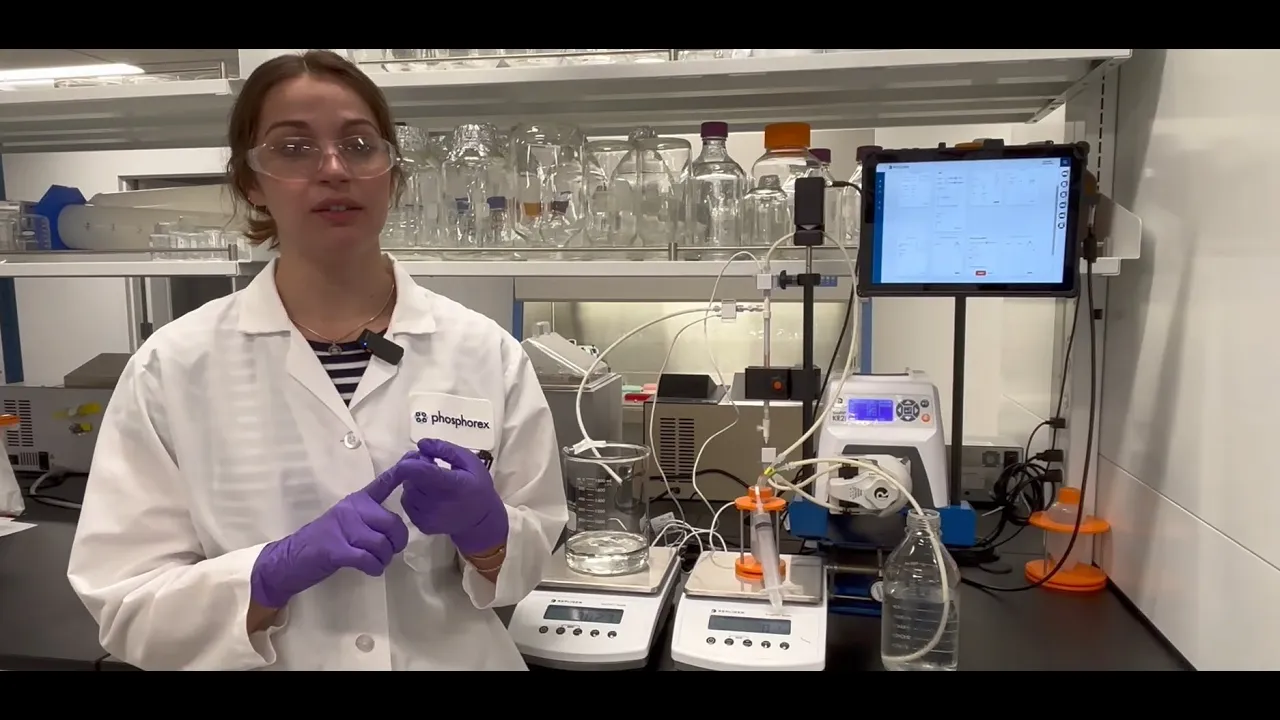
cross flow otherwise known as tangential flow filtration or tff is a process technique in which a membrane is used to separate biomolecules based on their size tff differs from dead end or normal flow filtration because the material passes across a membrane rather than through it a typical tff configuration consists of the following components a feed reservoir feed pump filter feed retentate and permeate lines pressure gauges to make sure the system stays at the correct pressure and a vessel to collect the permeate the material is fed in from the feed reservoir by a pump and enters the filter via the feed line material that does not pass through the membrane is called the retentate and is usually pumped back into the feed reservoir material that transits the membrane is called the permeate and can be collected separately in the collection vessel there are two main types of membranes used in tff known as holofiber and cassette the holofiber membrane consists of a cylinder with the membrane embedded as separate fibers filtration occurs as the fluid passes between the fibers another type of membrane is the cassette style in which the layers of membrane are stacked inside of a housing and are separated by small screens filtration occurs when small molecules in the feed pass through the pores in the adjacent membranes to enter the permeate while molecules larger than the pores exit in the retentate one factor that distinguishes membranes is pore size there are two common types of membrane based on pore size micro filtration and ultrafiltration microfiltration membranes have pores that are 0.1 micron or larger and are used to separate cells cellular debris or other macromolecules from proteins and small molecules when the material is applied to a microfiltration membrane the smaller components pass through the membrane while the larger components are retained to isolate proteins in the three kilodon to one thousand kilodon range in a solution ultrafiltration membranes having pores smaller than 0.1 micron are used in this case proteins larger than the pores are retained while smaller molecules such as water and solutes pass into the permeate because the water is removed in the process ultrafiltration membranes are routinely used to concentrate proteins tff is used in a variety of unit operations including cell harvesting lysate clarification product fractionation protein concentration and die filtration tff is used to collect cells when centrifugation is not available or practical microfiltration membranes are used because most other materials will pass through and cells will be retained inside the membrane this process also can be used to selectively recover the supernatant in this situation the product of interest would be in the fraction that passes through the membrane and is separated from the cells after cells are lice the lysa includes a significant amount of debris including fragments of cell membrane and unlice cells typically microfiltration membranes are used to remove these materials and prepare for purification by chromatography smaller proteins can be separated from larger proteins through the use of ultrafiltration membranes having pores that allow the smaller proteins to pass through while retaining the larger ones because the size of pores and these membranes can vary it is important that the proteins to be separated are vastly different in size one of the primary reasons to use tff is to concentrate proteins after the material has been diluted during chromatography steps and the final product may not be concentrated sufficiently to meet your requirements while tff can be used to remove water from the material it is important to recognize that some of the protein may stick to membranes or be lost as a precipitate in this process a buffer is added while the protein is being concentrated as a result the final product has a different buffer formulation than that used initially it's always a good idea to follow a checklist when running a procedure like tff the following is a 10 step one we recommend make sure you collect a pre-filtration sample of the material to compare against later identify the components of the tff system you will need insert the inlet tubing into the material to be concentrated make sure that the filtrate line enters a clean container and the retentate line goes back into the reservoir turn the system on and record the flow rate of the pump check the pressure settings often to ensure that the pressure never exceeds the recommended limits run the pump until the volume of material has been reduced without ever letting the reservoir run dry remove the inlet tubing from the reservoir and slowly run the pump until all of the material trapped in the membrane returns to the reservoir via the retentate line measure the absorbances of the pre and post filtration samples determine yield and fold concentration you
Up Next

32:19
Single-Use Protein A Purification: Cost Savings in Antibody Manufacturing
@sambascientific
126 views•2024-04-09

12:54
Triumph of Orthodoxy Icon: Byzantine Art & History Explained
@BenCallan
2.1K views•2024-08-06

9:49
FastAPI vs Flask vs Django: Choosing the Right Python Web Framework
@TechWithTim
302.5K views•2024-05-26

1:42
Game of Thrones Opening Credits: A Cinematic Analysis
@gameofthrones
46.3M views•2011-04-18
Related Study Plans & Knowledge Roadmaps
Structured learning paths in General & Interdisciplinary Studies
general-studies
Elevator Engineering: History, Physics & Cities
01From Hoists to Safety Brakes: The Dawn of Vertical Lift
02Hydraulic vs. Traction: The Engineering Physics of Elevators
03Modern Speed, Safety, and Algorithms
+ 2 more learning modules
12h5 modules
Explore Roadmap
general-studies
Rubber: Material Science, History & Geopolitics
01Origins of Natural Rubber & Mesoamerican History
02The Chemistry of Natural Rubber & Vulcanization
03The Geopolitics of the Rubber Boom & Colonization
+ 2 more learning modules
12h5 modules
Explore Roadmap
general-studies
Containerization: Evolution, Logistics & Trade
01Ancient Trade & Bulk Cargo: Amphorae to Barrels
02The Industrial Revolution & Cardboard Packaging
03The Containerization Revolution: Malcom McLean
+ 2 more learning modules
12h5 modules
Explore Roadmap
general-studies
Textile Tech: Evolution, Labor & Global Impact
01Pre-Industrial Textiles: Handloom & Cottage Industry
02Mechanization: The Spinning Jenny to the Power Loom
03The Factory System & Global Labor Transformation
+ 2 more learning modules
10h5 modules
Explore Roadmap