
















Single-use protein A membrane chromatography devices offer a viable alternative to traditional resin-based columns for antibody purification, providing 10x higher productivity with faster processing times (under 10 minutes per cycle versus 4-6 minutes for resin), comparable purification quality, and significant cost savings (up to 90% reduction in cost of ownership for single batches) while eliminating the need for column packing, storage, and validation.
Single-Use Protein A Purification: Cost Savings in Antibody Manufacturing
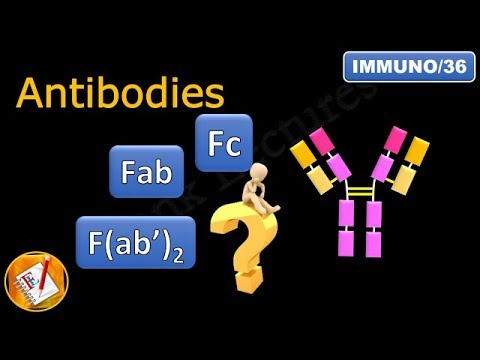
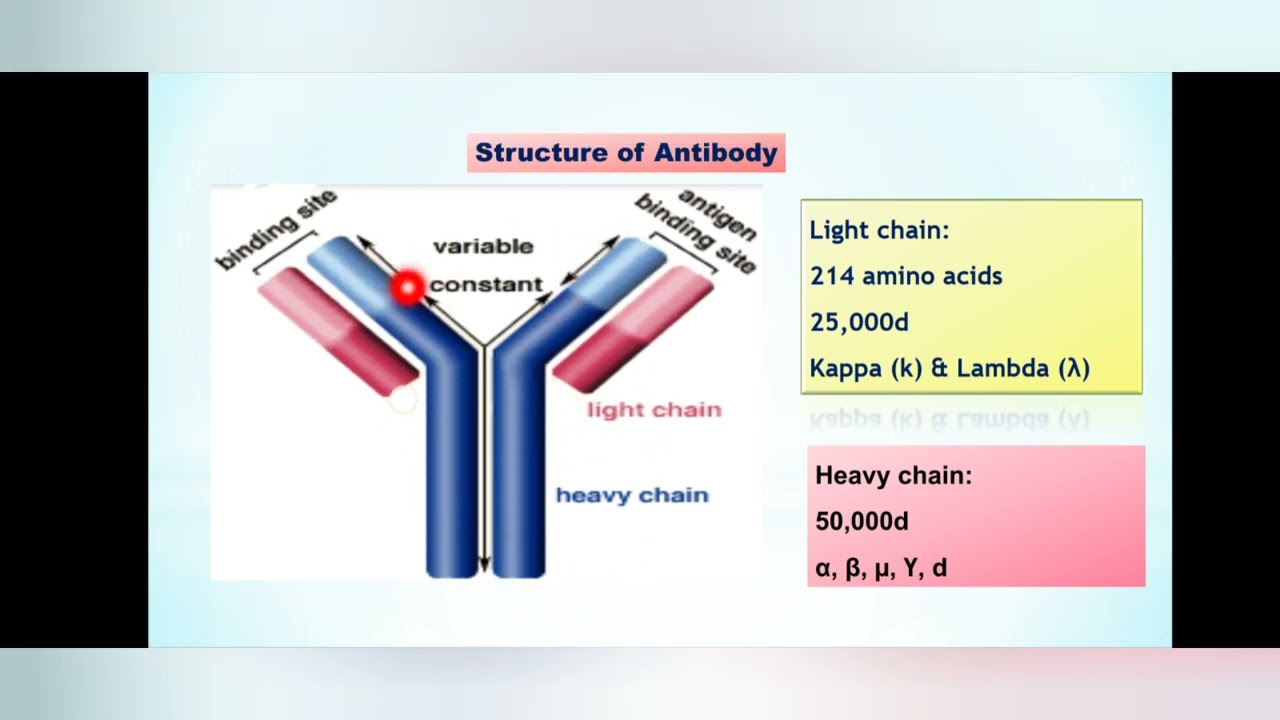
Added:The basic principles of monoclonal antibody (mAb) structure, particularly the function of the Fc (crystallizable fragment) region.
The mechanism of Protein A affinity chromatography, including ligand-receptor binding and pH-driven elution.
The standard steps of downstream bioprocessing, specifically the distinction between harvest, capture, polishing, and formulation.
The conceptual differences between traditional multi-use (stainless steel/glass) and single-use (disposable) technologies in biomanufacturing.
Methods for Cost-of-Goods-Sold (CoGS) modeling to quantitatively evaluate the financial trade-offs of resin columns versus membrane chromatography.
Regulatory and validation compliance for single-use systems, specifically testing for extractables and leachables (E&L).
Process intensification strategies, such as continuous downstream processing and multi-column chromatography (MCC).
Next-generation purification alternatives for complex biotherapeutics like bispecific antibodies, fragments (Fabs), and antibody-drug conjugates (ADCs).
126 views3likes32:19Original Release: 2024-04-09
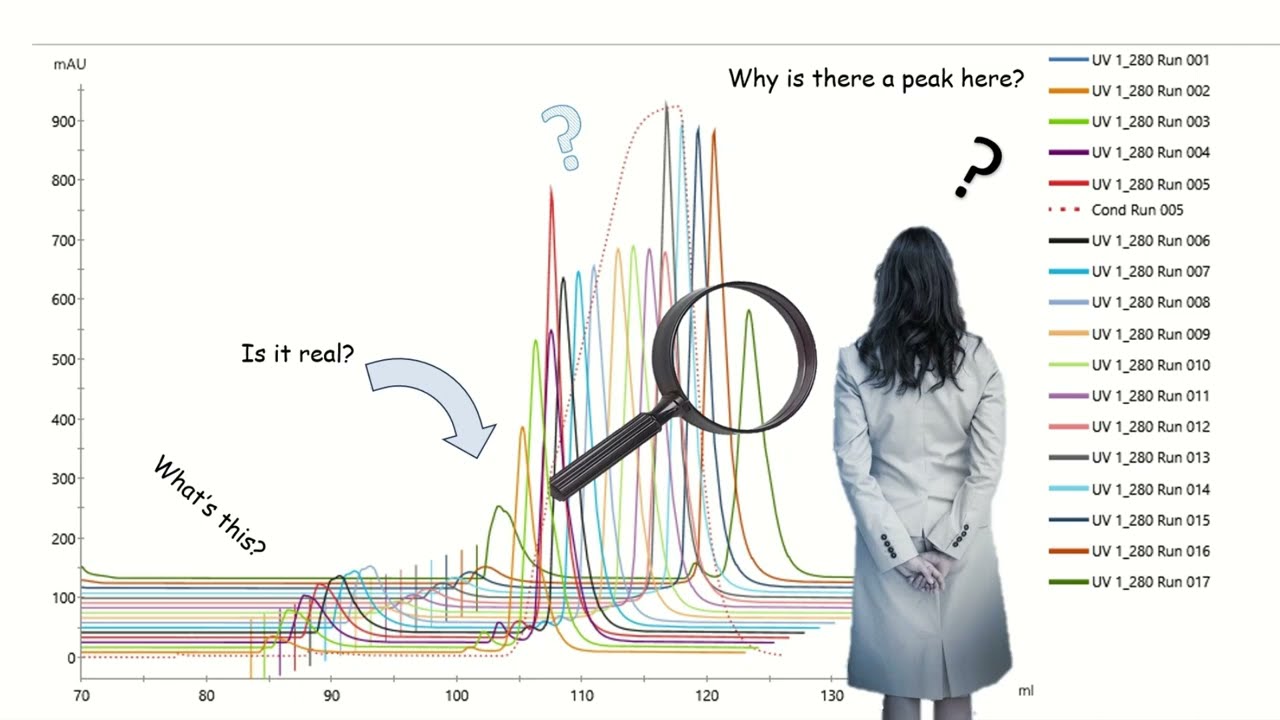
hello everyone and thank you for joining our webinar today my name is Ellen chvy and I'll be your moderator today's talk is entitled unpacking resin Alternatives single-use purification that reduces costs and accelerates clinical Journeys this will be an overview of new research on the promise of protein a purification devices our speakers today are Chase Snider do senior Development Associate scientist at EGC biologics and Bill Barrett Global product specialist at Gore uh but without further Ado I'll hand it off to chase to get started thank you Ellen for the introduction again my name is Chase Snider I'm from AGC biologics and I'll be talking to you about some um new interesting research we've done with the uh protein a purification devices from so just as an introduction um who is AGC biologics I'll start out with a bit about us so this slide just gives you a little idea of our different capabilities at AGC biologics um we're your complete partner and can assist from preclinical through commercial stages of process development and Manufacturing we have a cell line Development Department um we do cell baking analytical development um full process Development Department as well as um helping you through GMP clinical manufacturing from indd through bla and Commercial we uh have a wide range of expertise with over 150 products developed including Ms coagulation factors Fusion proteins and other antibod like formats we offer pre-clinical and Commercial manufacturing with variable manufacturing Solutions such as fed bat profusion um stainless steel and single use reactor technology um we have our own in-house Chef one celline development platform and we offer Speedy um DNA to clone selection from 11 months to GMP on specific Maps to fit our platform and we work through development anti- manufacturing and uh can help you out with regulatory guidance as well here's a quick snapshot of our templated platform approach um again this is all flexible to meet client needs um the order in which this is done and the the timelines are very flexible AGC is experienced in accelerated development and uh we maintain flexibility in meeting your development and Manufacturing specifications our team collaborates with you throughout process development and scale up to fit your process needs and we focus on development to optimize manufacturing as well as quality we have supported um scal down and process characterization studies numerous times with success for many different clients and here you can see our Global Network of services across three different continents um we're able to support Mamon and microbial across these sites as well as added uh pdna support at our cha site some new key trends that are driving our map development work at AGC um single use systems are being implemented across a lot of different um companies they offer smaller footprint um less upfront Capital they also allow for you to use less water chemicals and energy in terms of turning over manufacturing Suites which allow for more sustainability again they're scalable and flexible which fit our needs very well um they allow for Less downtime and faster turnovers so we can get more products and more Lots through our manufacturing they also allow for a lower risk of contamination bio burden and operational error with a lot of these single use flow paths and systems and then moving to supply chain we understand that it's important to Source from vendors with multiple sites of production and uh work around short lead times as far as intensified processing um smaller footprint produces higher productivity for us allows us to maintain our manufacturing capacity in smaller areas and then our consistent scalability and facility fit allow our speed detect transfer to maintain um processes across different sites and then working with new complex modalities um a lot of clients are coming to us with new multi specifics or adcs or FC Fusion proteins and um the molecules are getting more complex as we move along into the future a common problem still persists though and downstream specifically a bottleneck with a resin chromatography and the first step in most of our manufacturing steps is protein a resin for affinity and these cols are often over utilized or underutilized excuse me and oversized They Don't Really allow us to keep with some of the speed through processing times that keep Pace with our Upstream productivity so we need to optimize this chromatography step we need to optimize the media performance to enable high flow rates and high binding capacities um along with this slow the step being slower it is also often a issue for facility fit so our facilities push through multiple dark products and have different scales with different potencies um a lot of these static columns can be very large and difficult to deal with they also cause for downtime for packing qualifying storing and validating the resin base columns and as well as as that the bile burden can often impact bottom line if these um storing and validating of these columns for long periods of time doesn't work out as we'd like with the step being directly after har Harvest it is more susceptible to bioburden concerns than other steps in the manufacturing process so us at AGC thought what happened if we looked into one of these new protein a membrane Technologies and um tried to implement that into an entirely single use process so our R&D Department did some research to answer this question we were looking to reduce and eliminate B burden from Storage we were looking to reduce our manufacturing footprint we're also looking to reduce potential costs for clinical manufacturing and select scale commercial projects all while creating a new solution for the Next Generation antibody based therapies so this is where we called Gore to do some research and explore this potential and this is where I'll hand it over to Bill to speak a bit about Gore devices so what we'll do over the next uh four or so slides is just give a little bit about um who Gore is um and then just touch on what the technology is and then what Intrigue um AGC into to testing testing this out for their single use application so next slide Chase so Gore's a one of the top 200 privately held companies we have a global footprint across uh Europe uh Asia Pacific as well as in the United States and Gore has been in the business for the pharmaceutical industry for over 25 years uh with various products um having over uh 50 customer audits performed um for the products that we have been supplying to the industry for this time with the protein a itself we're uh seeing an increase in usage um rapidly moving into about 10 pre-clinical trials with customers since we launched the one liter sizes back in March so as the sizes of the devices grew we're seeing uh more interest um and a bigger push into to the edge of the the clinical space and we have about eight of the top 10 pharmaceutical companies who have used um the technology um within their Labs um so next slide Chase um some of the products supplied by the Farm Bio uh unit here at Gore uh include products like our microfiltration media through to uh flexible freeze containers for bulk drug substance storage uh the protein a capture devices which we'll talk about here uh freeze drying trays siliconefree plungers as well as some peristaltic pump tubing in our stay pure Pump tubing line all of these have been available for for various times as I mentioned throughout the years so we'll look now um about the the protein a product itself so next slide Chase so as as Gore looked at the question Chase raised um being oversized protein a columns that are underutilized we looked at what we could do with our membrane technology and how can we develop one that was scalable and that was easily scalable and when we thought about scalability we thought about three different aspects if you will we thought about the membrane aspect of course of speed and capacity so in the upper left you'll see a a dynamic binding capacity 10% break breakthrough curve uh Gore represented in red uh an agrro materials represented in Gray and you can see here again you wouldn't technically run agros this fast in any manufacturing type environment but Gore was getting probably equivalent capacities at 20 or 30 seconds that this agross material would give you at about 4 minute residence time so you're looking at 8 to 10 times productivity um just on that speed alone when you think about seconds residence time on the X axis there it is a combination of a convective diffusive membrane that's partly by Design um and so that's why you don't see it uh as a perfectly flat uh capacity across all residents times the second aspect we thought about uh looking at the base of the triangle pressure drop we wanted this to be able to scale and work within the existing uh Capital Equipment that's in your Labs today and so we focused on a pressure drop and we wanted the pressure drop to be well below four bar 0.4 megapascals so that way it would give you flexibility in that manufacturing environment for how you might want to employ the devices but be uh able to to utilize existing Capital within a good safety margin for pressure so what you're seeing down there is across 20 second residence time down to about 7 and a half seconds residence time some typical uh Delta column pressures um listed in megap Pascal the last aspect that we focused on was illusion withd we recognized with membranes that uh some of the Technologies out there can give really broad illusion width so we were trying to design ours to to minimize the illusion width as best we can recognizing of course there'll be differences between a membrane and resin materials themselves so what you're seeing um in the upper right of the slide is the typical illusion volume for 100 Mill Au to 100 m cut off for an igg1 and on average they would probably be around 2.6 2.5 CVS again give or take what your ution conditions would be and that would be something that uh could be optimized as you did uh process development further so in this slide um I think this is where we started discussions um both with with AGC along the way so we started off on the left side initially with some pretty low productivity um we were very conservative in the way we were running the devices and as we worked with Chase and the team at AGC um they were giving different indications around transitions that we could be reducing things so they started looking at it from more of the operation point of view and as you go from left to right you can see each successive change resulted in higher and higher productivities that included changes of the loading flow rates all the operational steps as well as different CIP conditions that we've used so we've looked across a range of cips that you can then tailor to optimize how you'd like to run the device and these cips didn't impact any of the product quality attributes along the way things like hcp yield or the protein a leeching and then seeing this I think where AGC got pretty excited was the fact that this would enable them to tailor it to a single use application um that chase will go into um in the next few slides yeah so I'll uh pick up off that and continue talking about how we use this um Gore device as a single use solution and how we scaled this up into a 500 lit scale and did some uh check down runs with it so here's the results from our research um here's just a basic MB platform process through protein a VI and and then your C Anon exchange tips um so again here's just kind of our limitations looking to kind of transcend with this uh the gore device so we will have high volumes and harvest um limited hold times from that Harvest often 24 hours or less and then when we load these large columns we often have long resence times as Bill is saying four to six minutes is is our average for res chromatographic media and um again these these columns can be expensive this upfront resin Capital cost is is very large um they can be difficult to clean with B issues because again this is the step right after harvest so we're um dealing with I'd say our dirti material in the purification process and then reuse validation which comes with um using the columns over multiple Cycles so here you can see our um Gore protin a membranes so we used two one lit manufacturing scale devices in this uh study we used um a 500 lit single use reactor and process that through these for devices and we're using a single use uh chomatography skid with um single use fill paths for this so here's our process um it's a basic purification we perform 19 Cycles switching halfway through to resuce S sanitization volume and speed up our Cycles a bit so cycle 1 through 10 was done using the process on the left and Cycles 11 through 19 were done on the right um I would point out do you notice how short our resonance times are specifically for the loading phase in this case again a standard resonance time for protein a resin would be between four to six minutes depending on uh Dynamic binding capacity and the resum that you're using um the mass the rapid Mass transfer we get out of this memor chromatography allows us for a dramatic Improvement in the cycle time and boost operation productivity and on to some of the output data so here we have a overlay of uh absorbances 280 ners for our chromatograms um for each cycle so this is cycle 1 through 19 and you can see that we have really high reproducibility from cycle to cycle specifically in our elution overlays um these look really good and would not lead us to believe that anything unusual happened I'd say showing me this I wouldn't assume that this was a membrane over a column resin column and moving on to um our pressure Trends again over 19 Cycles we didn't see any clogging of the device um there's no increase in pressure during any of the spikes um there's also not any increase in pressure during sanitization when we reduce those sanitization volumes so as you can see on the left side are overlays of the pressure Trends throughout the process and then on the right side graph we have a u different points in terms of pressure during load wash elution and sanitization and again as Bill said our maximum operating pressure for this device would be four bars moving on to some of the other data so here we have lab scale results from our protein a resin um we use as a control versus the gore device at small scale and then some of the results of that uh scaled up run in the 500 lers scale that we did so here again that productivity number is a bit shocking but the increase is quite dramatic um our average ution volume as as bill is mentioning for our um scale down column was around 2.7 membrane volumes and then our scale up was 2.6 um in this case we used the 3.5 M Gore device which I don't believe we are looking at as as a scale up um I think the 9 mil device would be the the smallest device You' look at to to scale but this was just our early R&D so we were using the smaller membranes to allow for a little bit less um load material to be used and then we can see the illution hcp our log reduction values are very similar between the resin and the gore device and this is also kind of standard in what we're looking for in a protein a is is about two log reduction um our elution protein a so as far as the leeched um protein a li in we're looking to keep that value really low throughout the process and the uh 2.5 we saw from the two L Gore devices is as well within our range it looks very good and again just looking at the average SEC product quality uh remains pretty constant throughout scale up with the protein a device from Gore and it looks a little bit better than our than our resin column control so I guess this would be called something of a bridging study um between the two the two products in terms of the resin control and the membrane so we know when evaluating new Solutions at AGC we have to maintain the same level of quality um we we know we're getting this this higher productivity number but we also have to make sure that um all of our outputs in the purification process are still similar if not better and we can see that the same purification efficacy and product quality output was observed in the lab scale experiments as well as our scale up at the 500 liter and here's some of extra information in product quality results from our 500 lit run um again our residual protein a stays really low um our step yields are nice and high the step productivity again is nice and high our hcp removal off of that first step again is as two lrv brings us down pretty well and our um as as usual the aex ends up cleaning that up for us and getting us under the 100 PPM Target that we're looking for um the hostal DNA removal is also nice to add in terms of the prot device and then again our our SEC output looks good from that first step so this is all something that we would say you know this this bridging studies is successful um this new device doesn't show any downsides in terms of purification quality and then gives us that huge upside in terms of Step productivity as well as being a single-use solution for this um fully single use process that we're looking to put forward so here's just a potential model scaling up from our 500 lit test that we did into a 2,000 l bioreactor so we're assuming 5 G per liter this is a one batch examples for some of our let's say early stage clients looking to get into the clinic and you can see on the left side the cost for one batch um we in this case we would use a 32 L pack bed column uh we have assuming just a four-minute resonance time this would take us eight Cycles to purify the batch in about 17 and a half hours and then something else that's important to highlight is the preparation time for packing a column like this would take around 32 hours as well as the storage cost would be 10% of the resin cost and then if we look at the gore protein a remembering column in this case to purify the same amount of material we would use again two of the one lit Gore devices the cost for the devices themselves is dramatically decreased again our resonance time and our set times are much faster it would take quite a bit more Cycles to do this 157 cycles per batch but in our case at AGC we would be using this as a single use device so we would not need to store this device or use it again um the prep preparation time is very low two hours uh no storage costs and our processing time is still similar within that 24hour um period and so on the right side you can see the productivity for batch again over 10 times more productive on Gore versus our resin solution and then the column cost of ownership for one batch so if a client were coming in looking to get some material into the clinic to test out a new molecule um they wouldn't need to to invest so much in that protein a resin colum and could um go with this Gore single use device and look at a 90% cost Savings in over own capital for this and then moving on to the scalability and this device is definitely scalable it's very important when looking into manufacturing and how we can fit things from our lab scale up into our PD scale um I mentioned that we used the 3.5 mil device at our R&D Department um if we looked into the 9 mil device at that time and were able to use a little bit more material I think we would have gotten more similar outputs in terms of that elution uh CV or membrane volume in this case and have a little bit better idea scaling up into that but um you can see the portfolio of different sizes that Gore offers here and then we would mostly be looking at using the one lit devices for anything in terms of of uh GMP scale and uh they do offer smaller ones for for pilot scales as well so overall what is the benefit to map developers like AGC so again the higher productivity 10 times productivity compared to the resin control I add both manufacturing and lab skills this is very useful for us as a cdmo um faster purification Cycles so again the entire protein a operation was completed well within one workday or one shift of eight hours so one cycle of the purification process was completed in 10 minutes or less and we did 19 Cycles in 3.2 hours and then the benefit for some of our potential clients could be reduced Capital expenses so we ideally would look at this as a cost-saving measure to allow for more early phase projects looking to get into the clinic as fast as possible um and then in this case we did use this as a fully disposable upstream and downstream purification so this allowed to do something um that we had never done before and is going to hopefully allow us to offer this as a service to clients as well as eliminating risk and error so again column validation testing um chemical consumption in terms of that as well as cleaning operator invention for time to pack and unpack resin based columns um clean them and then V bur associated with storing The Columns and the resin as well it will eliminate all those risks so separate we're great but together we're even better um the promise of adc's single use manufacturing technology um this allows us to greatly increase our flexibility and lower clinical and Commercial manufacturing costs for customers via single use technology platform process um and then on gor side their protein a capture device that we're using is single use in this instance um reduces complexity and risk and has um been demonstrated through multiple different studies to increase productivity and simplify one of the most expensive and critical steps in our prota process and then this also allows us again to get the best manufacturing yield possible while staying within a well-characterized validated batch process and most importantly keeping our purification product quality high and with that want to ask you to come see us at the upcoming events that we have going on both AGC and Gore will be present at these events and I take any questions at this time as well great thank you Chase and Bill what a great talk really interesting approach to purification process technology uh to address some of these Downstream inefficiencies uh the first question I have I'll direct toward Chase um the question is have you run this process through two polishing steps um yes we have let see should be able to show so at lab scale we did end up um pushing this process through a c exchange step um we did that with a sardine s membrane which is again keeping with our fully disposable process um this step worked well for us uh you can see it reduced our hcp PPM down to between five and seven but um during scale we decided that this step wasn't NE necessary um it was a bit of a redundancy in terms of purification quality we didn't really need to reduce our hosle protein any more than it already was so we decided to lead that out for the 500 L run interesting um my next question for bill is uh related to these membranes are these membranes only single use devices thanks Alan um no it's it's all dependent upon how a company wants to implement them so if a company did want to um for example as Chase showed with a 2 by one liter if they wanted to go to a 4x1 liter run it in less time uh with a slightly oversized they could sanitize and then Store The Columns oh okay interesting uh next question someone's interested in the cost of ownership analysis across multiple batches Chase is that something you can speak to yes I believe we have that think this would be the info we have in terms of cost comparison so in the red you can see the the gore device um as you go per batch again you'll you'll be buying um new pre devices but you can see that the the break even point at this um isn't even reached in 10 batches and this also doesn't necessarily uh account for your your calm lifetime your resin lifetime so it depends on what your resin lifetime study would be for for the resin base on how many batches you can actually use that resin for uh bill I have a question about the devices here so Chase was mentioning you know GMP scale lab scale how do devic how do how do the actual devices scale across different batch sizes yeah so we Tred to keep scaling as simple as possible so that the way we explain it to to most users is we scale by residence time so if you're developing a method for example as Chase was saying if AGC takes a 9 ml um as their initial we're going to use this to set a process and then scale from there once you've developed the process on the 9ml both residence times your column volumes that you would use in your protocol you just Port the exact same method in Residence times um up to the to the larg scale devices only changing changing the flow rates essentially um you do need to account for your system hold up volume so you would want to make sure you're you're following that that's something we learned working with Chase and his team was to account for some of that as a as a way to adjust those but generally the method's just poured up by by um the residence time that you're going to select and you're just altering flow rates um another question is sort of a more general question but how might this technology or this process relate to other types of molecules yeah I can I can jump in here um so the we again we use this as for for a map just a generic igg1 but we have run um a lot of other molecules through the gore capture devices and they they do work for specific other MO skills and I don't know if you have anything to add onto that bill specifically yeah we similar to what you said Chase we've we've tested or not we but we have customers using across by specifics FC fusions that span low molecular weight to pretty high molecular weight species um IG not only igg1s IG G4S as well have been have been tested as as well as um multi specifics yeah we have a a multi- specific that binds the variable heavy chain 3 domain specifically and it also worked with the the gore membrane so it's not just FC binding maybe the one comment I will throw in there based on The Binding capacity curve we showed earlier that's using polyclonal IGG so um you'll want to check your specific molecules binding capacity because as you know they may have different capacities so FC fusions might be a little bit lower than than the igg1s as an example okay um another question we have is I wonder maybe Chase uh if you could elaborate a little bit on sort of the significance and the benefit of having a single use process over continuous processing yeah so I think it depends on the client's needs um again AGC is kind of all about being flexible for different clients in different molecules um a lot of our clients that are looking at single use Solutions have maybe a really high um carryover risk or the molecule is really potent and it's we're having difficulty in terms of um you know cleaning let's say they were to use a singles stainless steel skid or or one of their resin columns or something like that we'd have difficulty um cleaning the maximum allowable carryover for that and so single use would be um in their case a very good solution to allow their manufacturing to go through our facilities quickly and um efficiently sounds lble to me um one more question I have uh for you chase is actually um how this process looks across each cycle so are your hcp clearance are your protein a stable um yes I think we should have some info on that as well um so here I believe is our yeah our hcp RV across each cycle so yeah the Cycles are reproducible um we don't see any like let's say hcp leeching or something like that you know not binding to the membrane as as we have more Cycles um this data is specifically from the 500 L run but we did do a scale down across I think it was 60 Cycles U with the 3.5 M device if we were go to go back and do that I think we would use the 9 mil devices that is the smallest scalable device um so we we would redo that to look at um the membrane lifetime before we scale up into manufacturing thanks for that explanation um I believe that's all we have time for today uh again thank you all so much for joining us I hope you have a good rest of your day and thanks again to our speakers
Up Next

6:19
Surgical Suturing: How to Load and Pass a Needle Driver Safely
@SurgicalCounts
78.8K views•2023-01-23

12:54
Triumph of Orthodoxy Icon: Byzantine Art & History Explained
@BenCallan
2.1K views•2024-08-06

9:49
FastAPI vs Flask vs Django: Choosing the Right Python Web Framework
@TechWithTim
302.5K views•2024-05-26

1:42
Game of Thrones Opening Credits: A Cinematic Analysis
@gameofthrones
46.3M views•2011-04-18
Related Study Plans & Knowledge Roadmaps
Structured learning paths in General & Interdisciplinary Studies
general-studies
Elevator Engineering: History, Physics & Cities
01From Hoists to Safety Brakes: The Dawn of Vertical Lift
02Hydraulic vs. Traction: The Engineering Physics of Elevators
03Modern Speed, Safety, and Algorithms
+ 2 more learning modules
12h5 modules
Explore Roadmap
general-studies
Rubber: Material Science, History & Geopolitics
01Origins of Natural Rubber & Mesoamerican History
02The Chemistry of Natural Rubber & Vulcanization
03The Geopolitics of the Rubber Boom & Colonization
+ 2 more learning modules
12h5 modules
Explore Roadmap
general-studies
Containerization: Evolution, Logistics & Trade
01Ancient Trade & Bulk Cargo: Amphorae to Barrels
02The Industrial Revolution & Cardboard Packaging
03The Containerization Revolution: Malcom McLean
+ 2 more learning modules
12h5 modules
Explore Roadmap
general-studies
Textile Tech: Evolution, Labor & Global Impact
01Pre-Industrial Textiles: Handloom & Cottage Industry
02Mechanization: The Spinning Jenny to the Power Loom
03The Factory System & Global Labor Transformation
+ 2 more learning modules
10h5 modules
Explore Roadmap