

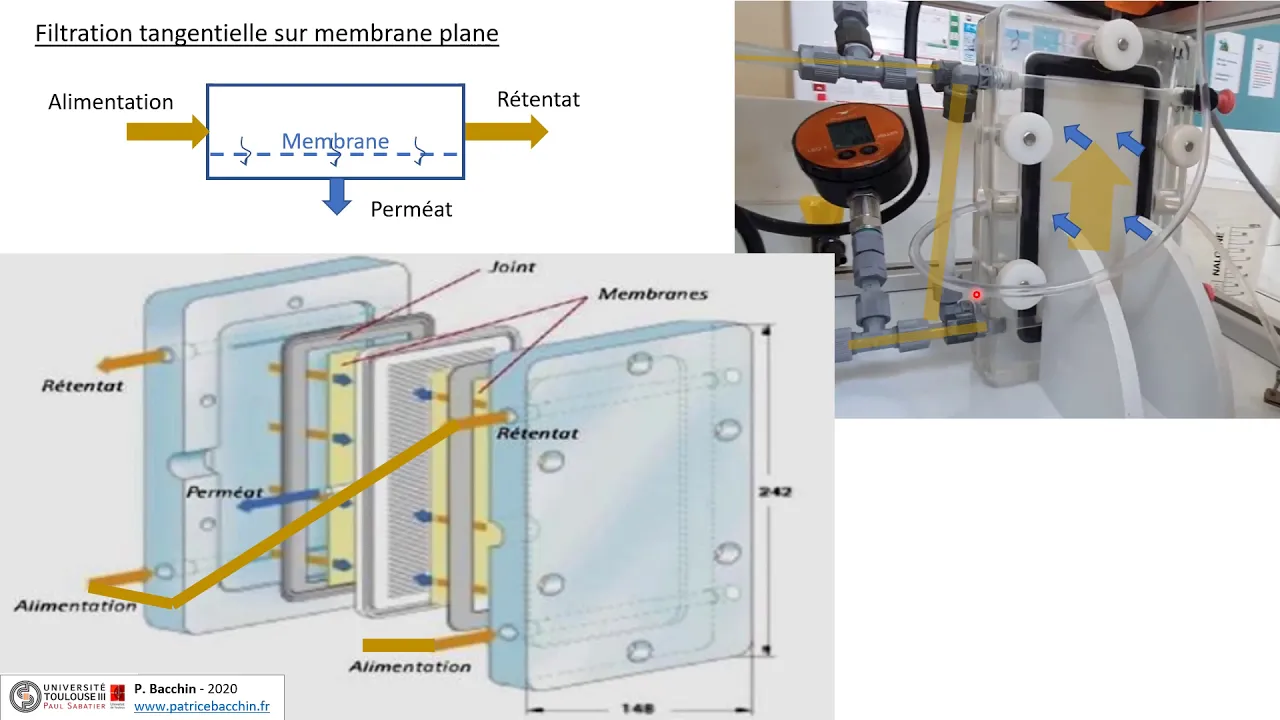

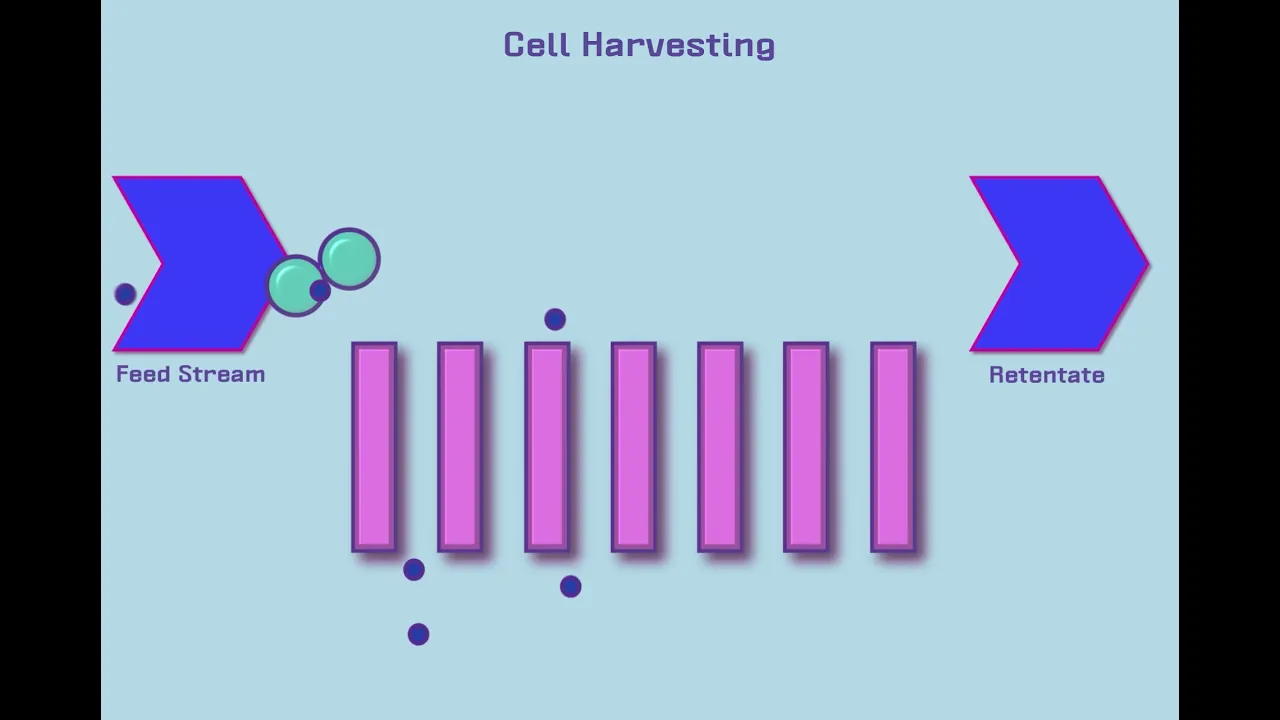


















Tangential flow filtration (TFF) is a scalable unit operation used to purify, concentrate, and perform buffer exchange on lipid nanoparticle (LNP) suspensions by passing feed suspension through hollow fiber membranes where larger particles are retained in the retentate while smaller molecules pass through the permeate; optimizing TFF processes requires systematically adjusting key parameters including transmembrane pressure (TMP), feed flow rate, product concentration, and column loading to maximize permeate flux, minimize processing time and buffer consumption, and prevent membrane fouling caused by gel layer formation at high concentrations or low flow rates, with the optimal parameters varying depending on the specific LNP formulation characteristics.
Optimizing LNP Feasibility Batches with Tangential Flow Filtration
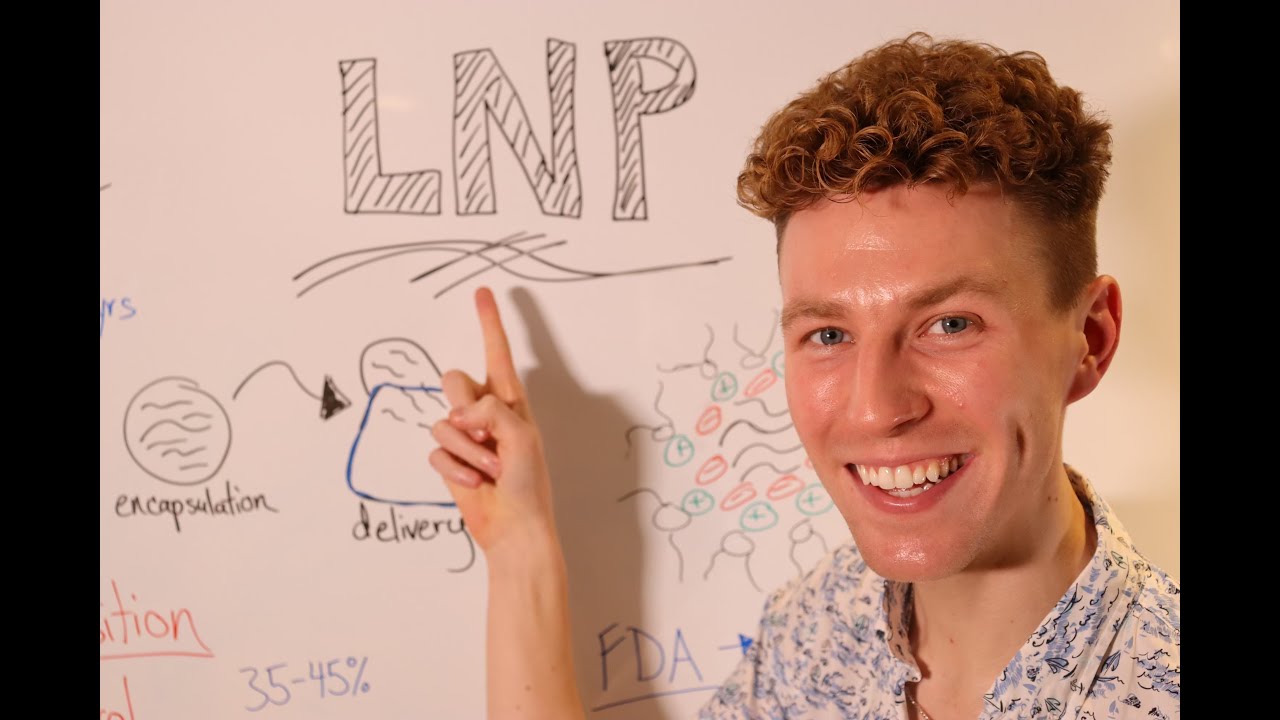
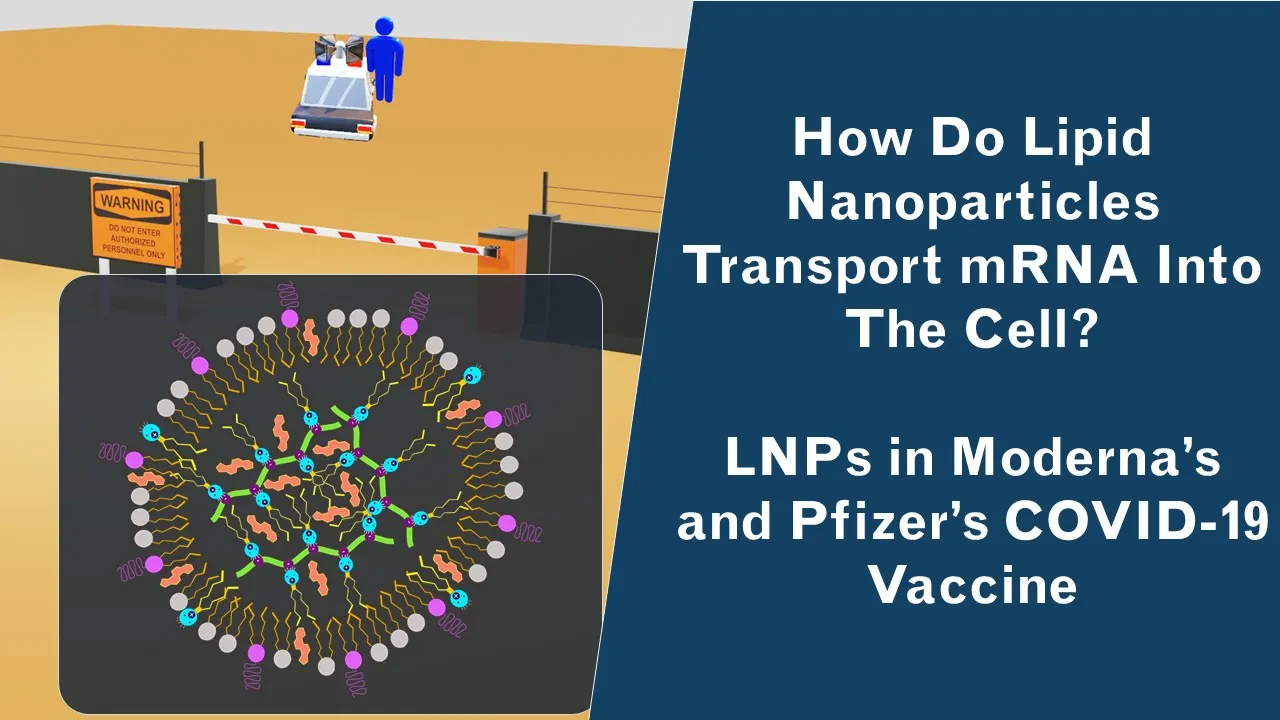
Added:hi I'm Shelby and I am an associate scientist in the formulation development team here at phosphorex today we will be using our Reen crossflow k2i tangential flow filtration system for processing small scale fusibility batches of lipid nanop particles or lmps we will also discuss strategies to optimize the tff process for improved efficiency and process scalability tangential flow filtration or tff is a scalable unit operation used to purify and concentrate nanoparticle suspensions as well as expedite buffer exchange via di filtration in holofiber tff modules which is what is set up here feed suspension is driven by a pump through the interior of hollow fibers that run parallel to the length of the column in which they are [Music] housed the nanop particles that are larger than the pore sizes of the hollow fibers are retained in the retentate fraction that is continuously circulated through the system molecules that are smaller than the POR size such as ethanol and buffer salts pass through the walls of the hollow fibers and exit the system in the permeate [Music] fraction with respect to lmps tff is used in Downstream processing as a method of facilitating buffer exchange to replace the aquous formulation buffers in the organic solvent with the desired buffer for continued processing and storage tff is also used to further concentrate the LMP suspens supension to the Target product concentration advantages of using tff as opposed to other Downstream methods for processing lmps include speed efficiency the ability to perform both concentration and die filtration steps and scalability tff is a more practical approach for large scale manufacturing of lmps than dialysis and centrifugation parameters to consider when operating tff include the feed flow rate product concentration transmembrane pressure which is abbreviated as TMP and the permeate flux TM P acts as the driver of flow across the membrane fibers and is equal to the average applied pressure along the length of the column from the feed To The retentate Ends minus the permeate pressure permeate flux is measured as the rate of permeate flow per unit of column surface area these parameters influence the speed and efficiency of the tff process for example increasing the feed flow rate or the TMP will subsequently increase the permeate flux which will decrease the processing time required [Music] on the other hand increasing the product concentration can have the opposite effect and reduce permeate flux due to a phenomenon known as gel layer formation particularly when operating at low flow rates High product concentrations or long processing times a thin layer of particles can develop on the surface of the hollow fibers resulting in decreased permeate flux by hindering the passage of medium through the walls of the hollow fibers into the permeate fraction as molecules are continuously deposited a thicker gel layer clogs the course leading to what is called membrane fowling which significantly reduces the effectiveness of the tff procedure therefore tff operating parameters must be optimized to avoid these issues at phosphoric we have investigated the relationship between TMP feed flow rate product concentration column loading and permeate flux as they relate to Downstream processing of LMP via tff using a standard series of experiments we are able to optimize each key tff parameter in order to optimize the T process from start to finish first with the natural operating TMP of the column and the standard flow rate selected experiments are performed to identify the optimal concentration for diet filtration that maximizes permeate flux to reduce buffer volumes and processing times product concentration is increased incrementally by concentrating from a higher volume to a lower volume to observe the effect on permeate flux during gof [Music] filtration with the optimal concentration now selected TMP Excursion experiments are conducted to identify the optimal values for feed flow rate and TMP the maximize the permeate flux while operating di filtration TMP is increased using an automated back pressure valve that restricts the flow of the retentate and the impact on the permeate flux is observed [Music] with the optimal concentration TMP and flow rate now identified column loading is assessed to determine the optimal column surface area for the batch scale which can minimize the cost of larger holiber tff columns that have a greater surface area such as these if a higher column loading can be achieved on a smaller more cost efficient column such as this one this is also important because it may not be feasible to linearly scale column surface area with the batch size finally to confirm that the parameters optimized in the previous experiment do INF fact yield stable lmps while reducing the processing time required a batch of lmps is fabricated and then processed via tff under the optimized conditions the goal of these experiments is to decrease processing time and buffer consumption reduce the shear stress on particles and develop a direct tff process for scaleup purposes ultimately optimizing the tff process at a small scale improves the efficiency and scalability to support large- scale batch manufacturing during these experiments the stability of the lmps must be monitored throughout the process such as by measuring size and polydispersity index LMP formulations do not all behave the same particularly when varying lipid components and compositions as well as cargo types therefore it is important to consider the stability of the particles during the TFS F process the tff parameters that you select to process each formulation may vary depending on the stability of the formulation and the desired product profile characteristics of the final lmps it is important to consider how to optimize the tff procedure used for processing your formulation to save time and resources while not compromising the Integrity of your product and at phosphoric we can help thank you for watching and we will see you next time
Up Next
Dynamic Light Scattering (DLS) for Particle Size Analysis Basics
@MalvernPanalytical
81.3K views•2018-05-18

Triumph of Orthodoxy Icon: Byzantine Art & History Explained
@BenCallan
2.1K views•2024-08-06

FastAPI vs Flask vs Django: Choosing the Right Python Web Framework
@TechWithTim
302.5K views•2024-05-26

Game of Thrones Opening Credits: A Cinematic Analysis
@gameofthrones
46.3M views•2011-04-18
Related Study Plans & Knowledge Roadmaps
Structured learning paths in General & Interdisciplinary Studies