














![2023년 3월 고2 국어 mRNA백신 [16-20]](https://i.ytimg.com/vi/Qmx366fW7SM/maxresdefault.jpg)
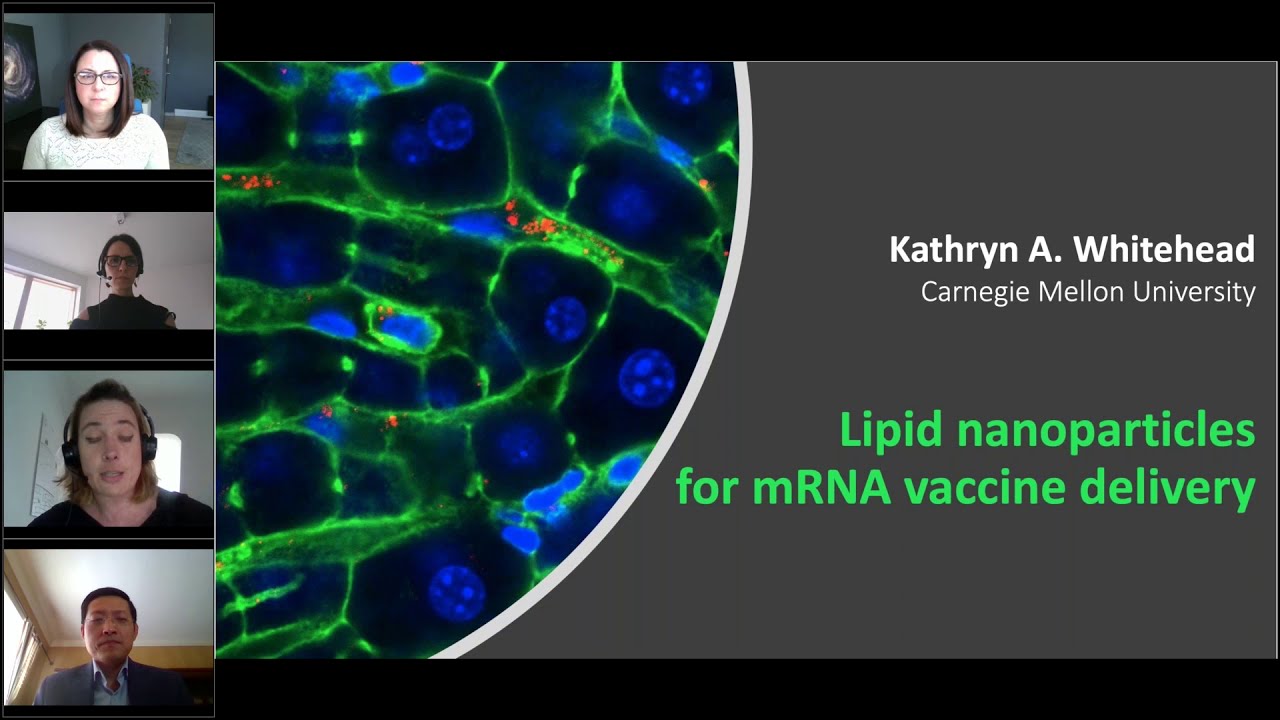









Lipid nanoparticles (LNPs) are nanoscale lipid-based carriers that enable mRNA vaccines to work by solving two critical problems: (1) protecting the negatively charged mRNA from degradation by RNases in the extracellular environment, and (2) facilitating the entry of mRNA into cells. Since RNA's negative charge prevents it from crossing the lipid bilayer cell membrane, LNPs encapsulate the mRNA using ionizable cationic lipids that become positively charged at acidic pH during vaccine production to bind with the RNA, then become neutral at physiological pH. The LNP structure includes helper lipids (phospholipids, cholesterol) for stability and PEGylated lipids that prevent premature immune clearance. Upon cellular uptake via endocytosis, the acidic endosomal environment causes the ionizable lipids to regain positive charge, triggering fusion with the endosomal membrane and releasing the mRNA into the cytoplasm for translation.
Lipid Nanoparticles Explained: Structure & mRNA Vaccine Mechanism
Added:hello i'm dr hazard from medicovisual.com and in this visual lecture we will talk about what are lipid nanoparticles and how do they work previously we have already discussed the mechanism of action of mrna vaccine against covet 19.
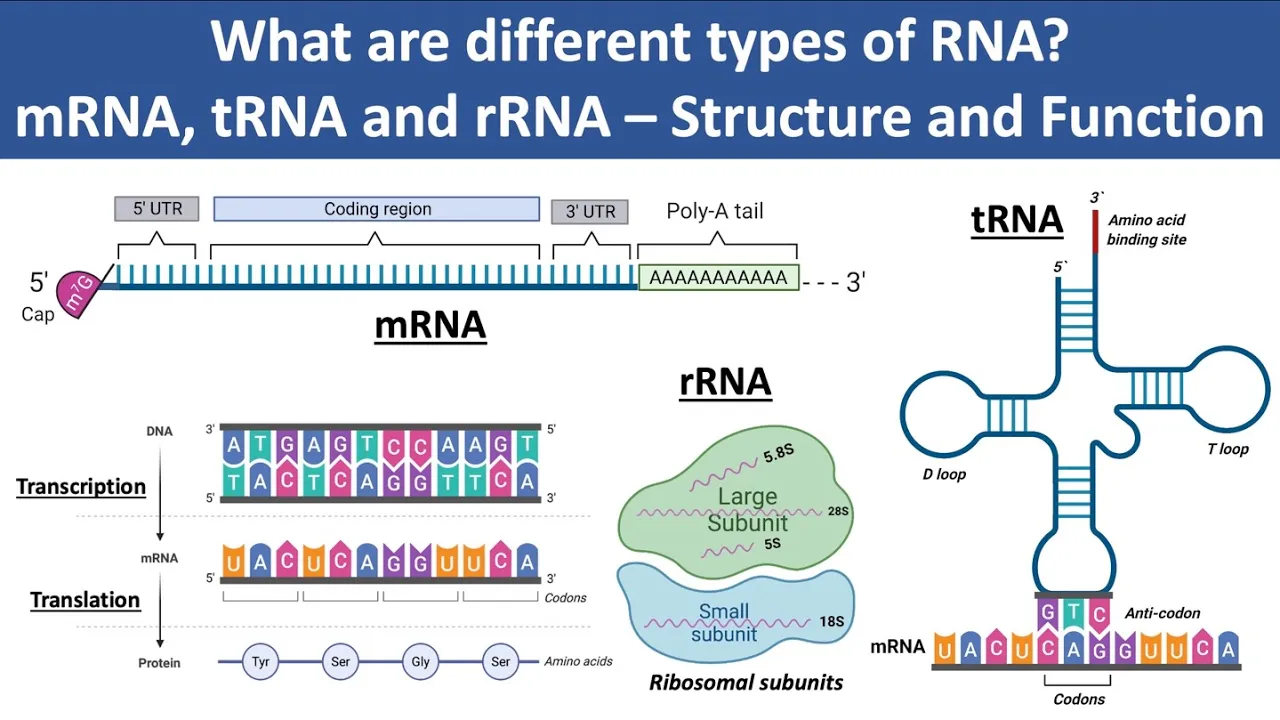
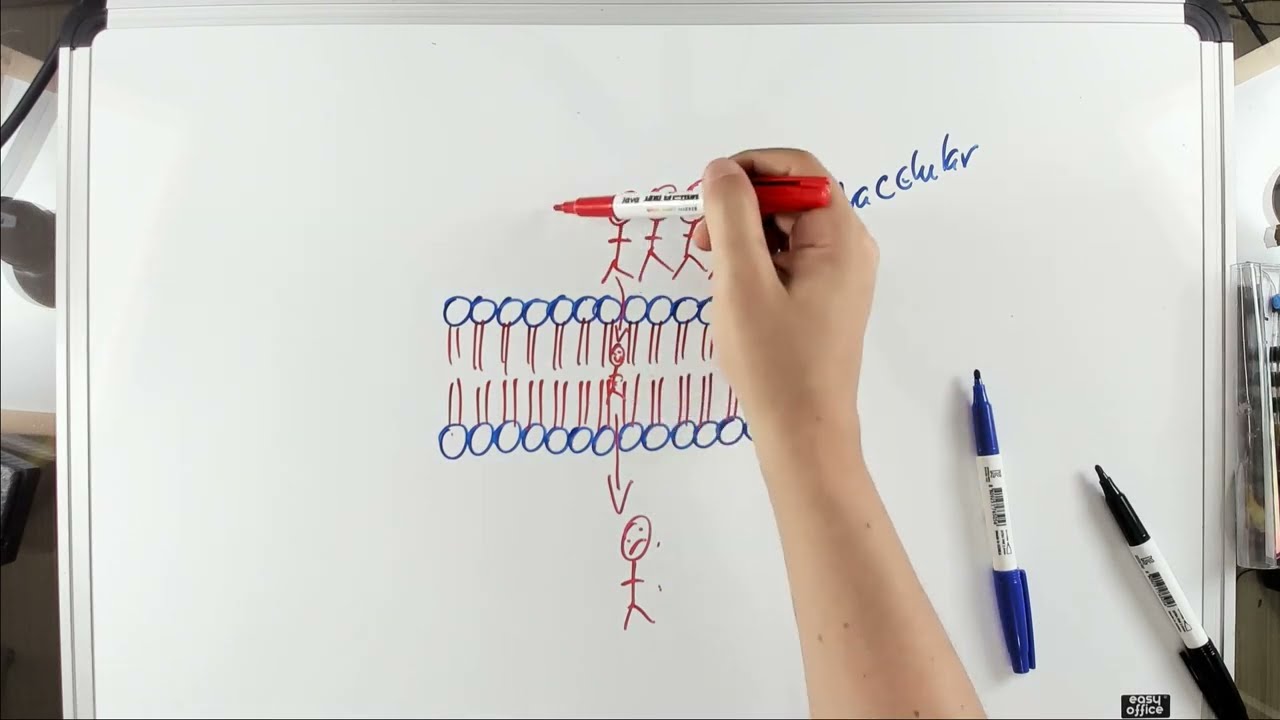
the idea is to transport the mrna of spike protein of coronavirus into the cell this mrna of spike protein will then be translated into spike protein by using the cellular protein synthesizing machinery the fragments of the spike protein will then be presented onto the cell and in this way it will train the immune system to recognize the spike protein and thus it can recognize the coronavirus if and when the real virus enters into our body the problem here is that this naked mrna cannot efficiently enter into the cell the other problem is that in this extracellular fluid there are rna digesting enzymes present that are called rnases that will eat up this mrna and of course in this way the vaccine will not work so we need a method to transport the mrna inside the cell all this purpose lipid nanoparticles are used these are very tiny lipophilic substances that are measured at a nanoscale by nanoscale i mean that one nanometer is equal to 10 raised to power minus 9 meter these are very small lipophilic substances that are used to transport the mrna into the cell of course there is no nano chip inside this vaccine as some conspiracy theorists believe so here is the mrna and here is the lipid nanoparticle now the function of lipid nanoparticle here is that number one it will protect the mrna from rnases from the rna digesting enzymes secondly it will be responsibly and safely transporting the mrna into the cell but the question here is that why does mrna which is a type of rna by the way cannot by itself cross the cell membrane and enter into the cell my question is that why we need a lipid nanoparticle or a viral vector or something to transport this mrna into the cell what is the reason behind this the reason is that rna consists of functional subunits called nucleotides for example this is a nucleotide this is one nucleotide this is the second nucleotide and third and fourth and so on the problem here is that the the nucleotides they consist of these uh phosphate groups these negatively charged phosphate groups phosphate ions are there because of these phosphate ions i mean these phosphate ions they impart a negative charge to the rna right and you must be knowing that the charred particles they have hard time crossing the cell membrane why so because cell membrane is made up of lipids these charged particles they cannot easily cross the lipids on the other hand the lipophilic substances can easily cross the cell membrane so the idea here is that we will enclose this charred rna into a lipophilic substance that will transport it into the cell you can further understand it by using a very simple analogy for example there is a restricted area where only police can enter and here is you you want to go inside this area right but of course you are not allowed to enter in this area because only police can enter in this area so you call your friend who happens to be a police officer he brings his car his police car you sit in his car and then he transports you into this restricted area so that's what we are doing here this police car is like a lipid nanoparticle which is trans which is used to transport this mrna this this this person is like an mrna so right we you have got the point that we are using this lipid nanoparticle as a transport vehicle now after having understood the reason the purpose of this lipid nanoparticle now we will learn that how this lipid nanoparticle works but before that we have to see what is the structure of lipid nanoparticle how it is composed so here is the negatively charged mrna then we have some lipids that are positively charged these positively charged lipids are called cationic lipids these are cationic lipids and the negatively charged rna is anion anion is a negatively charged ion and cation is a positively charged ion so here is a cationic lipid why it is cationic why it is positively charged the reason is that it has this amine group head right here is that amine group head that imparts the positive charge onto it plus it has these legs that are composed of fatty acids so these cationic lipids they will stick their positively charged heads into this negatively charged rna they will bind with the rna right because of opposite charges as you must be knowing the opposite charges attracts so these cationic lipids they will orient themselves in such a way that these heads are embedded they are stuck with these rna and their lipophilic fatty acid legs they are oriented outwards so these are cationic lipids and this is mrna the problem with these cationic lipids is that they have a permanent positive charge which is not what we want this permanent positive charge of these permanent cationic lipids it is toxic for the cell membrane it can it can disrupt the structure of cell membrane so these cationic lipids are not used in these vaccines rather what we do is that we use ionizable cationic lipids what are ionizable cationic lipids ionizable cationic lipids are those cationic lipids that are not permanently positive charged what i mean by this is that in lab at an acidic ph they will pick up the these positively charged protons and they will acquire a positive charge this is in lab at acidic ph even in body when the ph is acidic ph is less they can become positively charged but generally at physiological ph of our body they will remain neutral so they are non-toxic substances they are not toxic so we are using not cationic lipids in the in the vaccine we use ionizable cationic lipids right so ionizable cationic lipids encapsulating surrounding the mrna this is the first thing of this lipid nanoparticle so here we have some particles of mrna surrounded or encapsulated by ionizable cationic lipids now at a physiological ph when they are injected into our body they will lose their positive charge and they will become neutral they will cease to bind with this mrna right so they are encapsulated further by one or more layer of phospholipids right now these phospholipids they consist of non-cationic lipids these are non-cationic lipids for example and then we have uh these special lipids that are conjugated with a special molecule called peg polyethylene glycol so these are pagalated lipids right so we have pegalated lipids non-cationic lipids and then we have also the cholesterol molecules that are present in the spaces that are filling the spaces in between this lipid nanoparticle structure this cholesterol it imparts the strength and structural integrity to this lipid nanoparticle furthermore it maintains the rigidity of this lipid nanoparticle but what about these pagalated lipids what is the function of these pergolated lipids the function of these regulated lipids is two folds first function of this pagalated lipid is that it prevents the fusion and clumping of lipid nanoparticle and it keeps the lipid nanoparticle dissolved in the vaccine number two thus these peggy related lipids it prevents the early opsonization and only engulfment of this lipid nanoparticle by immune cells in this way they will decrease the clearance of these lipid nanoparticles from our body and they will keep the lipid nanoparticle in our body for a little longer to work efficiently so this is the structure of lipid nanoparticle now we will discuss that how it works to enter inside the cell this lipid nanoparticle it must interact with some components of a cell membrane of the cell but in order to do so it must lose its pegilated lipids otherwise it cannot interact though these pagilated lipids they are reversible in such a way that this lipid nanoparticle it can spontaneously and gradually lose these regulated lipids and then it will interact with the cell lipid nanoparticles can be non-specific it means that they can target any cell of the body or they can be specific that they will only enter into specific variety of cells how can we make the lipid nanoparticles specific for a particular variety of cells what we can do is that we can decorate the surface of lipid nanoparticle with a special ligand and this ligand it must be specific for a particular receptor right now this lipid nanoparticle it will mainly enter only into those cells that are expressing the receptor for that particular ligand right it will it will not enter significantly into other cells right it will only enter into those cells that are expressing the ligand the receptor for this ligand these are called specific lipid nanoparticles but if we do not decorate it can enter into any type of cell these are non-specific lipid nanoparticles now it is not immediately clear that what type of lipid nanoparticles are being used in the vaccine of moderna and physic i have emailed this query to moderna pfizer and biointec i haven't received any email from moderna as well as the biotech but pfizer has replied to me although their reply was not very useful they haven't really answered my question that lnps are taken up by which cells of the body they just said that lnps are just taken up by the cell which cells i don't know since there is no mention of decorating the lipid nanoparticle with ligand in modernize as well as fizer's literature i assume that they are using the lipid nanoparticle of non-specific variety so after losing these pangolated lipids that will be of course metabolized by the body this lipid nanoparticle it will interact with the membrane components in such a way that a pit will be formed and it will invaginate inwards and ultimately it will come inside as a sac this is called endosomal sac and this process is called endocytosis it is a process by which the cells get nutrition so we sort of trick the cell into thinking that this lipid nanoparticle is a very useful nutritive yummy substance so the cell takes up this lipid nanoparticle now what happens in the endosome let's see protons will be pumped into this endosome by special receptors so as the protons will be pumped inside these ionizable cationic lipids will become highly ionic what i mean by this is that they will get a lot of positive charge they will eat up this proton and they will get positively charged right so they will get positively charged the other thing is that this endosomal membrane which was initially the part of the cell membrane you know what it consists of it consists of lipid bilayer it consists of phospholipid bilayer and phospholipid you know what is the structure of phospholipid phospholipid can consist of this head this child head so here is that charred head and this fatty acid tail right and this chart head you know it is which charge it is negatively charged why it is negatively charged because it consists of negatively charged phosphatine so it is mainly what it is it is mainly anionic negatively charged right and the other thing we have is that inside this lipid nanoparticle this is endosomal membrane and inside this lipid nanoparticle we have cationic lipid the positively charred lipids now what will happen these cationic lipids they will try to go towards this anionic lipid and anionic lipids will try to come towards the tiny lipids right so they will attract each other right and in the event of doing so these cationic lipids they will leave the rna and they will try to bind with their friends and ionic lipids of the endosomal membranes i think these cationic lipids they prefer to bind with these lipids these anionic lipids because they are brother of the same mother i mean both of them are lipids so rather than um being attached with this negatively charged rna which is something else they will try to fuse with their brothers their lipids both are lipids so they will fuse with their lipids and then what will happen and as they do so this whole lipid structure will be ultimately disrupted we will have these lipid missiles right small lipid clumps of lipids will be there right and what thing will be set free then inside the cell these mrna now these mrna are freely roaming around in the cell and these lipids what will happen to these lipids that's very easy to understand the cell will digest these lipids and it may get energy from these lipids mainly mitochondria will be used to digest these lipids and ultimately these rna they will be now happily inside the cell in the cytoplasm so that's how lipid nanoparticles work thank you so much for watching this video
Up Next

Targeting the Placenta with mRNA Lipid Nanoparticles
@nminnce5738
397 views•2023-11-24

Quantitative Real-Time PCR (qPCR): Principle, Method & Data Analysis
@animatedbiologywitharpan
129.2K views•2023-09-06

Microbial Degradation of Plastics: Biodegradation Pathways & Sustainability
@majeedhammad
2.9K views•2021-04-11

CRISPR and Genetic Engineering: How Gene Editing Works and Why It Matters
@kurzgesagt
30.5M views•2016-08-10
Related Study Plans & Knowledge Roadmaps
Structured learning paths in Biotechnology