



















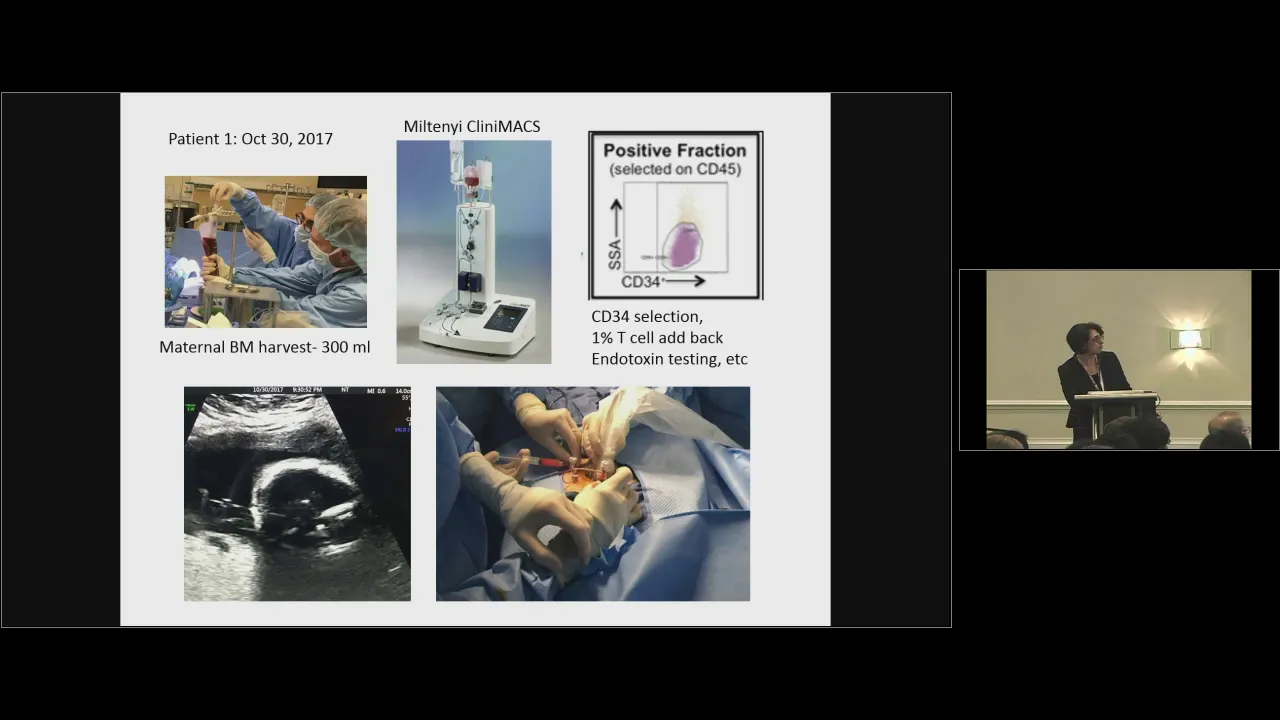



This research demonstrates how ionizable lipid nanoparticles (LNPs) can be engineered for selective mRNA delivery to the placenta, addressing the critical unmet need for therapeutics targeting placental disorders like preeclampsia. The study employed an iterative approach combining library synthesis of novel ionizable lipids with orthogonal design of experiments to optimize excipient molar ratios, successfully identifying formulations that achieve extra-hepatic mRNA delivery to the placenta while avoiding fetal circulation. A proof-of-concept study using VEGF mRNA showed enhanced placental vasodilation, validating the platform's potential for treating placental insufficiency disorders.
Targeting the Placenta with mRNA Lipid Nanoparticles
Added:Basic principles of mRNA translation and how exogenous mRNA can be used for protein expression therapies.
The structure and function of lipid nanoparticles (LNPs), particularly the role of ionizable lipids in protecting nucleic acids and facilitating endosomal escape.
Placental anatomy and physiology, including the structure of the maternal-fetal barrier and its role in regulating substance transport.
The clinical presentation and pathophysiology of preeclampsia, specifically focusing on placental ischemia and angiogenic imbalance.
Advanced active targeting strategies, such as decorating LNPs with peptide ligands to selectively bind trophoblast cells and avoid maternal liver uptake.
Safety, developmental toxicology, and ethical considerations unique to designing clinical trials for nanomedicine in pregnant populations.
Specific therapeutic pathways in preeclampsia, such as utilizing mRNA to deliver angiogenic factors like VEGF or PlGF to counteract sFlt-1.
The broader field of in utero gene therapy and using nanotherapeutics to treat congenital genetic disorders in the fetus before birth.
397 views4likes25:14Original Release: 2023-11-24
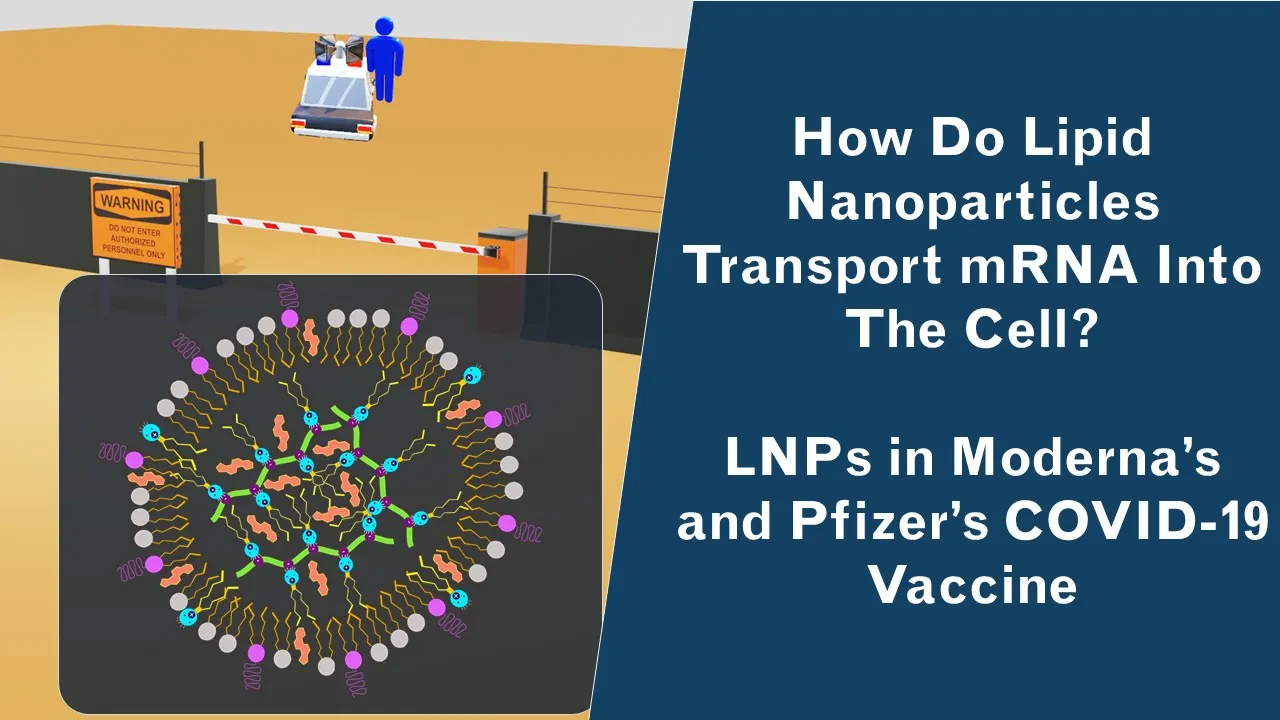
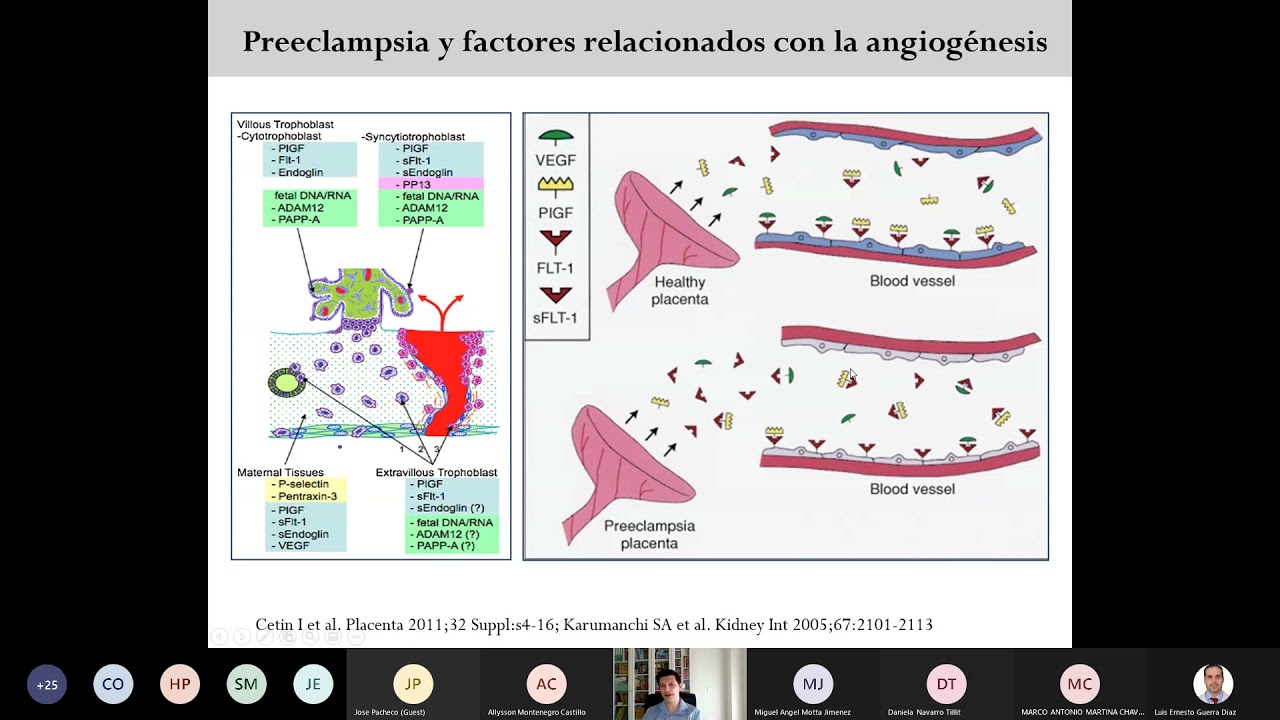
hi everyone um my name is Hannah Safford and I'm a 30-year PhD student in Mike Mitchell's Lab at the University of Pennsylvania and today I'm excited to share with you all some of our work on ionizable lip and nanop particles for inv Vivo mRNA delivery to the placenta so the development of Therapeutics for Women's Health applications is a severely underfunded and understudied field and broadly research in the space focuses on conditions that affect both non-pregnant patients including reproductive tract disorder ERS and vaginal infections as well as conditions that affect pregnant patients including placental disorders and congenital fetal disorders specifically developing new therapies for pregnant patients is particularly challenging as there are complex social constructs surrounding the inclusion of pregnant patients in clinical trials and over 90% of clinically approved drugs do not have appropriate labeling information for pregnant patients that being said developing new therapies that can Target the placenta is particularly important as several different pregnancy complications can arise due to dysfunctional placental development and for those of you that are less familiar with the placenta the placenta is an organ that um develops during pregnancy and we can use it to exploit targeted delivery of Therapeutics either to the mother and the fetus and broadly the primary role of the placenta is to serve as this biological barrier between maternal and Fetal circulation um protecting the fetus from any any harmful molecules as well as providing a site for nutrient oxygen exchange to support fetal development um just to oops um just to quickly walk through some important kind of placental biology um during placental development maternal spiral arteries extend from the uterine tissue through the placenta and Supply blood to the chonic Villi which is kind of the main site of um nutrient and oxy oxygen exchange um in the placenta these chonic V Vil are made up of a barrier of two layers of trophoblast cells both the sidio troph blast layer and then a layer cytotrophoblast and Within These Villi there are fetal um capillaries that um transport oxygen inated blood to the fetus to help support um fetal development and so as I mentioned dysfunctional placental development can lead to several different pregnancy complications one of which is preclampsia which affects about 5 to 8% of all pre of all pregnancies and preclampsia is characterized by the onset of hypertension after about 20 weeks of gestation and can often be accompanied with other conditions such as kidney and liver damage neurological conditions and Fetal growth restriction and prania is thought to develop through a two-stage Paradigm of placental dysfunction where in the first stage we have improper remodeling of the uterine spiral arteries which creates this low blood flow environment the placenta and leads to oxidative stress and placental esmia this subsequently induces the second stage of preeclampsia which largely involves the abnormal secretion of anti-angiogenic factors such as sflt1 and the down ulation of vasod dilatory growth factors such as vef and placental growth factor and currently there haven't been any Therapeutics that have been developed to slow the progression of preclampsia and the only Curative treatment option is the early delivery of the placenta in the fetus which has its own set of complications and so disease management largely focuses focuses on symptom management for these patients which involves the use of anti hypertensive drugs to manage maternal blood pressure or the use of anti- bance to prevent seizures and so we believe there's a significant need um to develop new Therapeutics that can mediate vasod Vaso dilation in the placenta in order to help treat preclampsia and so in the Mitchell lab we're broadly interested in developing new nanoparticle platforms that can deliver nucleic acids to a wide range of Novel um cells and tissue targets and given this need to develop new Therapeutics that can Target the placenta we're interested in developing new lmps um that can Del deliver nule nucleic acids to the placenta and so as you've discussed um many times today ioniz wippid Nano particles have emerged as a the most prominent non-viral platform for nucleic acid delivery and broadly lmps can be used to correct disregulated gene expression via transection of host cells with exogenous nucleic acids lmps have demonstrated tremendous clinical success with the F FDA approval of Alum alums on patro um Asen therapeutic as well as the emergency youth authorization of the MRNA covid-19 vaccines and so lmps are highly advantageous delivery vehicles as they can enable pone intracellular delivery and enable endosomal Escape of their nucleic acid cargos and lmps largely facilitate this endosomal escape to the presence of the ionizable lipids in our LMP formulations which are neutral at body pH which reduces any risk of toxicity but become charged at the endosomal at endosomal pH which help helps disrupt the endosomal membrane and release our nucleic acid cargo into the cell however lmps must overcome several of their own barriers to delivery in order to ensure the successful delivery of their caros and namely lmps must overcome first pass hepatic clearance and selective accumulation in their target organ of Interest these therapies must also avoid serum nucleases that um Can degrade their nucleic acid cargos as well as um opsonization of their surface which can lead to fago clearance and so given the many advantages of lmps we're interested in developing LMP Therapeutics for placental disorders however since lmps face many challenges with achieving extra hepatic mRNA delivery we need to engineer new LMP platforms that can that can facilitate mRNA delivery to the placenta to engineer these placenta Tropic lmps we can take an iterative approach where we can design new ionizable lipid structures to identify structures that can enable Po and mRNA delivery to the placenta as well as vary the M relative mol ratios of the other lipid recipients in our LMP formulation as it's been shown that the M ratios at which these excipients are combined can be optimized for a variety of different applications including encapsulating different nucleic acid cargos or interacting with target cells of interest and so today I'm going to kind of go over two papers from our lab um the first one we synthesize a novel library of ionizable lipids to formulate lmps and identifi a lead ionizable lipid can it that enabled selective extra hepatic mRNA delivery to the placenta compared to Benchmark liver Tropic LMP formulations additionally we also examined if there were any changes in the biodistribution of of our lmps in both non-pregnant and Pregnant mice in a follow-up study we use orthogonal design of experiments to screen iterative libraries of lmps with varied excipient M ratios in order to identify a lead a lead LMP formulation that mediated po um mRNA delivery to the placenta an mRNA transection of placental troph blasts endothelial cells and immune cells so to begin we synthesized our library of ionizable lipids um using the fast and simple sn2 reaction scheme where we reacted five poly either one of five polyamine chores with one of three epoxide tails of varying length either the C12 c14 or c16 tails we then mixed each of these ionizable lipids with a phospholipid dop cholesterol and lipid Peg um and chaotically mix these with mRNA to formulate our lmps in a microfluidic device and so to identify these placentotrophy blast which as I mentioned previously is kind of the main cell type in the placenta in particular we choose to use um a cell line Jag three cells as these are cells that have been previously used for invitro models of placental tro Blas to screen our library we encapsulated Lucifer mRNA into our lmps as a reporter cargo where luminescent signal can be correlated to functional mRNA delivery and luciferase expression and in addition to our LMP Library we treated our trophi blast cells with lipofectamine which is just a commercial transection reagent as well as two industry standard ionizable lipids either a c12200 lipid or the MC3 lipid as you can see after 24 hours of LMP treatment we had five different lmps that were able to mediate significantly higher Lucifer's expression compared to our life fomine control in particular we selected two different lmps to evaluate in Vivo namely the c124 formulation as our top performer as well as our the c145 formulation as a moderate performer and then we also selected the c12200 um industry um ioniz bpid as an industry comparison and so we began by assessing mRNA delivery to the non-reproductive maternal organs namely the heart liver lung kidneys and spleen in both the non- pregant and Pregnant mice to assess if we could identify any lmps that can mediate extra hepatic mRNA delivery as these same formulations May mediate mRNA delivery to the placenta and in these experiments we again formulated our three LMP formulations either the C12 c145 or the c12200 lmps with Lucifer's mRNA and administer them via tail vein injection to either non-pregnant mice or pregnant mice on gestational day e16 which corresponds roughly to the end of the second trimester in humans now as you can see in these images the c12200 LMP formulation mediated the highest luciferase expression in the liver whereas the c124 LMP formulation mediated the highest luciferase expression in the spleen compared to the other two formulations and we didn't observe any differences in Lucifer's expression between the nonpregnant and Pregnant mice but we did calculate a Spen deliver ratio for each of our treatment groups to identify if there are any changes in extrahepatic mRNA delivery between these different formulations as you can see in this graph here um both for both the c124 and c145 formulations they had higher Spen to liver ratios than the c12200 particle and both the non-pregnant and Pregnant mice suggesting that these formulations are capable of achieving extra hepatic mRNA delivery we also noticed that there is a higher spleen T liver ratio in the non- pregnant mice when compared to the pregnant mice for was the c124 and c145 formulations and we think this may be due to the fact that in during pregnancy we're seeing partitioning of this extra hepatic mRNA delivery between both the spleen and the liver and so if we examine Lucifer's expression in the placentas you can see here that the c124 LMP formulation was able to mediate significantly higher Lucifer's expression in the placentas compared to both the c145 formulation and the c12200 formulation additionally we didn't observe any signal luciferase expression in the fetuses um and we think this is due to the size of our nanop particles as they're around roughly 100 nanometers which should prevent any placental transport and entry of these lmps into fetal circulation and so having successfully identified a lead ioniz popid for potent inv Vivo mRNA delivery to the placenta we're interested in further optimizing our LMP formulation um for enhancing um LM mRNA delivery to the placenta and so in this study we are interested Ed in optimizing the M ratios of our excipients in our LMP formulation namely the ionized bpid cholesterol the phospholipid do and lipid Peg as the excipient M ratios that people typically use and what was just use in all the data I've just shown you um were ratios that were previously optimized for mRNA delivery to the liver and one of the main techniques that's used to optimize exian M ratios is orthogonal design of experiments and this technique allows us to design large libraries of LMP and Screen um and Screen these formulations based off of a few representative formulations to identify um optimize molar ratios for mRNA delivery to a Target organ of interest and so in our first library of lmps we use the top performing ionizable lipid that we have previously identified um the c124 lipid as well as dop cholesterol and Peg and um examine them at four different molar ratios to create this representative library of 16 formulations um and after LMP treatment we compared oh sorry we again used um Lucifer's mRNA um for these experiments to quantify um mRNA transfection in trfa Blast cells and so after LMP treatment we compared Lucifer's expression across our library to um this LMP formulation LMP S1 which is the formulation um made with the standard exian M ratios that we've used previously and as you can see in this first Library we were unable to identify any LMP formulations that were able to significantly improve mRNA delivered troph blast compared to the standard formulation with the exception of LMP A1 which had comparable delivery and so while none of our formulations were able to enhance mRNA delivery over the S1 formulation the Rel the relationship between the different exian Moler ratios and mRNA delivery can be investigated to identify trends that lead to relative Improvement in mRNA delivery to troph blast and so to do this we can plot the average luminescence signal of the four lmps that have the same excipient molar ratio and I won't go through all the excipients here but if we focus on both the ioniz B lipid and the phospholipid we can see that both low and high molar ratios of our ionizable lipid lead to improvements and mRNA delivery to trophoblast whereas for our phospholipid do dop we're only seeing improvements at lower mol ratios and to further inform our library design we can investigate the impact of excipient interaction actions on Mr Trends in mRNA delivery and to do this we can plot the average luminescent signal of lmps with the same M ratio of one excipient with either the lower or higher mol ratios of a of a second excipient if we focus just on the ionized bpid here for these graphs we can see that at low mol R low and high molar ratios of our ionized bpid we have improvements in mRNA delivery with low molar ratios of dop whereas if we look at the relationship between our ionized bpid and cholesterol we have improved mRNA delivery with low and low molar ratios of ir ioniz bpid and cholesterol whereas we have improved Mna mRNA delivery at high mol ratios of our ionized bpid with high M ratios of cholesterol and so using these Trends we designed two sequential um eight l&p libraries again using orthogonal design of experiments within a narrowed range of exient interactions where Library b was optimized around low mol ratios of our ioniz bpid and Library C was optimized around High molar ratios and as you can see in this graph um in Library b we are able to identify one LMP formulation that significantly improved mRNA delivery over our standard formulation whereas in library C almost all the formulations demonstrated Improvement in mRNA delivery to troph boss in particular LMP C5 was abl to mediate a four-fold Improvement in mRNA delivery compared to LMP S1 and to confirm the results of our initial Library screens we selected the top performing lmps from each Library namely LMP A1 um B5 and C5 along with S1 and evaluated them in a dose dependent resp uh dose dependent response and as you can see across all these doses tested lmpc 5 was able to mediate improvements in mRNA delivery compared to LMP S1 in addition we noticed that LMP A1 was able to mediate the greatest Improvement in mRNA delivery compared to S1 at the highest dose tested and so we selected both of these formulations to further evaluate inv Vivo and so again to evaluate inv Vivo mRNA delivery to the placenta for optimized LMP formulations we again administered lmp's A1 C5 and S1 encapsulating Lucifer mRNA via tail vein injection to pregnant mice and if we first look at the maternal organs we can see that across all of our LMP formulations we have the highest luminescence signal again in the livers and the sple and in particular lmc5 we saw a reduced mRNA expression in the livers compared to the other two formulations and lmc5 was also able to mediate enhance mRNA delivery to the spleen suggesting that it can mediate po extrahepatic mRNA delivery and so when we look at the placentas and the fetuses we can see that for LMP C5 it's able to significantly improve mRNA delivery compared to both a standard formulation as well as LMP A1 and again we don't see any signal in our fetuses suggesting that these lmps remain in the placenta kind of highlighting the safety profile of this LMP platform to solely remain in maternal circulation and so next we are interested in evaluating um mRNA delivery in the different cell types of the placenta of our optimized LMP formulation and I've previously mentioned trophoblast and their role in the placenta micro environment but we're also interested in evaluating mRNA delivery to immune cells and endothelial cells as all three of these cell types play important roles in the pathophysiology of placental disorders and are able to secrete growth factors into the placental micro environment and so for these experiments we encapsulated M Cherry mRNA into LMP C5 and S1 and administered these lmps via tail vein injection to pregnant mice we then isolated the placentas and stain them for flow cytometry in order to evaluate M Cherry expression in these three different cell types and here we show that lmc5 is able to mediate mRNA delivery to placental trophoblast endothelial cells and immune cells and that demonstrates moderate Improvement in Mr mRNA delivery over the S1 formulation in all three of these cell types so these results suggest the ability of our lmps to deliver mRNA to three key cell types in the placenta which are ALS which are all important for treating in placental insufficiency disorders and so having only used reporter mRNA cargo throughout this screening process um to engineer our placent Tropic LMP formulations we wanted to evaluate the functional delivery of a clinic relevant mRNA cargo for placental disorders and so in these proof of concept studies we encapsulated vascular endothelial growth factor or VF into our c124 LMP formulation we chose to evaluate VF here for these studies as it has reduced bioavailability during preeclampsia and plays a role in remodeling the placental vasculature additionally there have been some previous studies that have evaluated recombinant VF protein therapies and VF Adeno adenovirus mediated Gene Therapies for placental disorders including preclampsia and so for these studies um we used healthy pregnant mice and treated them with either PBS or the c124 c12200 LMP formulations encapsulating veg FM RNA and here we evaluated the serum levels of VF at both 6 and 48 hours after LMP treatment and as you can see at 6 hours VF levels were significantly elevated over the PBS controls for both our c124 and c12200 lmps however these levels return to Baseline after 48 hours we think the high levels of this of FF secreted by the c12200 LMP formulation it's due to its ability to potently transfect the liver and the efficacy of protein production by liver hepatocytes we then assess LMP mediated inflammation in the placenta at both 6 and 48 hours after LMP treatment as we want to minim minimize any LMP Associated inflammation in the placenta since dur during preclampsia there's already pre-existing inflammation and we don't want to exacerbate this further and so here we selected seven different cyto kindes that have been shown to mediate inflammation in the placenta and assess their relative concentrations of each cyto Kine in our LMP treated mice compared to the PBS controls and as you can see this is something that's typically observed at acute time points after LMP treatment the relative cyto kind concentrations were elevated for both his c124 and c12200 mice but these levels were return back to Baseline by 48 Hours suggesting that there aren't any long-term inflammatory effects of our lmps so we also assessed um LMP mediated liver toxicity um by measuring the serum levels of either the of the secreted enzymes either alt or as as these enzymes are often used to assess nanoparticle mediate toxicity as elevated levels of these enzymes can indicate hepatic injury as a result to potent um nanoparticle accumulation in the liver and as you can see we didn't see any differences in the alt levels across our different treatment groups but we did see elevated levels um by mediated by our c12200 LMP treatment suggesting that there may be some toxicity as a result of our c12200 formulation and so to supplement our VF data we also wanted to utilize imunohistochemical staining to evaluate the the upregulation of the VF receptor one in response to an increase in local VF expression and in these in these photos um the positive VFR regions are stained Brown and as you can see in these images um there's an increase in the brown stage regions for particular for our c124 LMP treated group and if we quantify the positive areas with image J we can see that we have an increase in the positive vegfr1 areas for both our c124 and c12200 treated mice in addition to assessing local VF expression we wanted to evaluate functional VF Medi Vaso dilation in the placenta and we did this using h& staining and in these images the white areas um are representative of both maternal and Fetal blood vessels while the dark purple large brown regions are our troph blast and the smaller purple stained nuclei are our endothel cells in compar to both in compar to the PBS treated mice we see an increase in the blood vessel area for both our c124 and c12200 LMP formulations and we think we have slightly more homogeneous blood vessel area for our C12 4 treated mice compared to the c12200 treated mice which we think may be a result of local versus systemic VF secretion so to conclude we were able to Su successfully design and engineer a library of ionizable lipid of ionizable lipids for mRNA delivery to the placenta and we're able to utilize orthogonal design of experiments to further optimize their LMP formulation for an invivo mRNA delivery to placenta and po mRNA transection a placental trophi blast and endothelial cells we're also able to demonstrate a proof of con concept study for invivo VF mRNA delivery to the placenta in order to mediate placental vas of dilation during preclampsia lastly future directions to clinically translate this work will evolve involve evaluating our placent Tropic LMP formulations in a murine model of placental insufficiency with that I'd like to thank all my members of the Mitchell lab in particular my Pi Dr Mike Mitchell and um Kelsey swingle who's another PhD student in the lab who also help um spearhead a lot of this work and with that I'm happy to take any questions such a great presentation thank you so much um so any questions one there y yeah I think that's definitely something we're concerned about and so um interestingly guinea pigs have pretty similar placental biology to humans and so I think kind of the next or future step of translating this work is moving into larger animal models um to kind of see if we're would be close to what we observe in humans yeah yeah yeah let's see I believe the pka of the formulations we're using using are around six six and a half which I think is pretty standard for a lot of um the different ionizable lipids um and I think um it's definitely important I think in staying in that lower PKA region or to ensure that we do have kind of the switch um in um The ioniz bpid Becoming charged at that endal pH um so yeah that's definitely something that we need to consider moving forward yeah
Up Next

61:01
Optimizing mRNA LNP Microfluidics: Formulation & Process
@DolomiteMicrofluidics
5.8K views•2022-03-17

14:12
Quantitative Real-Time PCR (qPCR): Principle, Method & Data Analysis
@animatedbiologywitharpan
129.2K views•2023-09-06
47:55
Advancing CRISPR Reagents: Tools for Efficient Gene Editing
@nminnce5738
132 views•2021-01-13

16:04
CRISPR and Genetic Engineering: How Gene Editing Works and Why It Matters
@kurzgesagt
30.5M views•2016-08-10
Related Study Plans & Knowledge Roadmaps
Structured learning paths in Biotechnology
biotechnology
AAV Production: Transfection, Prep & qPCR
01Introduction to Gene Therapy and AAV Biology
02Mammalian Cell Culture: Suspension HEK293 Cells
03Upstream Bioprocessing: Triple-Transfection Optimization
+ 2 more learning modules
18h5 modules
Explore Roadmap
biotechnology
Building Gut-on-a-Chip: PDMS, Cells & TEER
01Foundations of Microfluidics and Gut Anatomy
02Cleanroom Fabrication & PDMS Soft Lithography
03Epithelial Cell Culture and On-Chip Seeding
+ 2 more learning modules
26h5 modules
Explore Roadmap
biotechnology
Optimizing CFPS: E. coli Extract & Yield
01Fundamentals of Molecular Biology and Translation
02Introduction to Cell-Free Protein Synthesis (CFPS)
03Preparing E. coli Crude Lysate (The Extract)
+ 2 more learning modules
19h5 modules
Explore Roadmap
biotechnology
Haematococcus PBR: Design, Stress & Astaxanthin
01Biology and Life Cycle of Haematococcus pluvialis
02Bench-Scale Photobioreactor (PBR) Design and Engineering
03Culture Media Formulation and Inoculation
+ 2 more learning modules
15h5 modules
Explore Roadmap