




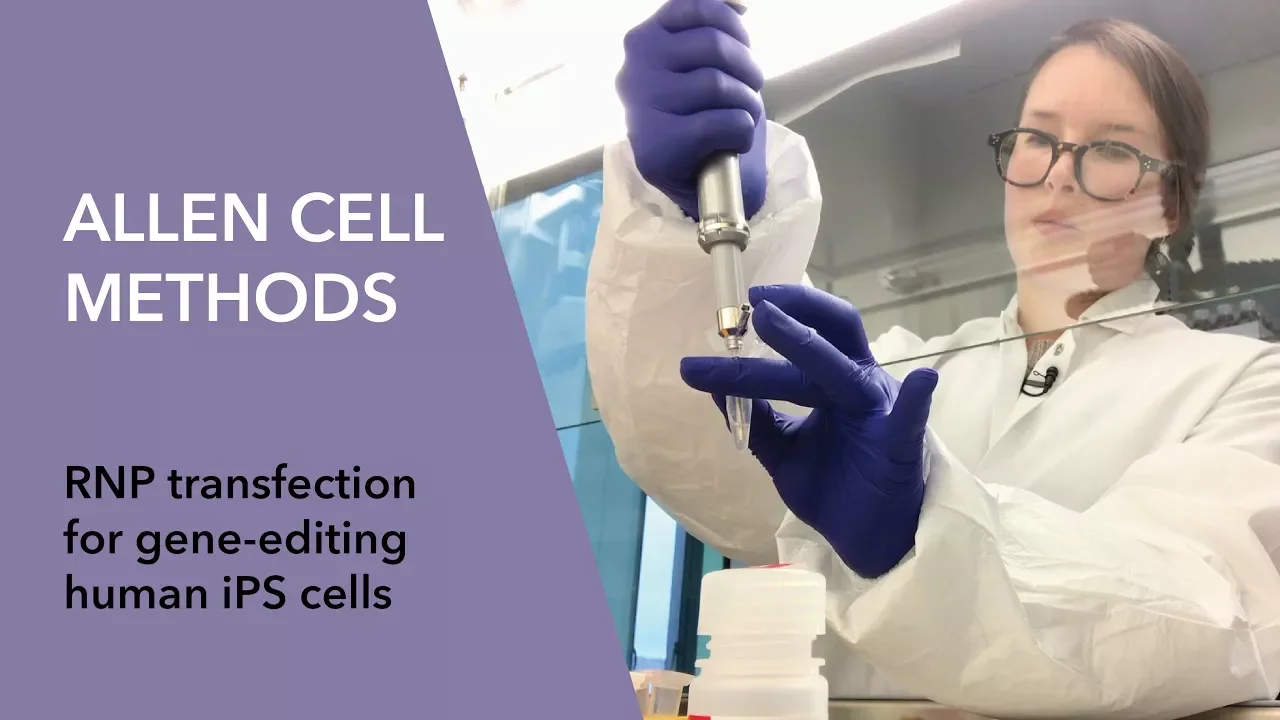










This presentation by Dr. Adam Chernick from Integrated DNA Technologies (IDT) covers recent advancements in CRISPR reagents, including fluorescently labeled Cas9 and Cpf1 nucleases that maintain or improve editing efficiency while enabling cell sorting for difficult-to-transfect cell lines; new HDR donor templates with chemical modifications (phosphorothioates and Alt-R blocking groups) that improve HDR rates by stabilizing donor templates and preventing non-homologous end joining; and a new analysis tool for quantifying CRISPR editing using amplicon sequencing data. These innovations address common stumbling blocks in CRISPR protocols including low transfection efficiency, poor HDR rates, and difficulties with larger insertions.
Advancing CRISPR Reagents: Tools for Efficient Gene Editing
Added:The fundamental mechanism of the CRISPR-Cas9 system, including the roles of the guide RNA (gRNA), Cas9 endonuclease, and PAM site in generating targeted double-strand breaks.
The biological differences between the two main cellular DNA repair pathways: Non-Homologous End Joining (NHEJ) and Homology-Directed Repair (HDR).
Basic concepts of intracellular delivery, specifically the transfection of pre-assembled ribonucleoprotein (RNP) complexes versus plasmid DNA.
Standard methods for evaluating gene editing outcomes, such as polymerase chain reaction (PCR), gel electrophoresis, and next-generation sequencing (NGS).
Optimization strategies for homology-directed repair (HDR), including the design of chemically modified single-stranded oligodeoxynucleotide (ssODN) donor templates.
Practical applications of fluorescently labeled Cas9 proteins in cell enrichment using Fluorescence-Activated Cell Sorting (FACS) and live-cell imaging.
Advanced bioinformatics pipelines for quantifying gene editing efficiency, indel profiles, and off-target effects using specialized software and NGS data.
Translational and therapeutic applications of high-fidelity CRISPR reagents, such as developing clinical-grade ex vivo gene therapies and engineered cell lines.
132 views0likes47:55Original Release: 2021-01-13
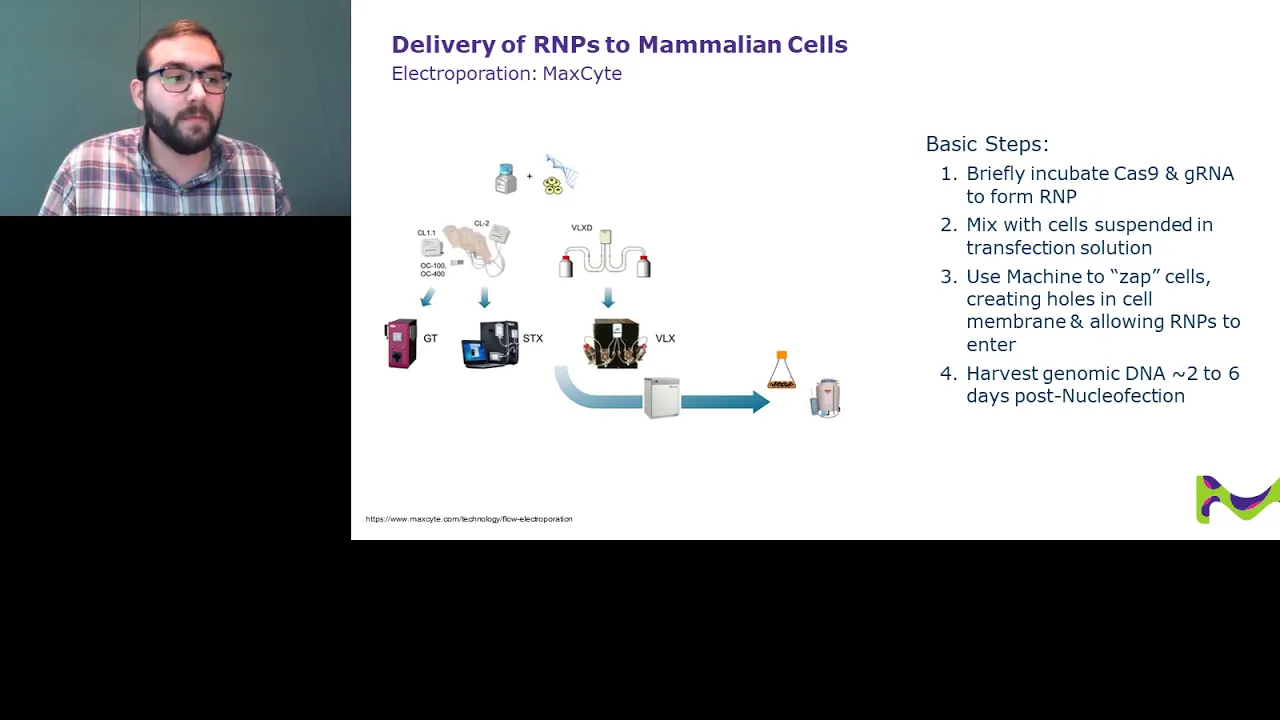
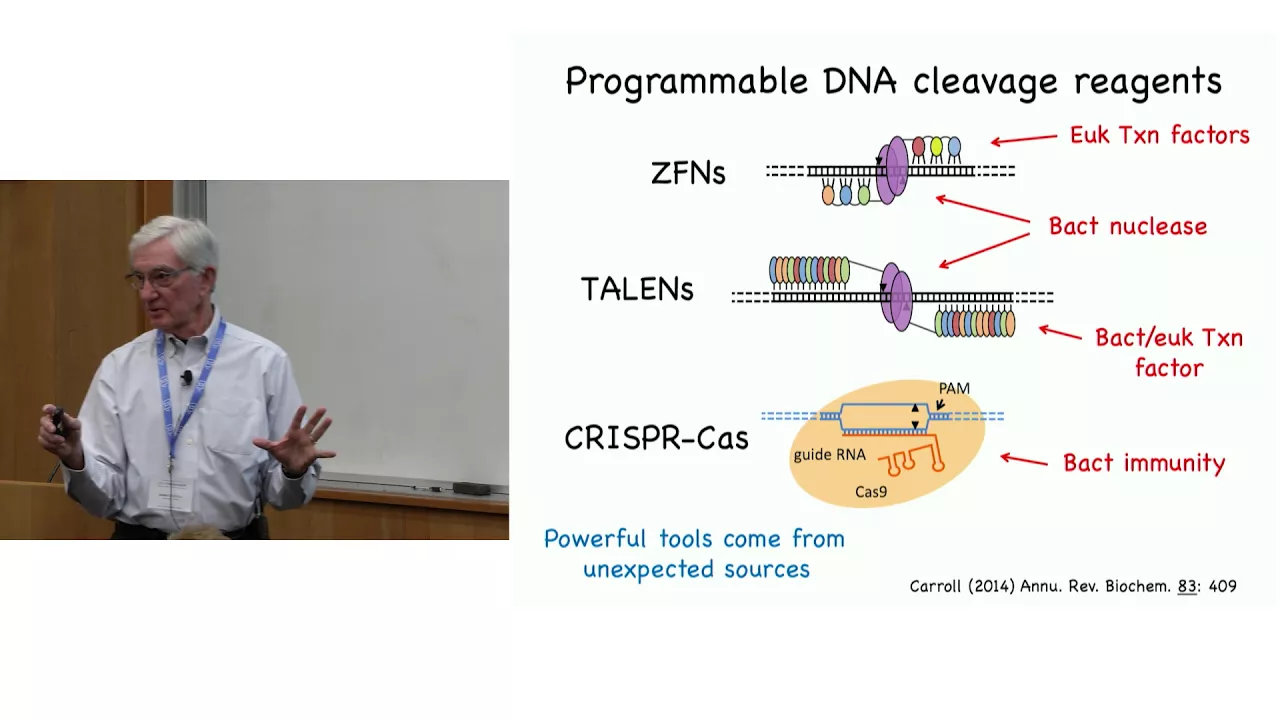
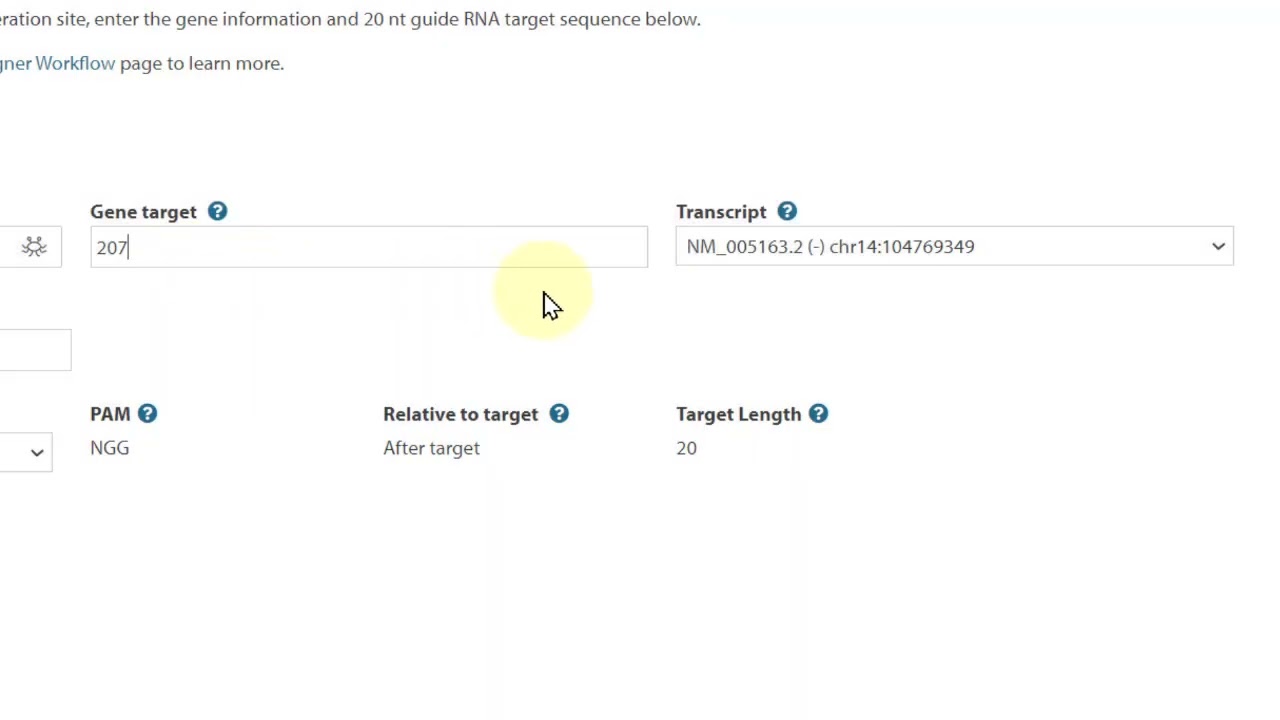
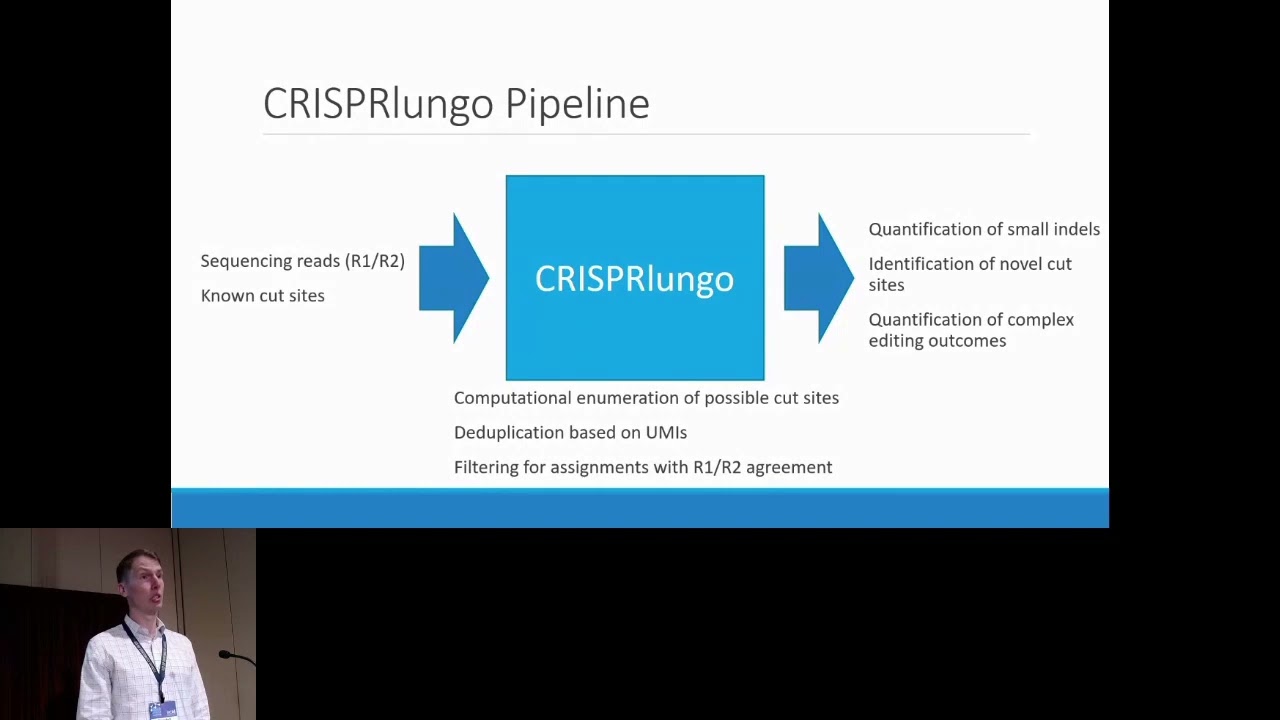
um thank you everyone for joining today um it's great to be able to to share some recent advancements that we've had at ID in the last year or so my objective with this presentation is is really to start with a brief introduction on crisper but I think most of the audience is already quite familiar with that um and then we're going to go through a whole series of of new developments that we've been working on one of our primary objectives in the crisper space at IDT is to identify common stumbling blocks that we see in our customers um and help them solve those either with new methods and recommendations or with entirely new products and tools that can help circumvent some of those common issues we see um so just for those of you who are are maybe a little less familiar with us I always like to give a little bit of our origin story so you understand why we do things the way we do um as a company ID was founded a little over 30 years ago by Dr Joseph Walder in Coralville Iowa and so Dr walder's primary areas of research centered around functional genomics so snas and antisense oligos and IDT was really founded um to help him generate those allos for his own research and so if you're familiar with those Technologies they really require um synthetic DNA and RNA molecules that tend to have a lot of unique chemical modifications on them um you know fast forward to today the company's obviously grown substantially we we employ over 1500 people around the world um and we were supplying well over 100,000 active customers so those are people who have placed at least one order with us in the last year um many of you know us for our primers that's sort of our our core technology but of course um that's foundational to a lot of the things we'll discuss today and that's sort of um the foundational building block of of why we have such an extensive R&D Department um as you can see in the figure here RNA and DNA oligos are what we've been doing for decades um but at the end of the day that is is how we make the rest of our products right so everything that IDT is involved in is B based on that that core competency around oligos um and our research team's job is largely to take that you know amazing technology of synthesizing nucleic acids and adapt it to whatever applications people want to be doing in the lab so we have a few examples here obviously we'll be we'll be focusing on crisper systems um the the data that I'm sharing today and the product developments and all that largely originate from our crisper um Development Group as well as our bionformatics team but we have a pretty extensive research uh Team covering all of our other product areas as well so that out of the way um I just want to quickly run through the basics of crisper so we all have the terminology freshen our minds understand the basic technique on the screen here you can see the a very high level schematic of how genome editing might work with C 9 UM the reagents that IDT is is really involved in and you know as a research scientist you have the most control over are going to be your nucleas which we're showing here is just cast 9 but could be something like cast 12 um as well as the guide RNA which isn't really shown in this figure when you deliver those two components into a cell they're going to uh locate a region of the genomic DNA based on sequence complementarity to the guide RNA and at that site you introduce a double stranded break in the genome and so this is really the process you have the most control over in a crisper experiment what comes after that is largely dependent on how the cell uh responds to that double stranded break and what repair Pathways it uses uh to correct its genome so one impossible outcome and probably the most common outcome is going to be a repair that relies on the non-homologous end joining pathway you see on the left of the slide here when this is done you basically get a liation of those two blunt ends back together because the process can be error prone you typically will will end up with a small indel at the cut site um when you do this in a reading frame of a gene you knock out the gene um and that's how we would accomplish a knockout so this pathway is fairly straightforward but obviously doesn't allow you to control what the final mutant sequence looks like if you want to do that you need to include a donor template we'll talk a little bit about these later in the presentation because it's an active area of research for us but the basic premise is that this is some sort of exogenous DNA that encodes for a new genetic material shown in green here and that can be incorporated at the cut site using a repair pathway called homology directed repair and so this pathway is dependent on sequence homology between your donor template and the the wild type genome around the cut site and that's shown in light blue here this pathway is a little bit more challenging doesn't occur as often in in cellular DNA repair and also the addition of a donor template adds another reagent you have to think about but obviously having explicit control over what the mutant genome sequence is is is of interest to a lot of researchers in terms of the the guides and then the nucleases IDT fully supports two main systems um for editing on the left you have cast 9 which I think is what the vast majority of people are currently using and it's the most well-characterized Geno editing platform if you will but we also support C 12a which you're seeing on the right there are a number of differences between these enzymes and the guide rnas they use but I think the main one to to really focus on for the sake of today's conversation is going to be the Pam site right so if you're going to edit using C N you need to identify a sequence of NG which is directly adjacent to the protospacer of your guide RNA so Pam is protospacer adjacent Motif fairly intuitive name once you know what it stands for um but this is obviously a limitation and if you don't have this NG sequence you just can't cut that that site with with a cast 99 and so this is one of the main reasons people might consider C 12a because it uses a an alternate Pam of TTV which is useful in more at Rich regions of genomes uh like I say there are other differences but for the sake of brevity and for today's conversation I think that's the main difference and again because the focus of today's talk is really about advances I I just want everyone to be aware um as you're reading through the literature and you're looking through maybe protocols on our website or elsewhere you're going to find lots of recommendations on how to do this um how to get these reagents and cells at the end of the day what what you're ultimately trying to do is is getting your nucleas perhaps G9 perhaps something else along with your guide RNA into into the cell right um idt's recommendation is to use recombinant protein and synthetic guides but just be aware that all of these other methods um are also valid ways of editing genomes pros and cons to all of them we can discuss that in more detail at a later time um but most of them uh can also be adapted to some other methods so if you're reading a paper that uses a cell line expressing cast n and inro transcribed guides um you the ability to use Rec combinant protein and synthetic guides is also on the table so you simplest forms you know the protocol looks somewhat like this right you're going to take your cine protein mix it with your synthetic guide and that's what you then transfect into your cells using whatever method is appropriate so that was just a very brief introduction um you know my my goal was to sort of set the stage and make sure everyone was up to speed on their terminology um I want to spend the bulk of this time though talking about the new advancements here and so this this figure kind of shows the the full uh crisper product line that ID supports today everything that you see in light blue here is something that we already have on the website um so this sort of starts at the very early design process with you know design tools to design your guides we have a number of guide AR formats and donor templates um as well as a number of tools for analyzing your edits on on the back end of your experiment uh today's talk is going to focus on the the orange highlighted items here these are things that are either very recently launched on our website or are coming in the next few months to towards the end of the year uh so we'll talk a little bit about custom guides I mentioned we fully support cast N9 and cast 12 but there are lots of others crisper nucleases and you know other enzymes out there that require our to guide them we'll talk a little bit about some new proteins that we're we're going to be launching soon including a a mutant cast 12a variant and some fluorescently labeled cast nines um we've been working very hard on expanding our offerings for donor templates for people doing Knockin experiments especially people who are trying to insert larger constructs um we've certainly struggled to make some of those larger constructs through our synthetic biology group or other areas and so it's been an area of interest for us to find easier ways to accommodate those requests um some new tools for improving HDR rates uh so we'll talk about that near the end of the talk um and then a new analysis tool that we'll be launching next month to help quantify editing uh using ampleon sequencing so uh let's start with guide rnas I mentioned IDT fully supports c n and c 12a and what that really means you know for you as a you know crisper user is that these are these are products that are on our website they've been really highly validated and we have a really robust understanding of how to make them um what the best practices are so I won't go through all the details because it's not really relevant but for example with cast 9 we have three different guide RNA formats and you know if you come and talk to us about which one to use we have lots of information about how you select your guide RNA how you design it and what format is best um same goes for C Cast 12a we only have one option for this because it's such a short guide RNA again we have really good understanding of how to make beeds so these are what we would refer to as catalog products right they're on the website anyone can just go and word them the reality though is the criser space includes lots of Technologies Beyond cast 9 and cast 12 and I'm sure many of you have encountered those reading through the literature or even just sort of the the popular media in the news talking about using crisper for you know covid-19 Diagnostics for example those types of applications use enzymes other than cast 9 and C 12 so for a long time we've been able to make those guide rnas um when people emailed us and requested those things but we we've admittedly struggled to do that quickly um you science only moves as quickly as you can get your reagents into the lab and so we wanted to make that process easier and so a few weeks back we launched our custom guide ordering tool this is basically meant to accommodate any guide RNA that's not cast 9 or cast 12 so common ones that we see a lot of requests for would be cast 13 um which is used in certain diagnostic applications or long guide rnas used for Prime editing which we just call Peg rnas so these are guide rnas contain both a cast nine guide as well as a an RNA encoded donor template um to be used with a special fusion protein it's a unique way of getting small mutations introduced into a into a genome um but it requ Ires long guide rnas up to 150 nucleotides so what this tool lets you do is enter the full length sequence of your guide RNA up to 150 nucleotides um we can synthesize them at some some common yields that you're probably already familiar with if you know our our guideline products um as well as the the common chemical modifications you would find on these um generally we can make these within a week or so so a much faster way to get your guides if you're studying some novel crisper systems and that's on the website already um we've also been working a lot on proteins so we want to talk a little bit about some new developments there um I think if you've seen our our webinars or our seminars in the past you you'll know that this has been an area of of research for some time um you my introduction I hope gave you a sense of how IDT has been really focused on oligos synthesis um for decades and and that's really what drives our quality and guides um but if you do molecular biology in the lab you know that your specificity comes from nucleic acids usually um but the catalytic component of any assay you run is going to be a protein right maybe a polymerase or a nuclease or something and so we've we've invested a lot of effort in in developing protein engineering capabilities um to help to to help solve that side of the equation and so in the past we've talked about our our High Fidelity cast 9 right that's a mutant version of a wild type cast 9 that reduces offt target editing um we've also Al in the past talked about um a mutant version of cast 12a that we developed called ultra um the objective here was to improve the ontarget editing capacity of this protein because the wild type protein is a little Inc a little inconsistent when it comes to to that tradeit and so these are both products we've had on the website for some time um but we're developing a whole range of new ones so so one it's not highlighted in Orange um is the lb version of cast 12a um so lb and as indicate the bacterial species that these proteins are are derived from um we originally launched our cast 12a products with the the as variants um but we get lots of requests for lb as well and I think um you see this cited in the literature quite regularly so that protein is going to be available as well as the existing as version so that'll be online in the next month or two um but I have some data to share on these fluorescently labeled versions which I think will be of interest to a lot of people and so um you know anyone in the audience who is familiar with protein engineering knows that slapping a fluorescent tag onto a protein um is often a great way to just make that protein no longer work um and that's a a the core of the reason why it's taken us so long to develop fluorescently labeled cast 9 and cast 12 um if you're not very very thoughtful about the Linker structure you use between the the nucleas and the fluorescent protein um you can really negatively impact the nucle A's um ability to to cut the genome and so we spent a long time developing and testing different linkers um to connect those two components together I think the data on this slide really shows that that effort has paid off so the top panel here is showing editing efficiency at a number of sites in the hprt gene um the the blue bar is the wild type cast line that we currently sell on the website so this is not fluorescently labeled um and then the two the green and the pink bar indicate uh fluorescently labeled versions either gfp or M cherry and you can see that most of the time we're able to maintain very similar levels of activity with those fluorescently labeled versions um you'll find the odd situation for example the one I'm highlighting here where we see a small reduction in um on target editing activity with the fluorescent labels but for the most part I would say this is worth it right because if you have a fluorescent tag on your cast n you're going to be able to sort those cells and identify the that have been positively transfected and so you can really compensate for that small drop in activity by um enriching for those cells so in the case of C 9 we have pretty comparable performance between unlabeled and labeled protein in the case of C 12a the story is actually even more interesting although we don't have a great explanation for this we find that adding a fluorescent tag actually has improved the activity of this enzyme um which is not necessarily what you would expect typically adding a additional you know amino acid onto the the core nuclease is going to impair the the function but that's not what we see and that's reproducible across quite a number of sites here um I think the take- home message for for people who want to use this for genome editing is that you the labeled version is obviously still going to do a very good job if not a better job than the unlabeled one and I think really the the main reason that you're going to want to use fluorescently labeled nucleases it's going to be in situations where you're struggling to get high transfection efficiencies because remember when you do a crisper experiment your goal is to get the the nucleas and its guide into the cell where it can go into the nucleus and edit the genome um but if you're working with a difficult cell line where you can perhaps only transfect 20% of cells um that can make your Downstream experiments quite challenging uh if if only 20% receive the nucleas the other 80% are never going to be edited and that can really confound some of your Downstream experiments so obviously we would first encourage you to try and optimize your transection get those those numbers as high as possible but if you can't um we do know and that's what this data here is showing that if you use a fluorescently labeled protein and enrich for fluorescent cells you can compensate for um poor transection efficiency and actually see a boost in um average editing rates so each of these locations here is just a a different Gene that we're targeting um the green bar is unlabeled cast 9 so that gives you a sense of what the the editing level is um in the absence of a fluorescent tag and then all of these other bars from Gray through to dark blue represent different populations of cells Tri inspected with fluorescent protein and you can see that if you if you gate your FL cytometry for the highest or most fluorescent cells the medium and high populations you actually end up with higher editing rates um than the unlabeled cast 9 or the unsorted fluorescent cast 9 so this is really the the main reason you would use use a protein like this and the same premise applies to C 12a so a great tool if you're working with difficult cell lines that are hard to transfect for the sake of completeness I would also mention we have offered fluorescently labeled guide rnas for a very long time and if you're familiar with our two-part guide RNA system that requires a CR RNA and a tracer RNA we've sold a version of this Tracer RNA that has a floor for on the five Prime end for for a number of years now um that Flor for is called 0550 it's a a redend die um for this application it works really really well but we we certainly realize that there are times when that color is just not suitable based on your experiment um and people have been asking for new colors for a long time and so we'll be adding additional um additional labels onto the Tracer RNA um in the coming months so 488 and 647 functionally very similar to the existing product just new colors for you to choose from so I think between you know the gfp cast 9 and C 12a um as well as these fluorescently labeled cast 9 guides you have a lot of choice about how you label your your r&p complex and how you can enrich for transfected cells and all of that basically just amounts to getting higher levels of editing one way or another and so those proteins and these new Tracer rnas uh should be available on the website in the next few months um of course if you have an immediate need always feel free to reach out to me and we can arrange Early Access for those the next section is really focused on Gene Knockin and homology direct repair um we've seen more and more of our customers moving in this direction because they want to be able to explicitly control what the mutant genome looks like um as I mentioned before this is a harder experiment to do just because you're relying on a process that doesn't occur as often uh and you need donor template but I think um the benefits of it are are what's driving people in that direction ction so just by way of recap quick refresher remember your your nucleas comes in introduces double stranded Break um and if you want to have explicit control over what the mutant genome looks like you're going to want to take advantage of this HDR pathway and so what we're going to talk about a little bit today is is research on um options you have for donor templates um as well as how to design these so I'm going to start with the design side of things this is a tool that is already on the website it has been for a few months um but I think it is you know significant enough of a development to to Warrant repeating it here when you're designing um guide rnas obviously really if you're using cast 9 all you're looking for is an NG Pam site um our online tools will help with other things like off target analysis and um predicting the On Target activity of that guide but you know at the end of the day designing a guide RN is fairly straightforward when you want to do a Knockin experiment you need to design your guide RNA and donor template in conjunction with one another because their their positions relative to one another are really important uh there are also lots of design rules around you how long should your homology arms be and how close does the cut site to the the the donor template need to be and all of this sort of stuff um we have documents if you want to do that by hand um but I would highly recommend you use our design tool on the website um if you're working in one of our supported genomes you can see on the right here um you're able to Simply type in the gene name or the genomic location you'll get this interactive map where you can drag and drop the cursors uh specify what mutation you want either at the nucleotide level or the amino acid level and then you basically click design and we'll propose a donor template uh guide RNA pair that introduces that mutation into that genome so it takes into account many many rules that we've developed over the years based on our research on how to do these designs and just automates all of it for you so that's the URL there and you'll find it on our website but I wanted to mention it again because it really simplifies this process now if if you use the design tool it's going to have some automatic recommendations on what type of molecule to use as your donor template um based again on our experience testing different options and so this is actually some fairly old data um that we we generated early on um based on you know feedback from customers and the types of templates they were using so sort of the relevant thing in in the bar chart here is that the Y AIS represents the HDR rate so that's the rate that we're getting our donor template into the genome and we're just comparing a few different options for for synthesis of those donor templates and so these two options you see on the right Mega mer and Ultram mer are really what we recommend today um so Ultram mer are synthetic DNA oligo they're single stranded we can make them up to 200 nucleotides so if the mutation that you're trying to introduce can fit within that length constraint this is absolutely the best option for you if you go over 200 nucleotide you end up bumping up to our meamer products and these can go anywhere up to 2,000 nucleotide so both of them are are excellent options from a crisper perspective but admittedly mamers have a couple considerations to go with them um one is cost and the other is really uh synthesis time they're one of our most complicated products to manufacturer and so as a result it takes us a long time and they they do cost a bit of money and so for that reason today we've seen a lot of our customers um try out things like linear double stranded DNA which would be our G blocks instead um they do have some drawbacks and I'll get into those in a couple slides um but they are more cost effective and we can make them more quickly uh so sometimes we see that that exchange happen um we've been doing a lot of research to try and identify better options though so I'll talk about that in a couple slides because I think we have a great solution for that problem I did want to start though just with a reminder on recent developments for those smaller donor templates um the Ultramar those single stranded DNA oligos we recently launched a version of those that come with chemical modifications on the end of them uh and the goal of this really was to improve the the HDR rates again that's what you see on the Y AIS and the way that this works is basically protecting the donor template from being degraded while it's in the cell the longer you can stabilize your donor template um the higher your HDR rate essentially and so we we sell three versions of these the unmodified version is just a single stranded DNA algo really not a lot different from a standard primer we sell a version with a pair of phosphor thiwe bonds on the ends um this is a really easy to incorporate chemical modification that also gives the oligos some exonuclease um resistance and so it helps stabilize it and you'll find these in all kinds of I products from our guide rnas to our NGS Library adapters very widely used modification and then the third option combines those phosphor thids with the altar modification which is a proprietary blocking group we've developed um but the the intention is to block exellent nucleases and so obviously based on the chart that altar version is your best bet um in terms of pricing they all cost exactly the same so we would highly recommend using this altar version unless you had some reason to use one of these um but this is clearly your best option for those small insertions now as you get into the longer products or the longer insertions I mentioned meamer has been our recommendation for a long time um part of the reason for that is um what you're seeing on the slide here so I'll just walk through this a little bit these these figures are showing the the outcomes of doing a a crisper Knockin experiment when you use linear double stranded DNA as your donor format um so the desired outcome is really what you're seeing here on the sort of midle part of the figure what what happens in this case is you get a double stranded break in the genome and then your linear donor template is incorporated out the cut site via homology directed repair so the key thing here is that you end up with one copy of each homology arm plus whatever sequence you've inserted so this is what you're aiming for there is another possible repair pathway and that relies on non-homologous and joining and and the problem with this is you know implied by the name it does not rely on homology between the donor template and the genome what you have happened is just a blunt liation of the double stranded end of your donor onto the double stranded end of the genome and this results in a duplication of your homology arms in the mutant sequence um so if this is you know in a protein coating region obviously this is not good or useful for your experiments the other problem with linear doubl stranded DNA is that they can fairly easily incorporate by non-homologous end joining at of Target locations in the genome so if your guide RNA happens to cut somewhere else in the genome um a single stranded donor is not going to incorporate there but a linear double stranded one might by nonhomologous end joining um so if you if your criser work has any ambition of moving into clinical applications or things like that this type of outcome is probably um not something you want to be seeing we and I'll show you on the next slide this particular outcome here the duplication of homology arms is something that can actually occur quite readily um and so this is one of the main reasons we have not recommended linear double stranded templates for some time but um our research group has been working on solutions to that so let me walk you through the figure here um there are some experimental details on the right that you can read if you're interested but I think that the interesting story is in this in the bar chart here and so what we were trying to do here is knock in different sizes of inserts you can see those along the bottom and the y axis represents the percentage of insertions that we're detecting so um you know anything between the the bar and 100% means that some other mutation occurred or it was unedited so the bar chart represents uh represents copies of the genome where we saw integration of the donor template in one form or another the solid portion is the correct inser where we only have one copy of our homology arms and this hashed section at the bottom is when we saw a duplication of the homology arms or a blunt and liation event that did not rely on HDR and so these are mutations that we really do not want to be seeing happening um because they're not going to be useful for our Downstream work and so what you can see here is about 10% of the population a little bit less at the larger size about 10% of the population is is being mutated in that way um so what we've been doing is is trying to develop new chemical modification patterns that we can attach to the ends of doubl stranded DNA donors that block that blunt liation process so altar one and altar 4 are two potential chemical structures that we're we're studying at the moment and you can see both of them do a really nice job of reducing those blunt end Integrations they also have the benefit of slightly improving the total editing rate this is probably because they help stabilize the donor templates as well and this effect becomes even more pronounced um at the the larger insert sizes so this is a really promising area of research for us I think it it presents a a great solution to how we can make larger donor templates at a reasonable cost and with an affordable or with a a reasonable turnaround time um without you know needing to resort to single stranded DNA currently we are still developing these and I would anticipate them to be commercially available um towards the end of this year but again if you have interest in and things like this let me know and we can talk about providing early access to such products um on the the HDR front we we've talked a lot about donor templates there are lots of options for that depending on the insert size and things like that but there are other things you can do to improve HDR rates as well um one that we've been recommending for some time has been to incubate your cells with our HDR enhancer molecule after you've edited them so you deliver your cast n your guide rnas um and your donor template uh and then you incubate them in this molecule in the cell culture media for 24 48 hours or so and the way that this molecule works is just by inhibiting non-homologous end joining so if you inhibit that repair pathway cells tend to take advantage of HDR or more and you can see that when you compare the gray control bar to Blue Bar we get this nice Improvement in HDR rates so more cells are getting the donor template integrated in their genomes um there are a couple issues with this one of which is that it is somewhat toxic um to to cell lines some cells are bothered by it some are not um a big part of that is the relatively High dosing that we have to use with this and so we've been working on developing a new version of this which is a a different compound that works through a very similar mechanism um and can be delivered at a much lower dose so it has two main advantages there one the lower dose means less DMSO which makes it less toxic um and it appears that this new molecule actually works better than the first one so it's a win-win on both fronts there um I think anyone who has not yet used version one um should give it a try um we haven't yet launched version two and I hope we will next month or two um but if you're already using version one this new product should be a direct substitution um for that and you should see even better results as as a result of making that change okay so that was a little bit on HG R I think you know HDR is really a huge area of focus for our research team um the other part of it that I'm going to talk about now is is the result of our our research efforts looking into off target editing um and so over the years our our research team has done a lot of work on that front and developed many tools to help them do that and some of those are now being commercialized and made available to our customers so the one that I want to talk about today is Ram seek um Ram seek is a an ampleon sequencing technology that you would use with aluminous sequencers and can be used for many things but we've noticed that a good majority of our ramp SE customers are actually using this for characterizing crisper based edits um so the main use that we envision will be people who care about of target editing so it's a a robust way of measuring editing at many sites in the genome at the same time but it can also be used as a high throughput tool for measuring on target editing at multiple sites at the same time so I'm going to talk through that a little bit um and how it all works so the basic experimental workflow here starts with identifying the genomic locations that you're interested in assessing so usually like I said this is going to be your On Target site and any number of possible of Target sites plus any other regions that you just happen to want to sequence at the same time um so there's a number of methods you can use for identifying off Target sites from in silico predictive algorithms to um you know guide seek to to other methods um but the point is to use ramp seq you would have to first identify all of those sites once you have those genomic locations um we'll design the ramp seat panel for you and I'll show you what that looks like on the next slide um basically the protocol is two rounds of PCR on the lab and you put it on aluminous sequencer to generate your data um and then I'll show you a little bit of what our analysis pipeline looks like um this is something that has not yet launched but will be available probably later next month um so ramp seek is a product exists today but the analysis pipeline is it's coming next month so if you're not familiar with ram seek um you you may already be familiar with amplion sequencing as a technology um if you know how amplion sequencing works you pretty much understand Ram seek already but just to briefly explain it um it's essentially two rounds of PCR where the final product is um a ready to sequence library for an aluminous sequencer so this first round of PCR is something that we design specifically based based on the genomic coordinates you provide and so typically each pair of primers is going to flank perhaps the on target editing site and any other locations like off Target sites that you want to study um this is a multiplexed PCR so if you want to look at 50 Targets in one reaction this is going to be a 50px reaction all happens in one tube and we design the primers to be compatible with one another um and that's sort of the main advantage of using our design tool ramp seek is capable of supporting thousands of amplicons in a single reaction but our crisper users are typically using no more than 200 sites at a time so that first round of PCR generates a partially um or a partial sequencing adapter um the second round of PCR is the one that adds your sample barcodes and so you need to have a unique set of barcodes for every sample you want to Multiplex and sequence together on a on a aluminum sequencer so once you've done that um you throw that on the sequencer you generate your data now you have analyze it and this actually has you our conversations with our customers has turned out to be a substantial bottleneck for many of them um I have this this figure here which is kind of intentionally meant to be overwhelming the the the point is that there are a lot of tools involved in NGS analysis right a few of them are italicized here that you might use for cleaning up your read data aligning it to a reference genome and then calling those reads based on the mutations that are present in them um setting up these types of pipelines typically requires some command line experience um you probably want to have a bit of a computer science or bioinformatics background to really understand what you're doing so it's not trivial analyzing this sort of data uh so what we've done is developed this pipeline in house that we actually initially developed for internal use uh and have now sort of polished it up for for our customers to use um we'll be rolling it out in a cloud-based platform so really all that you'll have to do is upload your NGS data tell us a little bit about your guide RNA sequence and analyze so all of this will be encompassed in in that tool now just to give you an example of this um this is a a figure that's actually in in a publication we put out back in 2018 describing our High Fidelity cast N9 as you can imagine you know when we're talking about High Fidelity enzymes we're spending a lot of time talking about off target editing so we actually use gramp seek in this pipeline to generate all of the data you see in this publication and this is just one figure to kind of show you the sort of analysis that can be done what you're looking here are the On Target site in Orange and a bunch of of Target sites in blue and the rate of editing that we detected at each of them using Ram seek um and so you can see that you know in the worst case scenario where you're letting the cells Express cast 9 about three4 of the time uh editing was at an of Target location and by moving towards rmps and using the High Fidelity cast n we can almost eliminate that and so this is just an example of what ramp SE and the analysis tool can do I think the other thing that is really important to remember about this is to generate the data required to make a figure like this by individual pcrs would have taken our R&D group probably months right they they estimated about 1500 individual pcrs to generate this data um they were able to generate this using one ram seek run um which only you know PCR sequencing and Analysis took a couple days so it can really speed up the whole process for you um I I did take a little screenshot of what the analysis 20 looks like here um with the the little caveat that this is a prototype version so things might look slightly different by next month but but the idea is that once you've uploaded your data run your analysis um you're going to be able to see results that look a bit like this so really nice high quality figures about the the amount of editing the type of editing um where edits are occurring all of these figures are exportable for publication or you know regulatory filing whatever it is you need them for and of course you can export all of these values in an Excel file for further analysis so I think this is going to be a really great way for people to measure editing when they need either to process lots of samples or look at multiple targets at the same time or both so that is coming next month but again as always if you need access sooner let me know and we can arrange Early Access so that I'm just going to wrap up there and thank you all for attending um if you have questions for us I would absolutely encourage you to start on our website we have lots of great um you know decoded articles and educational resources for you to learn more and the criser email here uh comes to me as well as a whole team of technical support folks so that's your best route if you need um sort of General crisper support and you'll get the fastest response through that channel and and then if you have questions about today's presentation or just want to say hi uh this is my email here I'm always happy to to chat with people who are interested with that Marshall are there any questions at this time yes we have a a hand raised Elizabeth Simpson I'm going to unmute you for my end so if you're unmuted on yours you should be able to talk now hi I Adam excellent talk as usual um I had two questions one is um what I do is using crisper in single cell uh embryos in mouse to generate iice and I'm wondering how well the modification optimization that you do in cell like hex and other things uh for guides and donors translates to the mouse embryo yeah that's a good question um I'm going to answer it a little bit more generally than just mice and sort of speak broadly to you know primary cells and other systems beyond what we work with because you're absolutely right that you know idt's in-house research team focuses on easy to use immortalized cell lines like he 293s and jerk cats um generally what we find As you move into more let's call them difficult systems like primary cells and mice um those modifications actually have an even greater benefit compared to unmodified guides unmodified donors um the effects of nucleases seem to be more pronounced in those systems um so it's actually I would say even more of a reason to consider chemically modified reagents um the other question I often get in in this sort of vein is do we see toxicity as a result of these the answer is is generally no I I don't hear reports of that being a problem um every system is new but I will say that in mice you know chemically modified guides and donors haven't appeared to be toxic um The Only Exception there might be meumers because they they can be fairly long singl stranded DNA and most cells respond with a somewhat toxic response to that um so dosing of those can be important but but generally I would say um chemical modifications are are preferred in all systems okay great and my second question is um do you think you would be in the future making available the prime editor Protein that's a great question um the short answer there is I would love to um our research team has actually been working on that quite a bit um obviously selling the the long guide rnas um and specifically mentioning Prime editing guide rnas kind of implies that um we've seen initial promise with that I think before we start you know beta testing and eventually maybe commercializing it that we want to be able to replicate that a few times we're also interested in looking at more sites in the genome and different lengths of insertions because you know the the initial work we've done has only focused on I think a one code on insertion um that showed promise absolutely um so more to come on that but I I certainly hope we can in the near future thank you very much welcome great thank you Marshall are there any other questions at this time at this time oh yes one just came in in fact and the question is when the fluorescently labeled C when will the fluorescently labeled cast 9 be available that is another great question um I think you know in a in a perfect covid free world we would have had that available several months ago um but in the spirit of full transparency we've been very busy accommodating a lot of manufacturing requests for for Co diagnostic reagents which has delayed a lot of our our product Launches on unfortunately um I will say that product is essentially finalized and ready to go we just need to make the bulk protein and put it in tubes so I would anticipate that in the next one to three months at most um but like anything if you have an immediate need for that uh we can typically arrange for samples to come out of our research Department um and that would at least hold you over in the meantime so feel free to email me directly if you're interested in that great thank you Adam any other questions Marshall presently uh no more great that gives me a chance to ask a couple questions so are there any specific uh chemical modifications that people should use when they're ordering the custom guide RNA yeah this is something that we've studied a little bit um it's always hard to provide specific recommendations on new crisper systems um because you know they're all slightly different from one another um generally for the longer guides we've been recommending in a very similar modification pattern to what You' find in our cast N9 guide rnas so that's a basically three phosphor thyroids and two Primal methyls on either end and I I can follow up by email on on the specifics of that we do know that occasionally that modification pattern isn't the optimal one so I would always encourage people to take a quick look in the literature and maybe consider ordering you know two or three different variations on on that pattern to see what's most appropriate for their system great thank you and then the analysis tools that you were talking about is there a way for people to use those if they're not using um ramp seek to generate their NGS libraries yeah yeah so you know the ideal solution that that we're proposing with ram seek is that people use ramp seek to generate their Library um and then take that data directly into the analysis tool but the reality is the analysis tool will take data from any amplion sequencing approach so if you're using other tools like ampl seek or or just generating the amplicons using regular PCR primers um that should be acceptable um we can sell access to that that analysis tool on its own so I would say get in touch with us we can uh give you a few free analysis credits so that you can make sure the tool works well with however you generated your data um and then we can go from there but the short answer is yes great and then so if someone's using an SG RNA instead of the two-part guide RNA can they still go those fluorescently tagged yeah um so we've been adding fluorescent tags onto single guide rnas uh sort of as special requests for people um generally the best recommendation that I've had before has been to use two-part system because that's sort of what we've optimized um and if you're using sgrnas I would say wait for the fluorescent cast nines we can though add Flor fores onto sgrnas the main challenge is that because it's a long molecule and when you add a floor four on you need to purify it we tend not to get great yields and so you get a pretty low amount of guide RNA for a fairly high price um and so that's really going to be the main advantage of the fluorescent cast n um it's going to be just a much easier solution to that great and you're the right person to reach out to for um working through stuff like this right or at least you'll be able to direct them to the right person yeah absolutely people can email me directly or um just email crisper at idtdna and I I receive those emails as well great um and then about the uh HDR donor template is there a specific length that the homology arm should be yeah we we've done some research on this and I think if you look in the literature you'll find a lot of different answers unfortunately um in our experience the the smaller ones we typically use about 40 nucleotide on either side um and as though the insert size gets longer we tend to increase to between 1 and 200 depending on the the whether you single stranded or double stranded DNA um the easy part though is if you use our HDR design tool it will automatically do that for you so you don't have to think too much about it if you go that rout great and these products that haven't been launched yet is there a way that people can try these out um in advance yeah we're absolutely open to um either having people beta test our products before they launch and exchange for some feedback on how they work um or if we're already really close to launch and know how it's all working we can usually provide Early Access so the best path forward for that is to email myself directly um and we can just have a discussion to make sure it's you know suitable for your needs and set something up from there excellent thank you Adam and Marshall if there's no other questions at this time we can actually close a bit early yeah no other questions presently so great so in that case thank you very much everyone for joining us today
Up Next
15:31
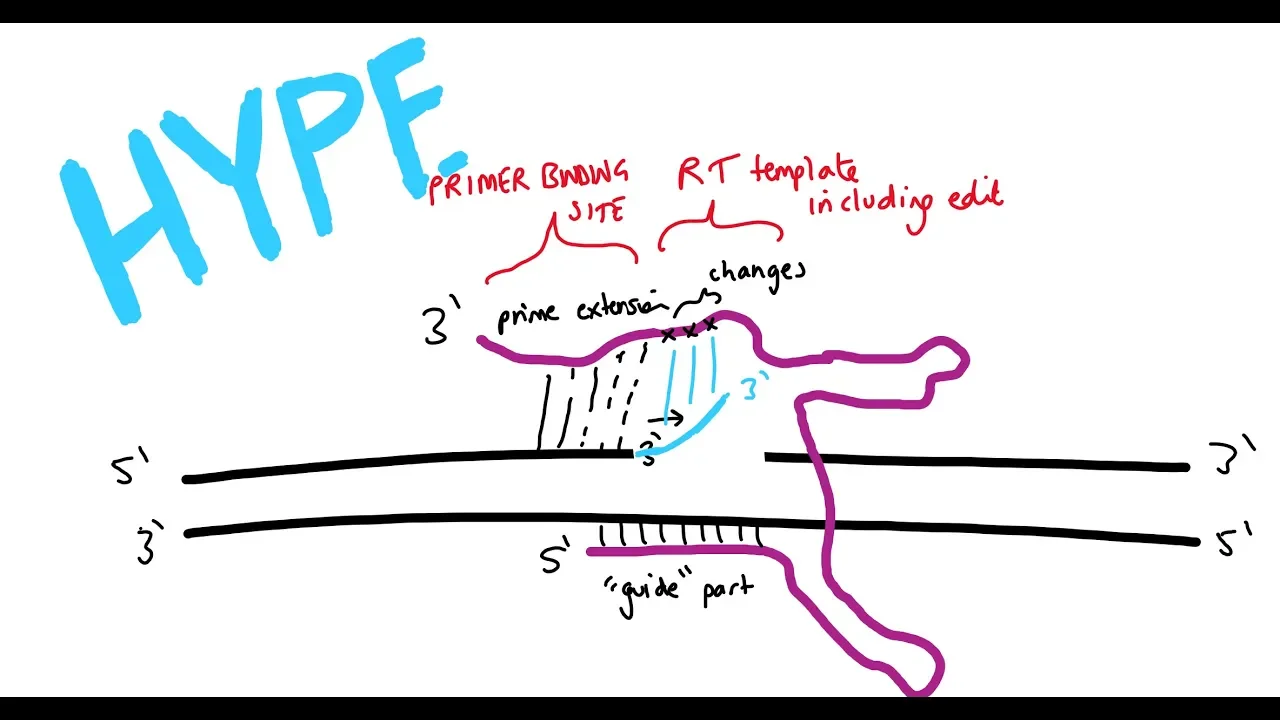
Prime Editing Explained: A CRISPR Alternative for Precise Gene Therapy
@TheSheekeyScienceShow
36.9K views•2019-11-03
14:12
Quantitative Real-Time PCR (qPCR): Principle, Method & Data Analysis
@animatedbiologywitharpan
129.2K views•2023-09-06

25:14
Targeting the Placenta with mRNA Lipid Nanoparticles
@nminnce5738
397 views•2023-11-24
16:04
CRISPR and Genetic Engineering: How Gene Editing Works and Why It Matters
@kurzgesagt
30.5M views•2016-08-10
Related Study Plans & Knowledge Roadmaps
Structured learning paths in Biotechnology
biotechnology
AAV Production: Transfection, Prep & qPCR
01Introduction to Gene Therapy and AAV Biology
02Mammalian Cell Culture: Suspension HEK293 Cells
03Upstream Bioprocessing: Triple-Transfection Optimization
+ 2 more learning modules
18h5 modules
Explore Roadmap
biotechnology
Building Gut-on-a-Chip: PDMS, Cells & TEER
01Foundations of Microfluidics and Gut Anatomy
02Cleanroom Fabrication & PDMS Soft Lithography
03Epithelial Cell Culture and On-Chip Seeding
+ 2 more learning modules
26h5 modules
Explore Roadmap
biotechnology
Optimizing CFPS: E. coli Extract & Yield
01Fundamentals of Molecular Biology and Translation
02Introduction to Cell-Free Protein Synthesis (CFPS)
03Preparing E. coli Crude Lysate (The Extract)
+ 2 more learning modules
19h5 modules
Explore Roadmap
biotechnology
Haematococcus PBR: Design, Stress & Astaxanthin
01Biology and Life Cycle of Haematococcus pluvialis
02Bench-Scale Photobioreactor (PBR) Design and Engineering
03Culture Media Formulation and Inoculation
+ 2 more learning modules
15h5 modules
Explore Roadmap