









![[강연] 2020 노벨상 해설강연 | 고등과학원 x 카오스재단](https://i.ytimg.com/vi/UQPvtpLGdbI/maxresdefault.jpg)






Prime editing is a revolutionary genome editing technique that enables precise DNA modifications without inducing double-stranded breaks, addressing the safety concerns associated with traditional CRISPR-Cas9 systems; it works by fusing a Cas9 nickase with reverse transcriptase and using an extended guide RNA (pegRNA) that contains both the target recognition sequence and the template for desired edits, allowing the system to 'search and replace' specific DNA sequences with high precision and reduced off-target effects.
Prime Editing Explained: A CRISPR Alternative for Precise Gene Therapy
Added:Fundamentals of DNA structure, base pairing (A-T, C-G), and the central dogma of molecular biology.
The mechanism of standard CRISPR-Cas9 gene editing, specifically how guide RNA (gRNA) directs the Cas9 endonuclease to cut DNA.
Cellular DNA double-strand break (DSB) repair pathways, including Non-Homologous End Joining (NHEJ) and Homology-Directed Repair (HDR).
The function of reverse transcriptase, an enzyme that synthesizes complementary DNA (cDNA) from an RNA template.
Comparative analysis of gene editing technologies: CRISPR-Cas9 vs. Base Editors vs. Prime Editors regarding efficiency and mutation signatures.
In vivo delivery methods and challenges for prime editing components, such as lipid nanoparticles (LNPs) and adeno-associated virus (AAV) vectors.
The design and optimization of prime editing guide RNAs (pegRNAs) using computational biology tools.
Next-generation variations of the technology, such as Twin Prime Editing (TwinPE) for integrating large gene fragments.
The ethical, regulatory, and therapeutic landscape of translating prime editing from laboratory models to human clinical trials.
36.9K views768likes15:31Original Release: 2019-11-03
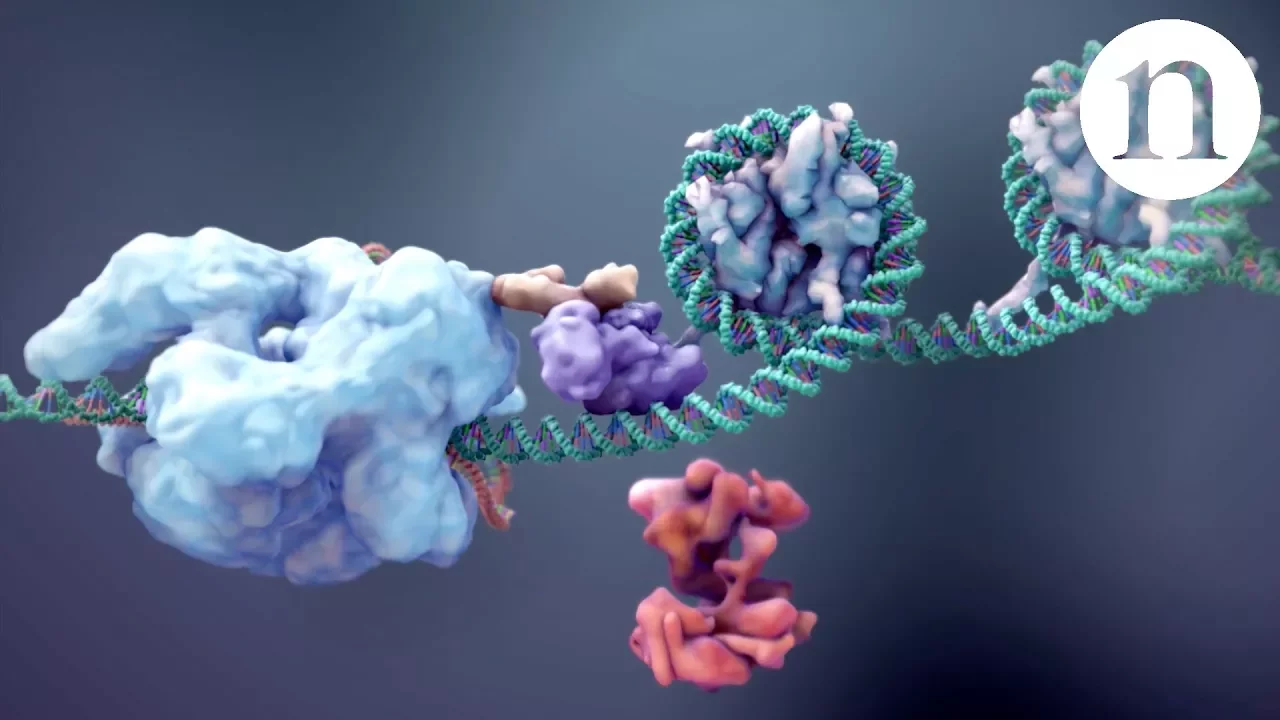
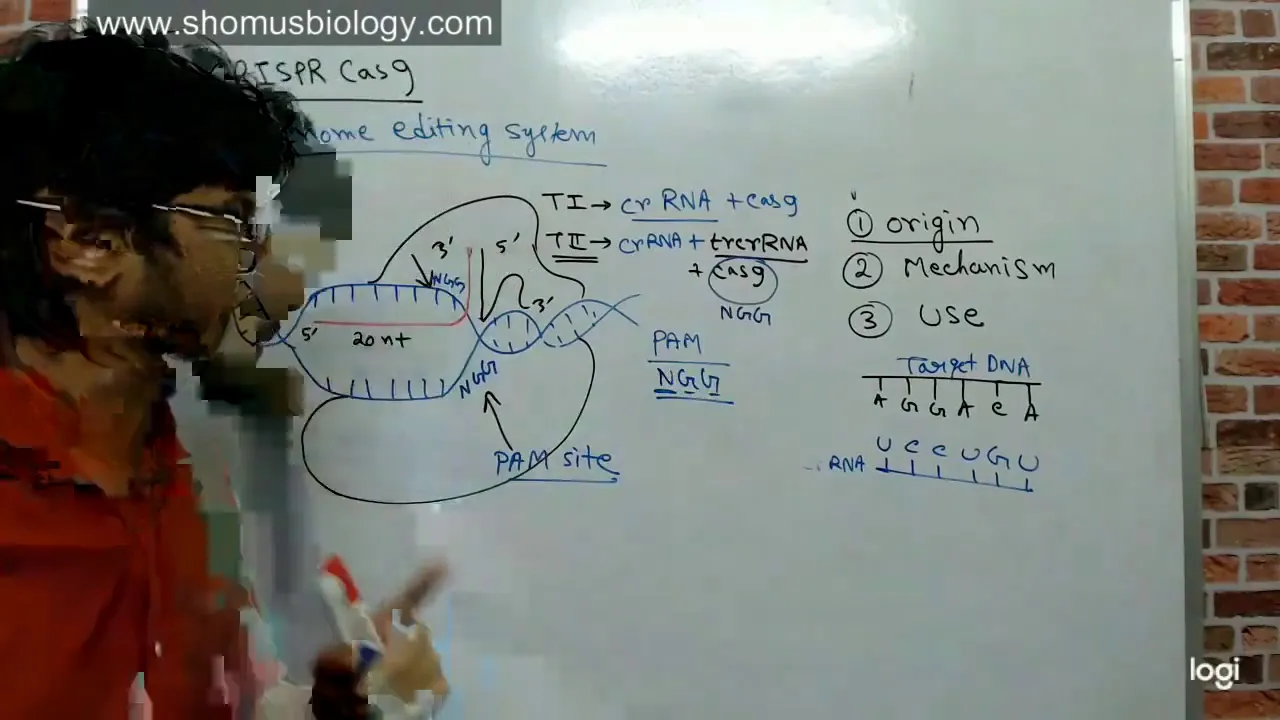
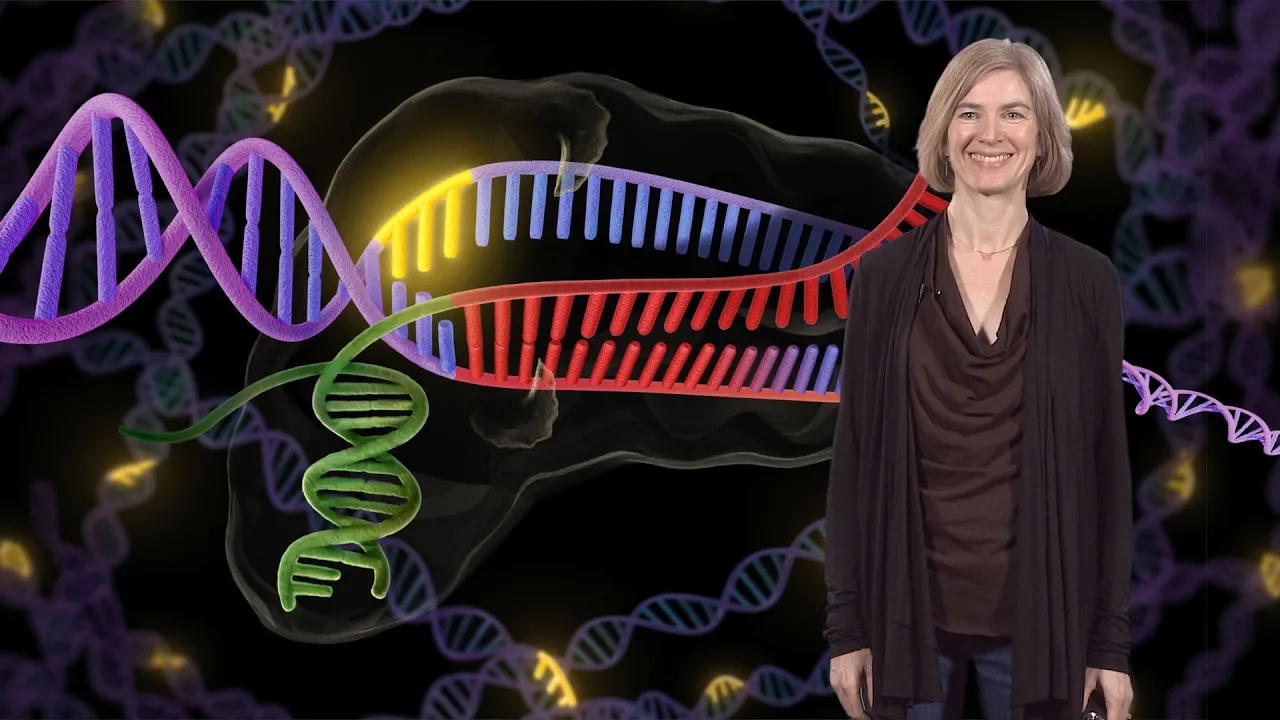
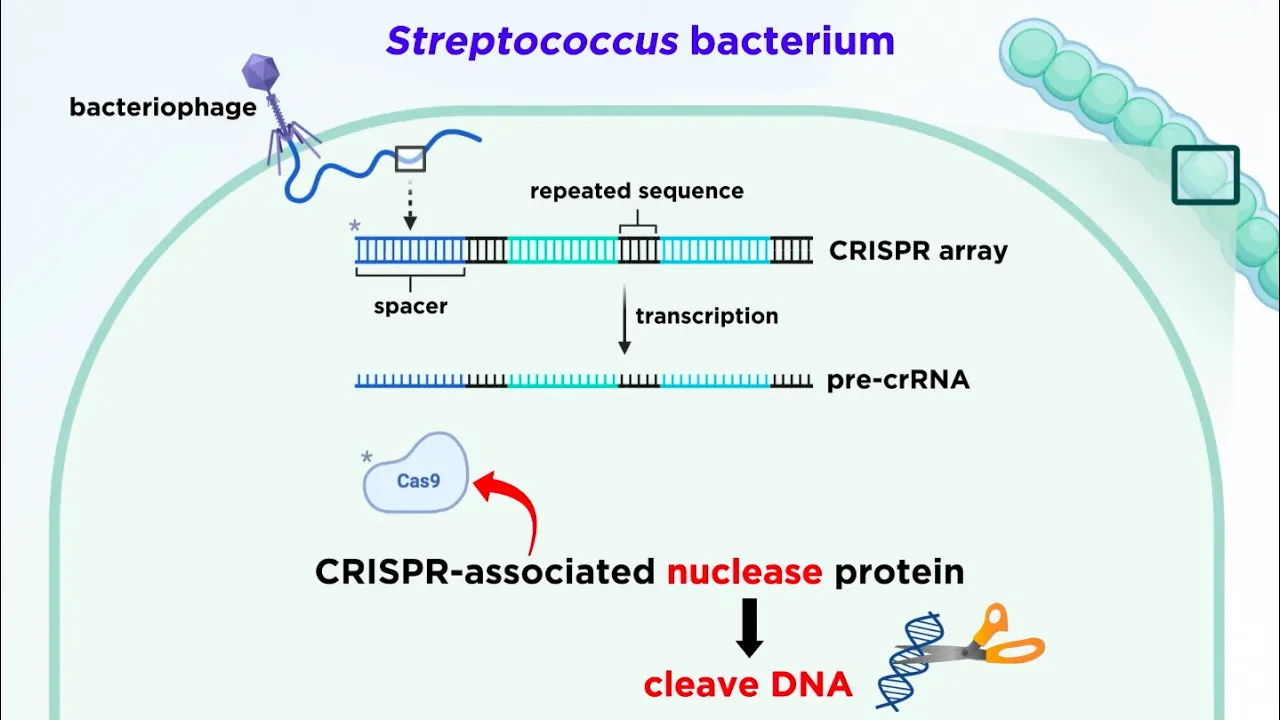
hello and welcome to the shiki-san show in this video we'll look at prime editing why the hype so I'm not entirely sure why I haven't done a video on gene editing and CRISPR calf sign systems already since I like to think of myself a little bit of a Chris Forex birds I'm joking it's not really quite the case but I'm I have worked with and read a lot of literature to deal with CRISPR Castine so I was intrigued when a paper came out last week which was all about this new concept called prime editing but before I jump stratum of prime meditating let's first take a look at Chris forecast 9 and some of its limitations that kind of kick started this publication so Chris Picasa 9 in the context of genome editing involves a protein called Castine that has endonuclease activity such that it can cut DNA and this can induce a double-stranded break into the DNA and then that's double trying to break these be repairs and that is why editing can occur in correct conditions and to get to that target sites on DNA it uses an RNA species referred to as a guide RNA that's as kind of suggests guides cast 9 to the target site on DNA so I've actually kind of talks about Castine and CRISPR system it's in a previous blog that's all linked down below but also check out this video I'm given by Jennifer Doudna which I think provides a really good introduction if you're unfamiliar with this topic probably better than myself but anyway since I'll be useful for the rest of the video I'll briefly introduce the different domains of caffeine anyways since the kind of fundamental for me to explain in prime editing so here is cast 9 and as you can see there are two and the nucleus domains one that cuts one strand of DNA the other cuts the other strand of DNA and so these different domains can both be mutated such they can't cut DNA or one could be mutated such that you get a single strand break in the DNA but in the wild-type situation where you've got a double strand break how does this hell deal with this well there are two main types of double strand break repair pathways in a Cell an error-prone process called non homology and joining or in terms of precise genome editing there's homology dependent repair mechanisms however multiple publications including these two papers here have effectively come to the conclusion that double strand breaks are not safe bottom line double strand breaks a mutagenic you've shattered the integrity of DNA and this inevitably could result in tumor Genesis but more specifically you can end up with translocations of DNA you get activation or p53 that can induce cell death or cellular senescence as well as the fact that we want precise genome edits and double strand breaks can result in a complex mix of products which interesting but anyway since one of the essential aims of genome editing is to extend it to therapeutic applications we want gene editing to be safe so that means we have sponsor step away from double strand breaks and tried to find ways to edit DNA with either single strand breaks or with no breaks at all the problem is using either single stranded breaks or no breaks at the moment for editing is very inefficient so how to improve this efficiency so numerous attempts have already been made using either single or double mutants of the under nucleus domains so to enable precise genome editing from only single stranded breaks a donor DNA with the targeted changes is required in addition to the Cassadine complex and so to improved efficiency different approaches have been taken and mostly these involve fusing this cast line so-called nikkei's to different protein domains that can try and increase the editing efficiency the idea is that these different domains that have been fused can open up DNA or make him more accessible to this donor DNA to encourage incorporation of the targeted changes into the target DNA sites the methods for editing with no breaks most frequently disgust is based editing and that uses a so-called dead cast line because it can't cut either strand of DNA and the cast line is infused two different deaminase domains however this approach is so far limited and what changes it can actually do so it converts cytosine thymine guanine adenine adenine guanine as well as thymine to cytosine but other changes currently can't be used for your based editing so this approach is good because it's safer but it's very much limited and what it can do it is also prone to off target changes as is single strand break and double strand breaks as well so the kind of Idol golden approach for precise genome editing is to have a technique that uses either single strand breaks or no breaks but still enables at an efficient rate substitutions deletions or insertions of nucleotides so that the editing technique is very fast at all and can be used to treat multiple different types of genetic diseases so bring in prime editing can it overcome these challenges so the authors of the paper have described prime editing as a search and replace genome editing technique and so as we'll see prime editing doesn't need during the DNA doesn't use double strand breaks and so it doesn't actually use the while typecast 9 and because of these changes it enables precise editing with lower off-target effects so how do they achieve this well welcome to the first-ever Sheehy's understanding well I'll try and explain just this so in the canonical cast 9 editing system we have our cast line protein and we have a guide RNA and we have it recognizing our target DNA sites where induces a double strand break so this single guide RNA that I've course in this diagram here is actually a combination of two RNA components a tracer RNA that binds Castine it kind of acts as a template for its bones and the crisp RNA which is the part of the RNA that actually recognizes the target DNA sites and since DNA is double-stranded and the guide RNA is only going to recognize one strands the strands that it does recognize and bind to is referred to as the target strands and the opposite strands is therefore referred to as it gets the third non-target strands and so the last bit of lingo that you kind of needs to get to grips with is the so called Pam or the proto space are adjacent Retief and so this is just three nucleotides and the case of cast nine my teeth in DNA that cast nine needs to recognize such that it can actually cut the DNA so the palm is integral to the cutting of the DNA strand so yeah it can get quite complicated if you are new to this concepts and so as I have already mentioned for precise genome editing using a canonical cast nine the cell also needs to be provided with a donor DNA template that contains the desired gene edits so as you will see prime editing achieves genome editing without using this donor DNA and that's desirable because it's just one less component to have to add to the cell but without the donor DNA how can this be done and without using the base editing approach that we know is already a little bit limited what about the guide RNA the team rationalised and so they noticed that you can obviously extend from the three prime end of the single guide RNA and this could be extended even further such that the three prime end could eventually come back and I knew further down the target DNA sites and then it could contain the targeted changes but so how would they be integrated so a lot of research has evidently gone into this field and one paper seems to suggest that the pam distal non target strand is excluded from the coastline complex so out of the four strands where you have the double-stranded break this non target pam distal strands but if math fool seems to be released in which case this strand is therefore accessible to different enzymes so what happens if you had cast I infused or a fast transcriptase a protein that uses RNA as a template to add DNA nucleotides to three prime ends of DNA Oh exciting and combining that with the fact that we don't want double-stranded breaks we only want to work with trailer brakes to get this non-target thumb distal strand released the HK 40 a cast nine which only cuts the non target Stratton's needs to be used so if I complete the picture with the extended single guide RNA as well we have the premise of prime editing so I'm now showing the figure from the publication because honestly it's a little bit prettier and what accurate than my own drawing so what you can see is you can see the what they cool as the peg RNA which is the prime editor it's grade RNA and so you can see the primary set guide RNA in the complex with this cast line the 80-48 mutation used to they were first transcriptase and you can see it interact with the target DNA sites and you can see that they've labeled onto the peg on a a primer binding sites which is the complementary between the RNA and the target DNA sites and they call it the primer binding site because it Prime's the end of the DNA site for action by their first transcriptase which will then copy the desired edits from the template into the DNA and so once the authors established that this system works they decided that they wanted to improve it to improve efficiency so they then go on to explain what they now call prime editor - which is where they've improved the efficiency or the reverse transcriptase and so by having five different mutations they were able to increase the thermal stability of the enzyme the processivity the DNA to RNA affinity and ultimate activate the RNase H activity of the Refresh transcriptase which could effectively degrade RNA which is kind of not what you want when you want to use RNA as a template for teen extension so with these changes they were they were able to you further improve the efficiency which is one of the aims of gene editing but there's a problem and this problem is hindering increasing the efficiency further and that's once you've extended the DNA with your targeted changes you've now got a bit of a battle between your DNA with the wanted changes and the original DNA and it's like a fight as to which one's gonna gave an eel back down to the double DNA strand and then there's another problem let's say that are targeted edits were integrated but now you've got a mismatch between the Edit South but integrated and the previous of the strands of the DNA you have a mismatch and see which strands is going to be chosen during DNA replication now once the first problem is pretty much a kind of 50/50 odds on kind of lock system the second problem can actually be optimized and saying one way to kind of bias the cell to keep the targeted changes is to Nick the other strands that wasn't edited and say if that strands Nick's it's effectively damaged and so you during DNA replication is more likely that the intact strand is going to be kept because that strand is in tax it's more likely to be correct so you can kind of trick the cell into keeping the strands but if your targeted changes obviously this isn't a hundred percent but it does increase the odds the problem now is that potentially you could get staggered double strand breaks and also there's now more components to add the cells for this to work but it's all about the balance between efficiency and safety and how that's gonna be dealt with is yourself a question and facade optimization so I feel like I did kind of waster it out so as a brief summary to what prime editing is there are three kind of key components that are essential you need to have target DNA peg RNA spacer complementarity so that the cast iron can bind the targeted DNA site you then need to have this primer binding sites to be complementary to the DNA as well and so that's remember it's only the extension of the RNA and so that's the bit that Prime's the refresh transcriptase and the last thing you need to have target DNA i'm complementarity with the reverse transcriptase product so that you get the flat presentation which is this battle that I was talking about so you probably meditating has caused a lot of hype to cut it because it is really exciting that this is a new facet all relatively safe and efficient application for gene editing but it's not 100% safe and so there are some other issues that still need to be resolved and this tweet kind of goes through lots of different points that I'll briefly summarize here for the system to work it has to be done in cells that actually have the capacity to deal with this flat prepare there's also the potential that the reverse transcriptase could just keep going and go further into the peg RNA itself and you could end up with the peg on e being inserted the sequence being inserted into the genome as well which is not ideal and there's the facts as I mentioned about essentially getting double strand breaks as a consequence of having the tuner khazars and then there's also the facts of how are you going to be able to translate this worked in fever work it's at the moment it's just been done in cell line stats are kind of already relatively easy to edit CRISPR Castine what about other cell types that they haven't tested what about the delivery of the system how is that gonna happen and the other thing that Jonathan mentions is the issue of the paper that they mentioned that with prime editing in theory they can now tackle nearly 90% of the more than 75,000 disease associated DNA Ferren variants but I mean if there's a difference between saying yes short prime editing's pretty fast at all but there are many other factors that go into being able to edit DNA sites and I think it's wrong to advertise that obviously there's a potential chance but is it shouldn't be falsely advertised or over hyped but it's definitely up there has been pretty cool gets chi-chi's approval it's pretty awesome so be interesting to see how this technology is developed further so I think it's a really exciting time to see where you know gene editing takes us so while trying to put down all the different links and stuff that I've mentioned in this video down below so do check it out and don't yeah just don't take my word for it um but yeah it's pretty cool and so hopefully you've gained something from this video so thank you listening
Up Next
85:02
COVID-19 mRNA Vaccines: Lipid Nanoparticle Technology Explained
@nature
204.7K views•2021-02-18

56:23
Algae Biofuels: Harnessing Microalgae for Renewable Energy
@LosAlamosNationalLab
623 views•2020-12-03
23:33
Microbial Degradation of Plastics: Biodegradation Pathways & Sustainability
@majeedhammad
2.9K views•2021-04-11
16:04
CRISPR and Genetic Engineering: How Gene Editing Works and Why It Matters
@kurzgesagt
30.5M views•2016-08-10
Related Study Plans & Knowledge Roadmaps
Structured learning paths in Biotechnology
biotechnology
Haematococcus PBR: Design, Stress & Astaxanthin
01Biology and Life Cycle of Haematococcus pluvialis
02Bench-Scale Photobioreactor (PBR) Design and Engineering
03Culture Media Formulation and Inoculation
+ 2 more learning modules
15h5 modules
Explore Roadmap
biotechnology
Phage Cocktails: Isolation, Safety & Stability
01Foundations of Bacteriophages and Antibiotic Resistance
02Environmental Isolation and Purification of Phages
03Host-Range Profiling and Cocktail Design
+ 2 more learning modules
24h5 modules
Explore Roadmap
biotechnology
Forensic DNA: STR Analysis, PCR & Validation
01Introduction to Forensic Genetics & DNA Basics
02Trace DNA Extraction & Quantification Techniques
03Multiplex PCR Amplification for STR Analysis
+ 2 more learning modules
16h5 modules
Explore Roadmap
biotechnology
SPIONs (Synthesis, Coating & Cancer Targeting)
01Foundations of Nanomedicine & Superparamagnetism
02Synthesis of SPIONs via Co-Precipitation
03Polymer Coating & Surface Functionalization
+ 2 more learning modules
16h5 modules
Explore Roadmap