





















CRISPResso2 is a computational tool developed to analyze genome editing outcomes by processing next-generation sequencing data from CRISPR experiments, enabling researchers to quantify and visualize editing efficiency, distinguish between on-target and off-target effects, and evaluate different genome editing strategies including base editors and prime editors through specialized quantification windows and visualization features.
CRISPResso2 Tutorial: Quantifying & Visualizing Genome Editing
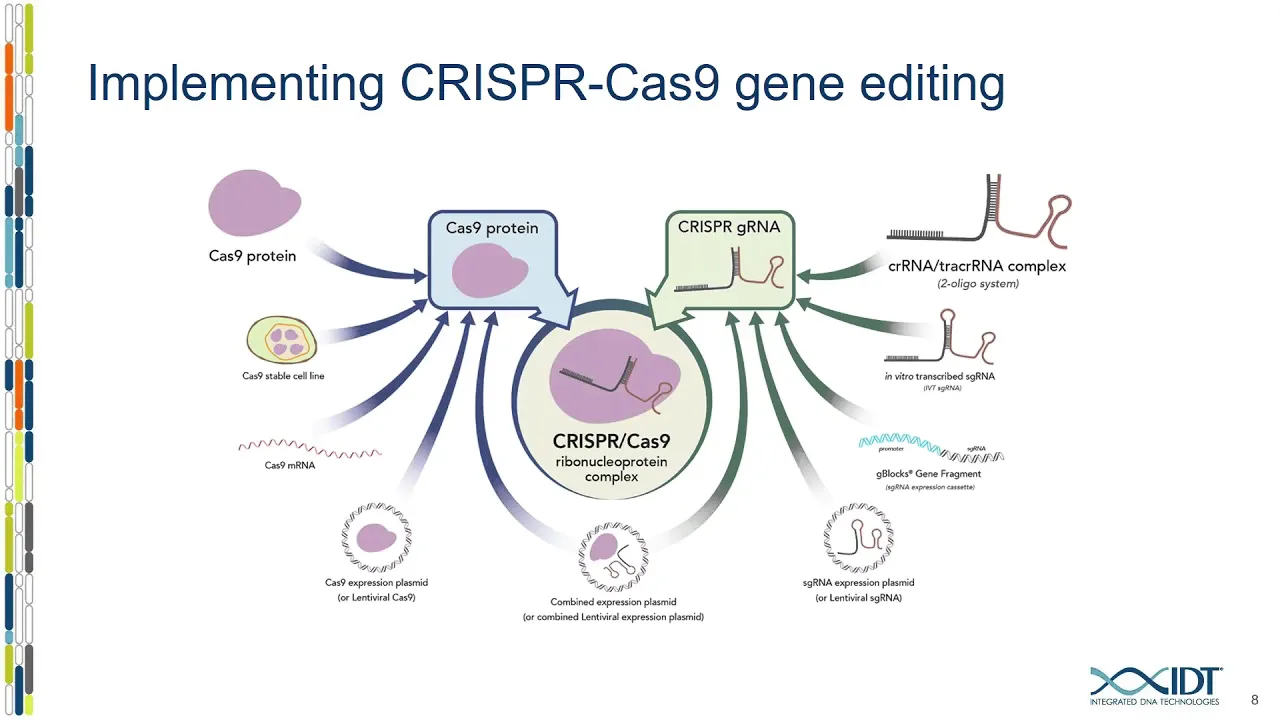
Added:Fundamental mechanisms of CRISPR-Cas9 genome editing, including double-strand breaks (DSBs) and cellular repair pathways (NHEJ and HDR).
Understanding of Next-Generation Sequencing (NGS) workflows, specifically amplicon sequencing and the structure of FASTQ files.
Basic principles of advanced genome editing techniques, such as Base Editing (transitioning nucleotides) and Prime Editing (using RT-gRNAs).
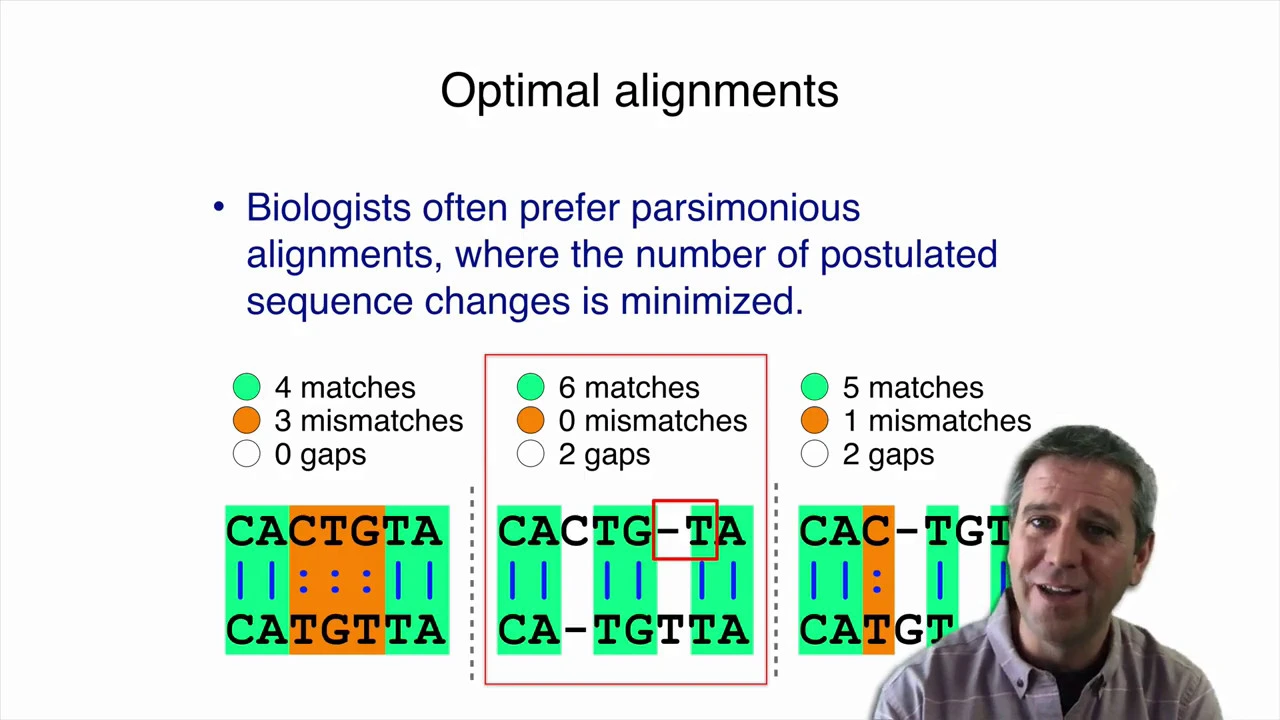
Elementary concepts in bioinformatics sequence alignment, including reference sequences, indels, and substitution mutations.
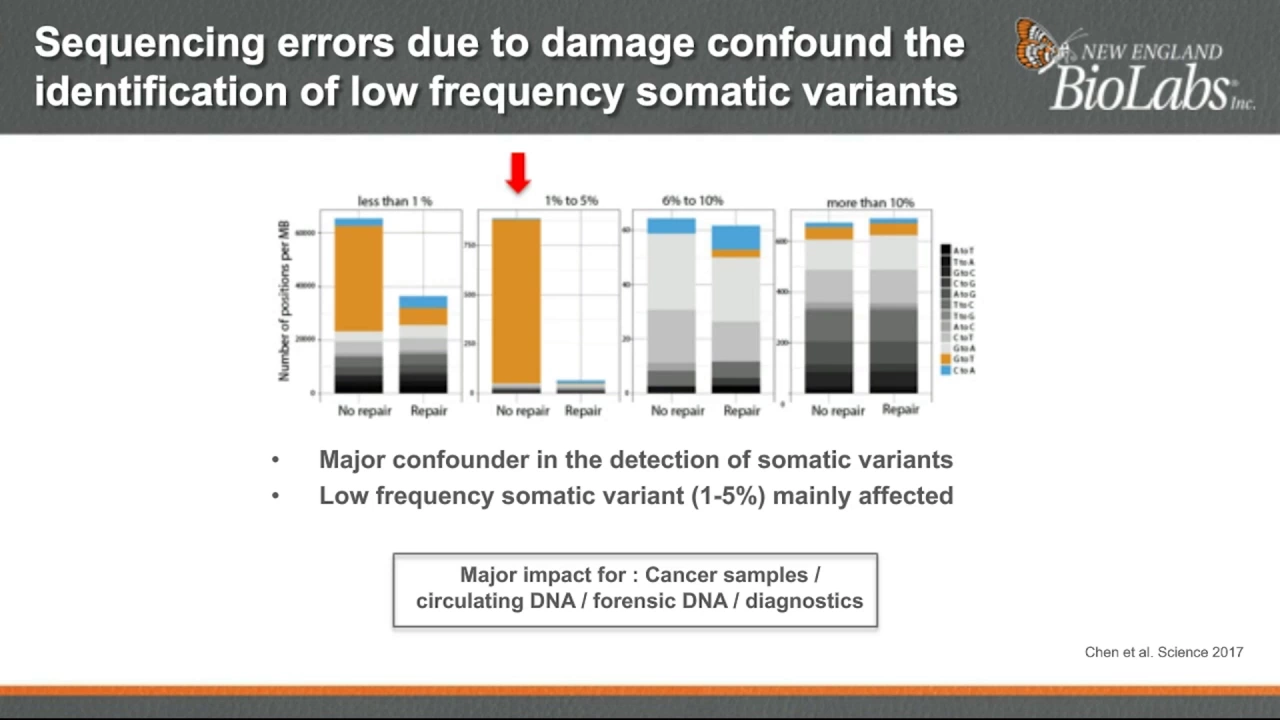
Advanced parameter tuning in CRISPResso2 to troubleshoot and correct for sequencing artifacts, PCR errors, or naturally occurring SNPs.
Integrating CRISPResso2 command-line tools into automated, high-throughput computational pipelines for large-scale genetic screens.
Exploring methodologies for off-target editing evaluation, such as GUIDE-seq, CIRCLE-seq, and associated analytical software.
Applying quantified editing data to downstream translational research, such as optimizing therapeutic guide RNAs or evaluating in vivo gene therapy efficiency.
2.8K views44likes1:00:20Original Release: 2020-05-20
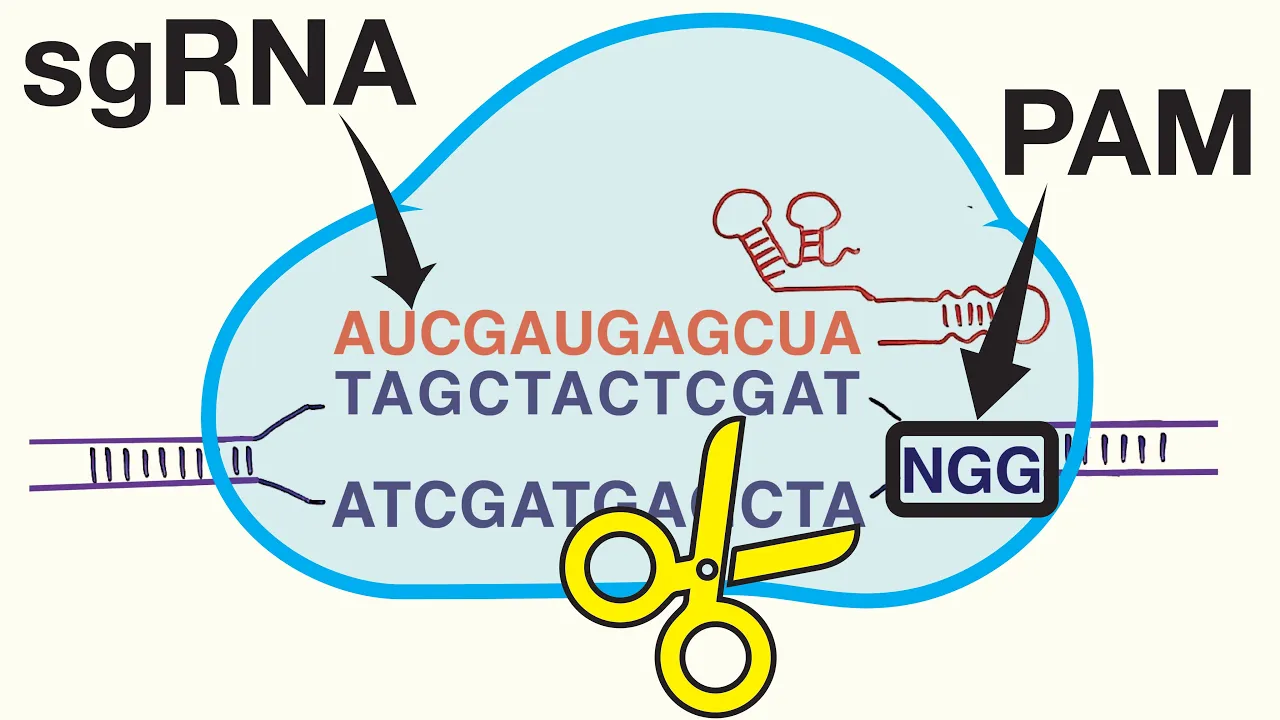
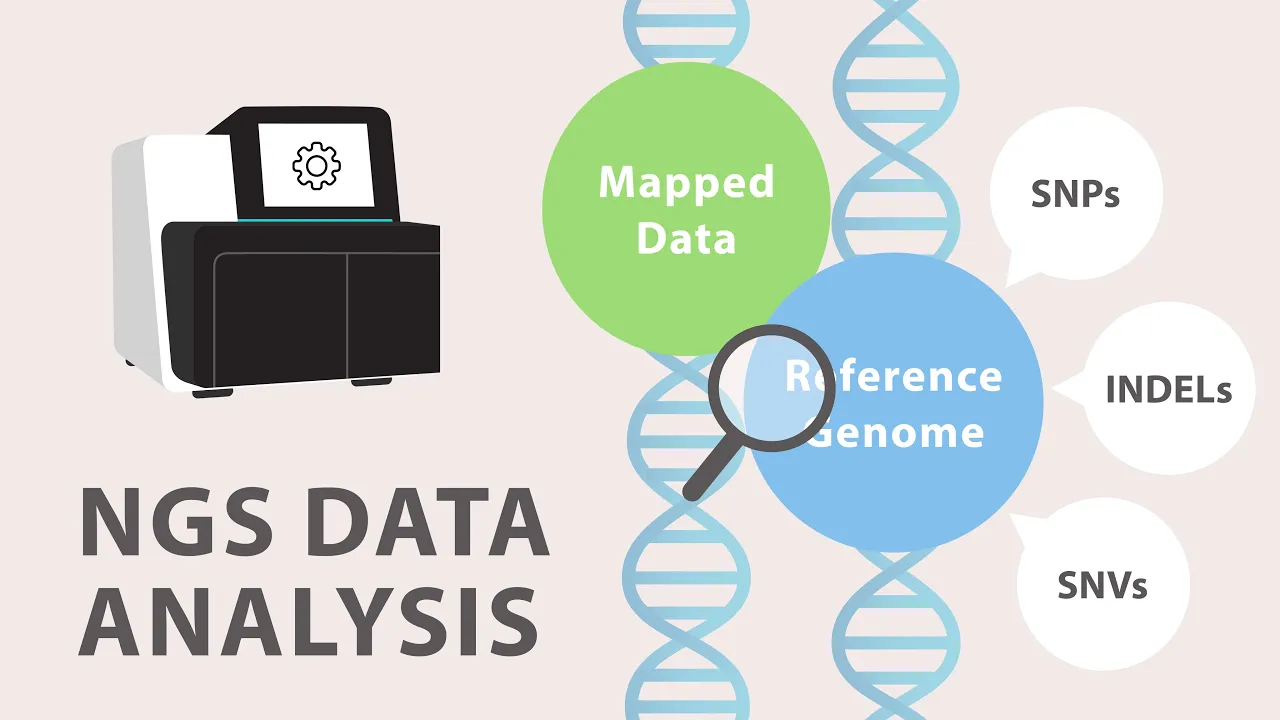
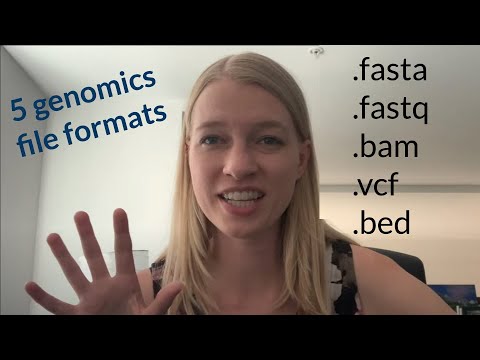
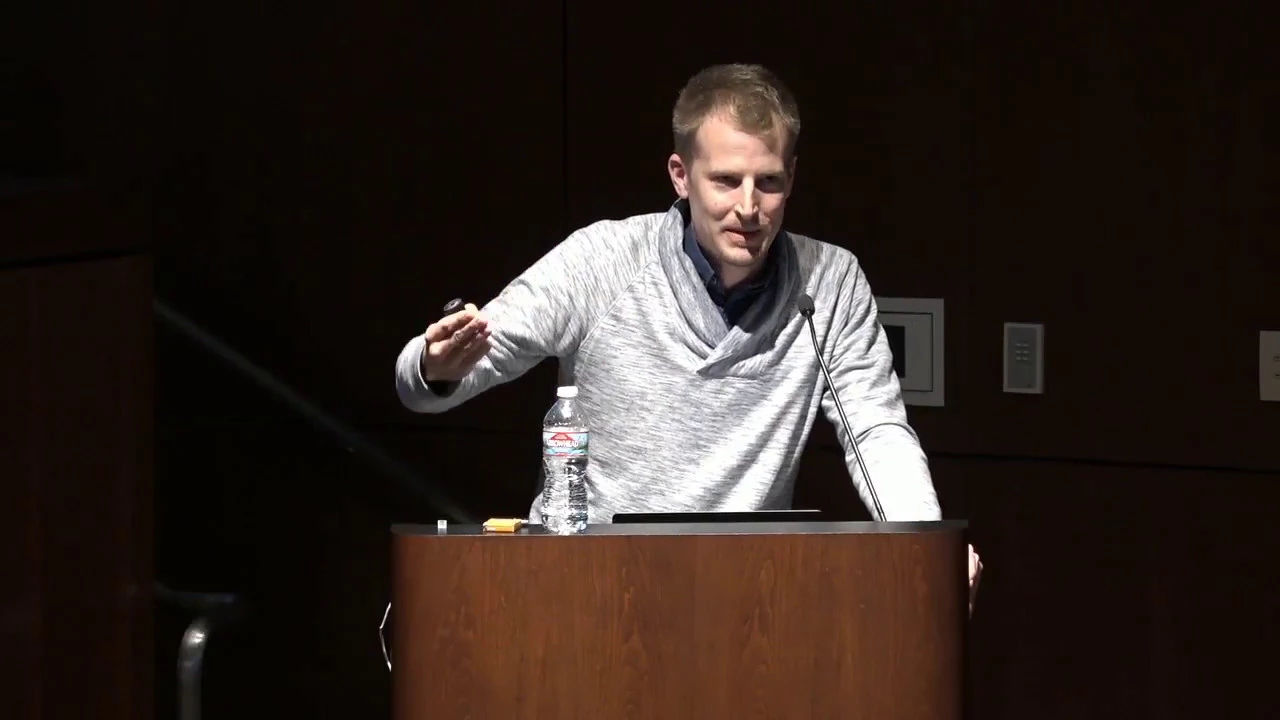
we've got a critical mass and we'll uh we get now with me hopefully you can all see Lucas slides and face there is Luca Piniella is the assistant professor at Mass General and at Harvard med school previously he was an instructor and research fellow at the Dana Farber Cancer Institute and has a PhD in mathematics and computer science from the university of Palermo he's gonna be speaking about one aspect of his lab which is using innovative computational approaches and cutting-edge experimental assays for genome editing certainly an area close to my art and single cell sequencing to systematically analyze sources of genetic and epigenetic variation and gene expression variability and human traits and diseases you might know him from some of the areas in recent news including BC xi a enhancer dissection chromatin state plasticity and both the original chris presto and the paper the updated version he'll be talking about today with that let me turn it over and we'll try and use the number of the question-and-answer features so if you have a question as we progress please type it in and we'll figure out if we can address it in the middle I appreciate everyone remaining civil and keeping their names in here so that we can try and call on you possibly there will be a few more of this VG e TS series James Dahmer and Samantha will be presenting from list so keep an eye on the announcements as those are fuller roll forward with that let me turn the mic over dr. Brunello thank you thank you for the nice introduction and I think you can all hear me and see the screen right ok so yeah it's a great pleasure to be here and today I want to talk about Chris price so - that is a tool that we developed to analyze genome editing beta so so a quick disclosure in a Marco founder share all the idle edicts so today I want to talk first about CRISPR genome editing really briefly and focus on the data generation how do you get the data that we want to analyze and then I will introduce Chris press so too I will give you a nice overview and all the fishes that you know are present in this tool and finally I want to conclude with a new like feature that we are implementing with press so essentially the primary thing quantification and in a fifth time we can discuss those other you know points that you want to not work with spri so for people that are already using it like of targets analysis for example so let's jump in so genome editing am i sharing this thought probably you understand it's a really important you know area and you know as changed totally our way to do magazine biology and biotech and you know briefly the key idea for people that may be not familiar with this is that you can modify a genome in a targeted way so you can change particular region in the genome and create in our insertion substitution or deletions and with this you can do many things you can for example disciple a gene or you can you know for example investigating or the function of any gene of the genome with gmy screens and so on so so this is the key idea and there are like several applications of this and regardless of which editor you use so there are like some common challenges why do we need to to perform you know careful analysis of the data of genome editing experiments so the first the first you know immediate question is is like did it work so let's say you you want to modify a genome use a genome editor and you want to know did it work do I see the edits that I want to create and another really important point as I mentioned before we want to modify the genome targeted way so we might want to modify only a single region so how can you be sure that you are not modifying other regions so this is related to safety yes you know for example you can modify it region they can lead to a disease or you know concept so you want to make sure that you know you can quantify if you are modifying the genome in the in the proper way another important thing is that you know you can get in a number but you know sometimes it's better to visualize what you are doing to your genome so what are the visualizations that we can use to effectively see if you are modifying the genome currently and for people that develop the technologies to modify the genome that'd be nice to have some tools to compare what different editors are doing to your regions of interest so these are the you know three big you know picture questions that we're trying to solve when we go in into the analysis so genome ethylene are like different tools I would just give you like a super quick intro so we can jump in the data analysis so the most you know common use system is the CRISPR cast mind system so just want to put okay I can use my mouse so you get the keys because nine system we wish of the cast nine proud and you have this Qaeda and nine that allows to target another system anywhere in the genome assuming that you have come to mentality of the sequence and also a sequence it's called bomb but you know these are deep Ida we don't need for now and after you know you deploy the system in recognize the sequence I will create a double strand break so unless the cell will try to prepare this double strand right and then I'd like to come on pathways one that is called non-homologous end joining they will create insertion and deletion so that's I will try to repair this every credit is in session deletions or you can provide what is called a repair template they will create in our a particular replacement and this part is called amongst the repair so with this you know you can modify the genome at I get away or whether this HDR is low efficiency so it's not really easy to for example Christ substitutions so recently another class of editors has been introduced it the by editing so the idea is that you have a modified by schnoz mind that buzzing please doesn't create double strand breaks fuse with an enzyme and you know this is called by editors and you know like long story short a lot you know passages from steps from year to year but the the key outcome of base editors is that you can create substitutions in a targeted way so so this is like you know that the key idea so you have you know yourselves you modify I will create insertion or deletion or substitutions so now we want to know if we know the experiment work so a common strategy is like to amplify the region they are trying to modify and you can design primers in this region and this region would be called amplicon and then you after amplification they get multiple copies you will sequence and even use example Illumina sequencing and after this type you will get you know fast queue file that is a file will contain reads essentially the sequences that you are amplified so so now like OD on Eliza died right up to here yes successfully editor your cell and you get your sequencing died so you want to know like do I see any ideas of course he is not a file that you can open you know in exile or with world and you know look one read one by one because he would have millions of reads you know for large experiment so you need the specialized tool to do this so in 2016 we publish this tool like the first iteration please press that try to solve this problem so that the basics types so you start from this fast queue file that you know I was mentioned before they contain all the reads that should cover the original you are trying to modify so the first step is that you want to align this to the expected Antigone that you amplify that is the wild-type sequence and then given the you know which guide RNA you used to target this region we can we can essentially create what we call quantification window so here we can look specifically around these windows for dialects and then by some that reads the contain modification in this window we can classify that region modified or unmodified and finally we create in our summary of editing and several visualization so one thing that in has really important something great confusion is I this quantification wind why do we need this quantification window the reason is because you know when you sequence whatever technology are using there are like some sequencing errors so you may see modification far from the expected cleavage site and these are probably artifacts so with the quantification window you can reduce the false positive so this is the key intuition of the configuration window so so now if we just look you know at some initial visualization that we proposed back into thousand 16 the idea was to essentially first provide an overview of the omen it reads our unmodified for these are weeds they were not modified though they were prepared perfectly and then in this particular experiment we were trying to create a model star every buyer to trigger this pathway to create to introduce for substitutions and but this is not always you know the guys as I mentioned before this is usually inefficient so you can also trigger these other pot while simultaneously so some breeds you will see you know this different profile where you have been on deletion so just to orient yourself you know what you have been the x-axis here is the reference amplicon position so these are the different positions and then you know these three different goals correspond to insertion deletion substitution and the dotted line is the expected cleavage site so they essentially compare you know to this lot here you start from this pie chart and then you know the our tool will dip about this in different categories and this mixed category that you see here so these are artifacts that we are not sure or to like classify however we in group a lot this visualization as you will see soon so this was intuitive but you know like you can add something much simpler to understand another thing that you know it's really helpful when you try for example to do and knock out so you can make it also quantify frameshift or supply side so for all the for all the reads assuming that you know what is the coding sequence imagine that you are trying to target the connection of a gene you you can after the the convolution that means you can quantify how many of my trades are creating for example friendship mutation if you want to disrupt the gene or in frame so this in theory may not be like effective but you can change amino acid and then this other plot essentially like how many of your reads contain deletion that are modifying you know a potential spy site so this was like more or less where we did increase press so the first fashion and where does this little utility to compare like to experiments so this is really as for example if you do one experiment where you treat your cells with the guide of choice and then maybe a bun on target we guide as a control so and you know with this tool you can create these kind of plots where you overlay the edits that you have been on this antique on where they're happening and you know this is the other line is like the control so now if you take the difference you see like where for example the control you know was higher than the edit and these are for showing on false positive so some time I mean this is like a more or less clean experiment some time you see really weird things for example you may observe that yet like some sneeze or other things that are you know you you are not accounting for so it's always a good idea to perform a controlled experiment so this was more or less expressed so and you know I I was looking you know when they started and this was you know a nice conversation we had with Daniel Bauer so I started dinner from a project that he starts to say he was doing this PC love and I screamed and and then he not like when this data you know at this day that we will excited so we credit this pipeline for for its paper I mean I was still a postdoc this was a psych project and then you know will realized together maybe it's nice actually to share this with the community because I'm sure many other people have you know the same problem and this was you know in 2015 and also was really naive I was saying like okay this is the final pipeline you know we need it and and in reality things are more complex and you know the CRISPR feed there's evolved a lot so initially we were focusing only on a single arm click on as I just show you and then you know people started look for multiple amplicons at the same time for example you want to make sure your target site and maybe put it above target suggest to save money to pull multiple experiment some folks started to look at all genome sequencing data and then you know many more in a place on the web the community was doing we started to introduce more and more features and you know they feel there's a lot of a lot and and that's why when you know I started my log Candace climate was one of my first postdocs and you know it's also shed between my lab and the John lab so we decided to include Chris price so trying to taking into account all the new things the good things that were opening the genome editing field so I'm professor - is Miley's work so he told me all this simple to him something you know beautiful so this is convex climate and so the new features there are lots of things that you know introducing crisp rizzuto the first thing you know was the inclusion of by editors because you know this is something really important that we special one was not really easy to analyze and another thing is like the the batch mode for analyzing and combine multiple experiment and another thing that we did was the really specific quantification so this is an extension of you know the HDR mode they were doing expresser but if you are much better flexibility in analyzing for example if specific credits so if you want to target for example heterozygote snips another thing they will realized is that off-the-shelf aligners are not by thirteen are not Tyler for CRISPR genome editing icons on time you see some really bad artifacts so if we wrote the liner and also in group the speed dramatically so this residue is much much faster and this was published last year in measure biotech if you want to now all the details but today we tried to give you an overview to show like how can you use this tool so the tools in English purse to do there are like different tools so the first tool so let me see okay yeah okay so Kendell is underlined so if they're like really technical question you know like you can you know sign to us and you know he might be able to answer it better than me so we will let me know maybe at some point you know I will stop that will take some quest I see you just write on the on the chart so and I will try to review so so yeah I was saying so these are some of the tools that we have here so that if I see like four simple um click on deep sequencing the second is like for the batch mode where you have like multiple conditions that you want to vampire and and then you have like this food mod nesting essentially when you have multiple regions that you want to profile and finally we have this WGS that is for all GM's events invite all these tools share you know the same times more or less so the first step is that you want to do some quality filtering for your data even if they're breeds have low quality you can not trust you know the outcome the second step is the adaptive trimming so you may want to trim your ear reads for in adapters or other you know low quality reads locality biases and then we merge you know that reads so often you know people use this parent you know parent mode so you have like you know two reads one you know from the left and one from the right and usually we suggest that be not worth over locking reads these like another thing I want to find one minute because we receive a lot to be mice regarding this point so we suggest web overlapping reads we have more confidence in sequencing for example the location we have your edits twice also do to make sure that you know if your region somehow ambiguous if you have to read you can anchor to the right location of the genome however you can use Chris press if you have single and reads assuming that your edits expected that it's re you know around the middle of of the reads so and finally we have this alignment essentially a lines of these reads to the reference and and you know that this year that is what it says so these are you know a quick overview of the of the tools sorry let me see it because I see that already some questions are maybe before jumping in the next section I can I measure only the PowerPoint okay okay you can go ahead and go yourself jump in and answer some questions I think there's a number of people that I saw some of them it's hard to appreciate you know the importance of some of the parameters you were discussing such as the size of the window or the need to do these untreated controls particularly if you're looking at very low it event so it might be a good time to address before you get to the improvement you made an express espresso to where you address those more yeah yeah it sounds good and so for the window like you know the size that we suggest is like one base pair on each side and when I say one base pair on each side doesn't mean that you know you can quantify for example deletion or insertion longer than two base pair so the way it works when we say two base pair around the cleavage site essentially anything they will lower block but this window would be quantified so this is essentially something that you know it's really important to keep in mind sometime I we see people they use really large windows yes they think like you know if I have to capture a large initiative on larger window so there is no benefit in doing this and you will capture more positive so the default sighting essentially is like one base pair on each side so total length of two for Bayside attraction is different because you know like you are not cleaning the DNA and you know like the the windows sides you know it's in that case is a bit a bit larger so you know there you may need to tweak depending on you know your application but for custom we just say you know keep at one base pair so the second question sorry can do you want to add anything to this I don't know if you can if I'm gonna enter these in Texas okay okay yeah actually I don't see I can not see there I don't see the question like trying to find the button you know they keep changing the interface but maybe you know you can you know teacher maybe you can read me that way because I right now I cannot I'm not able to actually open the question windows yeah the other question was about the the control I actually see that shot okay yeah I cannot open the body given a Q&A is it going okay one of the questions was on the detection and some other questions I think that depends on the sequencing you know just exactly how big a deletion and such which I think you can address yes so the level of detection you know is dictated by phone you're like sequencing you know strategy so for Illumina like a lot of papers that you know they claim is around 0.1% so actually we did that simulation and you know like sometimes we see much higher rates than the 0.1% but this was in a simulation real data like the best way actually twice tonight what is your sequencing divert is like to use our control so we'll use a non targeting guide you see what's the same anything that you will be typed is a false positive so so this is like a quick way to view no signs of you know what is your background but you know like I think you know around the open one I think is reasonable something you know to keep in mind so okay so let's you know keep going you know for now I mean I might get one serena mark right so I want to show you like now like the way you can use you know these tools so candidly the a fantastic job reading a super nice web interface so you can actually just go a line with your browser like espresso to in a lot dot-org and you will see this nice page really clean simple and you know to use crisp essentially you just drag and drop your files your reads that you get from the sequencing machine enter downtick another region to you that you wanted to probe and the guide the Renee interior the guy the Renee like it's optional but we actually enforced the guide there and I because you know like we we know like where is the cleavage side and then based on this we can set the window so it always you know provide together an eye and you know given that you defined the experiment you know that for free so and after you enter all the information just click Submit and you know nice report will be generated so one thing I wanted to highlight here so you if you see this section here on the left so this is a super nice you know feature to get started so if you have no idea about you know what to do so you can you know click apply and will populate you know this field for you so you have a science of what what kind of died you know you need to upload and we have different in our tutorial like tutorial for different application so we have the glossy one animals and joining multiple at least beside it or amongst a more quality like the repair and batch mode and you know it's really simple you just click play and I mean you will see the report and it with the high year you starting off see that report directly so let's take a look at the report so the first thing that you get you know when when you read the report is this first you know some information about the alignment and the quality of your briefs so these are the way you put in and after you do quality filtering and how many reads are aligned and then after this you get our quick overview what up into your reads so in this case you know 72% of your reads contain a modification around the cleavage side so this was a successful experiment so this is also why for example if you profile off typists why you want to validate enough tyga site yeah you want to see like in a wonder percent or you know close to under the site because you don't want to have any modifications so another nice feature is this nucleotide composition plot if you go to the website actually czar live in our plot so you can you know you can over in the UM click on and you know will create this nice window beer so yeah you can see like for each nucleotide you know what happened to the nucleotide in this case if that bar is full you're not changing compared to the wild type in this case you know there are lots of things going on you have like some insertion and you know they have the legend you have some insertion the black garden deletion you see the stereotypical stereotypical pattern of of caste 9 and also you you will see like for example by sided or the substitutions so then here you have like you know something similar to what we are doing Chris pressed so so yeah essentially you you want about profile for each of the events separately so insertion deletion substitution you see mainly at this idea deletions and di you see the quantification window is like you know one base pair on each side and finally we have this nice lot I think is that my favorite you think this tells you everything about like your side so here what we do we just show you their leads and the frequency so this is the reference and it is like and this 26% unmodified and then here this deletion +1 insertion and so on say about science immediately about all the information of your of your editing experiment so before jumping the base either let's see if there are other you know questions for this part I cannot DJ and what I cannot see the very window so if maybe if you can read me if there are other questions I will try to answer just trying to see if there's a few new ones okay yeah maybe I'll start from the bottom work your way up we've got Connors cheetah asking for manually setting the clearest position for staggered cut nucleases do you use the TS or NTS and doesn't make a difference manually setting the cleavage position for staggered cut nucleases do you use TS or n TS and does it make a difference so for staggered we don't tell you know like you don't you know the white works it's like you know the window will not care about if you're staggered not a grid you know we just quantify anything that yes you know like within the window so for example forecast 12 I or CPS one so even if he staggered we don't do anything special we just say this is the expectantly we just take the middle of the staggered cut so that's that's what we do in that case but yeah maybe there is a way to like you know do differently you know if there are like some ideas but we don't treat this different actually so I guess another way of phrasing that question looking at zinc fingers which have a four base are the newer cast systems is there less dependence on precisely narrowing the window as there is with the one base that you kind of see with the cast nine yeah yeah I think you know like the way to accomplish this at the end of the day is like you know and lodging the windows so we have actually a custom mod if you go to the I so there's this custom this custom mode actually you can tune in you know too near the windows depending on your application so you can for example and large you can say you know it's not clear that you have a single card you know it's not clear single nougat I so you may want enlarge in these cases for this other you know no place so yeah that's the way I will do it in that case we don't provide our in our preside you know there are like too many options but that's the place you know where you can actually overwrite the logic of in our our tool okay so so for bass I did all right so up to you I just presented Oh to you or can you analyze you know cuz nine data so like I think it was two years ago we realized that you know this actually was not so great you know like spiders so we realized like you know maybe we should you know touch base with the they will you love you know the invented by cellular so they know like but is the best way to quantify these events and you know we started this really nice collaboration with all the reefs and so only really as opposed to you know create this report I will show you and you know we try to like have some visualization that are really tailored for these editors so you know just show you like one you know example so these are for the different editors that they were playing with so and you know this is also nice example for dispatch mode so the batch mode essentially about the same reference sequence the same month click on and each row here is a different type it or so immediately you can you know appreciate what each side leader is doing so untreated is your control and there is nothing cussed mine you clearly see mainly deletions and insertion and these are the different ID tours that they've developed over the years and another thing that we we do is like Twilight for example if you about edit or it's trying to Gracie to t-bone bash and we can just highlight these events and you can immediately see you know that the fact of the editor on the on this way for example this one was modifying Miley only this see and you know this one you know was essentially modifying efficiently both and of course you can use this to do other things for example for their case they were carrying about product purity so you want only see two T so you can quickly compare the editors and we're both specialize plots to do this where you have all the substitution frequency in this quantification window you can see like which one preferentially have c to t so another in our finger with E and these are dull a lot of other plots or backside either so you can me know look online but these are the main one another thing that you know I wanted to highlight these allele-specific analysis so the idea is that sometimes you you may want to disrupt all the one a little bits and you can exploit these for example designing guides that you know are specific for our other divers need from this paper for example they were trying to disrupt you know this alley that is responsible for pretty nice pigment also so they use this guy Devon a with the special palm and then he was trying to disrupt these earlier so if you run in ah Chris price on this this experiment you will get the single type of like this however you know this is not really helpful because now you're mixing the reference I sorry there was type and the p23 I shall this is not clear you know what's going on here so what we did we spend a lot of time trying to do this properly and we prefer to actually get something like this so you have like the modification that are in a specific for the wife type allele and the one for the a 23h to live so here the idea is that India you don't want to modify this because this should be specific to the you know this photogenic a little however you know this can happen right so and you get in on this nice white shot you can immediately see oh well this work so essentially you want to maximize you know this part of the pie chart so you want to destroy about the genetically line you want to minimize modifying the wall type of lid and you know we spend a lot of time you know doing this properly and you know we believe you know we have a nice way to quantify this however there's this some cases where you cannot distinguish which one you are modifying and the reason for that if you have like deletion that the litter in our sleep allowed to distinguish this there is no way to do this so there are also these you know to the bike shop they will tell you like you know we cannot do anything with these reads so this is like the basic idea of the at least specific analogy so you can see military you can also use before HDR and more complex scenarios so another really important part you know people start to do analyze more and more data and so speed was really like a bottleneck okay so on so we realize that you know maybe we should rewrite this and you know like I kind of did a fantastic job and you know you can see like especially when we're supposed to do four different number of reads you know like from you know like maybe one day to you know minutes so this is much faster but one thing that we realized rewriting this is that actually the alignment that we were using there was in our tool from the end ball sweep called me but at some problem with with cast nine and you know the the main idea is that so when when you try to align you know the sequences you if kind of you're playing this game so let's say you want to line these two sequences you are trying to put this sequence below this sequence and some mouth find the matches and you can do this with different operation match mismatch open and epics time and each operation will above score and you want to find the best possible way to put the sequence below the sequence using these operations and you know that the problem is like sometimes actually you can do these in multiple ways the tab exactly the same score but then you know you have a problem you can say which one is correct and you know like if you have a general program that doesn't understand me know what CRISPR is doing we pick one of these randomly and you know this is a problem because can give you a really bad quantification and just to give you an example of each case so this is one example that we saw and you know you can go from 7.7 percent to thirty six percent and you know we would like all refined by this and say wow I mean this is like a huge deal and I mean this is a nice case but things can happen if you actually see what what's going on here like for example this plus one in insertion peso - is a sign correctly at the right location when Christmas salon with a sign in are like outside I went irrigation window and the sign for this other in our veins so you know bottom line is like you really need to you know when you do the alignment to account for these events also we look other tools to see if they're the same problem you know cos analyzer or crisper dad and you know like in the same data they outside in correct alignment so bottom line is like you know either you supposed to do or if you see still make you know you should be aware that you know you may have some artifacts so okay maybe I will you know stop you know one second to take questions you know like now before we jump in the last section prime editing one just came up if you still can't click there what biological insights does the tool use to choose and I think that you know maybe mentioned that earlier so you can read your about the cuts yeah yeah essentially yes so we we know like you know that if you introduce a double sign break you know often you will have been a plus one plus two in session around the cleavage fight also the deletion you know the shoot overlap with a cleavage site so that's essentially that we put some kind of priority right based on what we know of the V by Macanese we essentially encode these priority rules that will push their liner in cases where you have exactly the same score to preferentially select these solutions so that's essentially the basic idea I can pipe in with one question why we take calculus or you know in the one that you were showing where there's a repeat sections yeah this is probably the the case where we see a lot of Microbiology median repair and it's probably these situations where you'd see a lot of this right and kind of the examples where you'd see a dramatic difference with shifting the the modifications into the window and as so is there some analysis done to look at em mej repairs versus ones that might be more canonical non-homologous end joining yeah that's a look I mean the current version now but you know like you're absolutely right and you know like and maybe Jaso bread in a predictable right so it like some folks have developed tools you know to predict you know really wildly not DC bias so I think you know there might be some improvement you know considering these I mean I think with the apparent issue that we have now like we should not miss you know any ideas but you know you're commenting it's really a on spot candle do you want to add anything to this point you okay so let's move to the next to the final section you know prime editing I'm sure you have air TT non-prime editing is a big deal this is an amazing technology that you can use to replace part of the genome without double sem break and also from the W lab so the basic idea here this system there are like three components so you have occas 9e case you know this bag RNA or primary to prime editing ride RNA and then you have this reverse transcriptase so the way it works really beautiful so you have you know this system goes here and you first you know thanks to the tiger and i you know you find the location in the genome then this would make you know one strand and then you know like the magic universe start so the reverse transcriptase will use essentially what you have encoded in the tiger and 9 - x time this region and this is mediated by this prime binding site so you can start from here and then you know this would essentially extend using the tiger in night and they trick essentially dyed it that you want to put is encoded deer so now like a about way to transfer from the tiger and now your you know the mutation you want introduced to what they call a flop so you create this editor encoding flop and then you know like two things you know cannot die because at this point your this flop with your ideally you want to introduce and then you have the white type flop and these things are in some sort of equilibrium so now two things can happen one if they sell me I will decide to repair you know exciting you know this flop you are back to the starting point so you have the white pipe sequence so all these work is for nothing however if you excise the white per flop you you know sometimes you get the edited sequence and you know especially if you you know the repair you know would use this strain so now they have a trick and they call this p3 same another making making a cast I will introduce another in on ich here and this will trigger the style to use distant light to repair and you get you know this nice outcome so so this is the basic idea you can read in all the details in the paper but the basic idea about white who introduced this whatever you want second edition substitution without double strand breaks so for us you know the with the other Chris press we realize like how can we like you know quantify you know these outcomes so the first outcome for sure that you want to quantify like you know these are your wall type sequence and if you jump all the way down to dyed it Prada expected ready product you can simply say I can align I can just count how many times I see the wall type how many time I see that primary that sequences or whether you know there are other things going on in between as I show you before we have you know this initial Nick you know these other Nick and then you know like you have this reverse description and repair you know that goes after the excision so in reality like in addition to just count the edited product we should be really careful and look around you know the first Nick inside if you can have me on some in the lair the other Nick inside and together actually can create a large deletion and also around you know the the five prime sorry the three prime for after you create so around this region here you may have of solder in mind for example scaffold in size so these are the windows that we have like four cuts nine you have a single window or by editor you have another window that is larger in this case we need to introduce three different windows so candle in actually did already are fires you know what of this what you know okay you know this can be implemented then you know effects report that's where we are now so we're really excited about this so here you know remember you have this Jeep on the vacation windows so these are some data from the original on the on a paper and here you have like this bar chart where you're like um unmodified reads modified rims and you know in this categories here like the prime I didn't modify by you may have some edits here so some additional you know substitution and be sequencing errors and then you have also the scaffold so if you look here it's kind of really hard to see what happened in this visualization so actually is much easier so you have you know that reference and then you have the prime I did and yeah here they wanted to introduce this substitution you clearly see that you know this work as expected and then in scaffolding corporated we try to collect in our like other in my minds that are not you know and the primary thing for example here you see that you may have deletions and some insights on the correspond to that to the scaffold and you know below you can see like the spacer by the Rene and this is the stanchion right and here you can see with younger you have been coded the substitution and here you have the other making RNA so here you have this tree confrontation we I don't know if you see it is the really kind but this is the wire you know Express so to you know it's working right now I mean a soon we hope to add this align so please you know send us your feedback now and you know let us know what you think about this you did it and I want to conclude you know my talk talking about that behind something that we are also super excited so for prime editing you know you design your figure and I so we read this problem so Jonathan that these are shells to them between my lab and the John lab decided to solve this problem and you know credit a fantastic tool called prime design and you know this tool actually just appear a line today in buy a car you can read about you know this tool and we are really excited so this tool is a website so we try to do things that are user friendly so you can just go to prime design but in a lot dot org and you know do this on your pecker and now you just enter the sequence and you know you can encode here you know your insertion deletion substitution with a really simple encoding and immediately you get you know the recommended design so you get here you're paranoid design and Nikki the other Nick in design and also you can tweak this if you're not that with what we propose and you know you you can change a lot of things here you like the prime binding site in align the reverse description template Lang and then eking these stunts and and and so on and you know you get you know this nice table with all the design if you want to really optimize your experiment so another thing that John did now the word is to say okay why don't we like Luke you know why don't we essentially find all the design for clean water that is a really nice database that collect us about the cherub audience so he took all the baggage anybody else in this database and credit designs for all of them and you know the nice thing about this is like you can actually target a majority of them and you can you have to option when you use this tool that is called is this other base you just click here you can decide do I want to stall the pathogenic variant or they want to correct about the journey by and I just enter the business bye dear they claim very deep and you get in immediately like that design thank you for that also other things that we have been this tool is like a pool design or you know even used it for G my screen North tiny screen so really nice tool you know that we just pushed online so check it out and let let us know what what you think so and finally you know given he's almost when I was just want to wrap up and then you know we got like question so in somebody's first so do is like on about being tool that you know I was trying to capture all the cooler and you know where people are trying to add in the genome and support and trying to support you know deciphered providing accurate quantification and visualization or deciding buying from restoration sequencing data and you know to use Chris price I'll show you the website so you can just call a dude open handle up the torque but it we about saw like a calm online bash where you can tweak you know many more things is open source so you can see exactly where we are doing internally and you can also use talker for example if you have a window machine or you know some weight operating system even your stalker the run Chris press I also seen bio Conda and with this I want to thank many people you know that made this possible so can this crime I really do tuning whisper so on in something in are amazing Jonathan sue life or prime design and many feedback suggestion for also for espresso all the love members Danielle Bauer in other like supporting this idea since the beginning and the John lab and also the devil new lab for really providing us a lot of feedback and support you know during the development of this these tools and also my past mentors and collaborators for Chris presser one and you know last not the least leg especially to users so thanks a lot for providing feedback for telling us you know when the website is down you know you need to realize your experiment so we really appreciate you know feedback so please continue to do so and also everyone you know my love members and my funding sources so thank you very much thank you I think we all appreciated your seminar today I think that there were a few questions and so we'll give people a few moments to type in some other ones so you can collate what you haven't addressed and we probably go forward with that so please take a moment and type things into the QA below and Kindle and Luca to take a quick look I haven't seen too many jumping in the last second so I maybe maybe this chance of having taking a few q and A's along the line a lot of people to jump in here feedback whether that was appreciated thank you for that yeah maybe what we wait for question do you want one anything for you know prime design that you know probably I didn't cover you know like anything I forgot to say that you want to highlight hey no I think you I think you touched on all the main points I can definitely leave the link to our Bauer Kai preprint in the chat if others are interested as well I can do that now yeah Thank You Jon okay does your read mark benefit but by soft clipping so in reality we don't do any soft clipping you know we do like we don't start from a bomb file so we actually they online the broad reads ourself so yeah there is no soft clicking going on in our case a good question a question that seemed to be reentered phrased in a slightly different way was this question of using the controls when you looked at these sequences that you had some reading do you want to give some indication of how often you see this low level possible insertions deletions are changes in the in a untreated sample and I think people might be surprised by how often you're at the edge of detection and then comes into play yeah absolutely so actually like you know one thing that we know this is that you know if you look at all genome sequencing data today I didn't at the time to talk about that but you know we see like actually a little bit more more background noise in that case I don't know why but you know this is like from from the experience that I have and you know like typically like in dialy now are more rare than substitution you know the background right for in des is much lower I don't remember on top of my mind exhale numbered but you know like I think you know as I mentioned before having the control always having the control can really help you to you know to get out of trouble for example you know if you want to quantify really rare of targets if you don't have the controller you see something around 0.1% you went to percent you know like you don't know if it's true or not right so in those situations is really important to really add the control and you know try to assist in my background right and you can use for doing this you know this crisp red so compared to so you know a trick for example would be like your two controls and you compare the two you can immediately see in that difference what is your you know variability right use in that case whatever difference you see it's just you know an artifact so that's another you know three you know that you may want if you want to be really careful to consider all Thank You Dmitry okay even if there are no other questions you know maybe oh okay there's another one so maybe these are question from for John you know Nikolas John I don't know if you can read the question I don't see it on my yeah maybe I can oh I see it okay okay you yes sir that's a really good question Nicholas in terms of a recommendation it's a bit hard right now to to be very very confident in terms of the RT length but generally in the original paper we kind of saw that a minimum of around 5 to 10 nucleotides of homology downstream of the Edit was typically a safe bet but anytime that the original paper performed insertions or deletions longer than 10 to 20 nucleotides they often had a RTT length after the Edit of 35:34 nucleotides so this has nothing to do with the total RTT length the reverse transcription template lis but it's actually focused on the reverse transcription Teplin leaf after the edit I don't know if that was clear but these are very general guidelines I think the as prime editing is better characterized in more comprehensive ways down the road the design rules are gonna be more and more clear and these are things that we look forward to incorporating into the the prime design website moving forward but for now those are very general guidelines or things that we discussed and main may not have been explicitly um discussed an original prime editing paper from David but are just general recommendations for now yeah I think you know your son sir did that question from Whaley right I think your exact selling quite so bottom line is John say it like I think we still need to explore you know these a little bit more okay yeah I mean thanks to everyone you know TJ and way like thanks a lot you know for you know the invitation it was like really nice and thanks for everyone that you know joined today and if you have any feedback you know we're online on Twitter just shoot us a message I was exciting to see your tweet with the link to the bio archive today so we'll take a look at that I appreciate you giving it to us hot off the presses thanks for everyone please share the word we'll have more of these virtual gene editing talks if you want to present certainly message me James Dallman is slated for June 5th a few other people are trying to come up with the time I know there's been some questions about trying to make it so it's good for the coasts and and the ships at sea and people over across so let me know especially if you're hoping to present thanks again Luka Piniella and team I'm glad all were a couple of which we're able to jump on and thanks and everyone take care and stay safe thank you bye everyone right
Up Next

7:41
Hybridoma Technology: Monoclonal Antibody Production Explained
@CreativeDiagnostics
41.8K views•2020-01-21
14:12
Quantitative Real-Time PCR (qPCR): Principle, Method & Data Analysis
@animatedbiologywitharpan
129.2K views•2023-09-06

23:33
Microbial Degradation of Plastics: Biodegradation Pathways & Sustainability
@majeedhammad
2.9K views•2021-04-11
16:04
CRISPR and Genetic Engineering: How Gene Editing Works and Why It Matters
@kurzgesagt
30.5M views•2016-08-10
Related Study Plans & Knowledge Roadmaps
Structured learning paths in Biotechnology
biotechnology
AAV Production: Transfection, Prep & qPCR
01Introduction to Gene Therapy and AAV Biology
02Mammalian Cell Culture: Suspension HEK293 Cells
03Upstream Bioprocessing: Triple-Transfection Optimization
+ 2 more learning modules
18h5 modules
Explore Roadmap
biotechnology
Building Gut-on-a-Chip: PDMS, Cells & TEER
01Foundations of Microfluidics and Gut Anatomy
02Cleanroom Fabrication & PDMS Soft Lithography
03Epithelial Cell Culture and On-Chip Seeding
+ 2 more learning modules
26h5 modules
Explore Roadmap
biotechnology
Optimizing CFPS: E. coli Extract & Yield
01Fundamentals of Molecular Biology and Translation
02Introduction to Cell-Free Protein Synthesis (CFPS)
03Preparing E. coli Crude Lysate (The Extract)
+ 2 more learning modules
19h5 modules
Explore Roadmap
biotechnology
Haematococcus PBR: Design, Stress & Astaxanthin
01Biology and Life Cycle of Haematococcus pluvialis
02Bench-Scale Photobioreactor (PBR) Design and Engineering
03Culture Media Formulation and Inoculation
+ 2 more learning modules
15h5 modules
Explore Roadmap