










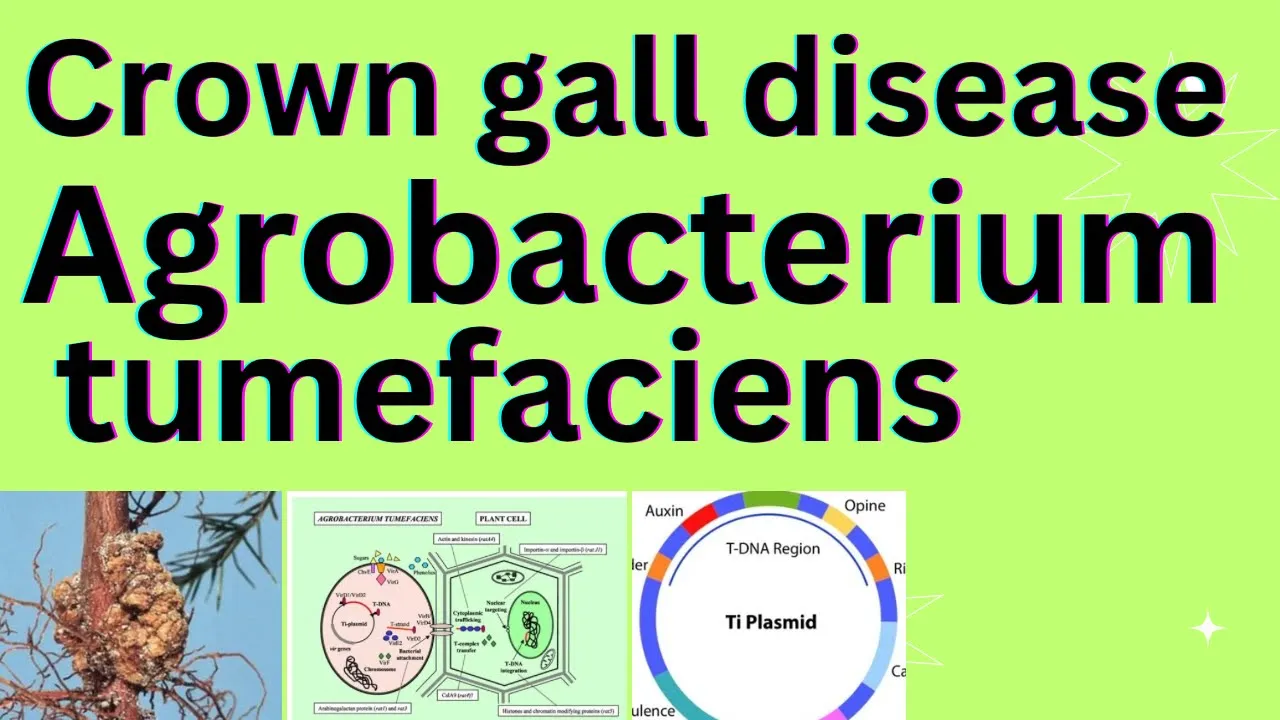

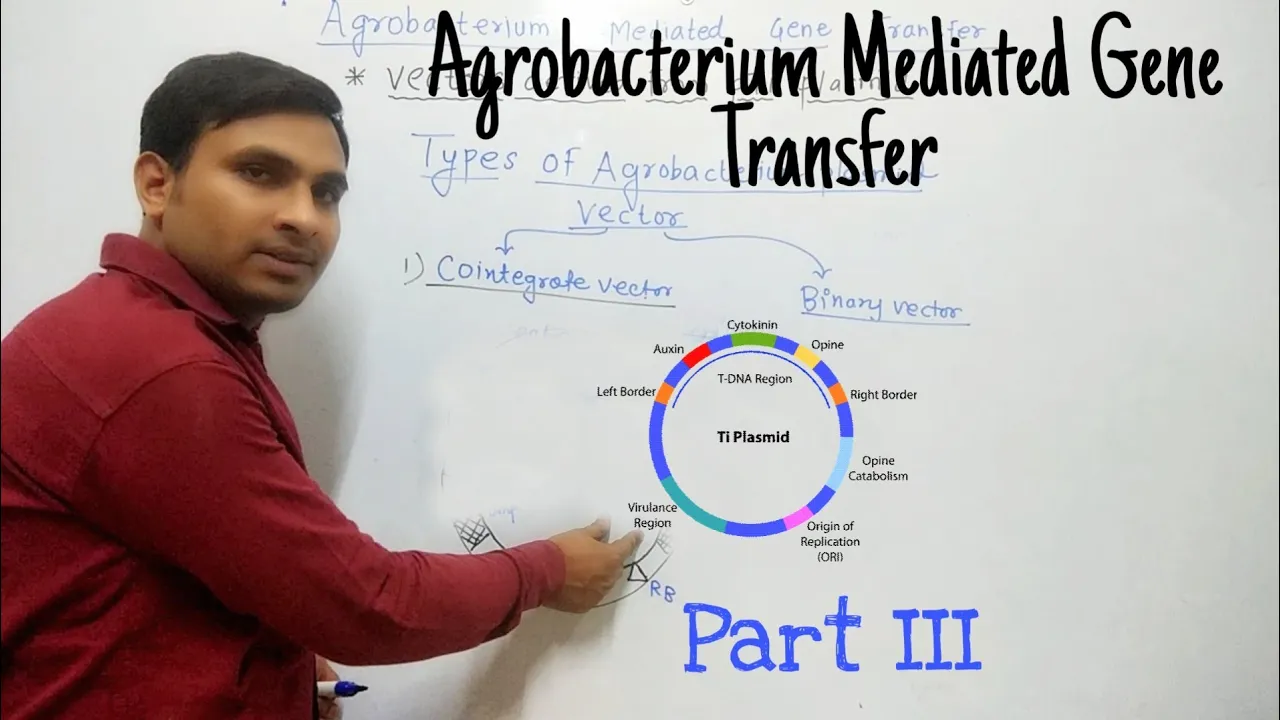


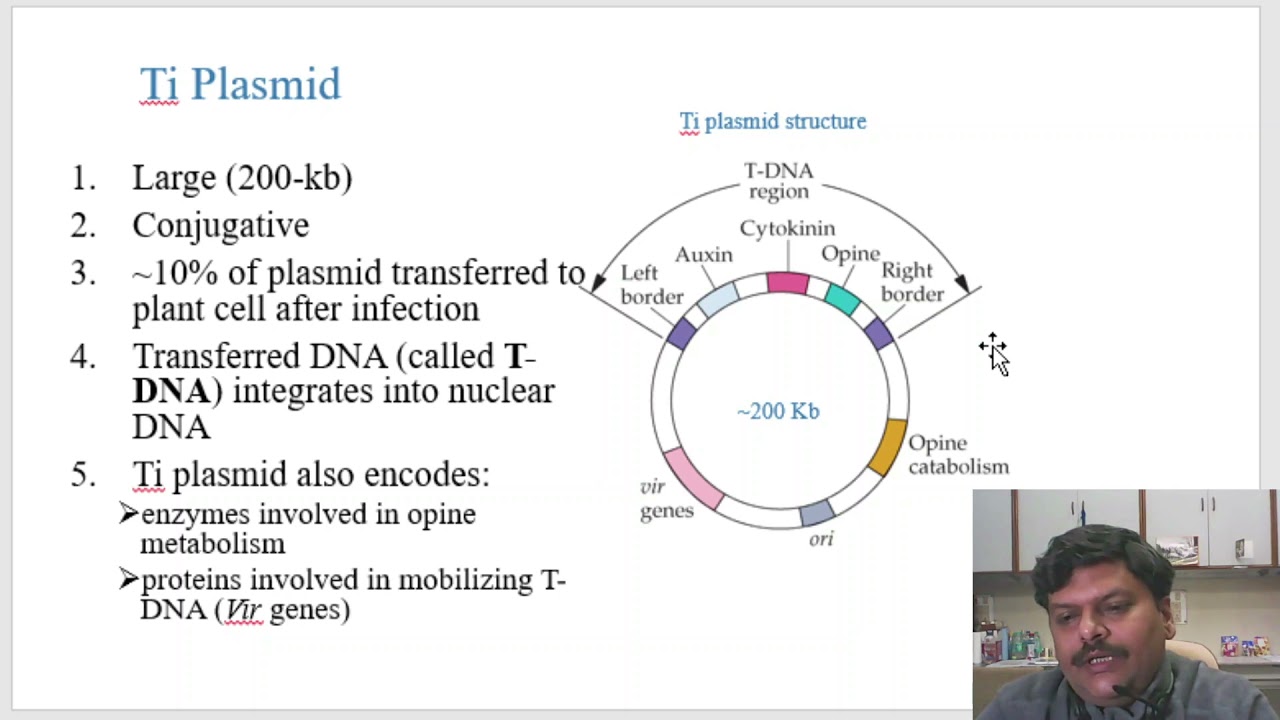







The Ti (Tumor Inducing) plasmid is a natural vector used in Agrobacterium-mediated plant transformation, containing three key regions: the T-DNA region (flanked by 24-base pair border sequences) that carries genes for tumor induction and plant growth hormones, the virulence region (vir genes) that facilitates T-DNA excision, transfer, and integration into the plant genome through a cascade activated by phenolic compounds, and the opine catabolism region that enables bacterial metabolism of specialized amino acids; this system allows scientists to introduce foreign genes into plants for creating improved varieties with traits like disease resistance and stress tolerance.
Ti Plasmid in Agrobacterium-Mediated Plant Transformation: Features and Role
Added:Basic bacterial genetics, including the structure, function, and replication of plasmids.
The core principles of recombinant DNA technology, such as the roles of restriction enzymes, DNA ligase, and cloning vectors.
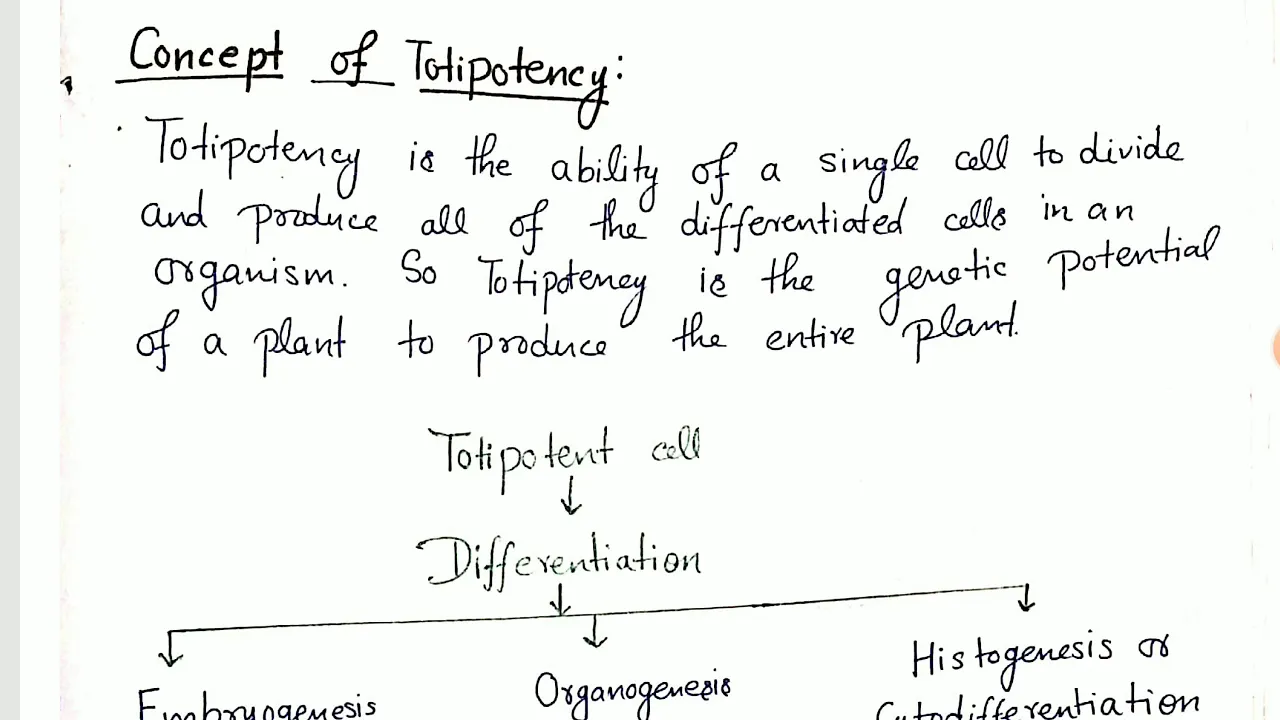
Fundamental concepts of plant biology, particularly plant cell wall structure and the principle of cell totipotency.
The natural biology of Agrobacterium tumefaciens and its ecological role in causing crown gall disease in plants.
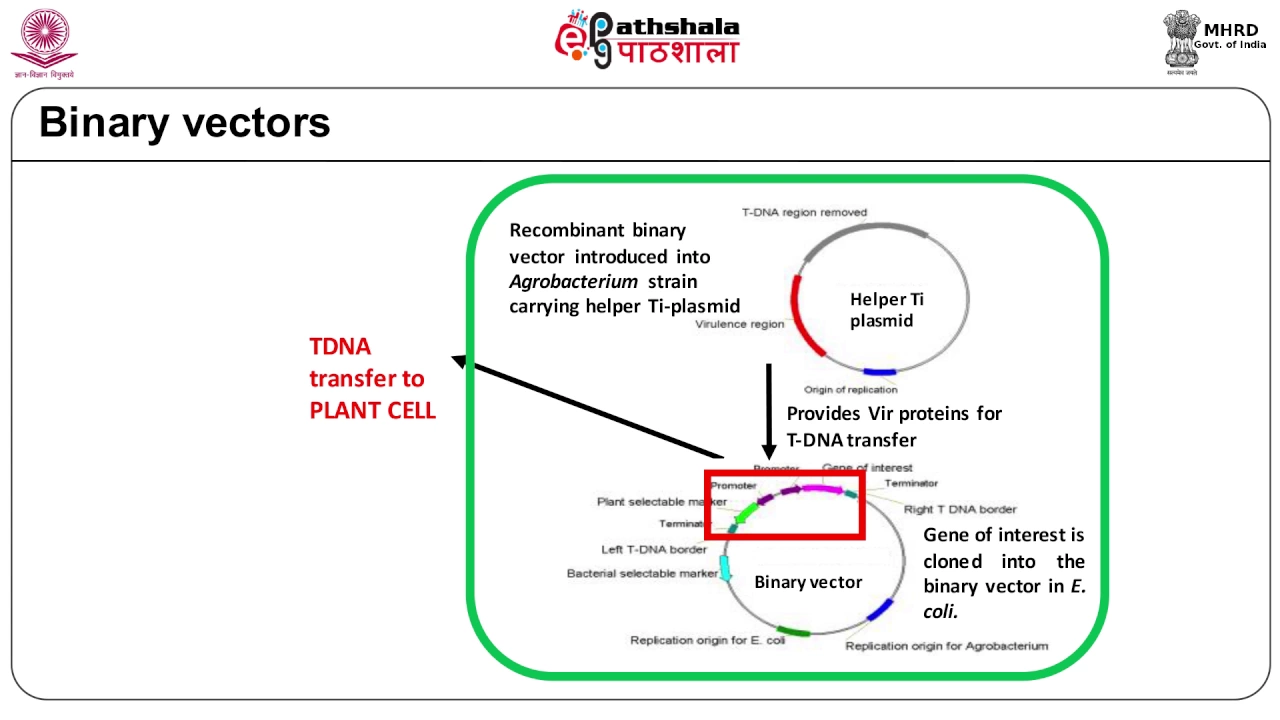
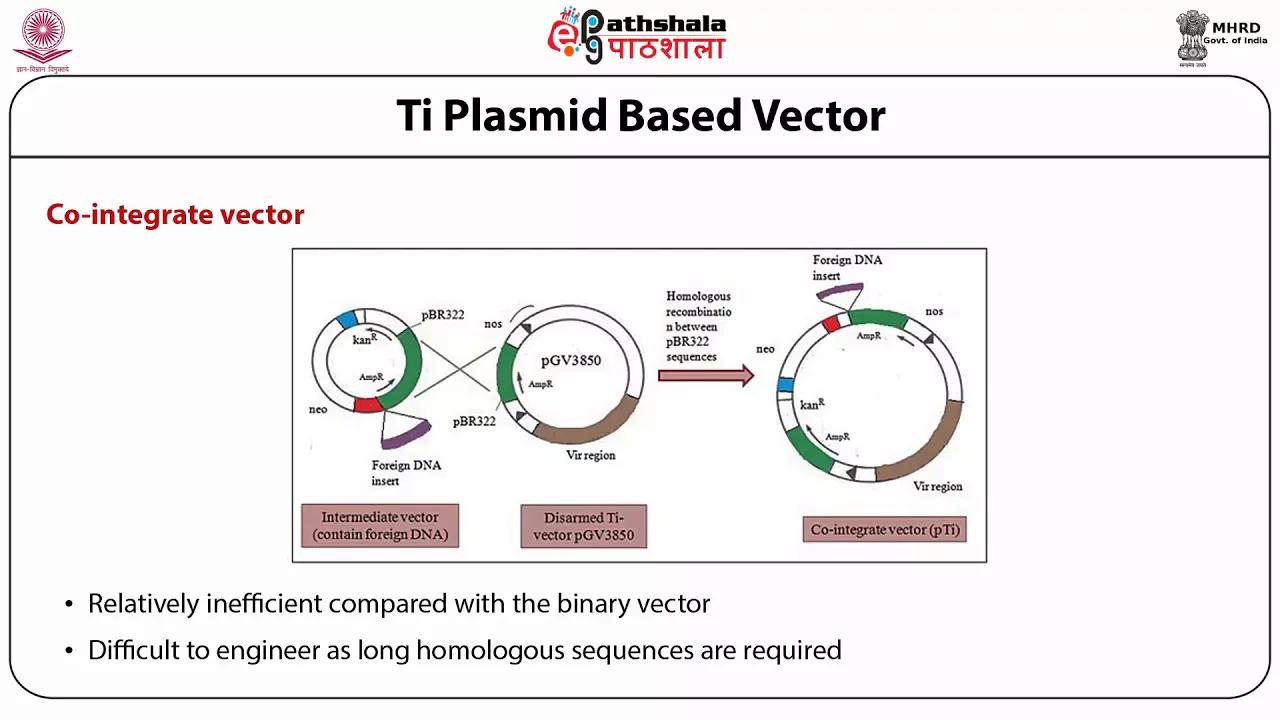
The development and optimization of binary and co-integrate vector systems to simplify molecular cloning.
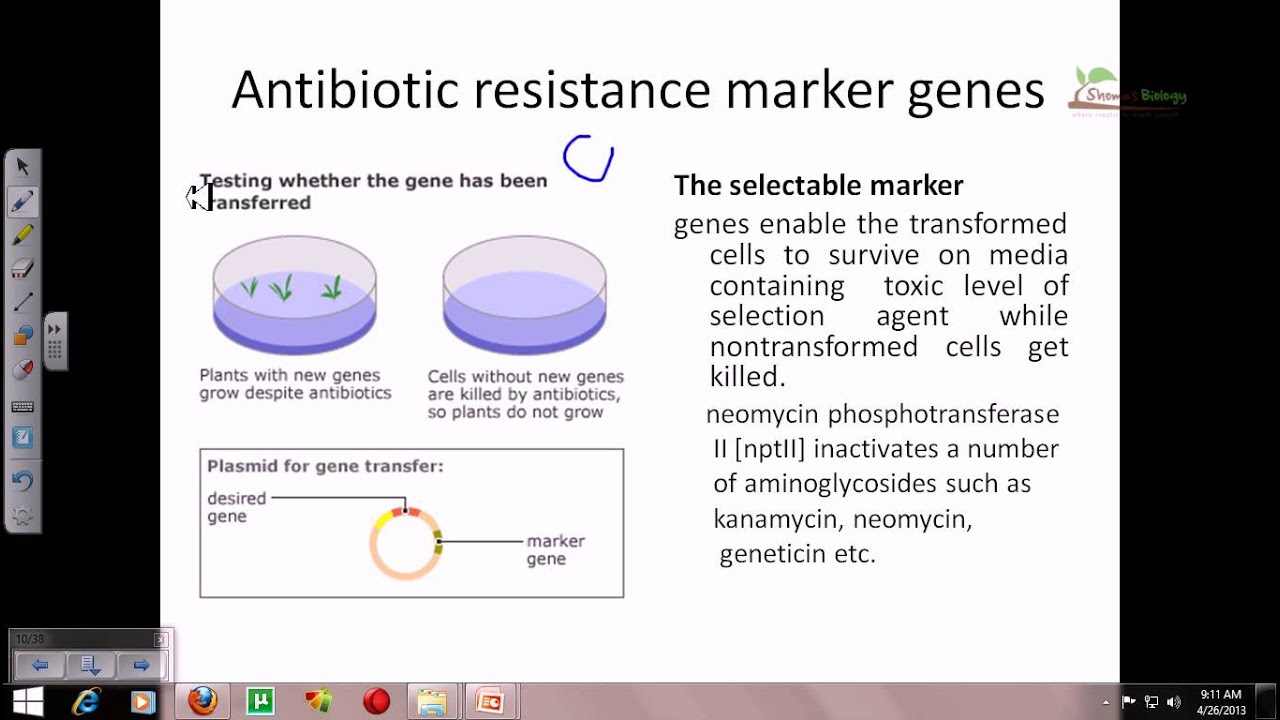
Methods for selecting and screening transformed plant tissue using selectable marker genes and reporter assays (e.g., GUS or GFP).
Alternative physical and chemical plant transformation methods, such as biolistics (gene gun) and PEG-mediated protoplast transformation.
Real-world biotechnology applications, including the creation of pest-resistant (Bt), herbicide-tolerant, or nutritionally enhanced crops.
Integrating Agrobacterium-mediated transformation with CRISPR/Cas9 systems for precise plant genome editing.
58.9K views476likes6:29Original Release: 2016-01-04
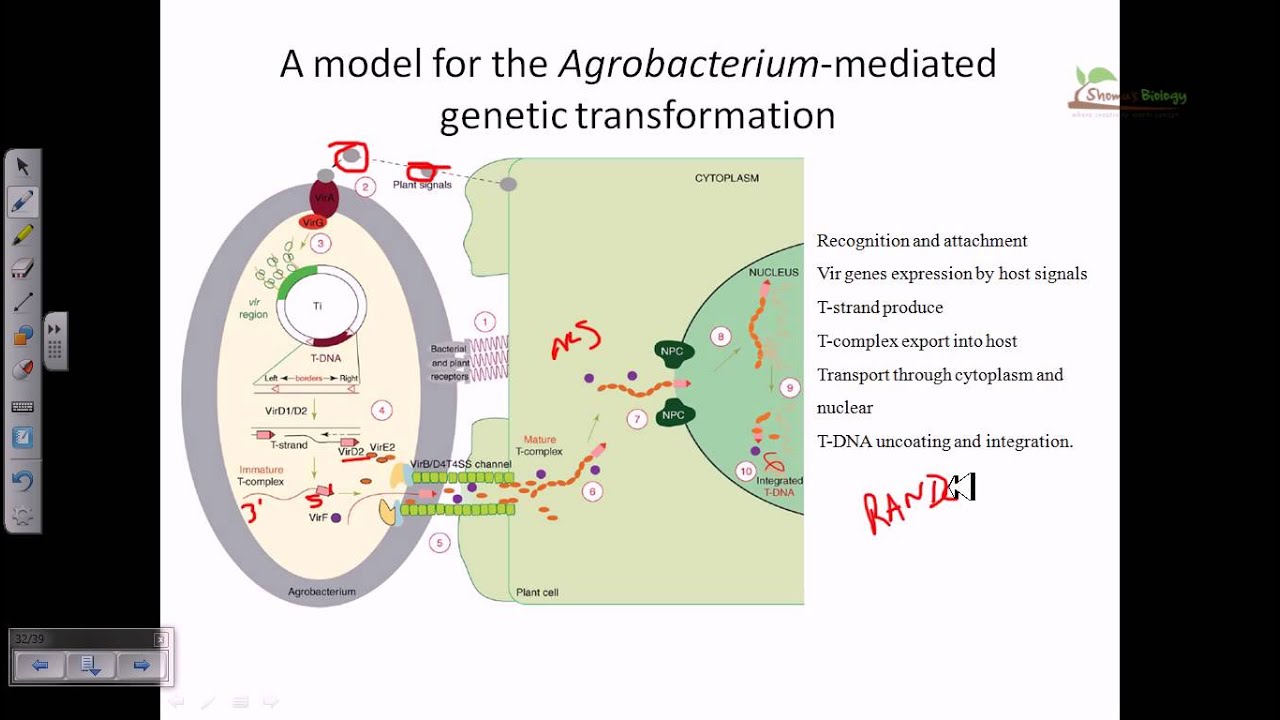
welcome to the presentation di plasmid what is TA plasmid ta plasmid is the tumor inducing plasmid ta plasmid is used as a vector for agrobacterium mediat plant transformation using restriction enzymes plasmid can be linearized and a gene of interest can be liated the recombinant plasmid can then be reintroduced into the agrobacterium by a process called transformation once the agrobacterium infects the plant cells the plasmid gets integrated into the plant genome and replicates during cell division uh these are the general features that the T plasmid carries a segment of DNA called the tdna that integrates into the plant genome the tdna region of the pl T plasmid carries carries genes responsible for inducing tumors in Plants the foreign DNA of introduced uh foreign DNA of interest can be cloned into the t region of the plasmid and improved plant rates can be obtained like disease resistance salt tolerance Etc uh the ti plasmid has all genes for inducing tumor uh it has it also has virence genes uh uh the vines are responsible for exis transfer and integration of tdna into the plant genome these are the basic elements of T plasmid it has a tdna border sequence a virence region tdna region and opine catabolism region so you can see here the TDN tdna region is flanked by the border sequences left border and right border and there comes the t tdna region those are responsible for producing growth hormones as well as opine and the TA plasmid also has opine catabolism region where the op produced from the t region can be can be U metabolized using the enzymes produced from the point catabolism region and it also has veence region that is responsible for transferring the tdna tdna into the bacterial genome so coming to the tdna Border sequence the tdna region is responsible for inducing tumor in plants and the tumor formation is IND introduced by producing plant growth hormones for the proliferation of of the transformed plant cells the tdna region is flaged by 24 base pair direct repeat sequence called the the Border sequence the role of 24 base pair repeat sequence is for the transfer of T into the plant cell so you can see here the left and right border here so these are the 24 base pair repeat sequences those are involved in transferring the tdna into the plant cell and the other region is the verance region or the each has V genes or the virence genes or that are responsible for creating virence or inducing the or inducing or exision and transport of the the tdna region into the plant genome so the V region on TI plasmid is a collection of genes whose Collective function is to excise the tdna region of the plasmid and promote its transfer and integration into the pl genome phenolic compounds such as aceton activate the v a gene which is constitutively expressed transmembrane protein the activated v a gene act as a Skye that is phosphor liting the Virgin Gene in its phosphorated form the VG act as an activation trans activator of transcription for the remaining virgin operons so it's a Cascade of events that is that will happen from the VIN region uh once the phenolic compounds are induced it will activate the uh the ver aene and um that further act as a Kate for phosphor relating the another Gene called the VG Gene and once it is phosphorated it act v g Gene act as an activator of transcription for the remaining vland genes uh the V D1 plus D2 uh together have endon nucleus activity and make single strandard Cuts within the left and right borders the v e acts as a single standard DNA binding protein protecting the single standard uh tdna region during the transport phase of the process once inside the plant cell the complimentary stand of the tdna is synthesized so these are the roles of virulence region of the ti plasmid so they are mainly involved involved it's actually a Cascade of events happening when there is a signal from the phenolic compounds so it's a Cascade of events or the signal CLS that activates the one after the other uh and uh making the making the tdna region exis from the the plasmid and transported into the pl genome the tdna region is flanked by direct repeat sequence called The Border sequences and the the tdna region gets incorporated into the plant genome and is responsible for inducing tumor the tdna region has genes for producing plant growth hormones like oxin cytokines and opines opines are nothing but specialized amino acids so these or specialized amino acids that bacteria can catabolize uh only the agrobacterium can catabolize these kind of specialized amino acids that is the speciality of this amino acid opine catabolism region is responsible for catabolizing the specialized amino acids produced from the tdna region based on the uh the opine produced T plasmids are classified into two types they are naline type and the octopine type op opine act as a nitrogenous source for AG bacterium tents uh the there are variety of uses for the ti plate uh it is widely used in plant genetic engineering it is also used uh for transfer of genes in plants and also for development of stress toer and plant varieties thank you for watching if you like the video please subscribe
Up Next

22:30
Agrobacterium-Mediated Gene Transfer in Plants | Ti Plasmid, RDT Applications
@suhasbiotechnologyguidance1437
792 views•2021-06-17
14:12
Quantitative Real-Time PCR (qPCR): Principle, Method & Data Analysis
@animatedbiologywitharpan
129.2K views•2023-09-06
7:33
Aptamers in Therapeutics and Diagnostics | Oligonucleotide Applications
@BioResource
37.8K views•2014-05-13
16:04
CRISPR and Genetic Engineering: How Gene Editing Works and Why It Matters
@kurzgesagt
30.5M views•2016-08-10
Related Study Plans & Knowledge Roadmaps
Structured learning paths in Biotechnology
biotechnology
AAV Production: Transfection, Prep & qPCR
01Introduction to Gene Therapy and AAV Biology
02Mammalian Cell Culture: Suspension HEK293 Cells
03Upstream Bioprocessing: Triple-Transfection Optimization
+ 2 more learning modules
18h5 modules
Explore Roadmap
biotechnology
Building Gut-on-a-Chip: PDMS, Cells & TEER
01Foundations of Microfluidics and Gut Anatomy
02Cleanroom Fabrication & PDMS Soft Lithography
03Epithelial Cell Culture and On-Chip Seeding
+ 2 more learning modules
26h5 modules
Explore Roadmap
biotechnology
Optimizing CFPS: E. coli Extract & Yield
01Fundamentals of Molecular Biology and Translation
02Introduction to Cell-Free Protein Synthesis (CFPS)
03Preparing E. coli Crude Lysate (The Extract)
+ 2 more learning modules
19h5 modules
Explore Roadmap
biotechnology
Haematococcus PBR: Design, Stress & Astaxanthin
01Biology and Life Cycle of Haematococcus pluvialis
02Bench-Scale Photobioreactor (PBR) Design and Engineering
03Culture Media Formulation and Inoculation
+ 2 more learning modules
15h5 modules
Explore Roadmap