



![🧬เทคโนโลยีทาง DNA 1 : การโคลนยีนโดยใช้พลาสมิดของแบคทีเรีย [Biology#35]](https://i.ytimg.com/vi/XMiCmVXtp78/maxresdefault.jpg)

















Agrobacterium tumefaciens, a soil Gram-negative bacterium, naturally infects wounded plant cells by transferring its T-DNA region (approximately 23 kb) containing auxin, cytokinin, and opine synthesis genes; this natural infection mechanism has been harnessed in recombinant DNA technology by replacing these native genes with genes of interest and antibiotic resistance markers, enabling targeted gene transfer into plant genomes for creating genetically modified crops like Bt cotton.
Agrobacterium-Mediated Gene Transfer in Plants | Ti Plasmid, RDT Applications
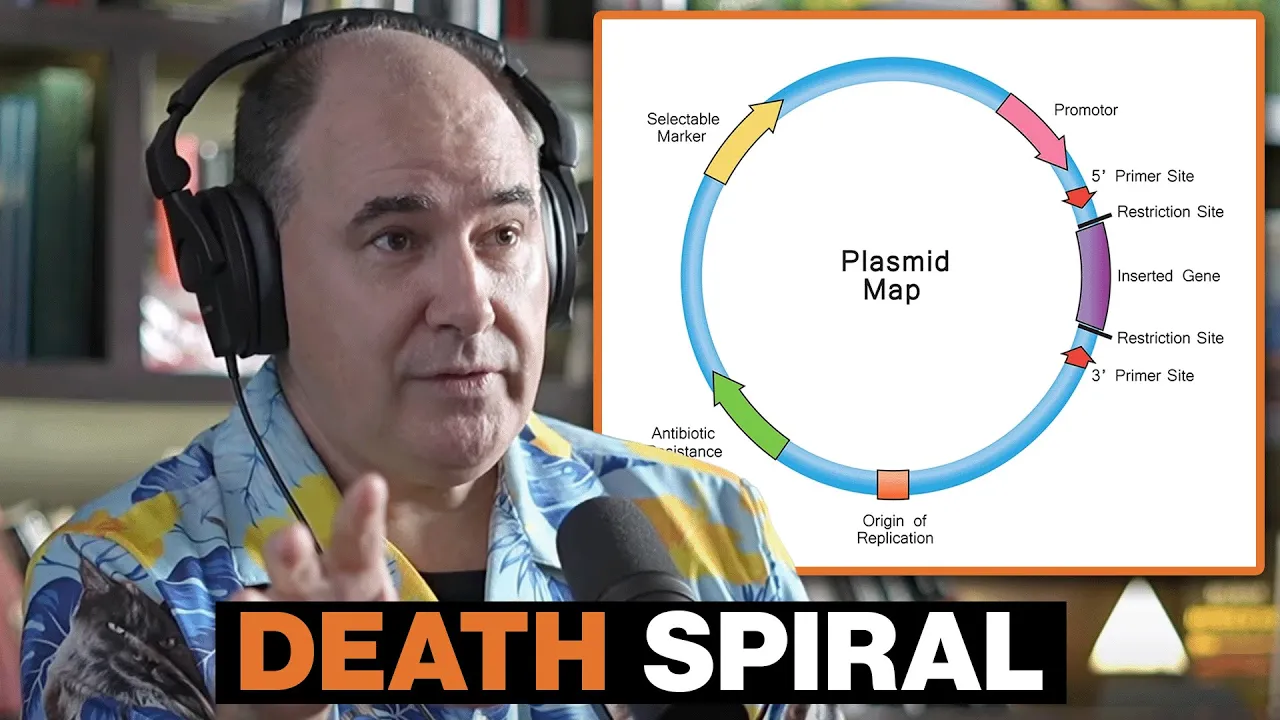
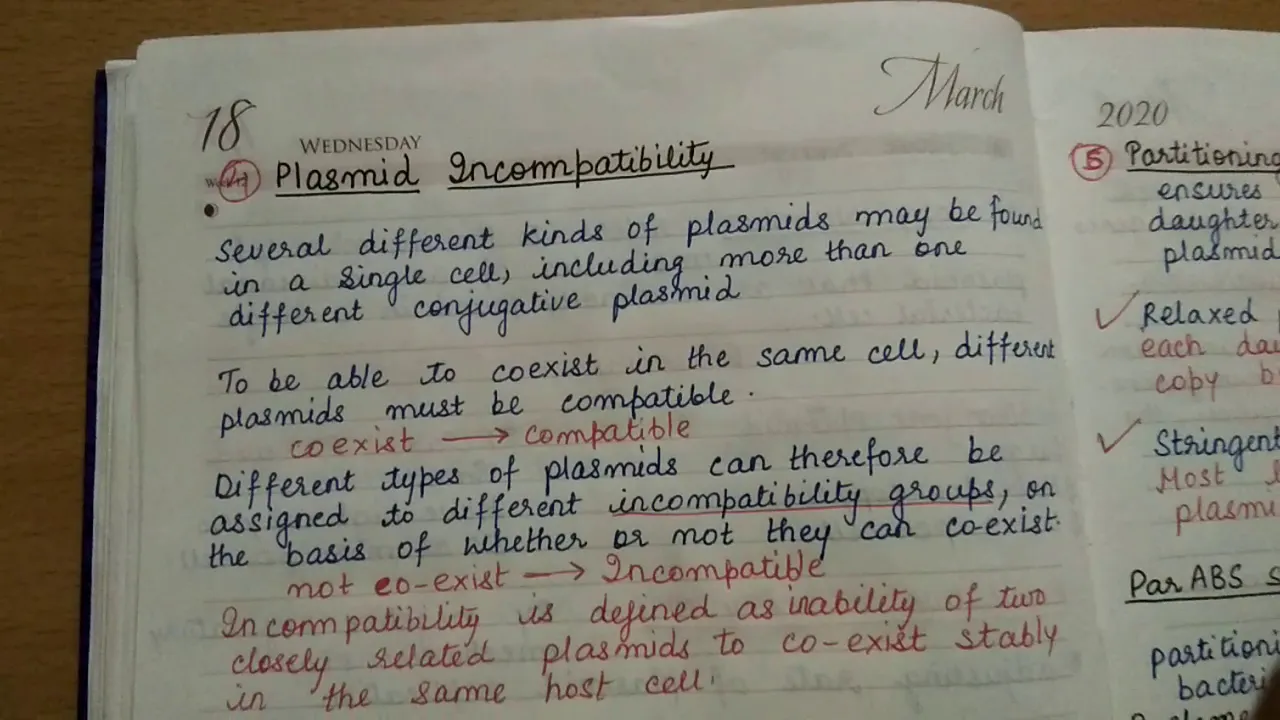
Added:Basic structure and function of bacterial plasmids, including replication origins and selectable markers.
Core principles of Recombinant DNA Technology (RDT), including restriction digestion, ligation, and cloning.
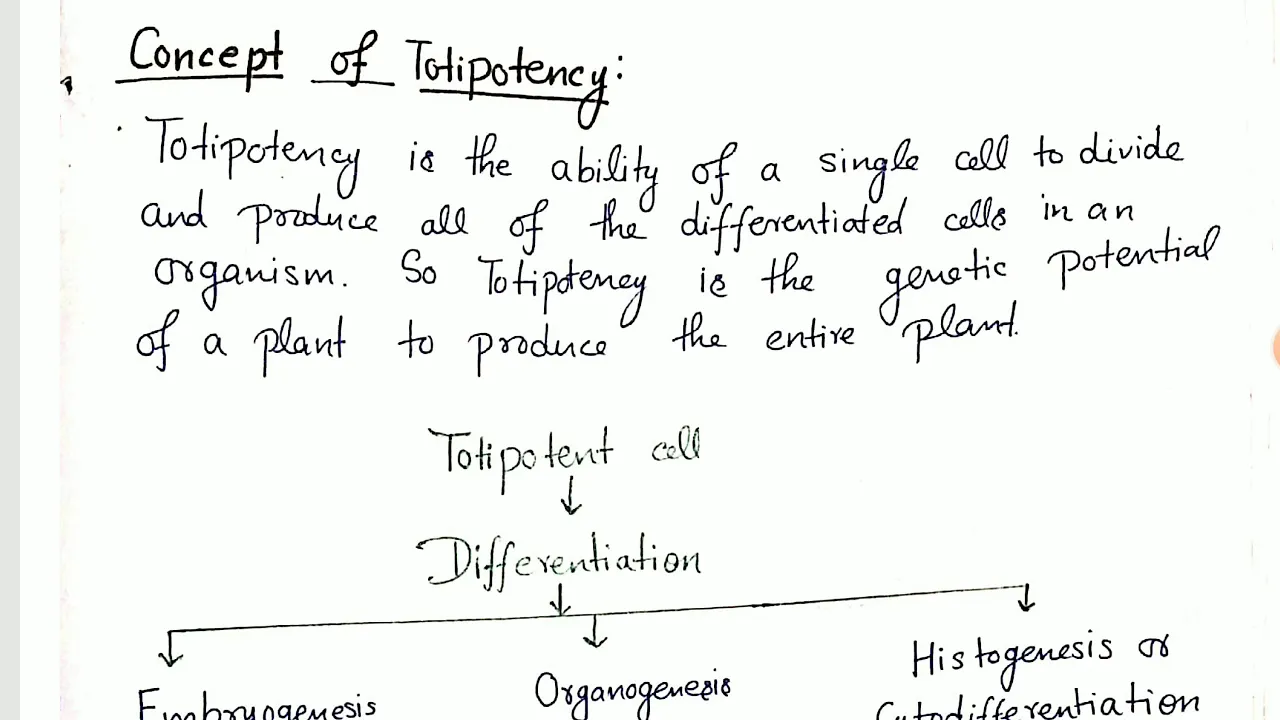
Fundamental plant biology concepts, particularly plant cell wall structure and the concept of cell totipotency.
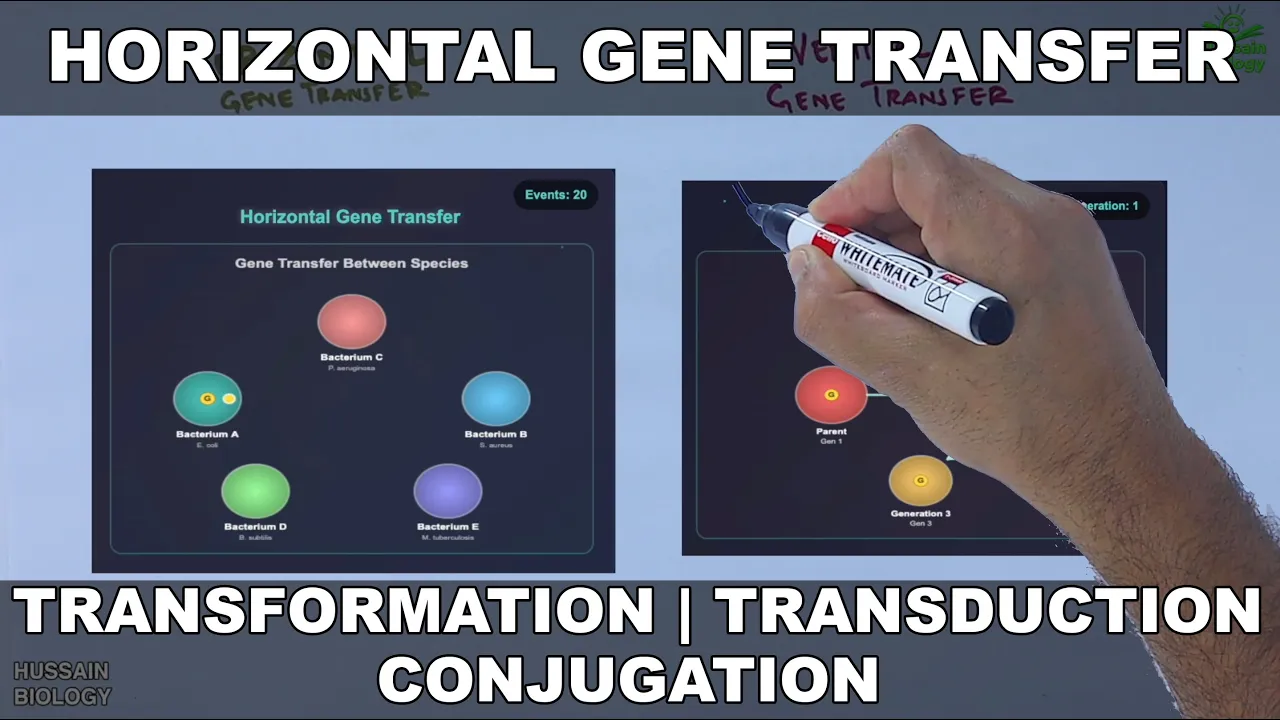
The basic mechanism of horizontal gene transfer and host-pathogen interactions.
Methods for screening, selection, and regeneration of transgenic plants from tissue culture (callus formation).
Alternative plant transformation techniques, such as biolistics (gene gun method) and PEG-mediated protoplast transformation.
Real-world applications of agricultural biotechnology, including pest-resistant (Bt) crops and herbicide-resistant varieties.
Advanced gene editing in plants using CRISPR/Cas9 systems and the regulation of Genetically Modified Organisms (GMOs).
792 views84likes22:30Original Release: 2021-06-17
hello friends today we are going to learn about agrobacterium tumor fashion and how this plant parasite is going to cause crown garlic tumor in plants especially the eudicots means the monocots and other than that how we are going to use this plasmid especially the ti plasmid tumor inducing plasmid in agrobacterium in recombinant dna technology for specially transferring genes in plants okay now first of all let's take a look of agrobacterium efficient okay now uh the biggest challenge in molecular biology is to transfer a gene of interest or the dna insert any particular gene in plant genome and not only to transfer but to express that implant okay so that is the biggest challenge okay in front of small biologists now agrobacterium tumor fashion has solved this problem how we are going to see that but agrobacterium tumor fashion is also called agrobacterium radiobacter and it is also referred as rhizobium radiometer these are one and the same one now other than that the optimum temperature for the growth of agrobacterium is 22 degree celsius but if the temperature will exceed 28 degrees celsius this agrobacterium tumor fashion will lost its ability to infect okay especially inside the tumor-inducing plasmid okay definitely the tumor-inducing plasmid will show expression but the proteins which encode the tumor-inducing plasmid genes okay they will automatically get degraded above 28 degree celsius and that's why about 28 it cannot infect but 22 is its optimum temperature this is the best temperature where it can infect and cause crown gut tumor disease to any plant now agrobacterium efficient is a soil micro gram negative bacilli okay so it's a bacilli gram negative soy micro and inside it the speciality of it is the presence of ti plasmid tumor inducing plasmid which is 200 kilowatts this is the tumor inducing plasmid okay and the main thing is it is not necessary that ti plasmid should be present in each and every agrobacterium there might be many acrobatic in which ti plasmid is not present but if ti plasmid is not present they are unable to infect okay now this ti plasmid is going to cause crown gal tumor ga double l gul means in greek it means swelling okay and after infection this swelling will go on increasing in a circular manner and that's why that is called crown gall tumor okay now the wounded plant cells if we injured a part of the plant either root stem okay or even lose this wounded plant cells they secrete acid syringon and some other substances related to it okay this acidosis which is secreted by wounded plant cells because of that the acrobatic efficient will get attracted towards that and inside that just now what we have seen that in agrobacterium tumor fashion there is a ti plasmid ti means tumor inducing plasmid and in the tumor-inducing plasmid there is a t dna region okay in the pi plasmid there is a region called t dna it's not trna okay clear transfer iron is different okay but this is t dna transfer dna because this is the left part of or left repeat of 25 visitor and this is the right and inside it this region is the tdna which is approximately 23 kilo base okay and now this 23 kilo base pair region is removed from the ti plasmid and that is transferred in the plant genome and after entering the plant genome it will get inserted in a in an area which is generally a highly expressible region because of this and this part contains genes for auxin synthesis plasmid okay and inside it there is a genes for auxin synthesis okay there are genes for oxygen synthesis there are genes for cytokinin synthesis there are genes for opinion synthesis auxin okay is such a plant hormone which stimulate the cells for continuous but this auxin synthesis okay the number of genes present here which will cause oxygen synthesis the pathway which is followed for oxygen synthesis is quite different yet pathway plants are not having this pathway and that's why plants can't control this oxygen synthesis similarly cytomy synthesis gene is there oxygen cytomenic [Music] okay and there are various types of amino acids out there uh openings are there there [Music] okay and these opal synthesis genes are present in this area okay now this amino acid derivative is which is derivative can be used as a source of energy as a source of carbon as a source of nitrogen okay but the problem with this t dna region e dna region in which there is oxygen synthesis genes cytovolume synthesis and opaque synthesis genes are there this state in a region cannot get expressed in agrobacterium these genes if agrobacterium want to express these genes these three genes sorry these three set of genes will be expressed in plant genome and that's why it is extremely essential to transfer this tdna region okay from pi plasmid to the plant and in you know as soon as it will enter in the plant genome okay it will get expressed so obviously synthesis takes place and as as i have explained these oxygen synthesis cannot be controlled by plants plant cells is controlling or something cytoplasm synthesis will takes place and that's why they will stimulate the cell region and that's why these plant cells will keep on showing sedimentary cleft because of that the tumor is small called crown gulp tumor okay so this is how it will it is going to infect so okay if plant cells will get injured wounded plant cells they secrete acetosilicol and various related substances these attract agrobacterium towards the area of infection agarose is present in the soil so it will it can very well travel in that area where there is okay it is present because of that okay this e dna region will get removed and copy of the t dna is integrated in plant genome and here it is expressed and that's why such plant cells which are having copy of the tdna will form more in number forming a tumor okay and all will keep on synthesizing auxin will be used as a source of energy by agrobacterium and now agrobacterium will start forming its colonies so what is this this is actually a type of infection okay but the motto is not to kill the plant the moto is to grow on colonies kiskib means agrobacterium okay let's take a look of the ti plasmid okay we have this thing left this is the left part and this is the right part okay these are the 225 base pair repeats okay and these and these regions are going to cut and this t dna region okay is going to enter the planche but other than that energy carbon and nitrogen that genes are already there then there's the ori okay origin of replication and because of that it's a relaxed mode of replication relaxed mode of replication muslim ear plasmid can form many of its copies inside aggro vector so though we are showing only a single ti plasmid but there must be more than 10 or 20 copies of pi transmitted okay now because the ori is there and relaxed mode of replication it's not stringent independently okay independent and that's why it will form its own copies then there are clear this is a very important region called wheel chains will form virulence okay i can also call it beer opel why because it's not again a single gene there are set objects okay and in that okay there are many gives like v d1 d2 which form every nucleus and that's why they are mainly responsible for virulence and after that these two regions will get cut this tdn will get transferred now keep in mind there are many tti plasmids agrobacterium is not going to transfer all it will only pass few tdna copies in plant genome which plant which plant says those plants which are injured okay now win a is it is going to recognize acetone silicon as it is present in the plasma brain so this will a product okay it is present in the plasma membrane and it is going to recognize what acidosis okay and that's what accordingly it will pass a signal then when e it protect the tds this cdna region is going to get transferred from agrobacterium to plant zero but plants can synthesize their own nucleus has to kill to lies this tdma and that is protected by the wheel e similarly will c is there which will stimulate the transfer implant such some more will be inside there i have written only the main okay but all these weird genes are present in these regions okay virulence region okay or i can call virulence operon this is about what ti plus okay so whenever plants get damaged they will secrete acetyl syringon that will attract agrobacterium tumor the ti plasmid present in it okay that will be because of isopropyl silicon the rear genes will be expressed one of the product of buildings is endometriosis will cut where these two region okay and as these two regions are removed twenty five basically bits are removed this tdna copy is transferred in plunge this is how clear plants will be stimulated as oxygen synthesis will take place which is not controlled by plants and that's why it will form tumor and not only that but opioid synthesis will also take place they will use opium and they will keep on growing their own qualities okay so this is the more of infection of agrobacteria but today we are going to learn this topic because we want to see its application in gene transfer okay what we have done we have removed the pdna region from ti plasma okay the left base plate region and the right place okay these two regions are removed means this tdn engine is removed okay and inside it there must be genes for oxygen synthesis there must be genes for cytokinin synthesis there must be genes for open synthesis correct but with the help of restriction religions we cut inside remove this portion and introduce a genome interest and canna massive resistance is such an antibiotic which can kill procrastinators that's why we are using cannabis in here okay and this cannabis resistance gene is going to act as a marker for us okay so we have 0 of interest we have cannabis in resistance g and we fuse them and this complete fragment of dna is introduced in this place replacing oxygen cytokinin and opine synthesis genes okay so you have these two repeats twenty five resistor lipids as it is and you have gene of interest there might be more than one gene of interest i can even transfer an operon there okay and these cannabis and resistance ah will require a vector it's not necessary that you should take only ti plasmid you can take any other plasmid also even you can go for diaplos metals okay so i will take a ti plasmid cut in these regions and exactly where this region will be introduced inside it or i can take any other expression plasmid okay which will act as a vector usually like this treatment and what will happen after that i will have two types of plasmids one which are non-recombinant those plasmids which get closed as it is but those plasmids which will remain open for more interval of time and in between them are transferred these fragments which fragment with genocide and cannabis in the resistance this is recombinant recombinant plasmid will be a bit better a little bit bigger than non-component because it has genes for zero of interest as well as cannabis and resistance correct and now this mixture of recombinant and non-recombinant is used to transform agro bacteria so we have culture of agrobacterium and here in the condition of agrobacterium we have transferred both recombinant plasmid as well as non-recombinant glass okay and now some of the agrobacterium tumor fashion will get transformed but maximum agrobacterium do not get transformed so those which are non-transformed will have only their own genome correct these are non-transformed agrobacterium tumeficient there might be some agrobacterium which are transformed but with non-recombinant plasmid so transform but with non-recombinant plasmid and result of this is they will have plasmid but they won't have cannabis in resistance gene they won't have genome interest but very small proportion of the population will have what this is this is your genome agrobacteriums you know this is the ti plasmid which is originally present in the aggro material of course the ti plasmid will be present clear but this one is having a recombinant plasmid with gene of interest and cannabis in resistance t okay and now such agrobacterium pima fashion which are transformed with recombinant okay plasmid these okay we need to transfer implants so what we have is you can see here this is a leaf and i have prepared explains of the leaves and i am going to introduce these explants on a medium with growth hormones and cannabis clear which is present there okay so what do we have is a petri plate in which there are agrobacterium three types of hydrobacterium one non transfer you know plasmid receiving here second transform with non-recombinant but they will not have kinemason resistance this will also not have cannabis resistance only these transform with recombinant will have cannabis resistance and that's why cannabis which is present in the medium will kill all other okay either which are non-transport will be killed and transformed with non-recombinant will be killed but the only one which can survive the only type which can survive are transformed with recombinant and these bacteria are made to invade the leaf expand and the leaf expands on medium with growth no doubt growth hormones are required for converting the explanation and calories into plants but cannabis is also there and then that's why only those will grow you can see only this one is growing why because that must be happening what that must be having t dna okay clear why because these are the injured plant cells they will secrete acidosis and this agrobacterium will transfer its t dna region okay at least out of 100 explains at least one x plant will show this transformation at least one okay and once this recombinant this region is transferred that will have cannabis resistance not the others okay and that's why this plant is growing this is the plant which is having gene of interest as well as cannabis and resistance so from this plant many explants can be triggered and through micro propagation okay this plant should be can be grown okay and its after effects of the gene of interest should can be studied okay so this is how agrobacterium is used for transferring gene through recombinant dna technology okay and this is how noble varieties can be formed okay bt cotton is one of such a variety okay now again we have isolated the ti plasmid ah sorry the tdna region from ti plasmid which is having oxygen cytoplasm synthesis gene we replace this with gene of interest and cannabis in resistance transfer decent plasmid plasmid is transforming agrobacter and agrobacterium is made to infect the leaf expanse because these are injured plant cells so definitely they will infect okay and even a single expand will get transformed with recombinant region which will have gene of interest and cannabis and resistance definitely it can form a plant and from this plant okay uh agronomic trials can be done okay and this is how the acrobat can be used for transferring genes okay so this is all about agrobacterium tumor fashion and its application gene transfer thank you you
Up Next

20:55
Plant Tissue Culture: Techniques, Steps & Applications
@NCERTOFFICIAL
1.2M views•2015-12-12
14:12
Quantitative Real-Time PCR (qPCR): Principle, Method & Data Analysis
@animatedbiologywitharpan
129.2K views•2023-09-06
23:33
Microbial Degradation of Plastics: Biodegradation Pathways & Sustainability
@majeedhammad
2.9K views•2021-04-11
16:04
CRISPR and Genetic Engineering: How Gene Editing Works and Why It Matters
@kurzgesagt
30.5M views•2016-08-10
Related Study Plans & Knowledge Roadmaps
Structured learning paths in Biotechnology
biotechnology
AAV Production: Transfection, Prep & qPCR
01Introduction to Gene Therapy and AAV Biology
02Mammalian Cell Culture: Suspension HEK293 Cells
03Upstream Bioprocessing: Triple-Transfection Optimization
+ 2 more learning modules
18h5 modules
Explore Roadmap
biotechnology
Building Gut-on-a-Chip: PDMS, Cells & TEER
01Foundations of Microfluidics and Gut Anatomy
02Cleanroom Fabrication & PDMS Soft Lithography
03Epithelial Cell Culture and On-Chip Seeding
+ 2 more learning modules
26h5 modules
Explore Roadmap
biotechnology
Optimizing CFPS: E. coli Extract & Yield
01Fundamentals of Molecular Biology and Translation
02Introduction to Cell-Free Protein Synthesis (CFPS)
03Preparing E. coli Crude Lysate (The Extract)
+ 2 more learning modules
19h5 modules
Explore Roadmap
biotechnology
Haematococcus PBR: Design, Stress & Astaxanthin
01Biology and Life Cycle of Haematococcus pluvialis
02Bench-Scale Photobioreactor (PBR) Design and Engineering
03Culture Media Formulation and Inoculation
+ 2 more learning modules
15h5 modules
Explore Roadmap