

























Plant tissue culture is a biotechnological technique that leverages the principle of totipotency—the ability of any plant cell to regenerate into a complete plant—to propagate disease-free plantlets under sterile conditions. The process involves preparing sterile instruments and nutrient media containing macroelements, microelements, vitamins, amino acids, and sucrose; collecting explants from healthy, disease-free plants; performing surface sterilization using ethanol and mercury chloride; inoculating explants into semi-solid medium in laminar flow hoods; and incubating cultures under controlled light (16h/day), temperature (25-27°C), and humidity (40%) conditions. After shoot multiplication and rooting with auxins, plantlets undergo acclimatization to outdoor conditions before being transferred to potting mixtures. This technology enables mass propagation independent of seasons, production of phytochemicals and pharmaceuticals, development of transgenic crops like Bt cotton, and conservation of endangered plant species.
Plant Tissue Culture: Techniques, Steps & Applications
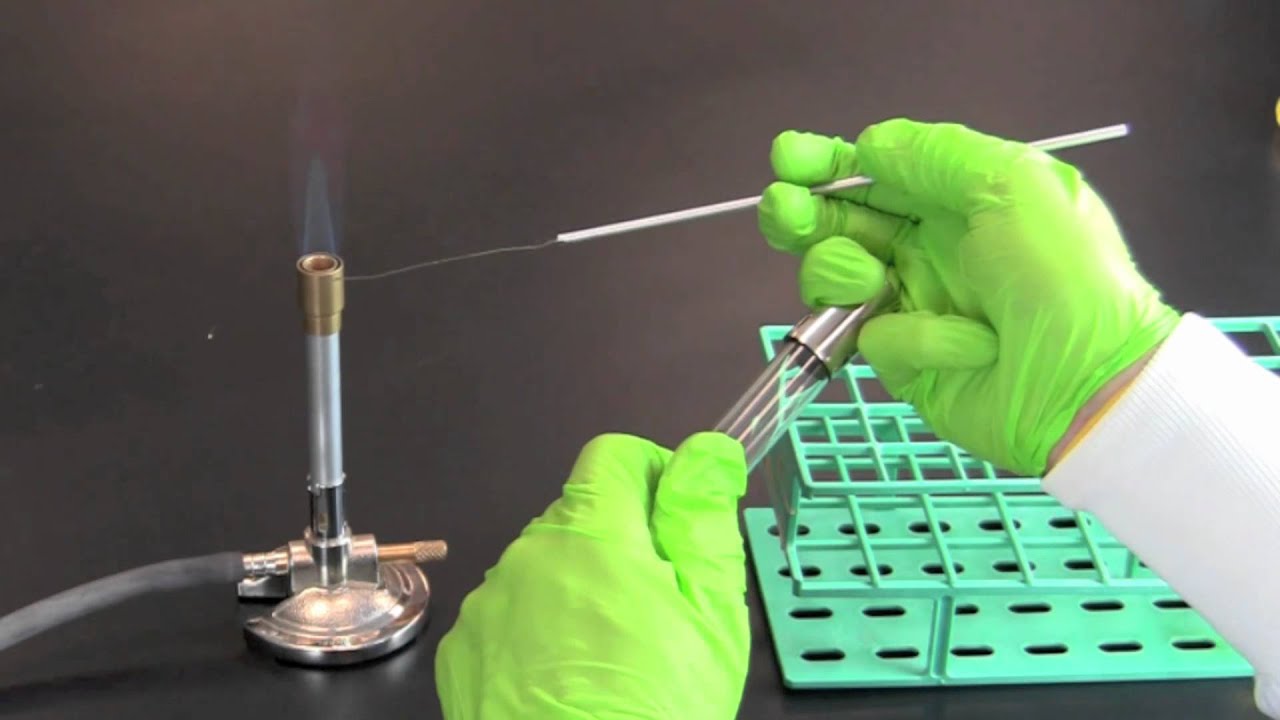
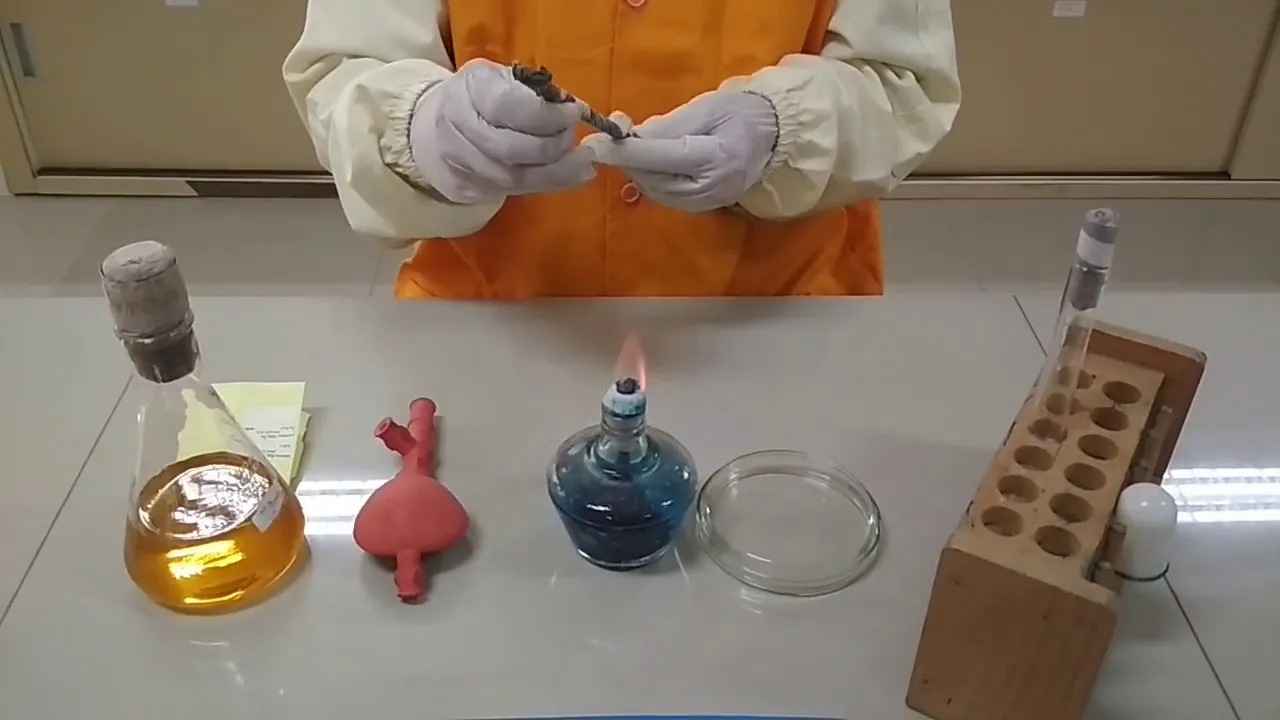
Added:India is a mega diverse country with thousands of rare endemic plants and animal species out of the total 34 hotspots all over the world three are in India but because of the anthropogenic activities and influx of population most of the species are on the verge of extinction most of the endemic plant species have been extinct so far conservation scientists using various techniques that help us to preserve these precious plants of medicinal use and to overcome the growing demand one of the techniques is plant tissue culture today I shall be talking about plant tissue culture and its applications in improving crops of importance the field began way back in 1902 when a German botanist conceptualized on the concept of totipotency this concept is based on the fact that each and every cell of the plant is capable of giving rise to an another individual plant and that plant is as similar or is true as true as any plant you find in the field plant tissue culture is a collection of techniques used to maintain or grow plant cells tissues or organs under sterile conditions on a nutrient culture medium of known composition plant tissue culture is widely used to produce clones or plant in a method known as micro propagation the various steps of plant tissue culture are preparation of instruments and nutrient culture medium sterilization of culture medium preparation of explant inoculation of X plant incubation for growth acclimatization of plantlets and transfer to pots preparation of instruments apparatus required for plant tissue culture are forceps scissors blade holders disposable but sterile surgical blades or sharp scalpel Petri plates with two filter papers a 500 milliliter beaker 3 250 milliliter Erlenmeyer flasks a 50 milliliter test tube a box containing disposable pipette tips pipettes and a thousand milliliter bottle with screw cap first of all it is important to take all the required apparatus in a spotlessly clean condition these items are then wrapped in newspaper or brown paper with a knot at the side that has to be held by hand these are then kept ready for autoclaving before performing plant tissue culture experiment it is required to have clean and sterile culture vessels before using any glassware or plastic fares these are first washed in a four-step process firstly all use glass and plastic layers with used cultures and media are autoclaved for about 1 hour then the glass and plastic layers are emerged in a tub full of chromic acid for 16 hours after this the glass and plastic where's our first rinsed with water to remove the chromic acid and then immersed in a tub full of detergent water and cleaned using hard nylon brushes the glass and plastic waves are then emerged in another tough full of clean water and then the detergent is rinsed off finally the glass and plastic layers are washed under running tap water kept in clean trays and put in an oven maintained at 60 to 80 degree Celsius for drying the dried glass veils are now ready for use the next important process is preparation of a media which is to be used in the process of micro propagation a medium for plant tissue culture will comprise of a group of macro elements a group of micro elements vitamins amino acids and most importantly sucrose which serves as a source of carbon and which is the carbohydrate for the plant the amounts of salts to be taken have to be precisely weighed as per the reported formulations and these have to be dissolved in deionized water care has to be taken to avoid precipitation of salts as it prevents the availability of salts to the plants as salts with higher solubility our first dissolved adjustment of the pH of the medium generally plants can take up nutrients at a pH ranging from five point six to five point eight after the medium attains the desired pH it is ready to be poured into 250 milliliter Erlenmeyer flasks or into 50 milliliter test tubes as one hundred milliliter or 20 milliliter alec Watts semi-solid medium has to be prepared the method followed is to weigh 0.75 to 0.85 Erica this amount has to be optimized to provide optimum moisture to the cultures pouring of medium 100 milliliter medium is carefully poured into each 250 milliliter Erlenmeyer flasks and plucked using cotton plugs made of non absorbent cotton wool covered with muslin cloth and tied at the top allowing easy holding of the plug while inoculation sterilization of culture medium is autoclaving an autoclave is a device used to sterilize equipment and supplies by subjecting them to high pressure saturated steam the media prepared and the different instruments made ready for use are autoclaved for 20 minutes at high temperature that is 120 degrees Celsius and pressure at 15 Pascal these parameters are just right to sterilize the instruments and the media without degrading its composites such as sucrose etcetera preparation of explants different kinds of ex plants such as petals leaves buds ovaries seeds and Thurs and nodal segments can be used for plant tissue culture because each and every cell of the plant is capable of giving rise to a new individual however care must be taken to collect these ex plants from disease free healthy and actively growing plants preferably having some meristematic areas of high cell activity immediately after collection the ex plants are placed in clean water to avoid the entrance of air bubbles microbes and contaminants from the cut or exposed parts and to avoid browning due to phenolic oxidation these ex plants are then brought into a laboratory for surface sterilization for this the ex plants are first cut into smaller size using a sketchier or a pair of scissors and then place in a petri plate containing clean water the surface of the explants is then brushed clean with a mild detergent such as tween 20 as a wetting agent with a sable hairbrush after cleaning the surface the ex plants are picked up and dropped into a glass or plastic vessel containing a mild solution of a fungicide or an antibiotic the ex plants are then swirled for a few minutes and rinsed several times with clean and sterile deionized water finally the ex plants are immersed in sterile deionized water and taken into inoculation chamber now rx plant is ready for next process of inoculation prior to entering the inoculation chamber through the double door it is important to wear a clean cotton lab coats and take an Ayrshire inoculation means transferring plant specimen into the media under a septic conditions preparation of laminar hoods the laminar hood is a special equipment for inoculation shut the shutter of the laminar hood switch on the UV lights for about 30 minutes while the UV light can kill all the microbes it is highly dangerous for human eyes and skin therefore the shutter has a black sheet and is not opened until the UV light is switched off after 30 minutes switching off of the UV light switch on the chamber lights open the shutter and then switch on the air flow prior to operating the laminar hood it is essential to wear a clean and sterile face mask and a cap the panel of the lamina that faces us has a high efficiency particulate air filter the ex plants are washed with 70% ethanol for a few seconds and then treated with a mild mercury chloride solution for a few minutes a general thumb rule is to use a mild solution for a longer duration rather than a strong solution for a shorter duration after the sterilizing agent treatment the solution is decanted into the waste beaker and the ex plants washed several times with sterile deionized water to remove all traces of mercury chloride all the apparatus are dipped in the 70% ethanol flamed using the lighted spirit lamp and allowed to cool now after cooling the forceps the ex plants are carefully picked and placed in the petri plate with filter paper so that all the excess water content will be absorbed surface of the explants which were exposed to mercury chloride are removed with the help of surgical blade each nodal segment is carefully inserted into the medium contained in the test tube and care is taken to avoid the ex plants from touching the rim of the flask which is again flamed and after that cap is put back at the mouth to seal it tightly finally name of the plant medium and date of inoculation is labeled onto the surface of the test tube the cultures are now ready to be incubated in the culture lab at optimum conditions of 16 hours light alternating with a tars darkness 25 to 27 degree Celsius temperature 40% relative humidity and it is monitored timely after a few days which may range from 5 to 15 days all cultures with either bacterial or fungal contaminants are removed and the corresponding cultures are allowed to grow further after a period of time one ends up with a large number of shoots in a single flask once the chutes have grown to a certain appreciable height of about three to four centimeters they are rooted generally auxins are used in the culture medium to induce routing in each of these shoes once the chutes are routed these have to be hardened for acclimatization in the open now the tissue culture raised plantlets TCPS are transferred to greenhouse or outdoor conditions and they are subjected to different types of shocks like temperature humidity nutrition carbon dioxide and airflow shock the greenhouse and fields have substantially lower relative humidity higher light intensity and septic environment and are therefore stressful to the TCPS because they have been drawn out of their comfort zone of in vitro conditions after rooting and growth of plant leads up to three to four inches shift these two other potting mixture containing garden soil sand and will decomposed farmyard manure in ratio of 1 is to 1 is to 1 other medium like soil right vermiculite perlite and coco peat can also be used for preparation of potting mixture after 45 to 60 days these acclimatized plantlets can be shifted to the outdoor conditions these plants are now ready for the harsh conditions effectively with very low mortality importance of plant tissue culture the process of propagation facilitates the production of a large number of disease free quality plantlets independent of seasons in fact plant tissue culture has several applications extending from mass propagation of plants by micropropagation or in vitro culture generation of quality planting material production of phytochemicals and high-value pharmaceuticals cosmetics and food additives production of improved and tailor-made crops through transgenic for example bt cotton and conservation of endangered threatened and a rare species of plants you
Up Next

DBT BET JRF Plant Biotechnology: 10 Expected Questions & Answers
@nasrinpadasalai
926 views•2023-05-06

Quantitative Real-Time PCR (qPCR): Principle, Method & Data Analysis
@animatedbiologywitharpan
129.2K views•2023-09-06
Microbial Degradation of Plastics: Biodegradation Pathways & Sustainability
@majeedhammad
2.9K views•2021-04-11

CRISPR and Genetic Engineering: How Gene Editing Works and Why It Matters
@kurzgesagt
30.5M views•2016-08-10
Related Study Plans & Knowledge Roadmaps
Structured learning paths in Biotechnology