



















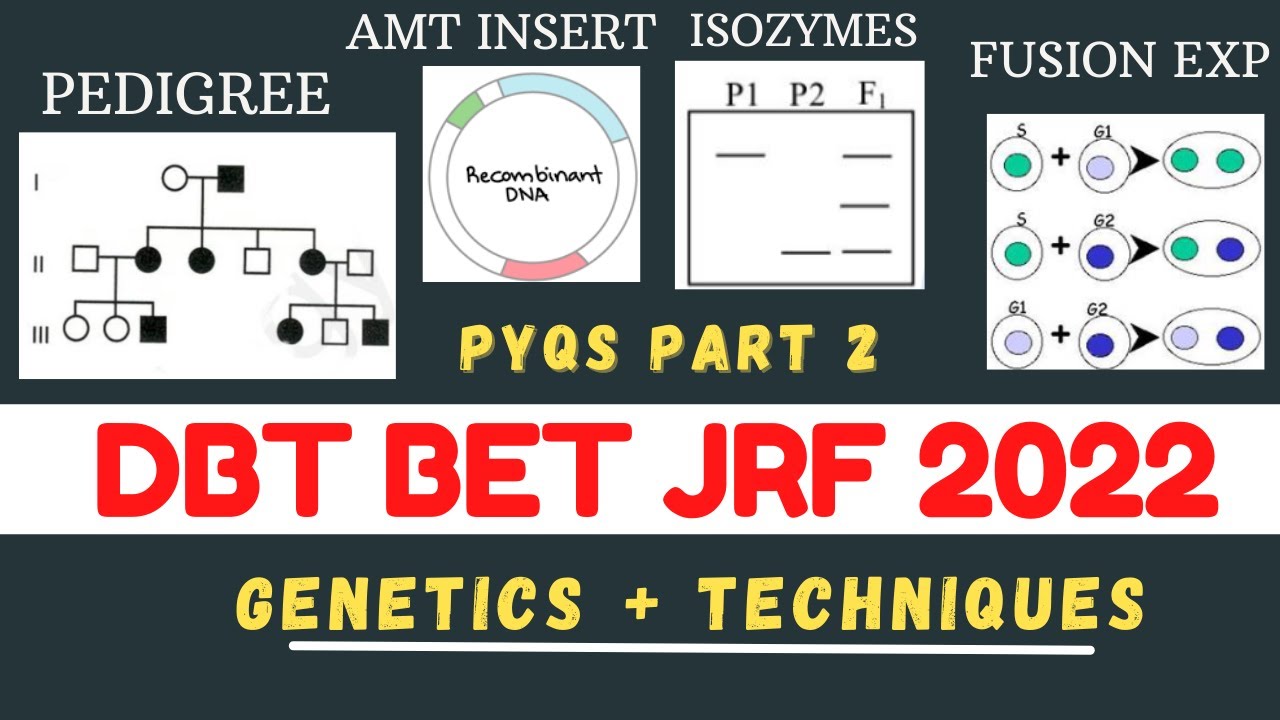



This video presents 10 essential plant biotechnology questions for DBT BET JRF examination, covering GM crops (Bt cotton as India's first commercial GM crop, GM mustard developed by University of Delhi with Bar, Barstar, and Gm genes), nitrogen fixation (nif genes encoding nitrogenase complex enzymes), plant hormones (isopentenyltransferase in cytokinin biosynthesis, 9-cis-epoxycarotenoid dioxygenase in abscisic acid biosynthesis), tissue culture techniques (phenolic compound release causing browning, activated charcoal for toxin absorption, cytokinin:auxin ratios for shoot differentiation), herbicide mechanisms (glyphosate targeting EPSP synthase in shikimate pathway), and Agrobacterium T-DNA transfer system (VirD2 for T-DNA processing and nuclear targeting, VirE2 for DNA protection, VirA-VirG two-component system for virulence gene regulation).
DBT BET JRF Plant Biotechnology: 10 Expected Questions & Answers
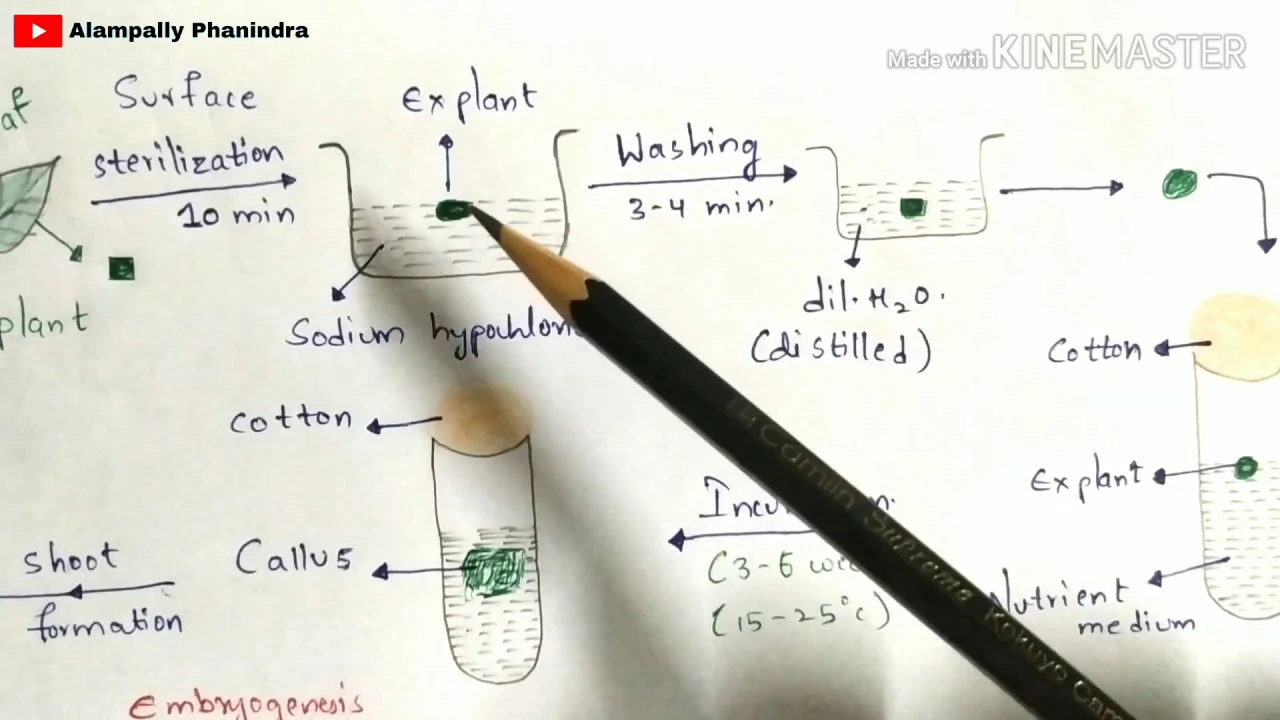
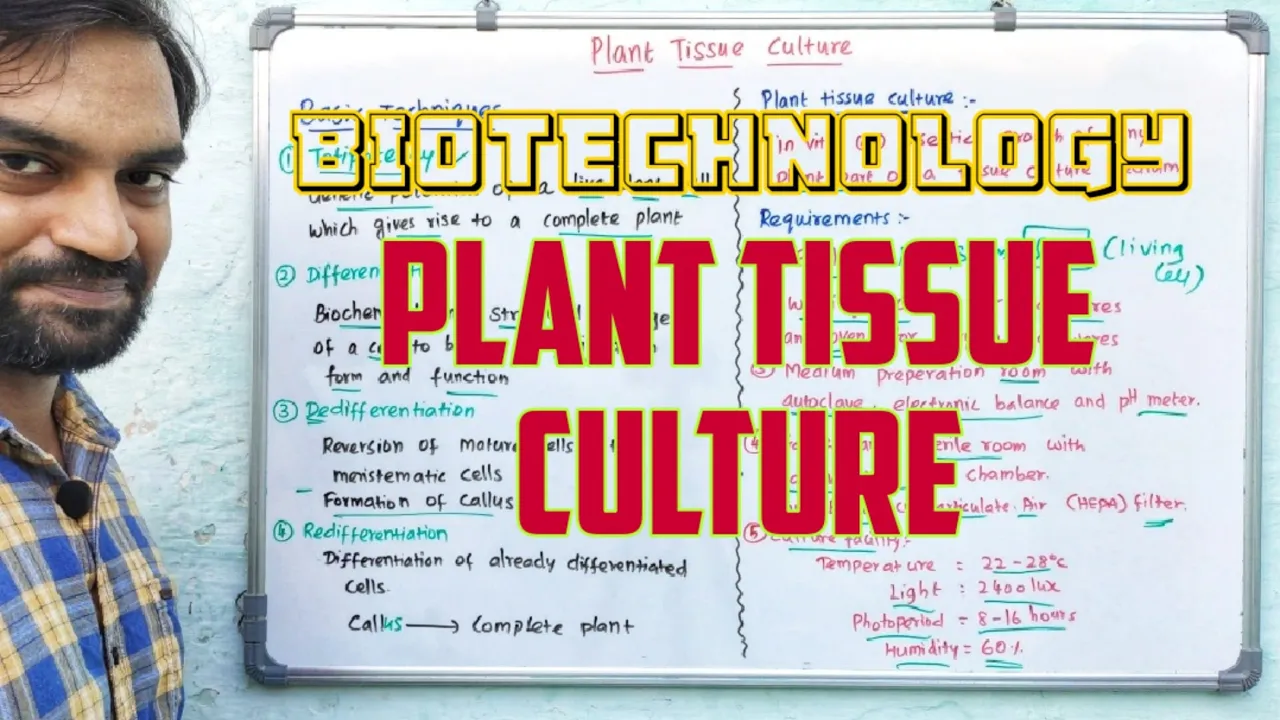
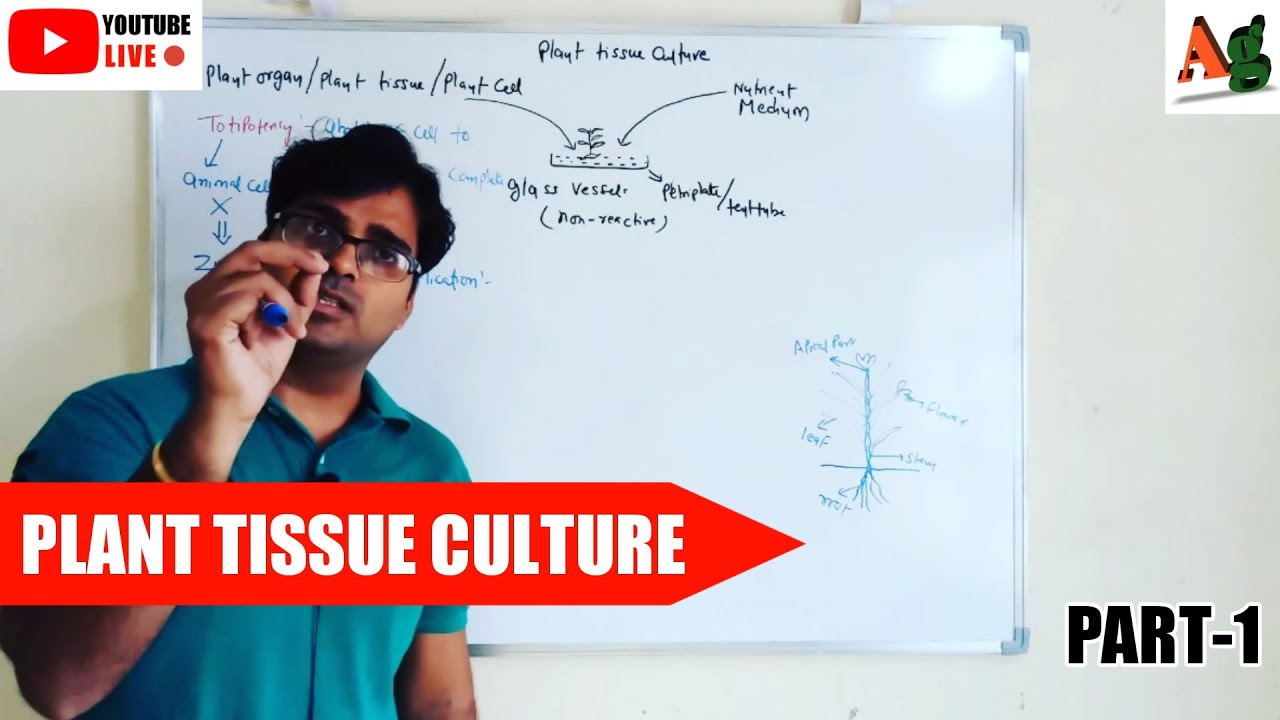
Added:hey also in this video I'm going to tell you 10 questions which you can expect from plan biotechnology for this year DBT betrayal of examination so without any delay let's get into the video so first question is from genetically modified crops or from genetically modified crops definitely two questions you can able to expect so you need to know which particular Institute is responsible for developing that particular genetically modified crop and why in that particular crop has been genetically modified so this question is first commercially release GM crop in India okay at least you can't able to cover up the entire GM crop across the world just know in India what is going with regarding to GM crop research so for this question the correct answers option number D so first commercially release GM crop is cotton which is expressing describe one AC Gene from baseless through ingredients okay so I'll be sharing you a important PDF file so in this particular article you can able to find a mini any notes for your exams okay so here they have clearly given the genetically modified crops and why the particular crop has been genetically modified so some crop has been genetically modified to be to make them as a herbicide tolerant some crop they will be genetically modified to improve the product quality at the same time in this article you can able to find the trans Gene that is inserted that is much more important okay so please make a note on this particular article maybe I'll be giving you the link of this particular article below Okay so so you need to know that V is something so recent thing what I will be telling means recently on the last like October 2022 uh the government has announced like genetically modified mustard can be cultivated in India genetically modified mustard they had given the environmental clearance and currently GM master has been cultivated in India okay so you need to know about that particular Gene crop it was manufactured by University of Delhi only so please uh know about more about the genetically modified Master next is nif genes which encodes nitrogenous complex or other enzyme stage so in which particular process is so nib genes are involved in the nitrogen fixation so please make a note about the nitrogenous complexes what are the cofactors that are present that particular complex okay with regarding to Nifty for example if you take the stepsilon ammonia which is a free living faculty to anaerobic nitrogen fixing bacteria so you totally have 20 minutes Gene if you if whereas other genes like e n u s v w x b q they are encoding a protein which are involved in assembling and incorporation of various cofactors like iron and molybdenum ions into this particular nitrogenous subunit as if you take this nif EFG and if J genes they will be encoding a protein related in relation to a electron transport chip okay next is they are acting as a regulatory protein so definitely these things you should say difference next thing is isopental transpress is an enzyme which is involved in which particular plant or what synthesis size of pentatives involved in cytopene synthesis okay so isoprintel transferase is a key regulatory enzyme playing a little role in cytokine biosis whereas if you take oxygen biosis Benzene which is involved in oxygen biosis is I another important topics on which again two questions you can able to expect so I'll be adding you few research article so this is the article that I'm studying from my BSC so in this article you can able to find the nature of the particular plan hormone occurrence and also you can able to find out the complete function of a particular plant hormone so if you study the 16 Pages definitely you can score some good marks not only debating these sometimes from plan Harmon two to three questions asked in csar Gate examination okay so I'll be giving you a link of this particular article also okay so next question is with regarding to again same plan performance that is nine six epoxy carotenoid dioxygenase enzymes so this enzyme is involved in your abscisic acid biosis so in short form after this is called as ABA which is a stress common it is a plant growth inhibitor carbon okay so please make sure about the important precursor component of various plant growth regulator okay so which particular precursor from which particular precursor the plant growth or we produce so for which you can refer this particular article maybe I'll be giving the link of this article also here you can be able to find the hormone the active form of the particular hormone the function of the hormone and the precursor addition you can also able to get the receptor because these days if you take the DBT picture examination they are improving the toughness of the question paper they are increasing the difficulty level so you might be expecting a question regarding to receptor of that particular plant growth hormone so in this tabulator column you can revise for your examination because still you have only one week of time point so do revise the question that I'm going to tell you with regarding to plan biotechnology makes this in an in vitro culture experiment the color of its plan turn brown just after 24 hours of subsculpturing this is due to okay so this is due to the release of phenolic compound from X Plus so if they explained uh or the callous tissue if they are releasing phenolic compound means then the complete plant tissue culture media and the color of explain will be started to turn brown in color so that's due to the release of phenolic compounds again it's a next question is also a continuation of your previous question the addition of activated charcoal to plant tissue culture medium is done in order to okay scheduling a plant tissue culture media they will be adding this activated charcoal because this activated charcoal they will be absorbing the toxins with them so that they will not allow the plant to absorb those toxic substances okay so activated charcoal is added in order to reduce the feel oxidation process so they will be observing the phenolic compound with them at the same time this activated chakra is also helping indirectly in promoting the plant growth in plant tissue culture next is in tissue culture experiment a student desire to have more differentiation of strips the shoots which of the following plant growth hormone ratio should be used this is also again an important thing generally oxygen is for differentiation of protons cytokines for differentiation of suit so for this particular question you're asking he needs a more differentiation option in that case he needs to employ High cytokine to oxygen ratio that is an intermediate Ratio or equal quantity of oxygen cytokine promotes careless development whereas High ratio of toxin and oxygen to cytokine promotes two regeneration whereas High ratio of side token to auxin will be promoting shoot regeneration so here we are speaking about shoe differentiation where he needs to imply High cytokine two oxide concentration next is the target protein for glycol speed okay so this guy process commercially employed help decide it is a systemic broad spectrum herbicide So currently only they had given approval to use them in agriculture sector and Roundup is a trademark of that particular hairdresser so this hairdresser will be targeting the chains so option C is correct so it will be targeting 5 in all pyruvac three passwords in case in short form it is called as esps so this particular enzyme play an important role in sikhimate pathway which will be generating aromatic amino acids okay so the target protein for this particular herbicide is your Phi in all pyrule next is a phenomenon regulated by the amount of oxygen inside Ethylene which one of the following statement is correct regarding the amount of oxen and ethylene during leap Obsession so you all should know oxylase plant growth promoter they will be promoting the growth of plant whereas if you take abscessing and ethylene they are consists of plant growth inhibitor they will be inhibiting the plant growth okay so here they are asking about leave absorption okay so uh for leaf Obsession that should be a reduced level of oxygen but the calm up at the concentration of epiline should be very high because ethylene will be promoting Leaf absorption and ethylene is also involves senation so both ethylene and abscissistic acid they are involved in the process of leaf Obsession okay next thing in genetically modified mustard male sterilities conferred by a dash Gene and which particular Gene will be restoring the fertility of seeds the correct answer is that male sterility will be gone offered by the Barney's Gene and bar star Gene will be restoring the fertility so as I mentioned you earlier it's a genetically modified mustard species and it was developed by Professor Deepak from University of Delhi the main aim of genetically modified mustard is that till now India is expecting India is importing the oil edible oil for various other Nation so in order to reduce the India's demand for edible oil import we had developed this particular genetically modified mustard through the transgenic Gene technology it consists of 3G one is bar Gene another one is Barney another one is Gene will be producing a product called rnas which will be degrading your typical layers surrounding the pole inside so ultimately the pollen will not be developed okay next Basta Gene will be restoring the ability to produce fertile seeds and next third Gene is your bar Gene which is responsible for producing this particular pastries in acetyl transferase so the same mustard species it has also been resistant to your Google which is a phytoolaxine okay so you should also know about three Gene that are Incorporated in this particular mustard next is Will Gene are necessary for transfer of tdna it holds genome the product of which one of the following genes tightly associated with the five element of three DNA and helping nuclear targeting the correct answer is we're D2 so you can refer this particular thing if you take varies kinase protein and it's a phenolic sensor receptor where G is a transcription activator both the vda and vgr expressed continuously and where Gene will be transcribing all other ebirges so if you take where B it is forming a t pilus and will be along with bit D4 they'll be forming a mating system whereas versus case which will be unwinding your DNA and with D1 is a turbo is okay and next you can able to find where B6 to b11 they will be forming a conjugation tubule whereas where B1 B2 B5 B7 they are involving forming a files functions one is endonuclease function and X function is Integris function and this where D2 they will be covalently attached in the Five Element of your tdna via the passport diester bar so it will be cutting the TD in your right border thereby initiating the T strand synthesis and this wave D2 is also involved in your nuclear nucleus targeting so where D4 is a coupling protein and where E1 is a chapter on protein and well E2 is a single standard binding protein which will be protecting your tdna when you get entering the plant cell from various kind of nucleuses next is where e to Gene and with D14 they will be carrying this NLS nuclear plant nuclear localization G okay next is where EFT function is that there will be ubiquity they will be degrading with d protein and will eat protein inside the plant cell because inside the plant cell both will be angry is not required they'll be degrading both the J that is where hedging they are important in detoxifying harmful phenolic compounded reading the concentration sometimes they'll be healing the target there so this where H is in one detoxification of this harmful phenolic compound okay so this with D4 B3 B4 b11 they'll be forming a ATP dependent translocation Machinery so you can follow this particular thing so where D2 D2 will be forming a complex in five Prime end of the tdna next is the reason question has been asked in bark examination they had asked more specifically about where a and where GG so they are asking both the genocide to express but not transferred by two compound system our next option is that both the genes are considered expressed and transfers by two component system so just pass this video and tell me the correct answer if you know I had given option number a thinking that they are not following they don't have any two component system but correct answer is that both the gene are continuously expressed and they both are consisted two component system so in this article they have clearly given about that particular thing so we all know other bacterium is responsible for causing grounds in dilcotylene plant and there will system that drives the tumor formation depends upon the ability of the H okay sorry where a gene which will be having a histrine kinase domain okay so when there is a inducing signal it might be a phenolic monosaccharide or low PH environment group will be transferred from this particular crystalline that is history 474 energy to a conserved aspartate residue that is d52 region in the receiver domain of with G okay so the father in The Verve G will be phosphorylated and it will be binary the promoter of where Gene and it will be activated transfer so both they are forming a two component system next disarm the a plasma of agorobacterium does not whistle in common Gall phenotypes since it does not process so the disa RTA plasmid they don't have this ipt and iaah genes with them so that's the reason why they can't able to induce a concur phenotype so that's why they are doing this discard procedure for a normal ta plasma they will be removing both the G okay next is with regarding to scotomorphogenesis so they'll be asking what which of the following is a characteristics of morphogenesis means growing a plant or growing a Seedling under dark condition so those seedlings are called as etiolator and they'll be having a long hypocortical the hypocortical will be fastly growing and there will be lean in shape they will be the presence of apical hook will be there and the cartilage will be small in nature the same time will be closed in nature so these are the characteristic of this coat of so these 10 questions are very much important if you pay attention if you study the same question definitely you can score some good marks of those questions as ask and plan biotech so soon I'll be uploading some other topic regarding to cell biology we try to uploading so please do subscribe to my YouTube channel thank you friends thanks for this video
Up Next
Synthetic Biology & Metabolic Engineering Explained | MIT Lecture
@scicommlab
44.4K views•2014-02-07
Quantitative Real-Time PCR (qPCR): Principle, Method & Data Analysis
@animatedbiologywitharpan
129.2K views•2023-09-06
Microbial Degradation of Plastics: Biodegradation Pathways & Sustainability
@majeedhammad
2.9K views•2021-04-11
CRISPR and Genetic Engineering: How Gene Editing Works and Why It Matters
@kurzgesagt
30.5M views•2016-08-10
Related Study Plans & Knowledge Roadmaps
Structured learning paths in Biotechnology