















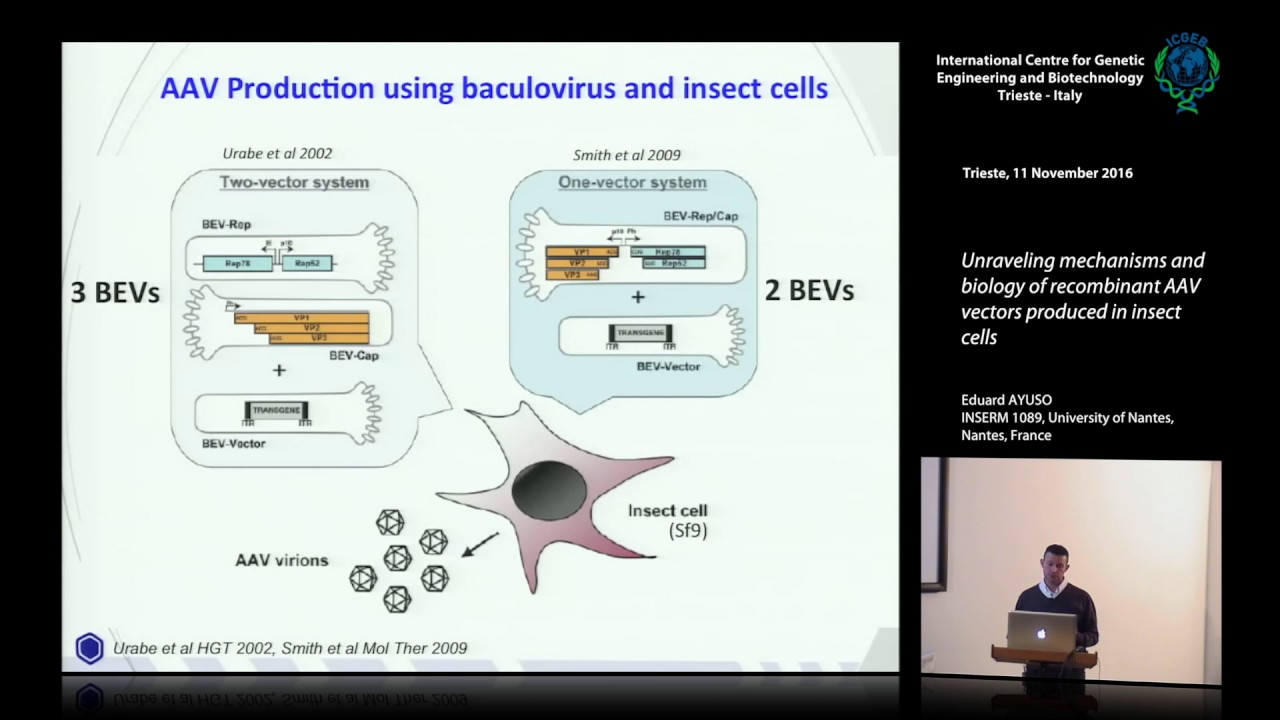









Adeno-associated virus (AAV) is a small, non-pathogenic viral vector ideal for gene therapy due to its ability to infect both dividing and quiescent cells, its low immunogenicity, and its capacity for long-term gene expression; AAV achieves this through a 4.7 kb single-stranded DNA genome that integrates into human chromosome 19 during latency and relies on helper adenovirus for productive replication, with different serotypes (such as AAV2, AAV1, AAV5, AAV8) exhibiting natural tropism toward specific tissue types including skeletal muscle, neurons, hepatocytes, and vascular endothelial cells.
Adeno-Associated Virus (AAV) Introduction & Gene Therapy Applications
Added:Understanding the Central Dogma of Molecular Biology, specifically how DNA is transcribed to RNA and translated into functional proteins.
Basic principles of virology, including viral structures (capsid and genome) and the mechanisms of viral infection and replication.
The core concepts of gene therapy, including gene addition, gene silencing, and the role of vectors in genetic delivery.
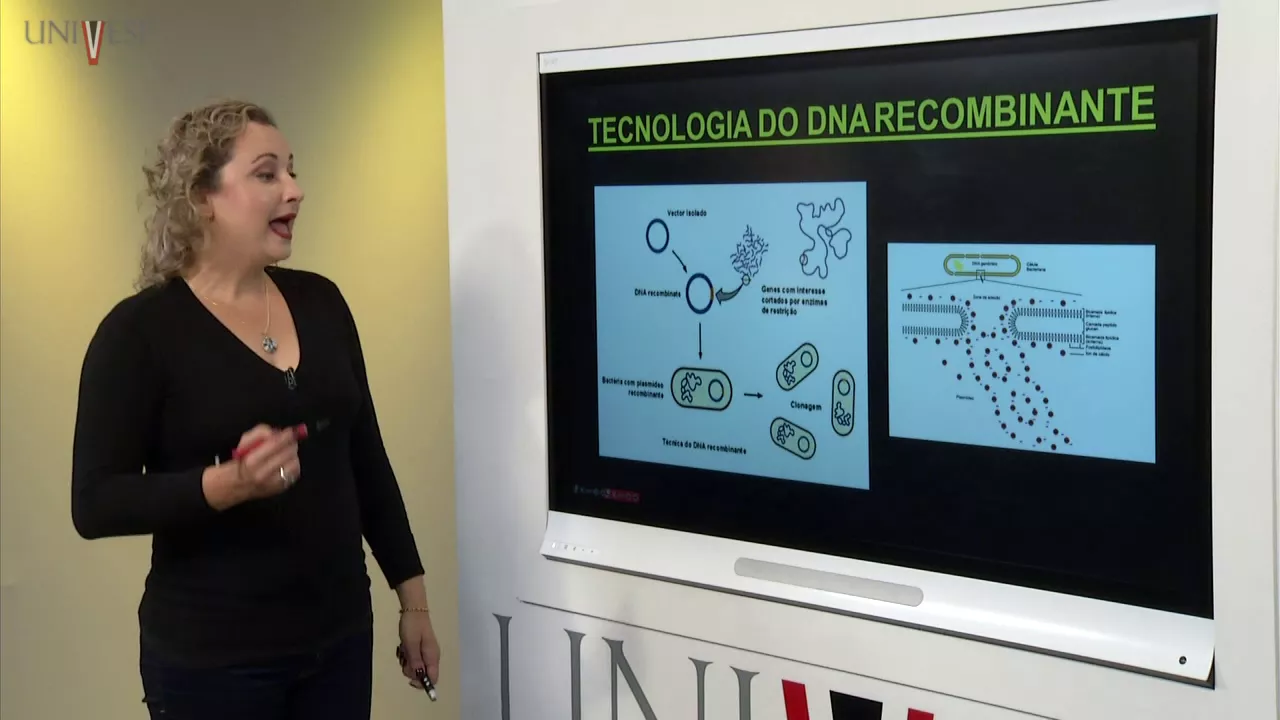
An introduction to recombinant DNA technology and molecular cloning techniques used to modify genetic material.
AAV capsid engineering and directed evolution to enhance tissue-specific targeting (tropism) and reduce off-target delivery.
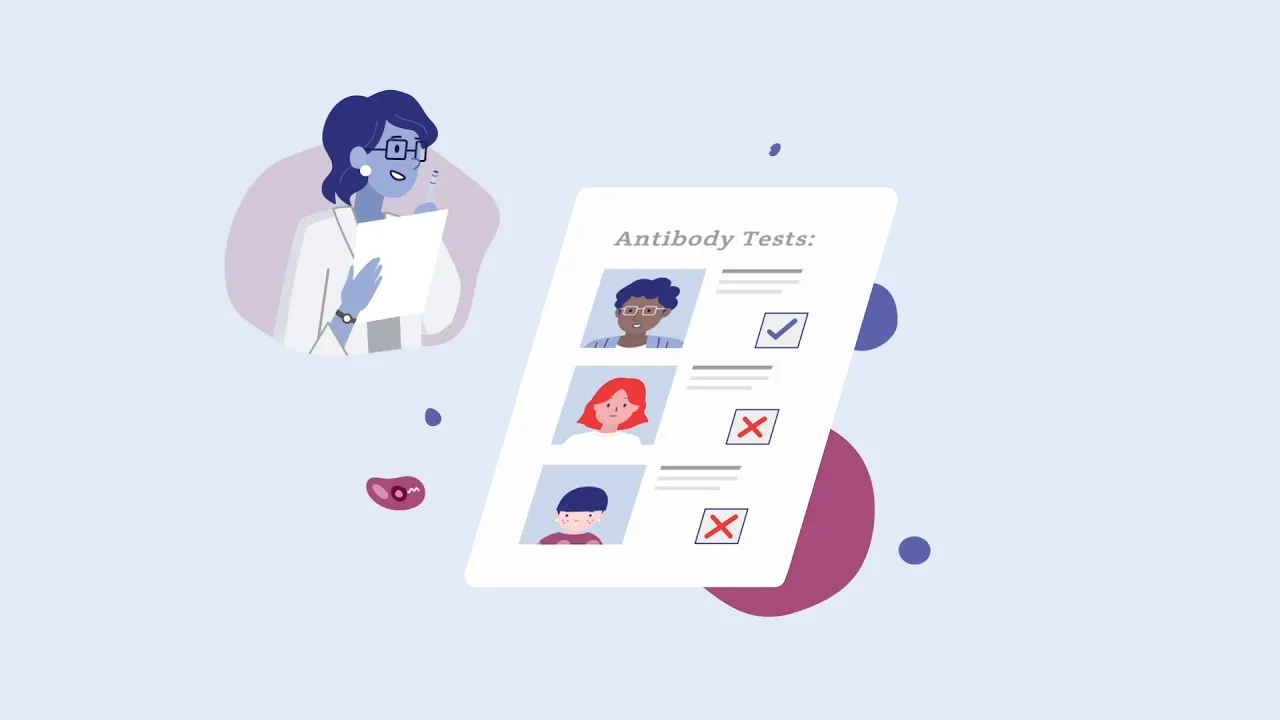
The immunological barriers to AAV gene therapy, including pre-existing neutralizing antibodies and host immune responses to viral capsids.
Bioprocess engineering and industrial scale-up challenges for manufacturing high-titer, clinical-grade AAV vectors.
Case studies of regulatory-approved AAV-based therapies (such as Luxturna and Zolgensma) to evaluate clinical efficacy and safety profiles.
116.7K views949likes6:59Original Release: 2015-03-16
Since it’s discovery adeno-associated virus has helped move science and research forward due to it’s excellence as a gene delivery system.
This small virus has revolutionized the usage of viral vectors for gene therapy and transgenic expression with its many features that make it a suitable candidate for these tasks.
Although it's usage as a viral vector is still relatively new compared to other tried methods, AAV features many significant advantages that other vectors lack.
Adeno-Associated virus possesses a variety of features that make it a truly remarkable gene delivery system.
AAV has a linear single strand DNA genome of approximately 4.7 kb in length, with two 145 nucleotide - long inverted terminal repeats.
The AAV genome does not encode a polymerase and instead relies on cellular polymerases for its replication.
It's entire genome only encodes viral replication and capsid genes.
These two genes encode all non-structural and structural proteins, for replication regulation and capsid structure respectively.
The capsid proteins of the AAV assemble into a near-spherical protein shell of 60 subunits AAV was first discovered in 1965 as a contaminant of adenovirus (Ad) preparations, which is subsequently how it got its name.
At a size of approximately 22 nm, the AAV is one of the smallest non-enveloped capsid viruses discovered.
AAV is also exceptional for its very low pathogenicity in comparison to its near universal distribution in human populations.
This virtually non-existent pathogenicity of AAV can be attributed to its inability to replicate on its own - it requires a co-infector to be able to replicate and cause a productive infection in the body.
Even then at worst the adeno-associated virus causes a very mild immune response - making it a great candidate for gene therapy due to the low damage it can potentially cause.
When AAV infects a human cell alone, it's gene expression program is auto-repressed and latency is ensued by integration of the virus into a 2kb region of human chromosome 19 called AAVS1.
This allows the virus to stay in a lysogenic or "dormant" state in the cell or infected tissue until a helper virus such as adenovirus is brought into the infected cells.
Once a helper virus is introduced AAV can enter a lytic cycle and replicate along with the adenovirus.
E1a, E1b55k, E2a, E4orf6 and Viral Associated genes from the adenovirus are the known “helper” genes required for AAV replication.
Although almost all AAV serotypes can easily infect almost every kind of cell in the body, AAV is unique from other viral vectors due to it's natural tropism toward specific cell types in the body.
Tropism in the case of AAV means it's natural preference to infect and thrive in specific tissue types, and this specificity is determined by the capsid serotype.
AAV serotype 2 has been the most extensively studied and presents a natural tropism toward skeletal muscles, neurons, vascular smooth muscle cells, and hepatocytes.
Other AAV serotypes have been studied as well, and found themselves to be excellent gene vectors for various other tissue types in the body including: AAV1 has been found to excel in gene delivery to vascular-endothelial cells, as well as the retina, heart and lung.
AAV5 also exhibits a tropism toward vascular endothelial cells but more importantly is efficient in transducing astrocytes.
AAV6 has been found to be excellent in transducing airway epithelial cells, as well as hepatocytes.
AAV7 is has been found to be excellent in transducing murine smooth muscle cells, just like AAV1 and AAV5.
AAV8 and AAV3 both show a natural tropism toward hepatocytes and are excellent in transducing them.
AAV4 has shown tropism toward both kidney and heart cells.
Serotypes 1 through 9 are available at abm and can be ordered for lab use.
As was mentioned before, Adeno-Associated Virus is a very promising viral vector, and an important candidate for highly efficient gene editing.
The advantages to using adeno-associated virus over other viral vectors is: AAV infects both dividing and quiescent cells, which allows genetic material to be delivered to a highly diverse range of cell types.
Modern day AAV can persist in cells in an extra-chromosomal form making it an attractive tool for gene therapy.
AAV can cause long term expression in non-dividing cells, as AAV is not diluted until a host cell divides.
AAV has negligible pathogenecity and induces very mild immune response.
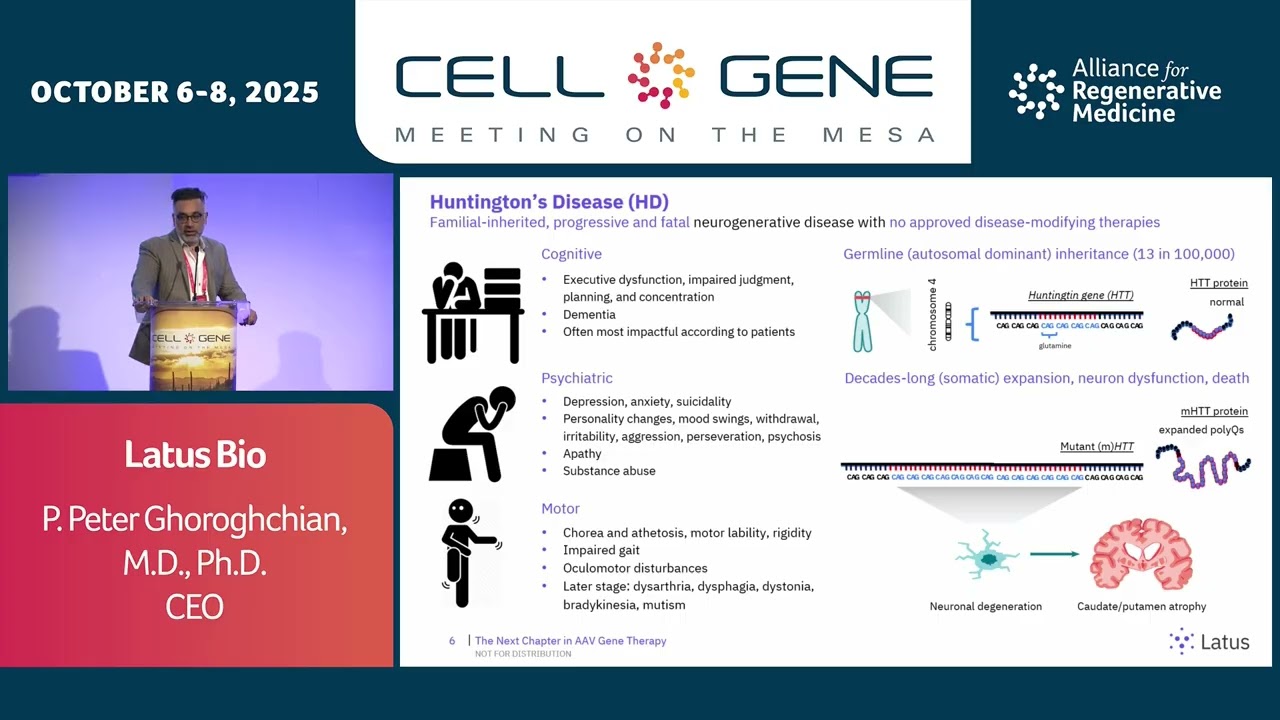
AAV vectors have been used in over 117 clinical trials worldwide to date, including a number of promising results in trials for Leber's Congenital Amaurosis, Hemophilia, congestive heart failure, lipoprotein lipase deficiency, and Parkinson's disease Although it does present many advantages, use of the virus is not without some disadvantages.
It's major drawback is its very small genome size; in comparison to Adenovirus AAV is 5 to 10x smaller in size.
This greatly restricts the size of the gene that can be inserted into an AAV viral vector, as the transgene itself can only be less that 4.5 kb in length.
abm offers a wide range of AAV products, and services which can meet a broad range of experimental requirements.
Abm offers libraries of open reading frame (ORF) in human, mouse and rat genes, with over 30,000 individual ORF products, which are available in both AAV viral vector or as packaged virus.
abm also offers siRNA and microRNA for gene knowckdown appliactions.
These products are also available in both packaged viruses or AAV viral vectors.
Our AAV products come with a wide range of customization options: (1) promoters including CMV, PGK, EF1a. (2) reporter choice including luciferase or GFP, (3) AAV 1-11 serotype options, and (4) custom AAV titrations.
In addition abm can also perform AAV custom services, which include Custom AAV cloning, and packaging services.
abm also offers a Custom AAV Titration - qPCR Assay, which include master mixes, reagent mixes and all other necessary components to perform AAV titration analysis.
Up Next
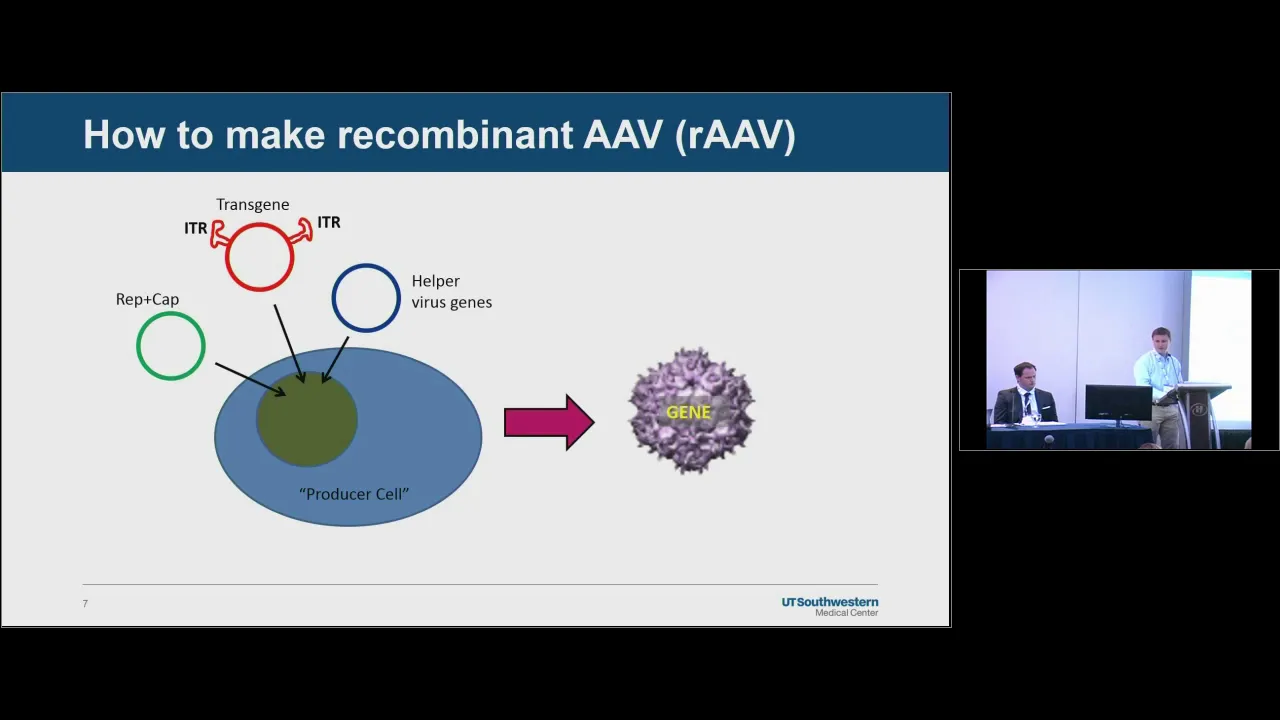
30:01
AAV Gene Therapy: Viral Vectors, Capsid Design & Clinical Applications
@ASGCT
80K views•2019-11-27
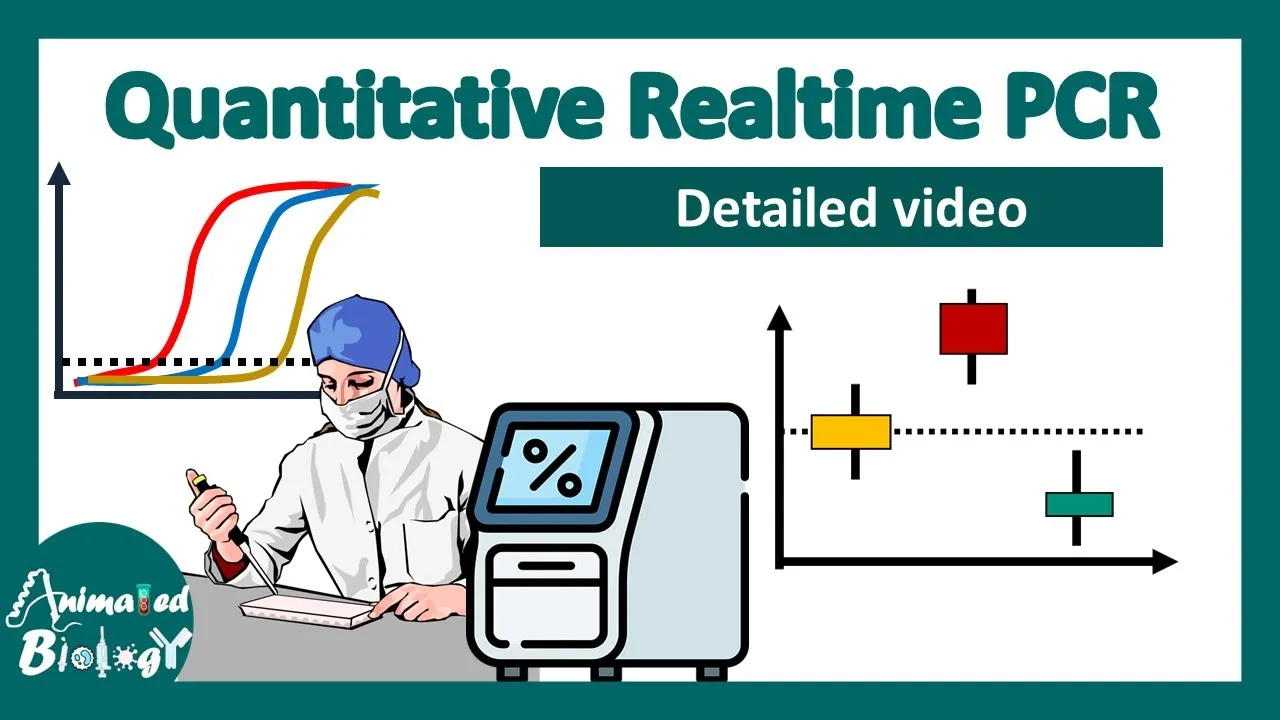
14:12
Quantitative Real-Time PCR (qPCR): Principle, Method & Data Analysis
@animatedbiologywitharpan
129.2K views•2023-09-06

40:23
Viral Vector Design, Packaging & Optimization Webinar
@abmgood
15.7K views•2019-06-19
16:04
CRISPR and Genetic Engineering: How Gene Editing Works and Why It Matters
@kurzgesagt
30.5M views•2016-08-10
Related Study Plans & Knowledge Roadmaps
Structured learning paths in Biotechnology
biotechnology
AAV Production: Transfection, Prep & qPCR
01Introduction to Gene Therapy and AAV Biology
02Mammalian Cell Culture: Suspension HEK293 Cells
03Upstream Bioprocessing: Triple-Transfection Optimization
+ 2 more learning modules
18h5 modules
Explore Roadmap
biotechnology
Building Gut-on-a-Chip: PDMS, Cells & TEER
01Foundations of Microfluidics and Gut Anatomy
02Cleanroom Fabrication & PDMS Soft Lithography
03Epithelial Cell Culture and On-Chip Seeding
+ 2 more learning modules
26h5 modules
Explore Roadmap
biotechnology
Optimizing CFPS: E. coli Extract & Yield
01Fundamentals of Molecular Biology and Translation
02Introduction to Cell-Free Protein Synthesis (CFPS)
03Preparing E. coli Crude Lysate (The Extract)
+ 2 more learning modules
19h5 modules
Explore Roadmap
biotechnology
Haematococcus PBR: Design, Stress & Astaxanthin
01Biology and Life Cycle of Haematococcus pluvialis
02Bench-Scale Photobioreactor (PBR) Design and Engineering
03Culture Media Formulation and Inoculation
+ 2 more learning modules
15h5 modules
Explore Roadmap