




















AAV transfer plasmids contain essential elements including inverted terminal repeats (ITRs) that define the packaged region, a transgene positioned downstream of a promoter for expression, and optional regulatory elements like lox sites for controlled activation and WPRE/poly(A) sequences for enhanced expression; these components work together to ensure successful gene delivery and expression when the AAV vector is delivered to a host.
AAV Transfer Plasmids Explained: Viral Vector Components & Elements
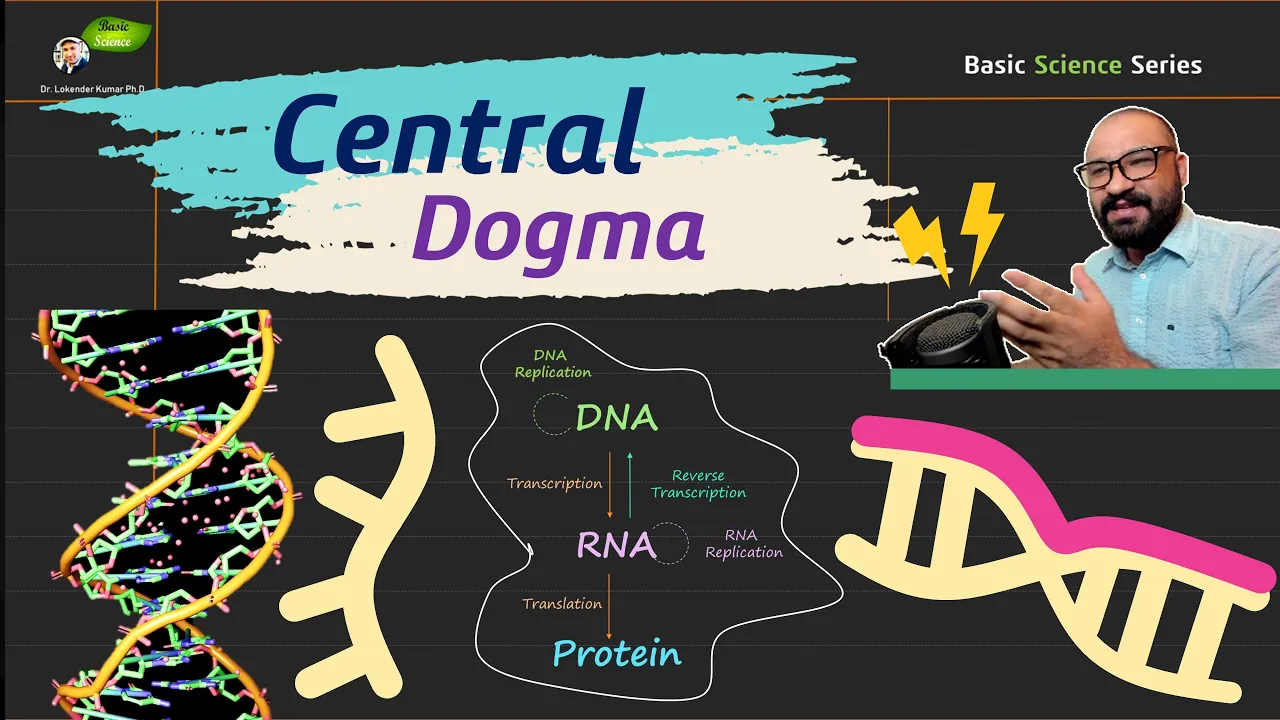
Added:Basic Molecular Biology & Central Dogma: Understanding gene expression mechanisms, including transcription (promoters) and translation.
Structure and Function of Plasmids: Knowledge of circular DNA molecules used in biotechnology, including selection markers and origins of replication.
Introduction to Adeno-Associated Virus (AAV): A basic understanding of AAV as a non-pathogenic, single-stranded DNA virus used as a vehicle in gene therapy.
Concept of Viral Vectors: Familiarity with how modified viruses are engineered to deliver genetic material into host cells.
AAV Triple Transfection Method: Learning how transfer plasmids work alongside helper and packaging plasmids (Rep/Cap) to produce functional viral particles in packaging cells (e.g., HEK293).
Promoter Selection and Tissue Specificity: Exploring how to choose or engineer specific promoters (e.g., muscle-specific, neuron-specific) to restrict transgene expression to target tissues.
AAV Capsid Engineering & Serotypes: Studying how different AAV serotypes affect cellular tropism and how capsids can be engineered to evade the host immune system.
Clinical Applications of Gene Therapy: Investigating real-world therapeutic applications, regulatory hurdles, and FDA-approved AAV-based drugs (e.g., Luxturna, Zolgensma).
39.2K views547likes4:47Original Release: 2019-10-18
[Music] the AAV vector has been developed for gene delivery both in vitro and in vivo this video will cover how to identify an AAV plasmid and understand some of its important elements in order to produce the AAV vector three plasmids are required the packaging plasmid the transfer plasmid and the helper plasmid this video covers the transfer plasmid which encodes the AAV vector genome the AAV plasmid I'll review in this video is a basic AAV control plasmid encoding GFP first question how do I even know this is an AAV plasmid by the ITRs or inverted terminal repeats AAV plasmids can be identified from other non AAV plasmids because they have two ITRs the ITRs and the region between are what gets packaged in an AAV molecule everything outside of this region is your plasmid backbone and does not make it into the AAV vector this region within the ITRs will contain several elements the most important is usually your transgene this is the gene you're studying and want to get expressed such as the fluorescent protein GFP in order for your gene of interest to be expressed in an organism it'll also need to be downstream to a promoter sequence on plasmid maps promoters can be found upstream of the genic controls promoters are specific to organisms and sometimes even tissue types using a fish synapse and promoter for example will result in expression specific to neurons in the fish using the same promoter and a mouse however will result in no expression promoters can also drive different levels of expression strong promoters like CAG will drive very high and nonspecific expression levels all AAV transfer plasmids will have a TRS and most of them have promoters now I'm going to talk about some of the elements that aren't required for a AV transfer plasmids but that you'll often see in them I'll also describe what these elements do and how they might affect the activity of the AAV vector in order to control gene activation transfer plasmids will sometimes have lock sites these are directional 34 base pair sequences that can be found flanking the transgene the trans gene is usually inverted to prevent expression lock sites are recognized by the recombinase cree transfer plasmids will usually have two pairs of lock sites this dual lock system is called flex or di o cree will first flip the sequence between the first pair and then excise the sequence between the second pair the result is a permanently flipped gene this allows researchers to control the spatial and temporal activation of genes by controlling the availability of cree while lock sites are useful for turning genes on and off other elements can contribute to how well the gene is expressed these are typically used to enhance the expression of a gene and are called sis regulatory elements I'll describe the wpr e and the poly a sequence which are two examples of Syst regulatory sequences commonly found in a AV transfer plasmids both of these elements usually appear at the end of the AAV genome just upstream of the final ITR the WP re element helps the transcribed RNA form a tertiary structure and aims a nuclear export the poly a sequence creates a tail of adenosine nucleotides on the mRNA this also aids a nuclear export once in the cytoplasm the poly a tail stabilizes RNA by protecting it from degradation the poly a tail also aids an RNA translation both the poly a and the wp are e sequences help increase the expression of your transgene this video has shown you how to identify some of the key element in an AAV transfer plasmid remember that there are many possible element combinations which will depend on the purpose of your AAV when packaged into an AAV and delivered to a host each element will contribute to the successful and specific expression of your gene of interest [Music]
Up Next
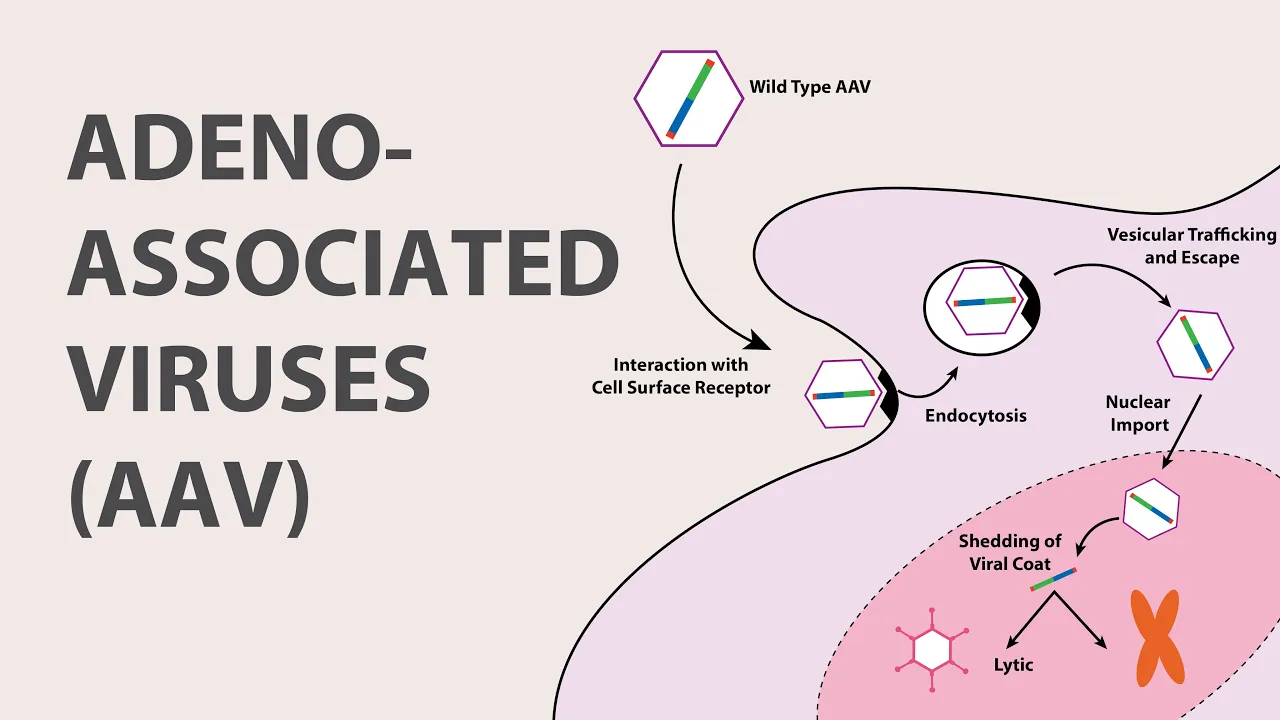
6:59
Adeno-Associated Virus (AAV) Introduction & Gene Therapy Applications
@abmgood
116.7K views•2015-03-16
14:12
Quantitative Real-Time PCR (qPCR): Principle, Method & Data Analysis
@animatedbiologywitharpan
129.2K views•2023-09-06

4:44
How to Design PCR Primers: Expert Tips & Guidelines | Addgene Protocols
@addgene
356.1K views•2020-07-30
16:04
CRISPR and Genetic Engineering: How Gene Editing Works and Why It Matters
@kurzgesagt
30.5M views•2016-08-10
Related Study Plans & Knowledge Roadmaps
Structured learning paths in Biotechnology
biotechnology
AAV Production: Transfection, Prep & qPCR
01Introduction to Gene Therapy and AAV Biology
02Mammalian Cell Culture: Suspension HEK293 Cells
03Upstream Bioprocessing: Triple-Transfection Optimization
+ 2 more learning modules
18h5 modules
Explore Roadmap
biotechnology
Building Gut-on-a-Chip: PDMS, Cells & TEER
01Foundations of Microfluidics and Gut Anatomy
02Cleanroom Fabrication & PDMS Soft Lithography
03Epithelial Cell Culture and On-Chip Seeding
+ 2 more learning modules
26h5 modules
Explore Roadmap
biotechnology
Optimizing CFPS: E. coli Extract & Yield
01Fundamentals of Molecular Biology and Translation
02Introduction to Cell-Free Protein Synthesis (CFPS)
03Preparing E. coli Crude Lysate (The Extract)
+ 2 more learning modules
19h5 modules
Explore Roadmap
biotechnology
Haematococcus PBR: Design, Stress & Astaxanthin
01Biology and Life Cycle of Haematococcus pluvialis
02Bench-Scale Photobioreactor (PBR) Design and Engineering
03Culture Media Formulation and Inoculation
+ 2 more learning modules
15h5 modules
Explore Roadmap