Hyperaccumulator plants can absorb and store extraordinarily high concentrations of heavy metals (up to 50,000 times normal levels) without suffering toxic effects, using specialized proteins to actively transport metals into leaf cells where they are safely compartmentalized; this unique ability enables phytomining applications where these plants are cultivated in metal-contaminated soils to extract valuable metals profitably while simultaneously remediating polluted land.
How Metal-Hoarding Plants Extract Nickel from Soil
Added:Deep Dive
Basic plant physiology, specifically how roots absorb water and essential minerals from the soil through the xylem.

Absorción y transporte de agua y sales minerales desde la raíz hasta el xilema.
1.4K
Plants absorb water and dissolved minerals from the soil through specialized root hairs (pelos absorbentes) located in the root's proliferation zone, which increase surface area for absorption; these nutrients then travel through root tissues via two pathways—apoplastic (through cell walls) and symplastic (through cytoplasm)—before reaching the xylem, where they are transported upward to the leaves through the cohesion-tension theory, driven by transpiration that creates suction force pulling water upward against gravity.
Click to watch →

الأنسجة النباتية ج2 || الأحياء || الصف التاسع || أ. أنس النجار
9.9K
Roots absorb water and minerals from soil through root hairs. Inside roots, vascular tissues transport water upward through xylem vessels. The xylem consists of dead, hollow cells connected end-to-end with perforated end walls that allow water to flow freely. This system enables plants to draw water from the soil and distribute it throughout the plant body.
Click to watch →

Introduction of Transport I Chapter 14 Biology I F.Sc First Year Lec#01
20.6K
Roots are the primary organs for water and mineral absorption in plants. The root structure consists of multiple layers: epidermis (outermost layer where absorption occurs), cortex (middle layer), and endodermis (innermost layer that controls movement). Water and minerals are absorbed through epidermal cells and then move through the cortex to the endodermis, finally entering xylem vessels for transport throughout the plant. Xylem is the vascular tissue responsible for transporting water and minerals from roots to all parts of the plant. Roots serve three main functions: anchoring the plant in soil, storage of food and nutrients, and absorption of water and minerals.
Click to watch →

Mécanisme d'absorption de l'eau et des sels minéraux au niveau des racines (شرح بالداريجة) svt 1BAC
81.8K
Plants absorb water and mineral salts through specialized root hair cells located in the root's epidermis; these root hairs dramatically increase the absorption surface area (approximately 400 m² per plant), allowing water and minerals to enter through both apoplastic and symplastic pathways before being transported upward through the xylem via root pressure and transpiration pull.
Click to watch →

Penyerapan air dan nutrisi
577
Plants absorb water and minerals from soil through root systems (taproot in dicots/gymnosperms, fibrous in monocots). Root anatomy includes epidermis with root hairs, cortex, endodermis, and central cylinder with xylem and phloem. Water enters via osmosis through two pathways: apoplastic (cell walls) and symplastic (cytoplasm), with endodermis Casparian strip ensuring selective absorption. Minerals enter via active transport using energy from root respiration. Water and dissolved nutrients reach xylem and are transported upward through stem to leaves via three forces: root pressure, cohesion-adhesion, and transpiration suction. Water moves along water potential gradient from soil to atmosphere. In leaves, xylem distributes water to mesophyll for photosynthesis, with most water released through stomata via transpiration, creating negative pressure that maintains continuous water flow throughout the plant.
Click to watch →
Deep Dive
The chemical properties of heavy metals (such as nickel) and why they are typically toxic to cellular life.

What Are Heavy Metals And Why Are They Toxic? - Biology For Everyone
122
Heavy metal toxicity leads to several harmful effects on cells including oxidative stress, DNA damage, and organ dysfunction. The chemical properties of heavy metals contribute significantly to their toxicity, as many can exist in different oxidation states that allow them to participate in reactions creating harmful reactive oxygen species. Additionally, some heavy metals can mimic essential nutrients, tricking cells into allowing their entry, which increases their harmful effects on the body.
Click to watch →

Toxicology of heavy metals
137
Heavy metals affect cellular organelles including cell membranes, mitochondria, lysosomes, endoplasmic reticulum, nuclei, and detoxification enzymes. They interact with DNA and nuclear proteins causing DNA damage and conformational changes leading to cell cycle modulation, carcinogenesis, or apoptosis. A major toxic mechanism involves enzyme inhibition or activation through interaction with sulfhydryl groups or displacement of essential cofactors (e.g., lead displacing zinc in ALAD enzyme). Carcinogenic metals include arsenic, certain chromium compounds, nickel, beryllium, cadmium, and cisplatin, acting through DNA interaction. Organs commonly targeted include kidneys (main excretory organ), nervous system (organic compounds cross blood-brain barrier), respiratory system (occupational dust exposure), and reproductive system (testicular injury from cadmium).
Click to watch →

Toxicidade Heavy Metal - Como Detox Metais Pesados Parte 1
1.5K
Heavy metals like mercury, lead, aluminum, nickel, arsenic, cadmium, and uranium accumulate in body tissues over time, causing various health problems including neurological damage, cognitive decline, and organ dysfunction; these metals become toxic because they mimic essential minerals at the cellular level, with the body mistakenly assimilating them as nutrients rather than recognizing them as poisons, making detoxification challenging once they enter the body.
Click to watch →

I Ate Gold To Prove a Point
16.1K
A metal's toxicity depends fundamentally on its chemical properties and reactivity. Inert metals like gold pass through the body without reaction, making them safe. Reactive metals like lead and mercury interfere with biological processes—lead mimics calcium disrupting neural signaling, while organic mercury penetrates tissues rapidly. These examples demonstrate how atomic structure and chemical behavior determine whether a heavy metal sustains life or causes death.
Click to watch →

Instruct-ERIC webinar series: structure meets function - Webinar #17 Instruct Italy
330
Nickel compounds enter cells using mechanisms similar to other metal ions such as calcium or iron. In the cytoplasm, nickel can bind to other proteins in non-physiological ways by substituting other metal ions in active sites. Nickel can also enter the nucleus and cause epigenetic damage by interacting with histone methyltransferases, impairing gene transcription. One of nickel's most peculiar effects is inducing a hypoxia response, which normally occurs when cells feel oxygen is not present.
Click to watch →
Deep Dive
The concept of cellular transport and vacuolar sequestration, which organisms use to isolate toxic substances.

Audiobook: Apologia Exploring Creation with Biology, 2nd edition, Module 6, Part 2
579
Plant cells contain large central vacuoles filled with solute-rich solutions that draw water in by osmosis, creating turgor pressure that maintains plant rigidity. Wilting occurs when water loss reduces this pressure. Waste vacuoles contain non-toxic waste products, while toxic waste is handled by smooth ER. Phagocytosis allows cells to engulf large foreign substances, forming food vacuoles for digestion. White blood cells use this process to destroy bacteria. Pinocytosis absorbs smaller molecules by forming membrane pockets. Secretion vesicles transport processed materials to the plasma membrane for release.
Click to watch →
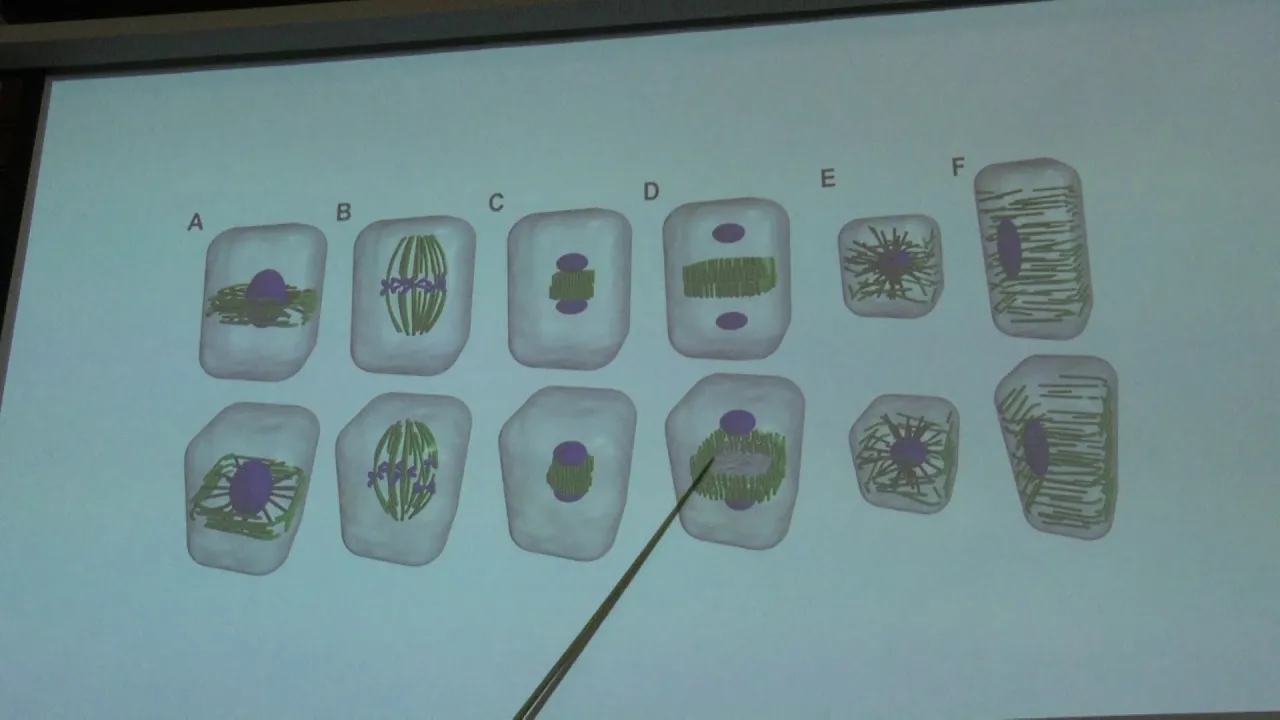
Тимонин А. К. - Высшие растения - 2. Общее устройство растительной клетки
10.1K
Plants produce various defensive chemicals that can be toxic to herbivores. To protect themselves, plants sequester these compounds in vacuoles, isolating them from the cytoplasm where they could damage the plant's own cells. This compartmentalization allows plants to produce defensive chemicals without self-harm, representing an important evolutionary adaptation.
Click to watch →

2 MECANISMOS DE TOXICIDAD
213
Toxic substances must cross cellular membranes to enter cells, and they can do so through several mechanisms: (1) Passive diffusion - movement from higher to lower concentration without energy expenditure (simple diffusion); (2) Facilitated diffusion - movement from higher to lower concentration with the help of carrier proteins (e.g., glucose, water); (3) Active transport - movement from lower to higher concentration requiring energy expenditure; (4) Endocytosis/exocytosis - bulk transport of substances into or out of cells; (5) Specialized transporters; (6) Circulatory and lymphatic transport. These mechanisms determine how efficiently toxic substances can reach their target sites within cells.
Click to watch →

Jiping Liu: Seeking ... tools for increasing crop plants' resistance to low pH & heavy metal stress
213
For non-accumulating plants, zinc targets above-ground leaf tissues causing chlorosis and reduced photosynthesis. Internal tolerance mechanisms include keeping zinc in roots and sequestering it in vacuoles of root or leaf cells, or in trichomes. TIP2;2, a tonoplast-localized aquaporin, mediates zinc sequestration to vacuoles. Mutant analysis confirmed TIP2;2 is essential for zinc resistance, demonstrating how vacuolar compartmentalization prevents metal toxicity.
Click to watch →
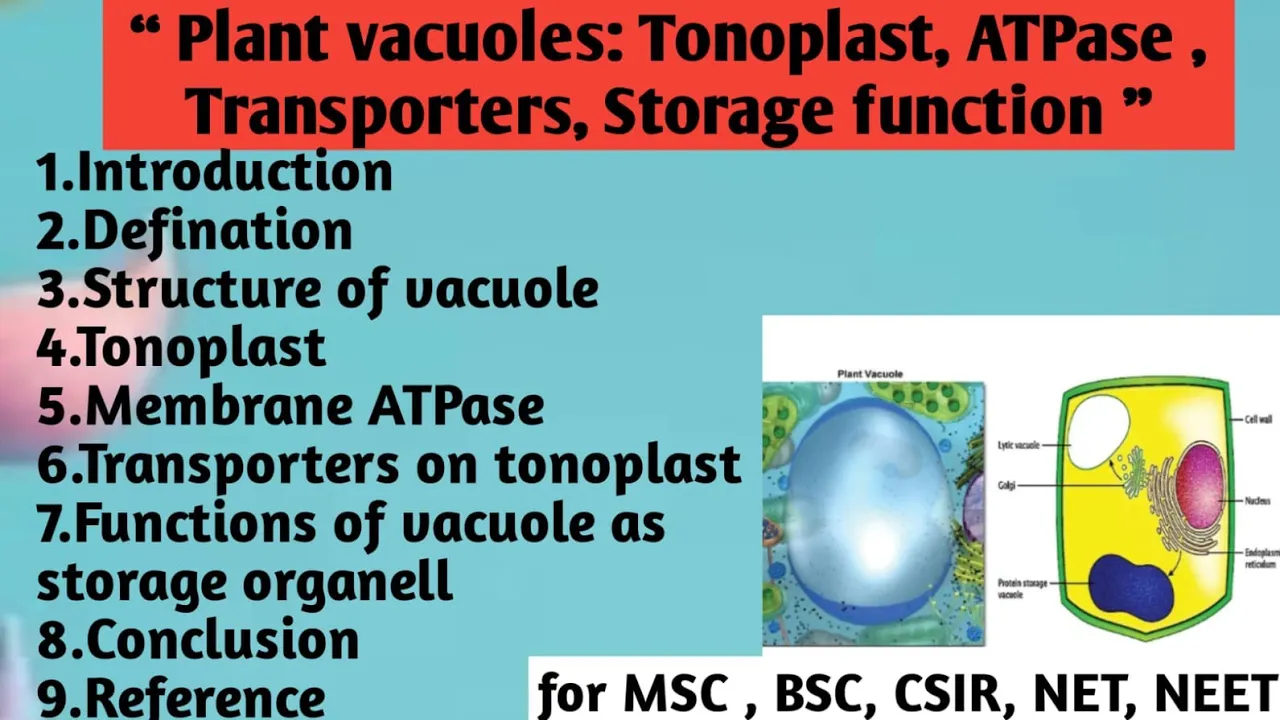
Plant vacuoles | Tonoplast | ATPase | Transporters | Storage function | Structure | Function
997
ABC transporters on the tonoplast collect pigments and toxic substances into vacuoles, which helps in cell detoxification. This protective mechanism stores harmful materials away from the cytoplasm, preventing damage to cellular machinery and maintaining cellular health.
Click to watch →
Deep Dive
An introduction to soil chemistry, including how soil pH and cation exchange capacity affect metal solubility.

E.12.3 Discuss the effects of soil pH on cation-exchange capacity and availability of nutrients.
33.3K
Soil pH significantly influences both cation exchange capacity and nutrient availability: at low pH (acidic soils), hydrogen ions displace essential cations like Mg²⁺ from soil particles, reducing CEC and leaching nutrients; at high pH (alkaline soils), hydroxide ions increase negative charge on clay surfaces, increasing CEC but causing precipitation of nutrients like Al³⁺, Fe³⁺, Ca²⁺, and Mg²⁺ as insoluble hydroxides or phosphates, while phosphate is most available in weakly acidic conditions and copper/zinc are only available at intermediate pH levels.
Click to watch →

El pH y la Capacidad de Intercambio Cationico (CIC) del suelos
2K
Soil pH is defined as the negative logarithm of hydrogen ion activity in soil solution, measured on a scale from 0-14 where 7 is neutral, with values below 7 indicating acidity and above 7 indicating alkalinity. The Cation Exchange Capacity (CEC) represents the soil's ability to hold and exchange cations, primarily determined by clay minerals (such as smectite, illite, and kaolinite) and organic matter. CEC has two sources: permanent charge from isomorphous substitution (where Al³⁺ replaces Si⁴⁺ in mineral structures) and pH-dependent charge from ionization of functional groups on organic matter and clay surfaces. The relationship between pH and CEC is crucial for understanding nutrient availability, as pH affects the ionization state of functional groups and the solubility of nutrients like phosphorus, which is most available between pH 6.0-7.0.
Click to watch →

Comportamento químico do solo: pH, PCZ, calcário e muito mais! #12 #manejodescomplicado
3.1K
Soil pH directly affects Cation Exchange Capacity (CTC) because soil minerals have permanent negative charges (from 2:1 clays) and pH-dependent negative charges (from 1:1 clays and organic matter); increasing pH through liming displaces hydrogen ions from mineral surfaces, creating new negative charge sites that attract and retain cations like calcium, magnesium, and potassium, thereby improving nutrient availability for plants.
Click to watch →
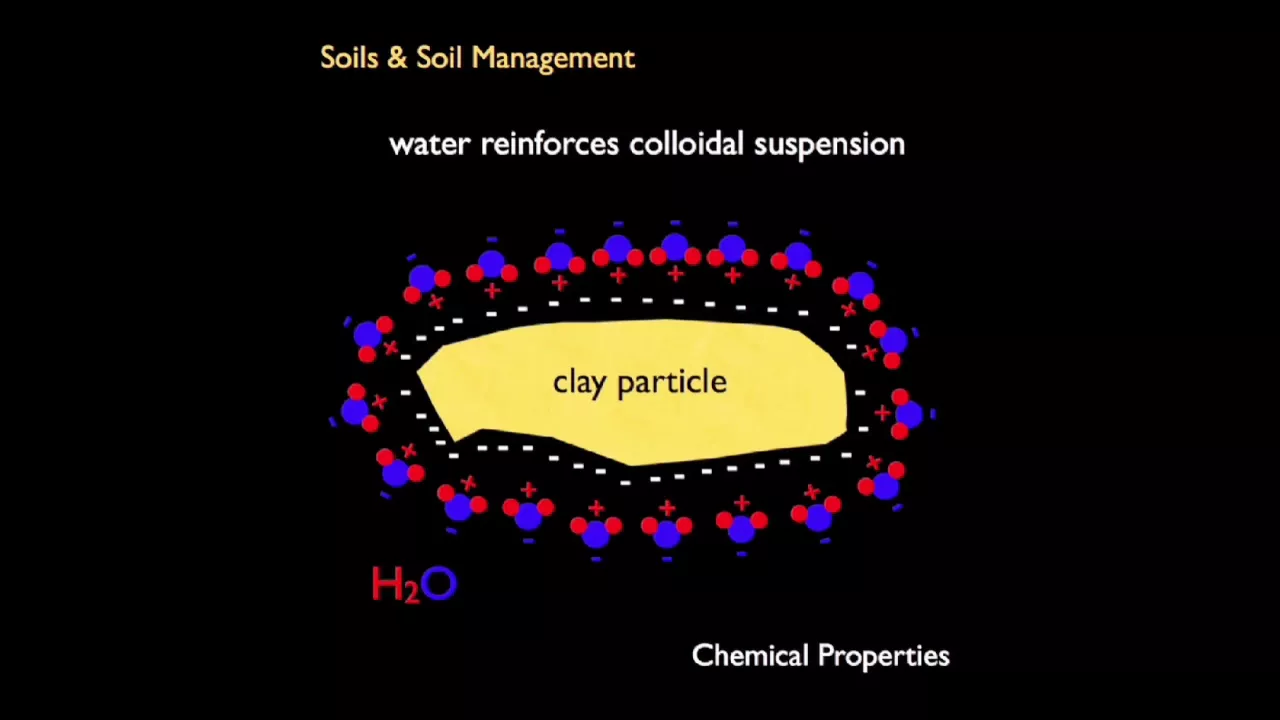
Soil Chemistry P1
39K
Soil chemistry is essential for plant growth as it determines nutrient availability through cation exchange capacity (CEC), where negatively charged soil colloids (clay and humus particles) hold positively charged nutrient ions (cations) like potassium, calcium, and magnesium, acting as a 'bank account' for plants; the pH of soil solution (ranging from 3.5 to 8.5) significantly affects nutrient availability, with most plants thriving between pH 6.5-6.8, where macronutrients and micronutrients are optimally available, while extreme pH values reduce availability of specific nutrients such as nitrogen, phosphorus, and iron.
Click to watch →

Travis Williams Tap Root Canna
717
This segment covers the scientific testing of soil for growing success. Travis explains the physical test (sand, silt, and clay percentages) sent to Logan Labs, which involves running soil through different sieves. He discusses pH (ideal 7.0-7.4), calcium (70-75), magnesium (15-20), and potassium (5-10). Cation Exchange Capacity (CEC) measures the soil's ability to hold and release nutrients, with 3-4 being excellent and 8 being off the charts. He explains that gypsum helps lower pH and provides calcium, which can displace magnesium and help balance soil chemistry. The A horizon acts as a nutrient bank with high CEC due to its clay content. He explains that plants use the periodic table to determine which elements to absorb, so if beneficial elements like molybdenum are missing, plants may absorb harmful elements instead.
Click to watch →
Prerequisite Knowledge
- Concept 01Basic plant physiology, specifically how roots absorb water and essential minerals from the soil through the xylem.
- Concept 02The chemical properties of heavy metals (such as nickel) and why they are typically toxic to cellular life.
- Concept 03The concept of cellular transport and vacuolar sequestration, which organisms use to isolate toxic substances.
- Concept 04An introduction to soil chemistry, including how soil pH and cation exchange capacity affect metal solubility.
Subsequent Learning
- Step 01The industrial-scale extraction process of phytomining, including how 'bio-ore' is harvested and smelted to recover pure nickel.
- Step 02Genetic engineering and biotechnology approaches to transfer hyperaccumulation genes into high-biomass, fast-growing crop plants.
- Step 03The broader field of phytoremediation, including the cleanup of organic pollutants, metalloids, and radioactive isotopes from contaminated sites.
- Step 04The ecological consequences of hyperaccumulation, such as how metal-rich plants deter herbivores and affect local food webs.
Metal Plants
Defense Clue
Metal Plants
0:00Playing Section
- 1
A shrub hoards 25% nickel in its sap, far exceeding normal plant toxicity levels.
- 2
Engineered proteins actively absorb and isolate metals to prevent lethal damage.
- 3
Plants thrive in toxic soils, aiding in land recovery and metal profit.
Ecological Risks and Operational Limitations of Phytomining
While phytomining and phytoremediation are celebrated as green, eco-friendly technologies, critics highlight significant ecological risks and operational limitations. A primary concern is the slow rate of plant growth and metal accumulation, making soil cleanup a protracted process that can take decades compared to rapid engineering solutions. There is also a major risk of trophic transfer; insects and wildlife consuming these metal-rich plants can introduce concentrated toxins into the local food web. Furthermore, managing the harvested biomass is problematic. Incinerating the plants to extract nickel can release airborne pollutants, and the resulting bio-ore ash remains a hazardous waste that requires careful containment. Finally, hyperaccumulators are often highly specialized, endemic species that struggle to survive in different climates or the highly compacted, nutrient-poor soils typical of industrial waste sites.
Deep Dive
The industrial-scale extraction process of phytomining, including how 'bio-ore' is harvested and smelted to recover pure nickel.
GCSE Chemistry Paper 2 — Last-Minute Live Revision (FREE)
323
Phytomining extracts metals using plants: (1) grow plants in soil containing metal ions, (2) plants absorb metal ions from the soil, (3) harvest and dry the plants, (4) burn the plants in a furnace, (5) the ashes contain soluble metal compounds, (6) electrolysis produces the pure metal. This method is environmentally friendly for extracting metals from low-grade ores.
Click to watch →

Recycler ne sert à rien ?? ♻️ - MB
144.8K
Two main industrial methods exist for metal extraction: hydrometallurgy (using acids to dissolve matrices and separate metals) and pyrometallurgy (high-temperature processing above 1000°C). Biohydrometallurgy uses microorganisms to solubilize metals from low-concentration ores, as demonstrated in Chile's Escondida copper mine. Phytomining uses hyperaccumulator plants that extract metals from soil and concentrate them in aerial parts (up to 1% by mass). These plants secrete organic acids to solubilize metals. About 20 plant species on Earth can hyperaccumulate rare earth elements, offering potential for sustainable metal extraction from waste materials.
Click to watch →
Fundamental operation in mineral processing L 4
138
Phytomining uses specific plants to absorb metals from soil or water. Plants accumulate particular metals in tissues, then are harvested and processed using metallurgy to recover concentrated metals. This biological approach offers sustainable recovery from contaminated sites or low-grade deposits, representing an emerging green technology for metal extraction.
Click to watch →

Este Gusano Parece Corriente Hasta Que De Allá Sale El "Segundo”
527.8K
Hyperaccumulating plants offer sustainable solutions for metal recovery. The process involves cultivating these plants in contaminated soils, periodically harvesting biomass, drying and burning it to produce ash containing 10-20% nickel concentration. This ash can be sent directly to smelters or hydrometallurgical facilities for metal extraction. This phytomining approach offers environmentally friendly alternatives to traditional mining operations.
Click to watch →
Нікель… з квітів: як видобувають метали з рослин | DW Ukrainian
77.5K
Phyto-mining uses hyperaccumulator plants to extract valuable metals from contaminated soil, offering an alternative to traditional mining. These plants, evolved to absorb metals for defense, can accumulate nickel, zinc, and other metals in their tissues. The process involves growing plants, harvesting, drying, burning to produce ash, and chemical processing to extract pure metals. This approach produces approximately 90% fewer greenhouse gas emissions than traditional mining, avoids deforestation, and can remediate contaminated land simultaneously. However, significant challenges remain: plants produce only one or two harvests annually, soil becomes depleted after 20 years, and scaling to replace conventional production would require approximately 15 million hectares. While nickel prices have increased, achieving economic viability remains difficult. Phyto-mining is unlikely to replace traditional mining entirely but could complement it, particularly for extracting remaining metals from depleted mines while cleaning contaminated areas.
Click to watch →
Deep Dive
Genetic engineering and biotechnology approaches to transfer hyperaccumulation genes into high-biomass, fast-growing crop plants.

الهندسة الوراثية النباتية من الجينات إلى الحقول -
216
Two primary methods transfer genes into plant cells: Agrobacterium tumefaciens (effective for dicots like soybeans and cotton) and the gene gun (effective for monocots like cereals). The process involves isolating genes, using restriction enzymes to cut DNA, inserting genes into plasmids, and transferring plasmids into plant cells. Major GM crop applications include: (1) Flavr Savr tomato (1996) - first commercial GM crop with delayed ripening, (2) Golden Rice - engineered to produce beta-carotene for vitamin A deficiency, (3) Bt crops - corn and cotton with insect resistance from Bacillus thuringiensis, (4) Herbicide-resistant crops - soybeans, corn, and cotton that tolerate specific herbicides, (5) Drought-tolerant plants - using genes like DREB1 to help plants survive water stress.
Click to watch →

البـ6ــث شرح التكنولوجيا الحيوية | توجيهي 2007 علمي | الأستاذ لؤي أبو لاوي
5.9K
Genetic engineering is used to improve crop plants by introducing desirable traits: (1) Increased nutritional value (e.g., Golden Rice with enhanced vitamin A); (2) Pest resistance (e.g., Bt cotton producing its own insecticide); (3) Herbicide tolerance; (4) Environmental stress tolerance (drought, salinity). The process involves: (1) isolating the gene of interest from a donor organism, (2) inserting it into a plasmid vector, (3) introducing the plasmid into bacterial cells, (4) using bacteria to transfer the plasmid into plant cells, and (5) selecting for cells that have successfully taken up the gene.
Click to watch →
![¿Que es una planta transgénica? Dr. Carlos Muñoz - Universidad de Chile [3].](https://i.ytimg.com/vi/Z9lTsMUHOGc/sddefault.jpg)
¿Que es una planta transgénica? Dr. Carlos Muñoz - Universidad de Chile [3].
2.8K
Two primary methods transfer genes into plants: Agrobacterium tumefaciens and particle bombardment. Agrobacterium causes crown gall disease by inserting DNA into plant cells, but scientists have modified this natural mechanism to transfer desired genes without causing disease. Genetic constructs require the gene of interest, promoter, reporter gene, selection genes, and terminator sequences. Applications include: Flavr Savr tomato (1994) using antisense RNA to prevent fruit softening; RNA interference for disease resistance; herbicide resistance through PSY gene modification; virus resistance through capsid protein production; Bt proteins for insect resistance. Biofortification enhances nutrition: Golden Rice produces beta-carotene to prevent night blindness; maize was modified to increase lysine and tryptophan; canola was modified to change fatty acid composition.
Click to watch →

GOLD aus PFLANZEN ernten?
22.4K
Hyperaccumulator plants are specialized species that can absorb and store toxic heavy metals (such as arsenic, copper, and nickel) from contaminated soil. Unlike normal plants that are harmed by these substances, hyperaccumulators take up the metals and store them in their leaves, stems, and roots. This allows them to survive in environments that would be lethal to other plants, effectively transforming contaminated land into a potential resource.
Click to watch →
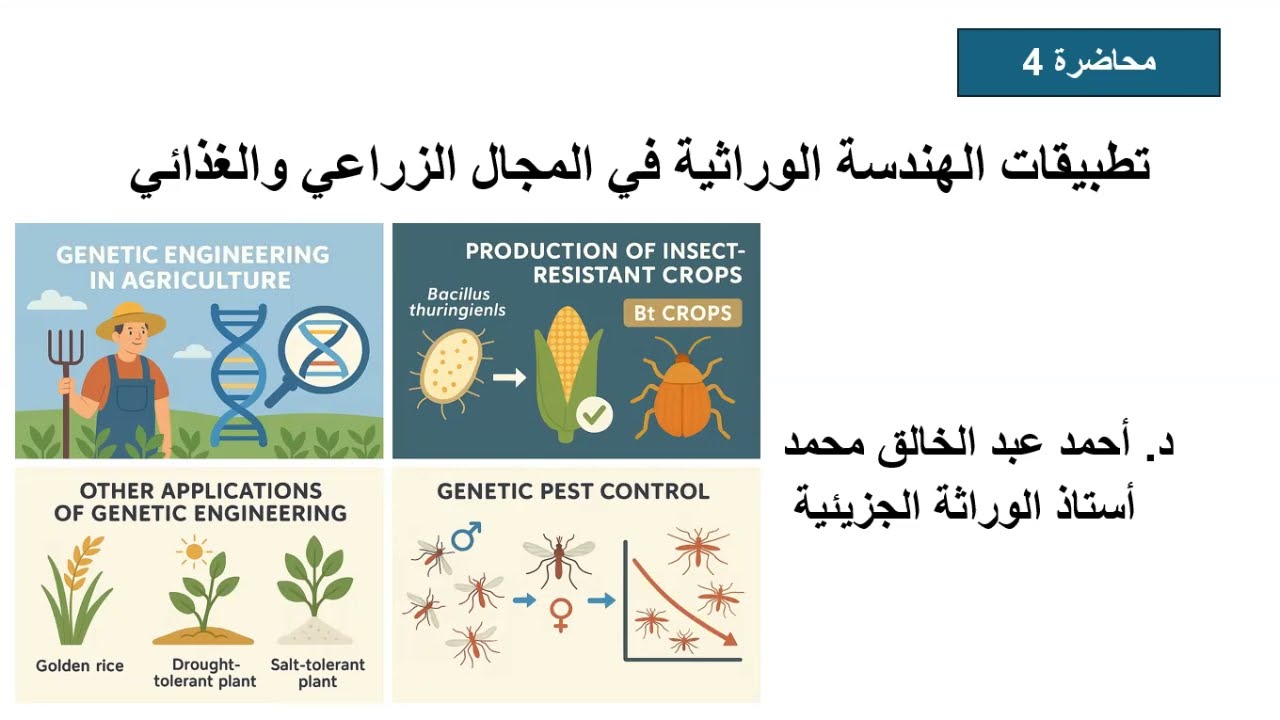
تطبيقات الهندسة الوراثية في الزراعة Applications of genetic ingineering in Agriculture
612
Scientists identified cry genes responsible for Bt toxin production and transferred them to plants using Agrobacterium-mediated transformation. Initial attempts with single genes produced proteins with reduced efficacy, revealing that multiple genes work together for full toxin activity. For herbicide resistance, Monsanto developed Roundup Ready soybeans by introducing the CP4 EPSPS gene, which confers glyphosate resistance. The transformation process involves modifying Agrobacterium's Ti plasmid to carry genes of interest, infecting plant cells, and regenerating whole plants that stably express the introduced traits.
Click to watch →
Deep Dive
The broader field of phytoremediation, including the cleanup of organic pollutants, metalloids, and radioactive isotopes from contaminated sites.

6. Metabolismo Mineral
240
Phytoremediation uses plants to clean up contaminated environments: (1) Phytoextraction: Hyperaccumulator plants absorb and concentrate metals (like nickel, cadmium, mercury) from soil into their tissues, which can then be harvested and processed; (2) Phytostabilization: Plants reduce contaminant mobility by binding pollutants in soil; (3) Phytodegradation: Plants break down organic pollutants; (4) Rhizofiltration: Aquatic plants filter contaminants from water. Examples include sunflowers for radioactive elements, Berkeley cabbage for nickel, and water hyacinths for water purification.
Click to watch →
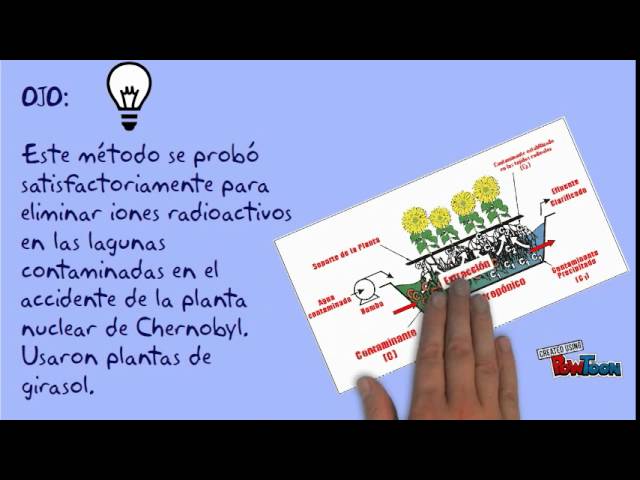
Fitorestauración Parte 1
135
Phytoremediation is an environmental technology that uses plants and microorganisms to degrade, extract, immobilize, and recover contaminated soils and materials. Proposed in 1983 by Porsche and gaining technical acceptance in 1990, it encompasses six modalities: phytoextraction (removing heavy metals and radioactive elements), rhizofiltration (hydroponic plant cultivation for contaminant removal, successfully used at Chernobyl), phyto-stimulation (microbial degradation in rhizosphere), phyto-volatilization (plant transpiration releasing modified contaminants to atmosphere), phyto-degradation (enzymatic transformation of contaminants), and phytostabilization (immobilizing contaminants through root absorption and rhizosphere precipitation). These techniques reduce contaminant mobility and prevent groundwater migration while restoring vegetation in metal-contaminated sites.
Click to watch →

Removing Forever Chemicals with Phytoremediation Stormwater Bioretention Made with Clipchamp
133
Phytoremediation can treat a wide range of contaminants including metals, agricultural nutrients (orthophosphates), radioactive particles, wastewater nutrients, organic compounds, PFAS, PCBs, PAHs (polycyclic aromatic hydrocarbons), and post-remediation residuals. Brownfield sites with contaminants above action levels but below full remediation requirements are particularly suitable for this approach.
Click to watch →
![[FUVEST 2021 2ª Fase/Q01] Após os desastres nucleares em Hiroshima, Fukushima e Chernobyl, girassóis](https://i.ytimg.com/vi_webp/t9pnHKC4VfU/maxresdefault.webp)
[FUVEST 2021 2ª Fase/Q01] Após os desastres nucleares em Hiroshima, Fukushima e Chernobyl, girassóis
994
Phytoremediation uses plants like sunflowers to absorb radioactive isotopes from contaminated soil, but the absorbed isotopes remain radioactive due to their long half-life (uranium-234 has a half-life of 240,000 years), making the harvested plants unsafe for commercial use; the optimal harvest time for maximum uranium removal is the fourth week after planting when absorption peaks at 160 mg/kg, and to reduce uranium-234 concentration from 2.4 mg/kg to 0.6 mg/kg in one tonne of soil, approximately 1,500 kg of sunflowers must be harvested at the second week.
Click to watch →

VERS UN MONDE MOINS POLLUÉ - Science En Direct 2020
9.8K
Phytoremediation uses plants to clean contaminated soil. Controlled environment growth chambers allow researchers to study plant uptake of radioactive elements like cesium-137, which plants mistake for potassium. Two main strategies exist: enhancing uptake by genetically modifying plants to accumulate radioactive elements in aerial parts for harvesting and incineration, or blocking uptake by removing transporters that allow cesium entry. The second approach was tested on rice in Fukushima fields, showing reduced cesium accumulation while maintaining yields. Alternative approaches use biomass plants like miscanthus for industrial applications rather than food crops.
Click to watch →
Deep Dive
The ecological consequences of hyperaccumulation, such as how metal-rich plants deter herbivores and affect local food webs.

Séquence 6 sujet 4.2 : La botanique en Nouvelle Calédonie
2.9K
Metal accumulation in hyperaccumulator plants may serve multiple ecological functions. One potential function is chemical defense against herbivores, as the high metal concentrations in plant tissues can make them toxic to potential predators. For an insect to feed on these plants, it would need to develop its own tolerance to high metal concentrations to avoid death. This creates a co-evolutionary relationship where both plants and herbivores must adapt to the same extreme metal-rich environment.
Click to watch →
CREAF Talks.Caroline Müller: Plant responses to global change from a chemical ecological perspective
414
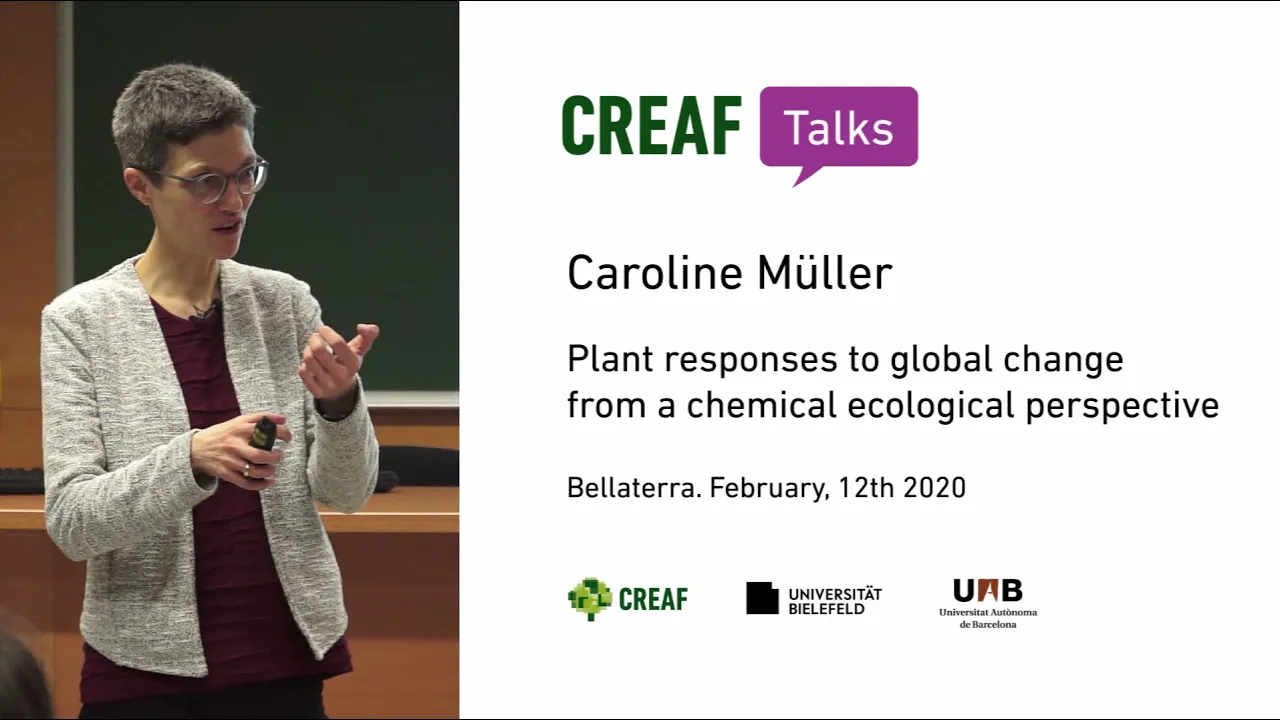
Approximately 500 plant taxa can hyperaccumulate heavy metals (zinc, cadmium) to concentrations thousands of times higher than normal plants, likely evolving rapidly in response to human mining activities. Arabidopsis halleri accumulates cadmium up to 10,000 μg/g and zinc to similar levels. These plants use elemental defense against herbivores: aphids on metal-amended soil died within five days, while those on control soil survived. Artificial diet experiments confirmed that cadmium and zinc at predicted phloem concentrations caused high aphid mortality, demonstrating direct toxic effects. Aphid feeding itself enhances metal concentrations in phloem exudates, creating feedback loops. However, metal-hyperaccumulating plants show trade-offs, investing less in secondary metabolites like camalexin (antifungal compounds), indicating resource allocation constraints between different defense pathways.
Click to watch →
Wild Ones Presents "Native Plants for Improving Soil Contamination" with Eric Fuselier
1.2K
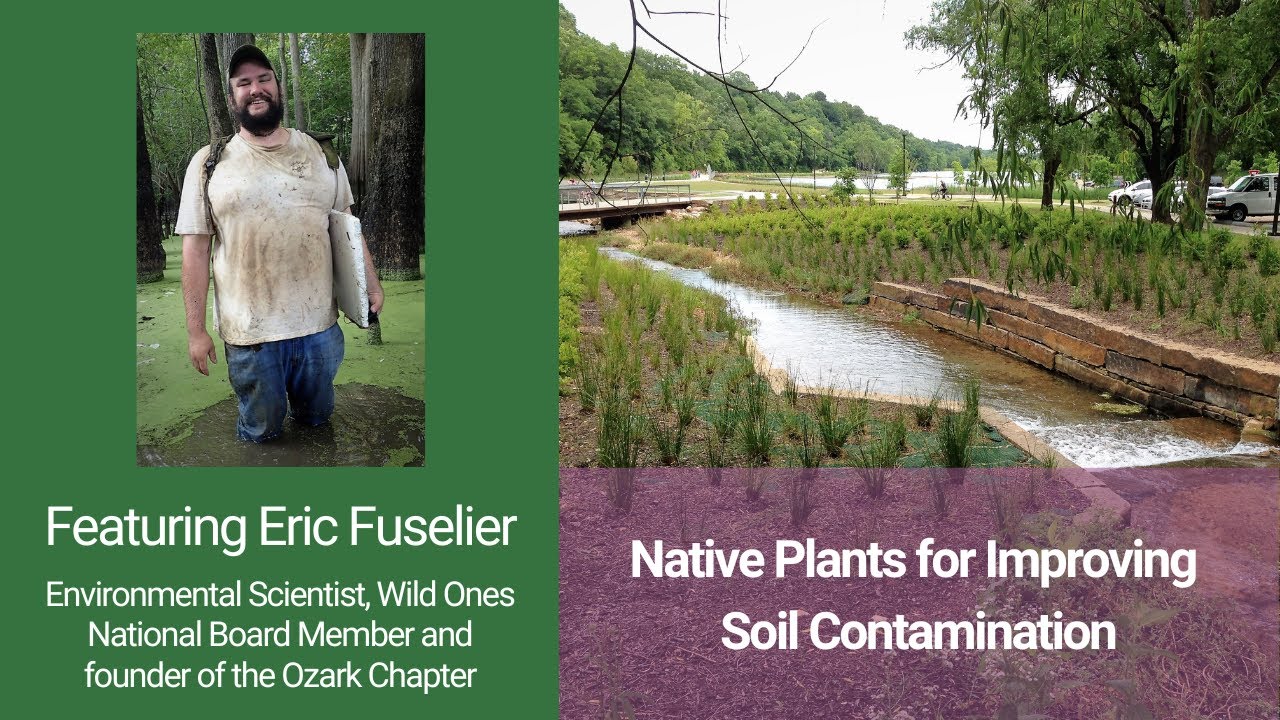
In hyperaccumulator species, heavy metals are mostly stored in the leaves, which is important for field-scale remediation projects. Because metals are concentrated in above-ground tissues, herbivory (deer and other wildlife eating the plants) can cause toxic effects on both the plants and the animals. Fencing or other exclusion methods are typically necessary to protect remediation plants from herbivores.
Click to watch →

Cal Poly Professor Dr. Nishi Rajakaruna's talk on Serpentine Soils June 11, 2022
213
Some serpentine plants hyperaccumulate metals up to 25% of dry weight (nickel threshold: ≥0.1%), with ~600 species worldwide and ~500 on serpentine soils. First documented in 1976 in New Caledonia, this phenomenon represents extreme adaptation. The elemental defense hypothesis proposes plants concentrate metals in protective tissues (epidermis, trichomes, phloem) to deter herbivores. This dual-purpose adaptation—survival on toxic soils plus predator defense—demonstrates evolutionary innovation. However, serpentine ecosystems face serious threats: atmospheric nitrogen deposition enables invasive grasses to encroach on previously inaccessible serpentine soils, threatening native endemics and dependent insects. Climate change may paradoxically benefit serpentine plants by making them more competitive on non-serpentine soils, potentially reducing true endemism.
Click to watch →

Phytoremediation | Wikipedia audio article
568
A plant is classified as a hyperaccumulator if it can concentrate pollutants at minimum percentages varying by contaminant—for example, more than 1000 mg/kg dry weight for nickel, copper, cobalt, chromium, or lead, or more than 10,000 mg/kg for zinc or manganese. This capacity results from phyto-tolerance, the result of adaptive evolution from plants to hostile environments over many generations. Metal hyperaccumulation affects various biotic interactions including protection, interference with neighboring plants of different species, mutualism involving mycorrhizae, pollen, and seed dispersal, commensalism, and biofilm formation. These interactions demonstrate how hyperaccumulators influence broader ecosystem dynamics beyond just contaminant removal.
Click to watch →
Metal Plants
Defense Clue
Metal Plants
0:00- 1
A shrub hoards 25% nickel in its sap, far exceeding normal plant toxicity levels.
- 2
Engineered proteins actively absorb and isolate metals to prevent lethal damage.
- 3
Plants thrive in toxic soils, aiding in land recovery and metal profit.
Ecological Risks and Operational Limitations of Phytomining
While phytomining and phytoremediation are celebrated as green, eco-friendly technologies, critics highlight significant ecological risks and operational limitations. A primary concern is the slow rate of plant growth and metal accumulation, making soil cleanup a protracted process that can take decades compared to rapid engineering solutions. There is also a major risk of trophic transfer; insects and wildlife consuming these metal-rich plants can introduce concentrated toxins into the local food web. Furthermore, managing the harvested biomass is problematic. Incinerating the plants to extract nickel can release airborne pollutants, and the resulting bio-ore ash remains a hazardous waste that requires careful containment. Finally, hyperaccumulators are often highly specialized, endemic species that struggle to survive in different climates or the highly compacted, nutrient-poor soils typical of industrial waste sites.
Basic plant physiology, specifically how roots absorb water and essential minerals from the soil through the xylem.
The chemical properties of heavy metals (such as nickel) and why they are typically toxic to cellular life.
The concept of cellular transport and vacuolar sequestration, which organisms use to isolate toxic substances.
An introduction to soil chemistry, including how soil pH and cation exchange capacity affect metal solubility.
The industrial-scale extraction process of phytomining, including how 'bio-ore' is harvested and smelted to recover pure nickel.
Genetic engineering and biotechnology approaches to transfer hyperaccumulation genes into high-biomass, fast-growing crop plants.
The broader field of phytoremediation, including the cleanup of organic pollutants, metalloids, and radioactive isotopes from contaminated sites.
The ecological consequences of hyperaccumulation, such as how metal-rich plants deter herbivores and affect local food webs.
1.1M views27.6Klikes2:38@MinuteEarthOriginal Release: 2020-12-21
Hi, this is Julián from MinuteEarth.
This shrub is super metal.
No, literally...it’s a rare, metal-hoarding plant whose bluish-green sap, when dried out, is 25% nickel – that’s ten times more nickel than the typical nickel-containing ore found in nickel mines!
In fact, these plants are actually planted in abandoned nickel mines to take the leftover nickel out of the soil, which keeps the toxic metals from leaching into waterways and makes the land viable for other uses like farming.
And these metal-hoarding plants are even planted in particularly nickel-rich land, then harvested and processed to extract enough metal to return a profit!
ALL plants are able to take some metals up from the soil, after all, they're used in crucial tasks – nickel, for instance, is a critical part of plants’ nitrogen cycle.
But, most plants contain less than 0.0005% nickel and similar levels of other metals – any more than that is usually toxic.
Surplus nickel inhibits cell division and harms the chlorophyll needed for photosynthesis in leaves – all leading to very dead plants.
So how do metal-hoarders survive with 50,000 times the normal amount - and what do they do with it?
This isn't just a matter of the plants passively absorbing more metal from nutrient-packed soil.
Metal-hoarding plants actively suck in way more metal than normal, and they do so by making a lot more of the special proteins that plants use to take in specific nutrients from the soil.
Similar proteins transport the metal up into the leaves and trap it in cordoned off pockets within leaf cells, helping the plant wondrously evade death.
Ok, but why the heck do they slurp up so much nickel if they’re just going to pack it away?
Maybe other hoarders can give us a clue, like the salt-loving plants that use this same mechanism to hoard salt, another nutrient that generally kills plants at high concentrations.
As it turns out, all that hoarded salt attracts more water from the soil, so salt-hoarding is a great adaptation for plants living in drought-prone areas.
Meanwhile metal-hoarders use precious plant energy to collect a bunch of metal that seems to just sit there doing nothing...or is it?
Scientists believe these super metal plants are (perhaps unsurprisingly) super toxic to some herbivores, which learn to avoid eating them.
So plants that can take up toxic metals - and survive - become toxic themselves, without having to expend energy to concoct their own defensive toxins.
Thanks, PIA!
Up Next

64:01
Review of Cytology Part 1: Cell Theory & Membrane
@professorfink
126K views•2012-03-07

39:12
Taste Matters: Why We Like the Food We Do | Professor John Prescott
@smagforlivet-video
409 views•2015-12-07

5:35
Enteric Nervous System Explained: The Gut's Brain | Neurobiology Lecture
@alumniu6029
438 views•2018-09-12

7:08
Bacteriophages: Earth's Deadliest Killers and Future Antibiotics
@kurzgesagt
34.6M views•2018-05-13
Related Study Plans & Knowledge Roadmaps
Structured learning paths in Biology
biology
Analyzing Animal Venoms: Genetics & Pharma
01Molecular Biology & Physiology Foundations
02Venom Evolution & Toxin Gene Recruitment
03Neurotoxins & Ion Channel Pharmacology
+ 2 more learning modules
18h5 modules
Explore Roadmap
biology
RNAi: Biogenesis, RISC & Gene Silencing
01Molecular Biology Foundations: DNA to Protein
02Introduction to RNA Interference (RNAi)
03Molecular Biogenesis of miRNA and siRNA
+ 2 more learning modules
10h5 modules
Explore Roadmap
biology
Mycorrhizae: Signaling, Biophysics & Ecology
01Foundations of Mycorrhizal Symbiosis
02Molecular Signaling and Root Colonization
03Biophysics and Bioenergetics of Nutrient Exchange
+ 1 more learning modules
11h4 modules
Explore Roadmap
biology
Circadian Clocks: TTFL, SCN & Periphery
01Foundations of Molecular Biology & Gene Expression
02Introduction to Chronobiology and Actograms
03The Core TTFL: Molecular Architecture of the Clock
+ 3 more learning modules
14h6 modules
Explore Roadmap