
![[ BIOLOGIA FREE ] - INTRODUCCIÓN A LA BIOLOGIA 👉😍🌿](https://i.ytimg.com/vi/jAIy3CWD7wA/hqdefault.jpg)









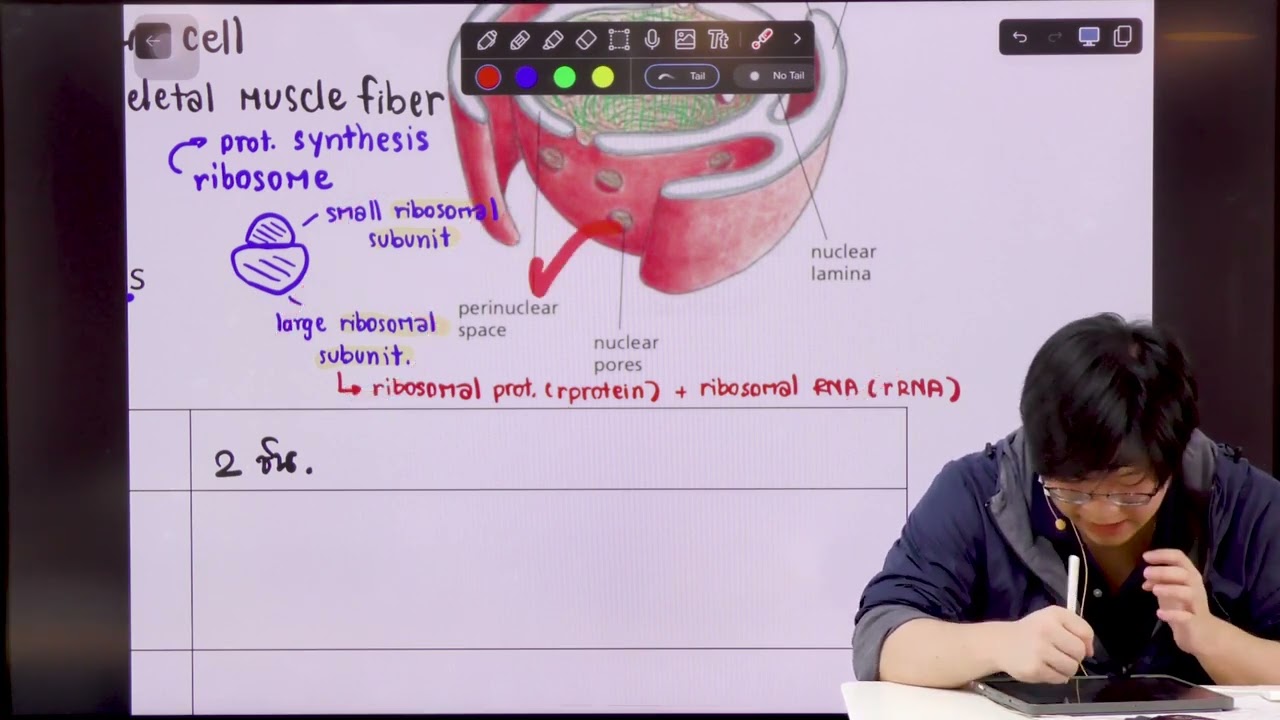


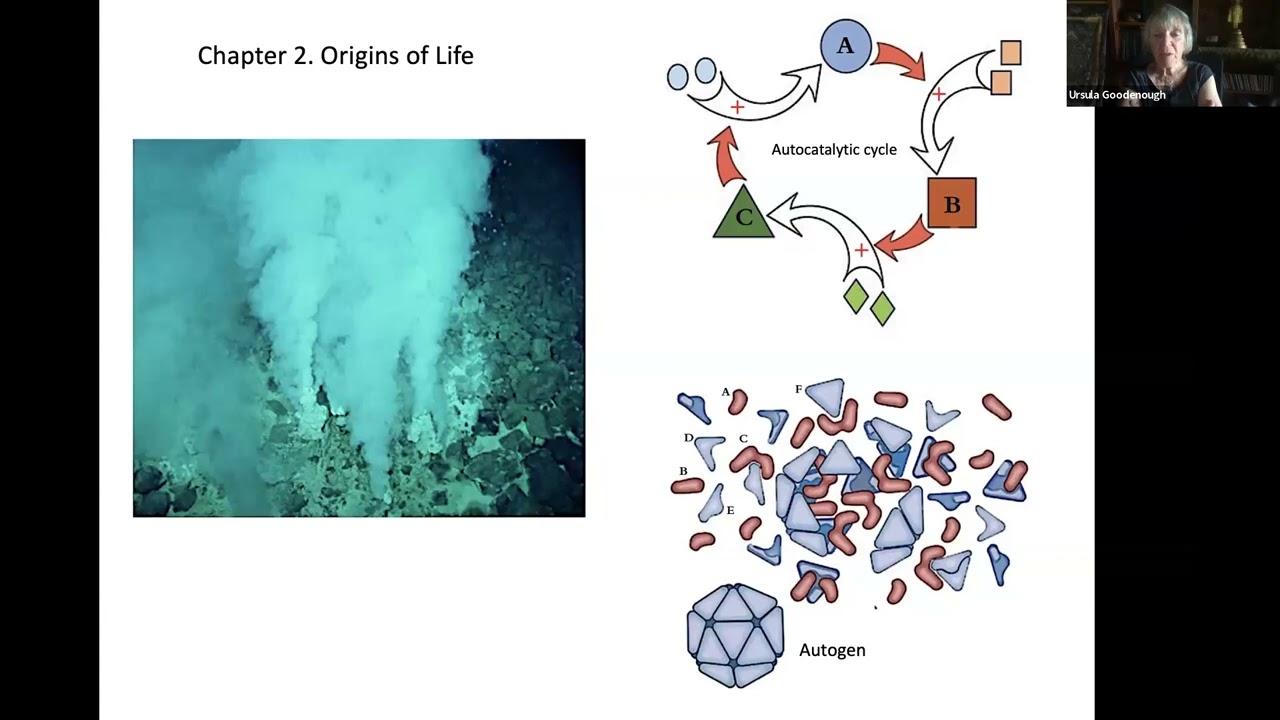



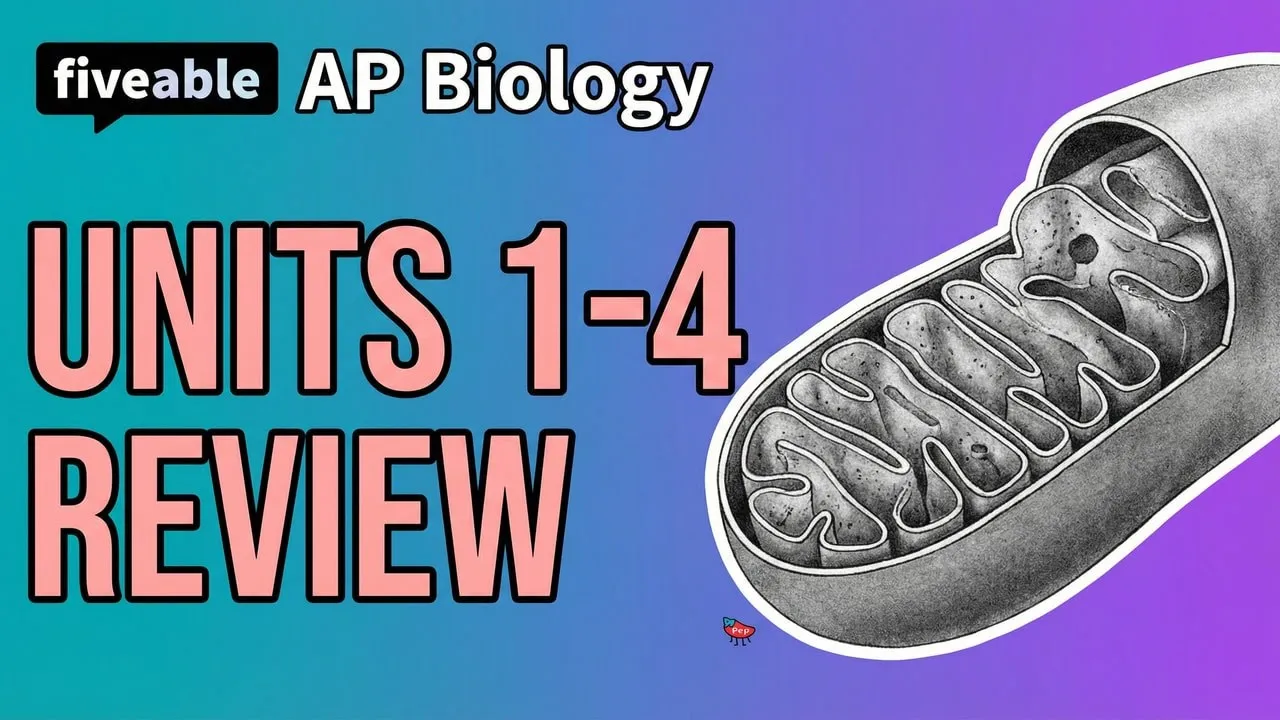


The cell theory, proposed in 1838 by Schleiden, Schwann, and Virchow, states that all living things are composed of cells and begin as single cells. Cells cannot grow indefinitely large because their surface area to volume ratio decreases as they increase in size; since surface area increases with the square of the radius while volume increases with the cube of the radius, larger cells cannot efficiently exchange nutrients and waste products across their membrane. This mathematical limitation explains why cells divide when they reach a certain size and why multicellular organisms are composed of many small cells rather than one large cell.
Review of Cytology Part 1: Cell Theory & Membrane
Added:Basic understanding of the levels of biological organization, specifically how atoms and molecules form larger structures.
Familiarity with the four major classes of organic macromolecules, particularly lipids and proteins.
Fundamental chemical concepts such as molecular polarity, hydrophobicity, and hydrophilicity.
An introductory understanding of scientific scale, including units of measurement like micrometers used to measure cells.
Mechanisms of cellular transport, including passive diffusion, osmosis, facilitated diffusion, and active transport.
The structure and function of eukaryotic organelles, such as the nucleus, mitochondria, ribosomes, and the endomembrane system.
Cell signaling and communication, focusing on how membrane receptors detect and transmit external signals.
The Endosymbiotic Theory, which explains the evolutionary origin of complex eukaryotic cells from prokaryotic ancestors.
126K views1.2Klikes1:04:01Original Release: 2012-03-07
all right so uh this is uh page B1 now the first thing I want to remind you of that you learn in Biology is something called the cell theory and the cell theory was proposed in 1838 by schleiden and Schwan and veroff first comment I never test you on names of people or dates that would be a history class so we're not asking you to the name to know the names of the individuals or the date uh I always thought that these guys schl and Shuan and veroff would make a great name for a law firm you know schen Schwan and veroff attorneys of law lldd but um anyhow who are they uh schleiden was a zoologist I'm sorry he was a botanist and uh everything that uh schleiden would look at in the 1800s with a magnif F glands any plant that he looked at he found that when he looked at any a leaf of a plant it was made up of cells those of you who had biology uh if you took the biology lab you had to look at the leaves of something a plant that lives in a water called an elodia or elodia and you actually saw it was made out of plant cells and every part of a plant he said was made up of cells Theodore Schwan was a zoologist he studied animals and every time he took a magnifying lens and looked at any part of an animal he said it was made up of cells Rudolph veroff was a medical doctor he was a pathologist an expert in human disease and every part of the human body that he examined with a magnifying lens whether it was the skin or the blood or the liver or the muscles he said they were made up of cells so in the early 1800s these three guys got together and they said looks like all plants are made up of cells looks like all the animals are made up of cells looks like humans are made up of cells you know what all living things must be made up of cells that's called the cell theory and not only did they say that the cell is the basic unit of life but that uh uh uh that even more amazingly all living things begin life as a single microscopic cell so it's hard to believe but at one time you were one cell big and even an elephant or a whale starts out one cell big so that's basically the cell theory now the next question we want to address is why are cells so small because you need a magnifying lens or microscope to see a cell why can't a cell just keep growing bigger and bigger and bigger now your first thought is because that's the way it is I know but in science we're trying to understand mechanisms and how things work so the question is how come cells will grow and they do grow bigger and they grow bigger and at a certain point they stop growing bigger and they do one of two things they either stop growing bigger and they just stay that size or they divide into two little cells and those two little cells start growing bigger so uh we want to talk about the limits in cell size and why it is that any organisms that are bigger than a single cell like us will be made up of lots of cells because we're made up of about 60 trillion cells now uh what I'd like to have you do is just U if you have the lecture outline if you don't uh it's okay you can just see this this is Page b2i so you should have a page that looks a little bit like this and all that it's showing on this page b2i it's right after page B2 uh it's just showing the idea that a cell is growing bigger and bigger and bigger and then what happened to the cell it divided into two cells exactly what we said typically happens now before I try to explain why cells can only grow so large I want to remind you of another concept that again you should have learned about in biology so and if you don't have a lecture outline it's real simple you just draw a circle which represents a cell and what I've indicated here these are nutrients that uh go into the cell in order to keep the cell alive and these are waste products that go out of the cell because if these waste products were were to accumulate within the cell they would become toxic poisonous harmful to the cell if they accumulated within the cell now of course this outer surface of the cell was called the cell membrane that forms the outer surface so I'll remind you of some things you learned in a college biology class some of the nutrients that all living cells all cells need are oxygen and sugars like glucose and the reason why all cells including we'll focus on human cells need uh oxygen and glucose is for a process called cellular respiration in biology you learn that cellular respiration is the name of the process by which organic compounds such as sugars are broken apart with oxygen for the purpose of producing what what are they trying to produce by breaking apart sugars with oxygen ATP the magic name ATP now if you're thinking my gosh I don't even know what the hell that is you're in the wrong class you're in the wrong class okay go back to biology retake it if you've had it or take it for the first time but ATP is the high energy nucleotide the gasoline that's used to power all living cells uh and that's produced in a process called cellular respiration now interestingly uh as uh cells carry on cellular respiration producing ATP they generate a waste product called carbon dioxide and this CO2 has to go out of the cell across that cell membrane so these are nutrients that enter the cell through that cell membrane and CO2 is a waste product that goes out of the cell across that cell membrane now obviously if the oxygen couldn't enter the cell fast enough then the cell would die because it wouldn't be able to produce enough of this gasoline called ATP uh if the carbon dioxide could not get out of the cell fast enough then the buildup the accumulation of carbon dioxide inside the cell would cause the cell to die so clearly these nutrients have to get in into the cell through that cell membrane fast enough and these waste products have to get out of the cell across that cell membrane fast enough other nutrients that all cells including human cells require in order to live are amino acids you learned in biology that amino acids are the so-called building blocks needed to manufacture or synthesize proteins proteins are built out of amino acids so these have to get across the cell membrane into the cell fast enough so it can manufacture the proteins that it requires interestingly and you may or may not have heard this in a biology class but not only do cells manufacture new proteins using amino acids all cells all human cells break down old proteins and they actually break apart old proteins forming waste products called ammonia and Ura so ammonia and Ura are actually waste products formed from the brain break down of old proteins and they have to get out of the cell now other nutrients required by uh human cells living cells in order to live are nucleotides and uh in biology you learn that they include like Adine guanine cytosine thyine UIL and these nucleotides have to get across the cell membrane into the cell in order for the cell to manufacture DNA and RNA these nucleic acids obviously if these nucleotid ites can't enter the cell fast enough the cell won't be able to manufacture the nucleic acids they require something again you may or may not have learned in biology but we're mentioning it now is that not only do cells manufacture new nucleic acids but they break down old nucleic acids and when they break apart nucleic acids they break form a waste product called uric acid so uric acid is actually the name of a waste product formed from the breakdown of uh old nucleic acids now uh other nutrients that have to get across that cell membrane so that the cell can stay alive are vitamins and minerals in a biology class you learned that vitamins and minerals are co-enzymes most vitamins and minerals act uh assist enzymes in catalyzing biochemical reactions uh vitamins are organic co-enzymes and minerals are inorganic co-enzymes and uh of course uh we know that uh all living things are mostly made out of water we're mostly made out of water we're about 60% water and the cell is about 80% water and water goes into the cell across the cell membrane and water can flow out of the cell across the cell membrane you might even remember learning in biology that whenever water flows into a cell or out of a cell that's called osmosis so uh the water has to be able to go in the water has to be able to go out okay so the in summer ing various nutrients have to get across that cell membrane into the cell fast enough to allow it to stay alive and various waste products have to flow out across that cell membrane so they don't accumulate in the cell killing the cell all right now that we've reminded you of that let's look at the diagram right above basically the reason why what we've discovered of why cells all stay small and they cannot grow Beyond a certain size is the relationship or ratio between the outer surface area and its internal volume and you should have learned about this in biology but whether you did or not we'll explain it right now now there is a a formula we can use that allows us to estimate the outer surface area of a threedimensional cell a ball a sphere uh and the surface area the outer surface area of a ball-shaped cell is 4 pi r s now if you're thinking four pi r i remember from a long time ago something like the area of a circle you might remember that the area of a circle is equal to pi r s anybody remember that and so the way that works an area of a circle is the radius is the distance from the center of the circle to the outer edge so if you simply Square the radius at multiply times pi that will tell you the area of this circle this how much area this circle is so the if that's the area of a circle is p pi r squ then why did I say that the area of a cell is 4 pi r s because we're not talking about a flat two-dimensional Circle we're talking about a ball-shaped spherical three-dimensional cell and its outer surface is equal to 4 pi r 2 now the internal volume of a cell the internal volume can be calculated the internal volume is 4/3 pi R cubed so if we wanted to calculate the volume of what's inside the cell it's 4/3 pi RB now the bottom line is what's limiting how big a cell can grow is the ratio the difference between the surface area and the volume so to make the math really simple to make it really simple we're really just comparing these two formulas since both formulas have Pi in them which is 3.14 let's just ignore it we'll just ignore it they both have that Pi unit in it the difference between the number four and the 4/3 isn't big deal let's just ignore that so now you'll notice that the big difference between calculating the outer surface of a cell and its internal volume is the surface area is related to the square of the radius that's the outer surface but its internal volume is related to the cube of the radius now let's see how this works let's imagine we've got a little cell and this is the radius the radius is goes from the center of the cell to the outer edge and let's say the radius is one now you might say one what what are the units the units really don't matter because we're really just comparing surface area to volume whether we say the uh it's one millimeter or one micrometer it doesn't matter now if the radius is one let's estimate let's estimate its outer surface and the internal volume of this cell with a radius of one so how do we estimate the outer surface it's approximately the square of the radius so if the radius is one what's one squared 1 * 1 is one now that's the outer surface area right this is we just estimated its outer surface all right now let's estimate its internal volume so the internal volume is approxim the cube of the radius if the radius is one what's one cubed one 1 * 1 * 1 so you notice that when a cell has a radius of one one micrometer 1 millimeter the volume and area have the same basic size now let's imagine the cell grows larger so now the radius is two so now if the radius is two let's estimate let's estimate the outer surface area so what did we say this how do we estimate the outer surface it's the radius squared so if this radius is two what's two squared four 2 * 2 is four let's estimate the internal volume the volume is the radius cubed so if the radius is two what's two cubed eight some of you might say I don't even know what he's talking about what is two Cub mean two * 2 * two two times itself three times so 2 * 2 * 2 is 8 can everybody see now how the volume has become much bigger number than the outer surface area let's try this big uh one more time let's imagine the cell enlarges now even more so its radius is four now with the cell with a radius of four let's estimate its outer surface and then its internal volume so the outer surface is going to be the r I which is 4 squar what's 4 SAR 16 4 * 4 is 16 let's now estimate the internal volume the internal volume of what's inside the cell that's going to be 4 cubed that's 4 * 4 * 4 which is 64 can everybody see that as this cell is getting bigger its volume is increase its internal volume is increasing at a faster rate than its outer surface the internal volume of what's inside the cell is increasing with the cube of the radius but its outer surface is only increasing with the square of the radius it's simply geometrical it's mathematics so here's you'd say well I don't even know I understand I follow what you're saying but I don't get it what's the point the point is that as the cell is getting bigger it needs more and more nutrients to get into it to stay alive but it surface area isn't keeping up with its internal volume now how do nutrients get into the cell by moving through the surface how do the waste products get out of the cell by moving across that outer surface so as a cell grows larger and larger the nutrients can't get into the cell fast enough to allow it to keep living and the waste products can't get out of the cell fast enough without accumulating and killing the cell so so when a cell grows beyond a certain size it dies so literally all cells are going to be microscopically small because when they grow Beyond a certain size the nutrients can't get into the cell fast enough and the waste products can't get out of the cells fast enough and the cell dies so that basically mathematically is why a cell will grow and grow and when it reaches a certain size it either stops growing gr and just stays that size because if it grows any bigger it will die or it divides and becomes two cells and then when those two cells grow they reach a certain size if they grow beyond that they'll die so then what will they do they will divide so the way we grow the way we develop from a single celled zygote fertilized egg is those cells enlarged when they reached us that when that cell reached a certain size it divided and we became two celled those grew and when they reached a certain size they divided we became four celled those grew in size and reached a certain size we became eight cell 16 32 64 128 cells 256 51296 and that's why cells that's how we increase the number of cells so everybody follow understand what is the limiting factor of why cells stay small and why if we're going to be a big organism bigger than a single microscopic cell we're going to have to be made out of lots of microscopic cells we can't just be made out of a big giant cell it's really simply the ratio the relationship between the a relative difference between the outer surface area and the internal volume okay now that we've reviewed that concept back on page B1 another thing on page B1 on page B1 that you covered in biology is the types of cells and you learned in biology that when we examine the cells of different living things they fall into two broad categories procaryotic cells and eukaryotic cells now uh what this basically means first the root Caro means anybody know what Caro means nucleus now that I've told you what it means you need to know that so the word Caro means nucleus make sure you know that that root is going to keep reappearing so a procaryotic cell is a cell without a nucleus Pro means before they evolved before there was a nucleus so they lack a nucleus and in fact not only do these cells lack a nucleus they lack also most other internal organel and they're very very small cells what's an example of a procaryotic cell cell bacterial cells they're very small and very simple most bacterial cells are one or two micrometers in diameter very very small when you take microbiology for those of you who need it you're going to spend most of the semester in microbiology talking about these different types of procaryotic bacterial cells that cause various types of infectious diseases in us and in other living things now Mo the cells of most other living things are said to be eukaryotic cararo means nucleus U is a Latin root that means true they are true nucleated cells not only do they have possess a nucleus but they have many many other organel little organs inside the cell they are also much much larger cells than bacterial cells if we were to relatively compare the size of a human cell which has a nucleus with a bacterial cell it would be like this a bacteria a typical human cell is about 100 micrometers in diameter a typical bacterial cell is one micrometer in diameter so human cells are about 100 times bigger than a bacterial cell incidentally if you're wondering what what's the problem with bacteria in our body so bacteria are living cells all living cells need food so when the bacteria is in your body it's looking for food so what does it use for food if if the bacteria is inside you it uses you as food it's a parasite and it starts feeding on you and it's eating your cells up that's what it's doing and they are multiplying in the process all right let's uh also show you one more picture of a procaryotic cell a pro procaryotic versus a ucareo cell uh for those of you who have the lecture outline let's take a look at page B6 and on page B6 so on the top of B6 this is a bacterial cell a procaryotic cell and uh basically what we see is it has it has a cell membrane or plasma membrane but also surrounding the cell membrane is an outer cell wall a bacterial cell wall and this outer cell wall is always made up of a complex polysaccharide now if you've had biology you understand what the word polysaccharide is hopefully if you haven't had biology or never didn't learn biology well you probably don't know what a polysaccharide is is poly means many multiple saccharide means sugar it's many many sugars joined together that's more complicated than that as you'll learn in a microbiology class for those of you who need that but for our purposes at the moment it's a polysaccharide that forms the outer cell wall inside the bacterial cell is this jellylike cytoplasm or protoplasm and cytoplasm or protoplasm in all cells including human cells is about 80% water and after water the next major chemical that makes up cytoplasm by weight are proteins so it's really mostly water and proteins anything that's mostly made up of water and proteins has the consistency of jello because that's really what Jello is so if you could feel cytoplasm in your hand it would feel just like jello now inside the bacterial cell is a circular or ring-shaped uh chromosome made of up of DNA that's not a nucleus that's not a membranous sack uh it is simply a circular or ring shaped piece of DNA or chromosome so that's basically a bacteria or procaryotic cell now shown right below is a eukaryotic cell now these are not drawn to scale because if they were this eukaryotic cell would be a hundred times bigger but uh this shows a a cell with a nucleus and not only does it possess a nucleus it has many many other internal little organs called organel as we wrote right here organel little organs and uh these are much larger cells much more complex cells and this are the are human cells uh basically look like this although they come in very very different shapes now returning back to page B1 just for a moment so now what we want to do on page B1 is we want to start to talk about the parts of a eukaryotic human cell and we're going to start with the cell membrane now the cell membrane of any cell including a human cell creates a shape or boundary for the cell and a term that you learned in biology is that uh these cell membranes are said to be semi-permeable that means that some chemicals can get through the cell membrane and other chemicals cannot whether they can get through or not they're said to be peral now the cell membrane itself is chemically made up of a double layer a bilayer two layers of phospholipid molecules with embedded proteins and so we want to remind you of the structure of a cell membrane which you learn in Biology so let's again return back to page B6 so back on page B6 all right so on this page B6 at the bottom first of all what I've drawn right here is a cell all right and it's got a nucleus this is a eukariotic cell a human cell and uh here's the cell membrane that forms the this the bow or uh uh the shape of the cell and U of course we've said that the cytoplasm this jelly like cytoplasm is 80% water it's mostly water let's just enlarge that for a moment so it's about 80% water and the next major thing after water are proteins now something else you should know all living cells all living cells have to live surrounded by fluid there has to be fluid surrounding all cells or they will die so surrounding every living human cell is fluid we'll call that fluid tissue fluid now if what I just said is true which it is you might say wait a second Professor hold on you say all living cells including human cells have to be surrounded by fluid tissue yes well wait a second uh my skin isn't my skin made up of cells yes it is well though I don't feel any fluid you're right but what can we say about these cells on the surface of your skin they're dead because they die when they're in contact with air these are all dead cells on the surface of your body if you've ever scraped your knee scraped your arm you may have scraped off some of these top dead layers of cells and seen a clear fluid start to ooze that means you've scraped off the dead cells and you've reached the layer of living cells that fluid that's oozing is tissue fluid that has to surround all living cells if you were to make an incision in the abdomen and spread wide open the body you'd see all this fluid surrounding all the organs of the body that's bathing those cells and keeping those cells alive with the nutrients and so on so all living cells have to be surrounded by fluid now what we' like to do at this point is enlarge this area right here we want to see this uh uh this boundary this uh interface between where the cytoplasm uh and the cell membrane and the tissue fluid all meet and that's what this picture shows right here this is simply the cell membrane enlarged shown diagrammatically so this is the inside of the cell or cytoplasmic fluid up here mostly made out of water this is the cell membrane and surrounding this is the outer tissue fluid the outer tissue fluid now the cell membrane is mostly made up of a double layer of phospholipid molecules now you learned in a biology class about phospholipids what does lipid mean f fat so commonly these phospholipids are represented kind of like this and when I see a picture of a phospholipid it kind of looks to me like a balloon with two strings attached to it looks like a balloon with two strings now I'm not GNA try to make this class take the place of a college biology class so I'm not going to get into the chemistry of all this you should have learned that in biology because you're going to need it for micro and Physiology which are much more chemistry intensive than Anatomy but uh the phos phosphate part of the molecule the part containing phosphate is this balloon and phosphate P4 is said to be hydrophilic Hydro means water and philic means it likes it likes water these two strings are fatty acids they are fatty acids fats and fats don't mix with water right if you have vegetable oil which is a fat and you mix water with it they separate oil and water won't mix so these fats are said to be hydrophobic Hydro means water phobic means hate they hate water so this is kind of a schizophrenic molecule the balloon part is attracted to water and the two strings hate water now notice now the cell membrane there are two layers of phospholipids here they are and you'll notice in the inner layer in the inner layer of phospholipids the balloon part that likes water is facing the cytoplasmic fluid on the inside of the cell the balloon part that likes water that's hydrophilic is facing all the water on the inside of the cell you'll notice that in the outer layer of phospholipids the balloon part is facing outwards towards the tissue fluid on the outside of the cell so the balloon part always orients itself towards where there's water and you'll notice here in the middle is a double layer of fat the way I kind of think of this is it's like an or cookie if you think of this as a cookie and this is a cookie this is the creamy filling in the middle it's all fat that's the creamy filling now the purpose of the cell membrane therefore is it separates two fluid compartments it separates the intracellular fluid the cytoplasmic fluid on the inside of the cell is separated from the outer tissue fluid on the outside of the cell by this double layer of fat because water and fat won't mix so literally the purpose of this phospholipid bilayer is to separate this cytoplasmic fluid on the inside of the cell from the tissue fluid on the outside of the cell okay now that we've reviewed what the phospholipids are for what's all this stuff embedded between the phospholipids are various proteins various proteins and these some of these proteins that are embedded in the cell membrane some of these proteins are located facing the cytoplasmic fluid on the inside of the cell some of these proteins are sticking out onto the outer surface of the cell membrane facing the fluid on the outside of the cell some of these proteins extend the full thickness of the cell membrane now these proteins play very important functional roles that you should have learned in a biology class I'm going to mention a few of their roles you will hear much more about these functions especially in a phys physiology class let's start with uh this protein right here this protein is kind of shaped like a tube this is like a cutaway view it's like a pipe or a tube and we could imagine because this protein extends the full thickness of the cell membrane we could imagine how certain chemicals might be able to flow right through this tube shaped protein into the cell or flow right through this tube shaped protein out of the cell these proteins are called ion ch they're called an ion Channel and so they act like a tube like a channel like a pore like a passageway for ions to flow through now you should have learned in a biology class what an ion is ions are electrically charged atoms atoms are really small and these are just electrically charged atoms and they include sodium ions potassium ions calcium ions and chloride ions now in fact there uh these channels can open or close and you're going to hear a lot more about that in a physiology course for those of you who need to take that which is most of you so these ion channels can open or close allowing these ions to either start to flow in or out of the cell I should also mention that there are different ion channels in other words there are different separate sodium ion channels and separate potassium ium ion channels and separate calcium ion channels so it's not like the same ION channel allows all types of ions to flow through it they are very specific or selective as far as which ions flow through them now this is all whether it sounds very abstract some of you might be thinking my gosh I want to be a nurse these biology teachers think that they like you know it's all academic and it has nothing to do with you're wrong if you've ever heard of a class of medications called calcium ion channel blockers anybody ever heard of that calcium iion channel blockers which are used in the management and treatment of both angina pectoris problems of the heart and high blood pressure among other things the way these calcium ion channel blockers work is by temporarily blocking the calcium ion channels that's a big subject that you'll hear more about in physiology after all what are drugs chemicals and all these chemicals or drugs are acting at the cellular and molecular level that's how they work so there's no way that I'm not going to go beyond this but I can't emphasize enough how all of this cellular and molecular stuff is extremely important medically medically all right so that's ion channels so the they simply allow these really tiny ions to flow in or out of the cell and you might say well like what so why are they important these ions or electrolytes as they're also known determine the electrical properties of our body so the electrical activity of our heart the electrical activity of our nervous system is all related to these electrolytes or ions flowing in or out of cells that's all I'm going to say about that with in terms of this anatomy class now we have said that uh chemicals uh nutrients like sugars have to be able to get into the cell across the cell membrane but sugars are too large to go through these ion channels these are just big enough for these ions these electrically charged atoms so the way that larger molecules get across the cell membrane is by means of Transporter or Carrier proteins there are proteins embedded in the cell membrane where sugars and amino acids can attach to these uh proteins and these proteins then transport these sugars and amino acids across the cell membrane to keep the cell alive so these uh transporter proteins or Carrier proteins uh are what move or transport larger organic molecules you learn in a biology class that a sugar like glucose C6 h126 is 24 atoms big so it's it's 24 times bigger than that sodium ion so uh it can't go through an ion Channel it has to be helped across uh some uh Sometimes some of these chemicals uh the transporter protein in some cases requires energy in the form of ATP and if it does that's called active transport and sometimes the transporter protein doesn't require ATP and that's called passive transport so or facilitated diffusion yes to bring the sugar out of the cell how does ITP out how do you get sugar out of the cell yeah because I think like um well in the case of diabetes you're trying to get the sugar to move from the bloodstream into the cells and that's insulin is a hormone we're going to talk about this a little bit mostly a subject for phys ology insulin actually is a hormone that activates this transporter protein and by activating it it cause starts the insulin causes the transporter protein to start moving sugars uh uh into the cells and as the sugar flows from the bloodstream into the cells it lowers the amount of sugar in the bloodstream that's how insulin works it's going into the cell the problem with a diabetes is there's too much sugar in the bloodstream outside the cells and it has to go into the cells some of these proteins in the cell membrane act as enzymes that's a term you should have learned in a biology class uh enzymes are chemically proteins that catalyze biochemical reactions catalyze means they cause biochemical reactions to occur now if as I review this if since you don't obviously this is all in your textbook chapter two since I didn't ask you to buy the textbook to save money that means that if you don't know this stuff already you need to go and use those resources on my website where it reviews all this stuff so you want to get spend a lot of time on this some of this is covered in the lab manual but some of this isn't obviously a lab manual is not as thick as a thousand page textbook so it must be missing something the um all right so you should know what enzymes do they catalyze chemical reactions some of the enzymes may be facing the cytoplasmic fluid on the inside of the cell some of the enzymes may be on the facing the outer surface incidentally when I say that a protein is facing the outer surface if this is the cell membrane if the proteins are kind of sticking out on the outer surface of the cell they kind of are sticking out like that so uh now another role of proteins another role of these proteins very important fascinating role is that some of these proteins are sticking out on the outer surface of the cell membrane and they act as receptor sites now what are receptor sites receptor sites are where hormones neurot and neurotransmitters and drugs can attach so hormones can attach to these proteins sticking out on the outer surface of the cell membrane and when the hormone attaches to this protein receptor site it activates it and that's how hormones cause changes to start to occur inside of a cell so uh but again I want to metion so again in terms of the picture these could be very well receptor site proteins sticking out on the outer surface of the cell now when I say hormones activate them these these uh protein receptor sites are specific for certain specific hormones in other words there are insulin receptor sites sticking out on the outer surface there are growth hormone receptor sites there are estrogen receptor sites so they are very specific so well like a puzzle so in other words some cells might have just one or two types of receptor sites on their outer surface and therefore they're only affected by one or two hormones and other cells of our body might have 20 different receptor sites on the outer surface so 20 different hormones can affect that cell this helps explain how it's possible that some hormones only affect certain cells of our body for example estrogen estrogen obviously obviously affects the cells of a woman's uterus it affects the uterine cells but it doesn't affect heart cells because heart cells don't have estrogen receptor sites interestingly in terms of insulin almost all cells do have insulin receptor sites so again cells can vary as far as which receptor sites to which hormones they possess now now we said that not only are there receptor sites for hormones there are receptor sites for neurotransmitters you'd say what are those neurotransmitters are chemicals released by nerve cells so nerve cells can neurons can release chemicals these are known as neurotransmitters so if insulin and growth hormone and estrogen are names that you're familiar with as hormones uh some examples of neurotransmitters would be serotonin norepinephrine and dopamine so if you've heard of dopamine and norepinephrine acetylcholine serotonin those are the names of neurotransmitter chemicals and again uh the these chemicals attach and activate specific receptor sites on certain cells again not all cells have all these receptor sites some do and some don't so again this helps answer the question some oh let me just say one more thing in addition this is where drugs can attach so drugs are designed to attach and activate certain receptor sites so uh uh uh when uh this helps explain uh that when you take a medicine you take a pill over the years students would sometimes ask me well how does the medicine know where to go and the answer is it's absorbing into your bloodstream and it goes everywhere but it can only affect those cells of your body where there's a receptor site where that drug can attach so if you're taking a medication for your heart that medication has been designed to attach to receptor sites on hard cells and not on other cells however sometimes even though they design a drug to activate receptor sites on the heart cells there may also be receptor sites on other cells of the body where that drug also attaches and activates that's what creates side effects side effects of the drug is because that drug not only activates the receptor sites on the location where we want it to act but it's also activating receptor sites in other places of the body where we didn't want it to act an example of that is when you take an anti-histamine antihistamines are drugs where we want them to act on certain set cells that are associated with when you're uh have an inflammation you have a cold and so on but they antihistamine drugs also activate receptor sites in your brain causing you to get sleepy so that's most antihistamines cause drowsiness because these same drugs that affect our nose when we' got a cold also activate and affect brain cells tending to cause us to get sleepy that's a side effect now another role of these protein receptor sites I'm sorry these protein uh proteins in the cell membrane is some of them act as recognition sites now these recognition sites are known as glycoproteins so what's a glycoprotein again these are always facing the outer surface of the cell and uh a glycoprotein is a protein with sugars attached to it and glyco like the word glucose means sugar so these are sugars or carbohydrates carbohydrates are sugars so when you have carbohydrates or sugars attached to a protein that's called a glycoprotein that's what these uh recognition sites are now again they are always sticking out on the outer surface of the cell membrane now what are they for I wrote that these recognition site glycoproteins allow your wbc's your white blood cells to recognize your cells and and distinguish them from foreign cells you'd say what all right every single person every one of us has a unique set of glycoprotein recognition sites on the outer surface of every cell in our body so there is a combination of different recognition sites on the outer surface of the cell membranes of every single cell in your body let's imagine that a bacteria enters your body your white blood cells are kind of cruising through your body looking for suspicious characters now how do your white blood cells know when they bump into a cell how do they know if that cell they've bumped into is your cell or a foreign cell all your cells have the same recognition sites on their outer surface any cell that enters your body that doesn't have the correct recognition sites that wide blood cell will destroy it will swallow up and Destroy so uh when the bacteria enters your cell it doesn't have the right correct recognition sites on its outer surface and your white blood cell proceeds to destroy it now this is not only true that your white blood cells will destroy bacteria than any your body it would also be true in what happens when they try to do an organ transplant because the cells of every single one of us have a unique set of glycoprotein recognition sites the only people have the same recognition sites are identical twins because they're identical but any if somebody doesn't have an identical twin which I assume is probably all of us then there's not a single person in this entire universe that has the exact same recognition sites on their outer surface so if they were to take a a kidney from somebody else and stick it into you or vice versa the white blood cells are going to bump into those transplanted kidney made up of these foreign cells they're going to say these are not our cells they don't have the correct recognition site and your white blood cells or immune response this is your immune response will those white blood cells are going to start to destroy the cells of that transplanted kidney this is known as organ transplant rejection I'll just write the term organ transplant rejection so organ transplant rejection is simply when your white blood cells start to destroy those four cells even though they're human cells they're not the same as your human cells so one of the things yeah I'll say this so one of the things you've heard is before they try to do an organ transplant you've heard the expression they're looking for a close match they're looking for they they identify the recognition sites uh the type of recognition sites on the surface of these cells and this instantly this idea of recognition sites is the same idea as blood type you know how some people are blood type A some are blood type O some are blood type B and they've got to have the you have to have the right blood type that's the same idea it's these recognition sites those are also recognition sites on red blood cells so they're looking for a close match if they can't find a close match they won't even attempt to do the transplant if they can find a close match they will do the transplant of the kidney of the heart of the uh liver whatever they're trying to trans but even then if it's not a perfect match which it won't be they have to somehow suppress the immune response and the white blood cells from destroying that transplanted organ and that's why every person who has an organ transplant is placed on immunosuppressant drugs now what does the term immunosuppressant mean to suppress or inhibit the immune response and the way they work is they lower the white blood cell count they lower the white blood cell count so if you know of anybody who has had a kidney transplant they are taking immunosuppressant drugs the most commonly used are corticosteroids like prednisone and what it does is it lowers the white blood cell count what they're trying to do is to lower your the person's white blood cell count so to try to slow down the white blood cells the immune system from attacking and destroying this transplanted organ now the problem is obvious if you give put them on somebody on a medication so they can tolerate this transplanted kidney if you've given them a medication that weakens their immune response what have you made them more vulnerable more susceptible to virus infections viruses bacteria you're inhibiting you're hindering their immune response but that's the tradeoff the bet basically the doctors arrive at the following uh analysis they say well uh you need a kidney or you're going to die you need a heart or you're going to die if we can find a close match we're gonna we recommend doing the transplant and even though we're going to put you for the rest of your life on immunosuppressing drugs to prevent your own body from rejecting that organ uh if necessary we'll have to put you on antibiotics all the time as well all right because and this is the complications of medicine this is why sometimes when they try to solve one problem they create other problems in the process the they the person had a kidney problem they put a transplanted kidney they solved that problem and they've created a new problem of increased vulnerability and susceptibility to infection so it's not unusual that somebody who gets a kidney transplant ends up dying from something like neonia but if you didn't give them the kidney transplant they would have died in even a sooner time from kidney failure well the antibiotic kills bacteria the problem is antibiotics don't do anything against viruses all right the antibotic has no nothing to do with the immune system it kills bacteria that absolutely and that's why somebody would commonly die from viral pneumonia because antibiotics don't work and help against the viruses that build back correct no no it it it is it is used as a hormone but in this case it's suppressing the immune system it has multiple actions we have to start memorizing all the things that drugs do Coming Attraction all right so uh these um one one last uh comment I want to make about these recognition sides uh and I wrote the term right here autoimmune disease now some of you have heard that term autoimmune what does that literally mean it literally means you're immune to yourself you'd say what do you mean I'm immune to myself well in other words some people's white blood cells attack their own body their own cells well obviously the white blood cells are designed to attack foreign cells and not attack your own C cells but sometimes this whole mechanism breaks down it doesn't work right so your very same white blood cells that are supposed to protect you against bad guys start attacking the person's own cells now why would that's called autoimmune immune to yourself there are hundreds of different types of autoimmune diseases depending upon which part of the body the person's white blood cells are attacking just to name a few examples if your white blood blood cells or immune system attacks the joints of your body that's called rheumatoid arthritis if it actually if your white blood cells attack and destroy your pancreatic eyelids that's called type one diabetes type one juvenile onset diabetes that develops in childhood is an autoimmune disease the person's own wide blood cells attacked and destroyed the gland that produces insulin that's why they have to inject insulin for the rest of their life uh rheumatoid AR R rheumatic heart disease is when the white blood cells attack and destroy the valves of the heart multiple sclerosis Ms is when the white blood cells and immune system attack your nervous system there are hundreds of different types of autoimmune disease uh ulcerative colitis the immune system attacks the large intestine Crohn's disease it attacks the small intestine so there are hundreds of these Graves disease the immune system the antibodies the white blood cell does attack the thyroid gland so there are many many types of autoimmune diseases obviously the breakdown happened either the white blood cells aren't working right because they're not recognizing these recognition signs or for some reason and this is more likely certain cells of the body are lacking those recognition signs they don't have the markers to identify those cells as being your cells so the white blood cells don't see them as your cells they see them as foreign cells so you'd say well why would that happen uh in almost every clinical disorder There is almost always some sort of genetic Factor there's a genetic factor in almost every problem there may be other factors in addition but there's genetics usually behind this so in other words autoimmune diseases do tend to run in families all right so we have talked about uh what about five different different types of proteins in the cell membrane uh We've Spoken of ion channels talked about transporter proteins spoken of uh enzymes talked about uh receptor site proteins and then we've spoken of recognition side glyco proteins U if we return back to page B1 so back on page B1 uh let D we wrote that each person has a unique set of glycoproteins on the surface of their cells those are those recognition sites that allows your immune system your white blood cells to recognize which cells belong to you and which cells are born so let's just review with you real quickly what we said uh we said that uh the ion channels are specific for specific ions uh so in other words one single ION channel does not allow any and all ions to flow through it they are specific so there are specific sodium ion channels I'm sure you have this in your notes already there are specific potassium ion channels chloride ion channels and these ion channels can open or close the uh transporter or Carrier proteins are also specific some of these uh proteins uh help transport sugars uh like glucose across the cell membrane other uh transporter proteins transport amino acids uh across the cell membrane uh in some of these cases uh energy is required in the form of that high energy nucleotide that gasoline that powers all everything that occurs in the living cells called ATP and when energy in the form of ATP is required that's called active transport uh sometimes it doesn't require ATP in that case it's known as passive transport uh of course the row of enzymes enzymes are very important in living things all living things enzymes are proteins that catalyze cell me catalyze chemical reactions I should say um all right so we talked about all this last time we also mentioned receptor sites we said receptor sites are always located on the outer surface of the cell membrane they are specific again for uh certain hormones certain neurotransmitters and drugs so that the uh insulin activates a a certain receptor sit growth hormone activates different receptor sites estrogen activates different receptor sites and not every cell possesses uh receptor sites for every hormone some some cells have uh receptor sites is just a one or two hormones some have receptor sites for 10 12 15 different hormones and that pretty much explains why hormones are selective and specific as far as which cells they affect based on the receptor sites that are on them and of course uh uh the activation of the septo site leads to changes in the cellular activity uh and then fifth the fifth uh thing we spoke of last time are recognition sites uh these are uh glycoproteins that are located on the outer surface of the cell and um they're called recognition sites because they allow your white blood cells to recognize which cells are yours and which cells are foreign and so when any foreign cells enter our body they La the correct recognition sites on the outer surface so the white blood cells proceed to destroy them all right so that's a quick review of everything we talked about uh previously now in letter E I wrote that some cell membranes are folded into micro to increase the surface area you might say what cells in your body come in different shapes they're not all perfectly spherical or round some cells in our body are Cube shaped some are tall columnar shaped some can change shaped like white blood cells but looking at these two cells this is what a typical stomach cell looks like the cells on lining the inside of your stomach and this is what a typical cell lining the inside of your intestines looks like now you notice that both cells kind of look similar they're kind of tall rectangular shaped cells but you'll notice that the cells of the intestine are the cell membrane at least on one side of the cell is folded where the cell membrane is folded into these fingerlike projections that are called micro Villi now the word Villi means finger like make sure you learn that that root filli is going to keep reappearing it means like fingers microvilli means microscope opic fingers so the cell membrane is folded into what look like little fingers sticking out now notice that the cell membrane of the stomach cell is straight it doesn't have those finger like extensions now just a little bit earlier today I was telling you about the surface area of a cell right and we said that the surface area is how nutrients get across the cell membrane into the cell so let me ask you this question back on this picture if this cell membrane is folded and it goes in and out and in and out and in and out which is what a hamburger is all about but right but no that's something else all right but because the cell membrane goes in and out can everybody see that that's a much bigger surface area because if we stretched it out it would be much bigger than if it was just a plain flat cell membrane so this has a larger surface area for nutrients to go into the cell and so we see that the cells of the inside lining of our intestine are designed to increase absorption of nutrients they have a larger surface area to facilitate or and make it easier for nutrients to get into the cell for absorption on the other hand the stomach cell is not designed that way it's just a flat cell membrane it doesn't have this greater surface area so in fact very few nutrients are absorbed from your stomach into your body there is very little absorption of food of nutrients across your stomach almost all the absorption of nutrients is absorbed across your intestine so literally the structure reflects function the a reason why the cells of the intestine are better at absorbing nutrients than the stomach cells is refle Ed by the difference in structure so uh that's the purpose of the greater surface area
Up Next
74:50
Plant Physiology Lecture 6: Xylem Transport & Mineral Nutrition
@CornellTL
20.6K views•2013-01-22

39:12
Taste Matters: Why We Like the Food We Do | Professor John Prescott
@smagforlivet-video
409 views•2015-12-07

5:35
Enteric Nervous System Explained: The Gut's Brain | Neurobiology Lecture
@alumniu6029
438 views•2018-09-12
7:08
Bacteriophages: Earth's Deadliest Killers and Future Antibiotics
@kurzgesagt
34.6M views•2018-05-13
Related Study Plans & Knowledge Roadmaps
Structured learning paths in Biology
biology
Analyzing Animal Venoms: Genetics & Pharma
01Molecular Biology & Physiology Foundations
02Venom Evolution & Toxin Gene Recruitment
03Neurotoxins & Ion Channel Pharmacology
+ 2 more learning modules
18h5 modules
Explore Roadmap
biology
RNAi: Biogenesis, RISC & Gene Silencing
01Molecular Biology Foundations: DNA to Protein
02Introduction to RNA Interference (RNAi)
03Molecular Biogenesis of miRNA and siRNA
+ 2 more learning modules
10h5 modules
Explore Roadmap
biology
Mycorrhizae: Signaling, Biophysics & Ecology
01Foundations of Mycorrhizal Symbiosis
02Molecular Signaling and Root Colonization
03Biophysics and Bioenergetics of Nutrient Exchange
+ 1 more learning modules
11h4 modules
Explore Roadmap
biology
Circadian Clocks: TTFL, SCN & Periphery
01Foundations of Molecular Biology & Gene Expression
02Introduction to Chronobiology and Actograms
03The Core TTFL: Molecular Architecture of the Clock
+ 3 more learning modules
14h6 modules
Explore Roadmap