
















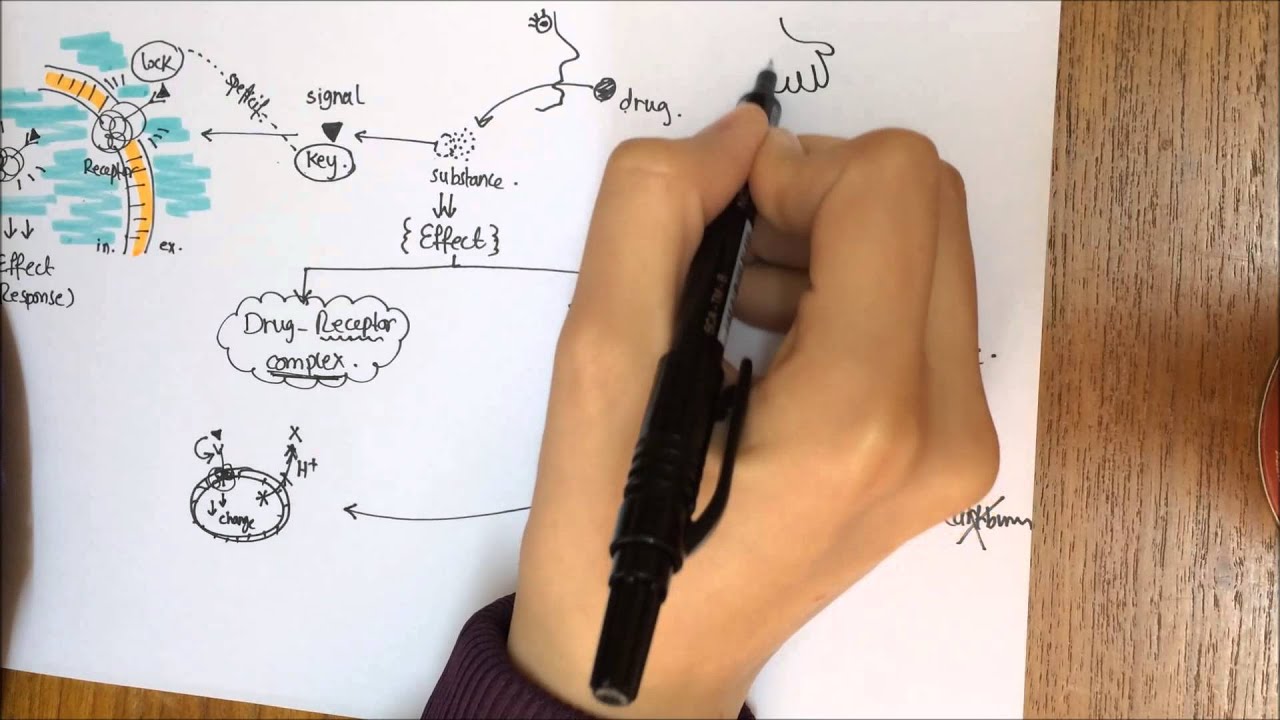


Membrane receptors are integral proteins embedded in cell membranes that enable cells to communicate with their external environment by binding specific signaling molecules called ligands (such as neurotransmitters, hormones, or cell recognition molecules), initiating a process called signal transduction where the receptor's conformational change activates intracellular signaling proteins through either a lock-and-key model or a more flexible induced-fit model, and these receptors are classified into three major groups: ligand-gated ion channels, G protein-coupled receptors, and enzyme-linked receptors.
Membrane Receptors Explained: Signal Transduction & Ligand Binding
Added:Structure and composition of the cell membrane, specifically the lipid bilayer and the role of integral membrane proteins.
Basic concepts of protein structure, conformational changes, and the principles of ligand-receptor binding specificity.
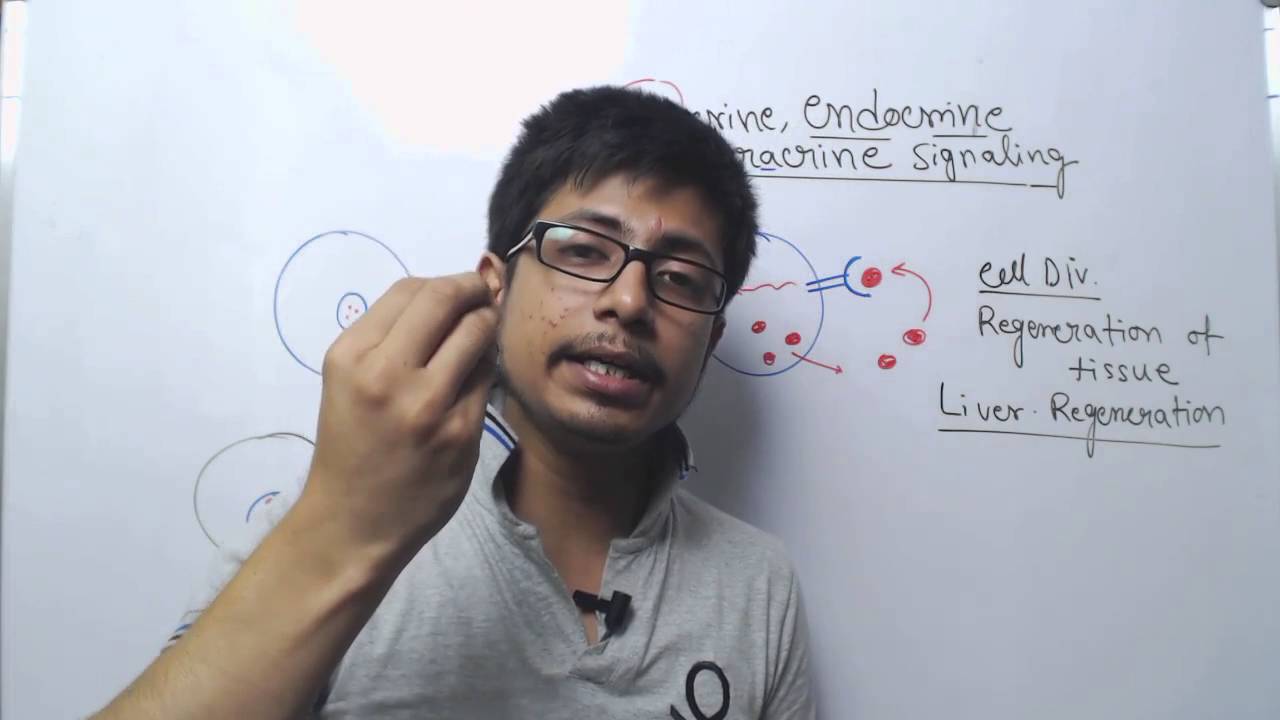
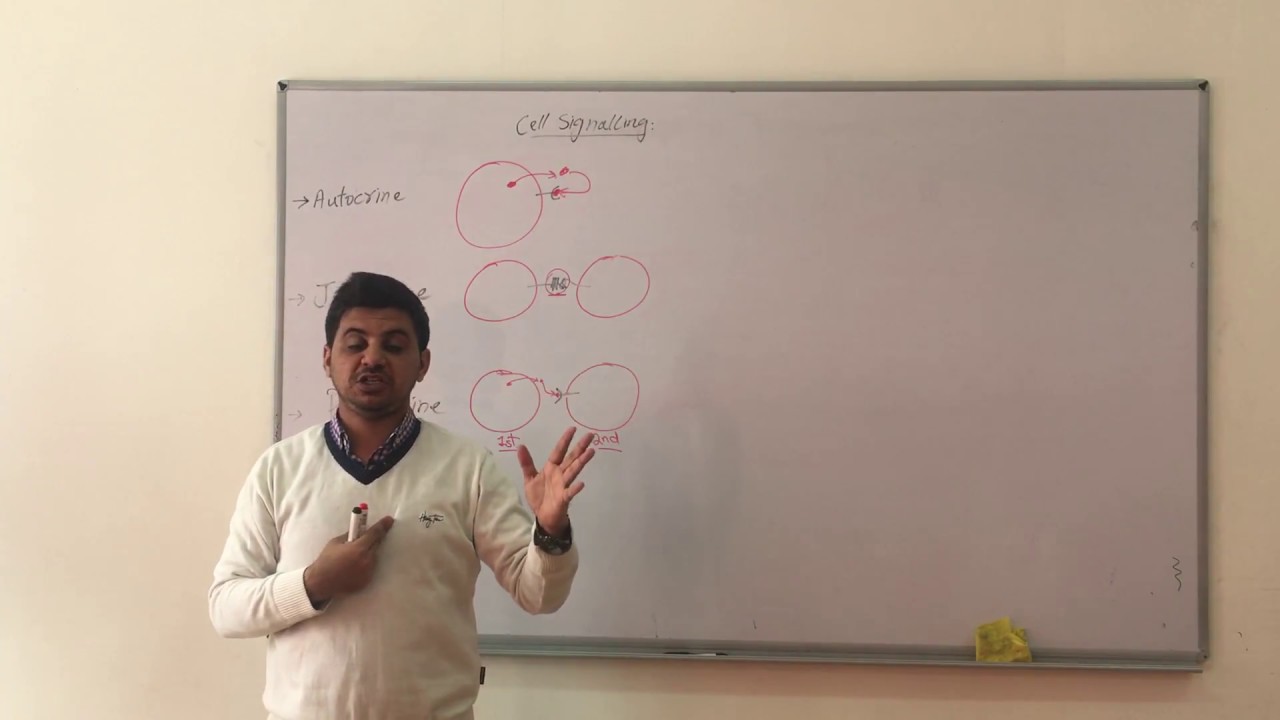
An introduction to cellular communication, including the general types of signaling such as endocrine, paracrine, and autocrine pathways.
The concept of electrochemical gradients and how ions move across cell membranes through channels.
The mechanisms of intracellular second messengers, such as cyclic AMP (cAMP), IP3, DAG, and calcium ions, in propagating the signal.
Specific downstream intracellular signaling cascades, such as the MAPK/ERK pathway initiated by receptor tyrosine kinases (RTKs).
Pharmacological applications, including how drugs act as agonists or antagonists targeting G-protein coupled receptors (GPCRs) and ion channels.
Processes of receptor regulation, including receptor desensitization, internalization (endocytosis), and downregulation.
231.5K views1.2Klikes7:59Original Release: 2014-05-04
Voiceover: In this video we're gonna talk a little bit about membrane receptors.
Membrane receptors are really important because they are the things that actually allow ourselves to communicate with the outside world.
Without membrane receptors our cells wouldn't be able to work together and they wouldn't be able to form the human body as we know it.
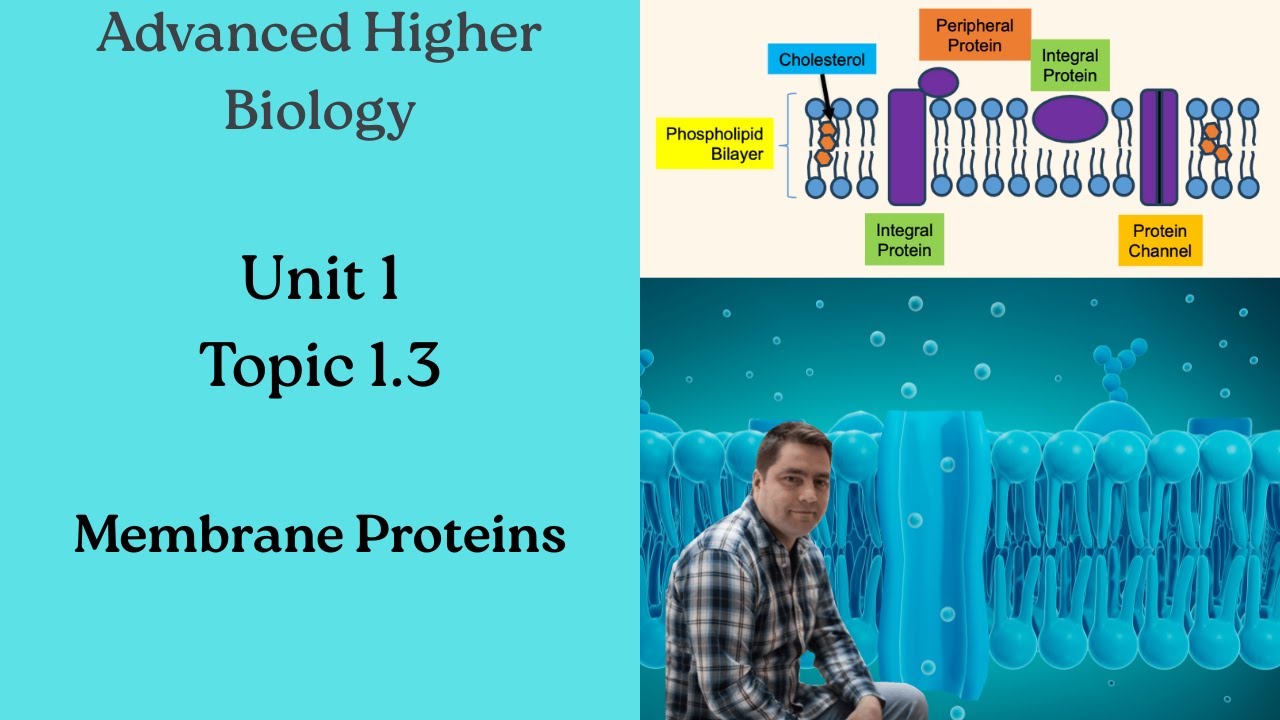
And so a membrane receptor is essentially an integral protein that is embedded in the cell membrane that takes part in communication with the outside environment.
And so for short I'm just gonna say it's an integral protein that communicates with the outside environment.
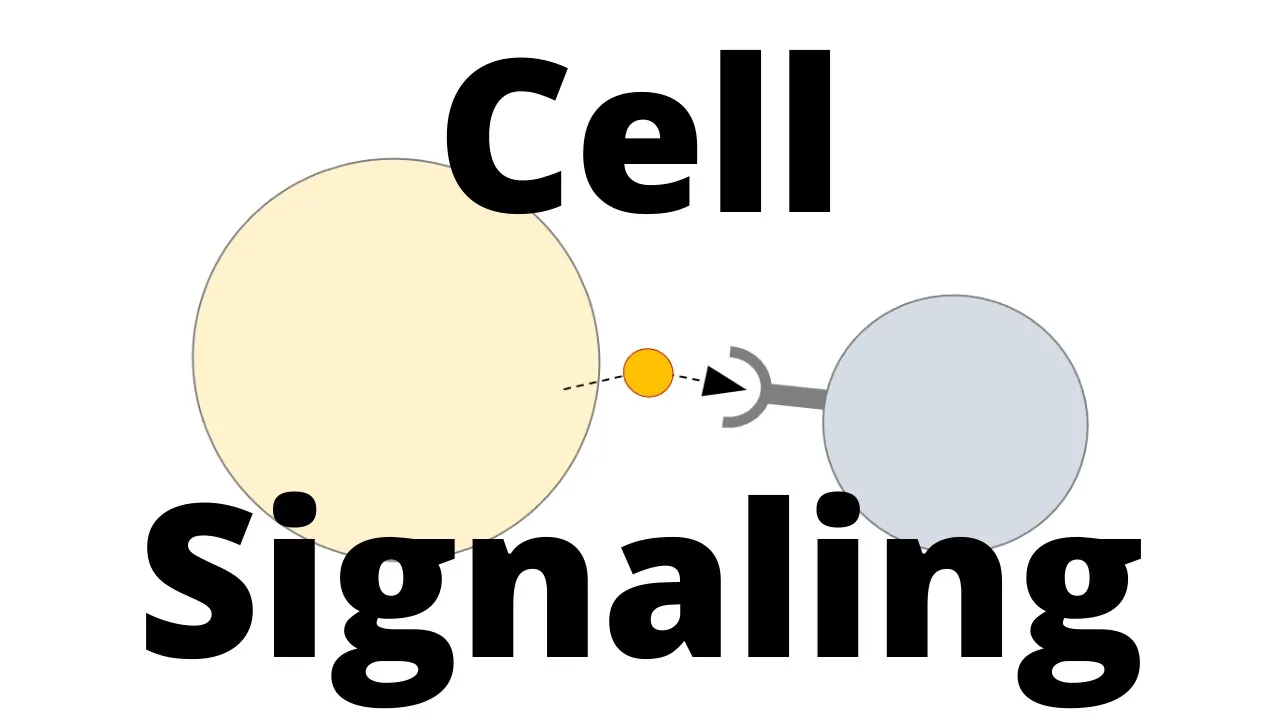
And so the way membrane receptors work is that in our bodies there are a bunch of these signaling molecules going around.
We call these extra cellular signaling molecules because they are outside our cells.
Let's say this outside area is the extra cellular portion.
Let's say we have a pink signaling molecule.
And for the sake of diagramming I'm gonna say it looks like a triangle.
Now in reality, of course, signaling molecules do not look like triangles.
Signaling molecules can be a variety of things.
They can be ions or molecules, essentially, that bind to another chemical entity.
We also call these ligands.
A ligand can be something like a neurotransmitter or a hormone or cell recognition molecules.
And what these can do is these can attach to our membrane receptors and trigger changes inside the cell.
I'm gonna do the membrane receptors in a nice blue color.
And remember we say they're integral proteins.
Integral proteins are proteins that go through the entire cell membrane.
So let's say here we have our nice integral protein.
And so what will happen, essentially, is this ligand will bind to our integral protein.
And this integral protein, which, again, appears in our cell membrane will actually bind that nice triangle shaped ligand that we have.
Like this.
And so now what we have is our ligand receptor complex.
It's just a fancy way of saying our ligand and our memory receptor have bound.
And once this happens this can essentially tell the cell what to do.
This can explain things like how hormones function, how our nerve impulses work, why our cells divide, cell death.
It also explains why our cells allow certain things into the cell and other things not, sometimes.
In terms of a bigger real world application, this is really critically important in designing pharmaceutical drugs.
In fact, a very big percentage of pharmaceutical drugs actually target our membrane receptors.
This is actually why some drugs can target specific cells.
Like some drugs might only target your liver while other drugs might target your heart.
And the reason why is because different cells might actually have different receptors.
And these receptors might bind different things.
This whole process of binding and telling the cell what to do, we actually have a really special name for it and that's called signal transduction.
So this is a process that we call signal transduction.
What happens during signal transduction is an extracellular signal molecule, so this is our ligand, binds to our membrane receptor, and these receptor proteins then cause an intracellular response.
And so after binding there will be what's called an intracellular response.
And so this receptor will bind to the protein and this will cause the protein to actually change confirmation which then activates intracellular signaling proteins.
So proteins on the intracellular side of the cell.
And this activates a cascade of protein signals that will alter the behavior of our cell.
Sounds really complicated.
Essentially the way this works is we have an original signal, our ligand.
And this can be again a hormone, a neurotransmittor, something like that.
And this original signal is passed along.
And it'll bind to a protein and that protein will tell other proteins inside the cell about what's going on.
And this signal is propagated throughout the cell causing the cell to perform a specific function.
Now you'll notice that in the diagram we actually drew a really specific shape for our ligand.
We chose a triangle.
Now I chose a triangle because it's a little easier to draw, but this triangle actually fits right into the protein that I was drawing, which has an empty triangle space.
This is actually really important.
Each specific receptor, so the thing that's missing a triangle, can only bind to a few types and often only one specific type of ligand.
So it can only bind that specific triangle pink ligand.
Memory receptors allow our body and cells to transfer information and it can be very, very specific about it.
This is important because when our body releases a hormone, it's kind of floating around in our entire bloodstream.
How does our pancreas know that the hormone's intended for it and how would our heart cells not react to it?
And this is why.
The membrane receptors have a very specific preference for certain specific types of ligands.
This is what we call our lock and key model.
So if we imagine our ligand as the key and our receptor protein as a lock.
Our receptor protein as a lock needs a very specific type of key in order to open it.
So just like how our keychain we might have a key to our mailbox and a key to our front door, maybe a key to our desk, each of these keys does something different and opens a different lock.
And that's kind of like how our cells work.
Now I just want to make a note that this is a slightly outdated model.
Our updated model is actually what we call induced fit.
And these two concepts are very similar.
But instead of saying that the ligands and the membrane receptors have a very, very specific shape, induced fit brings a little more flexibility.
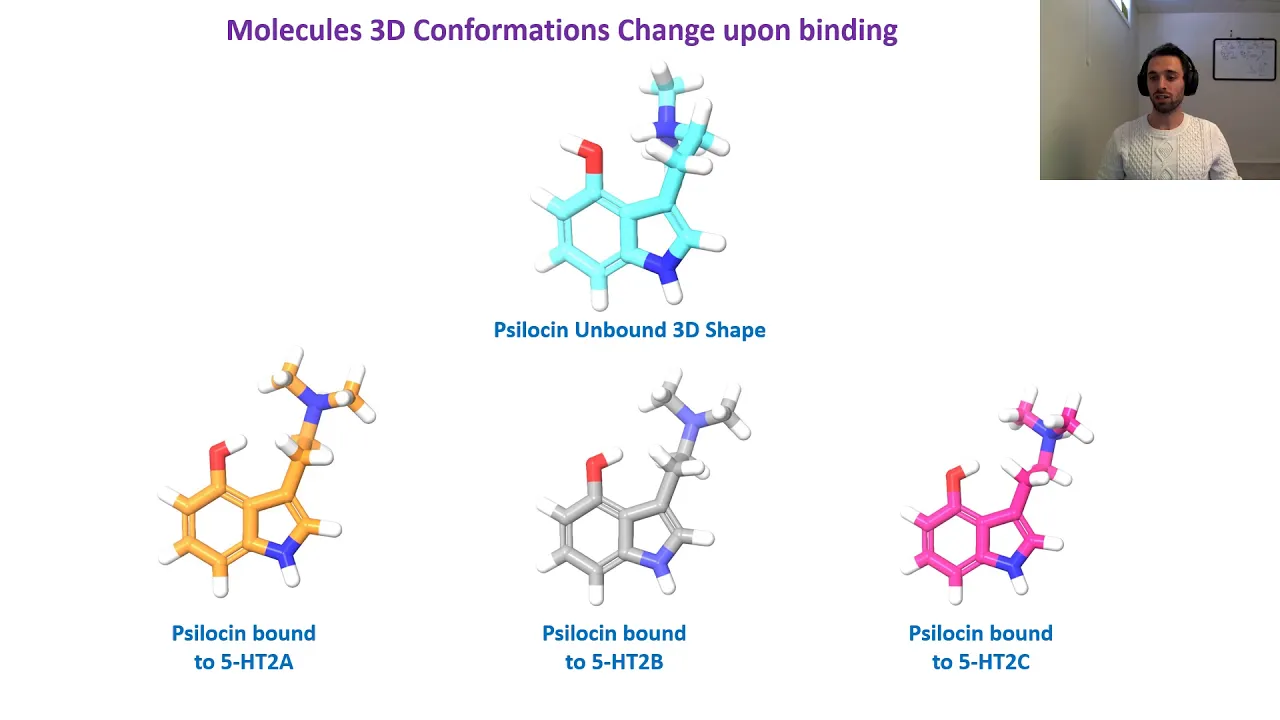
And it says the ligands and the membrane receptors can sometimes change confirmations.
Kind of like how dough can be a little squishy so that they can fit each other.
Overall there are still a ton of new membrane receptors that are being discovered.
As far as we know, we can group membrane receptors into three large groups.
The first group we call ligand gated ion channels.
The second group we call G protein coupled receptors.
And lastly our third group we call enzyme linked receptors.
Now in summary, essentially we have really important membrane receptors in our cell membrane.
And these are integral proteins that allow our cells to communicate with the outside environment.
And the process in which these integral proteins work, these memory receptors work, is that we have a ligand which can be an ion or a molecule.
It can bind to our integral protein causing a process that we call signal transduction.
And signal transduction essentially means that our original signal, or our ligand, is propagated throughout the cell as different proteins are activated causing our intracellular response.
Ligands and memory receptors have a very specific fit.
Only specific ligands can bind with specific membrane receptors and we call this lock and key.
A more updated name for it is induced fit, in which the ligands and memory receptors are a little more flexible, kind of like dough.
Though actually slightly alter confirmations when they fit together.
And all of these membrane receptors that we know so far can be grouped into three major groups.
Ligand gated ion channels, G protein coupled receptors, and enzyme linked receptors.
Up Next

33:24
Peptide Neurotoxin Probes of Ion Channel Function
@ciartech
324 views•2010-09-12
21:55
Deciphering Neural Circuits Controlling Anorexia in Mice | Richard Palmiter
@AllenInstitute
2.3K views•2011-10-10

5:27
Microglia: Structure and Function in CNS Inflammation
@khanacademymedicine
123K views•2013-09-24
13:03
How Exercise Benefits Your Brain: Science Explained
@TED
11.4M views•2018-03-21
Related Study Plans & Knowledge Roadmaps
Structured learning paths in Neuroscience
neuroscience
Appetite Regulation: Brain Circuits & Hormones
01Foundations of Endocrinology and Brain Anatomy
02Introduction to Energy Homeostasis
03Peripheral Signals: Leptin, Ghrelin, and Insulin
+ 2 more learning modules
14h5 modules
Explore Roadmap
neuroscience
Neuroeconomics: Value, Risk & Brain Mechanisms
01Foundations of Neuroscience and Brain Anatomy
02Introduction to Neuroeconomics and Subjective Value
03Dopaminergic Prediction Errors & Reinforcement Learning
+ 3 more learning modules
18h6 modules
Explore Roadmap
neuroscience
Spatial Navigation: Cells, Grids & Brain Maps
01Foundations of Brain Anatomy and Memory
02Place Cells and Head-Direction Cells
03Grid Cells: The Brain's Coordinate System
+ 2 more learning modules
12h5 modules
Explore Roadmap
neuroscience
BCIs: Neural Decoding & Prosthetic Control
01Neuroscience Foundations: How the Brain Signals Intent
02Signal Acquisition: Recording the Brain's Activity
03Neural Decoding: Translating Brain Waves into Data
+ 2 more learning modules
25h5 modules
Explore Roadmap