

![[#2] INTRODUÇÃO À FISIOLOGIA DO SISTEMA NERVOSO: CÉLULAS DA GLIA E NEURÔNIOS | MK Fisiologia](https://i.ytimg.com/vi_webp/AlWtsInlvMY/maxresdefault.webp)






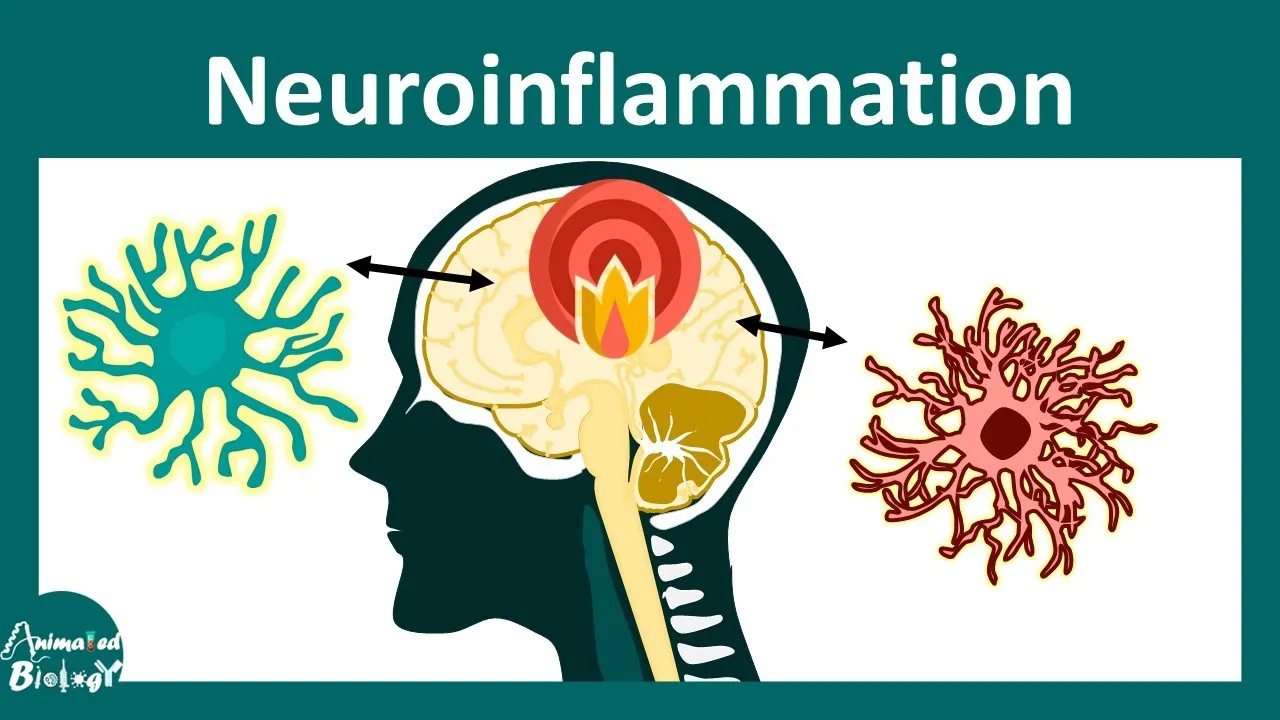
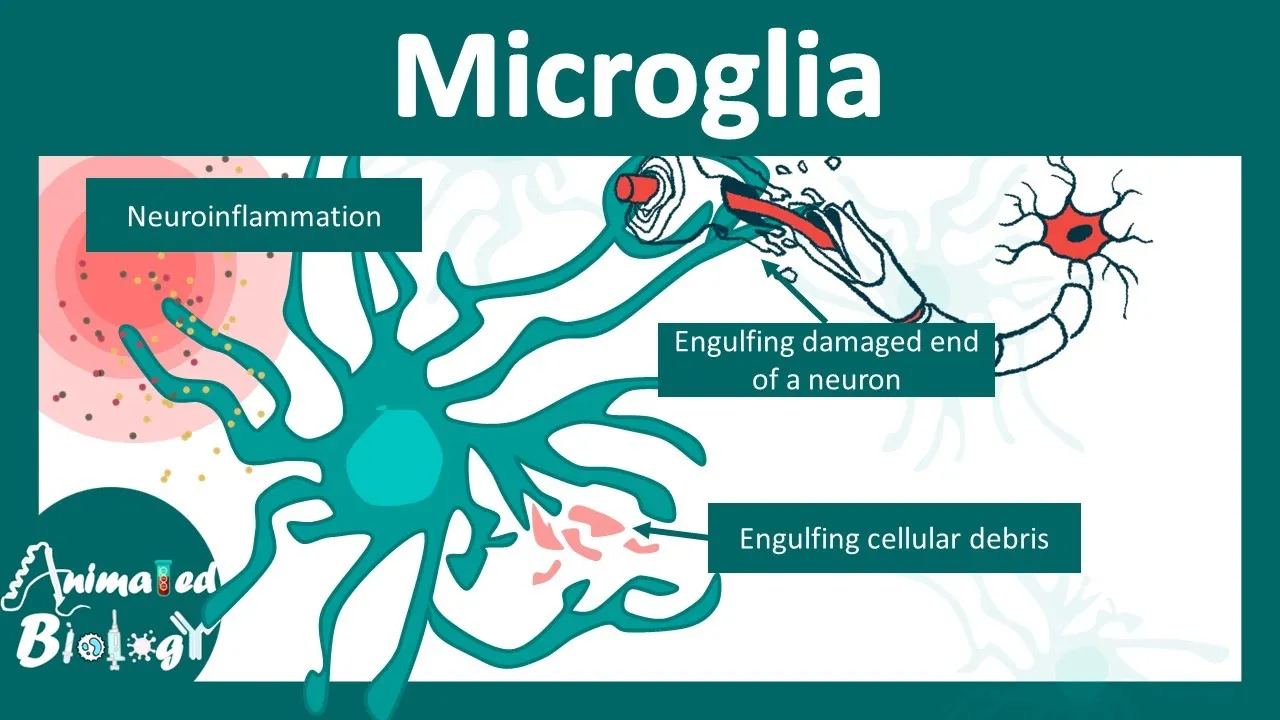





Microglia are small glial cells of the central nervous system derived from mesodermal monocytes, existing in two states: resting microglia with branched processes that sample interstitial fluid for trouble, and active microglia that transform into amoeba-like shapes to combat inflammation, pathogens, and cellular debris through phagocytosis, cytotoxic factor secretion, and antigen presentation to immune cells.
Microglia: Structure and Function in CNS Inflammation
Added:Basic neuroanatomy and cellular organization of the Central Nervous System (CNS), distinguishing between neurons and glial cells.
Fundamentals of immunology, specifically the mechanisms of the innate immune response, inflammation, phagocytosis, and antigen presentation.
The concept of the Blood-Brain Barrier (BBB) and the immunological privilege of the brain.
General cell biology concepts, including receptor-ligand interactions, phagocytic vesicle pathways, and lysosomal degradation.
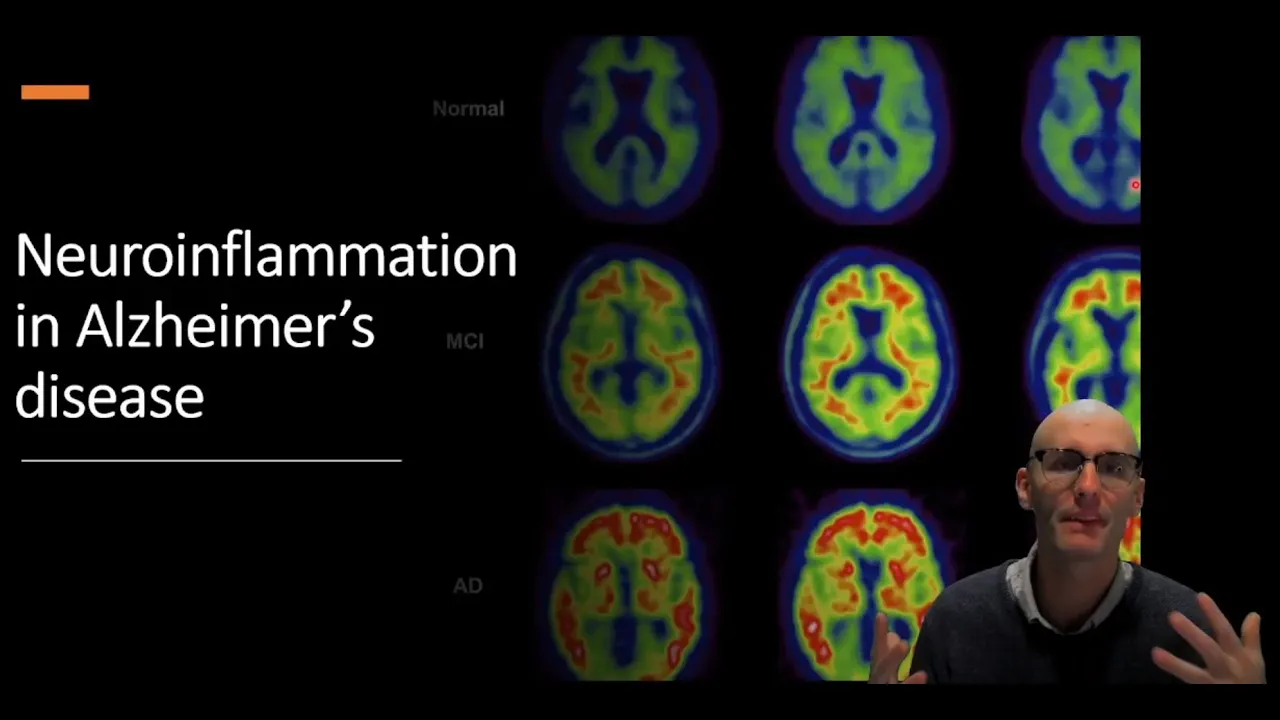
The role of chronic microglial activation (microgliosis) in the pathogenesis of neurodegenerative diseases like Alzheimer's, Parkinson's, and Multiple Sclerosis.
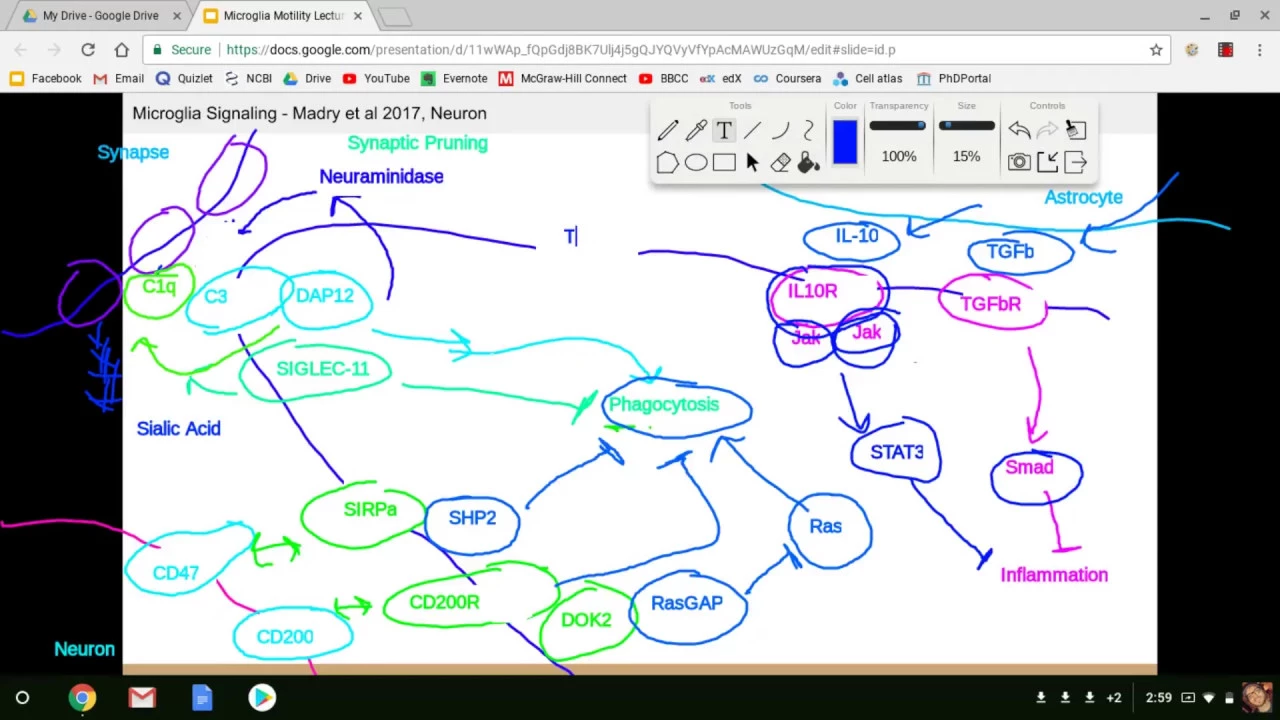
The physiological process of synaptic pruning by microglia during neurodevelopment and its implications for synaptic plasticity.
The dual phenotypes of microglia (pro-inflammatory/classical vs. anti-inflammatory/alternative activation states) and their shifting paradigms in current research.
Pharmacological and therapeutic targeting of neuroinflammatory pathways, specifically modulating microglial responses to treat CNS disorders.
123K views848likes5:27Original Release: 2013-09-24
In this video, we're going to talk about microglia, which are glial cells of the central nervous system.
Their name comes from Greek words meaning "small glue," which doesn't actually make a lot of sense.
But when all the glial cells were having their names handed out, the microglia were noticeably smaller than all the other glial cells.
So the cells ended up being named microglia.
And all the other glial cells will sometimes be referred to collectively as macroglia because they all tend to be larger than the microglia.
Most or all microglia probably derived from circulating monocytes from the bone marrow, that then enter the central nervous system.
So that they are therefore from the part of the embryo called the mesoderm, as opposed to the ectoderm that all the other neural cells are derived from.
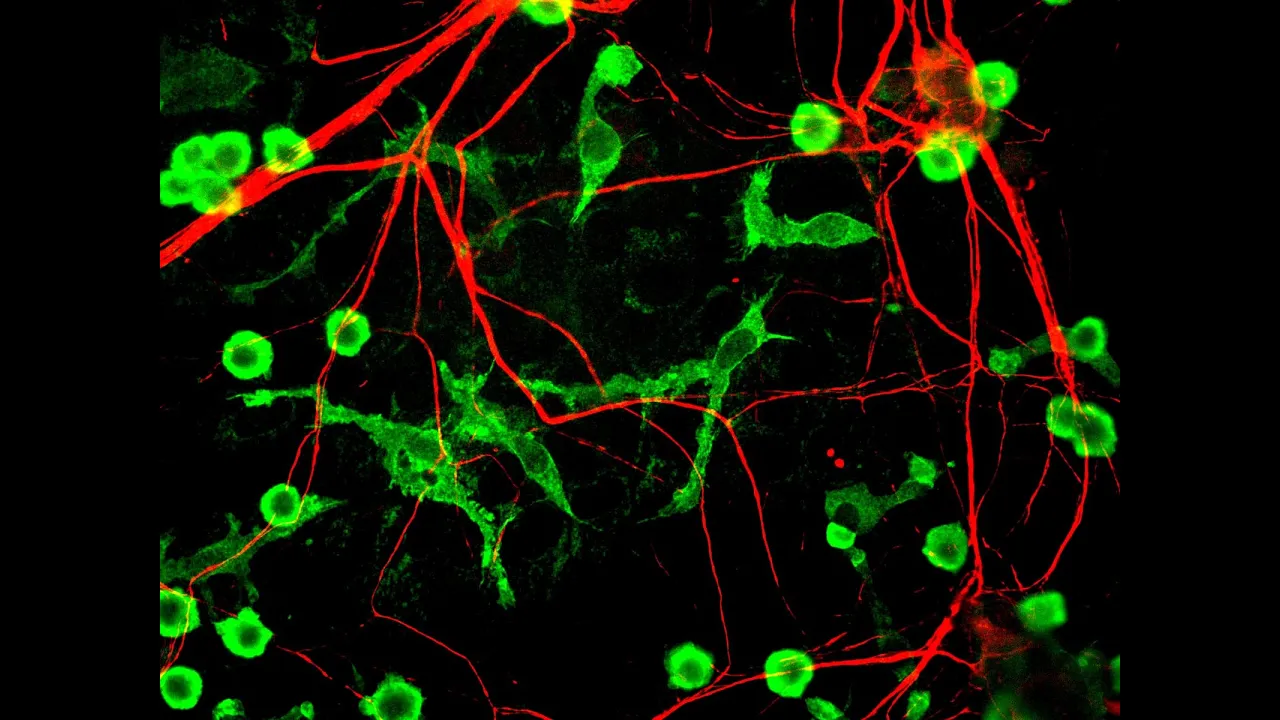
Microglia come in a few different shapes.
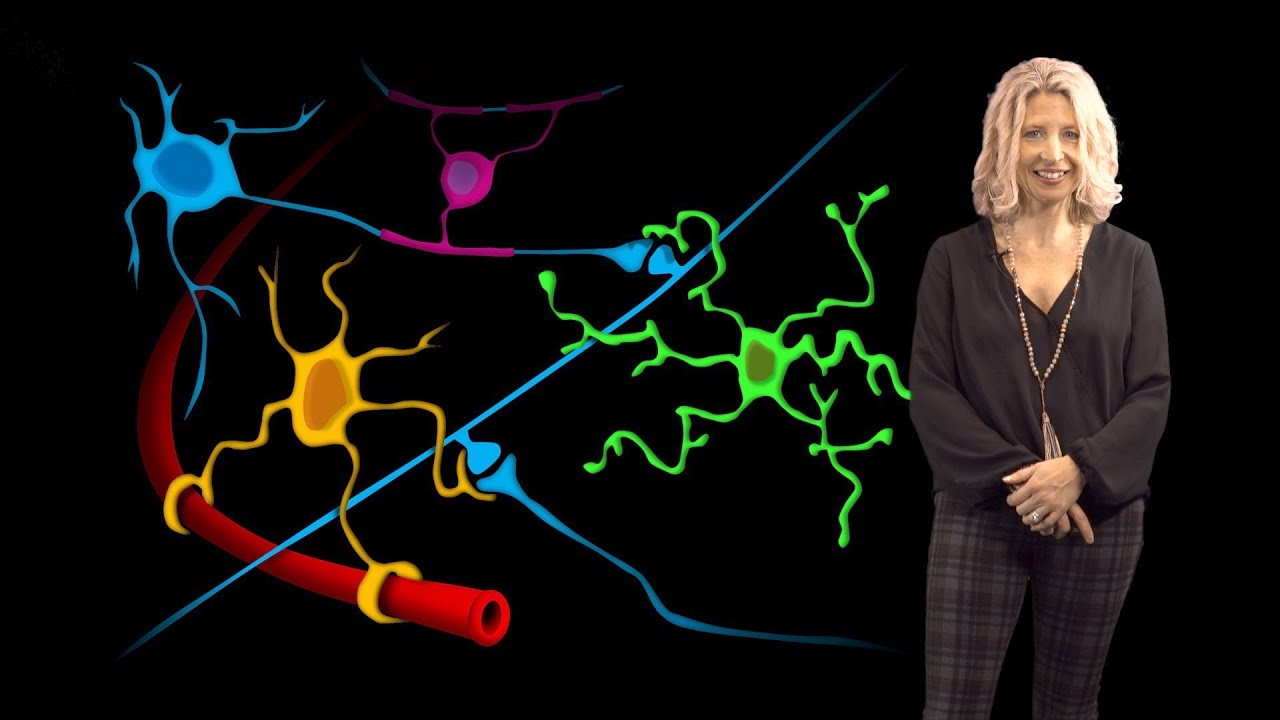
Resting microglia have a small soma and lots of long, highly branched processes heading out in every direction.
And when they're in this shape, they're called resting microglia.
Active microglia are larger and just kind of blob shaped.
Some people say they're shaped like an amoeba.
So when they're shaped like this, they're called active microglia.
When microglia are resting, they're basically just sitting there sampling the interstitial fluid.
They have all these long, highly branched processes heading out, just keeping an eye on the interstitial fluid.
And they're basically looking for trouble.
And when resting microglia do detect that there's trouble going on, they convert into active microglia.
They retract all these long, branch processes and turn into these blob-like active microglia.
And the main type of trouble they're looking for is inflammation.
And whether that's inflammation from injury to the tissue of the central nervous system or an infection of some sort, like a bacteria or a virus has entered the central nervous system.
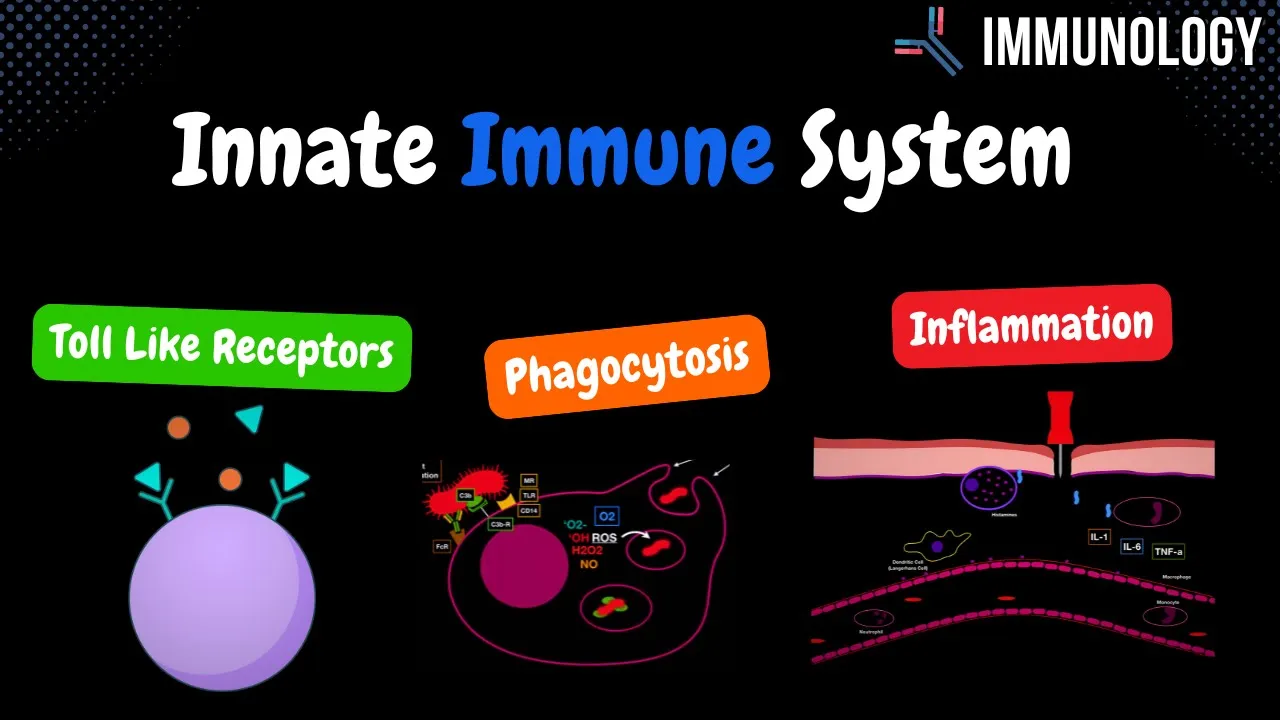
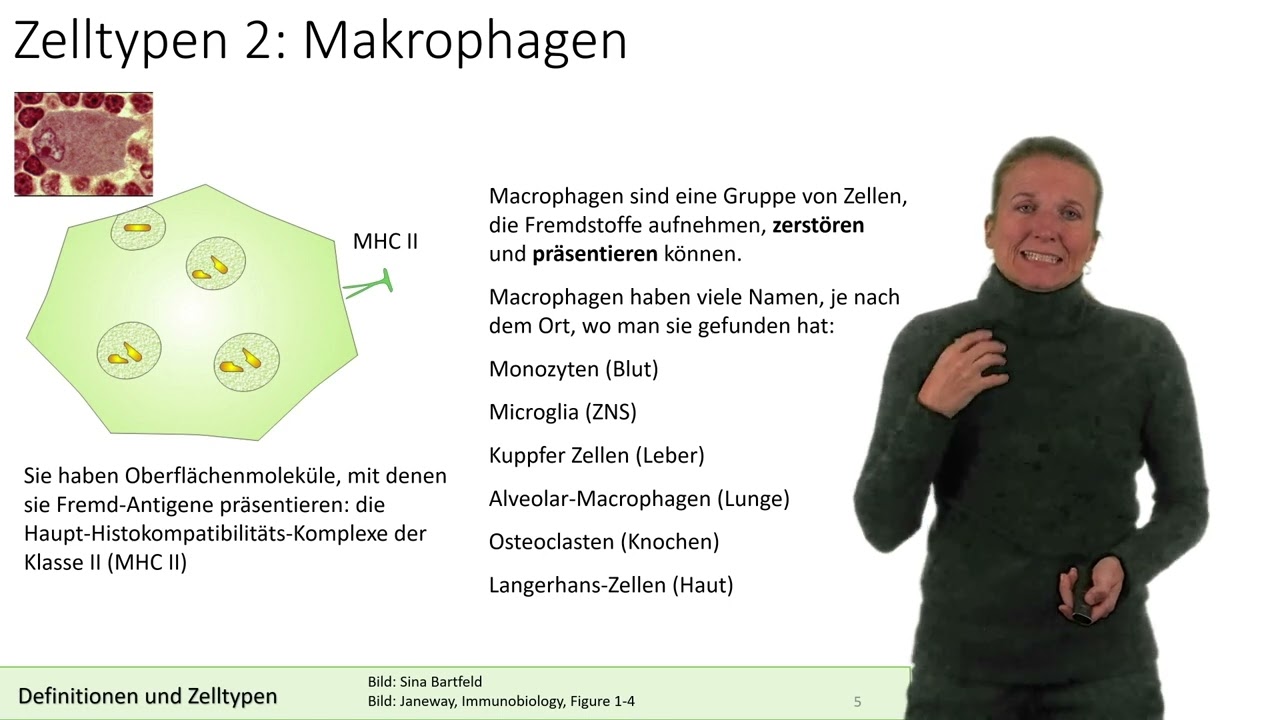
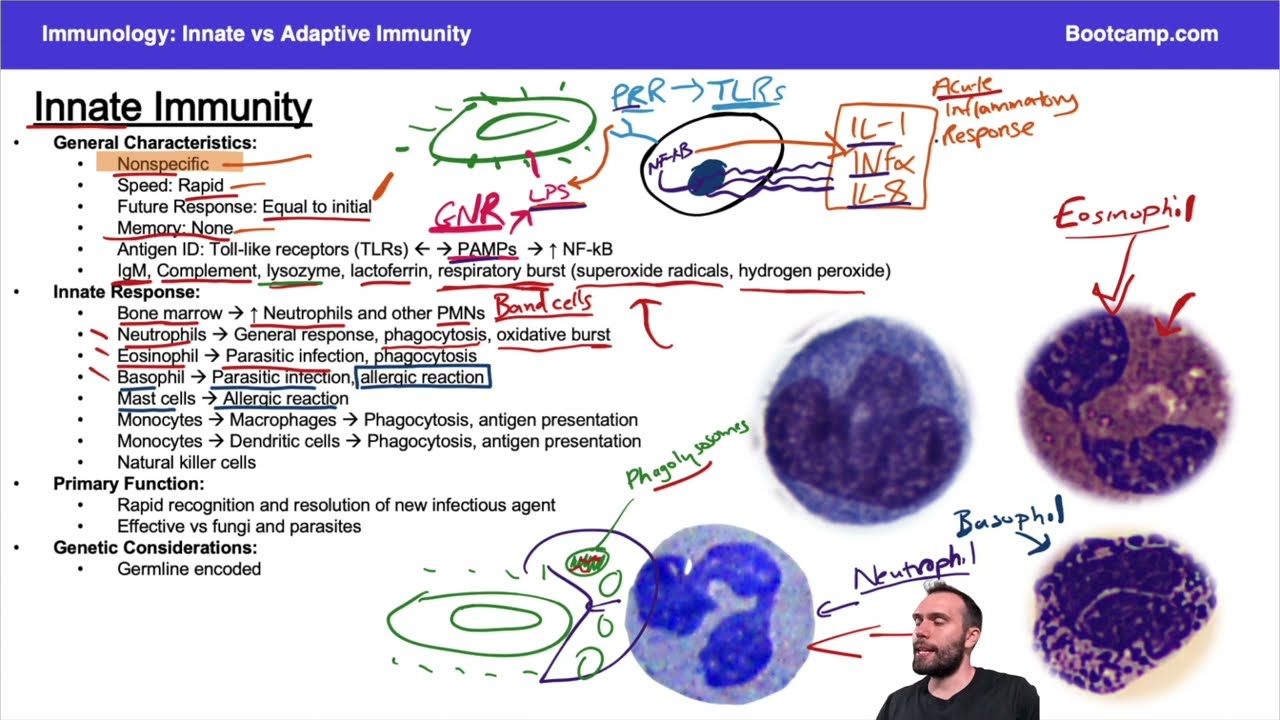
Now active microglia look and act like macrophages anywhere else in the body, which is a type of cell that moves around through tissues looking for dead or damaged cells or foreign cells.
So active microglia will move or migrate over to areas of inflammation and they're looking for things like bacteria or other foreign cells that have invaded and are causing an infection or dead or damaged cells of the central nervous system.
Now, if an active microglia finds a foreign cell like a bacteria, it can secrete substances that are called cytotoxic, that can kill these foreign cells.
For example, reactive oxygen species-- that I'll just shorten to "ROS"-- that could kill a cell like a bacteria.
And secretion of cytotoxic factors is one of the main functions of microglia.
Now after the microglia killed the bacteria, the bacteria would turn into just debris, just broken up pieces of bacteria.
And there is nothing that microglia enjoy more than chowing down on debris.
And it doesn't have to be foreign cell debris, like a bacteria.
But any cell of the central nervous system, if it's dead or its damaged and there's debris, basically anything that's not a normal healthy cell of the central nervous system, the microglia will eat it.
It'll take it inside its own cell and break it down into smaller pieces.
So this is another main function of microglia, which is called phagocytosis, which means eating cells or eating debris.
Just like other types of cells do all over the body, when they're like macrophages, they look just like active microglia.
Now, these functions don't have to occur in this order.
If a microglia bumps into something abnormal and phagocytoses it, that often gets the microglia fired up and it may then start at creating cytotoxic factors, or other substances that interact with immune cells to further fire up information.
Now after the microglia eats the debris, it performs its next major function, which is to take those broken up pieces of the debris that it ate and stick little pieces out on its surface for other cells to see and specifically other cells of the immune system, like lymphocytes.
Lymphocytes will come in here and they will recognize or they'll look at these pieces of the debris that the microglia ate and is now presenting on its surface for the lymphocyte.
Any molecule that a cell of the immune system can recognize, we call an antigen.
So this function is called antigen presentation.
With the effect that these immune cells further increase inflammation and try to make the inflammation more specific to whatever the antigen was, particularly if it's from a foreign cell.
So that the microglia is activated by inflammation and the microglia also contributes to inflammation.
Therefore, microglia play a major role in inflammation in the central nervous system.
In addition to these functions, microglia appear to influence neurons, other glia, and other cells of the immune system and vice versa, through exchange of a variety of substances.
Up Next

100:30
Imaging Brain Circuit Development in Vivo | Ed Ruthazer | Frontiers in Neurophotonics
@NeurophotonicsCa
422 views•2021-05-21
21:55
Deciphering Neural Circuits Controlling Anorexia in Mice | Richard Palmiter
@AllenInstitute
2.3K views•2011-10-10

4:19
Neurotransmitter Release: Voltage-Gated Calcium Channels
@khanacademymedicine
256.8K views•2014-02-03
13:03
How Exercise Benefits Your Brain: Science Explained
@TED
11.4M views•2018-03-21
Related Study Plans & Knowledge Roadmaps
Structured learning paths in Neuroscience
neuroscience
Appetite Regulation: Brain Circuits & Hormones
01Foundations of Endocrinology and Brain Anatomy
02Introduction to Energy Homeostasis
03Peripheral Signals: Leptin, Ghrelin, and Insulin
+ 2 more learning modules
14h5 modules
Explore Roadmap
neuroscience
Neuroeconomics: Value, Risk & Brain Mechanisms
01Foundations of Neuroscience and Brain Anatomy
02Introduction to Neuroeconomics and Subjective Value
03Dopaminergic Prediction Errors & Reinforcement Learning
+ 3 more learning modules
18h6 modules
Explore Roadmap
neuroscience
Spatial Navigation: Cells, Grids & Brain Maps
01Foundations of Brain Anatomy and Memory
02Place Cells and Head-Direction Cells
03Grid Cells: The Brain's Coordinate System
+ 2 more learning modules
12h5 modules
Explore Roadmap
neuroscience
BCIs: Neural Decoding & Prosthetic Control
01Neuroscience Foundations: How the Brain Signals Intent
02Signal Acquisition: Recording the Brain's Activity
03Neural Decoding: Translating Brain Waves into Data
+ 2 more learning modules
25h5 modules
Explore Roadmap