



















This lecture explains how fear expression circuits dynamically switch between prefrontal cortex projections to amygdala (short-term fear) and projections through paraventricular thalamus to central amygdala (long-term fear), with different prefrontal cortex layers (superficial for amygdala, deep for thalamus) mediating these time-dependent effects, which has implications for understanding PTSD treatment.
Investigating Circuits of Conditioned Fear | Greg Quirk
Added:Fundamentals of classical conditioning, specifically Pavlovian fear conditioning, including conditioned stimuli (CS) and unconditioned stimuli (US).
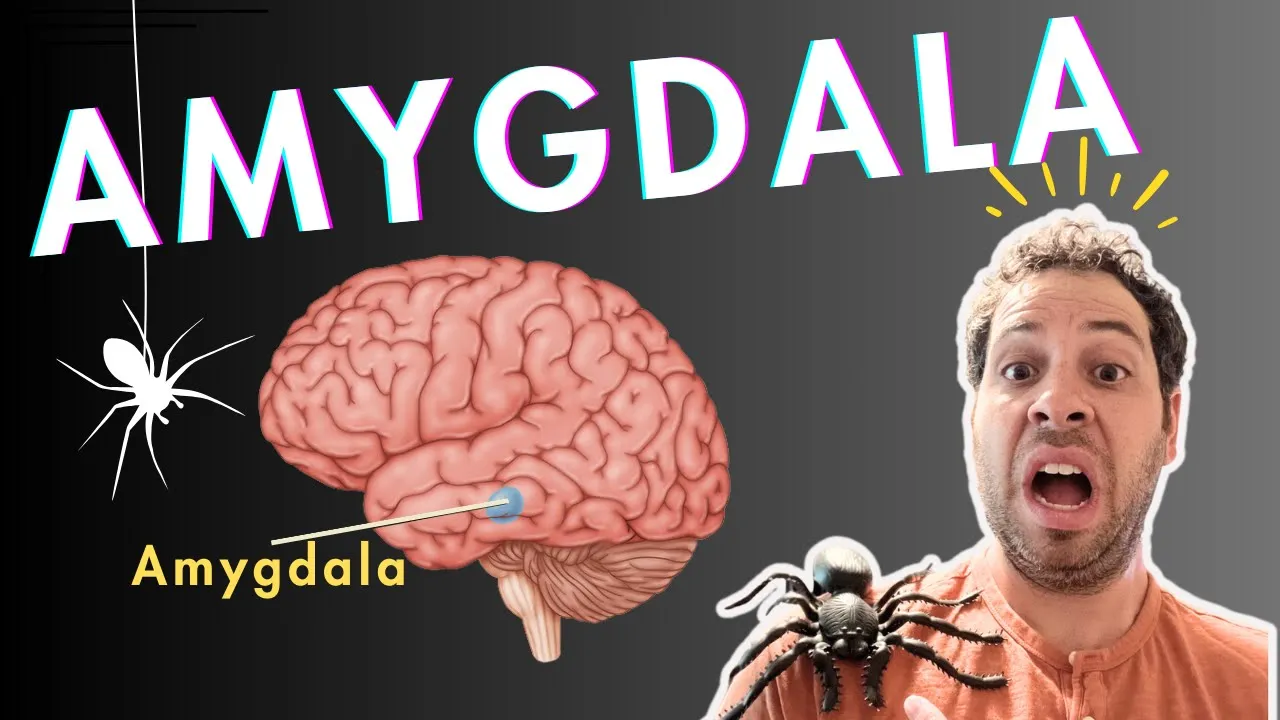
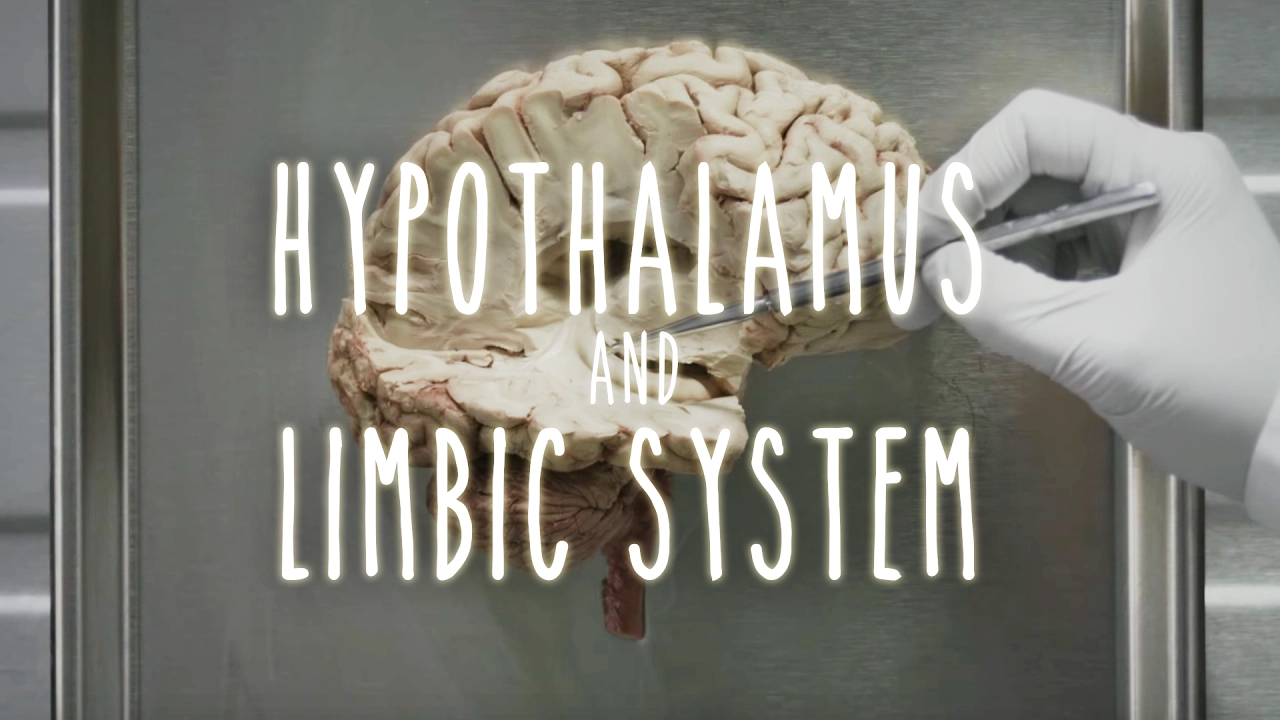
Basic neuroanatomy of the limbic system, focusing on the primary role of the amygdala in processing and expressing emotional responses.
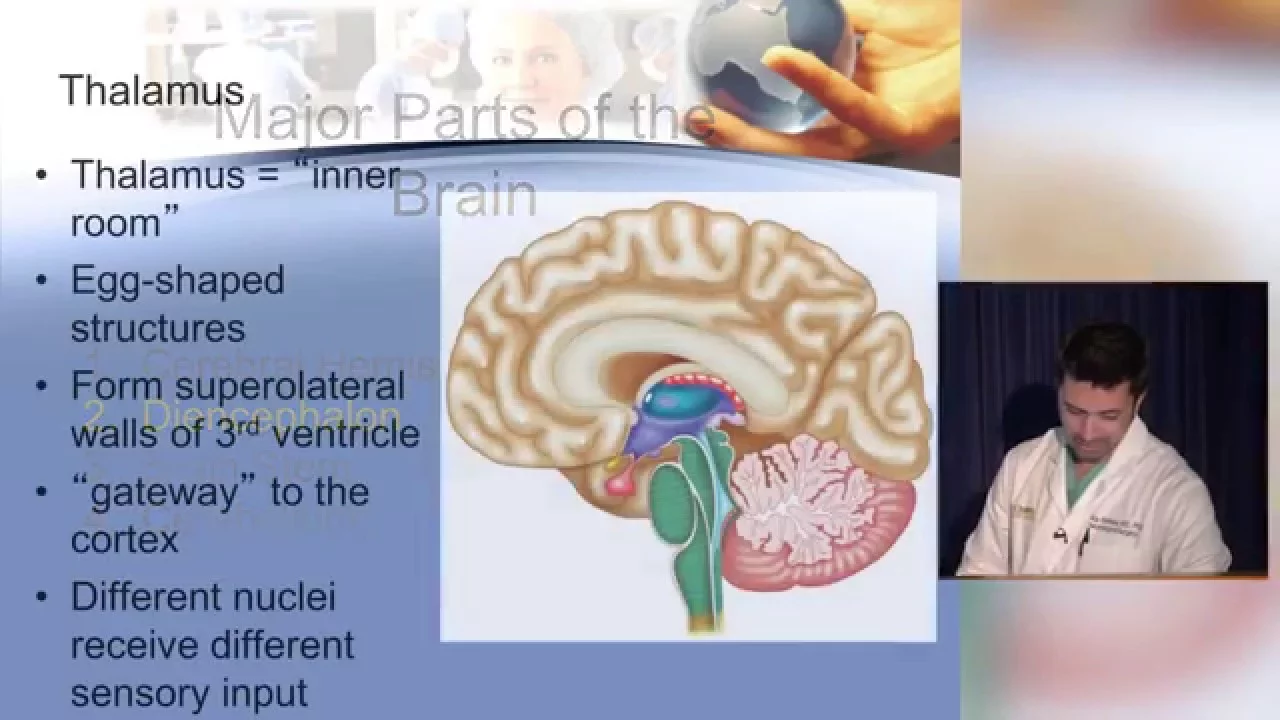
General physiological roles of the prefrontal cortex in executive function and the thalamus as a sensory gating relay.
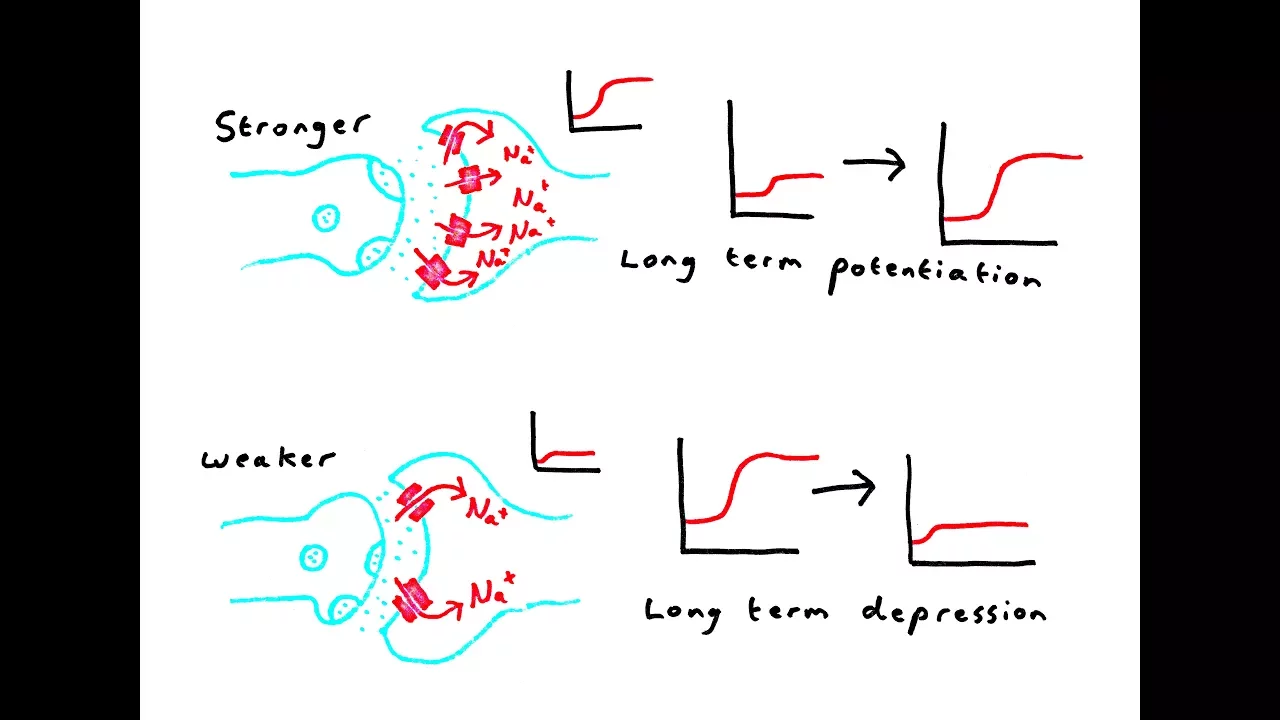
The concept of synaptic plasticity (such as Long-Term Potentiation) as the cellular basis for learning and memory.
The neural mechanisms of fear extinction, including how the prefrontal cortex actively inhibits fear memories rather than erasing them.
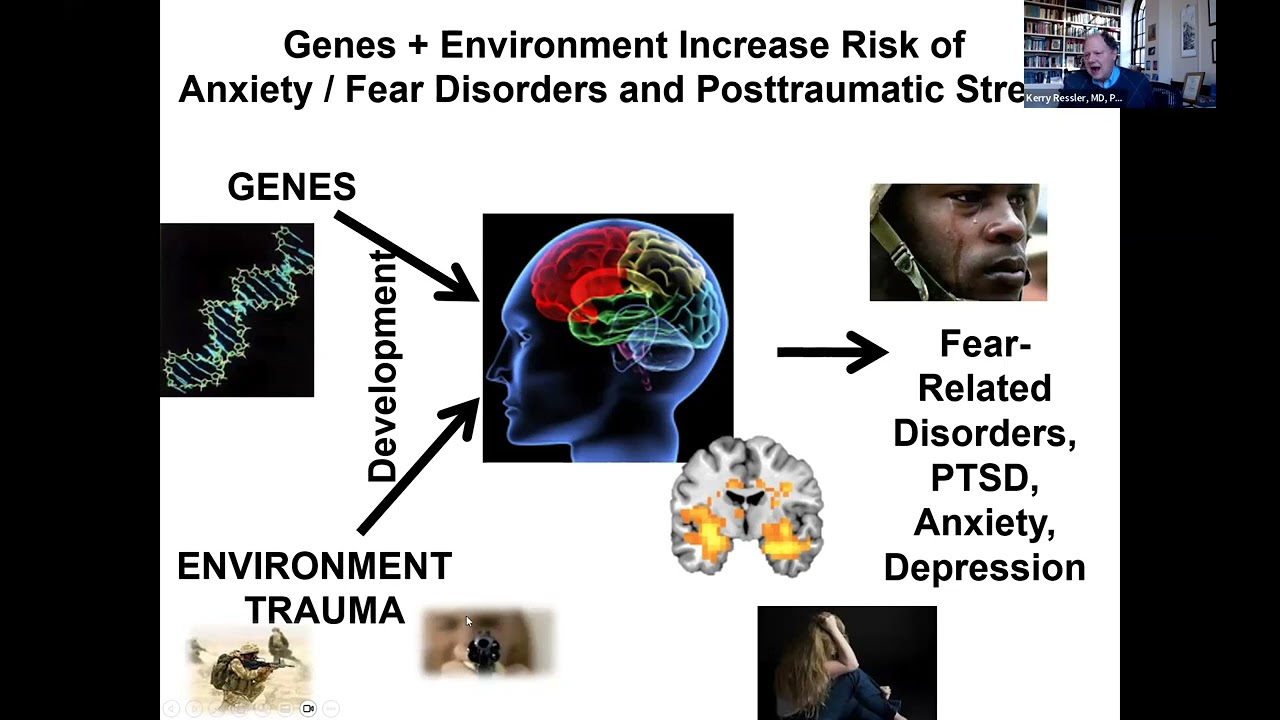
Clinical translation of fear circuit research to human psychiatric conditions, particularly Post-Traumatic Stress Disorder (PTSD) and phobias.
The neurobiology of avoidance behavior and how active avoidance pathways differ from passive freezing responses.
Advanced methodologies in neurocircuit mapping, such as optogenetics, chemogenetics, and in vivo calcium imaging used to manipulate and record specific pathways.
1.9K views24likes21:56Original Release: 2016-06-20
the next paper in this session is entitled investigating circuits of conditioned fear and avoidance by Greg quirk University of Puerto Rico okay thank you Ken and I want to thank you sick and URI for inviting us to be part of this about part of this icon Center it's it's great for or a lab but it's great for Puerto Rico for the whole education aspect and community aspect of the of the center we're really glad to be a part of it in fact I'm I'm thinking that the next I mean Michigan is nice I'm thinking the next meeting for I came could be right here in Port you get there's a lot of little place right here with a beautiful right and then it's that well grown at the cost of it I'm sure so what I'm going to talk about we're not using MEMS we'd like to use them and we plan on using this part of the center but I want to give you an idea of the questions that we asked about emotion about fear that we would use this technology so this actually this is partly this is a an island off the coast called Cayo Santiago that is a rhesus macaque research facility where wild monkeys are there and it's since the 1940s we do some research there I won't be talking about so what makes us afraid it's thought that there are innate innate fear stimuli like spiders or or Heights this is the CN Tower in Toronto it's terrifying if you've ever walked across something like that but in a sense you know your your amygdala saying you're about to die but your frontal cortex is saying you know they don't kill tourists just go ahead but it's amazingly difficult to do but most fears are learned to some kind of experience that we've had or we've heard about others having sand through process conditioning and we can respond to stimuli different ways it could be a passive response but we use that we modeled with freezing and animals or an active response this fight or flight running away from a disaster and we study both of these types of responses so the general questions of the lab are how do but-but regulates these expression of these fear responses and how do those fear responses compete with the pettite of drives so the passive fear we study with fear conditioning for those of you who haven't seen it we have rats pressing a bar for food reward and when this light comes on that's when they're going to hear a tone for the first time that's the first presentation of this tone it means nothing and they continue eating here in the conditioning phase the tone is on and it will terminate with a shock okay we do that a few times and then the next day this is the first time they're going to hear the the tone okay that's freezing the film has not stopped but you see this guy here is trying to break through his fear to get to the food you know that there's this competition between these drives appetitive drives and fear which we think is very important for the system so of course we can record with video methods the freezing occurs increases during conditioning and an extinction we can give the tone without the shock and the freezing dissipates and then the next day animals have had extinction training remember their their extinction experience but extinction is not forever it's well established that if you just wait a passage of time and then play the tone again it gradually returns or spontaneously recovers in this case back to 100% of its original value so extinction is not erasure it's some kind of inhibition and really then the question is what are the circular circuits that regulate this fear expression and of course the key circuit for the fear conditioning is the amygdala and against this tone and shock inputs from the thalamus and the cortex and then projects to areas that produce conditioned fear responses and it's regulated by the prefrontal cortex which has reciprocal connectivity with the amygdala and we focus on different parts of the prefrontal cortex the free limbic and info limbic sub regions we can use Musa Baal to temporarily inactivate a GABA agonist temporarily inactivated these areas the pre-olympic cortex we even activate you get a reduction in the in the freezing response so it's important for the expression of this condition fear but in contrast the in philippic cortex when you activate it they express the freezing fine but they have trouble inhibiting we're extinguishing the fear the next day they act like they never were extinguished so they have really opposite effects like a gas and brake on the expression of the condition fear and they have slightly different projections to the amygdala as well the prefrontal cortex targets this basal lateral part of the basal nucleus whereas the infra limbic targets this area between the central and the basolateral nucleus that contains these intercalated cells or other types of inhibitory interneurons which inhibit the output cells of the central nucleus so it's a it's like an off switch for the amygdala that the info limit cortex is able to access so when you record from pre-olympic neurons they show a marked resemblance to the actual condition fear response that if the freezing is in gray bars and the firing of an example neuron is in blue and you see their it expresses it as a z-score normalized to the prep' tone activity because he correlates very well with the freezing response and inputs to the from the amygdala critical for this condition response relies on inputs from the amygdala so this kind of work has led to these sort of simple circuits that could mediate the expression and the extinction of the fear the pre-olympic driving or exciting basal nucleus and central nucleus to produce fear responses and the infant limbic giving this feat for a division through the intercalated cells or through the basal amygdala so we've been using optogenetic techniques and other techniques to revisit these circuits recently so that the prefrontal cortex does projected and makeup and also to other areas for example the medial thalamus that we heard about this morning that in this case the paraventricular nucleus and it's this area that projects to the central nucleus so it's an indirect route to the amygdala and this is anterograde label in the paraventricular thalamus that that labels is particularly central nucleus of the amygdala very robustly so we first started this is work that we reported last year we first started by using fluorescently labeled view small to turn off this medial flama care and ask does it have any role in the expression of the condition of fear so we conditioned animals and then infused at different times after conditioning we saw a very interesting interesting thing that if we waited a half an hour or even six hours this area was not involved and had no effect but longer times a day or multiple days or a month the freezing was reduced suggesting at this area is important in the expression at a later time point so which areas which which sub regions might be involved for that we used see Foss comparing these two different time points when it's not and when it is involved six hours after try to get some slight labeling of neurons in this area and this C fossa is a one indicator of physiological activity in in neurons but seven days after you see a robust increase in this periventricular region but not in this neighboring media dorsal area so counting these cells indeed we see this at this late time seven days after training you see this increase here but not here now the pre limbic area is activated at both time points and the amygdala is it's interesting the basolateral Nicholas activated as you'd expect at this short time point but surprisingly was not activated this long time point now that the central nucleus was so suggesting that the circuits may be different at different times so this more traditional circuit of the prefrontal cortex projecting to the basolateral amygdala may be key for this six hour time point but at seven days it may be an indirect projection from the pre-olympic to the thalamus and the thalamus to the central nucleus so we wanted to ask are these pathways actually necessary for the expression of the fear for that we could turn to optogenetics using either channelrhodopsin or halorhodopsin to either turn on or turn off neurons or their their targets so we observed in anesthetized animals that applying halorhodopsin and activating halorhodopsin with yellow light does indeed turn off the firing rate of the neurons we can also refuse the halorhodopsin in a prolific cortex but shine the light in the flam ik target and record from the flam excels and when we do that we also see inhibition consistent with an excitatory projection that's just turned off but in addition we see excitation which is consistent with some kind of feed-forward inhibitory circuit so both both occur the this this reduction is more prevalent but you still see this it was something you have to keep in mind with these sorts of experiments is that there is often fee for it inhibition or dissing abyssion can occur as a result of turning off these neurons so what about behavior so here we can we can infuse the halorhodopsin in these various places at both time points or in the same animal and ask is there any change in the circuit and what we saw is that in activating that this soma or the peel neurons reduced freezing at both time points so consistent with the Foss data that's involved at both but in activating the projections from present cortex to the amygdala only in reduces freezing at the short time point but not the long time point then if we silence the projections from free limit cortex to the thalamus we get the reverse effect it only reduces the freezing of a long time point but not the short suggesting some kind of switch from this projection to this projection with time then we can inactivate the projection from the thalamus to the central nucleus of the mid well again only infuse only reduces freezing of the long time point seven days not the short and notice the next day when we present the tone without the the laser on there so there's a persistent reduction in the freezing suggesting that activation of this pathway may be important for maintaining the freezing almost like a reconsolidation blockade of some sort so the implications of these findings are that the current models we have of regulation are usually based on this 24 hour time point and need some rethinking and this work is often applied to post-traumatic stress disorder which are certainly older memories so this kind of shifting with time could be a factor in either the etiology or the treatment of that of that disorder and then the questions were addressing now or what are the mechanisms of that shift and what are the advantages of recruiting this area PBT and we're just beginning to to get at these issues and that's what I wanted to talk about the if you look at the pre-olympic neurons that project to either target we can do that by injecting retrograde tracers in the amygdala or the thalamus and looking at where you get retrograde label and it's a little hard to see with this lighting but you can see that the it's the deepest layer cell layer six really the projects to the thalamus where as the amygdala receives inputs from this more superficial layers two three and four five so that's a that's fortunate because it said the different layers project two different targets so we are exploring the idea that the pre limit cortex may control this shifting or trigger the shifting by shifting itself the activity from the superficial neurons to the deep neurons so the first question we asked is what are the what are the tone responses of neurons in these two different layer areas and do they differ with time so these are examples single cell examples that we see from cell prolific cells in the superficial versus the deep areas and indeed we did see some cells that increase their the superficial cells increase the rate at this hour and it pretty much lost it by seven days and the reverse seems to be the occur the deep layers there's actually an increase with time and the response of these cells to the to the tone but we've only looked really at a handful of cells like 15 cells at this point but it seems that there may be this this shift this layer dependent shift and it also looks like there may be some interaction between the neurons maybe inhibitory interactions where you see excitation here but inhibition here so these are the kinds of things that we want to look at women with when we can record many more cells so this shows individual cell examples from these two different layer categories indeed there's a pronounced effect here the superficial cells in two hours and the deep cells there are some cells that increase their responses with time some don't some seem to get inhibited with time if you averaged across cells in these two different layer categories it looks like there's nothing happening at seven days at all but again I think that is an inappropriate average but the this layer based ID really may not be sufficient we really need to know what are the targets of the cells and be able to identify cells based on their targets so that's where I pan comes in if we can have probes that will record from multiple cells and using this this led technology we can then cross that with an intersectional strategy where the channelrhodopsin we have hsf cream which will retrograde the transport intersect with channelrhodopsin diodes so you basically only the cells that project to the Pvt will Express the channelrhodopsin the same can be done in the amygdala with a red shifted channel so that we could basically identify or tag neurons and know what the target is at the time of recording if we can record a lot of cells we can also talk about the interactions between the different layers and and get cross correlations and timing effects on this area so this is the this is really the project in this grant that we that we wanted to one of the projects now what are the advantages of recruiting PBT into the fear circuit one may be as I've already mentioned maintenance of the fear memory through through some kind of reconsolidation process that's occurring and there's evidence from that from boli's lab that it may involve BDNF but if you look at the connections PBT is uniquely connected it receives inputs from all of these different areas in the midbrain hippocampus amygdala and projects back to these many of these areas and also projects the nucleus accumbens so it's it may be uniquely situated in terms of the anatomy so other possibilities is that P that periventricular thalamus could coordinate fear memories with other responses such as arousal chronic stress or reward and food seeking and this is this is an area that we're we're particularly interested in we're looking at and we've developed a task where the animal is learns that if the bar will only produce food when this light is on so it's Q induced so he just waits for the light to turn on and then presses to get rewarded so in this case we can train animals this way and they learn to press in a few days they learn to press only when the light is on and not when the light is off then we give another day with the food available as before or we turn off the feeder and just omit the food that the animal is expecting so we first started with again with fluorescent Musa ball to inactivate this this particular area and we observed that we had activate just prior to this this this test of day four and it had no effect when the food was available but when the food is omitted it actually increased the firing rate and acting this increased the press rate when we inactivated this area suggesting that that the periventricular thalamus suppresses pressing but only under these conditions where the expected food the reward was omitted so we then turned to activating the power to go thalamus and with that with that inhibit the food seeking so here we switch to channel rhodopsin expressed here in periventricular thalamus and when we activate or stimulate these neurons fruit is food seeking is reduced both during when it's available and when it's omitted so this is seems to be a switch to turn off that of that food seeking and I think there's a video here showing that so here the lasers off it just gets the light and of course both animals will press for food but here the laser will turn on just as a light turns on in both animals but only this animals expressing channelrhodopsin so it's hard to say there's easy not hungry or he doesn't really know that the bar produces food or it doesn't have an effect on spawn on spontaneous pressing without the light so it's not it we don't think it reduces the hunger of the animal okay so the next question we asked is what about specific projections in the paraventricular thalamus to the nucleus accumbens so here we can infuse that the virus and the particular thalamus and shine a light in the shell of the nucleus accumbens what we're seeing here which it receives the main projections from the paraventricular thalamus so he asked if this would have similar effects to the to the muse of all so no effect when the food was available so we shined the yellow light right here but when the food is I made it again the same increase in pressing that's occurred there so we think this is a it's not aversive but it is a negative consequence situation the animal is used to this one-to-one it always gets a pellet with every press and then there's there's no pellet available so we think is happening is that under conditions when an animal may have had a bad experience or a near-miss with a predator in a given situation and it returns to that area there's some stimulus that is potentially dangerous the parrot the the pre-olympic cortex can activate the parachute the thalamus and this can four projections to the central nucleus turn on furious breezes and through projections to the nucleus accumbens can turn off food seeking which is again part of the the fear response and these can be coordinated in the paraventricular thalamus but we don't exactly know to what extent that may be and again this is where the the the Silicon pros would be key in helping us to record between these cells are the same neurons or a different cells do they interact etc okay these are the people who did this work this is the postdoc for busy del Monte from Brazil who brought opto genetics to Puerto Rico and did a great job and this is a md/phd student calvin quinones quentin did all the unit recording calvin is here at the meeting and this is a super undergrad that's been working together with Fabrizio for for a couple of years and she is actually part of in the the eye pan summer program and right now she's in illyana's love-in in hamburg and here's the whole group on the roof of our building and I'd like to acknowledge the funders and and also NSF for this program thanks very much silicon fabrication there are minimum volumes of devices that have to be sold or you can't afford them you know the first probe costs a million dollars and the next thousand costs a hundred
Up Next

19:18
Neuroscience of Fear and PTSD: Rewiring the Brain's Amygdala
@TEDx
136.6K views•2012-11-13

51:37
Neural Circuits of Fear and Avoidance | Prefrontal Control | Webinar
@Labroots
1.1K views•2017-03-24

4:10
Vagus Nerve (CN X): Anatomy, Nuclei & Functions Explained
@Alilamedicalmedia
305.2K views•2022-10-31
13:03
How Exercise Benefits Your Brain: Science Explained
@TED
11.4M views•2018-03-21
Related Study Plans & Knowledge Roadmaps
Structured learning paths in Neuroscience
neuroscience
Fear Circuits: Amygdala, Context & Extinction
01Introduction to Brain Anatomy & Neurobiology
02Fundamentals of Fear Conditioning & the Amygdala
03Microcircuits of Threat Processing and Defense Responses
+ 2 more learning modules
12h5 modules
Explore Roadmap
neuroscience
Appetite Regulation: Brain Circuits & Hormones
01Foundations of Endocrinology and Brain Anatomy
02Introduction to Energy Homeostasis
03Peripheral Signals: Leptin, Ghrelin, and Insulin
+ 2 more learning modules
14h5 modules
Explore Roadmap
neuroscience
Neuroeconomics: Value, Risk & Brain Mechanisms
01Foundations of Neuroscience and Brain Anatomy
02Introduction to Neuroeconomics and Subjective Value
03Dopaminergic Prediction Errors & Reinforcement Learning
+ 3 more learning modules
18h6 modules
Explore Roadmap
neuroscience
Spatial Navigation: Cells, Grids & Brain Maps
01Foundations of Brain Anatomy and Memory
02Place Cells and Head-Direction Cells
03Grid Cells: The Brain's Coordinate System
+ 2 more learning modules
12h5 modules
Explore Roadmap