

![PSICOLOGÍA - Bases biológicas de la conducta [CICLO FREE]](https://i.ytimg.com/vi/l5Bxh7DHiRo/maxresdefault.jpg)














![Когнитивно-поведенческая психотерапия (КПТ) Аарона Бека. Техники и демо [Психотерапия #110]](https://i.ytimg.com/vi/arLUe2LC9tk/maxresdefault.jpg)





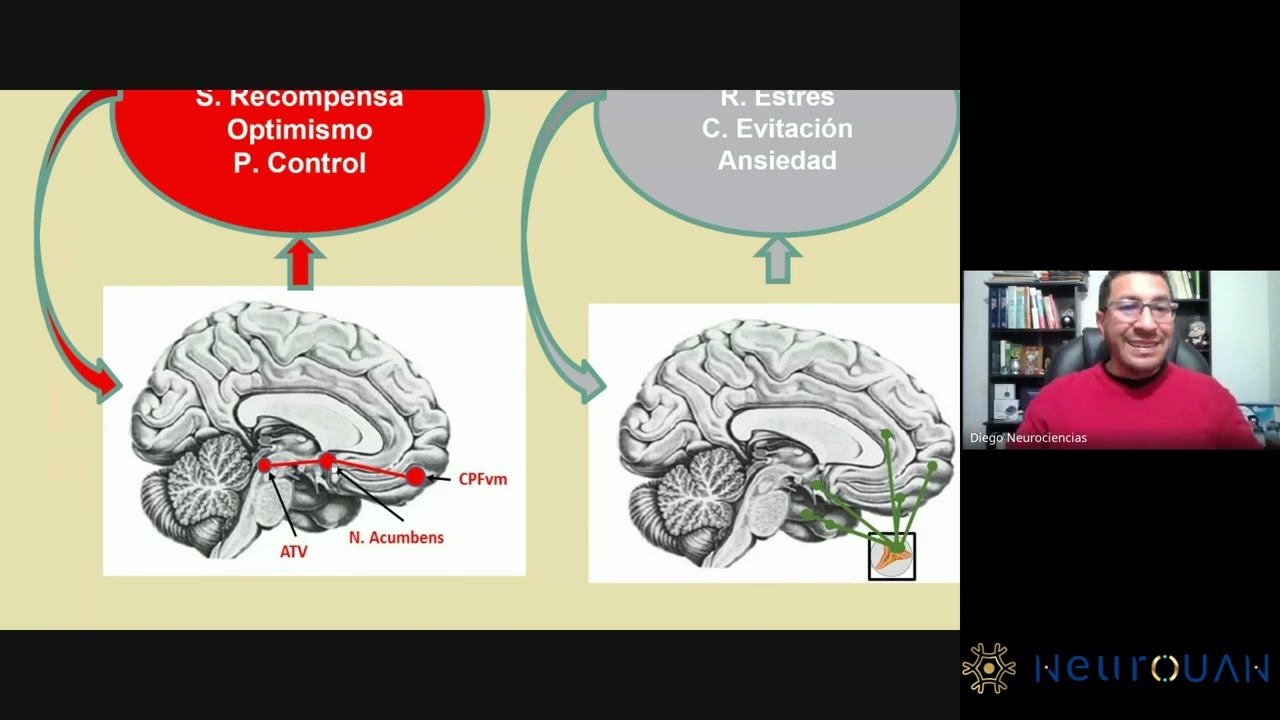

Fear acquisition involves the amygdala forming associations between neutral stimuli and aversive events, while fear extinction relies on the ventromedial prefrontal cortex inhibiting amygdala activity to suppress fear responses; however, stress impairs this prefrontal inhibition, and reconsolidation offers a promising approach for permanently altering fear memories by interrupting their restorative process during extinction training.
How Fear Works in the Brain | Elizabeth Phelps | Waterloo Brain Day 2014
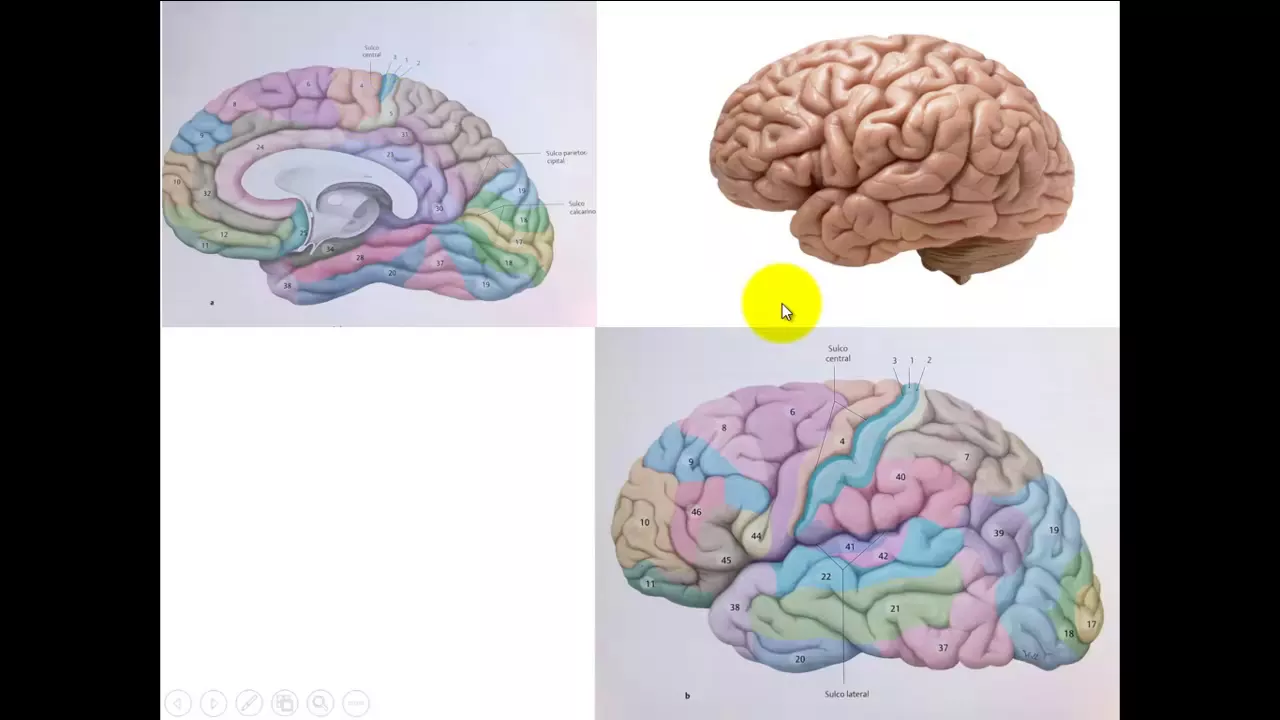
Added:Basic neuroanatomy of the limbic system, particularly the structure and function of the amygdala and prefrontal cortex in emotional processing.
The principles of Classical (Pavlovian) Conditioning, including concepts such as conditioned stimulus (CS), unconditioned stimulus (US), and extinction.
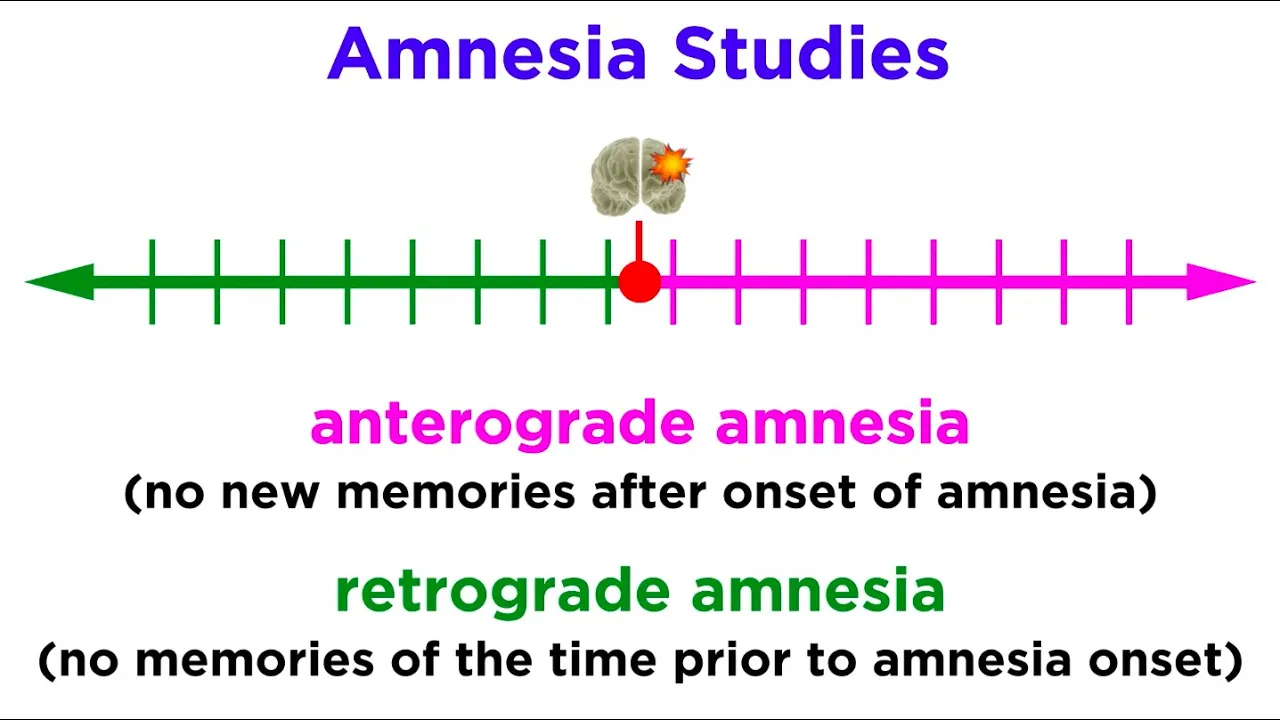
Fundamental concepts of memory storage, including the distinction between short-term memory, long-term memory, and the biological process of consolidation.
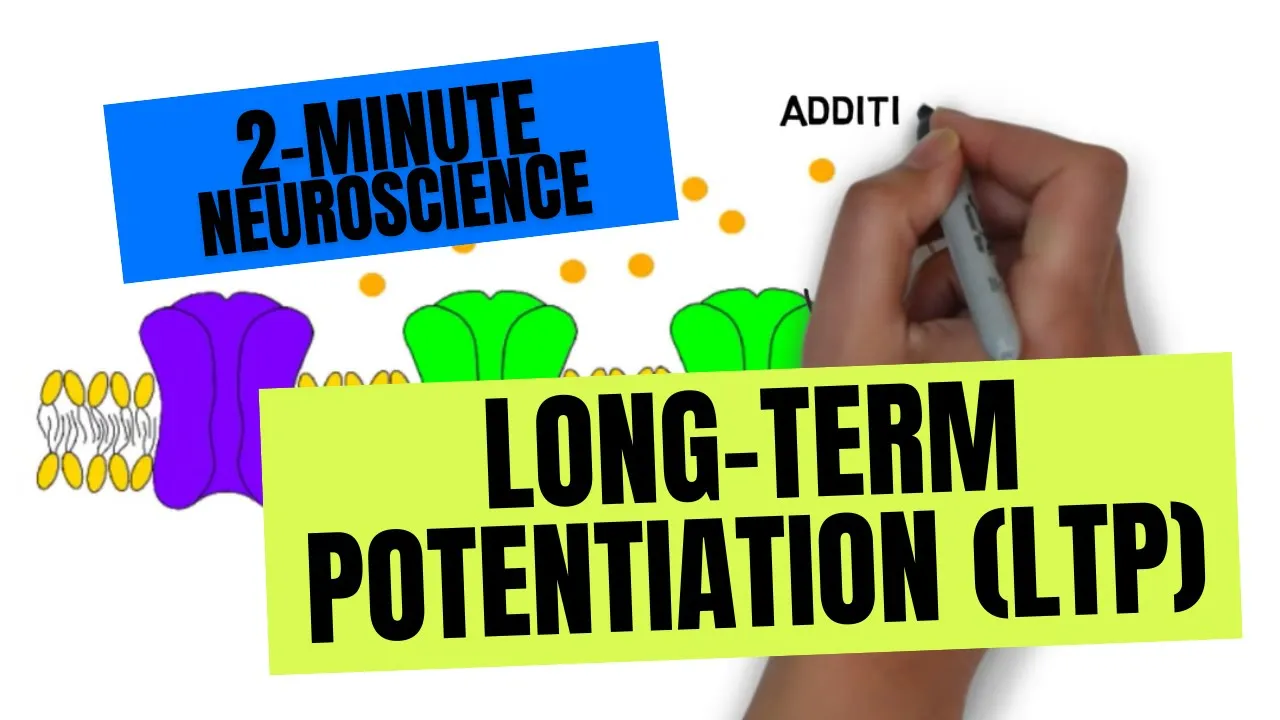
An introductory understanding of synaptic plasticity and how neural connections strengthen during learning (e.g., Long-Term Potentiation).
The clinical application of memory reconsolidation blockade, such as using beta-blockers (e.g., propranolol) to treat PTSD and phobias.
The neurobiology of extinction retention and the role of the ventromedial prefrontal cortex (vmPFC) in inhibiting fear responses.
Advanced behavioral therapeutic techniques, such as exposure therapy and cognitive behavioral therapy (CBT), viewed through a neuroscientific lens.
The impact of chronic stress and individual genetic variations on the neural pathways governing fear regulation and resilience.
1.4K views6likes1:14:23Original Release: 2014-05-29
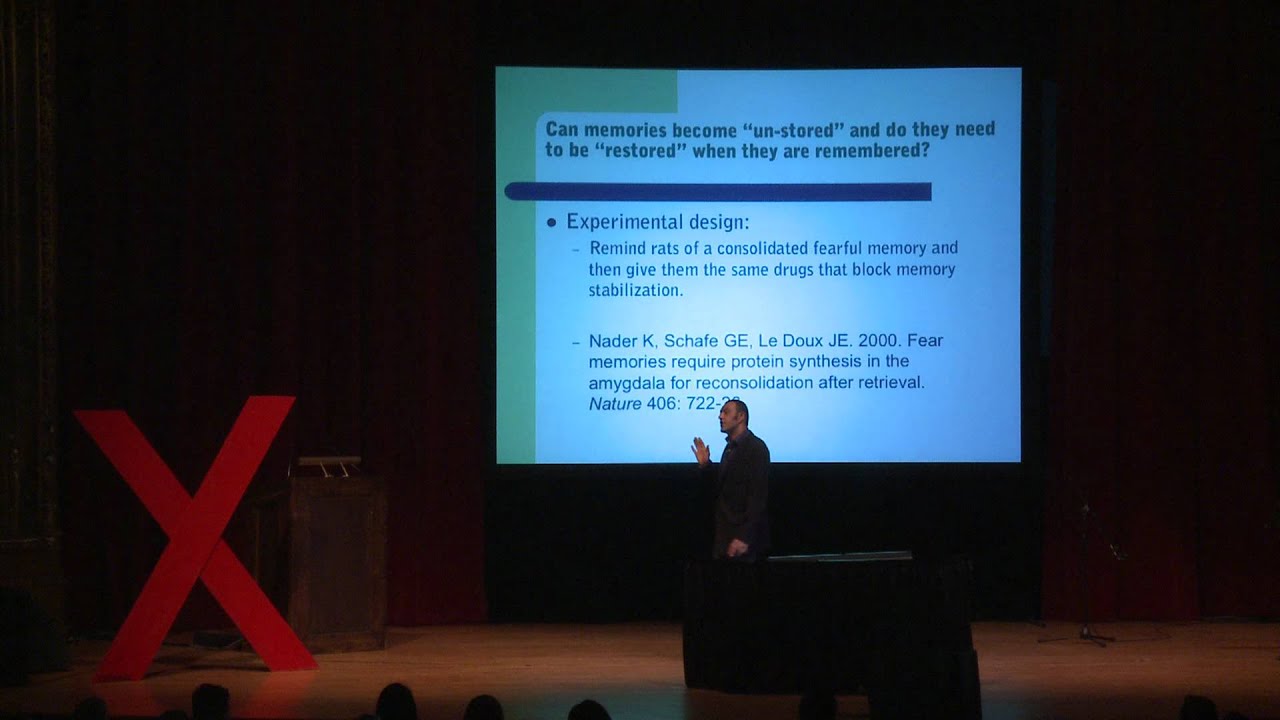
so good morning everyone we can um wow that actually went easier than I thought so so uh good morning and welcome to uh brain day it's uh my pleasure to uh be allowed by uh Chris to uh make the introductions for our speakers today um brain day is um a tradition um now I guess it's 8th year or something like that 8th year going on and we have once again a really Stellar um group of speakers who've uh been nice enough to come here and join us for the day um brain day is sponsored by well I guess indirectly by The Faculty of environment since they're letting us use this room but mostly it's sponsored by The Faculty of Arts the center for theoretical neuroscience and the cognitive Science Program who provide most of the uh underwriting for the activities for today there should be um Crush my fingers there should be sort of coffee during our breaks but for those of you in the audience there isn't a lunch for you if um you're not from our campus um there is a little sort of Cafe right next door you can basically go out this door and there's another little sort of um Cafe in the modern languages building and if you want to go farther a field there's lots of um sort of cafes and restaurants if you get all the way to University Plaza there's the washrooms are right outside the door um our basic plan will be for about an hour or so for each of the speakers then we'll have a short break of sort of 20 30 minutes in between them and um then there'll be a reception following the last speaker up in the center for theoretical Neuroscience which you're all encouraged to uh join us at and have a chance to maybe uh follow up with some uh questions or a chance to talk to some of the people who presented today I think that's all the sort of procedural um news that I have I'm looking to see if I'm being signaled I've forgotten anything but I don't think I have so our first Speaker today is uh Dr Elizabeth Phelps and she is uh sort of uh extraordinary and exemplary in a number of ways but one way I think is she's the only one who wasn't a undergraduate at Harvard um but uh of our four speakers today but she got to the ivy pretty quickly after um after going to Ohio Wesley and she went to Princeton where she did her graduate work and then she had and she had another IV experience because she went to Yale as a faculty member at the beginning of her career and then she went to NYU where she has spent um her career since then at least academically and has worked her way up to where she is now the silver professor at New York University and when you um get a chance to do these things and you sort of start sort of scrutinizing people's little online histories and things like that you uh get a chance to see um and learn some things about people a little more fully and one of the things that I enjoyed in sort of reading about Dr Phelps was that so she's obviously a stellar scientist but that's going to become clear because she's going to tell us all about the science that she does but one of the things that I liked is it looked to me like she captured so many of the other elements of what is sort of really I think um an exceptional academic so she does service for our discipline she's president of the American Psychological Society she's reviewed and been on review boards for numbers of journals she's part of the uh editorship of the cognitive Neuroscience um series that comes out attention and performance I think you're doing that one this year or just did that one a couple years ago okay um I also like the fact that um she teaches introductory psychology so you would think that as you sort of moved up and became sort of a little more established in the department that one of those classes that maybe was a hard one to teach and a big one to teach is one that you might use your opportunity to um sort of get away from but both in our department and apparently elsewhere um people who are senior accept that it's not just uh a lot of work but also a great opportunity to sort of begin the education of new psychologists and not only give them knowledge but sort of Dr Phelps is emphasizing it's important for us to instruct them in how to be critical thinkers how to evaluate psychological evidence psychological data so even if they don't become psychologists they become better consumers and participants in sort of this process and then as you look at who she collaborates with you see that even though there are a lot of very successful scientists at NYU she collaborates with a great many of them so she's not just sort of siloed in her own little group so she I know the name Dr Carrasco is a very large name in attention and Dr Phelps has collaborated with her and Dr Leo in in a motion and I think we may hear some more about that collaborations there Dr Daw decision making so in all these ways she sort of reaches out of her own little confine to sort of participate and collaborate so the things of sort of service to dis service to the discipline sort of broad um participation collaboration responsibility for Education all of those things I hope we don't um omit our recognition of as we're sort of admiring the science that she's going to share with us shortly so Dr Phelps so I want to thank you for having me it's an honor to be here and I have to say when you started to say in addition to Great her science I was a little wor worried where you were going to go but that was good um so uh so I want to talk to you today about my work on emotion and uh before I start telling you about the research I want to I want to tell you a little bit about my Approach and how I came to this um so I became interested in Emotion essentially when I started my postdoc years I really thought you know I want to move I did memory research as a as a graduate student and you know I thought that you know when you think about memory in everyday life the The Memories We have that persist are things that matter to us they're the emotional things in our lives and so this got me interested in emotion and I also um became I also decided I needed to to to learn more about the brain if I was going to study uh the human mind I really needed to understand the brain as well and so at the time the I I I wanted to learn more about neuroscience and emotion there wasn't a lot in humans um but there was some good models in animals uh non-human animals so I I started to look into this research uh and this is sort of a trajectory I've taken throughout my career is um whenever possible to link back to animal models because in spite of the fact that we have a lot better techniques than we did 25 years ago to study the human brain with functional Imaging um there's a lot you can't do in in humans uh to understand the specifics of Neuroscience so I was inspired by animal models um and this is sort of when I started collaborating with Jola do who I'll talk about today um and my work has taken this trajectory where I I look at to see what I know about the brain system and animal models I try to uh as much as possible see if we can find evidence in for similar neural systems in humans and by humans I mean undergraduates um the uh using tasks that are as similar as possible um but then ultimately we don't really care how much you know the the human brain looks like the rodent brain right we really care how does the brain and humans work in the situations we care about so then I try to take these systems that I can see you know sort of work similarly across species and say how do they uh how do they play out in the complex social and emotional situations that are typical of Human Experience so I've taken this trajectory throughout my career uh mostly making the link from animal Ms to humans through collaborations um and also here through collaborations with social psychologists uh and economists so today the work I'm going to talk to you about today is more focused on this this link here is sort of going from the animal model to the human um and a little less of the social psychology and decision-making today um and when I started to look at models for emotion in the brain probably the the most robust model out there was a model of fear in the brain and so I really started with fear it wasn't a inherent interest in fear per se um but there's a number of good reasons to start with fear if you're interested in Emotion um one is that fear is in some ways one of our most important emotions in the sense that we learn that things are critical for our survival the threats to us in the environment um fear is the basis for many emotional disorders anxiety disorders PTSD so perhaps if we can understand fear in the brain we can start to think about ways to address those disorders um and you know practically speaking fear is one of the easier at least a little bit when I say the word fear you know you think Terror obviously I'm not doing that in the laboratory um but I can make you a little nervous in the lab um and that's a little bit easier than making you a little happy um so it's a little it's one of the easier emotions to evoke in the laboratory um and importantly there's similar mechanisms for Expressions across species so if I want to make the link from the animal model to the human I can look at things like the fight ORF flight response the autonomic nervous system response which I know operates similarly across species um so all these things started provided suggest this was a good way to start thinking about emotion in the brain um and when we looked at the animal models there was quite a bit of research based on simple associative fear learning much as pavlof described um classical conditioning so here this is a slide I borrowed from joola do who I've been collaborating with for the last few decades um longer than I want to admit the um here you have a rat that sees here's a tone it just sort of looks at the tone doesn't think much of it you there then pair the tone with a shocked with a mild foot shocked the tone itself then comes to elicit a range of cons responses consistent with fear uh such as autonomic nervous system responses freezing and stress hormone release um we know from lots of work by Joe Mike Davis Bruth cap Mike felo a bunch of really fantastic scientists that the amydala here in red and this is going to be sort of the star of our story today um and the the pictures I will show you look something like this um the amigdala is necessary for the acquisition storage and expression of this simple type of associative uh fear learning and the amydala gets its name from the word for almond as you can kind of see here so our very first studies were to bring in healthy humans or undergraduates um into the laboratory show them something neutral we use visual stimuli a blue square pair it with a mild shock to the wrist after a few pairings we can start to see responses consistent with fear so the main one I'm going to talk about today is is autonomic nervous system arousal as measured by the skin conductance response this is a slight change in the electrical conductivity of the skin uh due to uh changes in the sweat gland and what we found not surprisingly using functional magnetic resonance imaging is activation of the amydala when I showed you now a blue square that had been paired with shock versus the yellow square that was never paired with shock um here on the top this is what a sort of one trial would look like for a a healthy control subject so here is the skin conductor response with the shock itself the unconditioned response here's the response to the Blue Square paired with shock the conditioned response what we saw in patients with amydala damage was something more like this so you see this normal unconditioned response but you fail to see evidence for this anticipation um of of getting a shock when you see the blue square so this told us perhaps not surprising surprisingly that like other animals um this physiological expression of this learned aversive response and fear conditioning was was similar in humans had a similar neural basis so that was really the basis of our work um but what you know when we started to look into this this is a patient with bilateral damage to the amydala um and here this is sort of a cartoon version of her data uh we showed her her real data and we asked her to comment so I want to play for you what she said noticed that there's anything odd about my reactions to normal lifestyle life threats my fear element seems to be to me in my head normal I've never notic anything I'm did I think it's probably absolutely correct I know I don't sweat um I knew that they was in anticipation that the blue square was going to at some particular point in time bring on one of the V shs but even though I knew that and I knew that from the very beginning except for the very first one where I was surprised I really don't think that um it it I mean I knew it was going to happen but that was my response I knew it was going to happen I accepted that it was going to happen so I learned from the very beginning it's going to happen blal check happened I turned out to be right it happened so I I just want to point this is Kevin laar in the background he was a graduate student in my Lobby he now professor at Duke uh who worked on these studies um so as she kind of dramatically demonstrates in spite of the fact that her body's not telling me she's anticipating uh you know this uh this shock she um she has perfect knowledge for what happened uh we know from from other work in our labs and other labs that if I damaged the hippocampus but the amydala was intact they wouldn't be able to tell me that it's about this Association after the fact but they would show still show this physiological response so this is just showing me that there's two different memory systems one's NE for this conscious recollection uh of the events that occurred another that underlies the physiological uh response that you get when you uh pair something with aners of event um and you know but this made us start to wonder I mean she doesn't do odd things you know she doesn't she doesn't do dangerous things um so may start to wonder how much does this simple system that we can study in non-humans have to do with the typical fearful situations um in humans so let me ask you does anybody know what this is no see I I I don't know either actually um I got this from a website to teach children about germs and germs are an interesting type of fear if you think about it right germs are you know we actually our perceptual systems don't pick up on germs right but you know about germs you know people uh you see some people especially in Asian countries we masks because they're afraid of germs during flu season um there was a flu epidemic at NYU uh in New York in the states a few years back so NYU put this in my mailbox to remind me to keep my hands clean um and germs are really you know when we when we think about our fear of germs it's completely socially communicated right you learn about germs from being told you know to avoid germs that germs can hurt you uh and this is just a great example of the social communication of fear and this is actually quite adaptive you know as human beings we do not need to to experiencing experience a vers of events to learn the threats in the environment I can tell you what to be afraid of you know my my my puppy can't learn that uh by me telling her um I can show you you know through examples you learn not to do things because you see bad consequences for other people so just to give you an example from my own life this is my mother um I I love my mother I'm not afraid of her just so you know um my mother's a marine biologist so here she's sitting with a bunch of seaweed in front of her um so when I was about 10 we went to the Marine biological Laboratories in Woods Hole um and Woods Hole is right it's a Cape Cod it's right next to Martha's Vineyard there was a movie that came out that summer uh that was filmed in Martha's Vineyard um I don't know if you've seen it um this one right and my mother being a marine biologist loves all sea creatures right including sharks because she's not really afraid of things in the water um and so you know she thought well we're here it's a movie about fish we should go see it so you know I was 10 went to see this movie um you know and ever since then I've had this little tiny fear of sharks it's not a big fear I don't stay out of the water it didn't happen I have a big brother it didn't help it he in we'd be in the ocean be swimming afterwards and he'd come up and grab my legs you know didn't help at all but um anyways but this is a very interesting fear right I never had a bad experience with sharks ever um yet even to this day if I go in the water you know sometimes I swim and it's fine other times I'm thinking about sharks I'm like yeah maybe I'll get out um so this is a classic example of the social communication of fear and I think as human beings this is how we get most of our fears most of the time we aren't physically hurt most of the time we're afraid of things yes yeah I was just wondering if the patient was a subject was a subject yes um the way she was talking it was as if she knew she should be afraid or worried about this so did she remember her state from before what event to this so so one thing I should point out to you um some people see that and they think oh she doesn't seem very afraid but I remember we're studying human human beings here we're giving mild shocks to the wrist where I ask you to set the level yourself so it's uncomfortable but not painful right so it's not like for most people they're like oh my God I was terrified um for her we have we have done diary studies where we ask her on a daily basis to rate her emotional state and she rates being anxious or uh afraid at the same frequency as individuals with normal brains of the same age right so so so our best bet is just what she tells us you know if she has to do a rating she rates herself relatively normally um and that you know this is what you get with the subjective the subjective emotions the feelings so I can't tell from ad examining her if that's because she feels like she should feel afraid in that place and so she rates the fact that she is you know or if she feels the same thing that somebody else feels yeah but I mean one is something that's learned versus her old experience other is this I guess what I call intrinsic emotionality about yep those seem to me to be two different things but I mean the only way we can actually know from what the clip you show yep whether she remembers a state those different things we don't know right I mean how could we know right if I ask her what her feelings are and she tells me what she you know she does what everybody would do rate what her feelings are she appears to be normal okay right um but you know whether she's actually experiencing the same thing you know who knows um all right so so this lce I want to ask the question you know does this simple model of fear learning apply to the types of fears that are typical of humans learning through uh through cognitive and social means so you can imagine you know translating back to our simple learning paradigms you know here you could learn to fear this blue square because I paired it with a mild shock to the wrist here you can learn because I tell you when you see a blue square you might get a shock to the wrist and I can tell you the the uh the response I see the autonomic response I see in this situation looks virtually identical it would be hard for me to tell from looking at your body body response which situation you were in I could also say watch this guy because what happens to him is going to happen to you next for all right so we've done both of those those studies um and when I when I say to you you know you see a blue square you might see a shock we see robust activation of the amydala uh specifically the left amydala and actually only damage to the left amydala impairs the physiological expression in that case consistent perhaps with the idea that this might be a linguistic representation localized left hemisphere uh in observation I see robust igdal activation both when you're watching the other person uh and when you think you might get a shock yourself so this tells us uh uh oops sorry this tells us that these cognitive and social means of fear leaning May rely on these on similar neural mechanisms now here this is a lot of details here I sort to put this up for the experts in the room just to say that you know this is a model of fear learning from rodents we've broken the amydala down into different subnuclei we know the lateral nucleus of the amydala is the place where the association between the neutral stimulus and the aversive stimulus is formed we can then we also know that you can get this other representation your knowledge that depends on the hippocampus that these two things are paired that you know instructed fear this can drive a response at least the left time three representation of that that depends on the amydala and in observational fear learning we see that regions of the brain involved in mentalizing about others and empathy actually correlate with the strength of your learning from other individual idual uh and we can sort of add these circuits to this simple model from other animals and in this way we can sort of build up from these simple models we can look at in rodents to the types of situations that are more typical of Human Experience um and here I just want to acknowledge sui fyama and Andreas Olsen who worked on this when they were graduate students sui is a professor at gadet University and Andreas is at the uh kolinska Institute all right I want to now switch to the second part of my talk which is not about how we get fears and that was really probably my first 10 years or so of research uh looking at this but but what I've done for the last you know decade or so which is once we have a fear how do we get rid of it um and this of course is a much more clinically relevant question people come into the clinics you know with a fear related disorder and our challenge then is really to help them figure out uh how to get rid of these maladaptive fear responses that they may have that that is uh causing their disorder um and again you know I'm going to focus on start sort of looking at things we can investigate in animal models and try to use move to situations that might be more typical of humans um and here we're often talking about the relationship between the amydala and the prefrontal cortex um and I'm going to just just tell you I'm going to talk about I'm going to talk about Extinction learning um emotion regulation using AR cognitive strategies to reduce emo uh fear responses the impact of stress on this and then finally um a novel technique we've been looking at reconsolidation so just to start with Extinction so Extinction uh just again as pavlof described it uh in this case in relation to learning acquired fear responses Extinction is the repeated exposure to a learned fear stimulus with no aversive consequences result resulting in a diminished fear response we know from a number of studies that Extinction learning results in in a new learning that the stimulus is safe so really what happens is extinction is you now have two memories you have one this Ste this thing is dangerous and another one this thing is safe uh and what happens is they compete for expression and we know this because in a number of circumstances even after the fear is extinguished the fear response can turn and Extinction forms the basis for exposure therapy treatment of phobias and also exposure therapy treatments for PTSD so um that's uh Illustrated here you may may not be able to read this but it says Professor Gallagher and his controversial technique of simultaneously confronting the if of height snakes in the dark so so I'm not a clinician I I think it's a little more subtle than that but uh um so here is just again starting with animal models here is a sort of uh a a diagram of a circuitry of Extinction taken from research in non-humans uh mostly rodents um and I'm not going to talk about this part of the circuitry the hippocampus but what we know is that the hippocampus is important in telling you that this is a context where that stimulus is safe this is a situation where it's not so for instance you know in a in a jungle seeing a tiger is not safe but if Sue it is um so this is uh this contextual modulation of the expression of Extinction depends on the hippocampus and we have evidence that's true in humans as well um I'm going to focus on this part of the circuitry uh which is here's the infralimbic cortex in humans I'm going to call this the vental medial prefrontal cortex uh because we can't really be specific that specific in humans but what we know from research in rodents is that when you express an Extinction memory the infralimbic cortex inhibits the output of fear of the original memory inhibits the amydala response uh so the the original fear memory is stored in the amydala to express the extinction memory you inhibit the expression of that memory to then uh show the evidence that Extinction occurred uh so we're going to look for evidence of this circuitry in humans so what do we do well we first have people acquire a simple fear response uh by pairing a blue square with a shock and a yellow Square without a shock uh we then immediately after that have a series of Trials where the blue square is not paired with shock we then bring them back a day later another series of Trials trials where the blue square is not paired with shock um this is my skin conductance response uh the black line is a stimulus that was paired with shock the condition stimulus plus we call it the uh The Gray Line is the stimul this one that was not the Cs minus we call it uh so here we see robust acquisition of the fear response some evidence of Extinction the first day a lot of evidence that the me the fear memory returned so we call spontaneous recovery um and continue to extinguish Extinction the second day um here I'm looking at the amydala so here's the um the blood oxygenation level dependent signal uh that I pulled out from the amydala this takes about 6 seconds to reach a peak this is uh every two seconds here uh each scan was every two seconds so here what I see in the amigdala during fear acquisition is an increase in bold signal the amigdala just like I showed you before uh during Extinction a slight decrease in bold signal the amigdala and on the first day this difference correlated with individual differences in the amount of Extinction when I looked in the prefrontal cortex I'm going to focus on this region here this is the vental metal prefrontal cortex the region that we think is most analogous to the infralimbic cortex in rodents um what we see in this region here is a decrease in the Bold signal uh to a stimulus that's paired with shock that increases as Extinction occurs so this is early Extinction this is late Extinction and here I'm plotting these differences uh so if I were to stick an electrode in this region in a rodent what I would see is while Extinction is occurring I'd see an increase in firing rate here I'm seeing the same basic pattern but it starts from a baseline of a decrease well we so we think this is analogous to the infr Limit cortex but you know Area 25 excuse me we think it's Area 25 would be infr liic um the I mean we can't really tell if it's infralimbic for sure the in rodents the infr liic and pre-ic are right next to each other they're both are but in humans they think the pre-ic has moved up here so that's people generally think this is pre-ic in humans um and I should point out the difference we see the increase we see in bold signal in this region correlates with the retention of Extinction on the second day um so this tells us like animal models perhaps not surprisingly the igal is important in the acquisition storage and expression of this type of learning and in order to express the extinction memory the infralimbic C the vental med prefrontal cortex inhibits the amigdala response to express the extinction memory so I want to move on now to another type of Technique we use to control fear uh that's more typical of humans and we call this emotion regulation so one I think one of the underap appreciated facts about emotion is that we often think of our emotional reactions as sort of reactions to things that come at us but the truth is how we interpret a situation uh can have a lot to do with our emotional response so you know this is just sort of a a glass half full we can think of the glasses half full or half empty you this gets at the basic principle of some cognitive techniques for motion regulation so here in this case um I'm I'm calling it this this technique for motion regulation to evaluated a stimulus associated with negative affect into neutral or positive emotional terms and this formed the basis for cognitive therapy so just to give you an example from my own life if I were swimming and I happen to run into this I could being me have sort of a a exaggerated response about the danger if I wanted then to try to control that in some way I could go what would my mother do and of course my mother loves all sea creatures right so if I could start to think about you know all the things she told me it can't hurt me they're more afraid of me than I am of them la la la whatever she said um and try to reduce my emotional response all right so how do we do this using the simple paradigms that we're using in our laboratory to try to build up from the animal models um so again I'm just going to stick with my blue squares paired with shock and my yellow Square not paired with shock and on half the trials prior to presenting the stimuli we presented the word attend uh for a couple seconds and participants were told when you see the word attend I want you to try to focus on your natural feelings when you see this stimulus the other half of the trials they saw the word regulate and when they saw the word regulate they were told to try to think of something uh some image from nature that was calming to them that the color of the square had reminded them of and so we did this uh we did this uh interspersed among the in the in the paradigms and we practiced this ahead of time coming up with this this image so they could do it rather easily when when they saw the word regulate we didn't tell them what the image should be so if it was a blue square it could be a a water scene a yellow square field of daisies whatever they felt was calming in nature uh to them and participants were could use this strategy so here I've plotted the skin conductance response again in yellow to the stimulus never paired with shock in blue to the state was paired with shock and you can see that they could use this strategy to educe reduce their arousal response uh to the stimulus paired with stock so here I'm plotting what I saw in the amydala um this is basically the same thing replotted on the right and left uh if we see here here's a stimulus paired with shock during attend we see an increase in bold signal in the amydala during regulate we see a decrease in bold signal in the amydala just to plot this next to what we saw an Extinction so again an Extinction and when you're attending to the emotional significance you see an increase and bold signal the mdala when you're extinguishing or regulating your emotional response you see a decrease when we looked uh in the prefrontal cortex for Regions that show greater activity when you're regulating your emotional resp response versus attending two emerged one was the dorsal prefrontal cortex we see the dorsal prefrontal cortex in a lot of studies of emotion regulation um we think this is important this is a region often implicated in executive control working memory we think in this case it's important in sort of the online reinterpretation the cognitive effort needed for the online reinterpretation of the meaning of that stimulus um and we also saw a region of the the ventral metal prefrontal cortex this is a region that overlapped with the region that we saw in extinction learning um now we know that the dorsal prefrontal cortex does not have a lot of direct projections to the amydala uh it has stronger projections to more ventral uh and medial regions of the prefrontal cortex so we thought that perhaps this region was having its influence on the amydala through the vental metor prefrontal cortex inhibitory circuitry that's important in Extinction learning um so we looked at this region we took this region from our Extinction data set and we plotted responses during Extinction and emotion regulation so here is when you're when you have acquired during the acquisition of a condition response uh and here is when you are extinguishing that response uh here is when you're tending to the emotional significance and here is when you're regulating the emotional significance um and if we use this region and look for regions of the brain that correlate uh in response pattern when you're regulating your emotional response two regions emerge the dorsal prefrontal cortex and the amydala so this tells us what we think is that in Emotion regulation when you're using a cognitive strategy to diminish a fear response the amydala is important in the acquisition storage and expression of this type of learning the evental metor prefrontal cortex plays a in inhibiting uh that that fear me the expression of that fear memory uh in extinction but also when you use a cognitive strategy on here we use the dorsal prefrontal cortex to engage this same circuitry and this is uh work done by Mar Delgado my lab uh who's now a professor at Ruckers so what I suggested to you so far is for extinction to to control a fear with Extinction the ventral prefrontal cortex inhibits uh the amigdala and the expression of the CSUS Association enabling expression of the new learning about the value of the condition stimulus that it's now safe in Emotion regulation this prefrontal cortex role inhibiting the amdal extends to the cognitive control of fear um and these are very effective strategies they're used in the clinic uh all the time but they're not perfectly effective like many people don't uh um don't respond to exposure therapy or are able to use cognitive strategies um and some people can and then something happens and all of a sudden they can't um and so part of the problem with this circuitry is that fears can return and this was actually the oh sorry that was the uh that was the premise behind this movie I don't know if you saw it but it says just when you thought it was safe to go back in the water um we know through the passage of of time through changes in context uh just even being reexposed to the uncondition stimulus again um the fears come back another time The Spar will come back is when you're stressed so if you've ever learned to sort of overcome a habit um you know that it's really hard to do that when you're stressed and part of the reason this is hard is because we know that stress impairs the prefrontal cortex uh and the prefrontal cortex of course um is diff is necessary uh to control a lot of these habitual responses and also we think necessary to control fear responses so that's what we want to investigate so here is a slide from a review um by Amy arnstein and you know stress has multiple effects on the brain um and uneven effects on the brain there's some brain circuits where it enhances like the amydala um sort of tends to enhance performance but even relatively mild stress results in uh difficulty with prefrontal dependent tasks like working memory um and so we hypothesize you know that stress might impair the inhibition of fear and again even mild stress when you do stress in a laboratory in humans it's by definition mild so we first asked you know to stress andair the expression of Extinction memory we brought participants in the laboratory again had them acquire fear response had them uh extinguish a fear response on the first day we then brought them back a second day prior to the second uh the test of Extinction recall and the second Extinction session we stress them and what how we stress them uh in this study is we stuck their hand in freezing water for 3 minutes um this is actually a quite reliable stressor sounds a little weird I realize uh but we measure you know we measure cortisol before and after you see robust increases in cortisol interestingly one of the best ways to stress people in the laboratory in case you didn't know is to bring them in give them a topic and make them give a public presentation and then look disapproving just say um we don't do that because there rumination and all sorts of other issues but um so we use this simple one all right so they were stressed or not so the control participants stuck their hand in room temperature water um and then we looked for extinction recall on the second day and then did a second Extinction session so here I've just plotted this is the stress response sorry it's so small the um the control group is in blue the stress group is in red this is uh subtracting out the Baseline cortisol response and here's um here's prior to the extinction session here's after we see a reliable increase in cortisol in the stress group but not in the control group here this is uh during this is acquisition I've plotted here the difference in the skin conductor's response between the stimulus paired which shock and the one that was not so anything above zero is a is a condition arousal response so here's acquisition uh here's the First first day session of Extinction here they come back the second day they're stressed and you can see we get greater Extinction recall uh in the stress group and they fastly extinguish again quickly extinguish again we wanted to look now at um a different type of regul of of fear control so again we're using an emotion regulation technique here in instead of blue and yellow squares we presented pictures of snakes one of which was paired with shock one of which was our control stimulus they um were conditioned on the first day immediately after conditioning on the first day they were given what we called a cognitive restructuring uh uh technique uh session and this was actually we worked with a clinical psychologist to try to come up with the type of uh technique you'd use in cogn therapy that we could be applied to our um fear conditioning experiment so um here after this they were asked to look at the stimuli tell us about the emotional tensity they had when they saw each of the stimuli during the the fear conditioning session they were then um they were then taught about the relationships between their thoughts and emotions shown little cartoons like this where here we see two cats looking at a dog one cat sees as a playmate the other one's terrified it's actually the exact same stimulus so how you know how that your thoughts can actually contribute to your emotional responses we then said tomorrow you're coming back to the laboratory you're doing the exact same thing um so what are you going to tell yourself tomorrow how are you going to change your thoughts to change your emotions they then came up with different strategies they could use they could think well the probability of shock is quite low in most of these studies we shocked about a third of the time when they saw the stimulus um it's only a picture the shock is really separate the shock always ended with the picture so they saw the picture first um you know they can think about you know these pictures are kind of interesting I know exactly what's going to happen tomorrow so I don't have to anticipate anything um and then we brought them back the next day stressed them or not measure cortisol uh and then did the exact same procedure so here I'm plotting on the left this is the increase in cortisol from Baseline in the stress group we see robust increases in cortisol uh no increase in cortisol the no stress group here this is the efficacy so how how much did they were they able to reduce their condition response on the second day here I can see that the the parp in the no stress group could use this cognitive strategy to reduce their emotional response whereas participants uh in the stress group could not use this strategy to reduce their condition arousal response um and these participants you know they felt like they were using it in the same way you know these tasks occur at least you know 10 to 15 minutes after the stress or um so they don't actually feel that different at that point nevertheless they're unable to use this strategy to diminish their their arousal response so we think in stress impairs Extinction recall and emotion regulation uh perhaps by altering prefrontal cortex function uh and and making this inhibitory circuitry less um less capable um under stress uh we haven't done the Imaging studies on that yet we're working on that now um and this is C Rayo can this is a graduate student of my lab uh right now so so what I suggested to you so far is that you know we have a lot of techniques for diminishing fear but a number of circumstances including relatively mild stress so again this is not a robust stressor um it's not a persistent stressor it's a relatively mild stress uh can impair your your ability to use those techniques so what we'd really like to know you know is there now a way that we can diminish fear without having to use the prefrontal cortex to control the fear um in other words is there a way to persistently block fear so the fear does not return um and to look at this we we've started to examine this process called reconsolidation so I'm going to walk you through a little bit what reconsolidation is and then tell you about some of our studies so reconsolidation is this idea that a previously created ated long-term memory is brought back to a labile or fragile state by reexposure or reactivation of the memory so just to um to give you a little more background so the typical view of memory you know over the last 50 years or so has been this this view which is you learn something there's a period of time uh that's required for all the synoptic changes that become that memory um for that and that's called consolidation uh so there's this you learn something there's this consolidation process it takes some time if you were to do something right here after you learned something that disrupted the consolidation process you wouldn't store the memory so if you know somebody who has a concussion and they don't remember anything that happened you know it's been argued that that's because they they disrupted the consolidation of those memories um but it's been previously thought that once you store a memory that memory is somewhat you know stable and fixed in your brain you can have forgetting over time you can have interference but the basic characteristics of that memory stays the same and if you retrieve that memory that that memory you retrieve it this this sort of same memory trace the next time you retrieve it you retrieve that same memory trace and so on The reconsolidation View um has been over the last 10 years has been a lot of interest in this idea it's a different way that memory works so you learn something you store the memory that takes some time for the synaptic changes that become the memory to occur when you retrieve that that memory now there has to be another storage process not identical to the first storage process but a second storage process that also requires synoptic plasticity that takes time um so then every time you retrieve the memory you're actually then restoring the memory and if this is the case then this tells us there a second opportunity now where I could do something to change that memory I can prevent not the storage of that memory by disrupting consolidation but I can prevent the restorage of that memory by disrupting Recon um and this you know in the clinic you think about this this gives us that the idea that maybe something you know that happened a long time ago I can maybe selectively disrupt that memory at a much later time so this is the idea behind reconsolidation and it really this notion really took off in the year 2000 there was a paper published by Kareem nater who was working in Jola du's Lab at the time um where he did something like this he brought rats into the laboratory he played a tone he paed it was shock that was the learning phase he waited for that uh that fear memory to consolidate he brought the rats back played the tone again then he injected into the lateral migdala where we know these simple associative memories are stored a protein synthesis inhibitor that disrupts the synaptic uh changes that become that memory um and then he found later when he played the tone it was like the rat had no memory of the the fear itself so we were very excited about this work we thought well can we find evidence for this in humans this this mechanism of reconsolidation the problem is of course you can't do this in humans right um You Can't inject protein synthesis Inhibitors into the brain don't try it at home um and so we had to think about what there a different way we could get at this so if you think about reconsolidation you know if this process is real this is how memory really works reconsolidation this notion that we restore memories when we retrieve them didn't evolve so that we could inject drugs into the amydala and disrupt memories right it evolved for another reason one reason could be this notion of updating memory and this is actually an idea that was very big in cognitive science in the 80s with eyewitness investigations you know when you when you question somebody about something that happened and you give them new information does that actually become part of the memory itself um but there was no neurobiological model for that so there was really no resolution to that debate um but if this is what one of the purposes of reconsolidation the other purpose that's been argued is to strengthen memories so if you test and retest over time every storage process strengthens the memory um but if this is the case and we can update the memory with new information about the value of the stimulus maybe we can take advantage of this function to permanently alter uh a memory of a fear memory um and so the way we did this um I'm I'm going to show you one study that we did we've done a number at this point um we brought participants in the laboratory here we presented two squares both paired with shock so here a yellow Square paired with shock a red pair paired with shock and a blue square again our control stimulus we waited a day for that memory to become stored Consolidated we brought them back a day later um showed them just one of these squares paired with shock we waited 10 minutes now this 10minute this is going to seem odd to you but this 10-minute break is critical sort of for the reconsolidation process to start and we can talk about the what we think some of the reasons are in the discussion if you want um we waited 10 minutes and then we simply did simple Extinction training now Extinction training remember is safety training I'm now training you this stimulus is now safe the only difference and we extinguished all we presented all three stimuli here the only difference is for this stimulus which I call cs plus r for reminded we're doing Extinction training during the reconsolidation process while that memory is being restored for this stimulus I call uh the non- reminded we're doing standard Extinction like I just showed you okay so that's really the difference between the two so the hypothesis is we're updating the memory in this case because it's this up this information is coming during the memory restorage and here we're creating a new memory yes Sor just to be clear so there was no Sho during the cs plus r reminder no there was not and just so you know there was one less presentation here to keep the number of presentations equivalent all right we brought them back a day later we gave them three uh four unsal shocks it's just is to reinstate the fear memory uh and then we do a second Extinction session here uh looking at the beginning of this process to see to the fear return so here's our data so just so you know we only selected people that showed equivalent fear acquisition to the two stimuli that's why this looks so pretty um because if they don't acquire similarly we can't look for differences uh later on so here is the condition the skin conu response the stimulus two stimuli pair with shock versus the Baseline stimulus here's the end of Extinction so they extinguished responses to all three stimuli on the uh on the second day here's the third day um we measure we do four un signal shocks and here's the early Trials of the recovery test so the fear comes back as we would expect with an Extinction memory the fear does not return when we did Extinction or safety training during the reconsolidation process and um and here we just extinguish before they left in a in another version of this study we actually brought people back a year later uh and we found that the the fear would still come back in the participants who got standard Extinction uh and did not return in the participants we got Extinction during reconsolidation it was simple Extinction training we did the exact same thing we did previously right but the only difference is that we did it either we believe during the reconsolidation process or not and this 10-minute break here is critical for that uh and research in rodents have shown that you know if you wait uh if you wait you have to wait at least 3 minutes uh for to begin that process you want to how you know let me do this at the end because it's it's kind of complicated that's okay all right so just looking at the brain um what are regions so now just so you know for those of you who I'm doing I'm looking at brain respones during Extinction okay so what's different during Extinction um the only brain region that emerges as different between the two stimuli paired with shock during acquisition is this ventro metal prefrontal cortex region um and this is here I'm plotting the results during the early part of Extinction so if you remember we get this decrease in the Bold signal during early Extinction that prog that increases during Extinction training so here's early Extinction I see greater responses to the stimulus that was uh that got safety training during reconsolidation the one that did not uh and here I've plotted that bold signal so here is the that decrease in bold signal that I showed you previously during early Extinction we don't see that decrease during Extinction training for the stimulus that's getting safety training during reconsolidation here I'm just plotting that difference remember I showed I told you that it goes up during Extinction training here's early to late Extinction differences so here we see no change ere Extinction for the stimulus and underwent safety training during uh during reconsolidation and here for the standard Extinction stimulus we see that increase again and again nothing for our Baseline stimulus and if we look at connectivity between the amydala and the vent prefrontal cortex we see much stronger conductivity for the stimulus undergoing standard Extinction than the stimulus that underw Extinction during reconsolidation so this suggests to us that Extinction during this restorage process may have led to re-encoding of the memory is safe um that the behavioral interference of reconsolidation diminishes involvement of the prefrontal cortex and then what we think is that the the but we you know we haven't proven this but we think that the fear memory no longer exists in its original fear form we've kind of Rewritten uh that memory um and I should point this is work by Daniela Schiller um who is now a postto i excuse me she was my postto she's now a professor at Mount Si School of Medicine uh and Jonathan Cohen who's now a medical student I'm sorry Jonathan Kanan sounds like going um so I always whenever when I present this work I always you know want to give a little caveat because um you know because when I talk about this you know in the Press people often think oh you know you have a way to treat fears I really we've only done this in simple associative fear memory at this point um as I've already emphasized to you human fears are much more complex we have many different forms of representation we really have no idea at this point if this sort of consolidation interference mechanism is going to be useful in treating the complex situations and fears that are typical uh of human anxiety disorders the only clinical published clinical evidence that this type of thing might be a more effective treatment has come from research in addiction so there was a group in Chinese that looked at uh the drug addicts and showed that if you essentially did a reminder prior to standard exposure therapy for Cravings you had more persistent reduction of cravings um so that's the only clinical evidence that something like this might actually be useful so far um so just to sum up this final part of the talk what I suggested to you is that during Extinction the vental metal prefrontal cortex inhibits the amigdala and the expression of this fear memory uh to allow the expression of the extinction memory during emotion regulation the prefrontal cortex role in inhibiting the amigdala extends to the cognitive control of fear um that but that stress and other things impair this fear inhibition uh and this for stress is perhaps by altering prefrontal cortex function and even relatively mild stress can do this but by targeting the reconsolidation process um we think what we're doing is changing the original uh fear Association and this then reduces the uh involvement of the prefrontal cortex in fear inhibition to uh to reduce the expression of fear so what I've hope I've proven to you today or at least demonstrated to you today I should say is that we these animal models of fear conditioning can provide a basis for understanding human fear learning but I think it's important to remember you know that we have many other ways to acquire fears we have a complex social environment um and symbolic means of communication that give us great greater flexibility in our fear Learning System um in than other species and that this flexibility of human fear learning can provide unique challenges when we try to translate this research from animal models to the treatment of clinical disorders so I want to thank the people that paid for this work the national instumental Health the James S McDonald Foundation um I I showed you many of the people who did the work but other people helped with the work and inspired the work um and I want to thank you for your attention thank you so wait we had a question about the 10-minute window right should we get to that so we don't know right the answer is we don't really know there there have been some work in rodents um where they they did the the the reminder and then the first section three seconds 3 minutes later uh versus I forget that was an hour and showed uh changes in the lateral medula indicative active plasticity only when you did it later when you waited more than 3 minutes there's some evidence that suggest people are starting to use learning models looking at things like prediction error so maybe it's really something related to the predictability or something I don't really know uh this is I think a hot topic of Investigation which is essentially what is it that takes a memory from one you know this situation from now I create a new memory to now I'm updating the old memory right because that's really the switch we're talking about all we know is this 10-minute window works Works um in rodents they usually wait an hour we have a control where we wait 6 hours that doesn't work right so the this window we call it closes somewhere between an hour and six hours um but we don't actually know you know we is it really time per se or is it something about the environment that tells you that this you know this is a situation where you should update that memory and this is one where you should create a new memory we don't know so and this is what you take to while you're in the recation period puzzle is that when you're actually doing the extinction the first trial is just like a a reminder absolutely so when you're doing when you're doing the normal Extinction case yeah not leing over to basically all over by the time well the notion is once you start creating that new memory you're just adding to that new memory right so it's not it's not so now you're not it's not like you know it's it's one or the other you're either sort of creating a new memory and you're adding to that one or you're actually yeah so I mean we don't so that's the notion right but all of this is really really you know this is brand new research right so we're really trying to figure out what is it what is what creates that transition and what we know is this works right but we don't know what is the principle you know is it a time per se or is it something about the environment you know some something like prediction ER of some sort of sociability that's now creating that transition from sort of an old memory to a new meor or from you know updating an old memory to creating a new memory Dan you had a question and then I'm going to take questions for students before I go back to speaker um fascinating talk thank you very much U makes me wonder if anybody studied amig responses in two different groups of human subjects those who love to go to scary movies and those some people seem to be sort of addicted to getting their and I wondered if over time they develop uh uh an what you might call an aboral fear response from from their addiction you know every Halloween I get that question from reporters and I never have a good answer um it's hard to say I mean I don't know and I should say you know we talk about the amydala as involved in this fear response and it is but we see amydala also when you get you know highly arousing positive responses as well we know that you know that there's some different circuitry involved from the work in rodents with a petitive and aversive conditioning but nevertheless it's not just you know it's not just in this case that we see amigdala but you know I I I don't have an answer to that question I don't know anybody who's done that study um and I disappoint reporters every Halloween in fact I get you know people ask me to be on radio shows and before I say look I'll come on your radio show but don't if you ask me that question I'm going to dis I'm going to make you disappointed you know because I don't have an answer so um yes when you were talking about the recation I was wondering if you um thought about the consequences of the fear so in your example when I think about a Shar okay scary yes or no but I have had this experience I go the shark eats my leg oh it's my mother and then I end up in an orphanage and I don't something there is a consequence to that fear so when you interrupt that so let's say you reset that but that's the fear of shark but there was a lot of yep Consequence the I mean these are the questions that you know so first of all I should also say these participants also had perfect knowledge of what happened right so we really targeting remember in the beginning I showed you the amydala isn't necessary for telling me what happened right so it's not that there isn't some still storage of that going on and you know and and something like a a real life human fear that's what I was mentioning the end right we don't know like we don't know if we're just if you know if one of you know all these if you have multiple representations you know in the one study they did in with addicts where they did this where you know it's targeting and an Impe of memory um you know they still did many trials they just found it was more it was more persistent long term the fear didn't come back so or the the craving didn't come back so much right so this is going to be one of the challenges is how do we get at these really complex situations that may have multiple representations how do we know we're targeting that specific memory not another one you know if you do the task so some of the studies in rodents where they're you know injecting drugs you know they can also disrupt an Extinction memory you know so then you know you've created a whole another situ alls have to them they have necessarily well so as I mentioned you know the germs right you don't actually you you know they exist but they're they only exist in your head right I mean and I mean they exist we know they exist right but you have no perceptual experience of that so as far as you're concerned it's an imaginary fear right but supposedly it's a real fear so yeah you may have sort of just briefly touched on it answer the last question did your participants in the recation experiment behave like the patient you know in that they have that dissociation subjectively saying I know so you know so she so she looks like I mean yes they did know that something they did know that was happening but what if you imagine it what's weird is right is that is that the fear actually comes back and with regular extinction because though even for the even when that comes back at least in terms of arousal they already know that they're not getting the shock right and so so it's almost weirder that the in the extinction folks it comes back right then the sort of that doesn't come in that regard because they all have the same knowledge that things have changed um and so you know and we think that maybe is you know some notion that these two systems one sort of cognitive and one you know one more implicit you know actually you know are not completely in synct always right yes to the so she um this particular patient we've done this with many patients um most of them have unilateral amigdala damage uh and that is from the result of surgery for epilepsy um she was a also had epilepsy she had unilateral temporal rectomy on the right and she also had scar tissue in her amydala throughout the left amydala so when they would before they did the the temporal lietti they did a biopsy because they were a little concerned I actually met her the neurosurgeon called me and said what happens if I take out you know this side when I know that the the other side is impaired um and at the time we knew almost nothing right she she chose to have the surgery anyways um because you know epilepsy was ruining her life um but she has uh Scar Tissue throughout the leftto migdala and a unilateral Temple back to me on the right so her damage goes beyond the amigdala on the right but it was all like respons was all lost at the same time abruptly no so we've actually done some studies looking at patients with epilepsy um prior to the surgery and I should point out unilateral tempor leomy unilateral medal damage is enough to show an impairment and fair conditioning and most of the things that we show impairments are with M damage so what's interesting the hippocampus that's kind of like half a hippocampus is almost as good as the whole hippocampus with the amydala it's like half an amydala is almost as bad as no amydala um and uh and so um so with her so and these patients when we tested them prior to surgery at least on Fair conditioning they don't show normal condition fear responses prior to surgery now often that you know the if this is the fosy of the epilepsy that tissue is not working normally prior to having it removed so we think the damage is actually already there um and then the question becomes and I think this got back to some of the questions you had about her feeling you know so some have argued that individuals who develop amydala damage later in life have different patterns of emotional responses and individuals who have it earlier this some really nice work by David Amaral and monkeys showing that's the case so the consequences are different you know having a lifetime experience that with with an intacted Midland then not could be different than having it before um yes so you mentioned idea of a prediction error related to Perhaps Perhaps you know we don't know yes so in that in that sense is is it relevant that the first trial on the reminder day was noted with the us because that so some people have so so there's been a lot more research in rodents than humans and some people have shown that you can actually just do a us to remind the to do the reminder and it's actually more effective if you do the US so um so I don't know if it's relevant that it was or was not yeah okay but there was a version of the study that had CS us not an R not we did that hasn't been done in this Paradigm uh in humans but in rodents yes yeah I'd like to follow sh earlier that youed to D prefrontal cortex activation being able to mediate V medial uh effects we think well actually no I think it's I think it's only in regulation I don't think you need theic cortex for extinction but to regulate the effect in cognitive regulation yeah well I think it's where when you do cognitive regulation is what you're engaging that circuitry yeah so in working with humans that's kind of how you ended it with how do we build up to more complex what happens if you don't even plug in uh the for the for the shock so the equip isn't even there and you just have the Cs yeah I don't know obvious to them there can be no shock during that reminder period we haven't tried it curious yeah haven't tried it yes um uh so a question about the extinction regulation about the amula change ination um did one one of the questions that just came up a second ago was whether the dors pre cortex is working through the Venture medal and um uh Pres that the the effect of the activation changeing the migula is is presumably maybe coming from the central amula right because the model at least that comes from the rat is that the inhibition ising place in the central well yeah the in inhibition is happening between the lateral and Central yeah inter but um so did have you tried to look at whether there's any sort of spatial distribution box wise we haven't we haven't um and and part of the reason is you know we um I mean we'd have to do a high resolution study to do that because you know in humans there's a 1 millimeter difference between the Central and nucleus I mean the central the Central and lateral nucleus and so um and if you do you know so the mdle is quite small for those of you who don't know it's about the size of your thumb tip um and uh and so we don't actually you know when anybody tells you they can actually differentiate lateral from Central in imaging I don't believe them so we have to do high resolution we tried to do the just that study comparison between the regulation no we haven't done that we tried to just do Extinction to see if we could if we could separate lateral and Central with high resolution the problem was um and I think this is this is we've actually started to model the trial by trial M response to get at this um is that it's a learning signal right so for bold you need to group across a number of things to see something and if it's a learning signal by definition it should be changing over time right and so you know we we do partial reinforcement in part to slow down the learning so that we can actually get a bold signal um but I think we've recently come up with a a model of associability that seems ATT track of mdal trial by trial so you know we want to try the highres again using that to see if we can actually model The Learning in the amigdala yeah I I respect it's it's difficult but I I do wonder if if um without without trying to put the delineations between central and and lateral you know uh artificially if you if you just saw any distribution really we didn't really but I think what we're getting in our bold signal is sort of a compilation of both and when one when we when we reduce one we don't see much of anything right because when we see when we do Extinction we don't see anything theoretically we should still see lateral right but we don't right so I think what we're getting in our bold is just sort of a has to kind of be a big response to see anything yes um Extinction the interference effect whatever you want to call it is to so in what happens if you wait your 10 minutes and then start doing the procedure and Inter in that a recall for another memory and try to extinguish that without the 10 minute so so that's kind of what we did in the sense that I we conditioned two things simultaneously and we only reminded one right and then we extinguished both simultaneously and we only saw the difference in one so that was a little specific not quite the okay so what so give me an example of the experiment you're talking about one yeah two separate so separate events separate okay yeah and then would and then a recall on one of them and see if you get wait 10 minutes start exting provoke a recall on and see what happens to IM yeah I don't I don't know anybody who's done that or anything like that yeah I don't know I mean I I have to say these are very challenging experiments to do in humans right you have to bring them in three consecutive days so you know we've done we so we've done studies where we've waited a period of time to see if we can still disrupt the memory at all um and things like that but we know we've done it takes a while straight forward not yeah Down Easy yeah okay so uh do you want to take so we can maybe maybe we can take a break as a large group and um and Dr Phelps is here through lunch uh period and uh so some of you can maybe find her at the the break but we can all stretch our legs and then we'll reconvene in the big room here at a quarter to um 11 10:45 to begin with our next speaker so thank you very much Dr Phelps
Up Next

59:49
Neuroscience and Genetics of PTSD: A Precision Medicine Approach
@UWPBSCI
221 views•2024-05-09

101:28
Neuronal Circuits Controlling Fear Behavior: Optogenetics Research
@LeadingStrand
854 views•2014-08-13

4:10
Vagus Nerve (CN X): Anatomy, Nuclei & Functions Explained
@Alilamedicalmedia
305.2K views•2022-10-31
13:03
How Exercise Benefits Your Brain: Science Explained
@TED
11.4M views•2018-03-21
Related Study Plans & Knowledge Roadmaps
Structured learning paths in Neuroscience
neuroscience
Appetite Regulation: Brain Circuits & Hormones
01Foundations of Endocrinology and Brain Anatomy
02Introduction to Energy Homeostasis
03Peripheral Signals: Leptin, Ghrelin, and Insulin
+ 2 more learning modules
14h5 modules
Explore Roadmap
neuroscience
Neuroeconomics: Value, Risk & Brain Mechanisms
01Foundations of Neuroscience and Brain Anatomy
02Introduction to Neuroeconomics and Subjective Value
03Dopaminergic Prediction Errors & Reinforcement Learning
+ 3 more learning modules
18h6 modules
Explore Roadmap
neuroscience
Spatial Navigation: Cells, Grids & Brain Maps
01Foundations of Brain Anatomy and Memory
02Place Cells and Head-Direction Cells
03Grid Cells: The Brain's Coordinate System
+ 2 more learning modules
12h5 modules
Explore Roadmap
neuroscience
BCIs: Neural Decoding & Prosthetic Control
01Neuroscience Foundations: How the Brain Signals Intent
02Signal Acquisition: Recording the Brain's Activity
03Neural Decoding: Translating Brain Waves into Data
+ 2 more learning modules
25h5 modules
Explore Roadmap