








![[new] 생명과학1 특강 주간지 (1) 3-1. 신경 전도 A](https://i.ytimg.com/vi/q3xLw6fLmmY/maxresdefault.jpg)
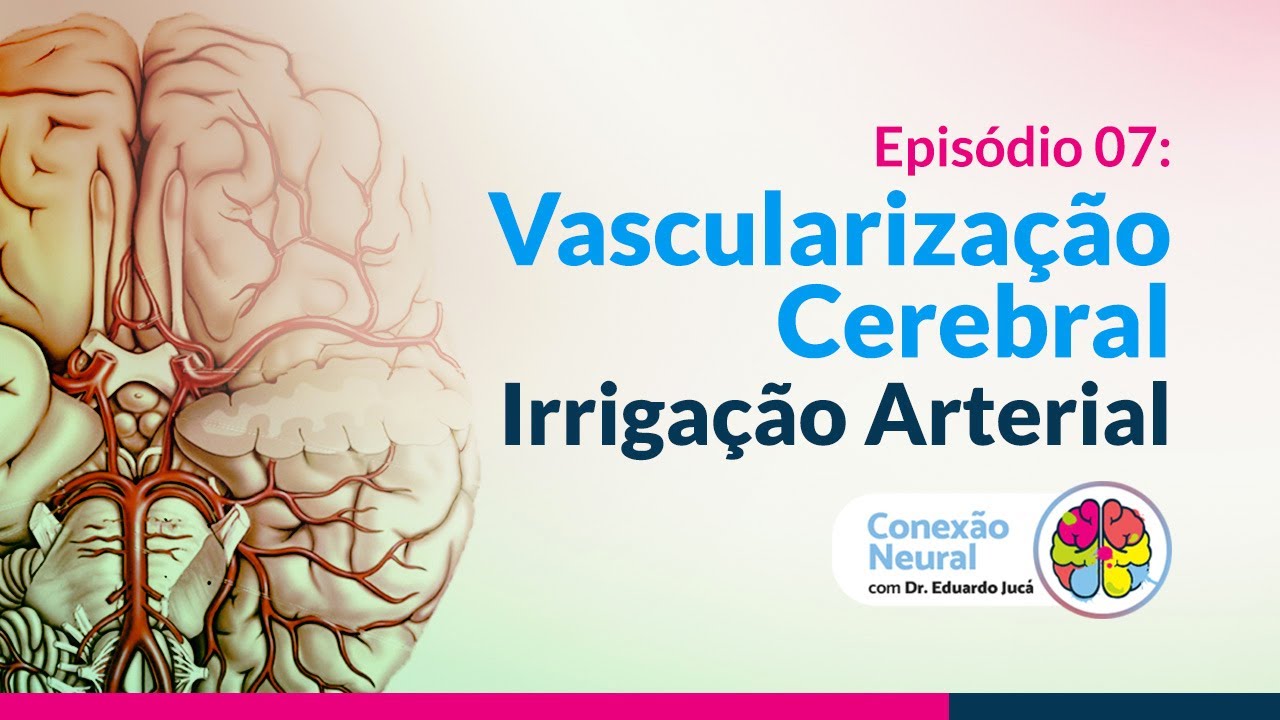
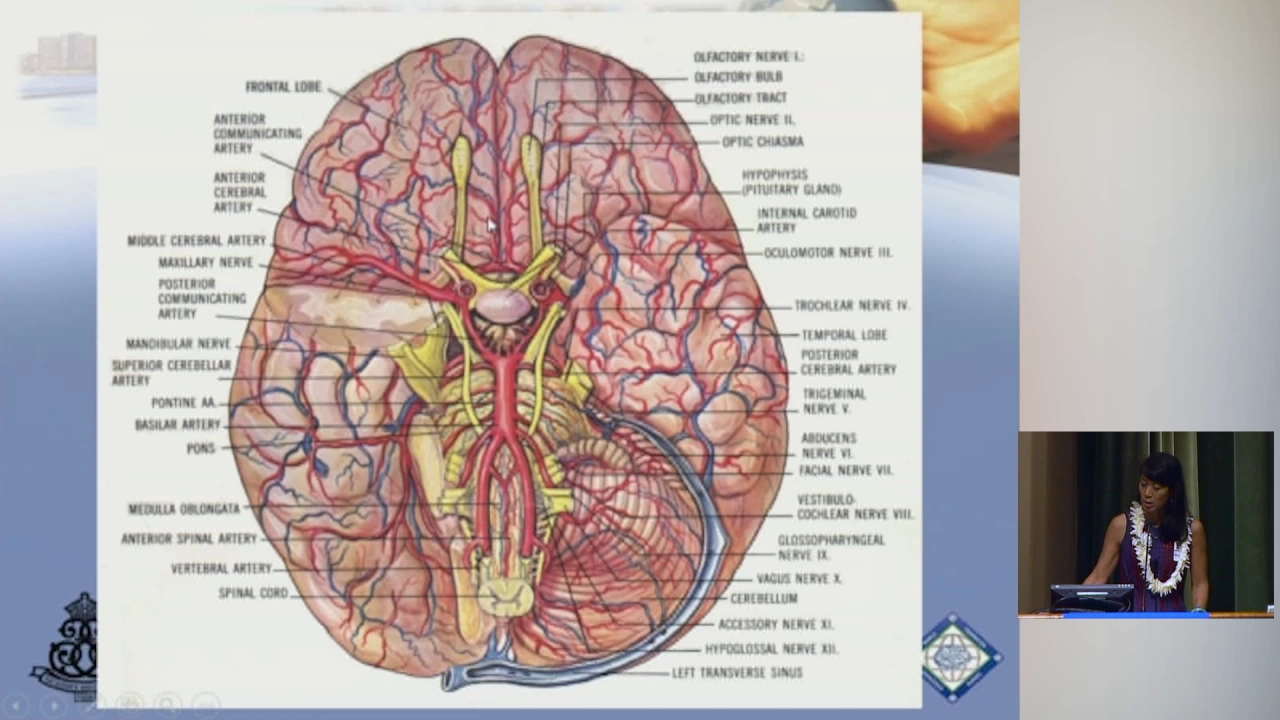
![Neuroanatomie 10 : artères du cerveau ou vascularisation artérielle de l'encéphale [Brain arteries]](https://i.ytimg.com/vi/BSB-iZeTiY4/maxresdefault.jpg)

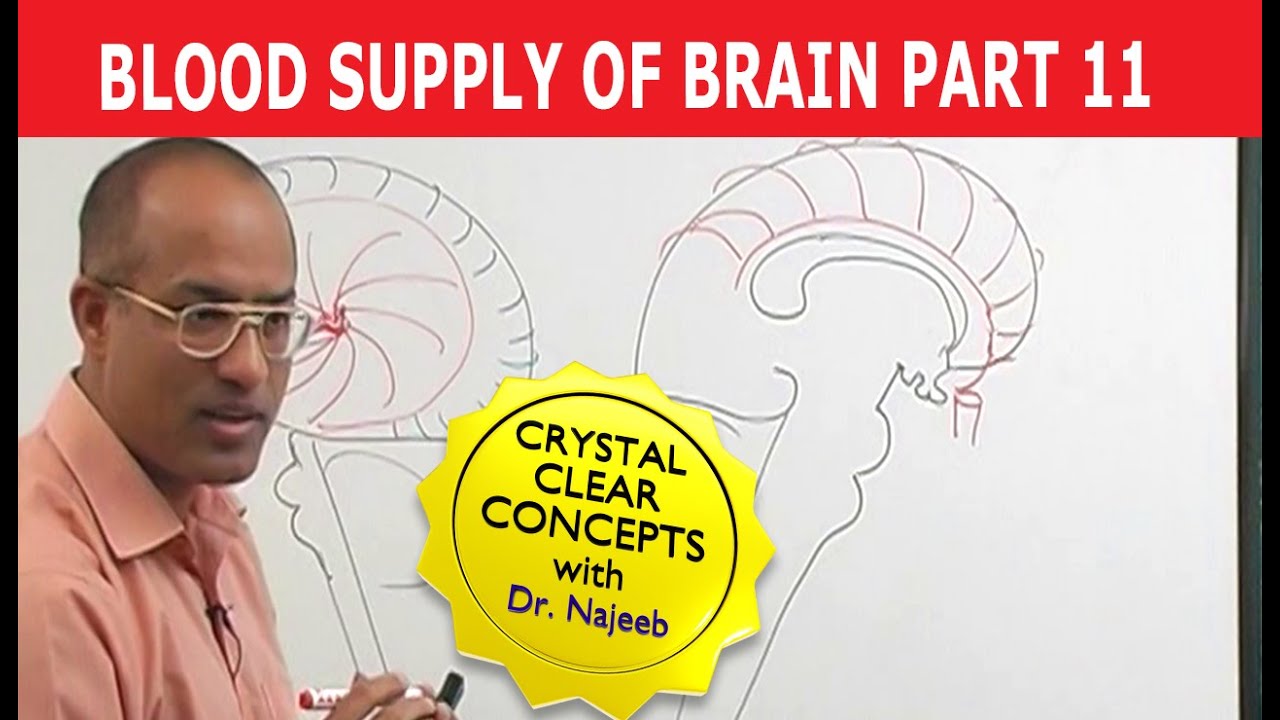
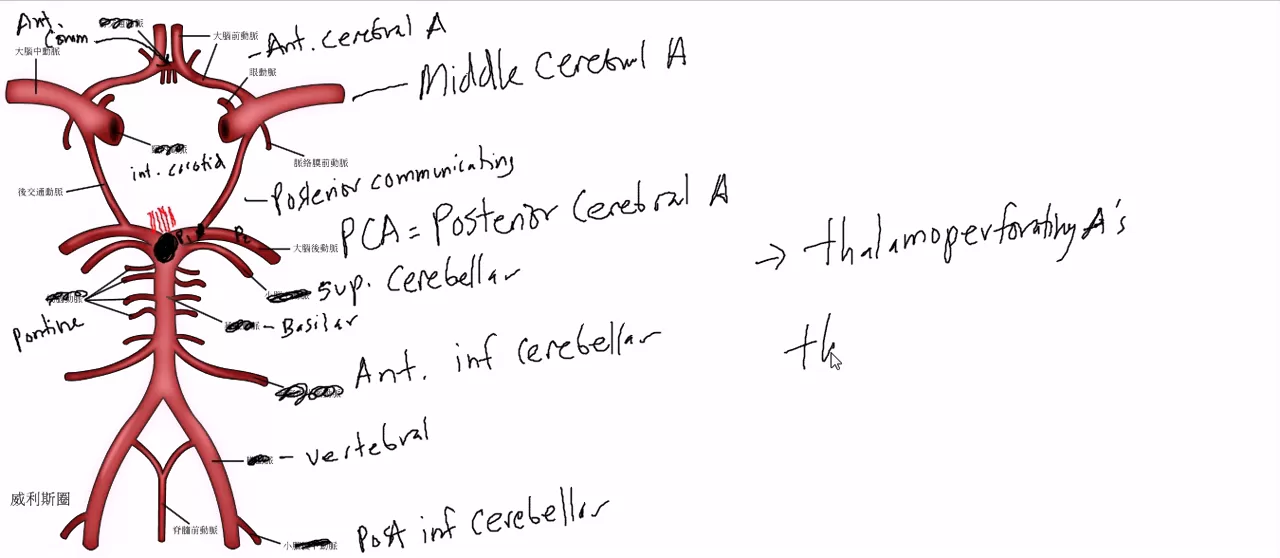


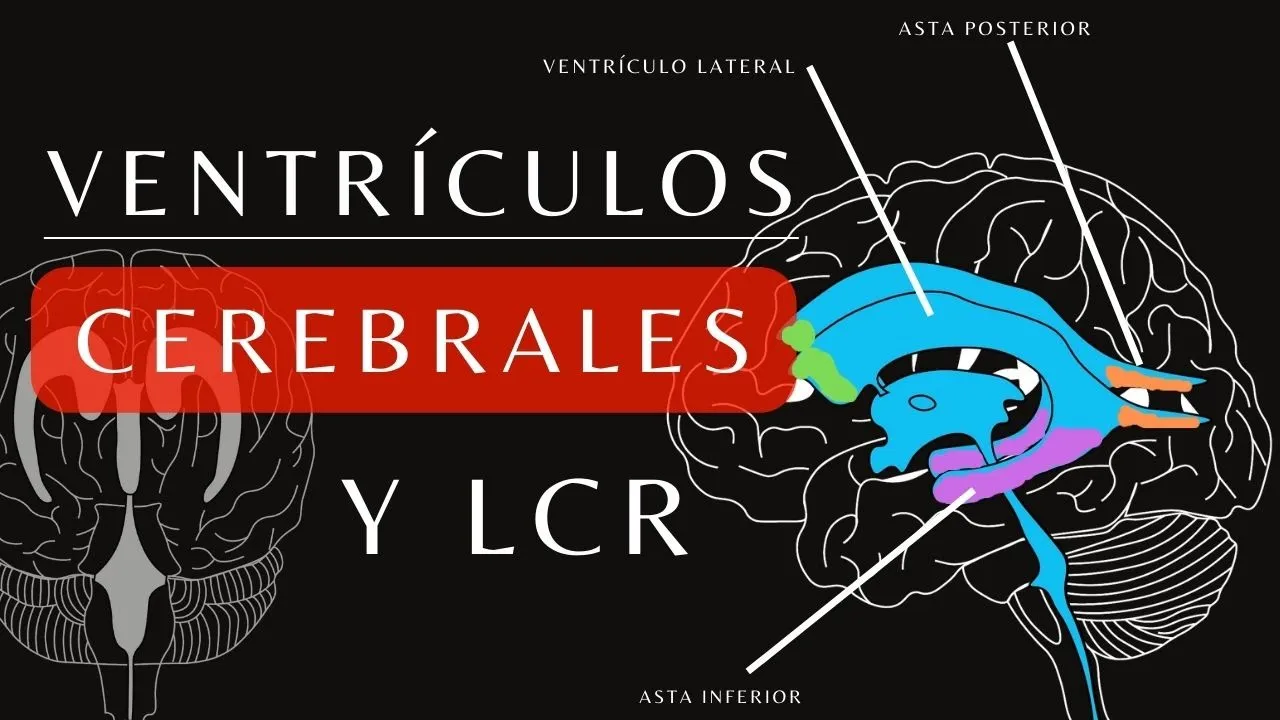

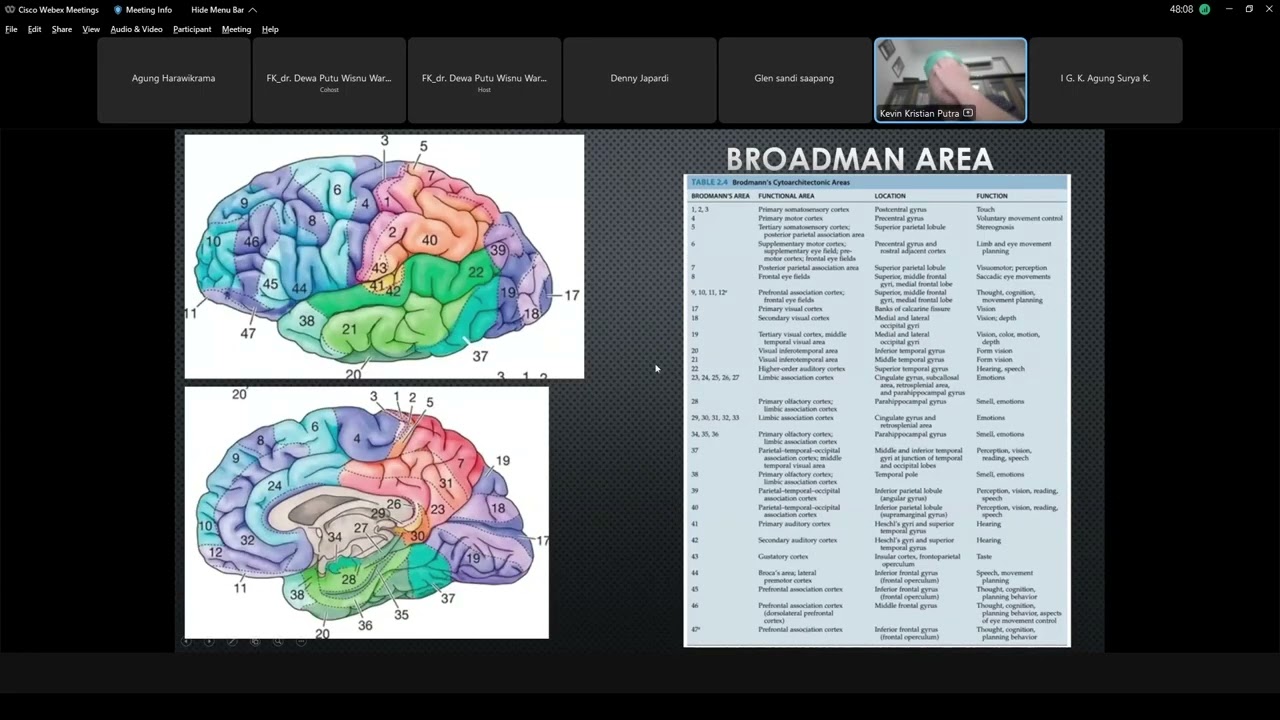






The brain is organized into major regions including the cerebral hemispheres (83% of brain mass) divided into frontal, parietal, temporal, and occipital lobes by anatomical sulci; the diencephalon containing the thalamus (sensory relay center) and hypothalamus (autonomic control); the brainstem (midbrain, pons, medulla) controlling reflexive functions and cranial nerves; and the cerebellum coordinating movement. The cerebral cortex contains primary sensory and motor areas with somatotopic organization (homunculus), association areas for higher-order processing, and Broca's area for speech production. Deep gray matter structures like the basal ganglia regulate movement, while white matter tracts connect different brain regions.
Neuroanatomy Basics: A Simplified Guide for Medical Students
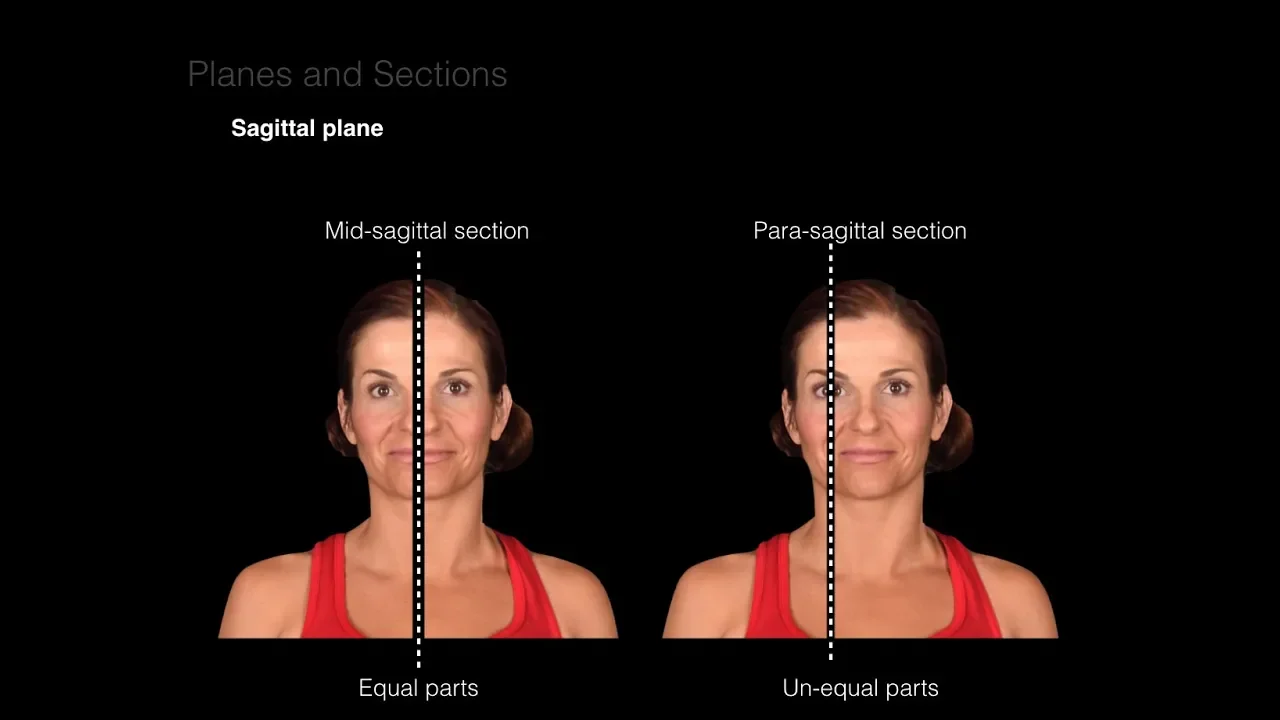
Added:Standard anatomical terminology, including directional terms (dorsal, ventral, rostral, caudal) and planes of section (sagittal, coronal, axial).
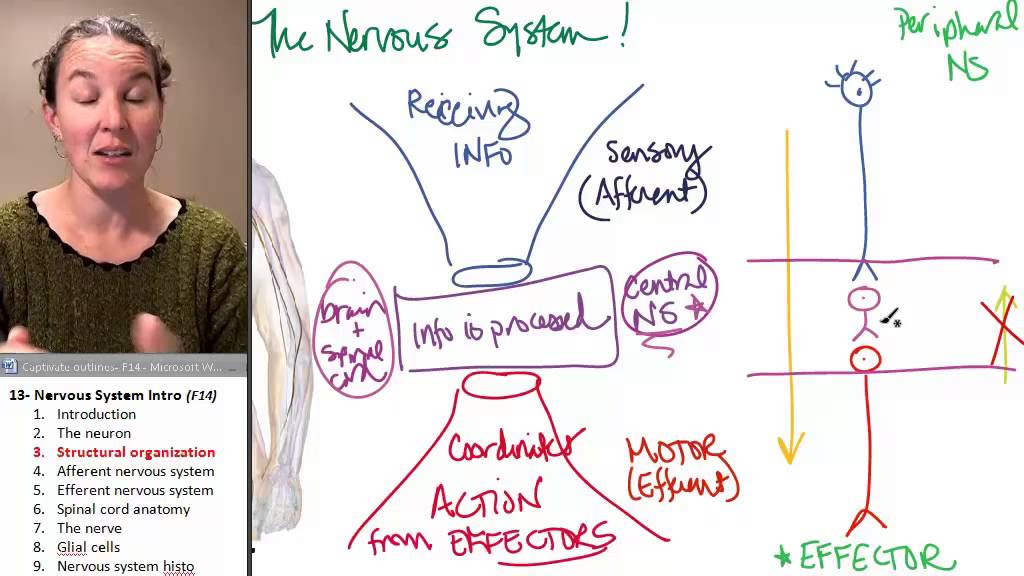
The fundamental division of the nervous system into the Central Nervous System (CNS) and Peripheral Nervous System (PNS).
Basic cellular components of the nervous system, specifically the distinction between neurons and glial cells, and the concept of gray matter versus white matter.
An elementary understanding of synaptic transmission and how electrical signals propagate through neural circuits.
The cerebral vasculature system, including the Circle of Willis, and the clinical presentation of strokes in major cerebral arteries.
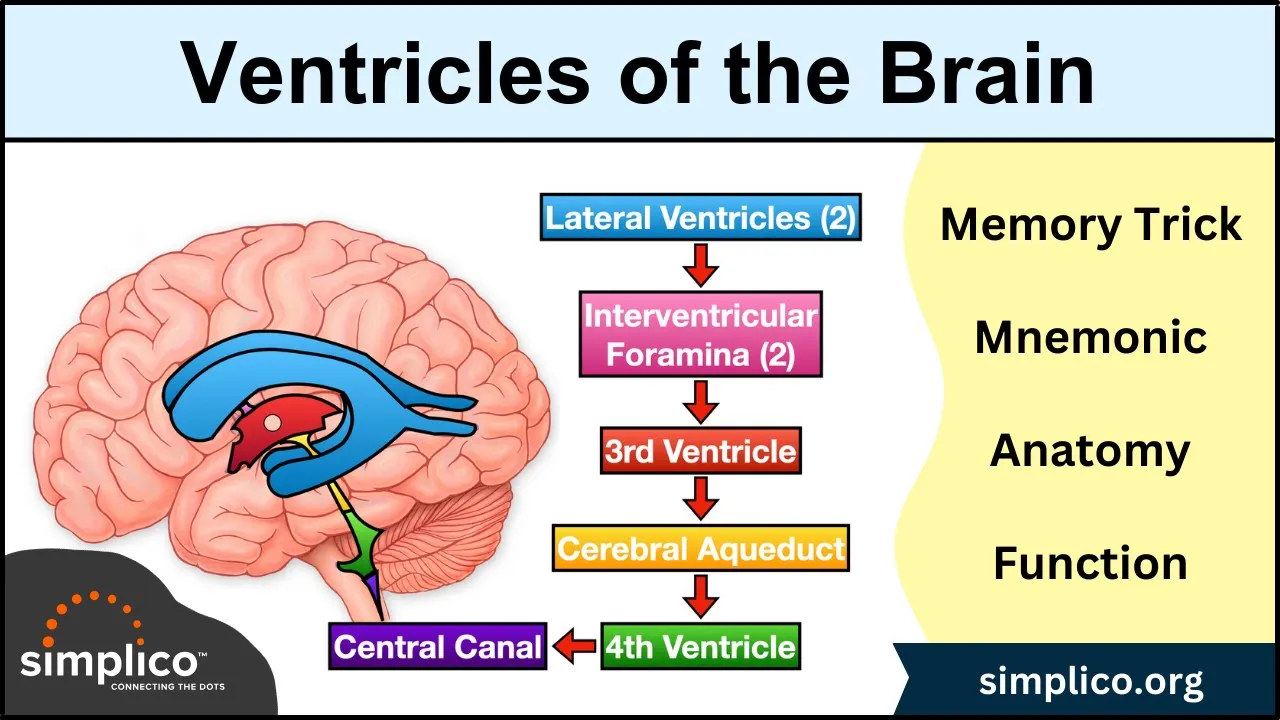
The ventricular system, the production and circulation of cerebrospinal fluid (CSF), and related pathologies like hydrocephalus.
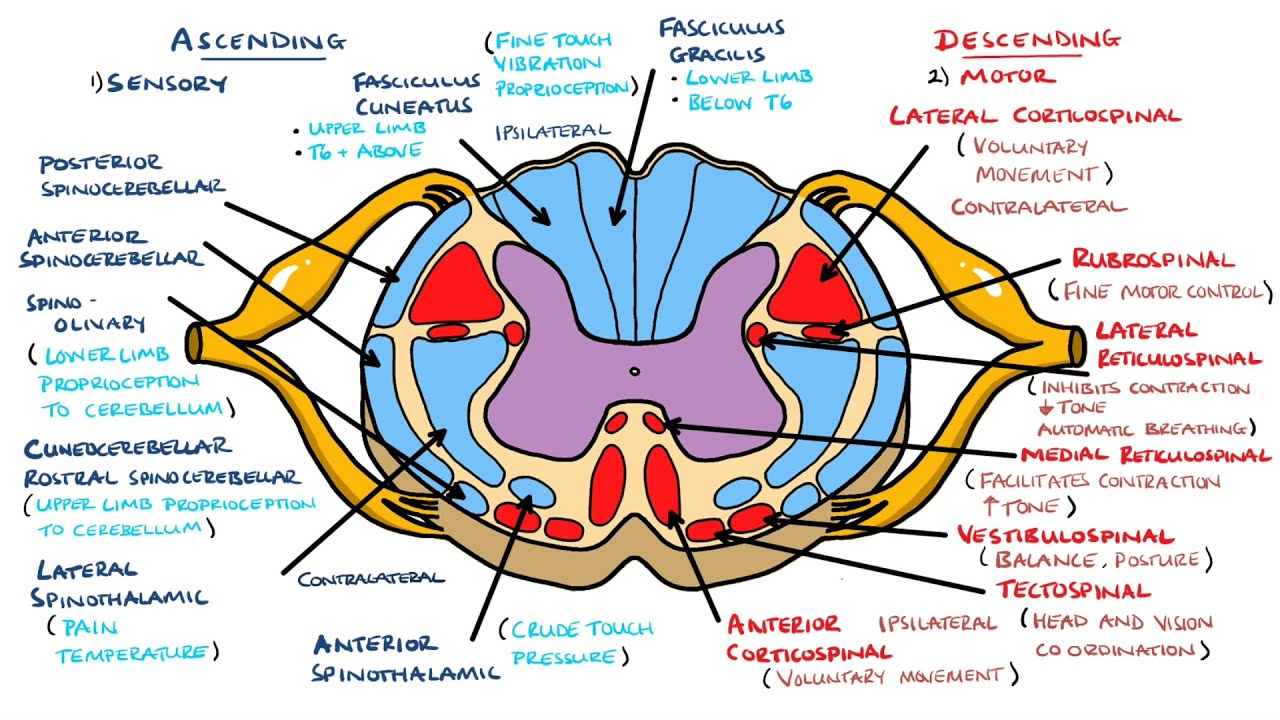
The major ascending (sensory) and descending (motor) spinal cord tracts, including their paths and decussation points.
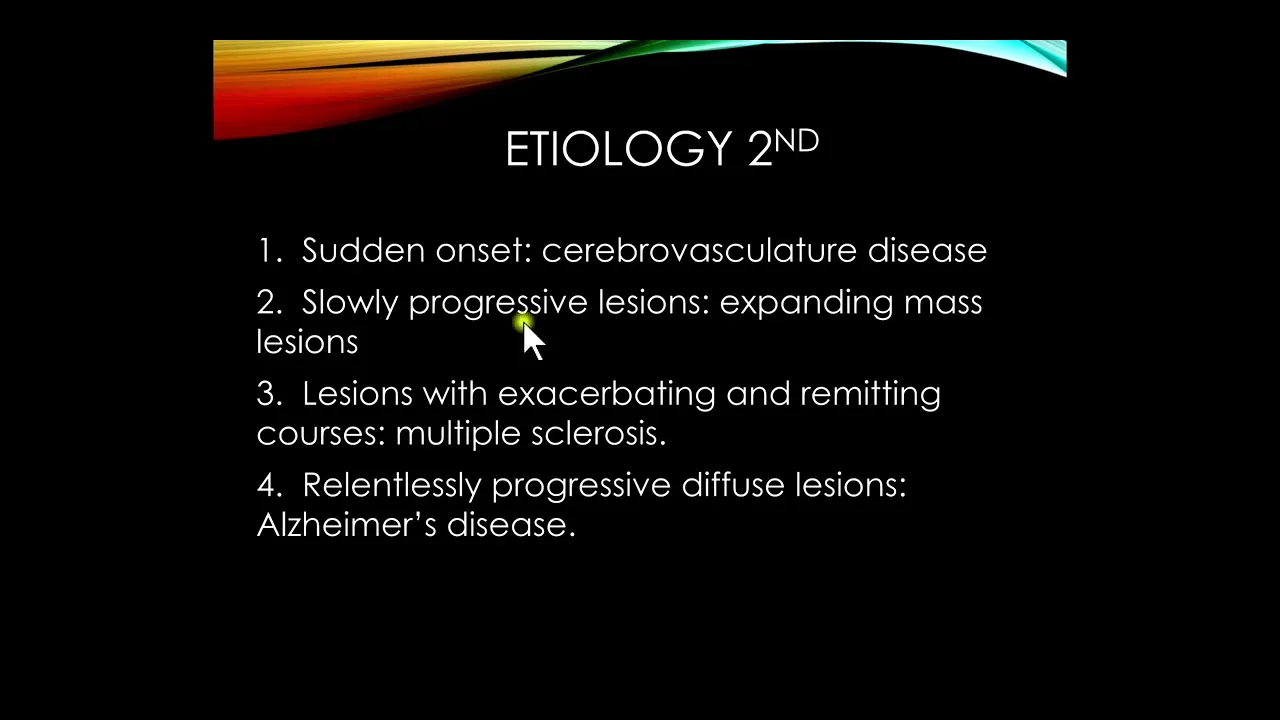
Clinical localization of neurological deficits, mapping physical exam findings (such as aphasia or hemiparesis) to specific anatomical lesions.
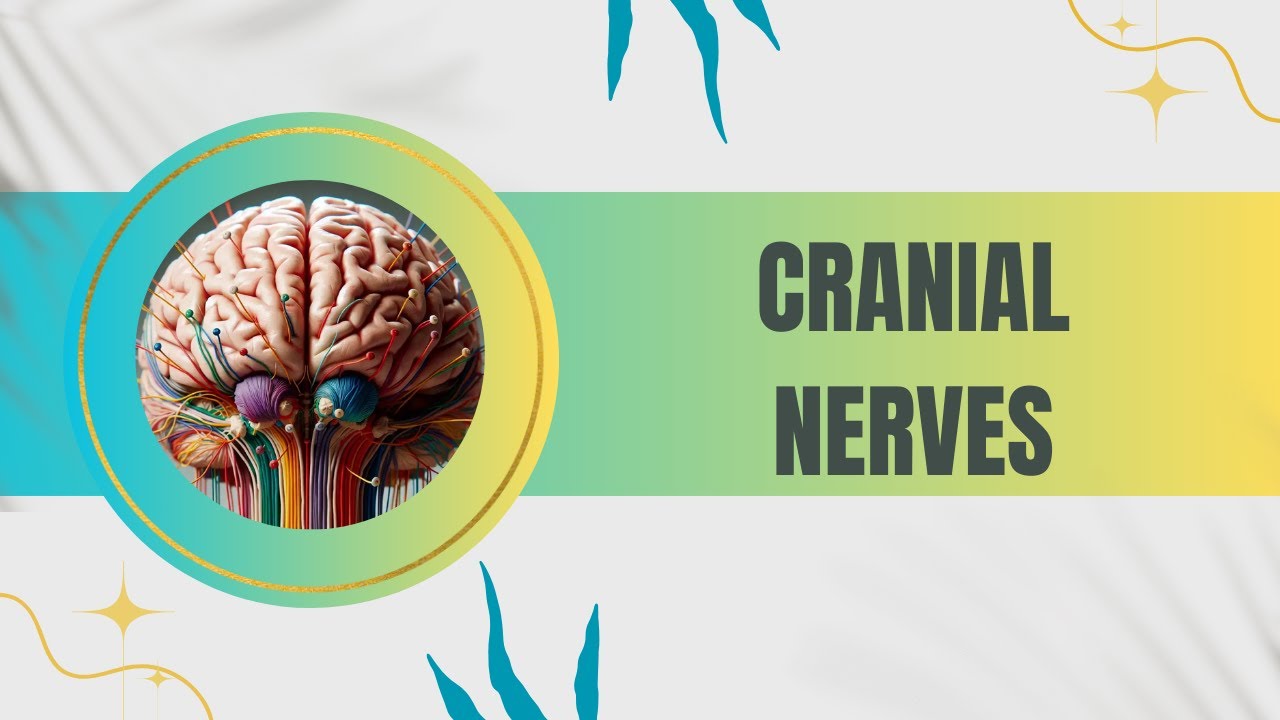
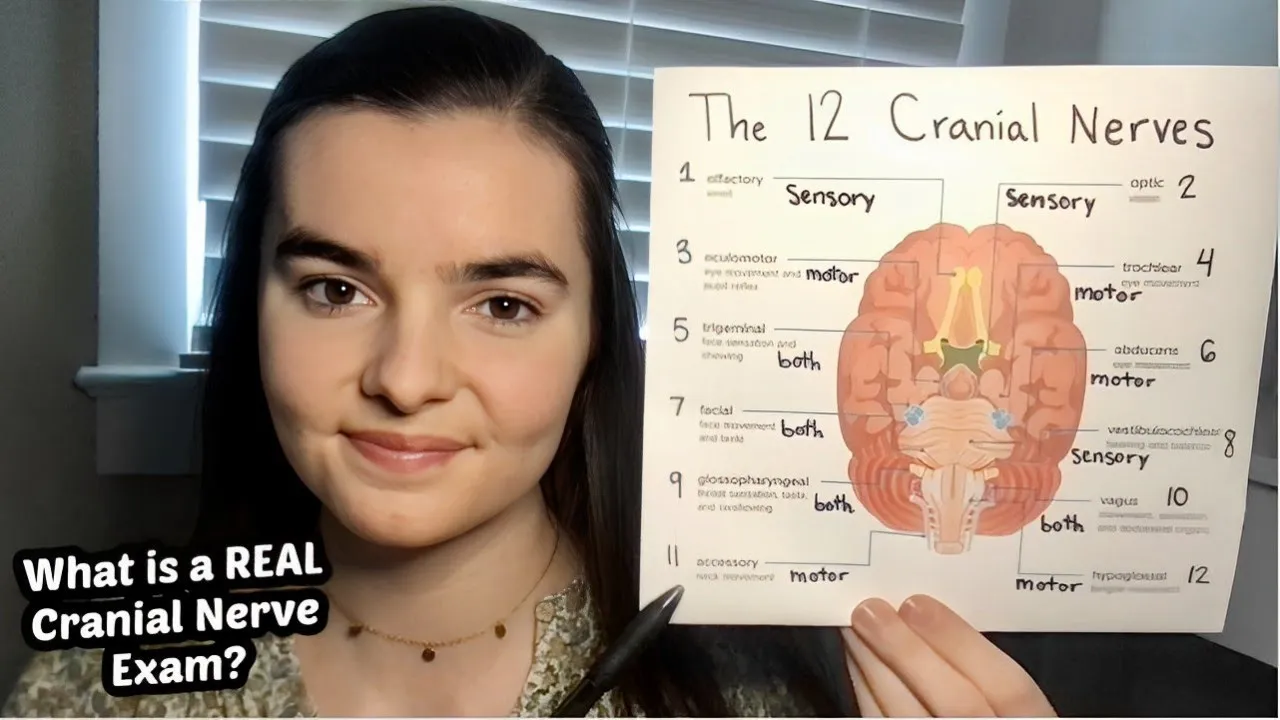
The functional anatomy, pathways, and clinical assessment of the twelve cranial nerves.
1.2M views25.9Klikes27:43Original Release: 2015-12-30
well I really uh I really appreciate the opportunity to be here I apologize that I'm in Scrubs but Christy put me to work by booking two cases for me today too as well as a lecture so and then she gave me the task of making neur Anatomy ridiculously simple so what I did is I I found a video that's all always the easy way to make things simple and now the parts of the brain performed by the brain yes neocortex frontal though it goes pretty fast so you got to write all down hippocampus neural node right hemisphere pwn and cortex visual right right syvan Fisher Pineo left hemisphere cerebellum left cerebellum right synapse hypothalamus strim d right all right this is the part where you stretch little bit a on fibers matter gray Central tment pathway temporal lobe white corat for brain skull Central Fisher Court spinal par all right we'll stop it's too much so neur Anatomy is uh is fun it's not that much fun but um so what I'd like to do and it obviously it's very difficult to uh put together a you know a big course into 45 minute talk so I'll I apologize for not being very indepth but I want to just quickly run over the basic neur anatomy that I think all of us need to be familiar with I'm just going to function on brain I'm just going to Focus excuse me on brain anatomy and so just as a reminder the the brain obviously is a very complex uh organ and it develops from what is a rather simple tube into this very complicated structure with many gyri and salsy a very complex folding pattern that that results in the anatomy that we look at and so when we look at the brain as a final product uh we can generally divide it into regions and we'll try to do that today and and talk about what happens in the cerebral hemisphere which is the cortex of the brain which is the area that we we often think of when we talk about the brain uh but there clearly are some very important deep structures the dlon which is a Thalamus and hypothalamus play very critical roles uh as does obviously the brain stem as Pinky the brain emphasizer uh and then we'll talk a little bit about the cerebellum as well so starting with the cerebral hemisphere this really is the the largest portion of the brain it's about 83% of the total brain mass uh it covers a Dian it covers the midbrain it sits above the cerebellum and it does have what at first glance looks like a random pattern of gy and salai but as we know there is a a very unique uh characteristic pattern here that does allow us to identify different regions of the brain and different functional areas and the first level of dividing the brain into regions is dividing it into lobes so as I'm sure we all remember from school the frontal lobe and the parietal lobe are separated by the Central sulcus and that's the main sulcus that separates these two regions of the brain there's a lateral or Sylvan fissure that separates the frontal lobe from the temporal lobe there's an occipital lobe that's divined by the preoccipital Notch and then there is the transverse fissure which will divide the super tentorial space from the infratentorial space so this is a lateral view of the brain if we look at the brain from above we can identify again a frontal parietal and occipital lobe and a central sulcus here that's dividing the frontal from the parietal so this gives us a a real General kind of zip code uh segmentation of the brain it's important to keep in mind that the brain is not just that lateral surface that we look at there's a medial surface so again we can identify a frontal and parietal lobe separated by a parentral lobule which is where the central sulcus Dives in functionally that's the leg area we'll talk a little bit about that and then we can identify an occipital lobe separate from the prial lobe defined Again by the preoccipital Notch laterally and then the py occipital sulcus here we know this is where vision is for example so these this kind of general subdividing of the brain has some functional significance and then if you look at the brain From Below there's a ventral surface as well so again a very characteristic pattern of temporal lobe gine salside inner hemispheric fissure and then now the cranial nerves and the brain stem itself and the cerebellum are more evident so a lot of complicated anatomy and there's a long history of trying to understand the anatomy of the brain and and one of the earliest uh important steps in trying to understand the cortex since it did seem like a very random uh structure was some of the work that broadman did so broadman was a German neurologist not a neurosurgeon unfortunately but still very very smart um and uh he was one of the first to really look at these sub regions and he looked at them histologically looked at the cell types in those areas and began to divide the brain into regions and so this is a colorized version of the original diagram that brodman published it was done in black and white dividing the brain into 52 cortical areas and and this has been refined quite a bit over time and uh there obviously we have a better understanding than than broadman had but this was a really important first step forward in in understanding that the brain is not just a random uh gyrated structure but but there is some function here so here's all the 52 areas we won't go over all of them um but uh this will be on the exam so uh it's a very important way I think the the more useful way to look at brain anatomy and what we try to you know teach our trainees here is to really look at the anatomy functionally rather than structurally so I think it's very useful to to look at the frontal lobe of the brain and to think about an area that is prefrontal which is the pink area here and we can talk about the prefrontal cortex and what happens there we can talk about the motor region of the frontal lobe so we can divide this frontal lobe into two regions we can talk about a s area which is the blue and we have a primary sensory area here we also have another primary sensory area in the back of the brain and then a lot of the light blue are these association areas association areas are very interesting because a lot of higher order functioning happens in these association areas bless you uh and the prefrontal cortex 2o is technically an association area so these are parts that are taking multiple inputs associating them with one another to comprehend our world so what I'd like to do is walk through these so we'll start with the prefrontal cortex this is the part of the brain that is the most complex and most developed in humans and so this really is is really the closest thing to where our mind sits if you will a lot of complex Behavior cognitive behavior social behavior personality expression those of you that have taken care of patients with prefrontal lobe injuries know that that people change when this part of the brain is not working well so a lot of executive functions as well lie in here so a lot of our high High cognitive processing trying to follow rules perform multiple tasks at a time control impulses and again a lot of Personality lies in the prefrontal cortex and a lot of working memory is here too so for those of us that have had patients that have a hard time with working memory hanging on to a rule uh hanging on to short-term memory and being able to to retrieve it while doing a task it's very difficult when you have a prefrontal cortex injury um when patients have a head injury for example which is one of the most common causes for brain injury uh this this prefrontal cortex especially the frontal lobe and the orbital frontal surface are very prone to moving within the cranial Vault and getting damage so that's why we we see quite a bit of that so that's a brief brief kind of idea of what happens in the prefrontal area if we move back to this darker right area this is the the more posterior portion of the frontal lobe and this is the motor area and so the motor area has multiple regions there's a primary motor cortex which is broadman area four and then there premotor areas there's an i field and a a language field here so the primary motor cortex is the one we all learned back in school this is the precentral gyus so it's right in front of that Central gyus so it's right at the very back of the frontal lobe very large paramal cells here which is why broadman identified this as region four it's a very distinct anatomic region and it does have a somatotopic organization so a lot of us remember the homunculus this idea of a little map of the body within the frontal lobe so the more lateral parts of this are areas that are controlling movement of hand and face and mouth the more medial and Superior areas are where the leg area is located and this becomes important in patients that have a stroke or a tumor where out here you're going to expect more facial droop hand weakness uh an ACA stroke for example which would affect more the parentral lobu may result in just leg weakness but the arm and hand and face may be okay so this this organization is very important function and the motor cortex is is a very simple and starting basic starting point for for motor movement but there's a lot of motor planning that's involved and that's where the premotor area comes into play so as you get closer to that prefrontal area where you're more uh cognitively engaged that's also where you become uh where you're focusing your planning and your access to motor plans and selecting different motor plans and inhibiting competing plan so a lot of that happens here in this premotor cortex area which is a very important area and as as you know if you've had a patient that's at a premotor uh cortex injury a lot of times they may even look like someone that has a complete motor paralysis because they just have a very hard time with initiating and having that drive to move uh moving the eyes is a very complex motor function so that occurs in the in the frontal eye field which is located right here and then broka area which is uh this area here uh is a speech area and it's a pretty large area because speech production can happen with your mouth it can also happen with your hand you can sign speech you can write and you can speak and so broka area is a very complex area it's not a coincidence that it's located right next to the part of the homunculus where your mouth and hand is right so it makes sense that an area that's going to initiate that type of motor plan is going to be right next to that part of the homunculus so then if we move back behind the central sulcus we get into the sensory areas and a lot of the brain is dedicated to sensory processing to understanding the world around us and understanding stimuli as they come in and a lot of it happens in this primary sensory cortex or this post Central gyrus a gyrus right behind the Central sulkus and the primary seat sensory cortex is very similar to the motor cortex in that it also has a a somatotopic organization so there is a similar organization where the medial portion is the leg the more leral portion is the hand and face and again the the distribution here is is biased towards areas like the fingers the hand the face the mouth where your sensory discrimination is very high areas like your back your sensory discrimination is much lower and so most of us in school did the kind of sensory discrimination test where you take two little paper clips and you see how far apart you got to get them before they feel like two pokes versus one and if you do that on your fingertips you're really really good at that on your back it's very hard you got to really separate them out because those the plots are much bigger it's just not not a high resolution area so this is the primary smat sensory cortex but then this large light blue area are these other sensory areas these association areas and there's a lot going on in here uh there are areas that are associating input from the hands perhaps from the the eyes as well or from the ears as well where the primary auditory region is um there are areas that are going to get input from Vision as well well so areas that lie within here are going to access input from the primary somata sensory primary auditory primary visual so again it makes sense functionally why you would put these sensory association areas here and so we can plot out primary association areas for every sensation we have so there's going to be an olfactory cortex for smell a vestibular cortex for balance a gustatory cortex for Taste and so on and these are going to land in these dark blue areas and then they're going to come into this sort of pariot temporal Association area where it's going to be processed and comprehended now vision is an interesting one because it lies on that medial surface of the brain so if you look at the lateral surface it's this tip all the way back here the occipital pole but if you look at the medial surface of the brain you can see that actually the sensory cortex has a very interesting orientation it lies right along this calcarine sulcus which is a nice dominant sulcus right in the middle of the medial occipital lobe and this is area 17 and this is primary visual cortex so the visual input that comes from the eyes relays through the thalamus and comes back to the occipital lobe comes here and so it's the same idea where you have a primary area so this is an area that's going to detect a flash of light for example in a certain area but understanding what you're seeing in that area understanding movement and then identifying an object is going to happen in association areas so when we take care of patients it's important to keep in mind that a lesion of a prim area and a lesion of a Association area are going to have different deficits and Association area where a lot of comprehension is going to occur uh one example of that is the vision visual input that comes into the primary visual cortex actually goes forward to the association areas in two different streams there's a dorsal stream which actually goes towards a parietal lobe and that's a part of the brain that that is focused more on on where something is where an object is uh where you are geographically where structures are within your world uh and then there's a ventral stream that goes towards a temporal lobe which is an association area that's more of a what area so a lot of our recognition of a face of an object naming things is going to occur here so one example of how input coming to the primary visual cortex might make you blind cortically blind if you weren't able to get that input to begin with but if you get that input you may have a hard time identifying where something is versus what something is depending on whether you have dysfunction in your in your dorsal stream or your vental stream and so these are things that that do come into play again when we're seeing patients with injuries to different brain areas and then these association areas which we've kind of talked about multiple times again they they occupy different areas of the brain the prefrontal cortex really is a very large complicated Association area because uh identifying objects in your world but then formulating plan initiating a response and trying to do that in the context of the information you've just processed uh is very complex and so we're talking about information coming into sensory and then perhaps going to prefrontal where you may decide how you feel about it how you want to respond to it what your mother or father told you you're supposed to do during a situation like this this is all prefrontal cortex and then you're going to go to premotor to plan a response if it's a motor response and then go to your motor cortex so this really is a very complex Association area these are really complex sensory association areas where you're trying to interpret that information and identify what it is and then language both the motor language and the sensory language so that's the the wornies area which is our sensory language and then broke as our motor language these are association areas these are areas which are taking input from multiple primary areas to to either understand what you've seen or formulate a response uh there is an area called the insula which we're kind of ignoring because it's it's hidden under the lateral sulcus here but the insula is a very interesting area where uh there's not a great understanding of what it does it clearly plays a role in language does play a role in some visceral kind of organ sensation some of the autonomic type of responses in the lyic cortex and the way we respond to things now we talked a lot about gray matter here but there's white matter connecting everything and so those of us that have taken care of patients with diffuse axonal injury know that you can have a great Vortex but if if white matter tracks are damaged then function is is compromised so there are a lot of important white matter tracks to keep in mind uh the ones that cross the brain uh like the Corpus colossum or the smaller anterior and posterior commer these are called commers these ones that connect the left and right brain together those are very very important for Association and comprehension of complex input there are Association fibers which run within one hemisphere one like the superior longitudinal facul for example and they're projection fibers which are actually kind of the input output from the brain and so these white matter tracks are absolutely critical and many of us have seen patients where the cortical process might be fine for example a patient with a conductive Aphasia you know worik is okay brocas is okay but that archu fulus that connects it to is not okay so you can see a a dramatic dysfunction even though the cortical regions are working okay so if the connections are not there uh you know this complex computer falls apart so it's very important to keep in mind that this Anatomy is there it can be affected by by injury and and as surgeons you know we can actually map this we can image this with tractography diffusion tensor Imaging we we're much more thoughtful now about white matter tracks in the brain to kind of finish off this uh you know walk through the anatomy of the cortex you know we talked about gray matter areas we talked about white matter it's important to keep in mind that when you when you take a a slice through the brain either Imaging on an MRI cat skan or anatomically uh in the laboratory you see a lot of gray matter that's deep in the brain as well so it's not just gray matter on the surface white matter underneath there are areas of deep gray matter and there are many areas in the brain these are very complex areas uh some examples are the basil forbrain nuclei which sit in the lower back part of the frontal lobe they're deep structures these are areas that are very important in acetal choline mediated transmission we think in Alzheimer's disease this is an area that does not function well we'd lose Co energic transmission uh the basil gangli is another great example which uh is a a group of many structures including the Cotate the paman the Globus palatus the subthalamic nucleus these are areas that are involved in motor processing kind of scaling movement picking uh different motor plans so patients with Parkinson's disease with Huntington's disease the cortex is fine but movement is still affected because of these basil ganglia these deep structures so having just a normal motor C and intact white matter tracks doesn't mean the motor function is going to work well you also have to have this deeper cortical relay working well in these deeper gray matter structures being able to regulate and control the cortex so those are the hemispheres and then we'll we'll kind of move a little bit deeper to some of these deeper areas uh as we head to the home stretch here so uh the thalamus is a very important structure and this is one of the two parts of the diyon so the diyon is made up of the thalamus and the hyp Thalamus the thalamus which means Inner Room is is a very interesting structure located deep in the brain there's two of them they look like these small hard-boiled eggs connected to each other um they form the walls of the third ventricle and and they're really kind of a c off person if you will between the brain and the peripheral nervous system so information that comes up to the brain almost always relays through the thalamus so sensory information visual information coming up well almost always synapse in the thalamus and then the thalamus shoots it up to the cortex so the thalamus plays a very important role in that way uh if you look at a brain the thalamus is this structure here so it's sitting right in the middle of the brain um if we look at a a cartoon here the thalamus are these two paired blue structures there's an interthalamic adhesion that connects the two and then the thalamus just like everything else in anatomy is broken up into sub regions we're not going to go over these this is you know whole lecture itself the lamic anatomy is a big text book I have which is very scary that goes over the thalamus um but you know some kind of just basic things just to put it in the context of what we talked about sensory input for example from the hands and feet comes into the thalamus and it goes to the vpl the ventral posterior lateral nucleus of the thalamus which is this big blue area and then this shoots it up to that primary sensory cortex so all the input that the primary sensory cortex gets gets from a Thalamus so again you can think about someone that's had a thalamic stroke or thalamic tumor you know they have major major deficits cortex is fine sensory in the hand is fine but input doesn't get there if you don't have the cut off person vision for example runs through the thalamus it it goes to the lateral geniculate nucleus auditory input goes to the medial geniculate nucleus a lot of the sensory information has to run through the thalamic relay and the thalamus for that reason is an area that we're very interested in with deep brain stimulation and neuromodulation because it is a very critical cut off or relay structure that can be modulated so you can maybe turn it up or turn it down one interesting area of the thalamus is this intral laminer nuclei which kind of run in the middle here this is an area that in a patient gosh it's been 10 years now I think uh that was uh minimally responsive in a vegetative state a group of Surgeons put a stimulator in this area and actually were able to increase wakefulness in that patient this was someone that started feeding themselves and communicating and before they weren't doing that at all because the inter laminer nuclei or an area that that take input from the activating system the reticular activating system that wakes you up in the morning and relays it to the brain to turn on the brain so the thalamus is a very interesting area and it's one that a lot of very smart people are are are researching to try to better understand how we can modulate thalamic function below the thalamus is the hypothalamus so if this is a Thalamus then below it is a hypothalamus hypothalamus is a very uh more basic uh area of the brain it it functions on its own so it's not a relay Center like the thalamus and it it's really focused on a lot of autonomic type of basic functions in the brain so um emotional responses body temperature hunger thirst sex strive sleep wake cycle controlling your hormones the pituitary gland is under the control of the hypothalamus uh these are very important structures so if you've had someone with a hypothalamic injury if you've seen a child with HP alamic seizures for example those manifest as a gelastic kind of laughing seizure I mean it's a very very interesting area of the brain um if a young child has injury to the hypothalamus like with a tumor like a cranial foma they can become severely obese because they they have total disruption of their normal satiety function uh so hunger and thirst are here so very very critical deep brain structure different from the thalamus because it's not focused on interfacing with the cortex it's a very basic fun function in the brain that that lies below that and then moving beyond the Dian sephylon now we'll go down to the brain stem so we're working our way down so the brain stem really sits now in the posterior faca so we're below the cortex below the Dylon and a lot of automatic programmed reflexive type of behaviors come from here so this is not conscious processing in the brain stem um and it is broken down into three areas as you know so if we look at that ventral surface of the brain uh we can take that brain stem and break it up into a midbrain a pwns and a medulla and the the anatomy in these is very complex you can't really see them much from the outside so a lot of the anatomy that we learned in school was to slice through this and look at the slice which means on a good MRI you could also see this and you can identify different structures within the midbrain uh the midbrain is going to sit right on this upper third of the brain stem uh same thing with the pawns that occupies this middle third of the brain stem if you kind of slice through it you can see the anatomy within the ponds which is also very complex uh and then if you get down to the medulla which is just the very very bottom where we transition to the spinal cord again very very complex to summarize the brain stem I didn't want to go into brain stem a lot because it is very complicated but all the cranial nerves come from the brain stem so all the nerves that go to the head face neck so control of eye movement control of hearing speaking speech swallow uh even shrugging your shoulders the cranial nerve 11 that goes to your neck muscle is stalam mastoid are coming from the brain stem the brain stem is also taking sensory input from the head and neck and face so hearing taste um balance these are things that are going to come into the brain stem and then get sent up to the thalamus before they go up to the cortex so the the the brain stem is a very important direct communication uh through the cranial nerves and then finally a cerebellum the cerebellum is uh means the little brain it kind of is a little brain it sits down below it's connected to the brain stem it doesn't have a complicated uh you know prefrontal cortex so fortunately it's not thinking for you uh but what it does do uh primarily is coordinate movement it does have other functions too there's a lot of interesting work on on the cerebellum but the the most basic function that it performs is coordinating movement and the cerebellum uh has a very complicated structure of what we call Folia they look like leaves so they don't have the gy salside but they have the Folia and fissures in them and the more central part of the cerebellum controls movement in the in the head and neck and trunk so it's more axial coordination whereas the more lateral cerebellum is more appendicular or arms hands and legs so those of you that have had patients with either cerebella tumor cerebellar stroke you've certainly seen that if it involves the the med medial part of the cerebellum uh you're going to have more trunkal instability but patients might do really well with their arms and hands if it's more lateral cerebellum then you see things like dysmetria dis synergia dtic coesia these deficits of of distal appendicular arm and hand movement um and the cerebellum does also process some sensory input most of it is balance related and propri reception related because that's really critical for coordinating movement okay so that is my neuro Anatomy made ridiculously simple um I preferred the cartoon but
Up Next
93:57
Name That Lesion: Neuroanatomy Clinical Vignettes
@worldfederationofneuroscie7473
8.1K views•2016-12-31
21:55
Deciphering Neural Circuits Controlling Anorexia in Mice | Richard Palmiter
@AllenInstitute
2.3K views•2011-10-10

4:10
Vagus Nerve (CN X): Anatomy, Nuclei & Functions Explained
@Alilamedicalmedia
305.2K views•2022-10-31
13:03
How Exercise Benefits Your Brain: Science Explained
@TED
11.4M views•2018-03-21
Related Study Plans & Knowledge Roadmaps
Structured learning paths in Neuroscience
neuroscience
Appetite Regulation: Brain Circuits & Hormones
01Foundations of Endocrinology and Brain Anatomy
02Introduction to Energy Homeostasis
03Peripheral Signals: Leptin, Ghrelin, and Insulin
+ 2 more learning modules
14h5 modules
Explore Roadmap
neuroscience
Neuroeconomics: Value, Risk & Brain Mechanisms
01Foundations of Neuroscience and Brain Anatomy
02Introduction to Neuroeconomics and Subjective Value
03Dopaminergic Prediction Errors & Reinforcement Learning
+ 3 more learning modules
18h6 modules
Explore Roadmap
neuroscience
Spatial Navigation: Cells, Grids & Brain Maps
01Foundations of Brain Anatomy and Memory
02Place Cells and Head-Direction Cells
03Grid Cells: The Brain's Coordinate System
+ 2 more learning modules
12h5 modules
Explore Roadmap
neuroscience
BCIs: Neural Decoding & Prosthetic Control
01Neuroscience Foundations: How the Brain Signals Intent
02Signal Acquisition: Recording the Brain's Activity
03Neural Decoding: Translating Brain Waves into Data
+ 2 more learning modules
25h5 modules
Explore Roadmap